Understanding the Family Medicine Residency Interview Landscape
For an MD graduate pursuing family medicine residency, the interview season is where your application becomes a person rather than a PDF. Even with strong scores, clerkship grades, and solid letters, inadequate pre-interview preparation can cost you a spot. Conversely, a well-prepared, thoughtful applicant can stand out even in a competitive allopathic medical school match.
Family medicine programs look for more than clinical competence. They want to see:
- Commitment to primary care and continuity
- Comfort with breadth: pediatrics, adult medicine, geriatrics, women’s health, behavioral health
- Teamwork and communication skills
- Cultural humility and patient-centeredness
- Resilience and self-awareness
Pre-interview preparation is about aligning who you are with what family medicine residency programs need—then communicating that clearly and authentically.
Below is a step-by-step guide on how to prepare for interviews, tailored to MD graduate residency applicants in family medicine.
Step 1: Clarify Your Personal and Professional Story
Before you think about “interview questions residency programs might ask,” you need a clear narrative. Programs remember stories, not lists of achievements.
Define Your Family Medicine “Why”
Be able to answer, in concrete terms: “Why family medicine?” Programs expect more than “I like everything” or “I want continuity.”
Reflect on:
Specific patient encounters
- A continuity clinic patient you followed over multiple visits
- A complex family situation you helped navigate
- A time you addressed not just disease, but social context
Clinical experiences that changed you
- Free clinic work
- Rural rotations or community electives
- Work with underserved or marginalized populations
Values that match family medicine
- Long-term relationships
- Prevention and public health
- Systems-based practice and community engagement
Actionable exercise:
Write a one-paragraph answer to “Why family medicine?” Then challenge yourself to make it:
- Specific (includes at least one brief real example)
- Values-based (states what matters most to you)
- Forward-looking (connects to what you hope to do in residency and beyond)
Example (condensed):
I’m drawn to family medicine because I value long-term relationships and working at the intersection of medicine and community. During my continuity clinic, I followed a Spanish-speaking patient with diabetes through multiple visits. Addressing her food insecurity and connecting her with community resources made more difference than tweaking insulin doses. That experience shaped my goal of becoming a family physician who practices in an underserved urban setting, integrating primary care, behavioral health, and social services.
Know Your Application Inside Out
Anything on your application is fair game for an interview. For MD graduate residency applicants, this especially includes:
- Personal statement
- ERAS experiences section
- Research and quality-improvement projects
- Leadership roles
- Volunteer and advocacy work
- Hobbies and “other interests”
Preparation tips:
- Print or save a PDF of your ERAS application and read it as if you are the program director.
- Highlight anything that could naturally lead to a question:
- Gaps in training or timeline irregularities
- Multiple specialty interests earlier in training
- Step exam irregularities or leaves of absence
- Atypical paths (career change, prior degrees, prior jobs)
- Prepare 1–2 sentence refreshers for each experience so you don’t stumble trying to remember details.
Example:
If you listed “Medical Spanish elective, 4 weeks,” be ready to discuss:
- Setting (clinic, hospital, online course)
- Skills gained
- How you used those skills with patients later

Step 2: Research Programs and Build a Preparation System
For an MD graduate going through the allopathic medical school match, family medicine programs can start to blur together unless you deliberately research and organize information.
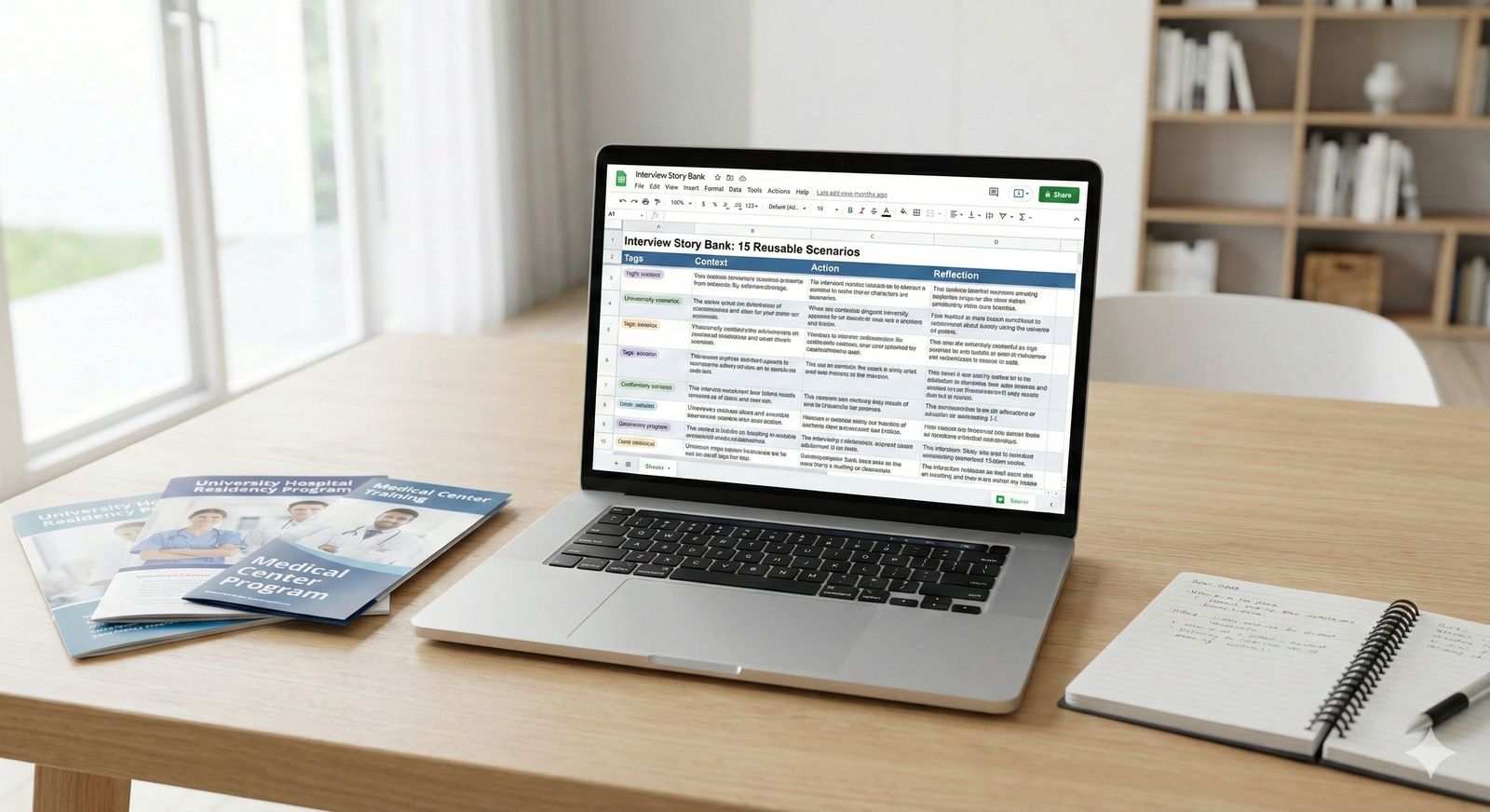
Create a Program Research Template
Use a spreadsheet or document with headings such as:
Program basics
- Location and setting (urban, suburban, rural)
- Size (number of residents per year)
- Tracks (rural, global health, OB-heavy, academic)
- Affiliated medical school/health system
Curriculum & clinical exposure
- Inpatient vs outpatient balance
- OB requirements and volume
- Behavioral health integration
- Continuity clinic structure
Population & community
- Patient demographics
- Underserved/immigrant/refugee populations
- Community partnerships
Values & culture
- Mission statement (especially regarding health equity)
- Faculty interests
- Resident wellness initiatives
Your fit and talking points
- Why this program specifically appeals to you
- How your experiences align
- Questions you want to ask
As you receive invitations, fill in the template using:
- Program websites
- Virtual open houses or Q&A sessions
- Social media (program Instagram/X accounts, resident blogs)
- Word of mouth from mentors or recent grads
Prepare Program-Specific “Why Us?” Responses
Many programs will ask some version of, “Why are you interested in our program?” Avoid generic answers that could apply anywhere.
For each program, prepare 3 brief bullet points:
Specific feature you like
- e.g., “Your robust OB curriculum with longitudinal experience”
Connection to your goals
- e.g., “I want strong maternity care training to practice in a community where access to OB-Gyn is limited”
Evidence you did your homework
- e.g., “I was particularly impressed that your residents manage continuity OB patients through delivery, as described during the open house and on your website”
These bullets can shape both your answers and the questions you ask.
Organize Interview Logistics Early
Pre-interview preparation isn’t just content—it’s also logistics:
- Confirm time zones for virtual interviews.
- Create a central calendar with:
- Interview dates and times
- Contact info for the coordinator
- Interview format (panel, 1:1, group, resident social)
- Have a tracking system for:
- Interviews completed
- Programs you’ll rank vs likely not rank
- Notable pros/cons after each interview (write these the same day)
A simple, well-maintained system reduces stress and helps you stay focused on the actual conversations.
Step 3: Master Common Residency Interview Questions (With a Family Medicine Lens)
Residency interview preparation should focus on patterns of questions rather than memorized scripts. Below are core categories of interview questions residency programs tend to ask, with examples and strategies tailored to family medicine.
Behavioral and Situational Questions
Programs use these to assess how you function in real-world settings and on teams.
Common prompts:
- “Tell me about a time you had a conflict with a team member. How did you handle it?”
- “Describe a challenging patient interaction and what you learned.”
- “Tell me about a time you made a mistake.”
- “Describe a situation where you had to advocate for a patient.”
Strategy: Use the STAR method (Situation, Task, Action, Result).
Example answer outline (patient non-adherence in continuity clinic):
- Situation: “During my family medicine clerkship, I followed a patient with uncontrolled hypertension who frequently missed appointments.”
- Task: “I needed to understand the reasons for non-adherence and improve blood pressure control.”
- Action: “I used open-ended questions to explore barriers and learned he was working two jobs and couldn’t afford medications. I coordinated with a social worker to connect him to a patient assistance program and flexible visit times.”
- Result: “He began attending more regularly, and his blood pressure improved over the following months. I learned the importance of curiosity about context and collaborating with the team, which is why I value family medicine’s focus on the whole person.”
This aligns your answer with family medicine’s holistic approach.
Motivation and Fit Questions
Programs evaluate whether you match their mission and feel like someone they’d want to work with.
Common prompts:
- “Why family medicine?”
- “What are you looking for in a family medicine residency?”
- “Where do you see yourself in 5–10 years?”
- “Why our program in particular?”
- “What patient populations do you hope to work with?”
Preparation tips:
- Make sure your “Why family medicine?” message is consistent with your personal statement.
- Tailor your answers to each program’s strengths:
- For a rural track, emphasize interest in full-spectrum care and rural health.
- For a large urban academic program, emphasize interest in diverse populations, teaching, and possibly academic careers.
- Be realistic about your future plans but open to growth:
- “I’m strongly interested in outpatient, community-based practice with continuity across the lifespan, but I’m also open to exploring leadership or teaching roles during residency.”
Strengths, Weaknesses, and Self-Reflection
These questions test your insight and growth mindset.
Examples:
- “What are your strengths?”
- “What’s a weakness you’re working on?”
- “How do you handle stress or burnout?”
- “Tell me about a time you received difficult feedback.”
Guidelines:
- Avoid cliché “faux weaknesses” like “I care too much” or “I’m a perfectionist” unless you can describe real consequences and specific changes you’ve made.
- Choose a genuine weakness with clear evidence of active improvement.
Example weakness answer (time management):
I used to struggle with time management, especially early in my third year when juggling multiple tasks on inpatient rotations. I tended to say yes to everything and ended up staying late to finish progress notes. After feedback from my senior resident, I started using a structured task-list system, prioritizing safety-critical tasks and asking earlier for help in redistributing workload. By the end of the year, my evaluations specifically mentioned improved efficiency and reliability. I’m continuing to refine this system to ensure I contribute fully to the team without burning out.
Link back to family medicine by emphasizing the need for efficiency in busy outpatient clinic settings.
Academic Performance and Red Flags
If you have USMLE/COMLEX issues, leaves of absence, or course failures, prepare direct, honest explanations.
Example structure:
- Brief context (no lengthy justifications)
- What changed (specific steps you took)
- Evidence of improvement (later performance)
- Lessons learned (maturity, resilience)
Programs care less about the past event and more about your trajectory.

Step 4: Prepare Your Questions and Professional Presence
Interview preparation is not just about answering; it’s also about asking thoughtful questions and presenting yourself professionally, especially in virtual formats.
Curate High-Yield Questions for Interviewers
Having no questions can signal disinterest. On the other hand, asking things clearly answered on the website can suggest you didn’t prepare.
Prepare 3–5 questions per category and choose what fits best in the moment:
For program leadership:
- “How does your program support residents interested in underserved community practice after graduation?”
- “What changes or improvements are you planning over the next few years?”
- “How do you integrate behavioral health into family medicine training?”
For faculty:
- “What do you see as the biggest strengths and challenges of your residents?”
- “How do you approach mentoring? Are there formal and informal mentorship structures?”
- “How much flexibility do residents have to tailor electives to their interests?”
For residents:
- “What does a typical day in your continuity clinic look like?”
- “How would you describe the culture here—especially around wellness and support during tough rotations?”
- “If you could change one thing about the program, what would it be?”
Prioritize questions that help you compare programs and that reflect your authentic interests.
Refine Your Professional Demeanor and Nonverbal Skills
Even in virtual settings, nonverbal communication significantly shapes impressions.
Key elements to practice:
- Eye contact: Look at the camera periodically, not just the screen.
- Posture: Sit upright, relaxed but attentive.
- Facial expression: Neutral-to-warm; nod occasionally to show engagement.
- Speaking pace: Slightly slower than casual conversation; pause briefly after questions.
Record yourself answering a few common questions and review:
- Do you ramble, or do you give concise, structured answers?
- Do verbal fillers (“um, like, you know”) dominate your speech?
- Do you sound enthusiastic about family medicine, or monotone?
Optimize Your Virtual Interview Setup
For MD graduate residency applicants in the current landscape, most interviews remain virtual. Your environment reflects your professionalism.
Checklist:
- Background: Neutral, uncluttered, no distracting posters.
- Lighting: Face illuminated from the front; avoid strong backlight.
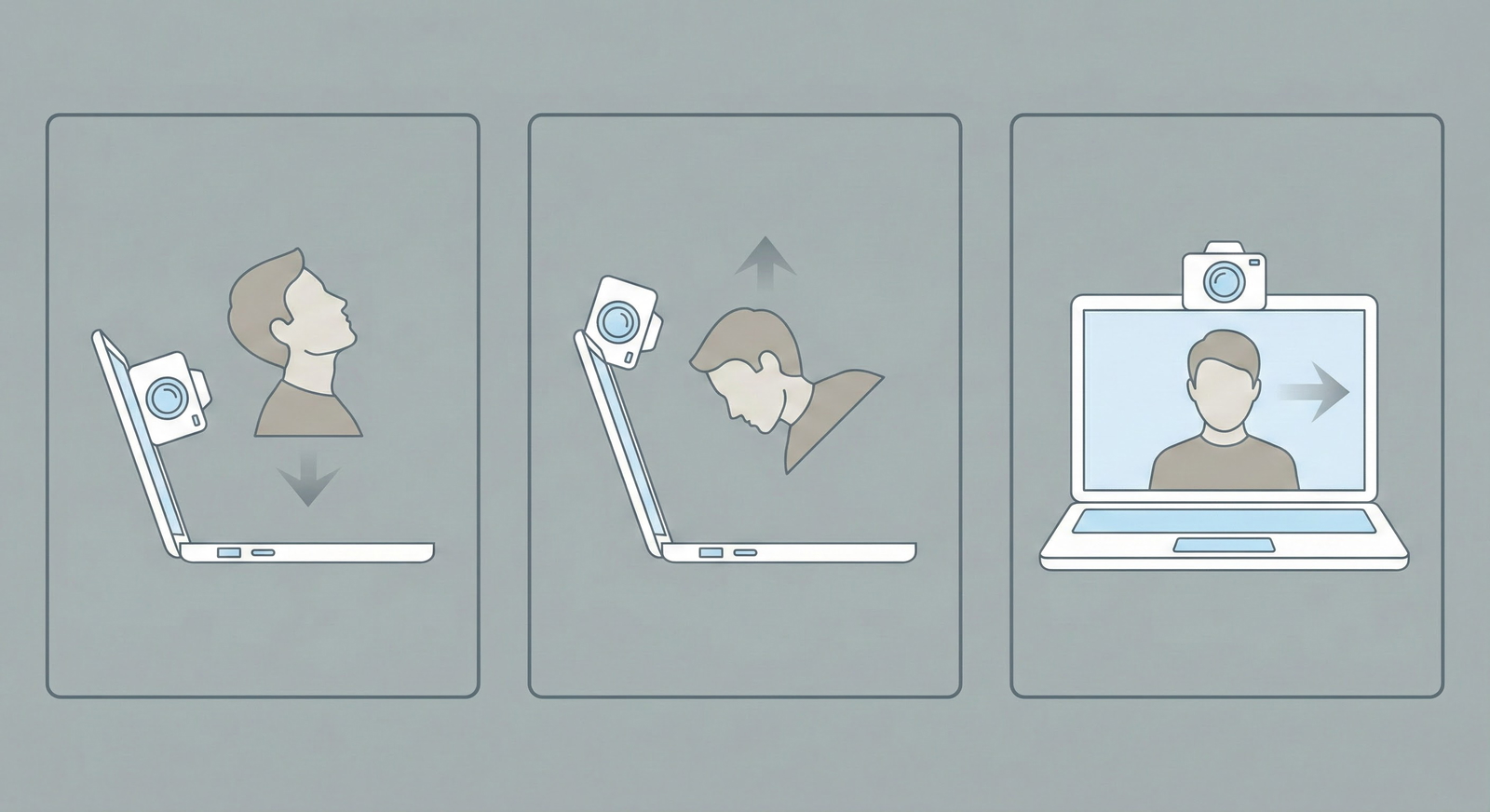
- Camera angle: Eye-level or slightly above, not from below.
- Audio: Test microphone quality; minimize background noise.
- Internet: Use wired connection if possible, or sit near router.
Conduct a trial run (mock interview) using the same device and location you’ll use for real interviews.
Step 5: Build a Structured Practice Plan
Knowing how to prepare for interviews is one thing; executing consistently is another. Treat residency interview preparation like a short, focused rotation.
Week-by-Week Preparation Outline
4–6 weeks before interviews:
- Draft/refine your “Why family medicine” and personal narrative.
- Review your application thoroughly.
- Build your program research spreadsheet.
- Draft answers to core questions (don’t memorize; outline bullet points).
2–3 weeks before first interview:
- Schedule at least 1–2 mock interviews:
- With your advisor or faculty mentor
- With the career services office
- With peers applying to other specialties (they can still ask standard questions)
- Practice behavioral questions using STAR.
- Refine your virtual setup and professional attire.
1 week before each interview:
- Review program-specific information and your notes.
- Prepare or update your tailored “Why this program?” points.
- Finalize 3–5 thoughtful questions for each interviewer category.
- Confirm interview time, platform (Zoom, Teams, Thalamus, etc.), and time zone.
Day before:
- Print or keep digital:
- Interview schedule
- Program notes
- Bullet points of experiences to highlight
- Lay out your interview outfit (top to bottom, even for virtual—accidents happen).
- Go to bed early and avoid last-minute cramming.
Practice With Purpose, Not Scripts
When practicing answers:
- Use bullet points, not word-for-word memorization.
- Vary your wording each time to stay natural.
- Time responses—most questions should be answerable in 1–2 minutes.
- Practice pivoting to family medicine themes—continuity, comprehensiveness, community, and relationships.
Example practice prompt set:
- “Walk me through your CV.”
- “Tell me about a patient who taught you something important.”
- “What’s something you’re proud of outside of medicine?”
- “How do you define professionalism in family medicine?”
Step 6: Final Touches—Ethics, Professionalism, and After-Interview Strategy
Be Ready for Ethical and Systems Questions
Family medicine touches social determinants of health and system-level challenges. Programs may ask:
- “How would you handle a situation where a patient requests antibiotics you don’t think are necessary?”
- “What would you do if you felt your attending was making an unsafe decision?”
- “How do you approach caring for patients whose beliefs conflict with your own?”
In answers, emphasize:
- Patient-centered communication
- Respect and humility
- Evidence-based medicine
- Awareness of power dynamics and systems issues
- Willingness to seek help and use team resources
Plan Your Post-Interview Routine
Immediately after each interview:
- Take 10–15 minutes to write:
- What stood out (positive or negative)
- Culture and resident morale
- How well you see yourself fitting there
- Any deal-breakers or unique strengths
This will be invaluable later when building your rank list.
Thank-you notes:
- Some programs explicitly discourage or say they are unnecessary; follow their guidance.
- If allowed and you choose to send them:
- Keep them brief and specific.
- Mention a particular moment or topic from the conversation.
- Send within 24–72 hours.
Example:
Thank you for taking the time to speak with me yesterday about your family medicine residency program. I especially appreciated our discussion about your integrated behavioral health curriculum and the opportunity for residents to work closely with the psychologist in continuity clinic. Our conversation reinforced my impression that your program would be an excellent fit for my interest in comprehensive, patient-centered primary care in underserved communities.
Remember to keep communication ethical—avoid implying ranking promises, and don’t pressure programs for information about their ranking strategies.
FAQs: Pre-Interview Preparation for MD Graduate in Family Medicine
1. How early should I start residency interview preparation as an MD graduate?
Begin structured residency interview preparation at least 4–6 weeks before your expected interview start date. Earlier is even better, especially for:
- Clarifying your “Why family medicine?” and long-term goals
- Reviewing and internalizing your application
- Arranging mock interviews with mentors or advisors
Many MD graduates underestimate how much time it takes to feel polished and confident. Treat it like a short, focused rotation in communication skills.
2. What are the most common interview questions residency programs ask for family medicine?
While each program varies, MD graduate residency applicants in family medicine can expect:
- “Why family medicine?”
- “Why our program?”
- “Tell me about yourself.”
- “What are your strengths and weaknesses?”
- “Tell me about a challenging patient encounter.”
- “How do you handle stress or prevent burnout?”
- “What are your career goals after residency?”
Practice answering these with specific examples, a structured approach (like STAR for behavioral questions), and a clear connection to key family medicine values.
3. How can I stand out in the FM match if my board scores are average?
For the FM match, programs value much more than board scores. You can differentiate yourself through:
- A compelling, authentic story about why you chose family medicine
- Demonstrated commitment to primary care (continuity clinic, free clinics, community work)
- Strong letters of recommendation from family physicians
- Thoughtful, well-prepared interview responses that show maturity, reflection, and teamwork
- Evidence of resilience and growth, especially if you’ve overcome challenges
Pre-interview preparation helps you highlight these strengths clearly and persuasively.
4. Should I practice with a list of scripted answers?
Avoid fully scripted answers. Instead:
- Create bullet-point outlines for each common question.
- Practice speaking naturally from those outlines.
- Record yourself to refine pacing, clarity, and nonverbal communication.
Programs can tell when an answer is memorized and overly polished. The goal is to sound organized and thoughtful, but still genuine. Focus on stories and themes rather than exact wording.
By approaching pre-interview preparation systematically—clarifying your narrative, researching programs deeply, practicing core interview skills, and refining your virtual presence—you give yourself the best chance to shine in the allopathic medical school match for family medicine residency. Your goal is to walk into every interview able to communicate, with confidence and authenticity, why you will be an excellent family medicine resident and colleague.