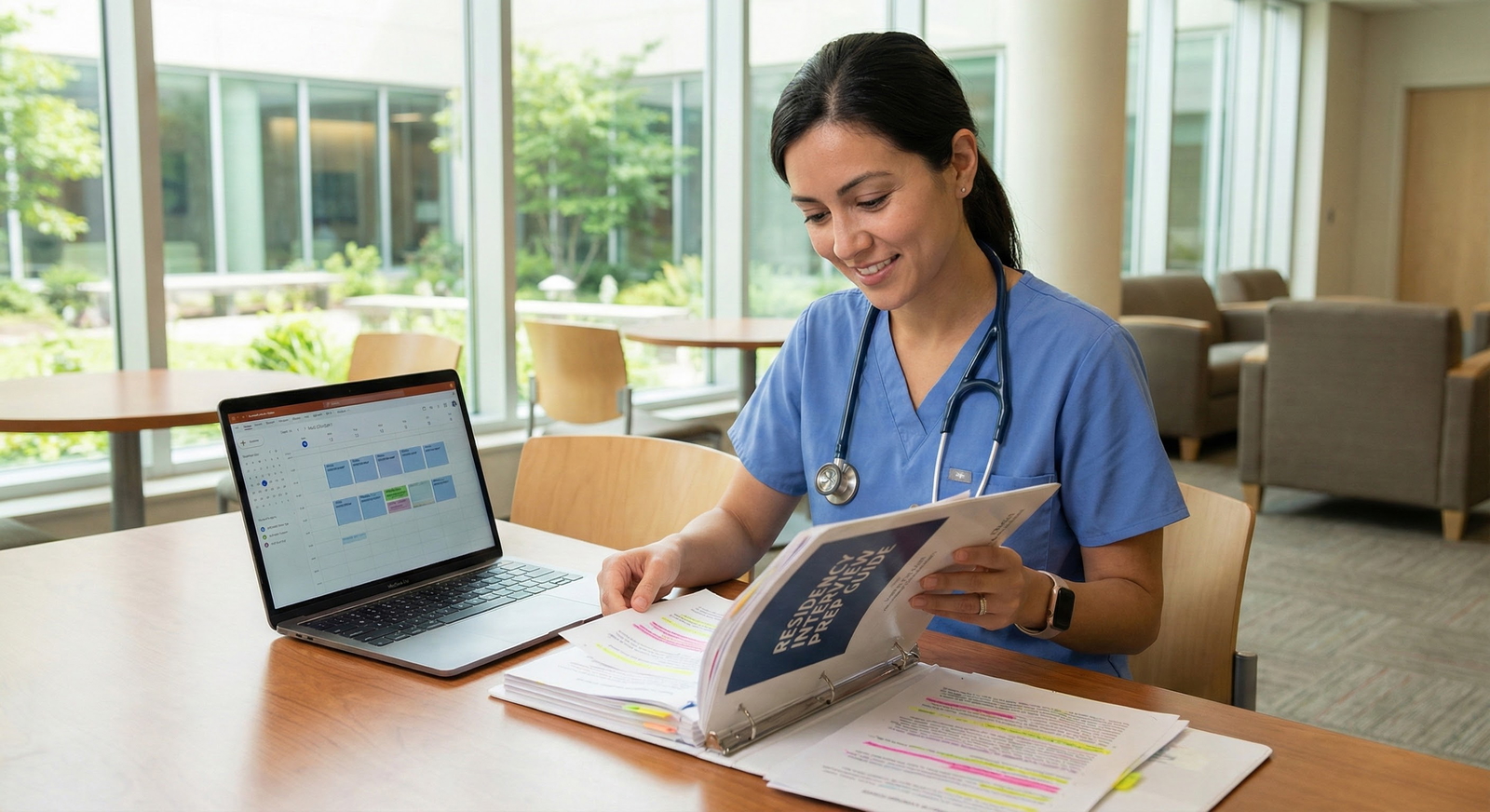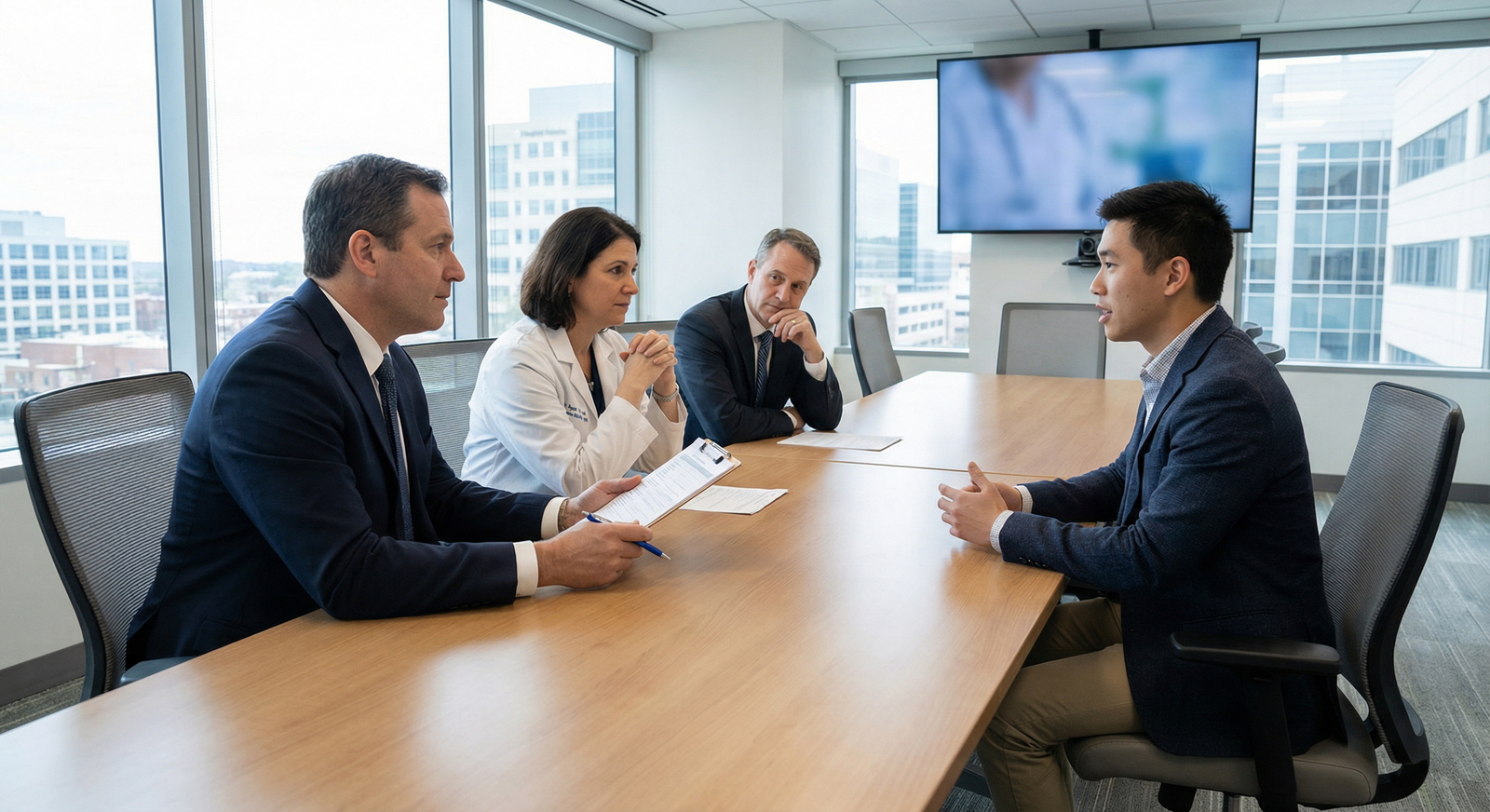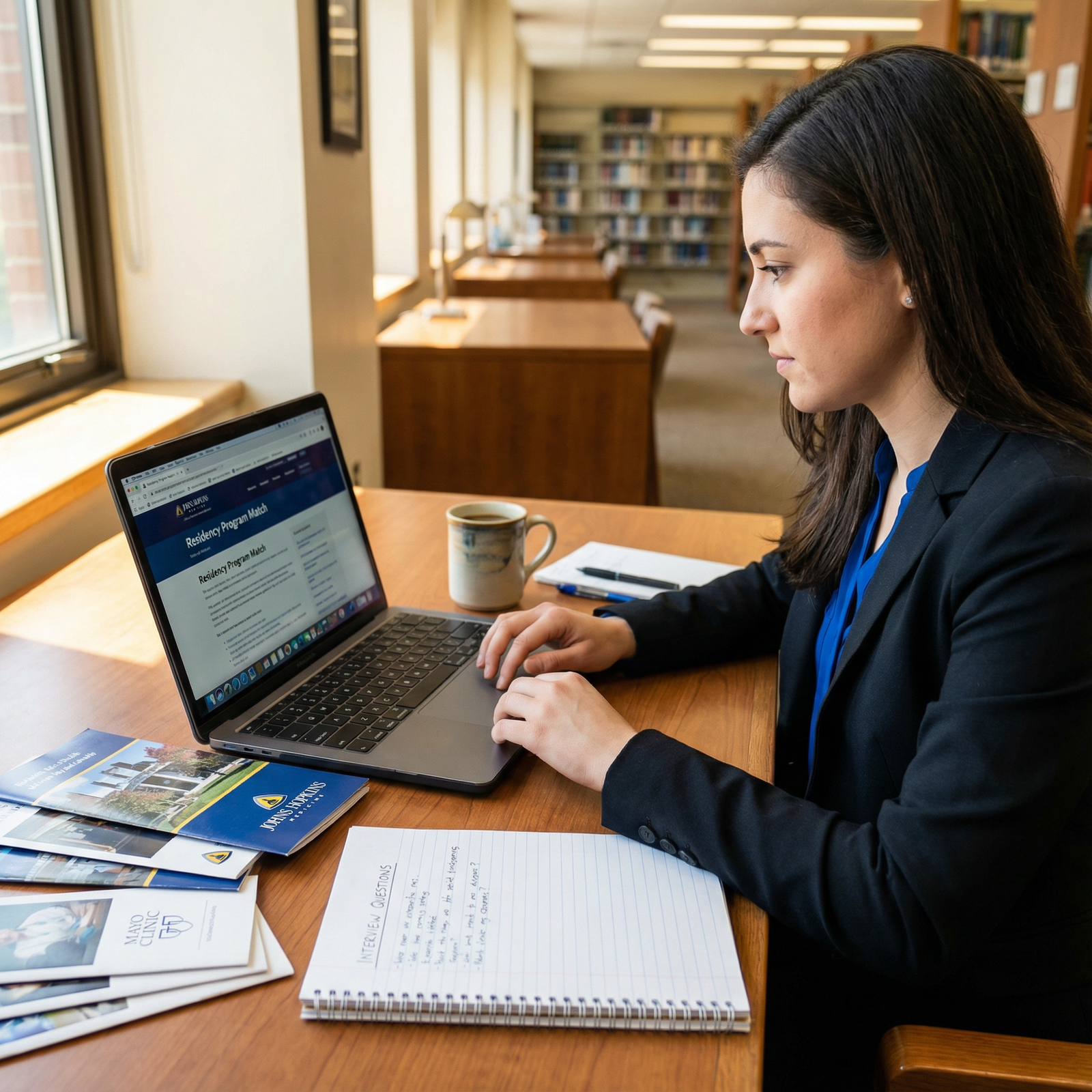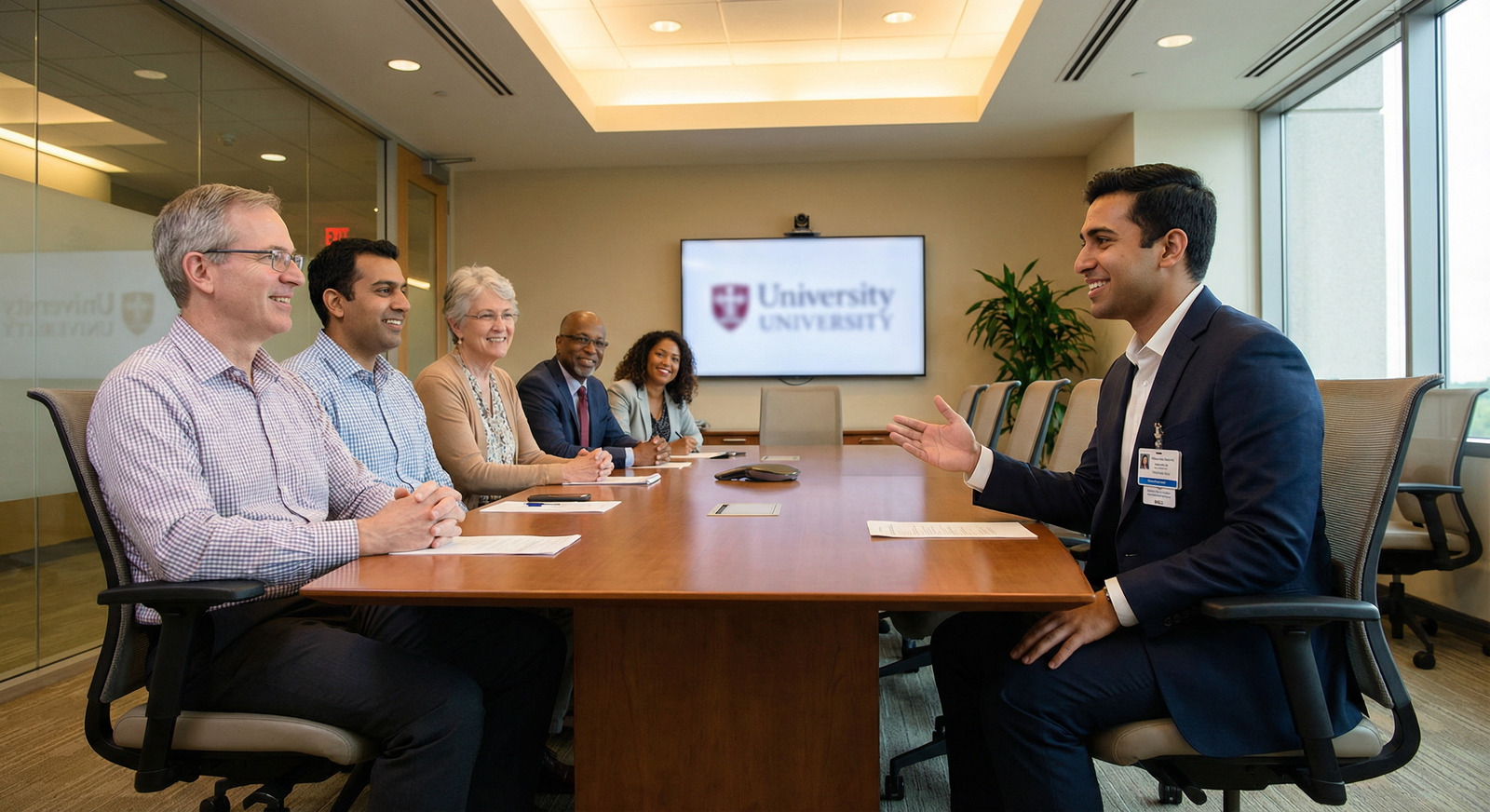
Preparing for pediatrics residency interviews as a non-US citizen IMG (international medical graduate) is more than rehearsing answers the night before. It’s a months-long process that combines strategy, documentation, communication skills, and careful planning around visas and travel. This guide walks you step-by-step through pre-interview preparation tailored specifically to foreign national medical graduates aiming for the peds match in the United States.
Understanding the Pediatrics Interview Landscape as a Non-US Citizen IMG
Before you plan how to prepare for interviews, you need to understand what you are preparing for and what program directors are looking for.
What Makes Pediatrics Unique in the Match?
Pediatrics is often described as:
- Collegial and team-oriented
- Patient- and family-centered
- Communication-heavy (with both parents and children)
Programs look for residents who:
- Enjoy working with children and families
- Demonstrate patience, empathy, and resilience
- Can communicate clearly at different developmental levels
- Work well in teams and handle emotional situations (e.g., chronic illness, child abuse concerns)
For a non-US citizen IMG, this means you must show both your clinical competence and your “fit” with pediatrics culture through your application and during interviews.
Additional Challenges as a Foreign National Medical Graduate
As a non-US citizen IMG, programs often evaluate you through an additional lens:
Visa sponsorship feasibility
- Do they sponsor J-1? H-1B? Both? Neither?
- Is your timeline for visa processing realistic?
US clinical experience (USCE)
- Have you worked in US pediatric settings?
- Can you adapt to American healthcare systems and documentation (EMR, patient privacy, etc.)?
Communication and cultural adaptation
- How strong is your spoken English?
- Are you comfortable discussing sensitive pediatric issues with families?
Licensing exam performance
- USMLE scores and number of attempts still matter.
- Programs may be stricter for IMGs, particularly for competitive locations.
Understanding these factors shapes how you should prepare for residency interviews and what to emphasize before you ever speak with a program director.
Strategic Preparation Months Before Interview Invitations
Your pre-interview preparation begins well before your first invitation. Think of this as building the foundation that will make your interviews smoother, more confident, and more successful.
1. Clarify Your Visa Plan Early
Visa issues can be a deciding factor for some programs. Before interview season:
Research visa types:
- J-1 visa (most common; sponsored by ECFMG)
- H-1B visa (requires USMLE Step 3 passed, higher institutional cost and paperwork)
Create a short explanation of your visa status, for example:
- “As a non-US citizen IMG, my plan is to pursue J-1 sponsorship through ECFMG. I have confirmed I meet the eligibility criteria and understand the two-year home-country residency requirement.”
- Or: “I have already passed Step 3 and would be eligible for H-1B sponsorship if your program supports it. I am also open to a J-1 visa.”
Know this information before interviews so you can answer visa-related questions calmly and confidently.
2. Polish Your Professional Documents and Online Presence
Even before interview invitations, programs are evaluating your professionalism:
ERAS Application & Personal Statement
- Make sure your narrative clearly conveys:
- Why pediatrics
- Why the US
- Why you, as a foreign national medical graduate, bring unique value
- Highlight pediatric electives, research, QI projects, and experiences with children.
- Make sure your narrative clearly conveys:
Curriculum Vitae (CV)
- Keep an updated, interview-ready CV.
- Emphasize:
- US clinical experiences (especially peds)
- Research, audits, QI projects in pediatrics
- Teaching and leadership roles (tutoring, mentoring, community outreach)
Email and voicemail professionalism
- Use a simple professional email (e.g., “firstname.lastname.md@email.com”).
- Record a clear voicemail greeting in English; you may receive calls from program coordinators.
LinkedIn or online profiles
- Not mandatory, but if you have one, ensure it matches your CV and presents you professionally.
3. Strengthen Your Clinical and Communication Foundations
Even before any residency interview preparation in the formal sense, your clinical knowledge and communication skills must be solid:
Clinical preparation in pediatrics:
- Revise common pediatric conditions (asthma, bronchiolitis, pneumonia, neonatal jaundice, failure to thrive, developmental delay, etc.).
- Understand vaccine schedules, growth charts, and basic pediatric dosing concepts.
- Review pediatric milestones; these may come up in clinical-type questions.
Communication preparation:
- Practice speaking out loud in English, ideally with:
- Peers
- Mentors
- US-based physicians (if possible)
- Focus on:
- Speaking at a moderate pace
- Clear pronunciation
- Limiting filler words (“um,” “like,” “you know”)
- Practice speaking out loud in English, ideally with:
Start mock interviews early:
- At least 2–3 months before interview season, begin practicing common interview questions residency programs ask, especially “Tell me about yourself” and “Why pediatrics?”

Building Your Interview Toolkit: Before the First Invitation
Once ERAS is submitted but before interviews start, invest time in building a comprehensive interview toolkit that you can adapt to each pediatrics program.
1. Develop Your Core Personal Story
Every strong interview performance is built around a clear, authentic story. As a non-US citizen IMG, your story typically includes:
- Origin: Where you trained and what healthcare system you come from
- Motivation: Why you chose medicine and specifically pediatrics
- Transition: Why you moved toward the US system
- Value: What unique perspectives and experiences you bring to a peds residency
- Goals: Your medium- and long-term career interests (e.g., general pediatrics, subspecialty, academics, advocacy)
Create a 2–3 minute “personal narrative” that can answer:
- “Tell me about yourself.”
- “Walk me through your journey in medicine.”
- “How did you become interested in pediatrics?”
Example framework:
“I completed my medical education in [country], where I was drawn early to pediatrics after seeing how vulnerable children are and how much impact we can have on their future development. During my pediatric rotations, I particularly enjoyed [example: working in the NICU / community outreach clinics / developmental clinics].
Over time, I became interested in training in the US because of [reason: structured training, research culture, multidisciplinary teamwork, etc.]. Since graduating, I have strengthened my preparation through [USCE, observerships, pediatric research, quality improvement, volunteer work].
As a non-US citizen IMG, I bring [unique strengths: experience with resource-limited settings, cultural and language diversity, resilience in adapting to new systems], and I’m especially interested in [area of pediatrics] and eventually [your career goals].”
Memorize the structure, not the exact words, so it sounds natural.
2. Prepare Answers to Core Residency Interview Questions
Some interview questions residency programs almost always ask include:
- Why pediatrics?
- Why this program / this city?
- Tell me about a challenging case or situation.
- Tell me about a time you made a mistake.
- Describe a conflict with a colleague and how you resolved it.
- What are your strengths and weaknesses?
- What are your career goals?
- How do you handle stress and burnout?
For each, write bullet points (not full paragraphs) with:
- Situation/context
- Your actions
- Outcome
- What you learned
Use the STAR method (Situation, Task, Action, Result) for behavioral questions like:
- “Tell me about a time you worked in a team.”
- “Describe a situation where you had to adapt quickly.”
As a foreign national medical graduate, select examples that show:
- You can work in diverse teams.
- You adapt well to new systems and technology.
- You manage language or culture differences effectively.
- You take feedback positively.
3. Prepare for Pediatrics-Specific Questions
Programs may ask questions specific to working with children and families:
- How do you talk to children of different ages?
- How would you handle parents who refuse vaccines?
- How do you deal with suspected abuse or neglect?
- How do you manage breaking bad news to parents?
Reflect on:
- Real or hypothetical examples from your clinical experience
- Cultural differences between your home country and US norms
- How you respect family beliefs while advocating for the child’s best interest
Interviewers may also ask about:
- Developmental milestones
- Pediatric rotation experiences
- A memorable pediatric patient encounter that shaped your interest in peds
Prepare at least 2–3 rich pediatric stories you can use in different answers.
4. Build a Personalized “Program Research Template”
For each program that might invite you, prepare a 1-page research sheet with:
- Program name, location, and type (university, community, hybrid)
- Visa sponsorship policy (J-1 only, J-1/H-1B, none)
- Program size (number of residents per year)
- Strengths or special features:
- Strong NICU or PICU
- Global health track
- Advocacy or community outreach
- Research opportunities
- Notable information:
- Diversity and inclusion initiatives
- Resident wellness programs
- Affiliated children’s hospital
- 2–3 specific reasons you would like to train there
- 3–5 tailored questions to ask at the interview
This template will make your residency interview preparation more organized and reduce last-minute stress when invitations arrive.
Practical Logistics and Professional Presentation
Being a strong candidate is not only about what you say; it’s also about how professionally you manage all details around the interviews.
1. Scheduling and Time Zone Management
As a non-US citizen IMG, you may be living in a different time zone during virtual interviews, or traveling for in-person ones.
- Double-check the time zone for each interview (e.g., Eastern Time vs. Pacific Time).
- If you’re abroad, convert to your local time and set:
- Calendar reminders
- Backup alarms
- Avoid scheduling interviews at 2–4 AM your local time if possible; if not avoidable, prepare to be well-rested and alert.
When invitations arrive:
- Respond politely and quickly. Slots for popular programs fill fast.
- Use a professional tone:
- “Thank you very much for the invitation to interview for the Pediatrics Residency Program. I would be pleased to schedule on [date/time option].”
2. Technology and Environment for Virtual Interviews
Even if some interviews are in-person, many programs still use virtual formats.
Test your setup well in advance:
- Stable internet connection (have a backup if possible).
- Functional webcam and microphone.
- Professional username on Zoom/Webex/Teams.
- Good lighting (preferably facing a window or a soft light source).
- Neutral, quiet background (avoid clutter, bright distractions, or family movement).
Do at least one full mock interview using the same platform to:
- Practice eye contact by looking at the camera
- Check sound and lighting
- Get feedback on your body language
3. Professional Attire and Appearance
Pediatrics is relatively informal compared to some specialties, but for interviews, dress formally:
- For all genders:
- Solid-colored suit or blazer (navy, gray, or black)
- Conservative shirt or blouse (avoid very bright patterns)
- Minimal jewelry
- Neat hairstyle and grooming
Avoid:
- White coat
- Scrubs
- Distracting accessories
- Overly casual look (T-shirt, denim, sportswear)
Programs want to see you as a future colleague in a professional environment.
4. Document and Travel Preparation (If In-Person)
If you are traveling to the US:
- Ensure:
- Valid passport
- Appropriate visa (B1/B2 visitors sometimes used for interviews, depending on your situation—consult official guidance and a legal advisor if needed)
- Keep printed or digital copies of:
- Interview invitation emails
- Program addresses and contact information
- Plan to arrive in the city at least one day before the interview to recover from jet lag.
If you are already in the US on another visa (e.g., F-1, J-1 research scholar):
- Carry documentation of your legal status.
- Confirm any travel restrictions with your institution or advisor.

Advanced Practice: Mock Interviews, Cultural Nuances, and Question Strategy
Once you’ve built your core content and logistics, move into high-yield practice that mirrors real interview conditions.
1. Conduct Structured Mock Interviews
Aim for at least 3–5 mock interviews before your first real one.
Consider:
- Faculty from your medical school who have US experience
- Residents or fellows currently in US training (especially in pediatrics)
- Colleagues who have matched recently
- University career centers or IMG mentoring programs
Ask for specific feedback on:
- Clarity of speech
- Organization of answers
- Non-verbal communication (eye contact, posture, fidgeting)
- Overall impression as a future pediatric resident
Record (with permission) and review to identify:
- Long-winded explanations
- Overuse of filler words
- Missed opportunities to connect your answers back to pediatrics and the program
2. Learn and Practice US Cultural and Communication Norms
As a non-US citizen IMG, your cultural adaptation is part of what programs informally assess.
Pay attention to:
- Formality: Address interviewers as “Dr. [Last Name]” unless invited to use first names.
- Conciseness: US interview style values clear, focused answers of 1–2 minutes, not 5-minute monologues.
- Professional boundaries: Share enough about yourself to appear human and relatable, but avoid overly personal or controversial topics.
Prepare for potentially sensitive topics:
- Experiences with death and dying in pediatrics
- Managing limited resources in your home country
- Addressing ethical dilemmas (e.g., parental refusal of treatment)
Think in advance about how to handle diversity questions:
- “How would you work with families from backgrounds different from your own?”
- “Tell me about a time you worked with a diverse team.”
Highlight:
- Your experience with different languages or cultures
- Respect for family beliefs
- Commitment to equity and non-judgmental care
3. Strategically Prepare Questions to Ask Programs
Programs almost always ask: “Do you have any questions for us?” This is a chance to show genuine interest and preparation.
Avoid generic questions like:
- “Is your program IMG-friendly?”
- “What are your strengths and weaknesses as a program?”
Instead, ask specific, insightful questions such as:
About education:
- “How is resident feedback incorporated into curriculum changes?”
- “Can you tell me about teaching opportunities with medical students?”
About pediatrics-specific features:
- “How do residents participate in family-centered rounds?”
- “What kind of exposure do residents get to developmental and behavioral pediatrics?”
About international/IMG aspects:
- “Do you currently have non-US citizen IMG residents? What support systems are in place for international graduates?”
- “How does the program support residents who are navigating visa or relocation issues?”
About wellness and culture:
- “What are some initiatives your program has for resident well-being?”
- “How would you describe the relationship between residents and faculty?”
Write your questions in your program research template so you can review them briefly just before the interview.
Mental Preparation, Confidence, and Mindset
Technical preparation is essential, but your mindset significantly affects how you perform in interviews.
1. Reframe Challenges as Strengths
Being a non-US citizen IMG is sometimes perceived as a disadvantage, but it also gives you:
- Experience with different healthcare systems and resource levels
- Cultural and language diversity useful in pediatrics
- Proven resilience and adaptability
- Motivation strong enough to pursue training across continents
Prepare a few positive reframing statements you can use:
- “My background as a foreign national medical graduate has taught me to be flexible, resourceful, and open to continuous learning, which I believe are essential qualities in pediatrics.”
- “Working in [your home country’s setting] allowed me to understand the social determinants of child health from a global perspective, which I hope to bring to your program’s patient population.”
2. Manage Anxiety and Performance Pressure
Interview season can be stressful—especially across time zones, visas, and uncertain outcomes.
Before interviews:
- Practice deep breathing or short mindfulness exercises.
- Prepare a small routine:
- 10–15 minutes of quiet time
- Review your personal story and top 3 strengths
- Remind yourself: “I am prepared; I belong here; this is a conversation, not an interrogation.”
Avoid:
- Comparing yourself excessively with other applicants
- Obsessively rereading forums or social media
Track your interviews using a simple spreadsheet:
- Program name and location
- Date/time
- Interviewers’ names and roles
- Key points you discussed
- Your overall impression
- Follow-up needed (thank-you emails, clarifications)
3. Plan Your Post-Interview Reflection Routine
Even though this guide focuses on pre-interview preparation, it helps to plan in advance how you’ll handle the period after each interview:
Immediately after:
- Write down important details about the program and people you met.
- Note what went well and what you want to improve for the next interview.
The same day or next day:
- Draft thank-you notes (if you plan to send them).
- Update your ranking impressions.
Having a pre-planned reflection system reduces emotional swings and keeps your process organized over multiple interviews.
FAQs: Pre-Interview Preparation for Non-US Citizen IMGs in Pediatrics
1. As a non-US citizen IMG, how early should I start residency interview preparation?
Start at least 3–4 months before interview season.
Timeline example:
- 4 months before: Refine personal statement, CV, and core personal stories; begin mock interviews.
- 3 months before: Build program research templates; organize visa-related information; continue clinical review in pediatrics.
- 1–2 months before: Intensive mock interviews; test technology; finalize professional attire and documents.
Early preparation allows you to focus on actual conversations during interviews instead of scrambling over basics.
2. How can I best address visa issues during pediatric residency interviews?
Be honest, concise, and prepared. Before interviews:
- Decide whether you are open to J-1, H-1B, or both.
- Understand basic eligibility requirements (e.g., Step 3 for H-1B).
- Prepare a short, clear explanation:
- “I am eligible for J-1 sponsorship and fully aware of the home-country requirement. I am also open to exploring H-1B if your institution supports it.”
Do not lead with visa needs; focus on your fit and qualifications first. Let visa discussion come naturally when programs ask or when appropriate.
3. What are common interview questions residency programs ask non-US citizen IMGs specifically?
Along with standard questions, you may hear:
- “Why did you choose to apply to the US rather than staying in your home country?”
- “How do you think your international background will affect your work as a pediatric resident?”
- “Can you describe any challenges you faced practicing medicine in a different healthcare system and how you handled them?”
Prepare thoughtful, positive answers:
- Emphasize learning and growth rather than complaining about your home system.
- Show how your experiences abroad will benefit children and families in the US.
4. How can I demonstrate strong communication skills if English is not my first language?
Focus on clarity, not perfection. Programs do not expect an accent-free performance; they expect that:
- Families will understand you easily.
- You can explain complex information in simple terms.
- Team communication will be smooth and respectful.
Practical steps:
- Practice speaking regularly with native or fluent English speakers.
- Record yourself answering questions and correct unclear phrases.
- Slow down slightly and pause between ideas.
- Ask for feedback specifically about clarity from mock interviewers.
Effective pre-interview preparation for a pediatrics residency as a non-US citizen IMG is a structured, multi-step process. By understanding the expectations of the peds match, organizing your documents and logistics, strengthening your clinical and communication foundations, and practicing strategically, you can walk into each interview confident that you are presenting the best version of yourself—both as a physician and as a future pediatric resident.