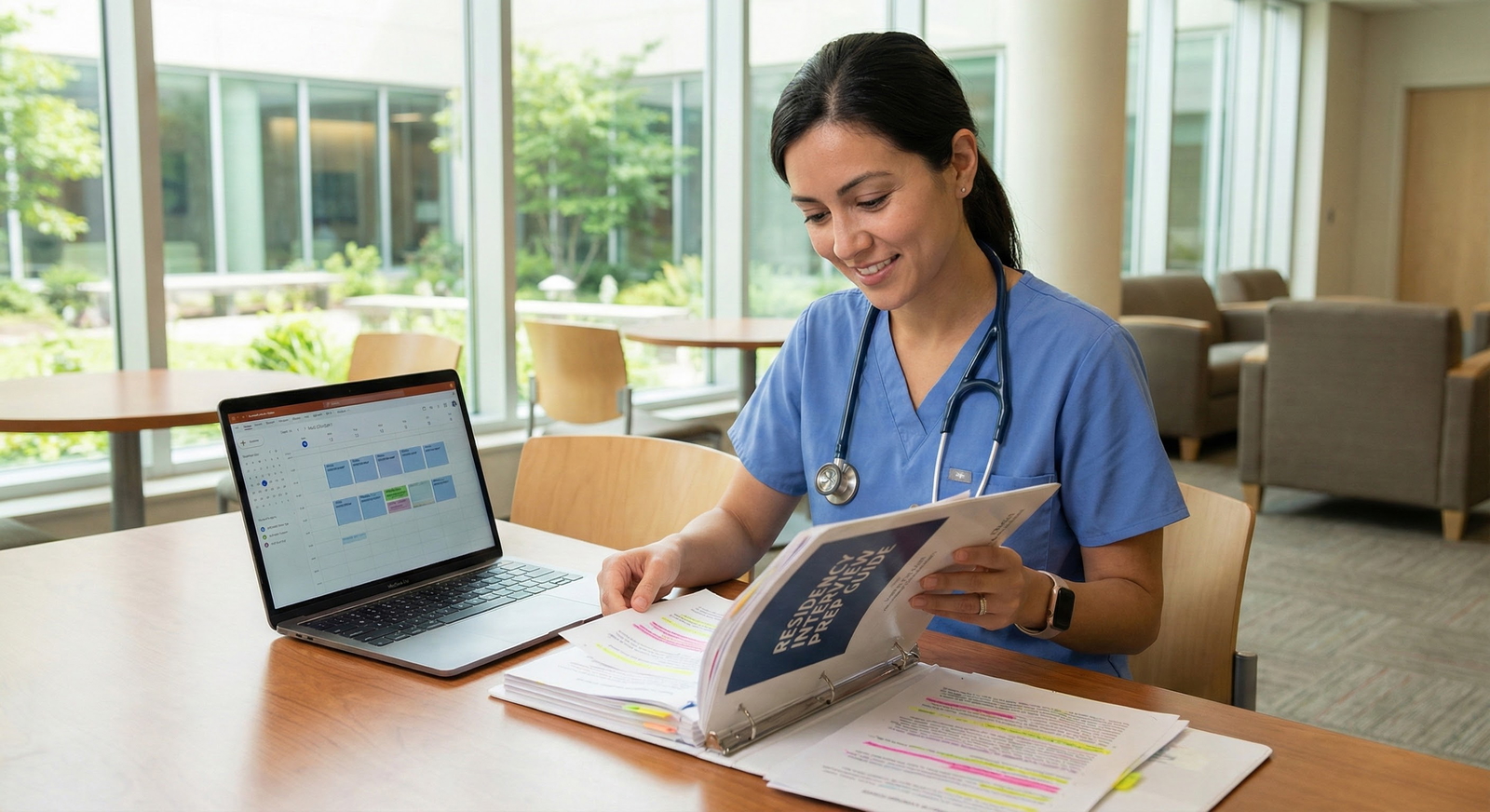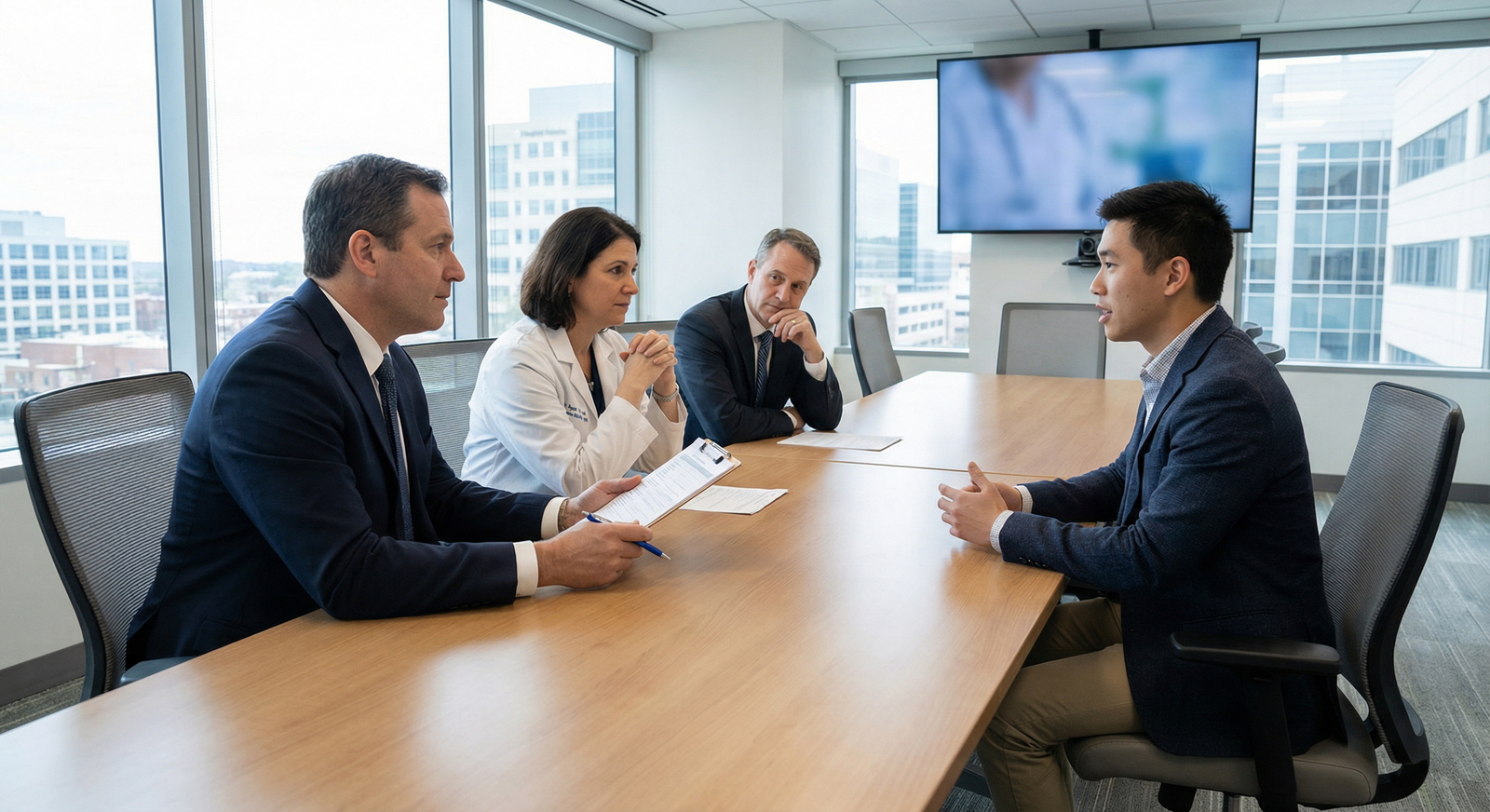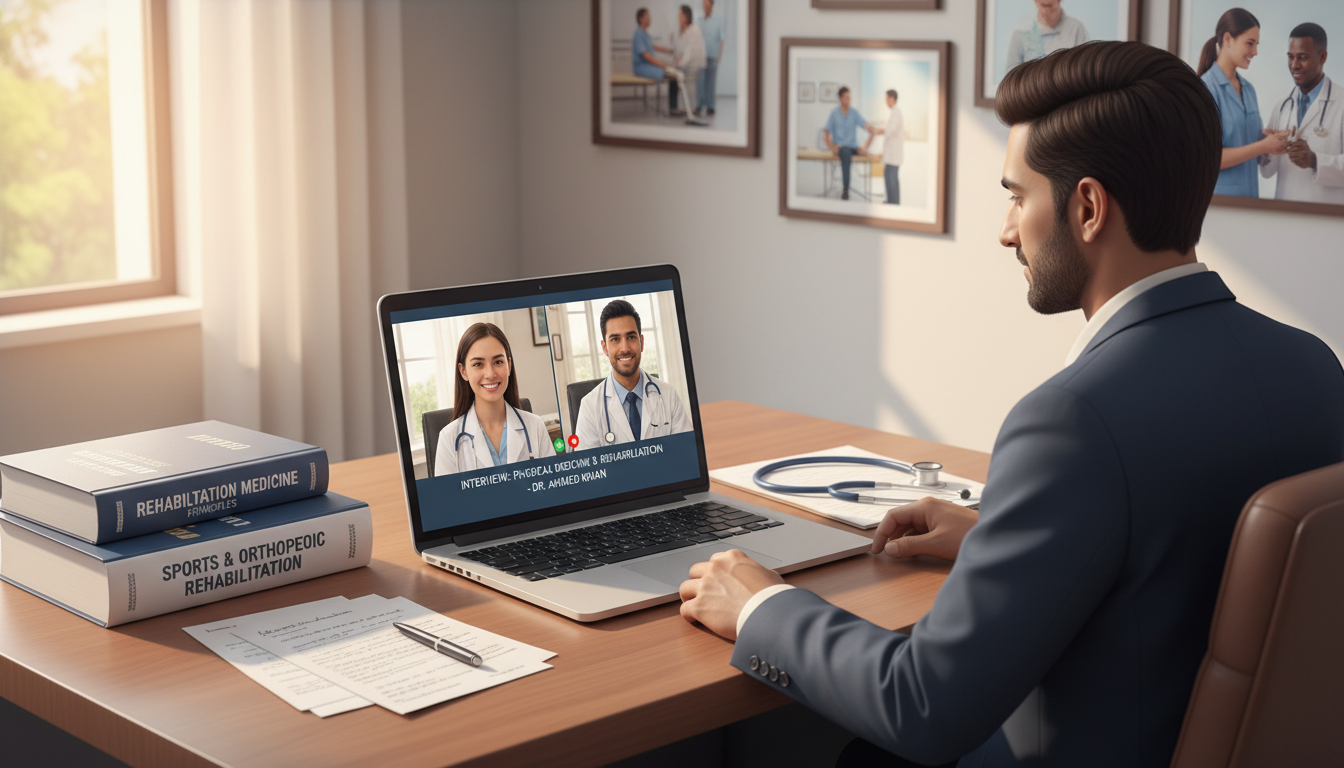
Physical Medicine & Rehabilitation (PM&R) is uniquely holistic and team-based—qualities that make it especially attractive to many international graduates. But as a non-US citizen IMG, even strong candidates can struggle at the pre-interview stage: understanding expectations, anticipating questions, managing visas, and showing that they genuinely understand physiatry in the US system.
This guide focuses on pre-interview preparation specifically for the non-US citizen IMG targeting PM&R residency. It assumes you already have (or expect) interview invitations and want to convert them into strong impressions and, ultimately, a successful physiatry match.
Understanding the PM&R Residency Interview Landscape as a Non-US Citizen IMG
Before you plan how to prepare for interviews, you need to understand what’s unique about PM&R and how being a foreign national medical graduate affects expectations.
What PM&R Programs Are Looking For
Across many programs, program directors consistently value:
- Clear understanding of what a physiatrist does and why you chose this specialty
- Demonstrated commitment to PM&R: electives, rotations, research, shadowing, rehab-related volunteering
- Strong communication skills and team-based mindset
- Maturity, resilience, and professionalism
- For IMGs: adaptability to the US health-care system and evidence you can function well in a US clinical environment
PM&R is very multidisciplinary—residents work with PT, OT, SLP, nursing, social work, prosthetics/orthotics, psychology. Interviewers will probe whether you understand this and whether your personality fits this collaborative model.
Additional Layers for Non-US Citizen IMGs
As a non-US citizen IMG pursuing PM&R residency, programs often focus on:
- Visa feasibility: Are you clear about your visa needs (J-1 vs H-1B)? Do you meet USMLE and ECFMG timelines?
- US clinical experience (USCE): Have you seen US-style rehab units, outpatient clinics, or consult services?
- Language and communication: Can you clearly and comfortably communicate with patients and an interdisciplinary team?
- Cultural adaptability: Do you understand patient-centered care, autonomy, and documentation standards in the US?
Understanding these expectations lets you tailor your residency interview preparation to address unspoken concerns upfront.
Building a Strong Foundation Before Interview Season
Effective pre-interview preparation begins months before the first invitation arrives. For a non-US citizen IMG, this groundwork is especially important.
Clarify Your PM&R Narrative
You must be able to articulate a coherent, specific story about why you want to be a physiatrist, not just “I like neuro and ortho” or “I enjoy procedures.”
Reflect on:
- Defining experiences
- A patient with a spinal cord injury whose rehab changed your view of recovery
- Time spent in a rehab center, pain clinic, or stroke unit
- Exposure to disability advocacy or assistive technology
- Core themes common in physiatry:
- Functional outcomes, quality of life
- Longitudinal patient relationships
- Interdisciplinary teamwork
- Biopsychosocial model of illness
Write a one-paragraph “PM&R origin story” including:
- Where the interest started
- A concrete example (patient or experience)
- How that led to intentional steps (electives, research, observerships)
- Why PM&R fits your strengths and values
This will anchor many of your answers to interview questions residency committees frequently ask.
Review and Own Your Application
Every line in your ERAS can become a question. Before interview season:
- Print or open your:
- ERAS application
- Personal statement
- CV
- Publications and abstracts
- For each item, be ready to explain:
- What you did
- What you learned
- Why it matters for PM&R
- How it reflects your strengths or growth
As a foreign national medical graduate, you may have experiences that are less familiar to US faculty (e.g., internship structure, community outreach in your home country). Prepare short, clear explanations in plain language, avoiding country-specific jargon where possible.
Example:
Instead of: “I was a house officer on the orthopaedic unit,”
say: “I was a junior doctor responsible for initial evaluation and daily follow-up of patients after orthopedic surgery, similar to an intern in the US.”
Solidify Your PM&R Knowledge Base
You won’t be tested like on an exam, but you should show you understand PM&R’s scope.
Before interviews, review:
Core areas of PM&R:
- Stroke rehabilitation
- Spinal cord injury
- Traumatic brain injury
- Amputee and prosthetic rehab
- Musculoskeletal and sports medicine
- Pain management
- Pediatric rehabilitation
Typical PM&R practice settings:
- Inpatient rehab units
- Consult service in acute care hospitals
- Outpatient clinics (MSK, spasticity, pain, EMG, sports)
Be prepared to answer:
- “What types of patients do physiatrists care for?”
- “Which area of PM&R interests you most and why?”
- “Have you seen PM&R in the US? What did you notice?”
You do not need subspecialty-level detail, but you should know enough that your interest sounds informed, not vague.

Mastering Common PM&R Residency Interview Questions
Many interview questions residency programs ask are generic, but your answers must feel PM&R-specific and reflect your perspective as a non-US citizen IMG.
Core General Questions (and How to Tailor Them to PM&R)
“Tell me about yourself.”
- Structure:
- Brief background (country, med school, recent position)
- Key PM&R-relevant experiences (clinical, research, USCE)
- Current goals (PM&R training in the US)
- Example structure:
- 15–20 seconds on origin
- 30–45 seconds on path and experiences
- 10–20 seconds on why you’re here interviewing for PM&R now
- Structure:
“Why PM&R?” / “Why physiatry?”
- Explicitly connect:
- A patient or clinical moment
- The functional and holistic focus of PM&R
- Alignment with your strengths (communication, patience, teamwork, procedural interest)
- Avoid generic answers like “I like neurology and orthopedics” unless you immediately connect it to function, disability, or rehab.
- Explicitly connect:
“Why this program?”
- Before each interview, identify:
- 2–3 truly specific features of that program:
- Strong SCI program, sports track, interdisciplinary pain clinic
- Emphasis on teaching, research, ultrasound, or EMG
- Unique patient population or community
- 2–3 truly specific features of that program:
- Connect them to your goals using concrete language, not vague praise.
- Before each interview, identify:
“What are your strengths and weaknesses?”
- As an IMG, consider strengths such as:
- Adaptability to different systems
- Experience with resource-limited settings
- Multilingual communication
- For weaknesses, choose something you are actively improving (e.g., initial discomfort leading goals of family meetings, then describe what you did to improve) and relate it to PM&R scenarios.
- As an IMG, consider strengths such as:
“Tell me about a difficult patient or situation.”
- PM&R focuses heavily on chronic conditions and long-term relationships. Choose examples that show:
- Patience and empathy
- Managing expectations
- Collaborating with team members
- Respecting patient autonomy and goals
- PM&R focuses heavily on chronic conditions and long-term relationships. Choose examples that show:
PM&R-Specific Questions You Should Prepare For
Programs often ask:
- “What does a typical day look like on an inpatient rehab unit?”
- “How is PM&R different from neurology or orthopedics?”
- “Which patient population in PM&R interests you most and why?”
- “What do you think will be the biggest challenge for you in PM&R?”
- “Tell me about a time you worked with a multidisciplinary team.”
- “How would you handle a patient who is not motivated to participate in therapy?”
Prepare 2–3 concrete patient stories that can be adapted to multiple questions:
- One from neuro rehab (stroke, TBI, SCI)
- One from MSK or pain
- One demonstrating complex social or functional issues
Each story should focus on:
- Your role
- The team’s role
- The patient’s goals
- Communication and problem-solving
Questions Targeted at IMGs and Visa Issues
As a non-US citizen IMG, you might be asked:
- “What challenges do you anticipate as an IMG in US residency?”
- “Tell me about your US clinical experience.”
- “Do you foresee any visa issues?”
- “How have you adapted to working in different health-care environments?”
Prepare calm, factual responses:
- Emphasize your adaptability and what you’ve already learned in US settings.
- Show you understand the visa type you need and, if applicable, that you meet any USMLE score or ECFMG requirements often tied to visas.
- Avoid complaining about prior systems; instead, focus on what you learned.
Practical Strategies for Effective Interview Preparation
Conceptual understanding is not enough; you need a structured plan for residency interview preparation.
Step 1: Learn the Format of Each Interview
PM&R programs may use:
- Traditional one-on-one interviews
- Panel interviews
- Multiple mini-interviews (MMIs) (less common but possible)
- Virtual interviews with breakout rooms
- Resident-only sessions
Before each interview, review:
- The email invitation and any attached schedule
- Program’s website and social media
- Any pre-recorded info sessions or open houses
This prevents surprises and lets you tailor your preparation (e.g., consider more behavioral scenarios if there is an MMI component).
Step 2: Create Your Core “Answer Bank”
Write bullet-point outlines (not full scripts) for:
- “Tell me about yourself”
- “Why PM&R?”
- “Why this program?”
- Top 5 achievements
- Top 3 challenges/failures and what you learned
- 3–4 patient stories that show:
- Teamwork
- Conflict resolution
- Ethical consideration
- Resilience
Practice speaking these answers out loud until they are fluent but not memorized.
Tip for non-native English speakers:
Record yourself on your phone. Listen for:
- Pace (too fast is common when nervous)
- Clarity of pronunciation
- Overuse of filler words (“like,” “you know,” “uh”)
Aim for a clear, steady pace, especially in virtual interviews where audio may be imperfect.
Step 3: Mock Interviews with a PM&R Focus
If possible, arrange practice interviews with:
- A PM&R mentor or attending
- A resident (preferably in PM&R)
- Career services or IMG mentorship groups
Ask them to include:
- General questions (fit, background)
- PM&R-specific questions (functional goals, interdisciplinary work)
- IMG and visa-related questions
Request specific feedback on:
- Clarity of your explanations
- Whether your interest in PM&R sounds authentic and informed
- Nonverbal communication (eye contact, posture, facial expressions)
If no PM&R mentor is available, provide your mock interviewer a short PM&R description and sample questions so they can at least simulate the context.
Step 4: Strengthen Your English and Cultural Communication
As a non-US citizen IMG, you may already speak excellent English, but even small communication issues can hurt interview performance.
Focus on:
- Clarity over complexity: Use straightforward sentences and avoid overly formal or translated phrases.
- Patient-friendly language: Show you can explain conditions in simple terms (e.g., saying “spinal cord injury that affected his ability to move his legs” rather than only “paraplegia”).
- Cultural awareness: Familiarize yourself with:
- Shared decision-making
- Respect for patient autonomy
- Non-judgmental language about disability, addiction, or mental health
Watching US-based clinical communication videos (e.g., family meetings, rehabilitation goal-setting) can be particularly helpful.
Optimizing for Virtual PM&R Interviews as a Foreign National
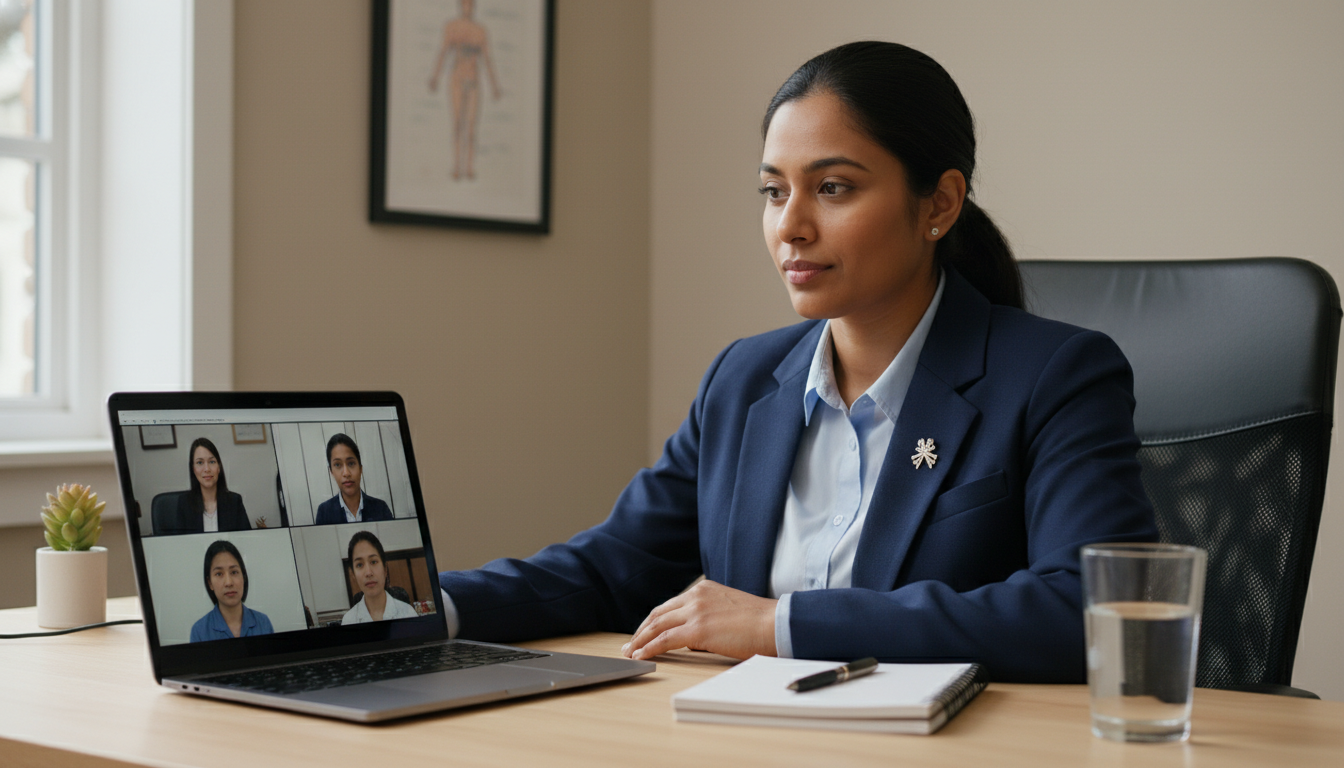
Most PM&R residency interviews now have a strong virtual component. This can actually reduce barriers for non-US citizen IMGs, but only if you prepare the environment carefully.
Technical Setup and Environment
Internet and Equipment
- Stable high-speed internet (test at the same time of day as your interview).
- Use a laptop or desktop rather than a phone.
- External microphone or headset if your device’s audio is poor.
- Test the platform (Zoom, Teams, Thalamus, etc.) in advance.
Lighting and Background
- Face a window or soft light source so your face is clearly visible.
- Neutral background: plain wall or simple bookshelves; avoid clutter, bed, or distractions.
- Camera at eye level: use books or a stand so you are not looking down.
Sound and Distractions
- Choose the quietest room possible.
- Inform housemates or family of your schedule.
- Silence phone notifications and computer alerts.
Do several trial calls with friends to check how you appear and sound.
Professional Presentation on Camera
- Dress code: Business formal (suit jacket, collared shirt/blouse), even if some programs say business casual.
- Body language:
- Sit upright with both feet on the floor.
- Look at the camera when speaking (not at your own image).
- Nod occasionally to show engagement.
- Notes:
- You may keep a few bullet-point reminders off to the side, but don’t read from them.
- Have your list of questions for the program accessible.
As a non-US citizen IMG, virtual interviews can minimize accents or cultural differences if you speak clearly and present confidently. Practice until you are comfortable focusing on content instead of the technology.
Time Zone and Scheduling Issues
For applicants outside the US, interview times may be late at night or very early morning.
- Use a world clock app to confirm time conversions.
- Simulate your “interview day schedule” the week before:
- Sleep and wake according to the interview’s time zone.
- Eat meals at corresponding times.
- Have a backup plan if internet fails:
- Phone number or email for program coordinator
- Hotspot or backup connection if possible
Being on time and alert despite time zone differences shows professionalism and reliability—traits that reassure programs about an international trainee.
Putting It All Together: A Pre-Interview Checklist for Non-US Citizen IMGs in PM&R
Use this as a final review in the days before each interview.
One–Two Weeks Before the Interview
- Re-read your ERAS, CV, and personal statement.
- Review your PM&R origin story and core answer bank.
- Study the program’s:
- Website and curriculum
- Faculty and hospital affiliations
- Unique clinical strengths (SCI, TBI, pain, sports, etc.)
- Prepare program-specific talking points:
- Why this program?
- How their strengths align with your goals
- Clarify your visa status and be ready with a concise explanation if asked.
- Do at least one full mock interview (preferably recorded).
2–3 Days Before the Interview
- Final tech check (internet, camera, audio, platform).
- Choose outfit and test how it looks on camera.
- Prepare:
- Printed or digital copy of your CV
- A short list of intelligent, specific questions for faculty and residents
Examples:- “How does your program integrate interdisciplinary care in the inpatient rehab unit?”
- “What opportunities exist for exposure to spasticity management and procedures?”
- “How do residents interested in research get involved here?”
- Review 3–4 patient stories and behavioral examples.
Day of the Interview
- Wake up early, eat a light meal, and hydrate.
- Join the virtual platform 10–15 minutes early.
- Keep water and a pen + notepad nearby.
- Silence devices and close unnecessary browser tabs.
- Take a few deep breaths before each session; remind yourself you belong in the room.
After each interview, briefly write down:
- Programs features you liked or disliked
- People who made strong impressions
- Any questions you wish you had answered differently
This will help with post-interview communication and ranking decisions later in the physiatry match process.
FAQs: Pre-Interview Preparation for Non-US Citizen IMGs in PM&R
1. As a non-US citizen IMG, will programs automatically see me as a weaker candidate?
No. Many PM&R programs value the diversity and broader clinical experience that non-US citizen IMGs bring. However, they may worry about:
- Visa logistics
- Communication skills
- Ability to adapt to the US system
Your pre-interview preparation should actively address these by showing clear communication, familiarity with US rehab settings (ideally through USCE), and a straightforward understanding of your visa needs.
2. How can I show commitment to PM&R if I had limited exposure in my home country?
Focus on what you do have and make it explicit:
- Any rotation involving stroke, spinal cord injury, neurology, orthopedics, pain, or disability
- Research or quality improvement on functional outcomes, chronic disease, or musculoskeletal issues
- Observerships or shadowing in US PM&R departments
- Involvement with disability advocacy, adaptive sports, or assistive technology
In interviews, explain how you actively sought these experiences once you learned about PM&R and how they confirmed your interest.
3. What PM&R-specific topics should I review before interviews?
At a minimum, be familiar with:
- Roles of inpatient rehab vs. acute care vs. outpatient clinics
- Major PM&R patient populations: stroke, SCI, TBI, amputees, MSK pain, sports injuries
- Basic principles of functional goals and interdisciplinary rehab (PT, OT, SLP, psychology, nursing, social work)
- Common procedures physiatry is involved in (e.g., EMG, ultrasound-guided injections, spasticity management)
You do not need to know advanced details, but you should speak confidently about what physiatrists do day to day.
4. How directly should I talk about my visa situation in interviews?
Be honest, concise, and calm. If asked:
- State clearly which visa you will require (e.g., “I would need J-1 sponsorship”).
- Confirm that you meet relevant requirements (e.g., ECFMG certification, USMLE completion).
- Avoid lengthy legal explanations; most interviewers are clinicians, not immigration attorneys.
If you’re unsure, research each program’s visa policy before the interview and, if necessary, reach out politely to the program coordinator for clarification—before interview day.
By building a clear PM&R narrative, practicing targeted residency interview preparation, optimizing your virtual setup, and addressing IMG-specific concerns head-on, you can present yourself as a confident, well-prepared foreign national medical graduate ready to thrive in a PM&R residency program in the United States.