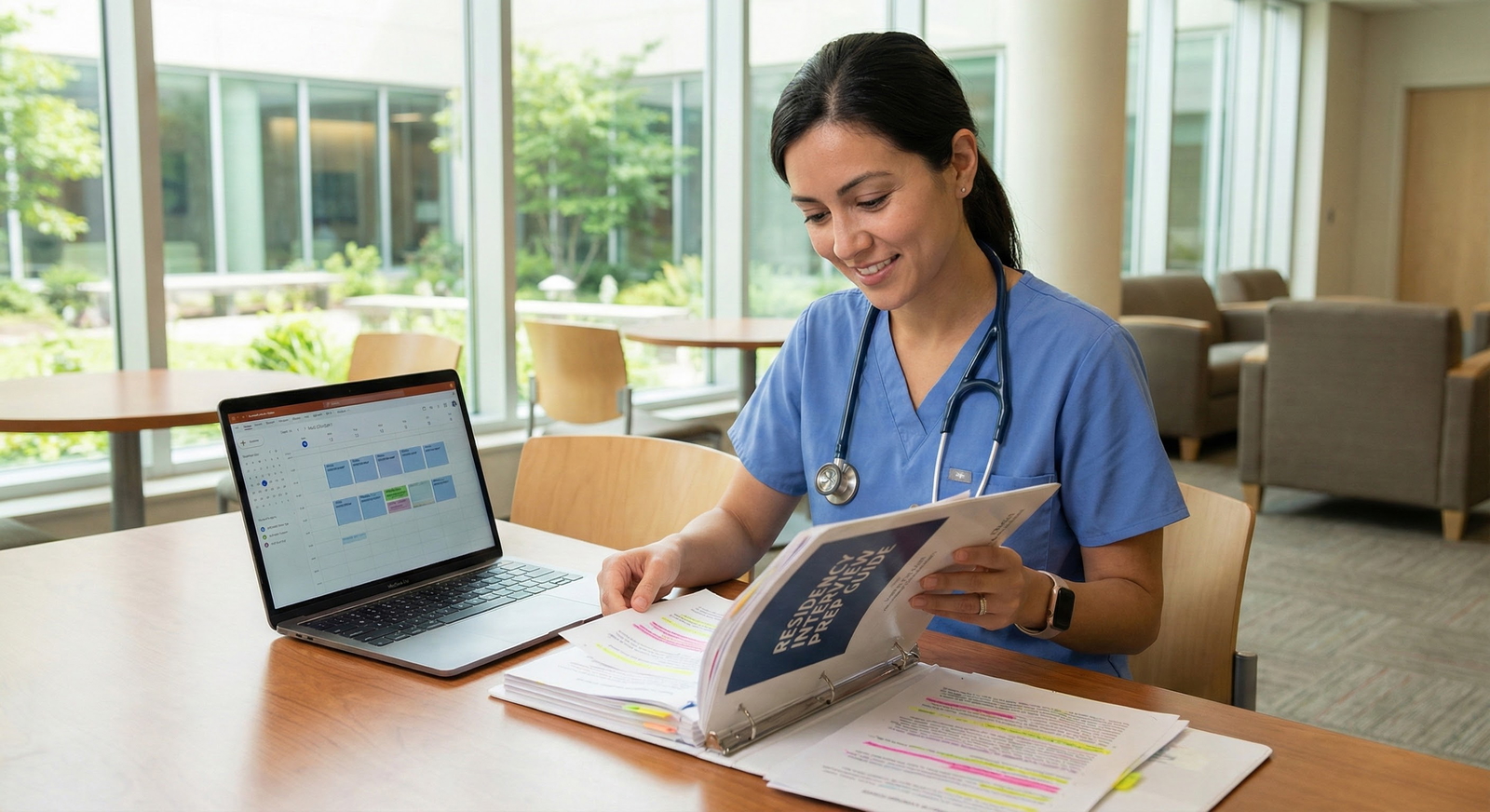
Understanding the Unique Challenges for Non-US Citizen IMGs in Radiation Oncology
Radiation oncology is one of the more competitive specialties in the US, and the bar is even higher for a non-US citizen IMG (international medical graduate). Before you start residency interview preparation, it’s important to understand the landscape so you can prepare strategically instead of generically.
Why Radiation Oncology Is Different
Radiation oncology (Rad Onc) is:
- Small: Fewer residency positions compared with internal medicine or pediatrics.
- Academic-heavy: Programs highly value research, publications, and a strong understanding of radiation biology, physics, and oncology.
- Team-based and technology-driven: Programs look for communication skills, maturity, and comfort with complex technology and multidisciplinary cancer care.
For a foreign national medical graduate, this means:
- You will be compared with US MDs/DOs who often have home-institution rad onc rotations and research.
- Program directors expect a clear explanation of why you chose radiation oncology, and why you are prepared for it despite coming from outside the US system.
Visa and Non-US Citizen Considerations
As a non-US citizen IMG, you must be ready to address:
- Visa status: J-1 vs H-1B, prior US visas, and long-term career plans.
- Institution policies: Some programs do not sponsor H-1B or any visas; your interview answers should show that you have read their requirements and understand your options.
- Timeline awareness: Visa processing can be tight; programs want to see that you are organized and realistic.
You don’t need to open with visa details, but you should be able to answer confidently when asked. Your pre-interview preparation should therefore include both standard interview preparation and visa-specific planning.
Pre-Interview Research: Building a Smart Strategy
A strong rad onc match strategy starts with targeted research, not just generic “how to prepare for interviews” advice. Before your first interview invite, build a systematic approach.
1. Understand the US Rad Onc Training Environment
Read at least the basics on:
- US Rad Onc training structure:
- 1 preliminary/transitional year (PGY-1) + 4 years of radiation oncology (PGY-2–5).
- Longitudinal continuity with cancer patients and multidisciplinary tumor boards.
- Typical resident responsibilities:
- Consults, contouring, treatment planning reviews.
- Following patients during treatment and in follow-up clinic.
- Participation in chart rounds, QA meetings, and journal clubs.
Being able to describe this clearly differentiates you from other non-US citizen IMGs who only speak broadly about “oncology” or “cancer care.”
2. Deep-Dive into Each Program Before Interviews
When you receive an interview invitation, create a one-page “program briefing sheet” for each program. Include:
Program basics:
- Location, affiliated cancer center, NCI-designation (if applicable).
- Number of residents per year.
Key faculty:
- Chair, program director, associate program director.
- Faculty whose interests match yours (e.g., head & neck, breast, GI, GU, pediatric, CNS, global health, outcomes research, medical physics).
Research strengths:
- Main disease site focus areas.
- Active clinical trials.
- Physics or radiobiology projects.
- Recent high-impact publications (PubMed search: “[Program name] radiation oncology”).
Program’s culture and mission:
- Emphasis on research vs. clinical training vs. community service.
- Diversity, equity, and inclusion (DEI) efforts.
- Any global oncology or international collaborations—particularly relevant for a foreign national medical graduate.
Practical tip: Save each briefing sheet as “[ProgramName]_Interview_Prep.pdf” and review it the night before and morning of the interview.
3. Clarify Program Policy on IMGs and Visas
Many non-US citizen IMGs avoid this step, but it directly affects your rad onc match chances.
Before the interview:
- Check the program website for:
- Visa types accepted (J-1 only, J-1 and H-1B, or “no visas sponsored”).
- Any explicit statement about IMGs.
- If unclear, send a short, professional email to the program coordinator:
- Confirm visa sponsorship.
- Ask if there are any additional documents they need from foreign national applicants.
You don’t need to discuss this extensively during the interview unless asked; the goal is to avoid surprise disqualifications after spending time and effort.

Core Interview Content: What You Must Prepare in Advance
Residency interview preparation for radiation oncology is partly about knowing classic interview questions residency programs ask, and partly about tailoring your narrative to this highly specialized field as a non-US citizen IMG.
1. Your Personal Narrative: The “Why Radiation Oncology” Story
This is central for Rad Onc. You should be able to deliver a 1–2 minute, well-structured answer:
Suggested structure:
- Initial exposure
- A specific patient, clerkship, or experience with radiation therapy in your home country.
- Deepening interest
- Rotations, electives, or shadowing in radiation oncology (US or abroad).
- Any research or academic work in oncology, radiobiology, physics, or imaging.
- Alignment with your strengths
- Enjoyment of longitudinal patient care + strong interest in technology/data + multidisciplinary teamwork.
- Why in the US, as a non-US citizen IMG
- Desire to train in a high-volume, research-oriented system.
- Plans to contribute to cancer care globally or in your home region.
Avoid:
- Vague statements like “I like physics and dealing with cancer patients” without concrete examples.
- Saying Rad Onc is your “backup” or that you considered multiple very different specialties at the last minute.
Prepare a second version: a 30-second “elevator pitch” for informal moments with residents or faculty.
2. Tell Your IMG Story Professionally
Many interviewers will wonder: Why did you train abroad? What makes you ready for a US academic specialty?
Prepare clear, non-defensive responses:
- Why you studied medicine outside the US:
- Family situation, educational opportunity, scholarship, or national system structure.
- How your international training is a strength:
- Exposure to advanced and late-stage disease.
- Resource-limited settings and creative problem-solving.
- Cultural and linguistic breadth, which is valuable in diverse US populations.
Link this to Rad Onc:
- Your comfort discussing serious diagnoses.
- Experience counseling families with limited resources.
- Appreciation of treatment access issues—especially relevant for radiation therapy availability worldwide.
3. Clinical Knowledge and Oncology Fundamentals
Radiation oncology residency interviews often explore your understanding of oncology, not just your motivation.
Be ready for:
- High-level cancer care questions such as:
- “Walk me through the usual workup and management for a patient with locally advanced non–small cell lung cancer.”
- “How would you explain radiation therapy to a patient who is very anxious about side effects?”
- Basic rad onc concepts (even if not in detail):
- Role of radiation in curative vs palliative settings.
- Common combined-modality therapies (chemo + RT).
- Acute vs late side effects of radiation for at least 2–3 major sites (breast, prostate, head and neck, CNS).
You don’t need board-level detail, but you DO need enough understanding to show you are not choosing this specialty blindly.
4. Research, Publications, and Academic Potential
Radiation oncology is academically driven. Expect questions about any research you list:
- Know your projects thoroughly:
- Your specific role.
- Hypothesis, methods, key results, and implications.
- Any limitations.
- If your research is not in radiation oncology:
- Clearly relate skill sets that apply:
- Data analysis.
- Statistics.
- Systematic literature review.
- Prospective study design.
- Clearly relate skill sets that apply:
- If you lack formal publications:
- Highlight case reports, audits, QI projects, thesis work, or conference presentations.
- Prepare to discuss what you learned and how it sparked interest in specific disease sites or methodological approaches.
Practice describing any project in 2–3 minutes, with a logical flow: background, question, methods, results, what it means.
Mastering Common and Specialty-Specific Interview Questions
Most residency interview questions residency programs use fall into predictable themes. You should prepare strong, concise, honest answers in advance, especially as a non-US citizen IMG in a niche field like Rad Onc.
1. Standard Behavioral Questions
Prepare structured responses using STAR (Situation, Task, Action, Result):
- “Tell me about yourself.”
- Focus on medical background, key experiences, and what led to rad onc.
- “Describe a conflict with a colleague or team member and how you handled it.”
- “Tell me about a time you made a mistake in patient care and what you learned.”
- “Give an example of when you had to adapt to a new system or environment.”
- Particularly relevant to moving between countries and healthcare systems.
For a non-US citizen IMG, highlight:
- Adaptability to new cultures and systems.
- Professionalism in unfamiliar environments.
- Communication with patients from varied backgrounds.
Actionable step: Draft bullet points for 6–8 major behavioral examples you can adapt to multiple questions.
2. Radiation Oncology–Specific Questions
Common rad onc interview questions include:
“Why radiation oncology instead of medical or surgical oncology?”
- Emphasize:
- Precision medicine and localized therapy.
- Mix of outpatient continuity and acutely ill patients.
- Interest in physics and imaging combined with direct patient care.
- Emphasize:
“Which disease sites are you most interested in?”
- Have 1–2 areas (e.g., breast, CNS, GU, pediatric) with reasons:
- A patient story.
- Exposure during electives.
- Research links.
- Have 1–2 areas (e.g., breast, CNS, GU, pediatric) with reasons:
“How do you see your career in 10 years?”
- Paint a realistic vision:
- Academic vs community practice.
- Combining clinical work with research/teaching/global oncology.
- Possible interest in returning to your home country or building international collaborations.
- Paint a realistic vision:
“How would you explain radiation therapy to a patient with minimal education?”
- Practice a clear, jargon-free explanation of:
- The goal (curative vs symptom relief).
- The process (simulation, planning, daily treatments).
- Common side effects and their management.
- Practice a clear, jargon-free explanation of:
3. IMG- and Visa-Focused Questions
You may be directly asked:
- “What challenges do you anticipate as a non-US citizen IMG?”
- “How do you plan to handle visa requirements through residency and beyond?”
- “Do you intend to practice in the US long-term?”
Prepare honest, balanced answers:
- Acknowledge challenges: licensing, visa limitations, distance from family.
- Emphasize your commitment to:
- Completing training successfully.
- Contributing to the program during your time there.
- Maintaining professionalism and stability despite immigration complexities.
You do not need to promise lifelong US practice if that’s not true. Instead, you can say:
“I am committed to completing residency here and practicing oncology at a high standard. Whether I stay in the US or work in a setting that bridges US and international oncology, I want to remain connected to US academic radiation oncology through collaborations, research, and education.”
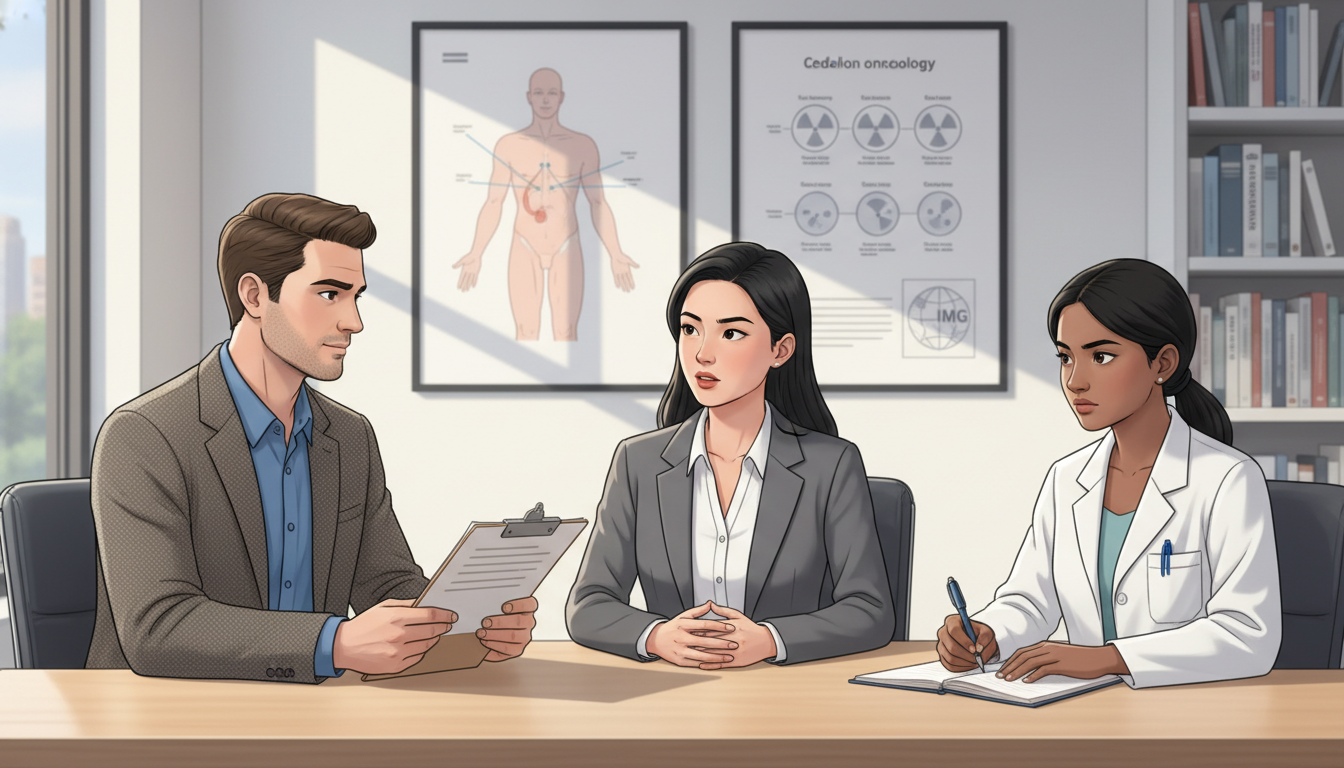
Practical Steps: How to Prepare for Interviews Effectively
You now know what content you must master. The next step is the actual residency interview preparation process: how to practice, organize, and refine.
1. Build a Personal Interview Prep Document
Create a working document with:
- Bullet-point answers (not full scripts) for:
- Tell me about yourself.
- Why radiation oncology?
- Why this program?
- Strengths and weaknesses.
- Short- and long-term career goals.
- STAR stories for:
- Leadership.
- Conflict resolution.
- Handling mistakes.
- Working under pressure.
- Working with diverse or difficult patients.
- Short summaries of:
- Each research project.
- Key rad onc exposures (rotations, observerships, electives).
Review and refine this document regularly; it becomes your central preparation tool for all rad onc match interviews.
2. Practice Out Loud—Not Just in Your Head
As a non-US citizen IMG, you may be speaking in a second (or third) language, under stress, via Zoom or in-person. Fluency and clarity matter.
- Do mock interviews with:
- Faculty mentors.
- Fellow IMGs who have matched.
- Friends or family familiar with behavioral interviews.
- Record yourself:
- Pay attention to speed, clarity, filler words (“um,” “like”), and overly long answers.
- Aim for answers that are:
- Structured.
- 60–120 seconds for most questions.
- Friendly, confident, and not memorized-sounding.
If English is not your first language, slow your pace slightly and prioritize clear structure over complex vocabulary.
3. Prepare Well-Targeted Questions for Interviewers
Interviewers will almost always ask, “Do you have any questions for me?” This is a key moment to show insight and genuine interest.
Prepare 5–7 questions you can adapt to each program, such as:
For faculty:
- “How do residents get involved in clinical trials or investigator-initiated research?”
- “What differentiates your program from other rad onc programs in this region?”
- “How is feedback delivered to residents, especially in contouring and treatment planning?”
For residents:
- “What surprised you most about training here?”
- “How supportive is the department with regard to research time and conference attendance?”
- “How does the program support international residents or those far from family?”
Avoid questions easily answered on the website, and avoid leading with visa questions unless the topic is brought up or you are in a one-on-one with someone in a position to speak to it (e.g., PD or coordinator).
4. Logistics and Technical Preparation (Especially for Virtual Interviews)
For many non-US citizen IMGs, at least some interviews will be virtual, possibly across time zones.
Before each interview day:
- Confirm:
- Time zone conversion.
- Platform (Zoom, Thalamus, Teams, etc.).
- Backup contact (coordinator’s email/phone) in case of technical issues.
- Test your setup:
- Stable internet connection.
- Good lighting (face well-lit, background neutral).
- Professional attire (at least as formal as in-person).
- Audio quality (headset or quiet environment).
Prepare a clean, professional background—simple wall, bookshelf, or desk is fine. Avoid noisy or crowded locations.
5. Pre-Interview Day Routine
The day before:
- Review:
- Your personal statement.
- ERAS application.
- Program briefing sheet.
- Prepare:
- Printed or digital schedule.
- List of interviewers (if provided).
- Your question list.
On the morning of the interview:
- Eat lightly but adequately.
- Dress in business formal attire.
- Keep water near your desk (for virtual interviews).
- Log in 10–15 minutes early.
Remember: nervousness is normal. Having done structured preparation will help you appear calm and professional.
Pre-Interview Strategy as a Non-US Citizen IMG: Managing Red Flags and Gaps
Every application has potential weak points. The key is to anticipate and prepare explanations that are honest, concise, and framed in terms of growth.
1. US Clinical Experience Gaps
If you lack formal US radiation oncology electives or observerships:
- Emphasize:
- Any related oncology experience (medical oncology, surgical oncology, palliative care).
- Independent study: rad onc textbooks, NCCN guidelines, virtual conferences, ASTRO resources.
- Show active steps:
- “Since I could not secure a formal elective due to [constraint], I completed [online courses, ASTRO webinars, shadowing] to better understand US rad onc practice.”
2. Time Since Graduation or Gaps in Training
Be ready for:
- “What did you do between graduation and now?”
- Explain succinctly:
- Clinical work.
- Research.
- Exam preparation (USMLE, OET).
- Family responsibilities, where appropriate.
Always end with:
- How the period contributed to your growth.
- How it prepared you for residency.
3. USMLE or Exam Issues
If you had:
- Low scores.
- Multiple attempts.
- Delays.
Prepare a calm, non-defensive explanation:
- Identify the cause (e.g., balancing work, misunderstanding the exam style).
- Describe specific changes you made afterward (study strategies, resources).
- Connect to later improved performance, if applicable.
- Emphasize that you now understand the US system’s expectations and can meet them.
FAQs: Pre-Interview Preparation for Non-US Citizen IMG in Radiation Oncology
1. As a non-US citizen IMG, how early should I start residency interview preparation for radiation oncology?
Start structured preparation at least 2–3 months before interview season. Radiation oncology residency interviews are in-depth, and you need time to:
- Refresh oncology and radiation basics.
- Prepare your “Why radiation oncology?” narrative.
- Develop and refine your behavioral examples.
- Practice mock interviews—especially if English is not your first language.
- Research programs thoroughly and create briefing sheets.
If you anticipate many interviews or have visa complexities, starting 4–6 months early is even better.
2. Do I need radiation oncology–specific research to be competitive in the rad onc match?
Radiation oncology–specific research is extremely helpful but not absolutely mandatory. Programs look for:
- Clear interest in oncology and/or imaging.
- Ability to explain your research logically and rigorously.
- Potential to contribute to academic work during residency.
If your research is not rad onc–specific, highlight overlapping skills (data analysis, clinical trial work, outcomes research) and show that you are actively building rad onc knowledge through reading, shadowing, or smaller projects.
3. How much should I talk about visa issues during my interviews?
Address visa issues professionally and briefly, mainly when:
- Directly asked.
- Speaking with the program director or coordinator.
- Clarifying logistical feasibility.
You don’t need to center the conversation on visas. Focus on your clinical, academic, and personal strengths. Show that you understand the process, are realistic, and are committed to completing your training. If a program clearly supports J-1 only, reassure them you are comfortable with that path if it applies to your situation.
4. What are the most important elements of pre-interview preparation for a foreign national medical graduate in radiation oncology?
The highest-yield elements are:
- A clear, well-practiced narrative about:
- Why radiation oncology.
- Why you as an IMG are particularly suited to it.
- Solid understanding of:
- Basic oncology workup and management for common cancers.
- The role of radiation therapy in multimodality care.
- Strong communication and professionalism:
- Well-structured answers.
- Confidence and clarity in spoken English.
- Evidence of preparation:
- Program-specific knowledge (research focus, clinical strengths).
- Thoughtful questions for faculty and residents.
- Realistic planning as a non-US citizen:
- Awareness of visa options and timelines.
- Honest but optimistic long-term career goals.
If you build these components systematically before interview season, you will be far better positioned to stand out in the radiation oncology residency interview process as a non-US citizen IMG.