Understanding the Landscape: What Makes Medical Genetics Interviews Unique?
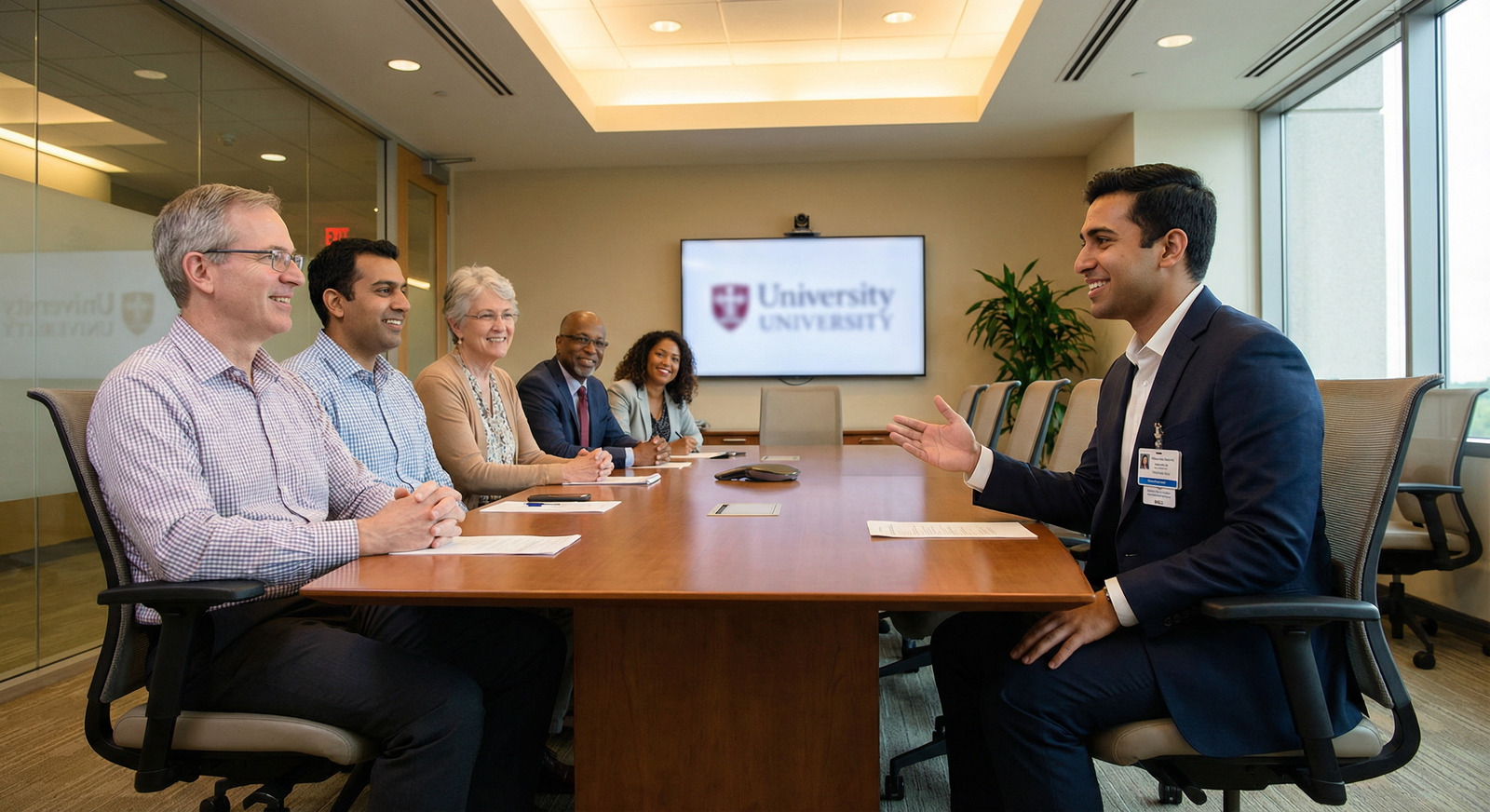
Medical genetics is a small, highly specialized field—and residency interview preparation for this specialty looks different from larger programs like internal medicine or pediatrics. As a US citizen IMG (American studying abroad), you occupy a distinctive spot in the applicant pool: you have familiarity with the US system and culture, but your degree is from outside the US. Programs will be evaluating both your fit for genetics and your ability to transition smoothly into US training.
A few key realities to understand before you start your pre-interview preparation:
Medical genetics is small and competitive—but in a different way than “big-name” specialties. Programs care deeply about:
- Intellectual curiosity and comfort with complex problem-solving
- Longitudinal patient care, often with rare diseases and lifelong follow-up
- Multidisciplinary teamwork with specialties like neurology, pediatrics, maternal-fetal medicine, oncology, and laboratory medicine
Programs will look closely at your story as a US citizen IMG. Expect interest in:
- Why you studied abroad as an American
- How you adapted to a different healthcare system
- Why you now want to return to the US specifically for a medical genetics residency
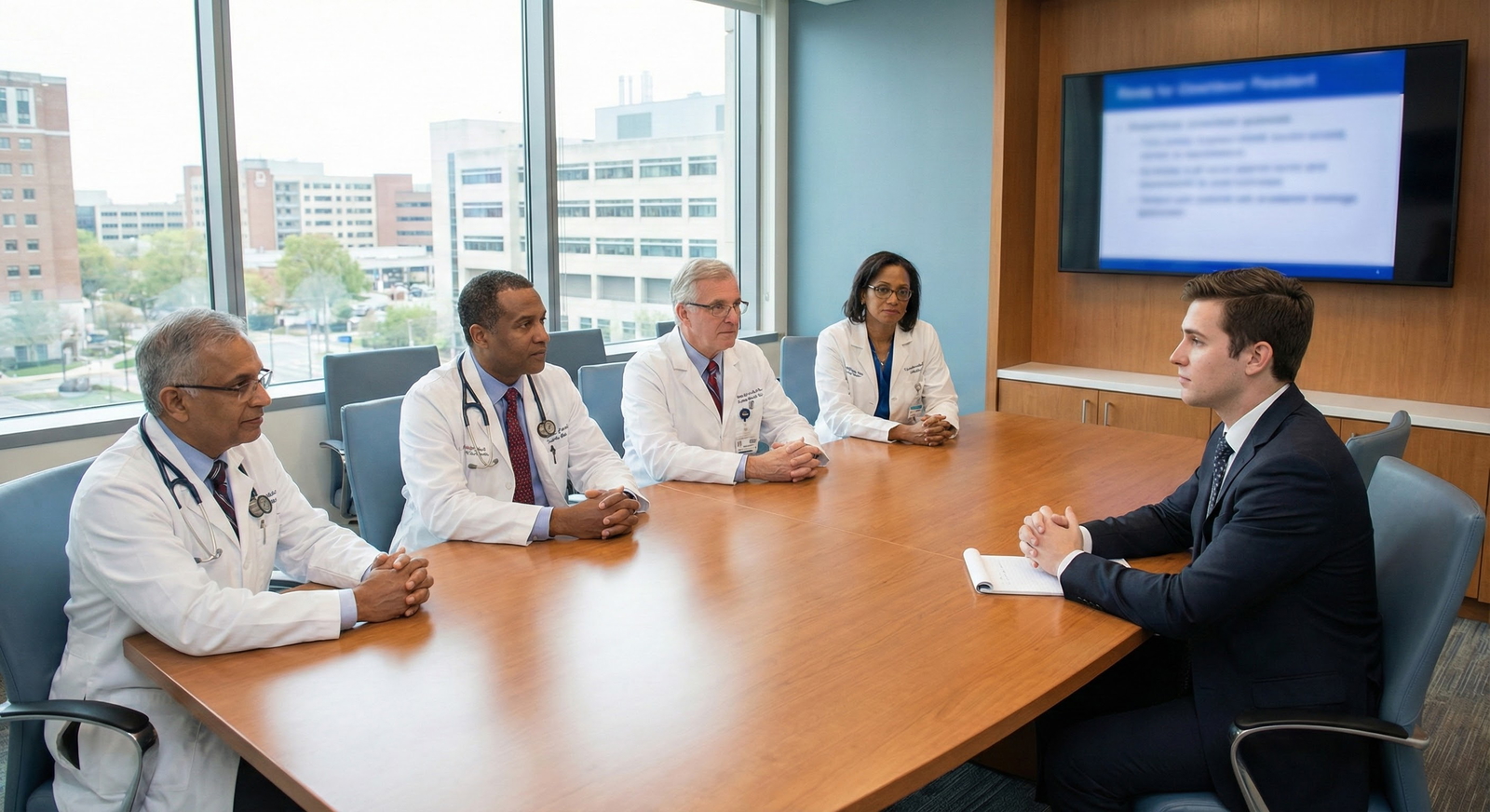
Medical genetics interviews are often conversational and case-based. You may encounter:
- Discussions of clinical cases you’ve seen
- Questions about interpreting pedigrees or thinking through a differential diagnosis for genetic conditions
- Ethical scenarios (e.g., incidental findings, prenatal diagnosis, reproductive choices)
Knowing this landscape will shape how you approach residency interview preparation and how you position yourself in every conversation.
Clarifying Your Story: Why Medical Genetics, and Why You?
Before you rehearse “interview questions residency programs commonly ask,” you need a tight, authentic narrative. Programs want to see you’ve thought deeply about your career path and that medical genetics is not a last-minute choice.
Step 1: Articulate Your Identity as a US Citizen IMG
When you’re an American studying abroad, programs will often ask variations of:
- “Tell me about your medical school and why you chose to study there.”
- “As a US citizen IMG, how do you think your path has prepared you differently?”
Prepare a short, structured answer that covers:
- Motivation for studying abroad
- Example: financial, personal, cultural, or opportunity-based reasons
- What you gained
- Exposure to diverse pathologies, resource-limited settings, or different healthcare structures
- Adaptability, independence, and resilience
- Why you’re now ready for the US system
- US clinical experience (if any), USMLE performance, understanding of US healthcare expectations
Keep it positive: avoid criticizing your foreign medical school or country; frame your path as intentional and growth-oriented.
Step 2: Develop a Clear and Specific “Why Medical Genetics” Narrative
Generic answers (“I like rare diseases” or “I like science”) are not enough. For a strong genetics match, you need to connect your experiences, skills, and values to the specialty.
Build your answer around three pillars:
Personal or clinical trigger
- A patient with a suspected genetic syndrome
- Exposure during a genetics elective, lab, or research project
- Family experience with a genetic condition (if relevant and you’re comfortable sharing)
Alignment with your strengths
- Comfort with complex, long-term diagnostic puzzles
- Enjoyment of integrating molecular data, imaging, and clinical phenotypes
- Strong communication skills for counseling and education
- Interest in bioethics, precision medicine, or translational research
Long-term vision
- Do you see yourself in:
- Clinical genetics (adult/peds)
- Laboratory genetics and genomics
- Academic research or industry collaboration
- Leadership in precision medicine programs or rare disease clinics
- Do you see yourself in:
An example structure:
“I became interested in medical genetics when I worked with a child suspected of having a mitochondrial disorder during my pediatric rotation. The diagnostic process required integrating clinical findings, imaging, and genetic testing—exactly the kind of complex problem-solving I enjoy. I realized I’m drawn to specialties where I can follow patients and families long term and help them understand difficult information. Medical genetics allows me to combine my interest in molecular medicine with patient-centered counseling. Long-term, I want to work in an academic center focused on rare neurogenetic disorders, contributing to both patient care and clinical research.”
Step 3: Align Your Experiences With Program Needs
List 3–5 experiences that best support your genetics interest and qualifications:
- Genetics-related research (even if basic science or in another domain like oncology or neurology)
- Electives or observerships in genetics, dysmorphology, or related specialties
- Quality improvement projects involving genetic testing workflows, counseling, or lab coordination
- Leadership roles that show communication, teamwork, and responsibility
Practice giving 2-minute, structured descriptions of these experiences using a concrete framework (e.g., Situation–Action–Result–Reflection).

Content Preparation: Building Your Knowledge and Case Portfolio
For residency interview preparation in medical genetics, you’re not expected to be a geneticist already, but you are expected to demonstrate baseline literacy and genuine engagement with the field.
Core Knowledge to Review Before Interviews
Focus on clinically relevant, high-yield topics you can discuss comfortably:
Basic genetics foundations
- Modes of inheritance: autosomal dominant, autosomal recessive, X-linked, mitochondrial
- Penetrance, variable expressivity, de novo variants, and anticipation
- Types of genetic tests: karyotype, microarray, single-gene tests, gene panels, exome/genome sequencing
Common clinical scenarios
- Recurrent pregnancy loss and prenatal genetic workup
- Developmental delay, intellectual disability, autism spectrum disorder
- Cardiomyopathy with suspected familial pattern
- Hereditary cancer syndromes (BRCA, Lynch syndrome, etc.)
- Neurocutaneous diseases (NF1, TSC)
Ethical and psychosocial issues
- Incidental or secondary findings on genetic testing
- Testing minors for adult-onset conditions
- Reproductive decision-making and counseling around prenatal screening/diagnosis
- Patient autonomy, informed consent, and cultural considerations
Don’t aim for subspecialist depth; aim for coherence and clarity. Be able to discuss how you would approach a problem, even if you don’t know all the details.
Preparing 4–5 “Showcase Cases” From Your Experience
In medical genetics residency interviews, you are very likely to be asked about memorable patients. Choose cases that:
- Highlight your clinical reasoning
- Demonstrate empathy and communication
- Relate logically to genetics, rare disease, or diagnostic complexity
For each case, outline:
- Context: Who was the patient and what brought them in?
- Your role: What exactly did you do, at your level of training?
- Clinical reasoning: How did you think about the differential and next steps?
- Outcome: What happened, medically and emotionally?
- Reflection: What did you learn, and how did it shape your interest in genetics?
Example (condensed):
- Context: Teenager with unexplained cardiomyopathy and a family history of sudden death.
- Your role: Gathered detailed family history, recognized a pattern suggestive of hereditary condition, presented to the team.
- Reasoning: Realized importance of multigenerational pedigree and referred to cardiogenetics service.
- Outcome: Genetic testing confirmed a pathogenic variant; cascade testing enabled preventive strategies for family members.
- Reflection: Reinforced the power of genetics to impact whole families; sparked interest in medical genetics.
Staying Current: Articles, Guidelines, and Trends
In a genetics match, it helps to signal you’re following the field thoughtfully. Before interview season:
- Skim key resources:
- ACMG (American College of Medical Genetics and Genomics) practice guidelines
- A few review articles from journals like Genetics in Medicine or American Journal of Medical Genetics
- Identify 1–2 topics you can discuss in depth, e.g.:
- The use of exome sequencing in undiagnosed diseases
- Ethical issues in direct-to-consumer genetic testing
- Implementation of newborn screening programs
You don’t need to sound like a PhD; aim to sound informed, curious, and engaged.
Practical Interview Readiness: From Common Questions to US System Fit
Once your narrative and knowledge base are solid, focus on practical residency interview preparation tailored to you as a US citizen IMG in medical genetics.
Anticipating Core Interview Questions (and How to Prepare)
Here are central “interview questions residency” programs often use, with genetics- and IMG-specific twists:
“Tell me about yourself.”
- 60–90 seconds; emphasize:
- Where you trained and why
- Your major interests in medicine
- Key experiences that led you to medical genetics
- A sentence about your long-term goals
- 60–90 seconds; emphasize:
“Why medical genetics?” / “Why our program?”
- Match your interests to:
- Program’s patient population (pediatric vs adult mix)
- Research strengths (neurogenetics, cancer genetics, metabolic, etc.)
- Unique features (combined training tracks, lab exposure, multidisciplinary clinics)
- Match your interests to:
“Why are you a US citizen IMG and what does that mean for your training?”
- Be honest, structured, and positive.
- Emphasize what you bring:
- Cultural adaptability
- Exposure to diverse pathologies
- Strong motivation to work in the US healthcare environment
“Describe a challenging patient or ethical dilemma.”
- Genetics is full of ethical nuances; choose a case involving:
- Counseling patients/families with limited understanding or different values
- Balancing autonomy vs beneficence
- Focus on your thought process and empathy more than “the perfect answer.”
- Genetics is full of ethical nuances; choose a case involving:
“Tell me about a time you made a mistake.”
- Choose something real but not catastrophic.
- Emphasize:
- Accountability
- Communication with supervisors/patients
- Concrete changes you made afterward
“Where do you see yourself in 5–10 years?”
- Show you understand the structure of genetics training (e.g., clinical genetics, possibly combined with pediatrics or internal medicine, or lab-based training).
- Mention likely directions, not rigid endpoints.
Practicing Behavioral and Scenario-Based Questions
Use a framework like STAR (Situation–Task–Action–Result) + Reflection for structured answers:
- Situation/Task: Brief background and what was needed
- Action: What you did
- Result: Outcome and impact
- Reflection: What you learned and how you’ll apply it in residency
Practice aloud for scenarios like:
- Working with an interprofessional team (genetic counselors, lab staff, subspecialists)
- Handling culturally sensitive conversations about inherited conditions
- Managing uncertainty when tests are inconclusive
Record yourself or ask a mentor to provide mock interviews, specifically including genetics case-discussion prompts.
Showcasing Fit for the US Healthcare Environment
Programs want reassurance that, as a US citizen IMG, you’ll transition smoothly. Be prepared to discuss:
- Any US clinical experience: electives, observerships, sub-internships
- What you observed about:
- Documentation and EMR use
- Interdisciplinary communication (consults, family meetings)
- Patient-centered care and shared decision-making
- How your non-US training gives you complementary strengths (e.g., resourcefulness, comfort with diagnostic uncertainty, handling high patient volumes)
If you lack US rotations, emphasize:
- Self-directed learning about US healthcare (e.g., reading, webinars, ACP/ACMG materials)
- Adaptability in new systems (examples from your medical school or other settings)

Logistics, Professionalism, and Communication Skills: Getting the Details Right
Even the best content preparation can be undermined by poor logistics or unpolished communication. Pre-interview preparation includes tight management of all the practical details.
Organizing Interview Season: A Strategic Approach
- Track every program:
- Use a spreadsheet for dates, time zones, interview format (virtual/in-person), key faculty, and areas of emphasis (adult/peds mix, research focus).
- Block time for each interview:
- Avoid back-to-back interviews across time zones if possible.
- Reserve time the day before for review and the day after for reflection and thank-you emails.
For a genetics match, because programs are fewer and geographically scattered, you may have to balance:
- Travel (if in-person)
- Overlapping dates with preliminary or categorical programs (if you’re applying to combined tracks)
Technology and Virtual Interview Setup
Many programs still use virtual formats, especially for initial rounds:
Hardware and environment
- Reliable internet, backup device if possible
- Neutral, quiet background; good lighting (face illuminated, no strong backlighting)
- Test microphone and camera ahead of time
Technical rehearsal
- Log in 15–20 minutes early to ensure access
- Verify platform (Zoom, Teams, Webex) and update software in advance
Professional Appearance and Nonverbal Communication
Attire:
- Conservative, well-fitted professional clothing (suit jacket or equivalent)
- Subtle colors; avoid distracting patterns or excessive accessories
Body language:
- Maintain eye contact by looking at the camera when speaking
- Sit upright, avoid fidgeting
- Use natural, moderate hand gestures if visible
Speech:
- Pace yourself, especially if English is your second language
- Aim for concise but complete answers; 1–3 minutes for most questions
- Don’t be afraid to pause briefly to think—this signals thoughtfulness, not weakness
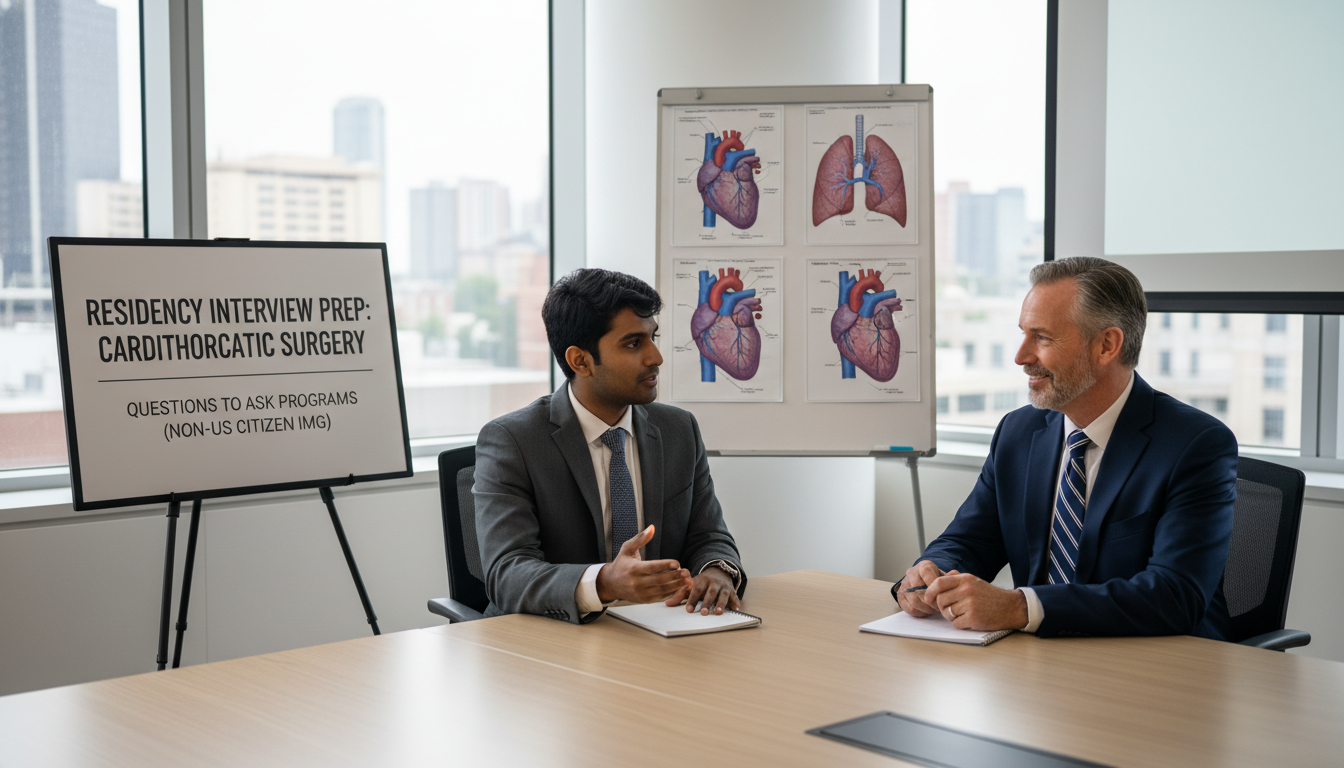
Preparing Program-Specific Questions to Ask
A major part of residency interview preparation is planning thoughtful questions. These should:
- Show you’ve researched the program
- Reveal what you value in training
- Help you decide if the program is a fit
For medical genetics, examples include:
- “How are clinical and laboratory genetics integrated in your training?”
- “What opportunities are there for exposure to prenatal, cancer, and adult genetics?”
- “How do residents and fellows work with genetic counselors here?”
- “What types of research or quality improvement projects have recent trainees pursued?”
- “How do you support trainees who are interested in academic vs clinical careers in genetics?”
Avoid questions you could easily answer by reading the website (e.g., “Do you have a genetics clinic?”).
Professional Communication Before and After Interviews
Before:
- Respond promptly and politely to scheduling emails.
- Confirm dates and times, especially across time zones.
After:
- Within 24–48 hours, send targeted thank-you emails to interviewers:
- Mention 1–2 specific points you enjoyed from your conversation.
- Reiterate your interest and how you see yourself fitting the program.
- Within 24–48 hours, send targeted thank-you emails to interviewers:
While thank-you notes rarely “make or break” your application, in a small field like medical genetics they can help reinforce positive impressions.
Integrating It All: A Step-by-Step Pre-Interview Preparation Plan
To make this actionable, here’s a structured plan you can follow in the 4–6 weeks before and during interview season.
1. Weeks 1–2: Narrative and Knowledge Foundation
- Write and refine:
- Your “Tell me about yourself” script
- Your “Why medical genetics?” and “Why US?” scripts
- A concise explanation of your path as a US citizen IMG
- Select:
- 4–5 cases to discuss
- 3–5 core experiences (research, leadership, volunteer) you can present in depth
- Review key genetics basics and 1–2 “advanced interest” topics.
2. Weeks 2–3: Practice and Feedback
- Do at least:
- 2–3 full mock interviews (with mentors, peers, or advisors)
- 1–2 mock interviews focused on case discussion and ethical scenarios
- Record and review yourself:
- Look for clarity, pacing, and nonverbal communication
- Adjust your answers to be more specific, concise, and reflective.
3. Ongoing: Program Research and Question Development
For each program offering you an interview:
- Read:
- Program website, especially rotations, clinics, and research pages
- Recent faculty publications (skim abstracts for areas of focus)
- Identify:
- 2–3 unique features you genuinely like
- 3–4 tailored questions to ask faculty and residents
4. Just Before Each Interview
- Revisit:
- Your core narrative and case list
- Program-specific notes and questions
- Test:
- Technology, audio, video, and environment (for virtual interviews)
- Prepare:
- A notepad with key points and interviewer names (if provided)
5. Immediately After Each Interview
- Write down:
- Key impressions of the program (strengths, concerns, “feel”)
- Names of interviewers and something specific you discussed
- Send:
- Individualized thank-you emails
- Update:
- Your rank order impressions list (even roughly) while memory is fresh
By following this plan, you’ll walk into each medical genetics residency interview not just “prepared,” but with a coherent, compelling story, a solid grasp of the field, and professionalism that stands out—especially as a US citizen IMG navigating a specialized, tight-knit discipline.
FAQ: Pre-Interview Preparation for US Citizen IMG in Medical Genetics
1. As a US citizen IMG, will I be at a disadvantage for a medical genetics residency?
You may face extra scrutiny regarding your clinical preparation and familiarity with the US system, but being a US citizen is a logistical advantage (no visa concerns). You can offset any perceived disadvantage by:
- Strong USMLE scores and solid letters of recommendation
- Any US clinical experience, especially in academic centers
- Clear, confident explanations of your path and your readiness to train in the US
In a small field like medical genetics, genuine interest, thoughtful preparation, and strong interpersonal skills carry significant weight.
2. How much detailed genetics knowledge do I need before interviews?
You’re not expected to be an expert geneticist, but you should:
- Understand core concepts (inheritance patterns, types of tests, basic counseling issues)
- Be able to discuss 1–2 genetics-related topics in more depth
- Show you follow developments in the field (e.g., exome sequencing, newborn screening, or ethical debates) Interviewers care more about your thinking process and curiosity than obscure technical details.
3. What are some specific interview questions residency programs in medical genetics might ask?
Common questions include:
- “Why medical genetics instead of another specialty?”
- “Tell me about a patient who influenced your interest in genetics.”
- “How would you approach counseling a family after identifying a pathogenic variant?”
- “Describe an ethical dilemma related to genetic testing.”
- “How has your experience as an American studying abroad prepared you for training here?”
Prepare structured, reflective answers that highlight your judgment, empathy, and commitment to the field.
4. How can I demonstrate strong residency interview preparation if I have limited genetics exposure at my medical school?
You can still present a strong application by:
- Seeking observerships, electives, or shadowing in genetics or related specialties (peds, oncology, neurology, MFM)
- Completing online genetics courses or webinars (ACMG, NIH, or academic centers)
- Engaging in research or quality improvement projects related to rare diseases, genetic testing workflows, or precision medicine
- Reading and being able to discuss recent review articles or guidelines
When you explain your path, emphasize initiative: you recognized a gap, then actively filled it through self-directed learning and targeted experiences.
By combining a convincing personal narrative, solid content preparation, polished communication, and thoughtful logistics, you’ll be well-positioned to succeed in medical genetics interviews and secure a strong genetics match as a US citizen IMG.