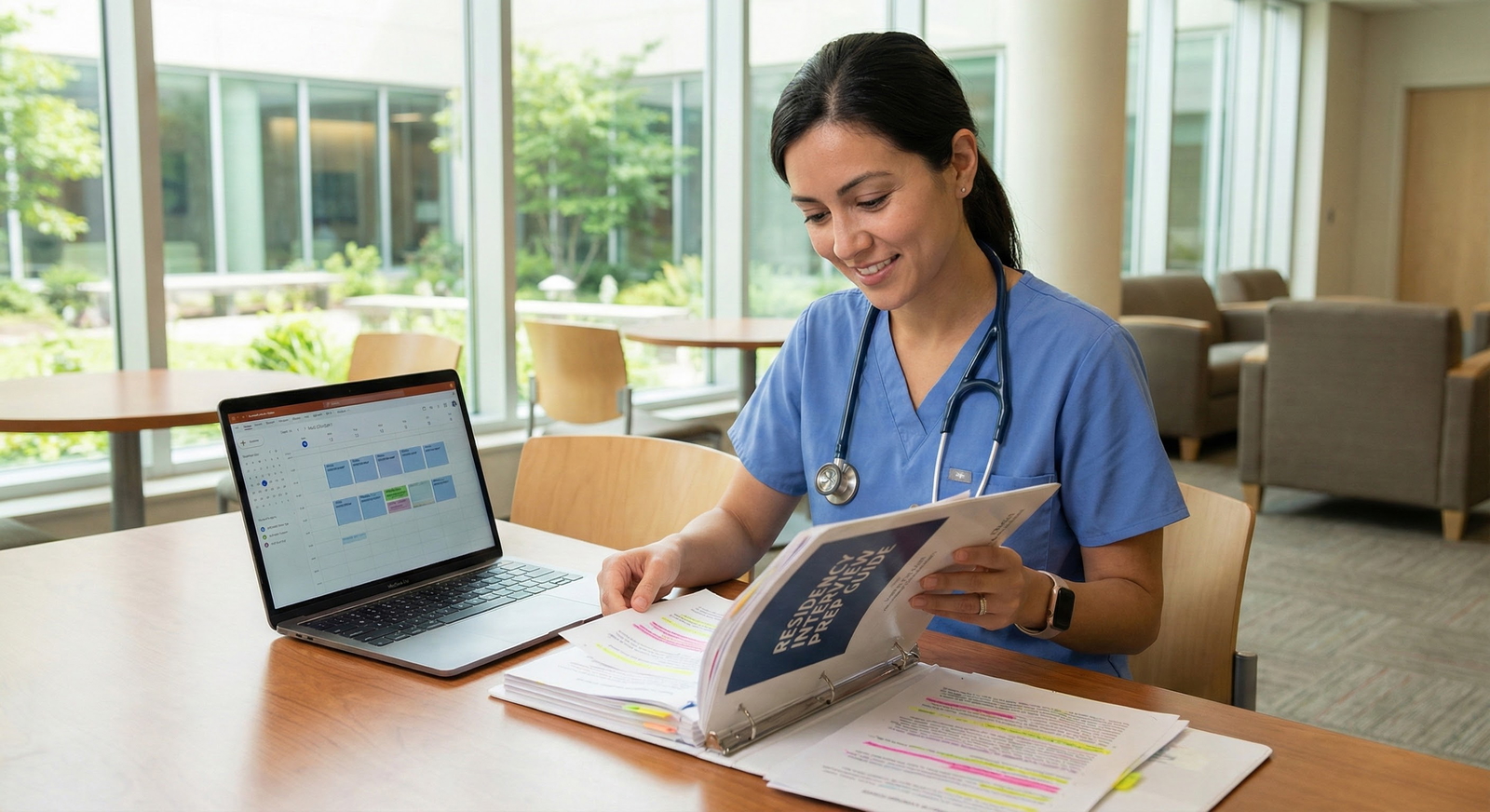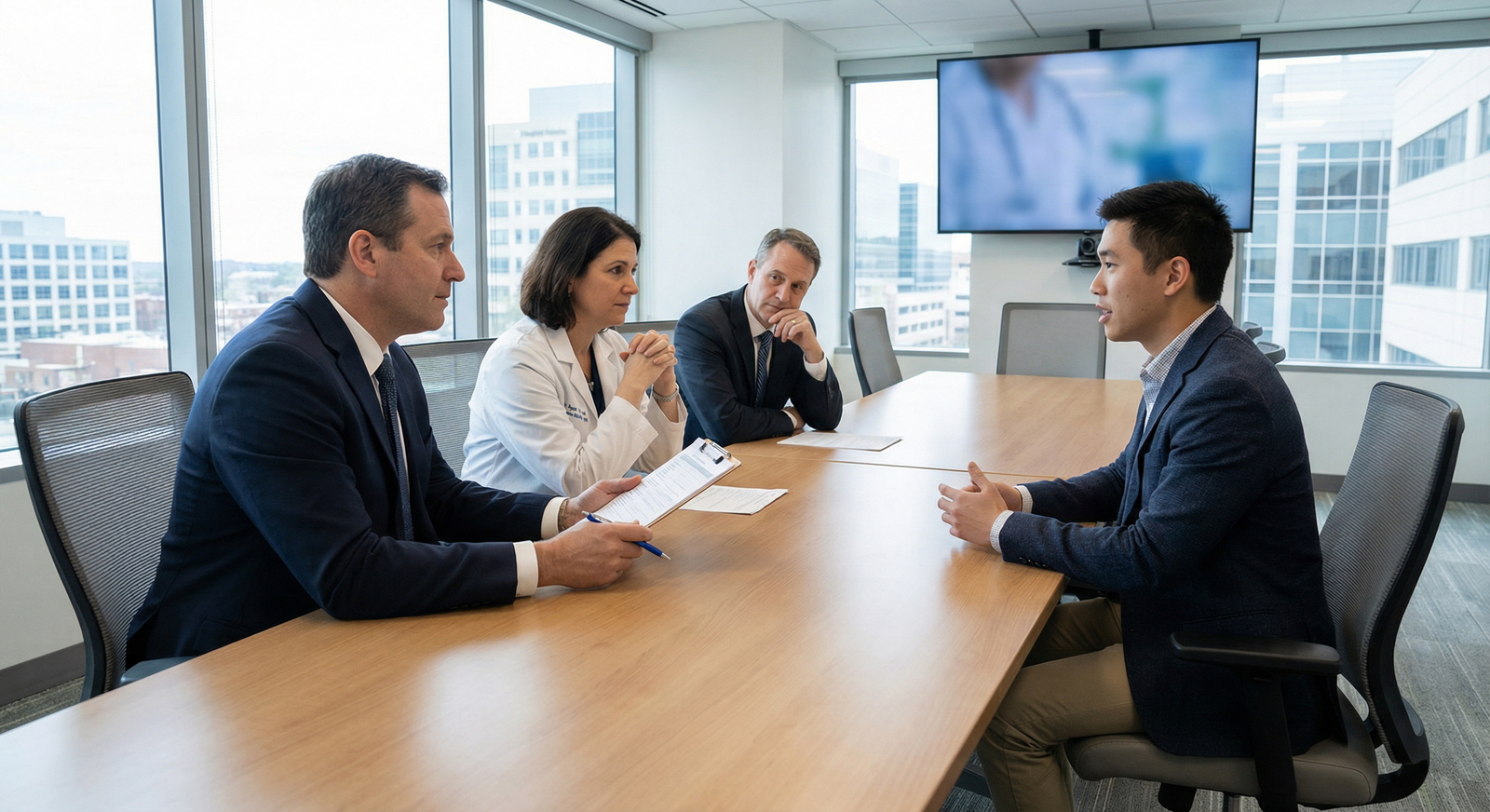
Landing an emergency medicine (EM) residency as a US citizen IMG is absolutely achievable—many have done it successfully—but the margin for error is often smaller and the preparation expectations higher. Pre-interview preparation is where you can transform a hard-earned invitation into a strong chance of ranking highly and matching.
This guide walks you step-by-step through how to prepare for interviews as an American studying abroad in EM, from the moment that first email arrives to the night before your interview. The focus is on practical, EM-specific, IMG-aware strategies you can put into action immediately.
Understanding Your Unique Position as a US Citizen IMG in EM
Emergency medicine programs increasingly receive applications from US citizen IMGs, especially those labeled “American studying abroad.” Knowing how programs see you helps you prepare strategically.
How Programs Typically View US Citizen IMGs
Common program questions behind the scenes:
- Can this applicant handle the pace and acuity of an emergency department?
- Are they ready on day one (procedures, workflow, communication)?
- Do they understand US healthcare systems, especially ED culture, EMTALA, and interdepartmental dynamics?
- Are they likely to stay and complete training, given their non-traditional path?
- Have they overcome the IMG disadvantage by seeking US clinical experience, SLOEs, and research?
Your pre-interview preparation should be built around answering these concerns clearly and confidently.
Key Distinctions: US Citizen IMG vs Non-US IMG
As a US citizen IMG, you sit in an in-between category:
Pros:
- No need for visa sponsorship (a big plus for many programs).
- Often have some degree of cultural familiarity with US healthcare and patients.
- Easier transition logistics (licensing, social security, background checks).
Challenges:
- Programs may wonder why you went abroad for medical school.
- May have less structured EM exposure than US MD/DOs without deliberate effort.
- Perception gaps: some may assume knowledge/skill deficits unless you actively demonstrate readiness.
Your pre-interview goal: Prepare to clearly show that you are:
- US-ready (culturally, linguistically, and clinically),
- EM-ready (fast-paced, team-based, acute care capable), and
- Committed to their specific program.
Step 1: Strategic Program Research Before Every Interview
Generic preparation is not enough. For EM especially, programs expect you to know why their department and hospital are the right fit.
Build a Research Template
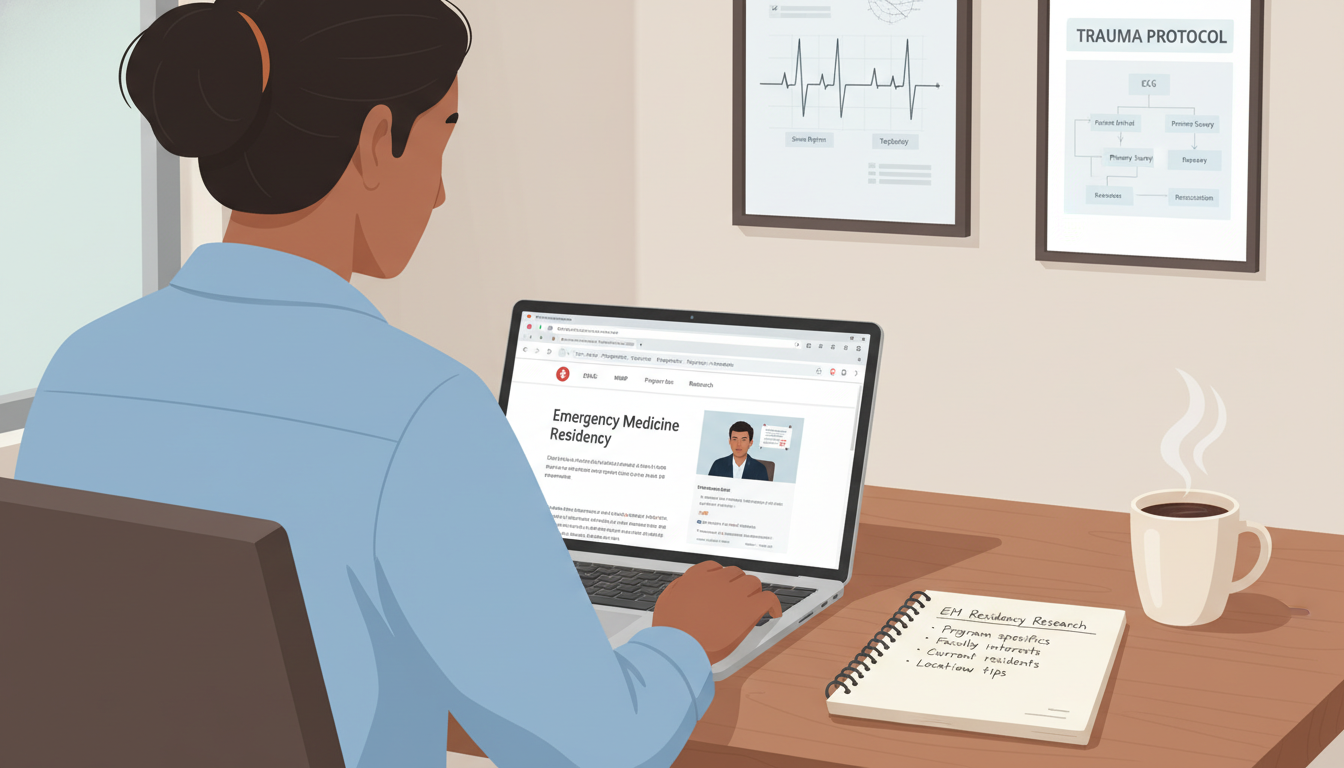
For each emergency medicine residency program you interview with, research and document:
Program Basics
- 3- vs 4-year program
- Number of residents per year
- ED volume (annual visits) and acuity (Level I/II trauma, stroke center, etc.)
- Academic vs community vs county vs hybrid
Clinical Environment
- Trauma designation
- Presence of EM subspecialties: ultrasound, toxicology, EMS, critical care
- Pediatric EM exposure (separate children’s hospital? ED peds pod?)
- Exposure to underserved populations (homeless, immigrant, uninsured)
Education & Culture
- Conference schedule and style (simulation, small groups, flipped classroom)
- Reputation for being resident-friendly vs service-heavy
- Wellness and support: time off, mental health resources, vacation structure
EM-Specific Opportunities
- Global health, wilderness medicine, ultrasound tracks
- EM research, QI projects, leadership roles
- EM administrative/operations or health policy exposure
US Citizen IMG-Specific Questions
- Does the program have current or recent US citizen IMGs?
- Do faculty or residents have international training experience?
- Does their website or social media suggest openness to IMGs?
How to Use This Research During the Interview
- Tailor “Why this program?” answers to specific features:
- “I really appreciate your strong ultrasound training, with protected time as PGY-1, especially since I’m interested in EM ultrasound fellowships.”
- Craft better questions:
- “How do residents balance trauma exposure with medical critical care in your ED, given your Level I trauma designation?”
- Show genuine interest:
- Reference something specific from their conference schedule, simulation lab, or patient population.
You want interviewers to think:
“This applicant knows who we are, what we do, and how they would thrive here.”
Step 2: Mastering Core Residency Interview Questions (EM-Focused)
Residency interview preparation is partly predictable. There is a relatively stable pool of high-yield interview questions residency programs ask, especially in EM.
Below are major categories, with ways for a US citizen IMG to optimize responses.
Your Story: “Tell Me About Yourself” & “Walk Me Through Your CV”
Programs want a clear, coherent narrative from high school to med school to EM:
- Keep it chronological and concise (2–3 minutes).
- Address being an American studying abroad early and confidently:
- “I grew up in [City, State], completed college at [University] with a major in [Field], and chose to attend medical school at [International School] because [positive, thoughtful reason: global exposure, opportunity, location, language].”
- Highlight:
- Clinical growth, especially in EM.
- US rotations (EM, medicine, ICU) and what you learned.
- Any gaps or red flags, reframed as growth (more on that below).
Motivation for Emergency Medicine
Nearly every EM program will ask some version of:
- “Why Emergency Medicine?”
- “What draws you specifically to emergency medicine?”
For a strong answer:
- Combine personal experience + specialty characteristics.
- Show you understand real EM, not just drama from TV or a single rotation.
- Include elements like:
- Breadth of pathology
- Team-based care
- Shift work and lifestyle (both pros and realities)
- Acute resuscitation
- Underserved and safety-net care
- Procedural variety
Example structure:
“I was first drawn to emergency medicine during my clinical rotations, where I realized I loved being at the front line of acute care. On my EM clerkship at [US hospital], I found the combination of rapid decision-making, teamwork with nurses and consultants, and the need to care for every patient regardless of background or insurance incredibly fulfilling. I also like that EM physicians see undifferentiated patients and must integrate broad medical knowledge quickly. Long-term, I see myself working in an academic ED where I can teach and stay involved in ultrasound education and QI projects.”
“Why This Program?” — EM and IMG-Specific
Programs know US citizen IMGs often cast a wide net. Your job is to show them this interview is not generic.
Effective elements:
- Specific EM facts: “Your ED volume of ~90,000 visits per year with strong trauma exposure and a dedicated ultrasound curriculum stands out to me.”
- Educational style: “I learn best in environments like your weekly simulation-based conferences.”
- Career fit: “I’m interested in EMS and disaster medicine, so your EMS fellowship and resident involvement in prehospital ride-alongs are especially appealing.”
- Location & support: Especially if you have regional ties or family.
Weaknesses, Red Flags, and IMG-Specific Questions
US citizen IMGs often face:
- Step failures or low scores
- Lack of AOA or honors
- Gaps, LOA, or an extra year
- Late EM decision or limited EM rotations
Prepare for:
- “Tell me about a weakness or area you’re working on.”
- “I noticed [X on your application]. Can you tell me about that?”
Use the “Context – Insight – Growth – Evidence” model:
- Context – Briefly explain what happened (no excuses).
- Insight – What you learned about yourself.
- Growth – Concrete changes you made.
- Evidence – Demonstrate sustained improvement.
Example (for a failed Step):
“During my preparation for Step 1, I underestimated how much structure I needed. I tried to study independently without enough scheduled practice exams and ended up failing. That was a wake-up call. I met with advisors, built a daily study schedule, and joined a peer study group to add accountability. I passed comfortably on my retake and then applied those strategies to Step 2, where I [state result, ideally improved]. This experience actually made me much more organized and realistic about my limitations, and I’ve continued using structured planning during my EM rotations and research projects.”
Behavioral and Scenario-Based EM Questions
EM interviewers often ask:
- “Tell me about a time you made a mistake in patient care.”
- “Describe a conflict with a colleague and how you handled it.”
- “Tell me about a time you handled a high-pressure situation or multiple competing priorities.”
Use the STAR format (Situation, Task, Action, Result) and choose ED or acute-care relevant examples when possible:
- Managing multiple sick patients in a busy ED or urgent care.
- Handling a disagreement with a nurse over patient disposition.
- Communicating bad news to family.
Focus on:
- Calm under pressure
- Teamwork
- Responsibility and reflection
- Willingness to ask for help appropriately
Step 3: Crafting Your Personal and Professional “Brand” as a US Citizen IMG
In a competitive EM match, you can’t control every variable, but you can shape how programs remember you.
Define 3–4 Core Themes
Examples of themes that often work well for US citizen IMGs in EM:
Global perspective + US clinical integration
You bring international training but have seamlessly adapted to US systems.Procedural & hands-on focus
Extra involvement in simulation, ultrasound, or procedural rotations.Commitment to underserved care
Volunteer work, global health projects, community engagement.Resilience and adaptability
Moving abroad, navigating different systems, thriving in change.
Pick 3–4 authentic themes and make sure:
- Your stories, answers, and questions repeatedly highlight these.
- Your “Tell me about yourself”, “Why EM?”, and “Why this program?” responses all echo these same themes.
Integrate Your IMG Journey Positively
Avoid apologetic language about training abroad. Instead, present it as:
- Evidence of adaptability, independence, and resilience.
- Exposure to resource-limited environments, diverse pathologies, and cross-cultural communication.
- Motivation to return and contribute to US emergency care with a broadened perspective.
Example phrasing:
“Training in [Country] exposed me to resource-limited settings where I learned to prioritize and improvise effectively—skills I see as directly translatable to emergency medicine in busy US EDs, where we often work with limited time and finite resources.”
Step 4: Tactical Residency Interview Preparation (Logistics & Practice)
Once interviews roll in, the practical preparation begins. As an IMG—especially if you’re still abroad—the logistical side can affect your performance just as much as your answers.
Confirming Details and Time Zones
- Double-check date, time, and time zone for each interview.
- If you’re outside the US, convert time zones carefully and consider:
- Whether daylight savings is in effect in the program’s state.
- Your own sleep schedule; avoid appearing exhausted on screen.
- Keep a spreadsheet with:
- Program name
- Date/time
- Zoom/Teams link
- Interviewer names (if provided)
- Any pre-interview social events
Video Interview Setup (Especially Critical if Abroad)
For virtual interviews:
- Camera at eye level, with good lighting (facing a window or ring light).
- Neutral background, tidy and professional.
- Stable internet connection; do a test call with a friend in the US.
- Professional attire: usually suit jacket, collared shirt/blouse. Even on video, dress as if it were in-person.
Have a backup plan:
- Phone hotspot in case Wi-Fi fails.
- Program contact email/phone ready to notify them promptly if anything goes wrong.
Mock Interviews: How to Prepare for Interviews Effectively
Do multiple mock interviews with:
- EM faculty or residents, if possible.
- IMG advisors or your school’s career office.
- Peers also applying to EM or other specialties.
Focus on:
- Timing: keep answers 1–2 minutes unless they clearly want more.
- Red flags: practice tough questions until you’re fluent and calm.
- Non-verbal cues: eye contact, posture, confidence.
Record at least 1–2 sessions (with permission) and review:
- Do you say “um” or “like” excessively?
- Do you ramble or fail to answer the specific question?
- Do you appear anxious, negative, or defensive?
Step 5: EM-Specific Content You Should Be Ready to Discuss
While interviews are not oral exams, EM programs may indirectly assess your clinical maturity. As a US citizen IMG, showing readiness here can offset concerns about training abroad.
Be Prepared to Talk About:
A Challenging ED or Acute Case
- Your role
- Clinical reasoning
- Communication with team and patient/family
- Outcome and reflection
Handling High Acuity and Volume
- Example of managing multiple patients
- Prioritization and triage thinking
- Asking for help appropriately
Ethical or Systems-Based Challenges
- Disposition decisions affected by insurance status or social issues
- Resource limitations you experienced on rotations abroad or in the US
- Interprofessional disagreements and resolution
Procedures and Hands-On Experience
- Core EM skills: IVs, suturing, basic airway management, ABGs.
- Any exposure to ultrasound, central lines, chest tubes (even observation with reflection).
Use concrete details without breaching confidentiality: age range, complaint, your role, what you learned.
Step 6: Crafting High-Impact Questions for Programs
Residency interview preparation is not just about answering questions; it’s also about asking thoughtful ones. This is where your program research pays off.
Great Questions to Ask EM Programs
Tailor to who you’re speaking with (PD vs APD vs resident):
To Program Directors / Faculty:
- “How do your residents transition from supervised to more independent decision-making in the ED, especially toward the end of PGY-1?”
- “Can you describe how you support residents after particularly difficult cases or bad outcomes?”
- “How do graduates from your program typically differentiate themselves when applying for EM fellowships or jobs?”
To Residents:
- “What surprised you the most about training here, once you started?”
- “How well does the program respond to resident feedback? Can you share an example of a recent change driven by residents?”
- “What’s the ED culture like on a busy night shift?”
For US Citizen IMG Concerns:
- “Have you had recent or current residents who trained internationally? How have they integrated into the program?”
- “How does the program help interns transition into the pace and workflow of this ED, especially if their clinical background is different?”
Avoid questions easily answered by the website. Your goal is to:
- Show you’ve done your homework.
- Gather meaningful data for your rank list.
- Demonstrate that you’re thinking beyond just matching anywhere.
Step 7: Pre-Interview Day Rituals and Mindset
The days leading up to the interview—and the morning of—can make or break your performance.
The 48 Hours Before Your Interview
Review your application
- Personal statement
- ERAS activities and experiences
- Research and publications
- EM rotations and SLOEs (what did you emphasize?)
Refresh core stories
- At least 2–3 clinical stories (challenging cases, mistakes, growth).
- 1–2 leadership or teamwork stories.
- 1–2 resilience stories (overcoming disappointment).
Revisit program notes
- Top 3 reasons you’re interested in this specific program.
- 4–5 targeted questions for PD/faculty.
- 3 questions for residents.
Logistics check
- Time and platform for the interview.
- Backup internet and power solutions if abroad.
- Professional outfit ironed and ready.
The Night Before and Morning Of
- Aim for consistent sleep (don’t dramatically change your schedule).
- Light review only; avoid cramming.
- Prepare water, pen, notebook, and a printed or digital copy of your CV.
- Do a brief vocal warm-up and posture check before logging on.
Mindset tips:
- Remember: They invited you. You’re not convincing them to give you a chance; you’re showing them why you’re the right fit.
- Focus on curiosity rather than performance—approach the day as learning about your potential future home.
Common Mistakes US Citizen IMGs Make in EM Interviews (And How to Avoid Them)
1. Over-Explaining or Apologizing for Being an IMG
- Avoid lengthy, overly defensive explanations.
- Instead: concisely acknowledge your path, then pivot to what you bring.
2. Generic “Why This Program?” Answers
- Listing only location or reputation is not enough.
- Use specifics: ED volume, trauma designation, conference style, fellowship opportunities.
3. Not Owning Their Experience Level
- Don’t pretend to know more procedural skills than you do.
- Be honest about your skill level and express eagerness to learn.
4. Neglecting EM Culture
- EM is deeply team-oriented and often informal in culture but serious in clinical work.
- Show respect for nurses, techs, consultants, and interdisciplinary collaboration in your stories.
5. Weak Closing or No Questions
- When asked, “Do you have any questions for us?”—never say “No.”
- End with a question that shows insight and enthusiasm:
- “What qualities do your most successful residents share?”
- “How would you describe your ideal intern in this program?”
Putting It All Together: A Sample 1–2 Week Pre-Interview Plan
If you’re actively in EM match season, here’s how you might structure your preparation when you have upcoming interviews:
7–10 Days Before
- Create/update your program research template for each upcoming interview.
- Schedule one mock interview focused on your overall story and red flags.
- Draft/refine your main answers:
- “Tell me about yourself.”
- “Why EM?”
- “Why this program?”
3–5 Days Before
- Deep dive into each program’s website and social media; fill in your template.
- Prepare tailored questions for PDs and residents.
- Run a targeted practice session focusing on behavioral questions and EM cases.
1–2 Days Before
- Light review of:
- Your ERAS application
- Program-specific notes
- Test your tech setup (internet, camera, audio).
- Plan clothing, environment, and backup options.
Day of Interview
- 30 minutes prior:
- Quick review of 3–4 key themes you want to convey.
- Brief relaxation or breathing exercise.
- During the interview:
- Listen carefully.
- Pause before answering if needed.
- Be authentic and concise.
- After the interview:
- Jot down impressions: program culture, strengths/concerns, how well you connected.
- Note any important names and details for future emails or rank list.
FAQs: Pre-Interview Preparation for US Citizen IMGs in Emergency Medicine
1. As a US citizen IMG, do I need to address why I went abroad for medical school?
Yes—but briefly and positively. Programs are used to the American studying abroad path, but they want reassurance that you made a thoughtful decision and that any limitations have been offset by your later efforts.
A good approach:
- One sentence about why (opportunity, global exposure, personal reasons).
- One sentence about what you gained (resilience, diversity of pathology).
- Pivot to how your US clinical rotations and EM experiences have prepared you for residency.
2. What kinds of interview questions residency programs in EM ask that are specific to IMGs?
Most questions are similar for all applicants, but US citizen IMGs may more often get:
- Questions about adapting to US healthcare systems.
- Clarification of any gaps, delays, or exam struggles.
- Questions about how international training will help you in EM.
Prepare by:
- Practicing clear, confident explanations of your path.
- Using the Context–Insight–Growth–Evidence strategy for any red flags.
- Highlighting how your international background enhances your EM practice.
3. How much clinical knowledge do I need to display during an EM interview?
Residency interviews are not board exams, but EM programs appreciate evidence of clinical maturity and readiness. You should be prepared to:
- Discuss one or two memorable clinical cases in detail (not just the diagnosis, but your reasoning and communication).
- Reflect on prioritization, team communication, and challenging decisions.
- Demonstrate awareness of EM realities (shift work, boarding, limited resources).
You do not need to deliver mini-lectures; instead, show that you can think clinically and reflectively about patient care.
4. What’s the best way to practice for virtual interviews if my advisors or EM mentors are overseas?
Combine multiple approaches:
- Schedule mock interviews with:
- Your school’s career office or IMG advising team.
- EM or internal medicine faculty who have worked in the US.
- Peers applying to US residencies, taking turns as interviewer/interviewee.
- Use a standard list of EM and general residency questions and record practice sessions.
- Reach out (politely) to US EM residents or faculty through mentors or professional organizations and ask if they’d be willing to do a brief mock interview or review your answers.
Focus both on content and delivery—being clear, concise, and confident on camera.
Preparing for emergency medicine residency interviews as a US citizen IMG requires intentional, structured work, but that preparation is exactly what will help you stand out. By understanding how programs view your background, mastering core questions, crafting a consistent professional identity, and executing solid logistics and practice, you position yourself as a candidate who is not only ready to match—but ready to thrive in the emergency department from day one.