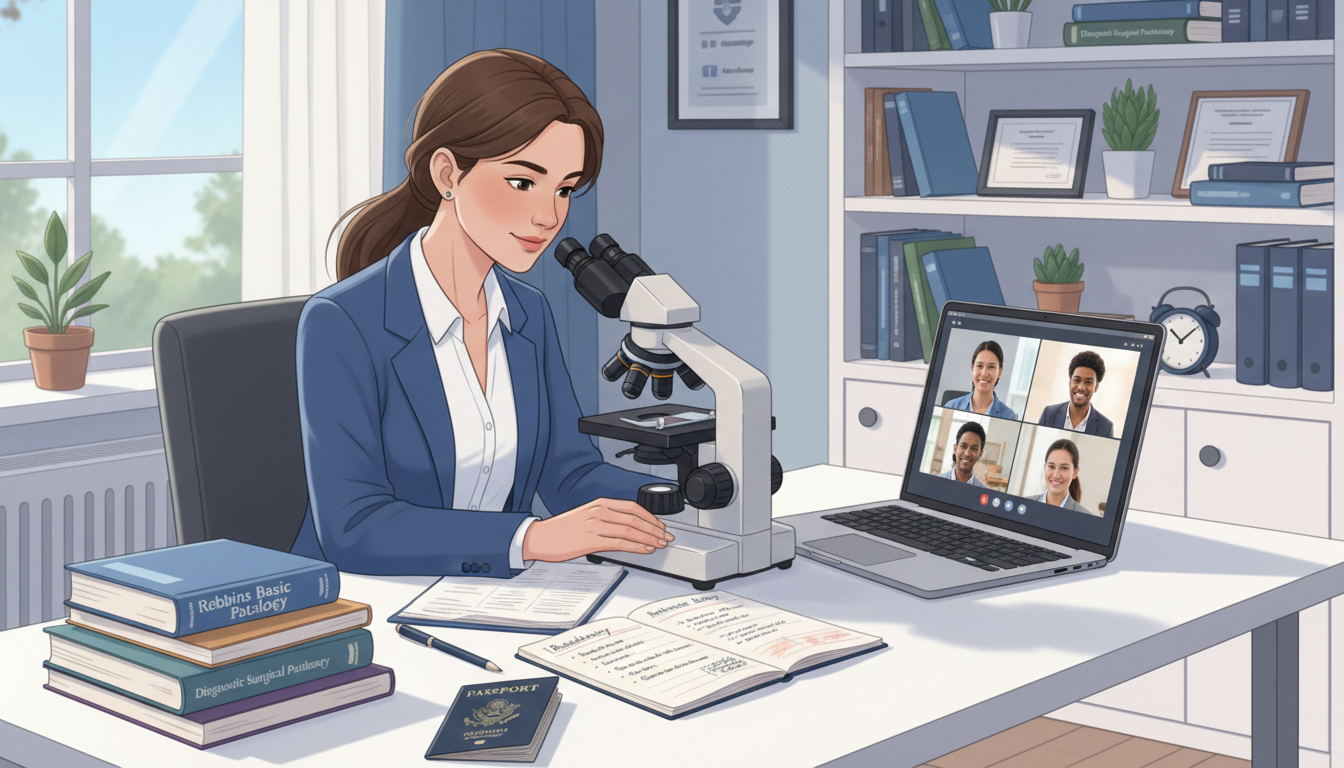
Understanding the Pathology Interview Landscape as a US Citizen IMG
Pre-interview preparation for a pathology residency is not just “reviewing your CV.” For an American studying abroad, it is a strategic process that starts weeks to months before your first interview invitation. As a US citizen IMG, you are in a unique position: you share citizenship with US medical graduates, but your training pathway is different, and programs will have questions about it. Thoughtful preparation can turn this into a strength.
Pathology in the US is relatively small compared to other specialties, and programs often look for:
- Intellectual curiosity and attention to detail
- Strong communication skills (especially explaining complex pathology to clinicians)
- Evidence of commitment to pathology (electives, observerships, research)
- Professionalism and reliability
- “Fit” with their training culture and case mix
For a US citizen IMG, pre-interview preparation should focus on three parallel goals:
- Demonstrate you understand US pathology training and practice
- Clearly explain your educational path and why you chose to be an American studying abroad
- Show readiness to thrive clinically, academically, and culturally in a US pathology program
The following sections walk through a practical, step-by-step approach to pre-interview preparation tailored specifically to US citizen IMGs in pathology.
Step 1: Researching Programs and the Pathology Match Environment
Before you even think about how to prepare for interviews, you need to understand where you’re interviewing and what those programs care about.
A. Know the Structure of Pathology Training
Most pathology residency positions are:
- AP/CP combined (4 years) – the most common pathway
- Some AP-only or CP-only tracks
- Often followed by 1–2 fellowships (surgical pathology, hematopathology, cytopathology, etc.)
You should be able to succinctly describe:
- Why you’re interested in AP/CP versus AP-only or CP-only
- Which areas of pathology currently interest you and why (while remaining open-minded)
- How you see fellowship training fitting into your long-term plans (without sounding rigidly fixed)
Program directors want to see that you’ve done your homework and understand what you’re signing up for.
B. Deep-Dive Research on Each Program
For every program that invites you, build a one-page “Program Snapshot”:
Location & context
- City, type of hospital (academic medical center, county, community-based, VA-affiliated)
- Patient population (inner-city, regional referral center, cancer center focus, etc.)
Program features
- Number of residents per year
- AP vs CP balance and structure of rotations
- Notable subspecialties (e.g., strong hematopathology, GI, derm, cytopathology)
- Research expectations or opportunities
- Call structure, autopsy volume, frozen section responsibilities
Faculty and leadership
- Program director and associate program directors
- Any faculty whose research aligns with your interests
- Noteworthy achievements (grants, national committee roles, major publications)
US citizen IMG friendliness
- Proportion of IMGs in the program
- Evidence of support for international graduates (e.g., observership opportunities, ECFMG familiarity, etc.)
- Any history of matching US citizen IMG candidates
Use:
- Program websites and current resident profiles
- FREIDA and ACGME program descriptions
- PubMed for recent publications from the department
- Pathology residency forums (with caution; verify info from official sources)
This research will feed your answers to classic interview questions residency programs usually ask, such as:
- “Why our program?”
- “What are you looking for in a pathology residency?”
- “Where do you see yourself in 5–10 years?”
C. Tracking and Comparing Programs
Create a spreadsheet or notebook with:
- Program name and location
- Interview date and format (in-person vs virtual, multiple mini-interviews vs traditional)
- Red flags/green flags
- Strengths related to your goals (e.g., cancer center, strong teaching, fellowship options)
- Questions you want to ask during the interview and social events
This structure lets you tailor your responses and helps you make a well-informed rank list later.

Step 2: Crafting Your Personal Narrative as a US Citizen IMG
Solid residency interview preparation for an American studying abroad must include deliberate narrative-building. You need a coherent, confident way to connect:
- Why you went abroad
- How your international education enhanced you
- Why you’re returning to the US for pathology training
- Why pathology is the right fit
A. Addressing “Why Abroad?” Clearly and Positively
You will be asked, implicitly or explicitly, why you chose to study medicine abroad. Prepare a concise, honest, and positive explanation:
Examples:
- “I wanted early clinical exposure and a more hands-on system, which my school offered starting in the second year. That experience helped me grow comfortable with patient care early and gave me significant exposure to diverse pathology.”
- “Family reasons influenced my decision to study in [Country], and it turned into a great opportunity to experience different healthcare systems and approach pathology from a global perspective.”
Avoid:
- Complaining about US admissions
- Overexplaining or sounding defensive
- Mentioning reasons that could be misconstrued as lack of preparation or commitment
Refine your story so it takes 30–60 seconds and ends on how your training abroad strengthened you as a future pathology resident.
B. Articulating Your Pathology Story
You also need a polished response to “Why pathology?” that is more than “I like microscopes.”
Strong elements include:
- A specific clinical or pathology experience (autopsy, tumor board, histology lab) that sparked your interest
- Features of your personality that fit pathology:
- Analytical thinking
- Pattern recognition
- Comfort with delayed gratification and behind-the-scenes work
- Enjoyment of correlation between morphology, clinical data, and molecular findings
- Any concrete steps you’ve taken:
- Electives in pathology (especially in the US)
- Observerships or shadowing experiences
- Pathology-related research or case reports
- Attendance at pathology grand rounds or conferences
Example narrative structure:
- Brief first exposure
- Deeper involvement (elective, research, mentor)
- Realization that your natural strengths align with pathology
- Confirmation through additional exposure (US observership, case report, etc.)
Practice until it feels conversational, not memorized.
C. Framing the US Citizen IMG Advantage
Use your status as a US citizen IMG as an asset:
- You understand US culture and healthcare expectations but also bring international perspectives.
- You have likely worked in systems with resource limitations, different disease patterns, or variable diagnostic technologies, making you adaptable and resourceful.
- You’ve navigated visa/ECFMG/USMLE processes and overseas training logistics—evidence of resilience and self-direction (even if you, as a citizen, don’t need a training visa now).
Prepare a 1–2 sentence version of how this dual identity benefits you as a pathology resident.
Step 3: Mastering Core Pathology Interview Questions
Once your narrative is clear, move to systematic residency interview preparation. Many programs use structured or semi-structured formats. Expect both general and specialty-specific interview questions residency programs use to assess fit.
A. Common General Interview Questions (with Pathology Spin)
“Tell me about yourself.”
- Aim for a 1–2 minute summary linking your background, medical school, pathology interest, and key strengths.
- End with why you’re sitting in this program’s interview today.
“Why this program?”
- Use your Program Snapshot notes.
- Mention specific features: strong surgical pathology exposure, CP curriculum, resident-run conferences, fellowships, or case volume.
- Connect at least one point to your goals: teaching, subspecialty interest, or research.
“What are your strengths and weaknesses?”
- Strengths: attention to detail, persistence in difficult cases, ability to synthesize complex info, comfort asking for help when needed.
- Weaknesses: pick something real but growth-oriented (e.g., initial difficulty with public speaking that you’re addressing through case presentations and teaching sessions).
“Describe a challenge you faced and how you handled it.”
- Consider scenarios:
- Adapting to a new healthcare system abroad
- Navigating limited pathology resources in your home institution
- Coordinating research from a distance or across time zones
- Use the STAR method (Situation, Task, Action, Result).
- Consider scenarios:
“Where do you see yourself in 5–10 years?”
- Likely scenarios include: academic pathology with subspecialty training, community practice with a focus on diagnostic excellence, or a blend of diagnostic work and medical education.
- Show openness while signaling realistic awareness of fellowship pathways.
B. Pathology-Specific Interview Questions
Programs may probe how you think about the specialty rather than quiz microscopic details. Prepare for:
- “What interests you most in anatomic vs clinical pathology?”
- “Tell me about a pathology case that challenged you.”
- “How do you handle disagreement on diagnosis or interpretation?”
- “What aspects of CP (lab management, transfusion medicine, hematology, microbiology) appeal to you?”
- “How have you kept your pathology knowledge current?”
You do not need textbook-level answers; you need to demonstrate:
- Understanding of pathology’s central role in patient care
- Appreciation of team-based interactions with clinicians and lab staff
- Willingness to ask questions and learn systematically
C. Behavioral and Ethical Scenarios
Many pathology programs include behavioral scenarios evaluating professionalism and judgment, such as:
- A near-miss or error in specimen labeling—what would you do?
- A clinician pressures you to “just sign out” a case quickly—how do you respond?
- You suspect a co-resident is struggling or burnt out—how do you support them?
Prepare using real experiences if possible. Programs are looking for:
- Honesty and accountability
- Patient-centered decision making
- Respectful communication and escalation when needed

Step 4: Structured Practice – From Solo Rehearsal to Mock Interviews
Knowing how to prepare for interviews is one thing; translating it into fluent performance requires practice.
A. Build Your Personal Question Bank
Create a document with:
- Core personal questions (why pathology, why abroad, why this program)
- Behavioral questions (conflict, failure, teamwork)
- Experience-based prompts:
- “Tell me about your research.”
- “What did you do during your gap period?”
- “Describe your observership and what you learned.”
Outline bullet-point answers rather than full scripts. This keeps your delivery natural while providing structure.
B. Solo Practice Techniques
Mirror or camera practice
- Record yourself answering key questions; review for:
- Clarity and conciseness
- Body language (posture, eye contact with the camera)
- Filler words (“um,” “like,” “you know”)
- Record yourself answering key questions; review for:
Time yourself
- Most responses should be 60–90 seconds. Longer than 2 minutes often feels rambling.
Refine awkward segments
- If an answer feels forced or defensive (e.g., exam failures, gaps), rewrite your key points and practice until it sounds calm and confident.
C. Formal Mock Interviews
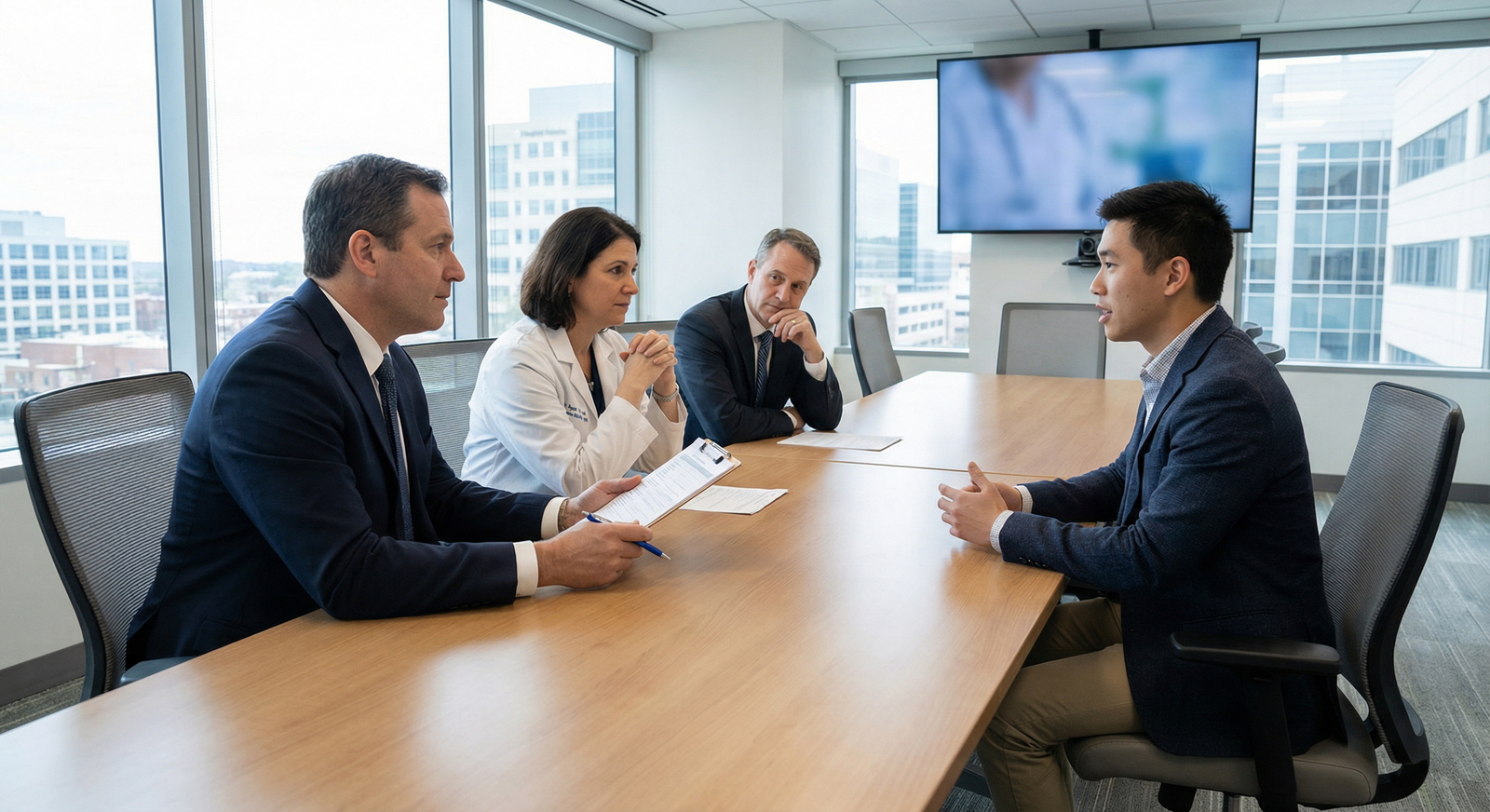
Try to arrange at least 2–3 mock interviews with:
- Faculty at your medical school or affiliated US site
- A pathologist mentor (even via Zoom)
- Career services or IMG advising offices
- Peers, ideally other pathology applicants (take turns being the interviewer)
Ask for targeted feedback:
- Are my explanations about being a US citizen IMG clear and positive?
- Do I sound genuinely committed to pathology?
- Are any of my answers confusing, overlong, or vague?
Incorporate feedback, but keep your own voice. Authenticity matters.
Step 5: Managing Logistics and Professional Presentation
Strong pre-interview preparation also includes thorough logistics, especially important for multiple interviews and different time zones if you’re still abroad.
A. Technical Preparations for Virtual Interviews
If many of your pathology residency interviews are virtual:
Technology check
- Reliable internet connection (preferably wired)
- Good quality webcam and microphone (or a high-quality headset)
- Test Zoom, Teams, or the platform specified by the program
Environment
- Neutral, uncluttered background (plain wall or tidy bookshelves)
- Good lighting (facing a window, or soft lighting from in front of you)
- Minimal noise and interruptions; inform housemates or family of interview times
Dress code
- Professional attire: suit or blazer with shirt/blouse
- Conservative colors and patterns
- For anatomic/clinical pathology, this is still a professional interview even if the specialty is “lab-based”
Do at least one full “dress rehearsal” mock interview in your chosen space.
B. In-Person Interview Logistics
If your interviews include onsite visits:
Confirm:
- Exact address and arrival time
- Parking, shuttle, or hotel-to-hospital transport
- Dress code (usually business professional)
Bring:
- A simple folder or portfolio with copies of your CV and personal statement
- A small notebook or tablet with your pre-written program questions
- A list of interviewers’ names if provided (review them beforehand)
Plan to arrive in the city the day before if possible, especially when traveling from abroad or long distances.
C. Professional Demeanor and Cultural Awareness
As a US citizen IMG, you may still be re-adjusting to US academic culture after overseas training:
- Address faculty as “Dr. [Last Name]” unless asked to use first names
- Be on time or slightly early; US programs place high value on punctuality
- Engage with everyone professionally—coordinators, residents, faculty, administrative staff
Your goal is to communicate that you can integrate smoothly into a US pathology department.
Step 6: Leveraging Your Application Materials in the Interview
Your ERAS application, personal statement, and letters of recommendation should guide, not surprise, your interview performance.
A. Know Your Application Inside and Out
Interviewers often pull questions straight from your application. Review thoroughly:
- Every research project, poster, abstract, and publication
- Clinical electives and observerships (especially pathology-related)
- Any exam retakes, gaps, or career changes
Prepare brief summaries for each research or project:
- What was the goal?
- What did you specifically do?
- What were the key findings or lessons learned?
- How did it influence your interest in pathology?
B. Consistency Between Statement and Speech
Your personal statement may include:
- Key pathology experiences
- Motivations for the specialty
- Reflections on being an American studying abroad
Ensure your verbal stories match—enhancing, not contradicting, what you wrote. If you’ve evolved in your thinking since submitting ERAS, you can clarify, but avoid sounding inconsistent or confused.
C. Proactively Addressing “Problem Areas”
Common concerns for US citizen IMG applicants:
- Step exam failures or multiple attempts
- Time gaps between graduation and application
- Limited US clinical experience, especially in pathology
Prepare clear, honest, and concise explanations focusing on:
- What happened (briefly and non-defensively)
- What you learned
- Concrete steps you’ve taken to correct course (study methods, extra training, observerships)
- Evidence of improvement (better scores, stronger performance in later rotations)
Programs don’t expect perfection; they value resilience and insight.
Step 7: Developing High-Quality Questions for Programs
Pre-interview preparation is not complete without crafting questions you will ask them. Your questions should:
- Be specific to pathology and the program
- Demonstrate that you have done your research
- Help you genuinely assess fit
Examples for faculty:
- “How is the balance between anatomic and clinical pathology training structured over the four years?”
- “How do residents typically get involved in quality improvement or lab management projects?”
- “What types of support are available for residents interested in subspecialty fellowships?”
Examples for residents:
- “What is a typical day like for a first-year in AP vs CP rotations here?”
- “How approachable are faculty when you’re uncertain about a case?”
- “How has the program supported you in preparing for boards and fellowships?”
Avoid questions that can be easily answered by a quick website read (e.g., “Do you offer a cytopathology fellowship?” when it’s clearly listed). Instead, ask about experience and culture.
Step 8: Mental, Emotional, and Time Management Preparation
Residency interview preparation is not just academic; it’s also psychological.
A. Building Confidence Without Arrogance
As a US citizen IMG in pathology, you may sometimes feel you need to “prove” yourself more than US MDs. Channel that energy into:
- Thorough preparation (as above)
- Practicing calm, grounded speech
- Reminding yourself of your strengths: adaptability, international exposure, determination
Confidence is conveyed through:
- Clear, measured speaking
- Active listening and thoughtful follow-up questions
- Openness about areas where you are still growing
B. Managing Multiple Interviews
If you have several interviews:
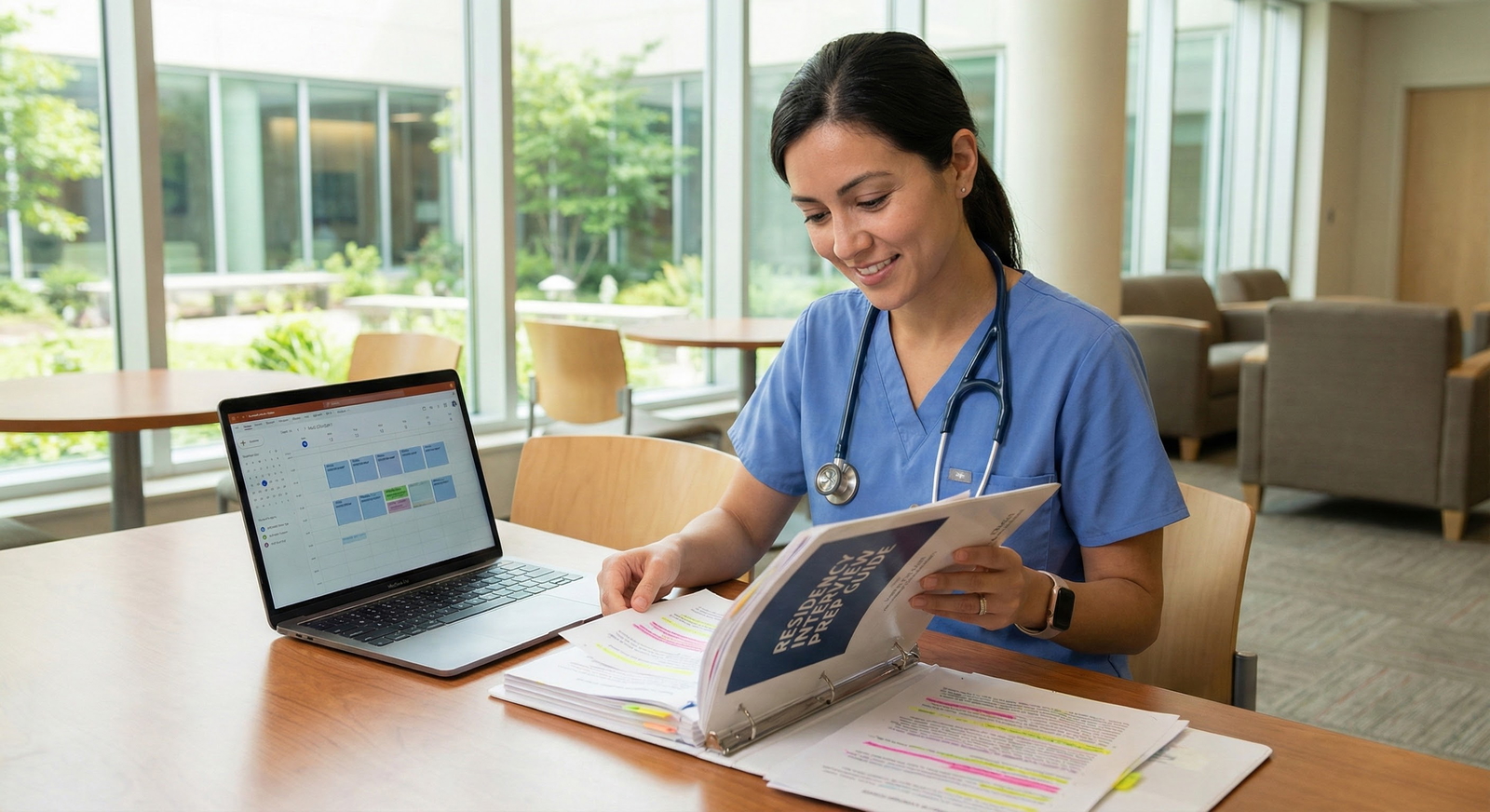
- Keep a calendar with times (be mindful of time zones if abroad)
- After each interview, jot down:
- Who you spoke with
- Overall impressions
- Specific pros/cons
- Any quotes or moments that stood out
This helps you differentiate programs later when building your rank list for the pathology match.
C. Post-Interview Etiquette
Before interviews even begin, decide your strategy for:
Thank-you notes or emails
- Some programs discourage them; check instructions
- If allowed, send brief, personalized notes within a few days
- Reference specific parts of your conversation and reiterate interest
Communication of interest
- Be sincere and honest; avoid overpromising (e.g., telling multiple programs they are your absolute #1)
- Any “letter of intent” should be reserved for your true top choice, typically later in the season
FAQs: Pre-Interview Preparation for US Citizen IMG in Pathology
1. As a US citizen IMG in pathology, will programs ask why I studied abroad, and how should I answer?
Yes, many will be curious. Prepare a calm, positive, and concise explanation, focusing on the educational opportunities, personal or family reasons, and global perspective you gained. Avoid sounding defensive or blaming US admissions. Emphasize how this path ultimately strengthened your skills and motivated you to pursue pathology training in the US.
2. How much pathology knowledge do I need to review for residency interviews?
Pathology residency interviews are not typically detailed oral exams. Review basics so you can discuss:
- What you did during pathology electives/observerships
- A memorable case and why it was educational
- The general roles of AP and CP in patient care
Programs are more interested in your thought process, curiosity, and commitment than in whether you remember specific stains or staging details.
3. What are common interview questions residency programs ask US citizen IMGs specifically?
Beyond general questions, you may get:
- “Why did you choose to be an American studying abroad?”
- “How did your international training prepare you for pathology in the US?”
- “What challenges do you anticipate transitioning to US residency, and how will you address them?”
Prepare structured answers that show self-awareness, adaptability, and readiness. Link your international experience to strengths—cultural competence, resourcefulness, and exposure to diverse diseases.
4. How can I best show my commitment to pathology if I’ve had limited US pathology rotations?
Capitalize on what you do have:
- Discuss any pathology-related work from your home institution (electives, projects, case reports, lab experiences)
- Highlight observerships (even short ones) and what you observed about workflow, tumor boards, lab operations
- Mention any online pathology coursework, conferences, or virtual electives you completed
- Show you understand day-to-day pathology practice and can articulate why it fits you
Combine this with strong, pathology-focused letters of recommendation where possible, and clear, enthusiastic discussion during interviews.
By systematically preparing your narrative, mastering common interview questions, organizing logistics, and aligning your experiences with the realities of US pathology training, you position yourself as a compelling candidate in the pathology match. As a US citizen IMG, your unique path can become one of your greatest strengths—if you present it thoughtfully and confidently during every interview.