Understanding the Unique Position of the US Citizen IMG in Psychiatry
As a US citizen IMG (international medical graduate) aiming for a psychiatry residency, you occupy a unique space in the match landscape. You have critical advantages—citizenship, cultural familiarity, and language fluency—but also distinct challenges: perceived variability in clinical training, distance from US clinical systems, and the need to clearly explain why you trained abroad.
Pre-interview preparation is where those challenges can be reframed as strengths. Before you step into any residency interview (virtual or in-person), you should have three clear goals:
- Control your narrative as an American studying abroad: why you chose your school, how it shaped you, and why you are now ready for US psychiatry training.
- Demonstrate genuine fit for psychiatry: show insight, empathy, professionalism, and a longitudinal interest in mental health.
- Prove readiness for US residency: clinically, culturally, and system-wise (documentation, teamwork, and communication).
This article walks you step-by-step through pre-interview preparation tailored specifically to US citizen IMGs pursuing psychiatry. We’ll cover strategy, content preparation, logistics, and mental readiness—so that by the time you log in or walk in to your first interview, your preparation work is essentially done and you can focus on connection and authenticity.
Step 1: Clarify Your Psychiatry Story and Personal Narrative
Before you memorize any “interview questions residency programs might ask,” you need a clear, coherent story. In psychiatry, programs are especially attuned to narrative: how you reflect on experiences, what motivates you, and how you make sense of people and systems.
1.1 Craft your “Why Psychiatry?” answer
Your answer needs to be:
- Personal (grounded in specific experiences)
- Longitudinal (showing sustained interest, not a last-minute decision)
- Psychiatry-specific (why psychiatry, not just “I like talking to patients”)
Structure you can use:
- Early exposure or insight
- Example: A family member with mental illness, volunteering in a crisis center, research in depression, or a formative patient interaction.
- Reinforcement during medical school
- Specific psychiatry rotations, electives, or projects that deepened your interest.
- Alignment with your strengths and values
- Empathy, curiosity about the mind, interest in psychotherapy and neuroscience, patience with complex cases, interest in collaborative care.
- Future direction
- E.g., “I see myself in an academic outpatient role focusing on mood disorders,” or “I’m interested in community psychiatry and working with underserved populations.”
Action exercise:
Write out a 250–300 word answer to “Why psychiatry?” Then:
- Trim filler phrases (“I have always wanted…”), keeping concrete details.
- Check that at least two specific examples are mentioned.
- Practice saying it aloud so it sounds conversational, not scripted.
1.2 Explain “Why abroad as an American?” confidently
As a US citizen IMG, program directors will almost always wonder: Why did you go abroad for medical school? Have a clear, honest, non-defensive answer.
Avoid:
- Long, emotional backstories about admissions unfairness.
- Blaming systems or people.
- Sounding like US training was your only goal from day one but you “settled.”
Instead, consider a structure like:
- Brief factual reason
- “I chose to study medicine in [country/school] because I was offered an opportunity to start medical training directly after undergraduate studies and gain early clinical exposure.”
- or “I had strong ties to [country] and wanted to train in a system with [X advantages].”
- Positive reframe
- Emphasize what this education gave you: exposure to diverse psychopathology, resource-limited care, cultural humility, flexibility, resilience.
- Bridge back to US training
- “Now, I’m excited to bring that perspective back to the US system, where I plan to build a long-term career.”
Key principle: Acknowledge this question directly; do not wait for the interviewer to raise it. You can integrate it nicely into “Tell me about yourself.”
1.3 Polish your “Tell me about yourself”
This is often the first question in psychiatry residency interviews and sets the tone. Your answer should:
- Take 1.5–2 minutes (about 250–300 words).
- Move chronologically but selectively.
- Highlight psychiatry-relevant experiences and your trajectory as a US citizen IMG.
Suggested framework:
- Origin + brief personal anchor
- “I grew up in [place], in a family where mental health was openly discussed/rarely discussed, which shaped my curiosity about how people cope.”
- Education + decision to study abroad
- One clear sentence explaining your choice and framing it positively.
- Key medical school/clinical psychiatry experiences
- Rotations, psychiatry research, student-led mental health projects, leadership.
- Current focus and what you’re looking for
- “Now I’m applying to psychiatry residencies where I can grow as a clinician with strong psychotherapy training and exposure to [e.g., community psychiatry, addictions].”
Tip: Practice this until it feels natural and flexible. You should be able to adapt it slightly to highlight what you know the program values (e.g., psychotherapy, research, community, or integrated care).

Step 2: Master Common Psychiatry Residency Interview Questions
Knowing how to prepare for interviews means more than googling “interview questions residency psychiatry programs ask.” For a competitive psych match as a US citizen IMG, you should be ready for:
- Standard behavioral questions
- Psychiatry-specific questions
- IMG-specific questions
- Program fit and career goal questions
2.1 Core psychiatry interview questions to practice
Here are key interview questions residency programs in psychiatry often ask, with guidance on how to approach them:
Why psychiatry?
Covered above; must be polished, sincere, and story-based.Why this program?
- Show you’ve done specific research:
- Name particular rotations or tracks (addictions, consult-liaison, child & adolescent, community, collaborative care).
- Mention psychotherapy training structure if available.
- Reference program strengths that match your interests.
- Example structure:
- One sentence on what you want from residency (e.g., “strong psychotherapy foundation, diverse patient population, and mentorship in mood disorders research”).
- Two to three program-specific details matching those goals.
- A closing sentence tying fit and enthusiasm.
- Show you’ve done specific research:
Tell me about a challenging patient interaction. In psychiatry, they’re listening for empathy, boundaries, self-awareness, and teamwork.
Use the STAR format (Situation, Task, Action, Result):
- Situation: “During my inpatient psychiatry rotation…”
- Task: “I was responsible for daily follow-up of a patient with severe psychosis and strong mistrust of the team.”
- Action: Emphasize communication, validation of emotions, consistent boundaries, involvement of the team.
- Result: Show growth: “The patient gradually engaged more; I learned the importance of patience and consistent presence in psychiatric care.”
Describe a time you made a mistake.
- Avoid catastrophic, unprofessional examples, but be honest.
- Focus on:
- Owning the mistake.
- Seeking supervision.
- Implementing change or learning.
- Program directors listen for maturity and accountability.
Tell me about a conflict with a team member.
- Show you can resolve conflict respectfully.
- Use “I” statements, not blame.
- End with what you learned about communication and collaboration.
Strengths and weaknesses.
- Strengths should align with psychiatry: active listening, cultural sensitivity, patience, analytical thinking, teamwork.
- Weaknesses should be:
- Real but manageable.
- Something you’re actively working on.
- Not integral to the core of psychiatry (e.g., don’t say “I struggle with empathy”).
- Example weakness: discomfort with uncertainty, and how psychiatry is teaching you to tolerate and explore it.
2.2 Psychiatry-specific and thought-based questions
Psych programs may ask more introspective or reflective questions, such as:
- “What do you think makes a good psychiatrist?”
- “How do you take care of your own mental health?”
- “What do you think is the biggest challenge in psychiatry today?”
- “How do you see the role of psychotherapy in your future practice?”
- “How would you work with a patient who refuses medication?”
Preparation strategy:
- Read about current issues: stigma, access to care, integrated care models, telepsychiatry, overdose crisis, disparities in mental health care.
- Reflect on your experiences: What patients or systems issues stood out? What did you learn about the interface between medicine and society?
Psychiatry interviews are not oral exams. Your goal is to show:
- Insightfulness
- Flexibility in thinking
- Non-judgmental attitudes
- Evidence-based reasoning
2.3 IMG-focused questions you should anticipate
As a US citizen IMG, you may be asked:
- “How do you think your training abroad has prepared you for psychiatry in the US?”
- “What challenges do you anticipate transitioning to US residency?”
- “How have you maintained your clinical skills if you’ve had a gap year studying for exams or doing research?”
- “Tell me about your US clinical experiences in psychiatry.”
Prepare to:
Highlight your US clinical experience (USCE) clearly:
- Observerships, externships, sub-internships, electives.
- Specific tasks you performed: patient interviews, documentation, presenting to teams, participating in rounds.
If you have a gap between graduation and application:
- Explain it straightforwardly (e.g., Step exams, research, family responsibilities).
- Emphasize what you actively did: studying, online courses, clinical observership, volunteering, research, tutoring.
Reassure about transition:
- Mention familiarity with EMR, team-based care, multidisciplinary meetings, and US health system basics.
- Express eagerness to receive feedback and adjust quickly.
Step 3: Deep-Dive Research on Psychiatry Programs and Build Your “Program Map”
One of the biggest differentiators in a psych match is demonstrating fit and genuine interest. This is crucial for US citizen IMGs who must show they are not just “casting a wide net” but truly understand the programs they apply to.
3.1 Build a structured program research system
For each program where you have an interview, create a one-page “Program Map” with:
- Basic facts:
- Location, size of program, affiliated hospitals.
- Type: academic vs. community vs. hybrid.
- Clinical strengths:
- Inpatient vs. outpatient exposure.
- Specialized services: addiction, forensic, CL (consult-liaison), child & adolescent, geriatrics, emergency psychiatry.
- Psychotherapy training:
- Modalities offered: CBT, psychodynamic, DBT, group therapy.
- When psychotherapy training starts and how many cases residents carry.
- Research and scholarly activity:
- Ongoing projects in mood/anxiety disorders, psychosis, substance use, health services, etc.
- Opportunities for residents.
- Program culture and values:
- Mission statements, diversity and inclusion statements.
- Wellness initiatives, resident support, supervision format.
- US citizen IMG-friendliness:
- Historical acceptance of IMGs (if available via program websites, forums, or NRMP data).
- Any explicit mention of IMGs in their FAQ.
Keep these maps in a single digital folder or binder and review each one the night before the interview.
3.2 Align your goals with program characteristics
As you research, connect your story to program specifics:
- Interested in community psychiatry or underserved care?
- Programs with strong county hospitals or community clinics are a natural fit.
- Drawn to psychotherapy?
- Look for robust psychotherapy curricula and supervision.
- Motivated by academic or research careers?
- Identify programs with research tracks or protected time.
Practice stating this alignment out loud:
“I’m particularly drawn to your program’s [X feature—e.g., strong CBT training in PGY-2, integrated care clinic, emphasis on community psychiatry] because it aligns with my interest in [Y]. For example, during my rotation at [Z], I realized that…”
3.3 Prepare customized questions for each program
The questions you ask are a crucial part of residency interview preparation. Avoid generic ones easily answered on the website. Instead, use your Program Map.
Examples:
- “I saw on your website that residents begin psychotherapy training in PGY-2. How many long-term cases do residents typically carry and what does supervision look like?”
- “Could you describe how residents are involved in integrated care or collaborative care settings?”
- “What types of career paths have your recent graduates pursued—are there many going into fellowships, community practice, or academic roles?”
- “As a US citizen IMG with clinical experience in [country], I’m especially interested in how your program supports residents transitioning into the US system. What structures are in place to support new interns—mentorship, buddy systems, or orientation?”
Having thoughtful, program-specific questions signals maturity, preparation, and genuine interest.
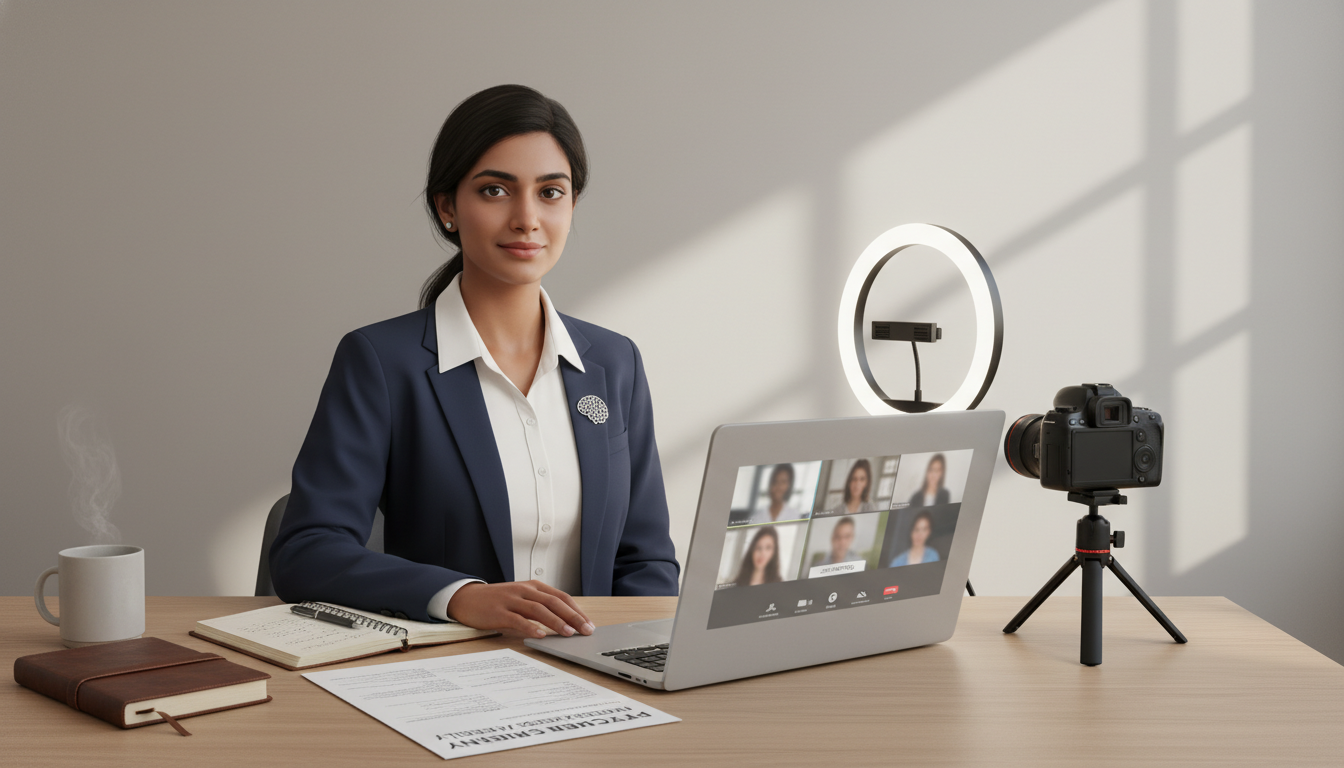
Step 4: Practical Logistics and Environment Setup (Especially for Virtual Interviews)
For many US citizen IMGs, psychiatry residency interviews will be virtual. Residency interview preparation is not just about content; logistics can make or break performance.
4.1 Technical preparation
- Equipment check:
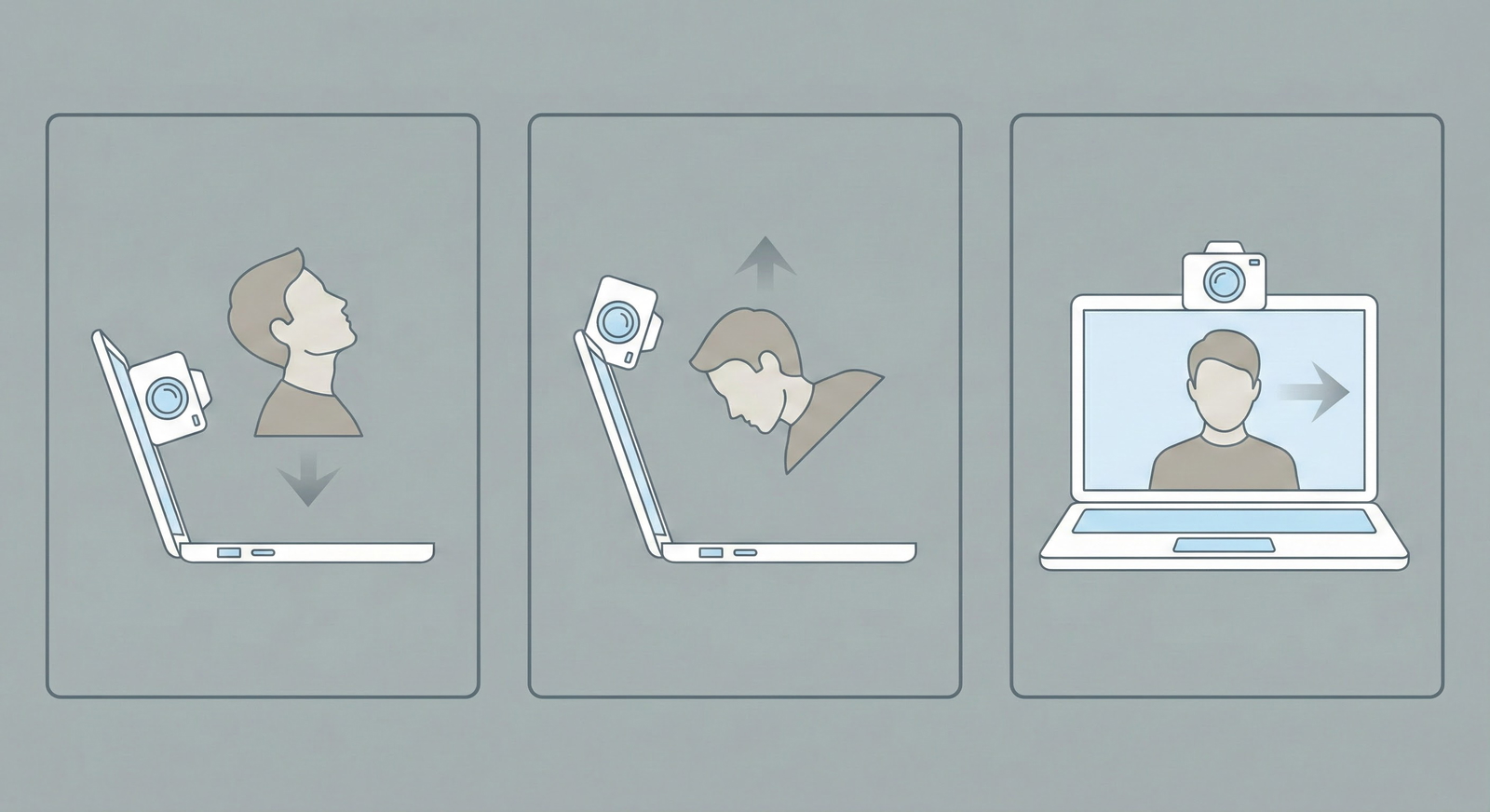
- Laptop with a working camera (preferably at eye level).
- Reliable microphone or headset.
- Stable internet connection (test speed; consider wired if possible).
- Platform familiarity:
- Practice with Zoom, Microsoft Teams, or whatever platform the program uses.
- Check your display name (use your full name, no nicknames).
- Learn how to mute/unmute quickly and share your screen if needed.
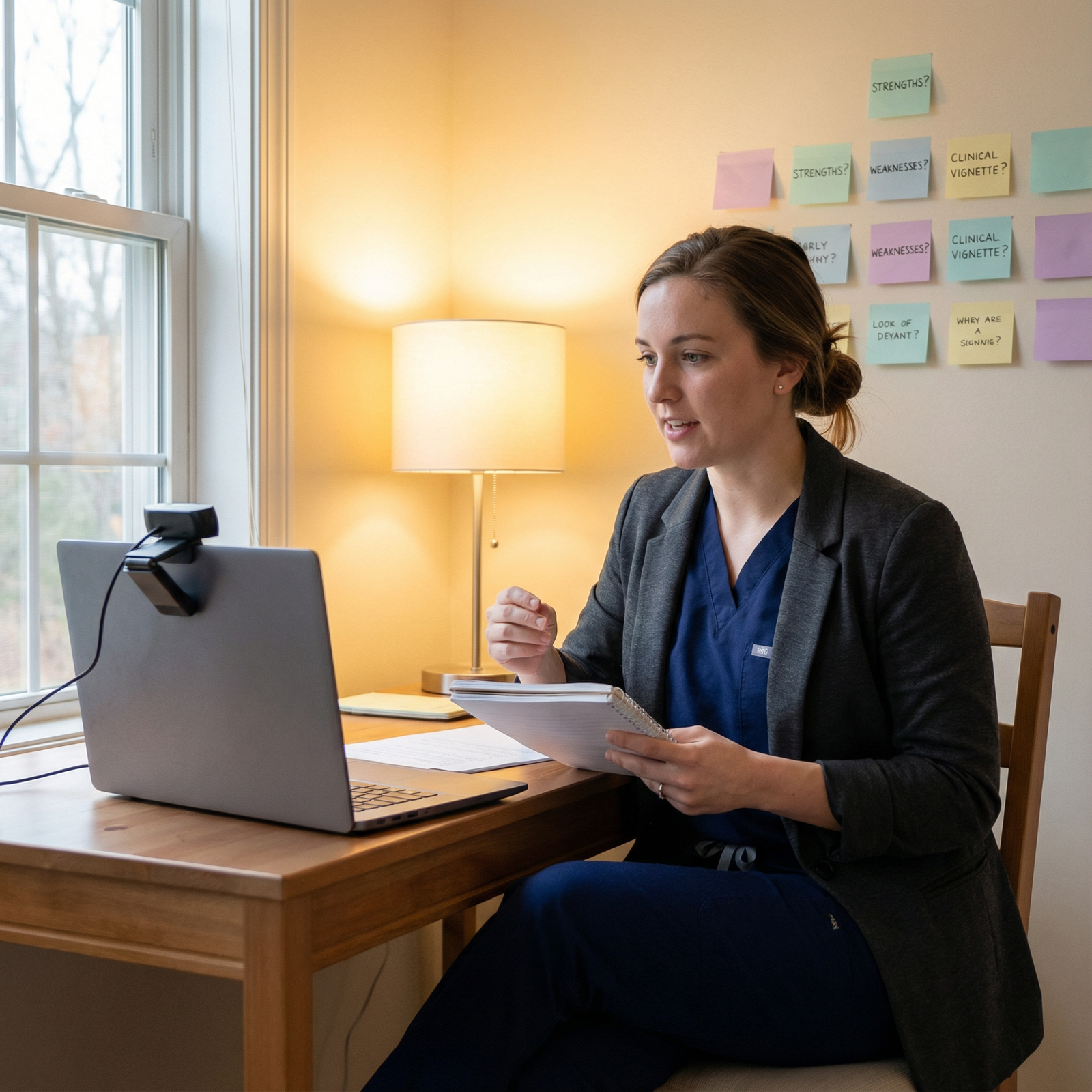
Action step: Schedule a mock call with a friend, mentor, or advisor. Simulate an interview for 30–45 minutes to test:
- Audio clarity
- Lighting
- Internet stability
- Camera angle
4.2 Physical environment optimization
- Background:
- Neutral wall, bookshelf, or tidy workspace.
- Avoid clutter, bright windows behind you, and distracting posters.
- Lighting:
- Face a window or light source, not away from it.
- If needed, use a low-cost ring light.
- Camera position:
- Eye-level or just slightly above.
- Frame: head and shoulders visible, with a little space above your head.
4.3 Professional appearance and non-verbal communication
Psychiatry emphasizes rapport-building and communication, even virtually.
- Dress code:
- Business formal or business casual depending on program norms, but err on professional:
- Blazer or conservative top.
- Neutral colors, minimal patterns.
- Even if the interview is virtual, dress fully—it affects posture and mindset.
- Business formal or business casual depending on program norms, but err on professional:
- Body language:
- Maintain a calm, open posture.
- Look at the camera periodically (not just the screen) to simulate eye contact.
- Nod and use small facial expressions to show engagement.
- Avoid fidgeting with pens, phones, or your hair.
4.4 Time zone management
As an American studying abroad, time zones can be a real threat to punctuality.
- Convert interview times immediately to your local time and double-check.
- Set alarms with labels like “Program X interview – join by 15 minutes early.”
- Try to schedule interviews at times when you are alert—if that’s not possible, adjust your sleep schedule days before.
Step 5: Building Confidence with Mock Interviews and Self-Reflection
Even with great content prepared, performance anxiety can affect your psych match prospects if you don’t rehearse.
5.1 Structured mock interviews
Aim for at least 2–4 mock interviews before your first real one:
Who can help:
- Faculty from your school.
- Mentors who matched into psychiatry (especially former IMGs).
- Career services or residency advising offices.
- Study partners applying to psychiatry (peer interviews).
How to structure them:
- 30–45 minutes of questions.
- 15–20 minutes of feedback.
- Focus on both content and delivery (pace, clarity, non-verbal behavior).
Ask for specific feedback on:
- Clarity of “Why psychiatry?” and “Tell me about yourself.”
- How well you explain your status as a US citizen IMG and your path abroad.
- Whether you come across as empathetic, reflective, and teachable (qualities psych programs value).
5.2 Recording and self-review
If possible, record yourself (audio or video) during mock interviews. When you review:
- Note filler words (“um,” “like,” “you know”).
- Check if your answers drift off-topic or become too long.
- Evaluate facial expressions and body language—do you appear tense, disengaged, or overly rehearsed?
Focus on one or two improvement points per practice session. Avoid perfectionism; aim for natural, thoughtful, and consistent.
5.3 Mental health and emotional preparation
Ironically, while applying to psychiatry, many applicants neglect their own mental health. Yet programs will often ask how you care for yourself.
Before interview season:
- Build or maintain a routine:
- Regular sleep schedule.
- Meals, hydration, and light physical activity.
- Use brief grounding strategies:
- Slow deep breathing before an interview.
- A short walk or stretch between multiple interviews in a day.
- Prepare a pre-interview ritual:
- Review your Program Map.
- Skim your CV and personal statement.
- Repeat 1–2 affirmations like: “I am prepared, I am coachable, I will be myself.”
Psychiatry programs are aware this is a stressful process; they’re not looking for perfection, but they do like to see applicants who can recognize stress and manage it effectively.
Step 6: Organizing Your Application Materials and Post-Interview Strategy
Pre-interview preparation also includes organizing everything around the actual interview.
6.1 Know your own application thoroughly
Be ready to discuss any item in your ERAS application:
- Every listed research project:
- Your actual role, methods, findings, and what you learned.
- Every volunteer and leadership activity:
- Be prepared to tell one story about impact or learning from each.
- US clinical experience in psychiatry:
- Specific patients or cases that shaped your interest.
- Skills you practiced: interviewing, mental status exams, risk assessment, safety planning.
If there are red flags (exam failures, extended time to graduate), prepare concise, honest, and non-defensive explanations that:
- Briefly acknowledge what happened.
- Take responsibility without self-attack.
- Show what you changed (study strategies, support systems, time management).
- Emphasize improved performance since then.
6.2 Create an interview tracker
For multiple interviews, organization is crucial:
Include columns for:
- Program name and city
- Interview date and time (local and program time zone)
- Interview format (virtual / in-person; panels vs. one-on-one)
- Interviewers (if sent ahead or recorded after interview)
- Key features of the program (from your Program Map)
- Questions you want to ask
- Post-interview impressions (fit, pros, cons)
- Any follow-up (thank-you notes if appropriate, or information you promised)
This tracker will become essential when building your rank list later.
6.3 Prepare for post-interview communication (within NRMP rules)
Before interviews begin:
- Decide your approach to thank-you emails:
- Some programs/PDs appreciate brief, specific thank-yous; others state they do not want them.
- Check their website or interview day instructions.
- If you send a note:
- Keep it short, personal, and specific:
- Reference a detail from your conversation.
- Reiterate one fit point (“our discussion about psychotherapy training confirmed my interest…”).
- Do not make promises or ask for ranking information.
- Keep it short, personal, and specific:
Remember that pre-interview preparation includes planning how you’ll document impressions and communicate professionally after each encounter.
Frequently Asked Questions (FAQ)
1. As a US citizen IMG, do psychiatry programs view me differently than non-US IMGs?
Yes, in some ways. Being a US citizen IMG can reduce concerns about visa sponsorship and long-term retention in the US. You also likely have greater familiarity with American culture and healthcare expectations. However, you still share some challenges with other IMGs: programs will want reassurance about your clinical preparation, understanding of the US system, and reasons for training abroad. Use the interview to clearly and positively frame your path as an American studying abroad and to highlight your readiness for US psychiatric practice.
2. What are the most important parts of residency interview preparation for psychiatry specifically?
For psychiatry, the most important components are:
- A compelling, well-structured “Why psychiatry?” narrative.
- Demonstrated empathy, reflection, and self-awareness in your answers.
- Comfort discussing mental health topics, boundaries, difficult patients, and your own coping strategies.
- Evidence of sustained interest in psychiatry (rotations, electives, research, advocacy).
- The ability to connect with interviewers in a warm, respectful, and thoughtful way.
Your knowledge of DSM criteria or psychopharmacology is less important than your interpersonal and reflective capacities at this stage.
3. How many mock interviews should I do before my actual psychiatry residency interviews?
Aim for at least 2–4 structured mock interviews, ideally with different people (faculty, mentors, peers). The first one or two should focus on getting comfortable with the format and receiving broad feedback. Later sessions can target specific areas you want to refine: telling your story as a US citizen IMG, answering challenging questions about gaps or failures, or improving your responses to “Why psychiatry?” and “Why this program?” Beyond that, informal practice—answering questions aloud to yourself or with a friend—can help maintain fluency without becoming over-rehearsed.
4. How can I stand out as a US citizen IMG in the psych match?
You stand out by combining clear motivation, mature self-reflection, and strong preparation:
- Tell a coherent life and training story that connects your background, your choice to study abroad, and your return to US psychiatry.
- Show long-term engagement with mental health—clinical, research, or advocacy experiences that span multiple years.
- Demonstrate excellent communication skills in interviews: listening well, answering directly, and showing empathy and curiosity.
- Prepare program-specific insights and questions, showing you did more than glance at their website.
- Present yourself as coachable, resilient, and team-oriented, someone who will contribute positively to their learning community.
With thorough pre-interview preparation, you transform your US citizen IMG background from a question mark into a clear asset for any psychiatry residency program.