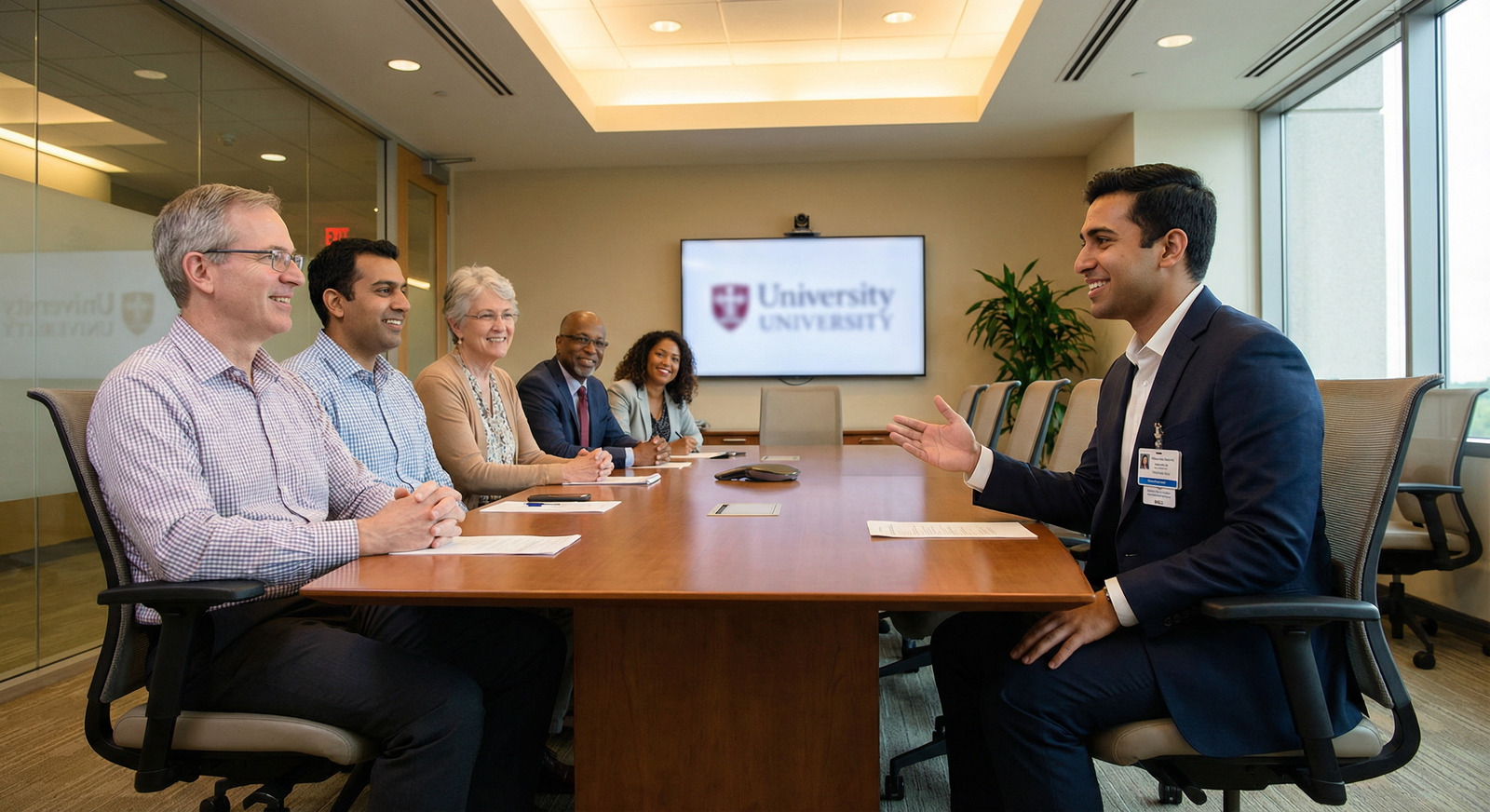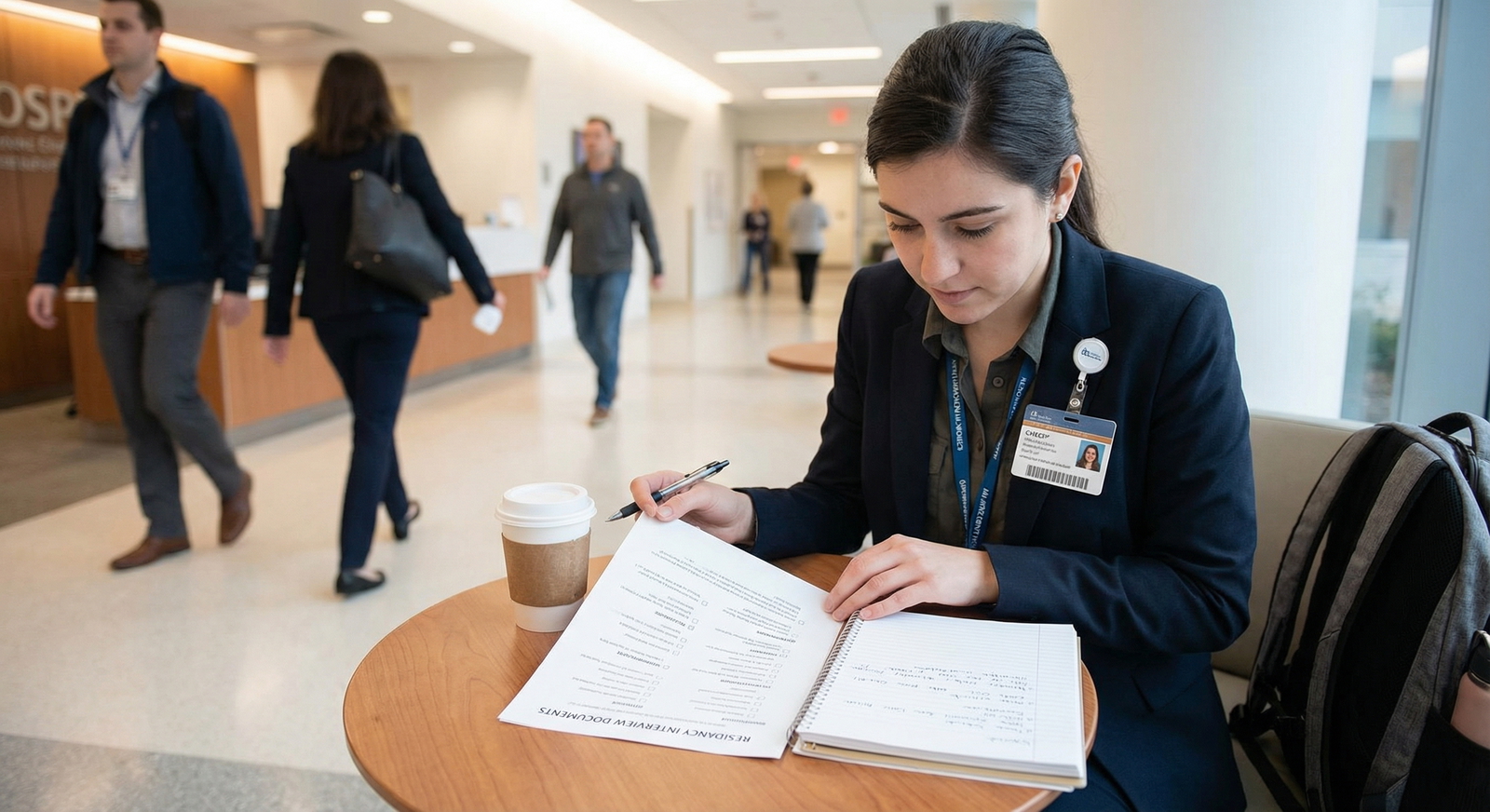
Understanding the Landscape: What Makes Cardiothoracic Surgery Unique for a DO Graduate
As a DO graduate aiming for a cardiothoracic surgery residency, you’re targeting one of the most competitive and demanding surgical subspecialties. Effective pre-interview preparation isn’t just about rehearsing answers—it’s about understanding the ecosystem you’re entering and positioning your osteopathic background as a strength.
Why Cardiothoracic Surgery Is So Competitive
Cardiothoracic surgery residency spots are few, expectations are high, and programs are selective. Programs are looking for:
- Technical potential and dexterity for highly complex heart and thoracic procedures
- Stamina and resilience to function in long, intense operative days
- Evidence of commitment to cardiothoracic surgery (research, electives, mentorship)
- Professional maturity and the ability to function on multidisciplinary teams
As a DO graduate, you may also encounter:
- Program cultures with varying levels of familiarity with osteopathic training
- Subtle questions about how your background prepared you for high-end surgical practice
Your pre-interview preparation should directly address these realities.
Unique Considerations for DO Graduates
The DO graduate residency path to cardiothoracic surgery is more visible and more accepted than ever, but you must still be intentional:
- Standardization expectations: Be ready to discuss COMLEX vs. USMLE (if you took one or both), and how your performance translates to ACGME standards.
- Osteopathic identity: Expect to be asked (explicitly or implicitly) about the value of your osteopathic training and how it will influence your care of cardiothoracic patients.
- Technical exposure: You may need to articulate—clearly and confidently—the rigor and breadth of your clinical and surgical experiences.
Your goal: show that you’re not only competitive for an osteopathic residency match, but that you can excel in any cardiothoracic surgery residency environment.
Step 1: Clarify Your Story and Professional Identity
Before you practice interview questions, you need a clear, integrated narrative: who you are, why cardiothoracic surgery, and why you as a DO bring something valuable and distinctive.
Build a Coherent Personal Narrative
Programs will repeatedly test the coherence of your story. You should be able to articulate:
Why medicine?
A concise origin: one or two experiences that led you toward medicine—keep this tight and authentic.Why DO (osteopathic) training?
Be prepared for:- “Why did you choose a DO school?”
- “How has osteopathic training shaped your practice?”
Strong positioning:
- Emphasize holistic patient care, functional anatomy, mind-body integration, and early hands-on clinical experience.
- Connect OMT training to your palpatory skills, tissue awareness, and enhanced understanding of anatomy—all highly relevant in a technical surgical specialty.
Why surgery, and why cardiothoracic surgery specifically?
Avoid vague answers like “I like working with my hands.” Instead:- Identify specific rotations, cases, mentors, or patients that tilted you toward heart and thoracic surgery.
- Highlight aspects of CT surgery that genuinely resonate:
- Precision and complexity
- Working with critically ill patients
- Longitudinal impact on patients’ quality of life
- Team-based nature of modern cardiac and thoracic care
Why you are ready now.
Bridge your past experiences and current skills to your readiness for the demanding environment of cardiothoracic surgery training.
Map Your Story to Your Application Materials
Before interviewing, reread your:
- ERAS application
- Personal statement
- Letters of recommendation (if you’ve seen them or know what content was likely emphasized)
- Research and publications
- CV
Identify 4–5 core themes you want your interviewers to remember, such as:
- Commitment to cardiothoracic surgery (projects, electives, conferences)
- Resilience under pressure
- Team-based leadership and communication
- Technical aptitude and curiosity in the OR
- Osteopathic perspective on high-risk surgical patients
All of your answers should reinforce these themes intentionally.
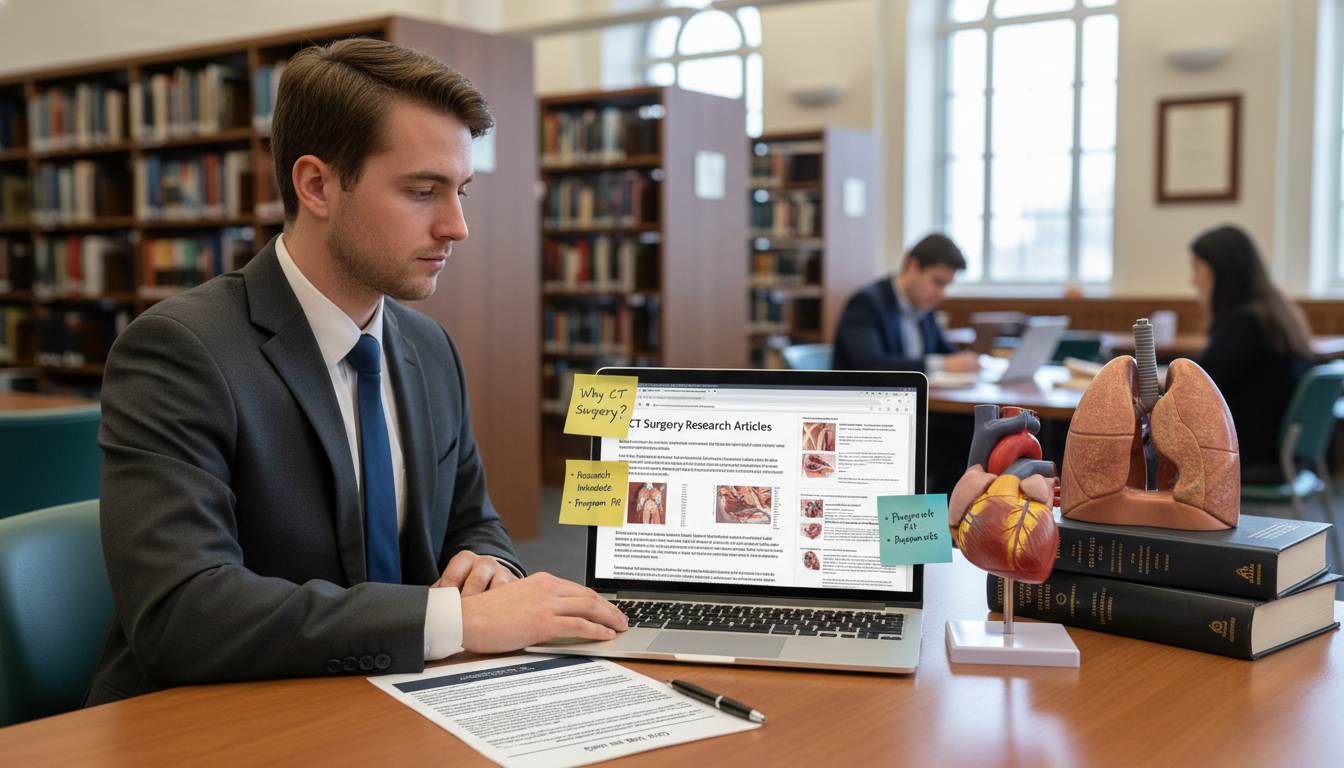
Step 2: Master the Content: Clinical, Technical, and Program-Specific Preparation
Residency interview preparation for cardiothoracic surgery goes beyond generic behavioral questions. You’re expected to demonstrate a mature understanding of the field and the realities of heart surgery training.
Review Core Cardiothoracic Concepts
You won’t get a full oral board exam during the interview, but you should be comfortable talking about fundamental topics:
- Coronary artery disease and CABG: basic indications, graft types, goals
- Valve disease: aortic stenosis/regurgitation, mitral regurgitation—when surgery is indicated
- Thoracic pathology: lung cancer staging basics, indications for lobectomy vs pneumonectomy
- ICU concepts: hemodynamics, vasopressors, volume status, mechanical ventilation basics
Focus particularly on:
- Rotations and cases you’ve seen: be prepared to walk through a memorable case and what you learned or did.
- Your thinking process rather than memorizing minutiae: they want to see how you approach complex problems.
Understand the Structure of Cardiothoracic Training
Programs often look for applicants who understand how heart surgery training is evolving. Be familiar with:
- Traditional pathway: General surgery residency followed by cardiothoracic fellowship
- Integrated (I-6) cardiothoracic surgery residency: 6-year track directly after medical school
- Variations in exposure: Adult cardiac, thoracic, congenital, transplant, and mechanical circulatory support
Even if your target is a specific pathway, show that you understand the broader training landscape and where their program fits.
Program-Specific Deep Dive
Lack of program research is one of the fastest ways to sink an interview.
For each program, prepare a one-page “brief” with:
- Program focus: Adult cardiac vs thoracic vs balanced, presence of transplant, ECMO, LVAD
- Signature strengths: Minimally invasive/robotics, complex aortic surgery, lung transplant, ECMO program
- Resident profile: Size, presence of DO grads, research expectations
- Culture and environment: Any known features, such as strong mentorship, high operative volume, or strong outcomes research
Use:
- Program website and social media
- Recent publications of key faculty
- Presentations at STS, AATS, or other conferences
- Alumni trajectories (where graduates go for jobs/fellowships)
Aim to be able to answer, without hesitation:
- “What attracts you to our program specifically?”
- “How do you see yourself fitting into our training environment?”
Step 3: Systematically Practice Common and Specialty-Specific Interview Questions
Residency interview preparation for cardiothoracic surgery should involve deliberate practice with realistic scenarios. This is where the phrases how to prepare for interviews and residency interview preparation become truly practical.
Core General Residency Questions to Anticipate
You will almost certainly be asked several of these:
- “Tell me about yourself.”
- “Why cardiothoracic surgery?”
- “Why our program?”
- “What are your strengths and weaknesses?”
- “Tell me about a time you faced a conflict on a team and how you handled it.”
- “Describe a failure or setback during medical school and what you learned.”
- “Where do you see yourself in 5–10 years?”
Build answer frameworks rather than memorized scripts:
- Use structured formats like:
- Past–Present–Future (for “Tell me about yourself”)
- STAR (Situation–Task–Action–Result) for behavioral questions
Make sure each answer:
- Is concise (2–3 minutes max)
- Includes a specific example
- Ends with a takeaway or reflection
Specialty-Focused Interview Questions for Cardiothoracic Surgery
Expect program directors and cardiothoracic faculty to probe deeper:
- “What attracts you to cardiothoracic rather than general surgery or another surgical subspecialty?”
- “Which aspect of CT surgery excites you most—adult cardiac, thoracic, or congenital—and why?”
- “Tell me about a cardiothoracic case that impacted you.”
- “Cardiothoracic surgery involves long hours and high-risk patients. How do you handle stress and fatigue?”
- “What do you see as the biggest challenges facing cardiothoracic surgeons in the next decade?”
- “Have you considered the lifestyle and burnout risks? Why do you still want this?”
Sample strategic angles:
- Connect your research or electives directly to your interests (“During my thoracic surgery elective, I…”).
- Show awareness of outcome metrics, technology evolution (TEVAR, TAVR, robotics), and health system constraints.
- Emphasize team alignment with anesthesiology, perfusion, ICU, and nursing staff.
DO-Specific and Osteopathic Residency Match Questions
You may encounter questions like:
- “Tell us about your osteopathic training. How will it make you a better surgeon?”
- “How do you see OMT playing a role in your practice, if at all?”
- “Did you take USMLE in addition to COMLEX? Tell me about your performance.”
Suggested approach:
- Frame DO training as a value-add:
- Enhanced understanding of musculoskeletal and fascial planes
- Strong grounding in functional anatomy
- Emphasis on whole-patient care, crucial in high-risk cardiac and thoracic surgery patients
- If you didn’t take USMLE, calmly and confidently explain:
- Your reasoning
- How your COMLEX scores and performance benchmarks demonstrate readiness
- If you are targeting an osteopathic residency match specifically, be prepared to discuss why an osteopathic program culture aligns with your values.
Practice Out Loud, On Camera, and With Feedback
Effective interview questions residency practice means real simulation:
Record video of yourself answering 5–10 common questions.
- Check your tone, filler words, eye contact, and posture.
Ask a mentor (ideally a surgeon or CT surgeon) to run a mock interview.
- Request targeted feedback: content clarity, confidence, and maturity.
Refine and repeat.
- Practice variations of the same question so you remain flexible, not scripted.

Step 4: Optimize Your Professional Presentation and Logistics
Even a strong applicant can undermine their performance with weak logistics and presentation. Heart surgery training programs notice details—they expect you to demonstrate the same standard.
Professional Appearance and Demeanor
Attire:
- Dark suit (navy, charcoal, or black), conservative shirt/blouse, minimal accessories
- Polished, professional shoes
- Avoid anything distracting (loud colors, large patterns)
Body language:
- Firm but not aggressive handshake (if in-person)
- Upright posture, open stance, attentive listening
- Maintain eye contact without staring
Verbal communication:
- Speak clearly, slightly slower than your normal pace
- Avoid filler words (“like,” “um,” “you know”)
- Practice pausing briefly to think instead of rambling
Virtual Interview Environment (if applicable)
Many programs still utilize virtual formats. Preparation here is critical:
Technical setup:
- Stable internet connection
- Test your camera, microphone, and platform (Zoom, Thalamus, Teams) ahead of time
- Have a backup plan (hotspot, phone dial-in)
Background and lighting:
- Neutral background (wall, bookshelf)
- Good front lighting; avoid windows behind you
- Camera at eye level to avoid “looking down” at the interviewer
Screen management:
- Close email, messaging apps, and other distractions
- Have your CV and program notes printed or on a secondary screen
- Do not obviously read from a script; glance at bullet points only if needed
Logistics and Schedule Management
For in-person interviews:
- Confirm route, parking, and arrival time a day in advance
- Plan to arrive 20–30 minutes early
- Bring:
- Printed copies of your CV
- A small notepad and pen
- Any requested documents (ID, licenses, etc.)
For multiple interviews during peak season:
- Maintain a spreadsheet or organized calendar with:
- Dates, times, time zones
- Interview format and platform
- Key program features
- People you meet (for thank-you notes)
The way you manage logistics mirrors how you may manage operative schedules and ICU follow-ups.
Step 5: Prepare Thoughtful Questions and Post-Interview Strategy
What you ask can be as revealing as how you answer. Smart, targeted questions demonstrate insight into cardiothoracic surgery and heart surgery training.
High-Yield Questions to Ask Programs
Prepare 6–8 questions and choose 2–4 appropriate ones for each interviewer. Consider:
About training and education:
- “How are junior residents introduced to the operating room in your cardiothoracic service?”
- “Can you describe how resident autonomy progresses over the course of training?”
- “How does your program balance service needs with operative experience?”
About program culture and support:
- “How does the program support resident well-being and manage burnout?”
- “Can you describe the mentorship structure—formal or informal—for cardiothoracic residents?”
About research and career development:
- “What cardiothoracic research opportunities are available for residents, particularly in [clinical outcomes, quality improvement, basic science]?”
- “Where have recent graduates gone in terms of fellowships or jobs?”
DO and osteopathic-specific considerations:
- “How have DO graduates historically integrated into your program, and are there any unique supports in place?”
- “Do residents have flexibility to incorporate aspects of osteopathic principles in patient care, for example in pain management or functional recovery?”
Avoid questions that you could easily answer from the website or that focus solely on lifestyle (e.g., vacation time, call schedule) without also addressing professional development.
Post-Interview Reflection and Documentation
After each interview:
Take 10–15 minutes to write notes:
- People you met and what you discussed
- Strengths and potential concerns about the program
- Overall “fit” impression
- Any issues you wish you had answered differently
Refine your rank list impressions:
- Clinical exposure and case volume
- Resident morale and culture
- DO friendliness and history of osteopathic residents
- Support for your long-term career goals (e.g., adult cardiac, thoracic oncologic surgery, transplant)
Thank-You Emails and Professional Follow-Up
While not mandatory everywhere, professional follow-up is rarely a bad idea if done correctly.
Send a concise thank-you email within 24–48 hours:
- Express appreciation
- Reference something specific from the conversation
- Reaffirm your interest in the program (without overcommitting if you are unsure)
Avoid:
- Overly effusive or flattery-heavy messages
- Repeated follow-up that borders on pressure
- Statements like “You are my number one choice” to multiple programs
Step 6: Managing Stress, Confidence, and Authenticity
Cardiothoracic surgery interviews can feel intimidating, especially as a DO graduate navigating perceptions and competition. Your mindset is part of your preparation.
Frame Your DO Background as a Strength, Not a Deficit
You are not “explaining away” your degree; you are showcasing what makes it valuable:
- Emphasize the integration of structure and function in anatomy, a key to surgical excellence.
- Highlight how a holistic lens helps you manage:
- Complex preoperative risk assessment
- Post-op recovery and rehab
- Communication with families facing life-altering operations
If you encountered bias or barriers during your training, you can briefly acknowledge them when relevant—but focus on:
- How you adapted
- What you learned
- How those experiences prepared you for a high-responsibility field
Build a Personal Stress-Management Plan
In the weeks leading up to interview season:
- Maintain a regular sleep schedule as much as possible
- Establish a pre-interview routine (light exercise, review notes, brief mindfulness)
- Identify supportive peers or mentors you can debrief with
- Practice techniques to reset between multiple interviews (short walk, deep breathing, hydration)
Programs know cardiothoracic surgery is stressful; they are assessing whether you have healthy mechanisms to cope, not that you are “stress-proof.”
Frequently Asked Questions (FAQ)
1. As a DO graduate, do I need USMLE scores for cardiothoracic surgery residency?
Not always, but it can help, especially for ACGME allopathic programs that are more accustomed to USMLE. Many programs can now interpret COMLEX effectively. If you have strong USMLE scores, they can broaden your options. If you only have COMLEX, be prepared to discuss your performance confidently and highlight other objective markers of excellence (class rank, honors, strong surgical letters).
2. How early should I start residency interview preparation for cardiothoracic surgery?
For a competitive field like cardiothoracic surgery, begin 3–4 months before interview season:
- Months 1–2: Clarify your narrative, review core CT concepts, and research programs.
- Month 2–3: Begin mock interviews and refine answers to key interview questions residency programs frequently ask.
- Final month: Focus on fine-tuning, program-specific research, and logistics.
3. What if I don’t have a lot of cardiothoracic surgery research?
Research is valuable but not absolutely mandatory for every program. Emphasize:
- Quality and depth of whatever/projects you do have (even if related to general surgery, ICU, or outcomes).
- Your understanding of research principles and how you’d like to engage in future projects.
- Clinical experiences that demonstrate your commitment to cardiothoracic surgery (electives, shadowing, conferences).
If you’re light on research, your pre-interview preparation should highlight clinical engagement, mentorship, and clear long-term goals.
4. How can I tell if a program is DO-friendly?
Look for:
- Current or recent DO residents in the program (check website, social media, speak with residents).
- Faculty who trained at osteopathic institutions or express support for osteopathic principles.
- The tone of discussions during your interview when your DO background is addressed.
During interviews, you can carefully ask about prior DO residents and their experiences. Your goal is to identify environments where you can thrive, not just match.
Thorough, strategic pre-interview preparation will allow you to present yourself as a capable, mature, and committed future cardiothoracic surgeon—one whose osteopathic training adds real value to complex heart surgery training environments. Use your DO background, your narrative, and your preparation to stand out as a thoughtful, resilient candidate ready for the rigors of this demanding specialty.