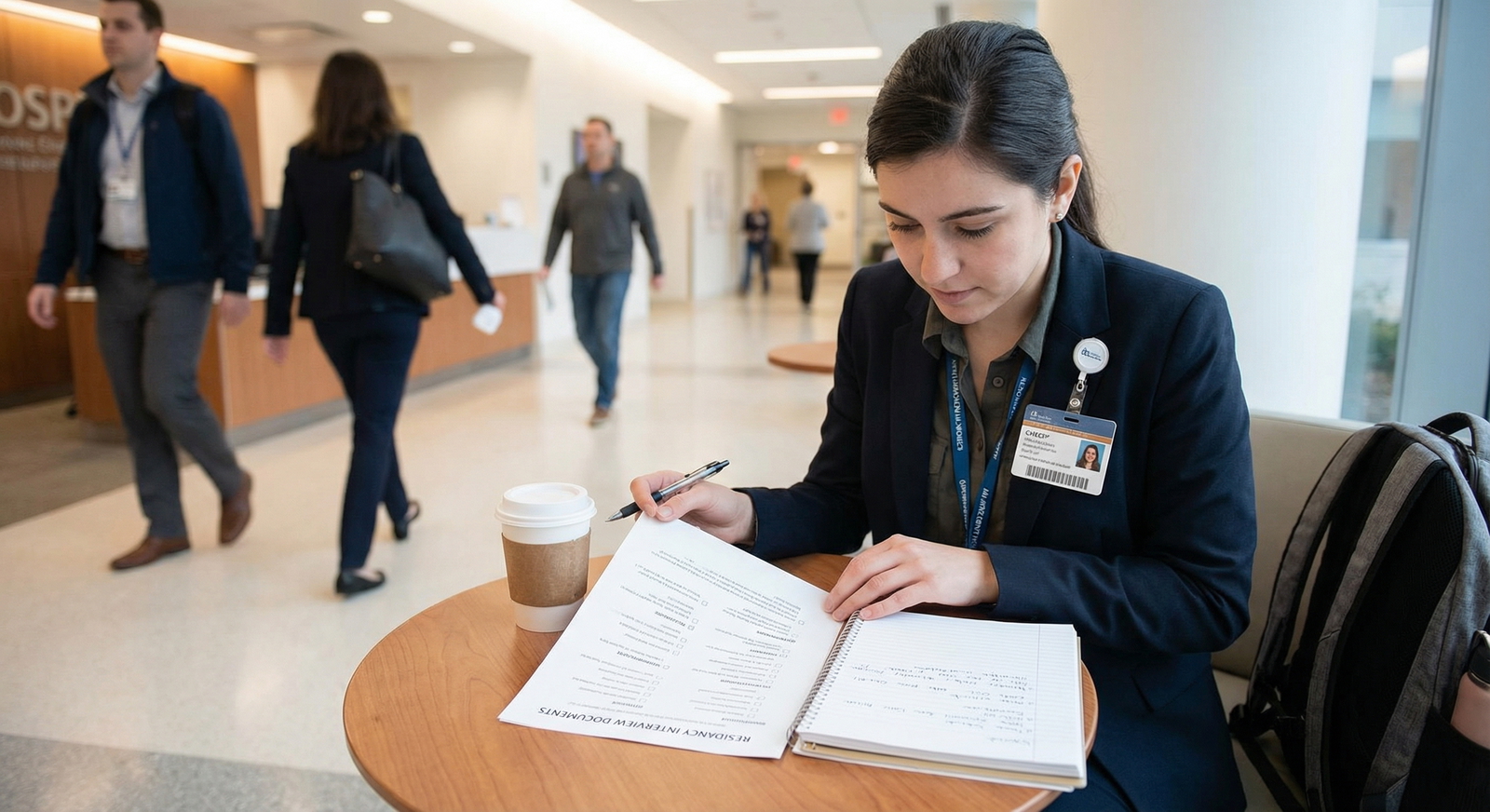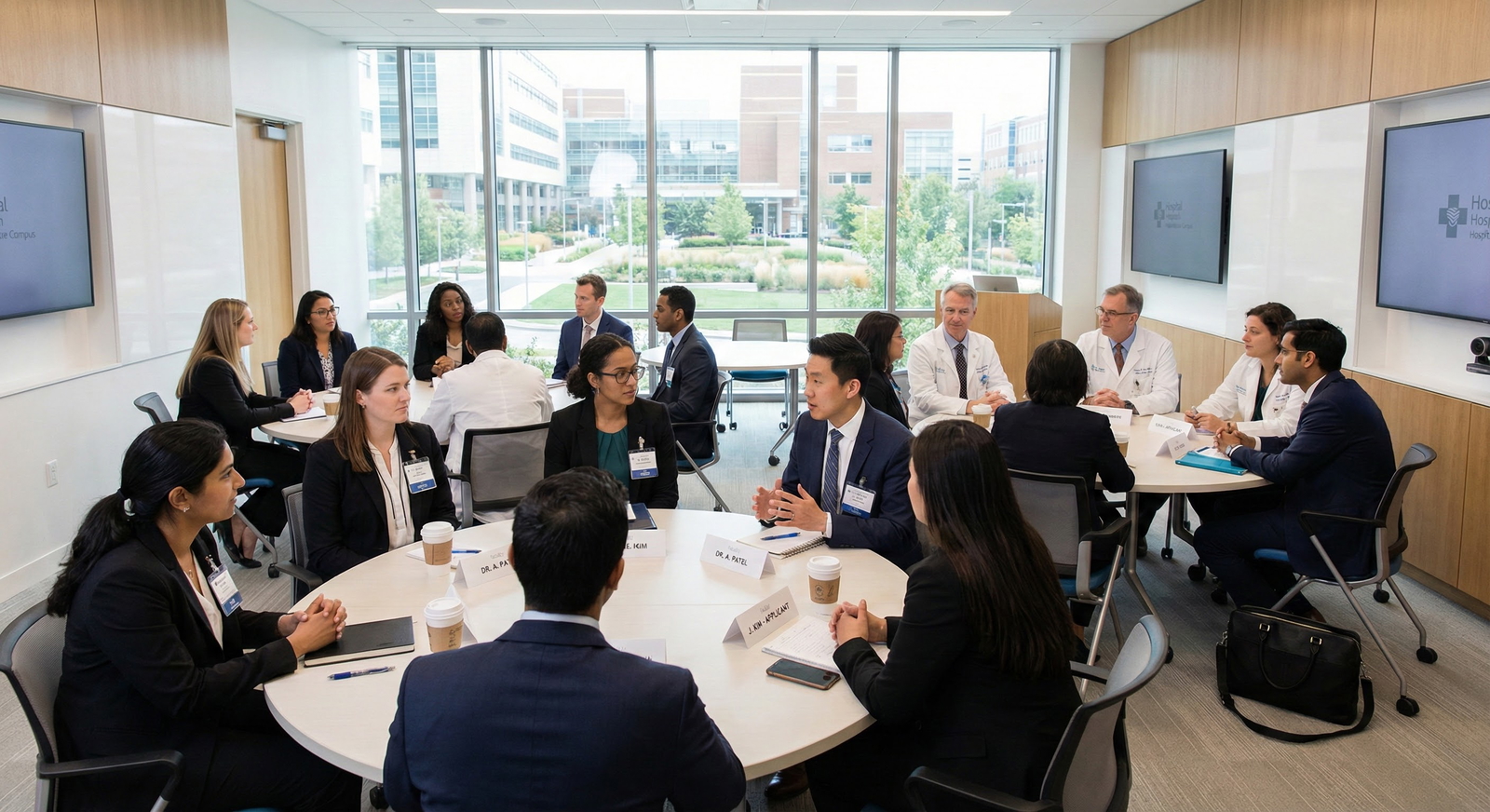
Understanding the Unique Position of a DO Graduate Applying to Preliminary Medicine
As a DO graduate targeting a preliminary medicine year (prelim IM), you occupy a unique niche in the residency landscape. You’re not only navigating the osteopathic residency match as a DO graduate, but you’re also applying to a one-year position whose purpose, expectations, and culture differ from categorical internal medicine programs.
Before you can tackle effective residency interview preparation, you need clarity on three core questions:
What exactly is a Preliminary Medicine year?
A preliminary medicine year is a one-year internal medicine internship, usually PGY‑1, designed to provide broad clinical training. It is commonly used by:- Future neurologists, anesthesiologists, radiologists, PM&R physicians, dermatologists, ophthalmologists, etc., who need a clinical base year.
- Applicants seeking additional US clinical experience or to strengthen their application for a future specialty match.
What are programs looking for in prelim medicine candidates?
Programs tend to prioritize:- Reliability, work ethic, and ability to function on a busy inpatient service.
- Teamwork and communication skills.
- Clinical competence at the level of an intern on day one.
- Professionalism and low “maintenance” – residents who can adapt quickly, follow through, and support categorical residents.
How does your DO background matter?
As a DO graduate, you bring:- Training in holistic, patient-centered care and strong physical exam skills.
- Exposure to osteopathic principles and possibly OMT (even if you won’t use it daily as an intern).
- Increasingly recognized parity with MD counterparts, especially post-merger of AOA and ACGME accreditation.
Programs may ask you explicitly about your DO training. Having a thoughtful, confident answer about why you chose osteopathic medical education and how it shapes your practice is essential pre‑interview preparation.
This context should frame every step of how you prepare for interviews and how you present yourself as a prelim IM candidate.
Strategic Pre-Interview Preparation: Foundation Before the Big Day
Residency interview preparation for a DO graduate in preliminary medicine goes far beyond rehearsing answers. Effective preparation integrates logistics, self-reflection, document review, and strategic research.
1. Clarify Your Goals for a Preliminary Medicine Year
Before you start answering interview questions for residency programs, be crystal clear on why you are applying to a prelim IM year.
Common scenarios for DO graduates include:
You already have a categorical position (e.g., Neurology, Anesthesiology, Radiology)
- Goal: Meet their prerequisite clinical year.
- Interview framing: How prelim training will prepare you to be a stronger resident in your advanced specialty.
You are reapplying or strengthening your application for a future specialty
- Goal: Gain more US clinical experience and solid letters in medicine.
- Interview framing: Your long-term specialty target, what you learned from previous cycles, and how a preliminary medicine year fits your growth plan.
You’re genuinely open to internal medicine but want flexibility
- Goal: Keep options open; decide during or after prelim year.
- Interview framing: Academic curiosity, broad interests, and willingness to consider categorical transitions if a path opens.
Action step:
Write a 3–4 sentence statement that answers:
- Why you’re seeking a preliminary medicine year.
- How it aligns with your future goals.
- Why you specifically want internal medicine exposure.
You’ll use and adapt this statement throughout your answers.
2. Master Your Application Materials
Your ERAS application and personal statement are what the interviewer has seen before you walk in (or log on). Meticulous pre‑interview preparation includes:
Re-read your ERAS application line-by-line the week before interviews:
- Every research project, presentation, and leadership role.
- Every date, location, and description.
- Any gaps in training or anomalies.
Re-read your personal statement for consistency:
- Be ready to elaborate on any patient story you mentioned.
- Remember specific details: setting, your role, what you learned, and how it shaped your interest in internal medicine as a base.
Anticipate “deep dives”:
- If you list OMT clinics, research in osteopathic principles, or DO-specific leadership, expect to be asked about its relevance to prelim IM.
- If you list a particular quality (e.g., “I am calm under pressure”), be prepared with a concrete example showing that in action.
Action step:
For each of your 3–5 key experiences, prepare a brief STAR (Situation–Task–Action–Result) or CAR (Context–Action–Result) story. This will help you seamlessly answer behavioral questions such as, “Tell me about a time you had a conflict on the team.”
3. Optimize Your Interview Logistics
Logistical errors can undermine otherwise strong residency interview preparation. Especially in a busy interview season, DO graduates sometimes juggle dozens of schedules across osteopathic and allopathic programs.
Key logistics to finalize at least 5–7 days before each interview:
Interview format: Virtual vs. in-person.
- Virtual: Confirm platform (Zoom, Thalamus, Webex, Teams), update software, test login credentials.
- In-person: Confirm exact location, parking, travel time, and any social events.
Time zones:
- Many prelim IM programs are part of large academic centers; confusion between your local time and program time is a common mistake.
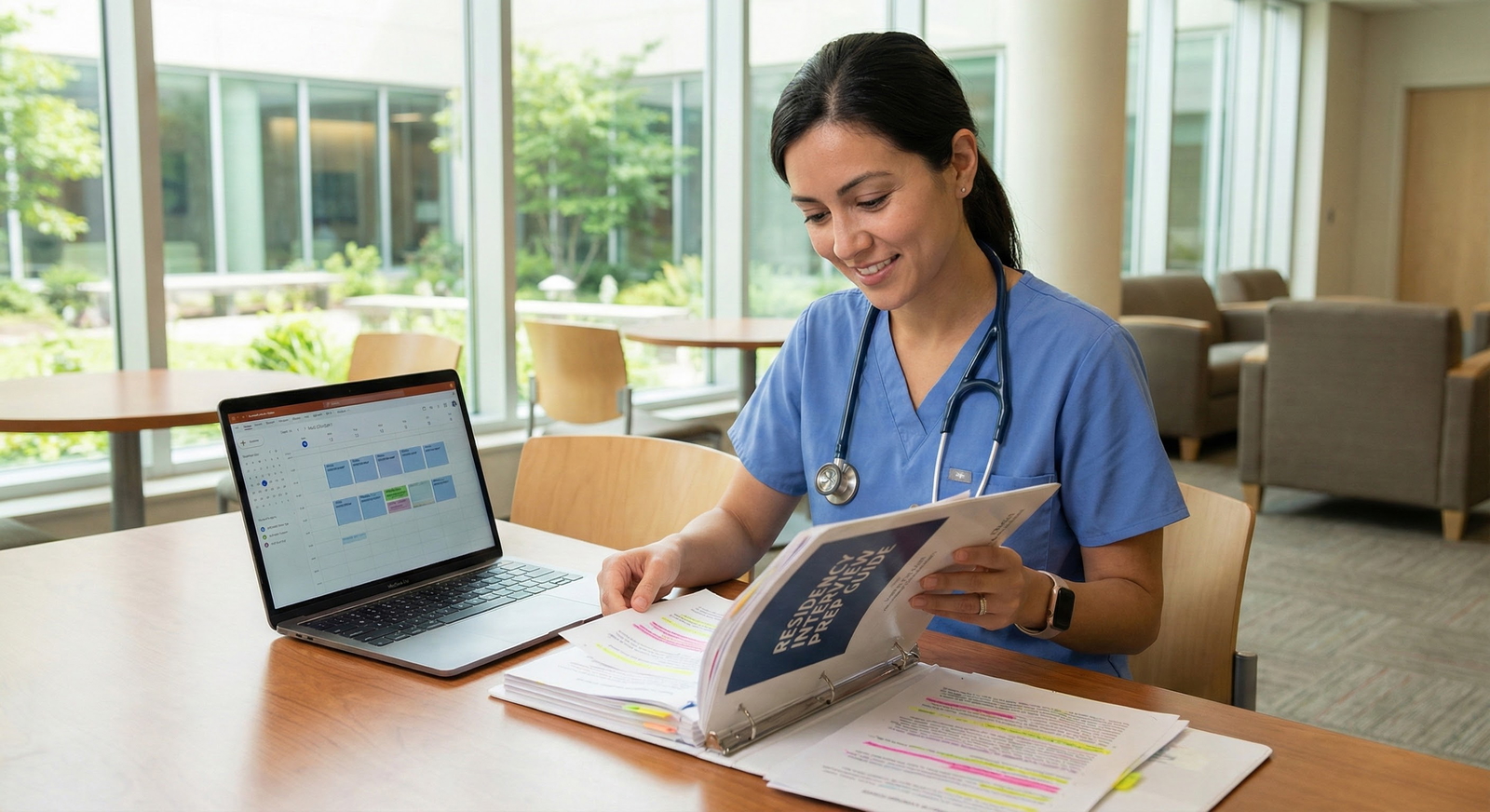
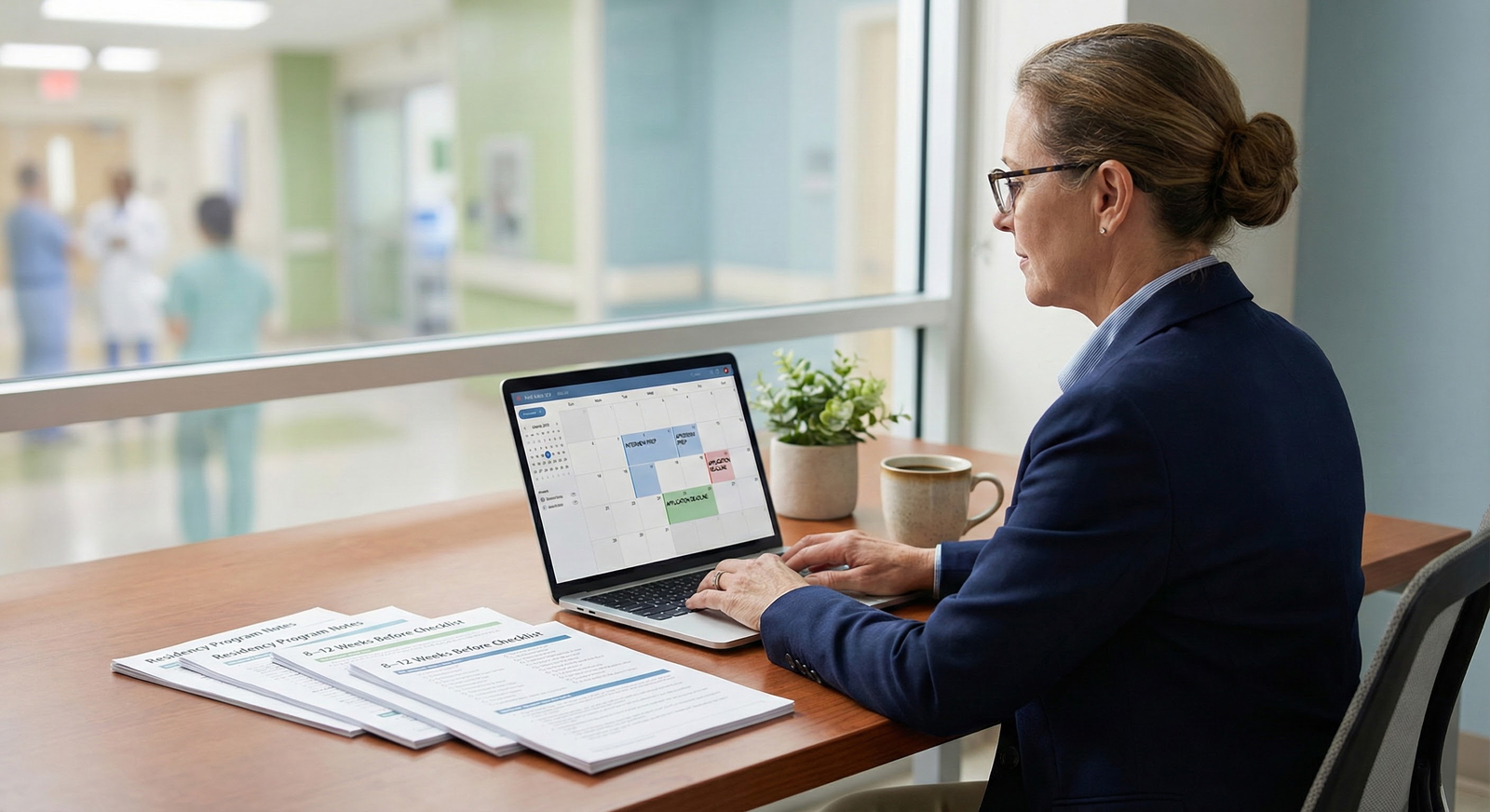
- Put all interviews into one calendar with clearly marked time zones and alerts.
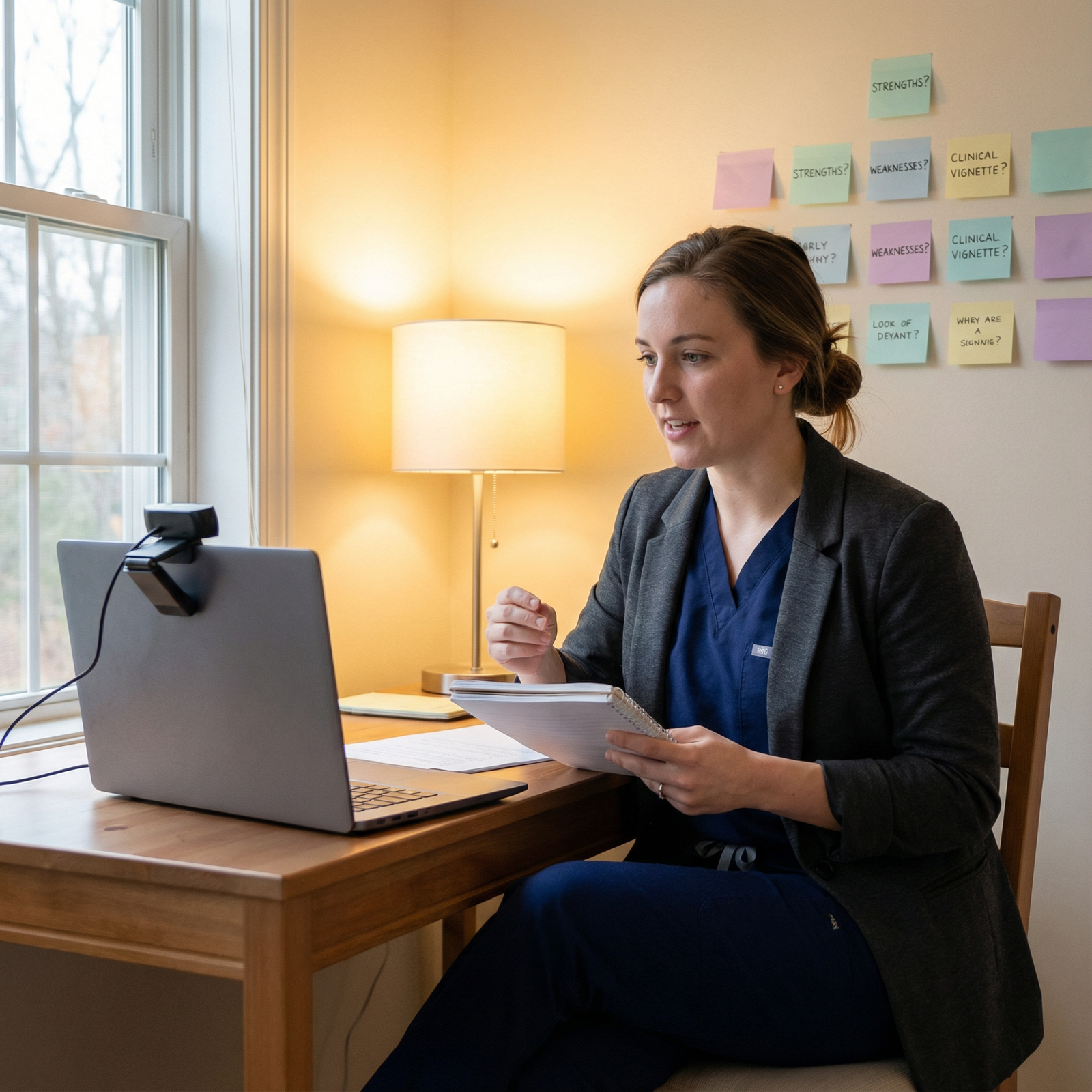
Tech setup (for virtual interviews):
- Use a laptop or desktop, wired connection if possible.
- Neutral background, good lighting in front of you (not behind).
- Test microphone and speakers; use wired or high-quality wireless headphones if needed.
- Have a backup device (phone or tablet) ready in case of technical failure.
Action step:
Do a full mock virtual interview with a friend, advisor, or your career center using the same setup you’ll use on interview day—same camera, same chair, same location. Ask for feedback on your audio, eye contact, lighting, and any distracting habits.

Researching Preliminary Medicine Programs as a DO Graduate
Understanding each program is central to strong residency interview preparation. For a DO graduate in preliminary medicine, research has two purposes:
- To decide where you truly want to train for this intense PGY‑1 year.
- To demonstrate genuine interest and fit during interviews.
1. Core Areas of Program Research
Your research should go beyond basic website browsing. For each prelim IM program, try to know:
Program structure
- Balance of inpatient vs. outpatient.
- Night float system vs. traditional 24‑hour call.
- ICU exposure, specialty rotations, and emergency department time.
Role and integration of preliminary interns
- Are prelim interns part of the same teams as categorical IM residents?
- Are there educational conferences and morning reports that prelims attend?
- Are prelim interns eligible for the same scholarly or QI projects?
Reputation for DO-friendliness
- % of DO residents historically in the program (or in the umbrella department).
- Any DO faculty or chief residents.
- If the institution has a history of DO graduates in leadership roles.
Culture and workload
- Resident testimonials (official videos, social media, or word-of-mouth).
- Board pass rates and ACGME survey data (if available).
- How residents describe their day-to-day work and support systems.
Advanced positions linkage
- If you already have an advanced position locked in (e.g., Neurology), some institutions have integrated prelim+advanced tracks.
- Check for collaborations between Internal Medicine and your advanced specialty (shared conferences, co-located units, etc.).
Action step:
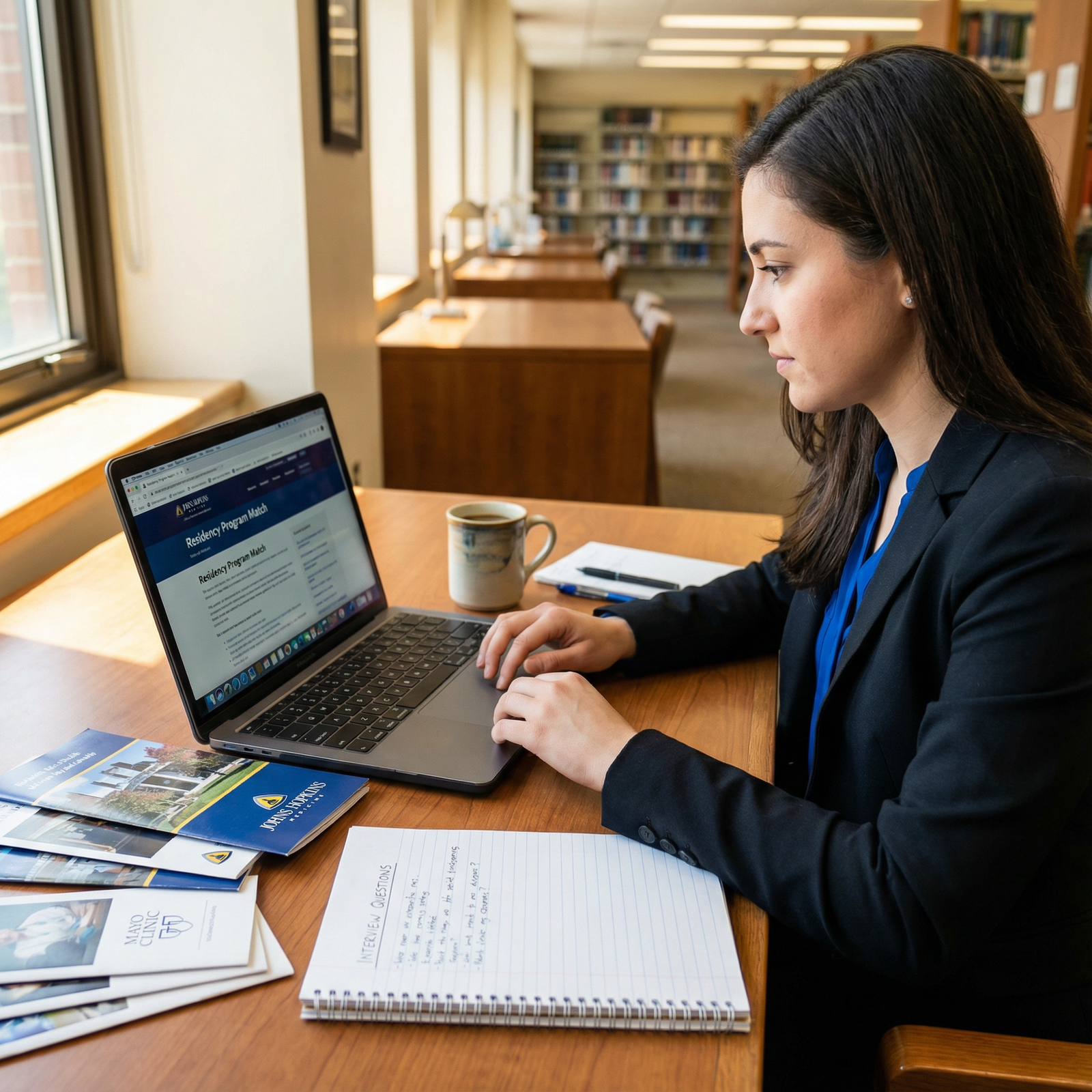
Create a simple spreadsheet with columns like: program name, location, structure highlights, culture notes, DO representation, unique strengths, concerns, and “questions to ask.” This becomes your quick-reference on interview day.
2. Tailoring Research to Your Future Specialty
If you are entering an advanced specialty after prelim IM (or plan to reapply), connect each program’s strengths to that specialty. Examples:
Future Neurologist
Look for:- Strong stroke and neuro ICU services.
- Inpatient neurology consult teams you’ll rotate with.
- Opportunities to attend neurology conferences as a prelim.
Future Anesthesiologist or Radiologist
Look for:- Robust critical care rotations (MICU, SICU).
- Perioperative medicine or pre-op clinic exposure.
- High acuity patient populations where you’ll refine resuscitation skills.
Future Dermatologist or Ophthalmologist
Look for:- Solid general medicine foundation: complex comorbidities, systemic disease understanding.
- Potential to rotate with or shadow your future specialty during elective time.
You can then articulate to interviewers:
“Your strong MICU and neurology consult rotations will directly prepare me for my advanced position in neurology, particularly in managing critically ill patients with complex systemic disease.”
3. How to Use Research in the Interview
Specificity signals genuine interest. For example:
- Generic: “I like that you have strong inpatient training.”
- Strong: “I noticed your interns spend four weeks in the MICU with direct involvement in ventilator management and complex sepsis cases. That intensive critical care exposure is exactly what I’m seeking before starting my anesthesia residency.”
Prepare 2–3 program-specific points for each interview that you can reference naturally in conversation and during your “Do you have any questions for us?” segment.
Core Interview Skills and Common Questions for Preliminary Medicine
DO graduates often worry about how to prepare for interviews and which interview questions residency programs are most likely to ask. For a preliminary medicine year, the themes are slightly different from categorical IM.
1. Common Thematic Areas for Prelim IM Interviews
Expect questions that assess:
- Your motivation for choosing a prelim year and this particular program.
- Your understanding of the role of a prelim intern and its workload.
- Your communication and teamwork skills, including how you handle conflict.
- Your adaptability and resilience in high-acuity, high-volume settings.
- Your long-term career goals and how this year fits into them.
2. High-Yield Residency Interview Questions (with DO/Prelim-Specific Angles)
Below are examples of high-yield interview questions residency faculty might ask a DO graduate:
“Tell me about yourself.”
- Focus on background → medical school highlights → why prelim IM.
- Integrate your DO training: a sentence about choosing osteopathic medicine and how it shapes your approach.
“Why are you applying to a preliminary medicine year instead of categorical internal medicine?”
- Be honest but positive:
- If you have an advanced position: “I’ve matched into neurology, and I want a rigorous clinical base year managing complex internal medicine patients.”
- If reapplying: focus on growth, added experience, and your commitment to improving.
- Be honest but positive:
“Why this program?”
- Use your program-specific research. Mention:
- Particular rotations.
- Culture of teaching.
- Evidence of DO inclusivity, if you’ve seen it.
- Use your program-specific research. Mention:
“What are your long-term career goals?”
- Be clear and forward-looking.
- Tie your future specialty to the skillset you’ll build during this prelim year.
“Tell me about a time you had a conflict on the healthcare team. How did you handle it?”
- Use a structured STAR/CAR story:
- Brief situation.
- What you did.
- What you learned.
- Use a structured STAR/CAR story:
“What strengths do you bring as a DO graduate to our internal medicine team?”
- Emphasize:
- Holistic patient care, preventive focus.
- Strong physical exam and bedside communication.
- OMT as a lens into musculoskeletal assessment, even if you rarely perform it.
- Emphasize:
“How would your classmates or attendings describe you?”
- Select 3 traits relevant to intern performance: dependable, organized, calm under pressure, collaborative.
- Back them up with a quick supporting example.
“What is a weakness or area you’re working on?”
- Choose something genuine but improvable:
- Example: delegating tasks, over-documenting, reluctance to ask for help early.
- Describe specific steps you’re taking to improve.
- Choose something genuine but improvable:
“Have you worked with MD colleagues before, and how do you approach interprofessional differences coming from a DO background?”
- Emphasize mutual respect, shared goals, and how team diversity strengthens patient care.
Action step:
Write out bullet-point answers (not full scripts) to at least 10–12 common questions, rehearse aloud, and refine until you sound conversational rather than memorized.
3. Showcasing Your DO Background Without Overdoing It
You want programs to remember that you are a DO graduate in a positive, distinctive way—but not as a point of perceived “otherness.”
When asked about being a DO:
Highlight:
- Choosing osteopathic medicine intentionally for its holistic philosophy.
- Skills in understanding the interplay between structure and function, lifestyle, and psychosocial factors.
- Experiences in OMT that improved diagnostic reasoning and patient rapport.
Avoid:
- Overstating OMT as central to your day-to-day prelim IM practice if it isn’t.
- Implying a dichotomy between MD and DO – focus on complementarity.
You might say:
“My DO training emphasized looking at the whole patient—their physical, emotional, and social context—which has been invaluable on my internal medicine rotations. Even when I’m not performing OMT, I bring that mindset to every encounter.”
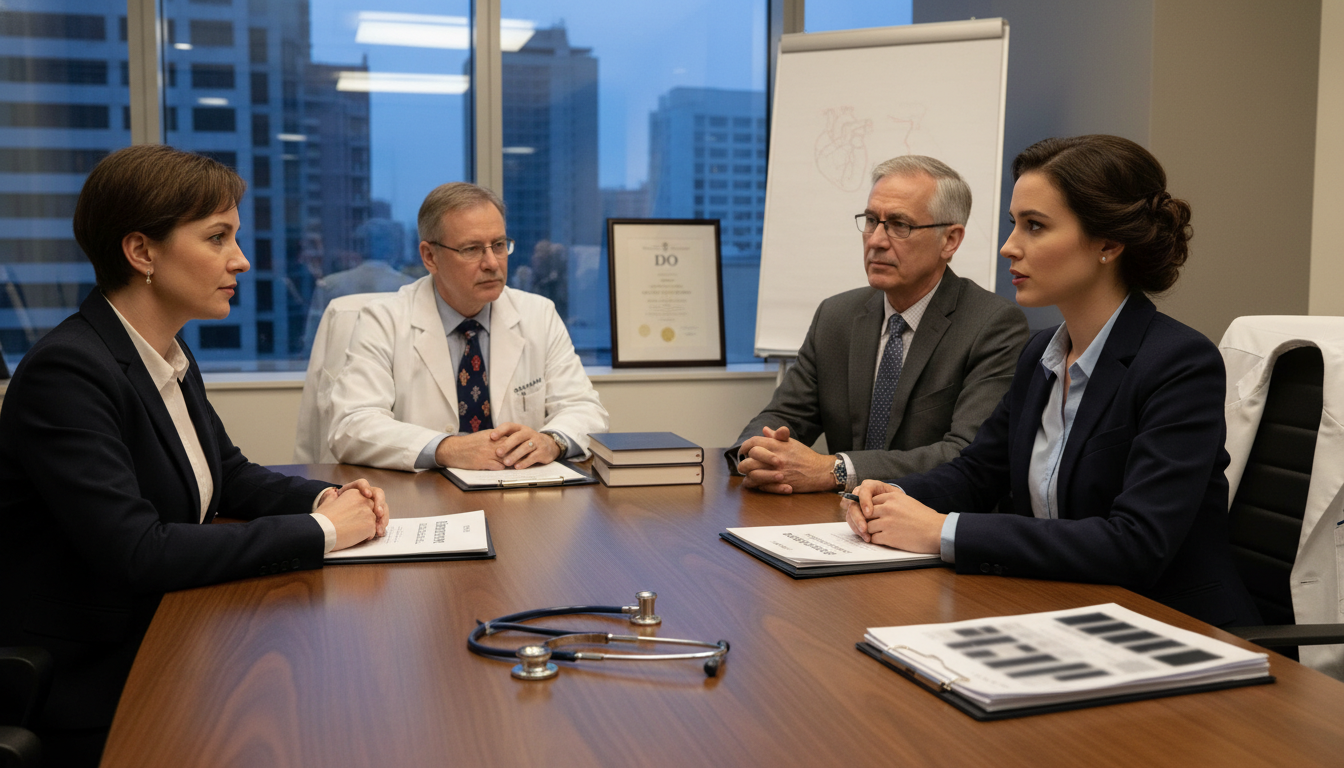
Practical Mock Interview and Communication Skills for DO Prelim Applicants
Even with excellent content, delivery matters. Strong residency interview preparation includes how you communicate, not just what you say.
1. Running Targeted Mock Interviews
Aim for at least 2–3 formal mock interviews before peak interview season:
Who to ask:
- Career advisors or faculty from your DO school.
- Residents (especially those who did a preliminary medicine year).
- Peers applying to other specialties via role-play.
What to focus on:
- Clear explanation of your prelim year goals.
- Integration of your DO identity.
- Handling “curveball” questions (ethical dilemmas, failures, or red flags).
Record the session if possible and review:
- Your posture and eye contact.
- Pace and clarity of speech.
- Frequency of filler words (“um,” “like,” “you know”).
2. Nonverbal Communication and Professional Presence
For both virtual and in-person interviews:
- Posture: Upright, slightly leaning forward, but relaxed.
- Eye contact:
- Virtual: look at the camera when speaking; glance at the screen to read facial cues.
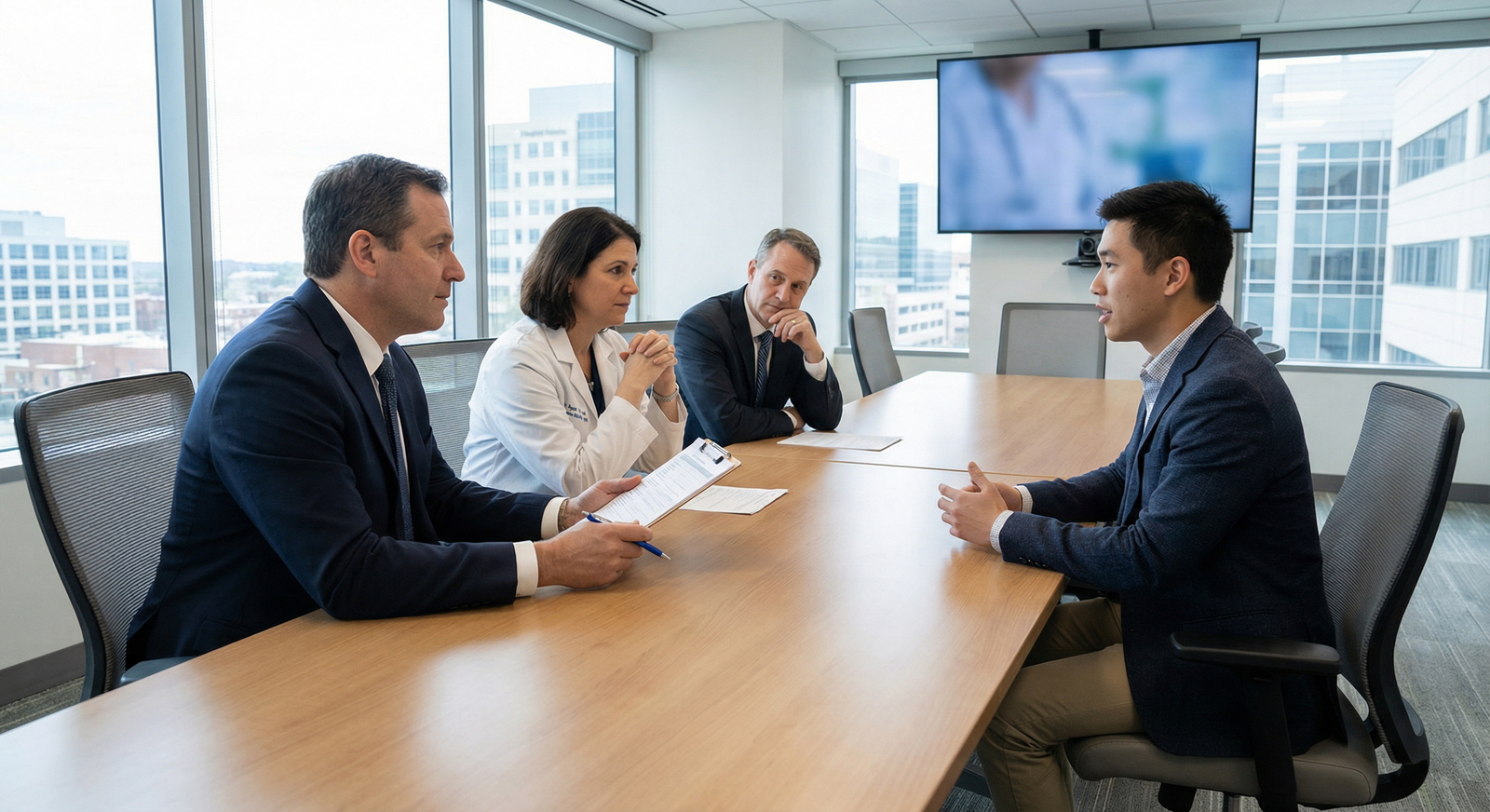
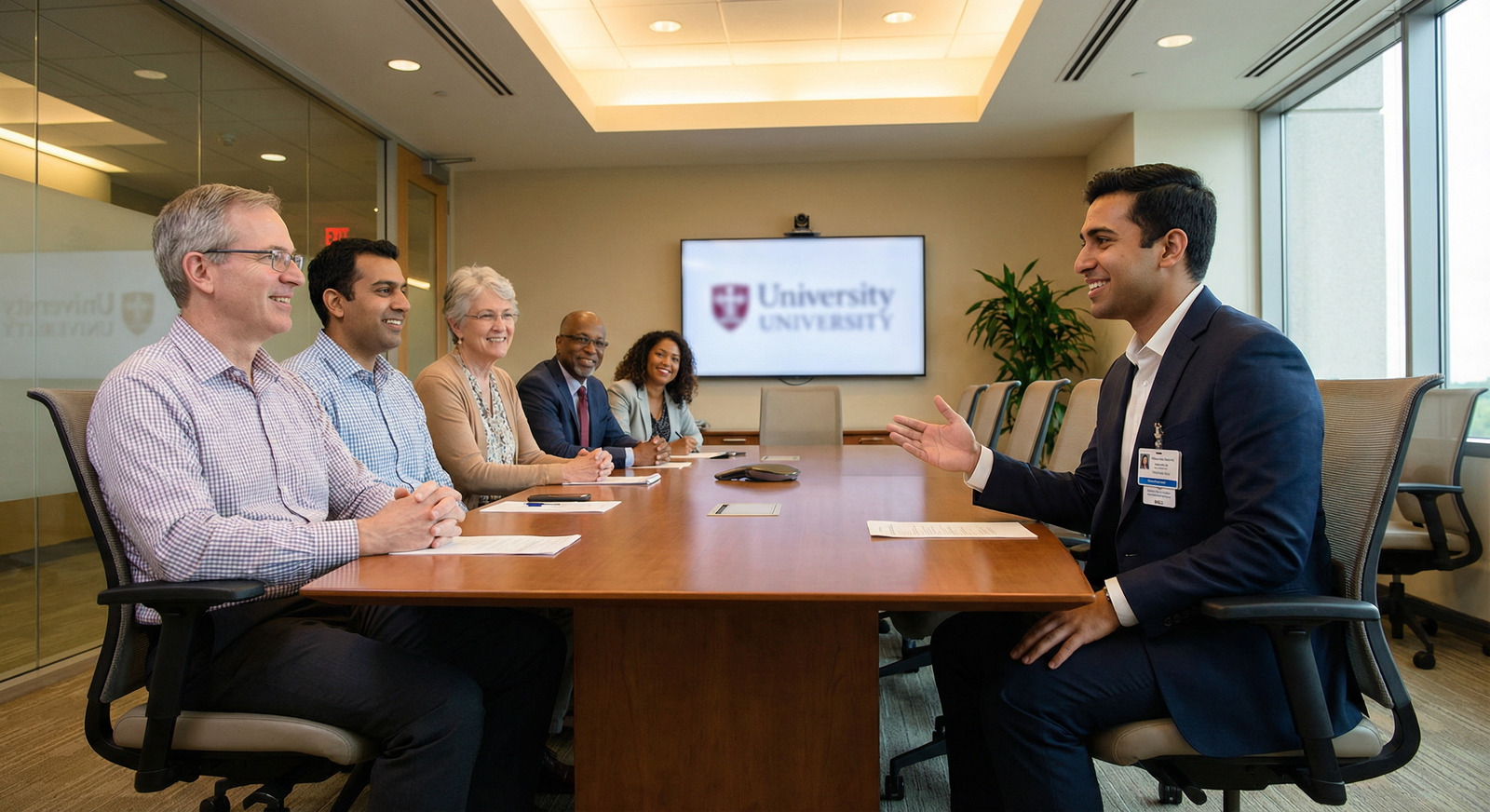
- In-person: distribute your gaze among interviewers.
- Facial expression: Neutral-to-warm; nod to show understanding.
- Hands: Visible, natural gestures; avoid fidgeting.
Dress professionally:
- Conservative, well-fitting suit.
- Minimal jewelry and fragrance.
- If wearing a white coat to hospital tours or social events, ensure it’s clean and pressed.
3. Answer Structure and Brevity
As a prelim IM applicant, you’ll often interview in 15–20 minute blocks. Practice concise, structured answers:
- Aim for 60–90 seconds per answer to common questions.
- Use frameworks (STAR/CAR) for behavioral questions.
- End answers with a brief takeaway that underscores a quality (e.g., “That experience reinforced how important clear communication is in preventing errors, which I carry into every team interaction.”).
Action step:
Practice answering a set of 5 common questions with a timer, ensuring you stay within 90 seconds while still delivering a complete, coherent response.
Final 72-Hour Checklist: Ready for Your Prelim Medicine Interview
To consolidate your residency interview preparation, use this 72-hour pre-interview checklist tailored to a DO graduate pursuing a preliminary medicine year:
1. Three Days Before
- Re-read:
- Your ERAS application and personal statement.
- The program’s website, focusing on prelim structure and rotations.
- Finalize:
- Your “Why prelim medicine?” and “Why this program?” talking points.
- A list of 3–4 thoughtful questions for faculty and residents (e.g., “How are prelim interns integrated into educational conferences and QI projects?”).
2. The Day Before
- Confirm:
- Time and time zone.
- Interview platform or travel route and parking.
- Lay out:
- Professional outfit, polished shoes, padfolio or notebook, printed interview schedule (if provided).
- Prepare your environment (for virtual interviews):
- Tidy background, good lighting, stable internet, and device fully charged.
- Do:
- One light mock run-through of your introduction and 3–4 key answers.
- A relaxing, non-medical activity to manage stress (exercise, short walk, etc.).
3. Interview Morning
- Eat a light, familiar meal.
- Do 5–10 minutes of deep breathing or grounding techniques.
- Review:
- The names and roles of your interviewers if provided.
- One or two features of the program you genuinely admire.
- Keep:
- Printed or digital copy of your application nearby for quick reference.
- A short list of patient or team stories you may use.
4. After the Interview
- Within 30–60 minutes, jot down:
- Who you met and their roles.
- What you liked and any concerns.
- Specific moments or conversations that stood out.
- Draft:
- A brief, sincere thank-you email (if appropriate and allowed), highlighting a particular aspect of the conversation and reiterating your interest.
- Reflect:
- What answers went well?
- Where did you feel less clear or confident?
- Adjust your preparation for the next interview accordingly.
FAQs: Pre-Interview Preparation for DO Graduates in Preliminary Medicine
1. As a DO graduate, will I be at a disadvantage applying for a preliminary medicine year?
In most ACGME-accredited programs today, DO graduates are considered on near-equal footing with MDs. Many internal medicine departments already have DO residents and faculty. What matters most is your clinical performance, letters of recommendation, and interview performance, not your degree initials. Still, some institutions are more DO-friendly than others; your pre-interview research can help you target those programs and prepare to discuss your osteopathic background confidently.
2. How can I best explain why I chose a prelim IM year instead of a categorical internal medicine spot?
Be transparent and positive. If you have an advanced position (e.g., neurology), emphasize that you want a rigorous, broad-based clinical year to be the strongest possible resident in your chosen specialty. If you’re reapplying or still exploring options, highlight your commitment to gaining more experience, strengthening your skills, and learning from high-acuity medicine, without sounding indecisive or negative about prior attempts.
3. How much should I talk about OMT or osteopathic principles in my interview?
Mention OMT and osteopathic principles as part of your identity and training, but calibrate to the context. A concise explanation of how OMT has improved your diagnostic thinking, physical exam skills, or patient rapport is usually enough. Most prelim IM programs won’t expect you to use OMT daily, so emphasize the mindset and skills you carry forward rather than procedures you hope to perform.
4. What types of questions should I ask programs at the end of the interview?
Ask questions that show insight into the prelim-specific experience and your future path. Examples:
- “How are preliminary interns integrated into the educational curriculum and conferences?”
- “What does a typical day look like for a prelim intern on your busiest rotation?”
- “How does the program support prelim residents who are entering advanced specialties like neurology or anesthesiology?”
- “For DO graduates in your program, have there been any unique opportunities or challenges you’ve observed?”
Thoughtful questions demonstrate that you understand the realities of a preliminary medicine year and that you’re genuinely assessing fit, not just collecting offers.
With deliberate, structured pre-interview preparation tailored to your identity as a DO graduate and your goal of securing a strong preliminary medicine year, you can present yourself as a capable, self-aware, and team-oriented intern ready to thrive on day one.