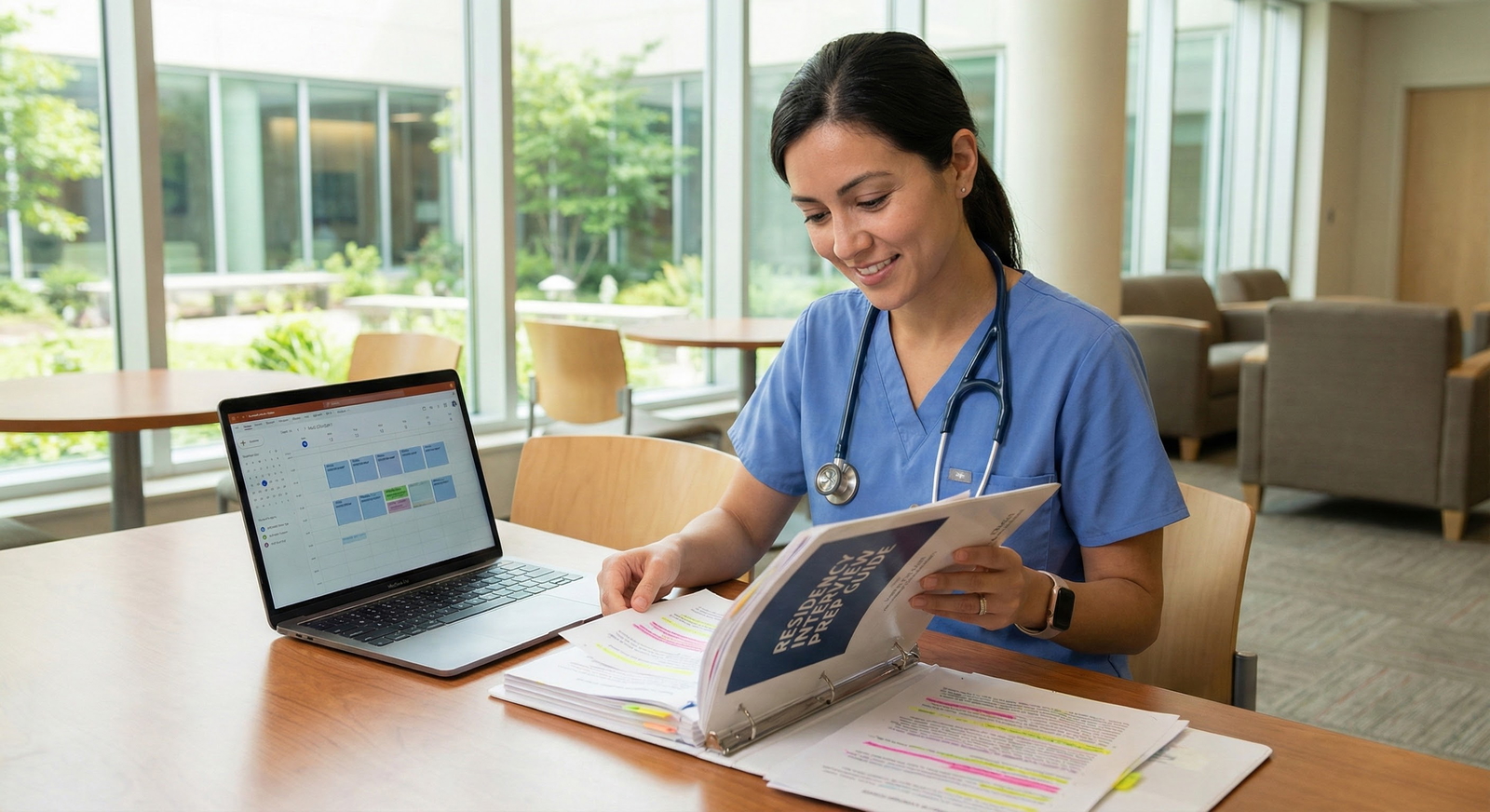
Preparing for residency interviews is a pivotal step in your transition from allopathic medical school to a medical genetics residency. As an MD graduate, you’ve already mastered a vast amount of biomedical knowledge; now you need to present yourself as a thoughtful, mature, and well-prepared candidate who understands what a career in medical genetics truly entails. This guide focuses specifically on pre-interview preparation—everything you should do before you log onto Zoom or walk into the program office.
Understanding the Medical Genetics Residency Landscape
Before you can present yourself convincingly, you need clarity on where medical genetics fits into the broader residency ecosystem and what programs are actually assessing.
The Unique Nature of Medical Genetics Training
Medical genetics is a relatively small, highly specialized field focused on diagnosing, counseling, and managing patients with genetic and genomic disorders. You may be interviewing for:
- Combined Pediatrics–Medical Genetics (Peds/Genetics) programs
- Combined Internal Medicine–Medical Genetics (IM/Genetics) programs
- Medical Genetics and Genomics standalone categorical programs
- Occasionally, Neurogenetics or other combined pathways at selected institutions
Understanding the training structure is part of pre-interview preparation. Programs want to see that you:
- Know the duration of training (often 4–5 years for combined programs)
- Understand the balance between clinical and laboratory exposure
- Are aware of evolving areas, such as genomic medicine, precision therapeutics, cancer genetics, and pharmacogenomics
If you cannot clearly articulate why you’re choosing medical genetics over other specialties, it will show during your residency interview—even if not directly asked.
What Programs Seek in MD Graduate Residency Candidates
Residency programs in medical genetics evaluate:
- Motivation for genetics: A sustained interest rather than a last-minute pivot
- Clinical maturity: Ability to care for complex patients, often with multi-system disease
- Long-term vision: How you see yourself contributing to the genetics field (clinical, academic, research, industry, policy)
- Communication skills: Genetics requires nuanced, often emotionally challenging conversations with patients and families
- Interdisciplinary mindset: Comfort working with pediatricians, internists, oncologists, neurologists, OB-GYNs, and genetic counselors
Your pre-interview preparation should be tailored to demonstrating these qualities clearly and consistently.
Researching Programs Strategically Before Interview Day
Thorough program research is one of the most critical components of pre-interview preparation. It enhances your confidence, shapes your talking points, and enables you to ask strong, specific questions.
Step 1: Build a Structured Research Template
Create a spreadsheet or document with the same categories for each program. Include:
- Program name and track (Peds/Genetics, IM/Genetics, categorical Genetics)
- Program director and key faculty (noting any specific genetics subspecialties)
- Major clinical focuses – e.g.,
- Metabolic genetics
- Cancer genetics
- Prenatal and reproductive genetics
- Neurogenetics
- Cardiogenetics
- Adult-onset Mendelian disease
- Research strengths – precision medicine, exome sequencing, gene therapy, population genetics, etc.
- Genetic counseling team – integration and collaboration patterns
- Laboratory resources – in-house cytogenetics, molecular genetics labs, biobanks, sequencing facilities
- Educational structure – conferences, journal clubs, case rounds, tumor boards, didactics
- Unique opportunities – MPH/PhD options, NIH collaborations, global health genetics, tele-genetics, informatics
Documenting this allows you to draw real comparisons and tailor your talking points for each allopathic medical school match program.
Step 2: Use Multiple Information Sources
Go beyond the residency website:
- Program’s GME page and department of genetics or pediatrics/medicine pages
- Recent publications from core faculty in PubMed to understand current research directions
- Social media (Twitter/X, LinkedIn, program Instagram) for:
- Resident spotlights
- Conference presentations (e.g., ASHG, ACMG)
- Recent awards, grants, or new clinics
- Virtual open houses or webinars posted on YouTube or institutional sites
- NRMP and FREIDA for program structure and fellowships
As you research, think: How does this specific program align with my career goals in genetics? You’ll use this alignment repeatedly in interview responses.
Step 3: Prepare Program-Specific “Fit” Statements
For each program, write 2–3 sentences addressing:
- Why this program specifically
- Which faculty, clinics, or research themes particularly interest you
- How you envision using the program’s strengths to shape your career
Example:
“I’m particularly drawn to your program’s strong emphasis on adult-onset genetic disease and cardiogenetics, especially Dr. X’s work in inherited arrhythmia syndromes. Given my background in internal medicine-oriented clerkships and interest in genomic risk stratification, I see this as an ideal environment to develop into a clinician who bridges traditional internal medicine and advanced genomic diagnostics.”
These tailored statements can be used when you’re asked, “Why our program?” or when speaking with individual faculty.

Deep Content Preparation: Clinical Genetics and Personal Narrative
As an MD graduate, you’re not expected to be a board-certified geneticist—but you are expected to show a foundational understanding of genetics in clinical practice and a coherent narrative for why you belong in the field.
Refreshing Core Clinical Genetics Concepts
Interviewers may not quiz you aggressively, but they expect you to be conversant in basics relevant to a medical genetics residency:
1. Key Clinical Themes
- Common indications for genetics referral:
- Developmental delay/intellectual disability
- Congenital anomalies
- Known or suspected syndromes (e.g., Marfan, NF1, 22q11.2 deletion)
- Strong cancer family history
- Recurrent pregnancy loss
- Unexplained metabolic acidosis, hypoglycemia, or neonatal crises
- Basic patterns of inheritance:
- Autosomal dominant, autosomal recessive, X-linked, mitochondrial
- Core testing modalities:
- Karyotype, microarray, single gene testing, gene panels, exome/genome sequencing
- Carrier screening, non-invasive prenatal testing (NIPT)
- Limitations and pitfalls:
- Variants of uncertain significance
- Incomplete penetrance and variable expressivity
- Incidental/secondary findings
You don’t need exhaustive detail, but fluency in these areas allows you to speak credibly when asked how you became interested in genetics or how you see genetics shaping patient care.
2. Review a Few “Anchor” Cases
Think of 2–3 memorable patients from medical school involving genetics or potential genetic disease. Prepare brief, structured narratives:
- Clinical presentation
- Genetics involvement (or missed opportunity for involvement)
- Ethical or counseling dimensions
- What you learned and how it shaped your interest
Example:
“During my pediatrics rotation, I followed a child with multi-system anomalies and developmental delay who was ultimately diagnosed with a chromosomal microdeletion. Watching the genetics team not only interpret the test results but also guide the parents through recurrence risk and future reproductive planning showed me how central genetics is to both medical and psychosocial care.”
You can reference these cases in multiple questions about your interest in medical genetics residency, clinical experiences, or patient-centered care.
Clarifying and Refining Your Career Narrative
Programs want to understand your trajectory: where you’ve been, why medical genetics now, and where you hope to go.
Ask yourself:
- What first drew me to genetics (coursework, research, patient encounters, mentors)?
- How has my interest evolved over time?
- What aspects of genetics do I find most compelling?
- Direct patient care
- Complex diagnostic puzzles
- Genomic technologies
- Research and discovery
- Ethical, legal, and social implications
- What is a realistic vision of my career in 5–10 years?
Create a concise, cohesive “story”:
- Origin – First exposure to genetics or key pivot
- Development – Clerkships, electives, research, or projects that deepened your interest
- Commitment – Steps you took to explore or prepare (electives, shadowing a geneticist, research, attending conferences)
- Future – How residency in medical genetics and genomics fits into your long-term plans
You’ll use this narrative in responses like:
- “Tell me about yourself.”
- “Why medical genetics, specifically?”
- “How did you decide on this path after allopathic medical school?”
Practicing Residency Interview Questions and Communication Skills
Even if you know your story and the science, you must deliver it clearly. Systematic residency interview preparation for verbal communication is crucial.
Core Interview Questions for Medical Genetics
While many interview questions residency programs use are generic, medical genetics adds specialty-specific angles. Prepare structured answers (not scripts) for:
General Residency Questions
- Tell me about yourself.
- Why did you choose medical genetics over other specialties?
- What are your strengths and weaknesses as a clinician?
- Describe a challenging patient encounter and what you learned.
- Tell me about a time you received critical feedback and how you responded.
- How do you manage stress and prevent burnout?
Genetics-Specific Questions
- What experiences confirmed that medical genetics is the right fit for you?
- How do you explain complex or uncertain results to patients or families?
- How do you see genomics shaping the future of general medicine?
- Tell me about any genetics or genomics research you’ve done.
- How would you approach a family resistant to genetic testing despite clear indications?
- What area of medical genetics most interests you (e.g., cancer, metabolic, adult-onset)? Why?
Ethics and Communication Scenarios
You may be given scenarios involving:
- Incidental findings in genomic sequencing
- Predictive testing for adult-onset conditions in minors
- Conflicts between patient autonomy and family wishes
- Confidentiality and family disclosure of hereditary risk
Before interviews, review basic ethical frameworks and be prepared to demonstrate:
- Respect for autonomy
- Understanding of beneficence and nonmaleficence
- Sensitivity to cultural and familial dynamics
How to Prepare for Interviews: Deliberate Practice
1. Mock Interviews
- Arrange with:
- A mentor or faculty member in genetics or another specialty
- Your medical school’s career office
- Peers also going through the allopathic medical school match
- Simulate different interviewers:
- Program director
- Junior faculty
- Current resident
- Genetic counselor (common for genetics programs)
Ask for feedback specifically on:
- Clarity and conciseness
- Apparent commitment to genetics
- Ability to connect your experiences to program strengths
- Nonverbal communication (eye contact, posture, pacing)
2. Record Yourself
Use your phone or laptop to record responses to 5–10 common questions. Review for:
- Overuse of filler words (“um,” “like,” “you know”)
- Rambling vs. structured answers (aim for 1–2 minute responses)
- Tone—confident but not arrogant, enthusiastic but not exaggerated
- Consistency with your ERAS application and personal statement
3. Practice Explaining Complex Concepts Simply
Medical genetics requires explaining:
- Inheritance risk
- Testing options
- Uncertain results
Practice explaining:
- Autosomal dominant inheritance
- What an exome sequencing test can and cannot tell you
- The meaning of a “variant of uncertain significance”
Imagine you are talking to a non-medical family member; use analogies and avoid jargon. Programs value this skill heavily.

Logistics, Professionalism, and Mental Preparation
Content readiness is only part of pre-interview preparation. Professionalism, organization, and mindset also strongly influence how you are perceived.
Organizing Documents and Technology
Whether your interviews are virtual or in-person, prepare:
For All Formats
- Easily accessible:
- ERAS application
- Personal statement
- CV
- List of publications, abstracts, and presentations
- List of interview dates and names/titles of interviewers (if received in advance)
- A one-page summary per program with key notes and tailored “fit” points
- 5–7 thoughtful questions you can ask faculty and residents
For Virtual Interviews
- Test your:
- Internet connection
- Webcam and microphone
- Video platform (Zoom, WebEx, Teams, etc.)
- Choose a neutral background with good lighting and minimal noise
- Position your camera at eye level
- Close unrelated tabs and silence notifications
- Have a printed or digital copy of your notes just off-screen
For In-Person Interviews
- Plan travel and lodging early, with buffer time for delays
- Confirm:
- Location of the interview
- Parking or public transit details
- Dress code (when in doubt, formal business attire)
- Bring:
- Folder or portfolio
- Notepad and pen
- A small copy of your CV
- Any requested documents
Preparing Professional Appearance and Materials
- Choose clothing that is:
- Conservative, comfortable, and fits well
- Neutral in color (navy, black, gray)
- Appropriate for a hospital/academic setting
- Check:
- Hair neat and off the face
- Minimal, professional jewelry
- Clean, polished shoes
- For virtual interviews, do a full on-screen check to ensure your outfit and background together appear professional.
Crafting Questions to Ask Programs
Having strong, specific questions demonstrates real interest and preparation. Tailor your questions to each program:
For Program Directors or Faculty
- “How is the balance structured between adult and pediatric genetics exposure?”
- “What opportunities exist for residents to get involved in genomic research or quality improvement projects?”
- “How do you anticipate the role of tele-genetics evolving in your program?”
- “Can you describe the typical graduate’s career paths in the last 5 years?”
For Current Residents
- “What drew you to this program initially, and what keeps you happy here?”
- “How would you describe the culture of feedback and resident support?”
- “What does a typical week look like on your busiest service?”
- “How easy is it to explore other subspecialty clinics or research interests?”
For Genetic Counselors or Lab Directors
- “How is collaboration structured between MD geneticists and genetic counselors?”
- “What role do residents play in variant interpretation and result disclosure?”
Avoid questions that can easily be answered by a quick look at the website; use your pre-interview research to go deeper.
Mental Preparation and Managing Stress
Interviews during the genetics match can be intense, particularly if you’re interviewing at multiple geographically dispersed programs. To stay grounded:
- Clarify your own goals and values beforehand:
- What matters most—location, research, clinical volume, specific subspecialty exposure, work-life balance?
- Develop a pre-interview routine:
- Light exercise the day before
- Early sleep
- Brief review of your notes, then stop
- A 5–10 minute relaxation or breathing exercise the morning of
- Reframe anxiety:
- Remind yourself: programs are exploring whether you are a mutual fit, not trying to “catch” you
- Focus on conversation rather than performance
- Prepare for common stress points:
- Explaining any leaves of absence, exam failures, or non-linear paths
- Differences in timing if you’re a previous-year MD graduate applying again
- Practice framing these issues honestly but constructively
Integrating It All: A Pre-Interview Preparation Checklist
Use this checklist in the week leading up to each interview:
Program Knowledge
- Reviewed program website, faculty, and clinical focus areas
- Identified 2–3 aspects of the program that strongly align with your goals
- Prepared a tailored “Why this program?” statement
- Prepared specific questions for faculty, residents, and allied staff
Personal Narrative & Content
- Clarified your “story” of why medical genetics
- Refreshed core clinical genetics concepts (inheritance, testing modalities, indications for referral)
- Prepared 2–3 patient stories that influenced your interest in genetics
- Practiced answers to 10–15 common residency interview questions
- Practiced discussing any research or scholarly work in an accessible way
Communication & Delivery
- Completed at least one mock interview
- Recorded yourself answering key questions and reviewed for clarity and pacing
- Practiced explaining complex genomic concepts in simple language
Logistics & Professionalism
- Confirmed interview date, time, and format (with time zones)
- Tested technology (for virtual interviews) or planned travel and lodging (for in-person)
- Prepared professional attire and checked fit/appearance
- Organized digital or printed copies of your CV and application
- Prepared a concise introduction for informal pre-interview events or socials
Mindset
- Identified top priorities in choosing a program (location, research, subspecialty, culture)
- Developed a pre-interview relaxation or focusing routine
- Reminded yourself to be authentic, curious, and engaged
Working through this systematically will help you approach each medical genetics residency interview with confidence and clarity.
FAQs: Pre-Interview Preparation for Medical Genetics Residency
1. How is preparing for a medical genetics residency interview different from other specialties?
While many general strategies are the same, medical genetics interviews place extra emphasis on your understanding of genetic and genomic medicine, your comfort with uncertainty, and your ability to communicate complex information compassionately. Programs look closely at your long-term commitment to a relatively niche field and your readiness to navigate ethical and psychosocial dimensions of hereditary disease.
2. Do I need extensive genetics research to be a competitive MD graduate residency applicant in genetics?
Research is helpful but not mandatory. Many strong candidates have limited formal research but demonstrate deep clinical interest, thoughtful reflection on genetic patient cases, and a clear vision for how they’ll incorporate genomics into practice. If you have research, be prepared to discuss your question, methods, results, and implications—especially if it involves genetic or genomic topics.
3. Will I be asked technical genetics questions during interviews?
Some interviewers may probe your understanding of basic clinical genetics concepts, but you are not expected to perform like a board-certified geneticist. More commonly, they assess your reasoning, curiosity, and ability to integrate genetics into broader clinical thinking. Reviewing fundamentals (inheritance patterns, testing modalities, common indications) will allow you to answer confidently and show readiness for training.
4. How can I best show genuine interest in a specific program before and during the interview?
Thorough pre-interview preparation is key. Reference concrete program features—specific clinics, faculty, research themes, or educational elements—and connect them to your experiences and goals. Ask well-informed questions that build on what you’ve learned from their website or open houses. After the interview, a concise, specific thank-you email can reinforce your interest, but the most powerful signal is how clearly you articulate program–applicant fit during your conversations.
By combining content mastery, a coherent personal narrative, and thoughtful logistics and mental preparation, you can enter each medical genetics residency interview as a poised, informed candidate ready to take the next step in your career.