Understanding the Transitional Year Landscape Before Interview Season
For an MD graduate residency applicant targeting a Transitional Year (TY) program, pre-interview preparation is about far more than memorizing answers. Transitional Year is uniquely positioned in the GME ecosystem—often a bridge between allopathic medical school match and advanced training in specialties such as radiology, anesthesiology, dermatology, PM&R, radiation oncology, ophthalmology, and others.
Before you dive into residency interview preparation, it’s critical to understand how TY programs are structured and evaluated by program directors.
What Makes a Transitional Year Program Unique?
A Transitional Year (TY) program is a one-year, broad-based clinical training experience designed to:
- Provide a wide range of rotations (often including internal medicine, emergency medicine, ICU, electives)
- Prepare you for an advanced specialty PGY-2 position
- Build foundational skills in patient care, workflow, and interprofessional communication
Compared with a categorical internal medicine or surgery program:
- Breadth vs. depth: TY emphasizes breadth across disciplines rather than depth in one field.
- Lifestyle and wellness: Many TY programs are perceived as more balanced than categorical programs, but this varies significantly.
- Advanced position linkage: Many MD graduates pursuing TY already have a secured advanced PGY-2 spot; some are still seeking one.
Why Pre-Interview Preparation Matters Even More for TY Applicants
Program directors know that Transitional Year residents often arrive with diverse specialty goals. They assess you on:
- Adaptability across different rotations and practice settings
- Professionalism and team skills in a wide range of units and services
- Maturity and reliability, since you’ll be functioning like any other intern
- Alignment with program structure (research-focused, community-based, heavy inpatient, outpatient-heavy, etc.)
In a competitive allopathic medical school match environment, strong pre-interview preparation can distinguish you from peers with similar boards and grades. For an MD graduate residency applicant, this preparation is especially important because:
- You need to show you’ll be an excellent intern irrespective of your ultimate specialty.
- You must articulate why you want a TY program instead of a categorical preliminary year.
- You should demonstrate clear professional goals for your PGY-2+ training and how your TY experience will support them.
Laying the Foundation: Know Your Story and Your Application
Before you think about how to prepare for interviews in a tactical sense, start by understanding your own narrative. Programs will test your self-awareness and coherence.
Step 1: Master Your Own Application
Expect interview questions residency faculty will ask that drill into every part of your file:
- ERAS application / CV
- Personal statement
- Letters of recommendation (LORs) themes
- MSPE/Dean’s Letter and transcript
- USMLE/COMLEX performance and trends
- Research and scholarly work
- Gaps, leaves, or irregularities
Action steps:
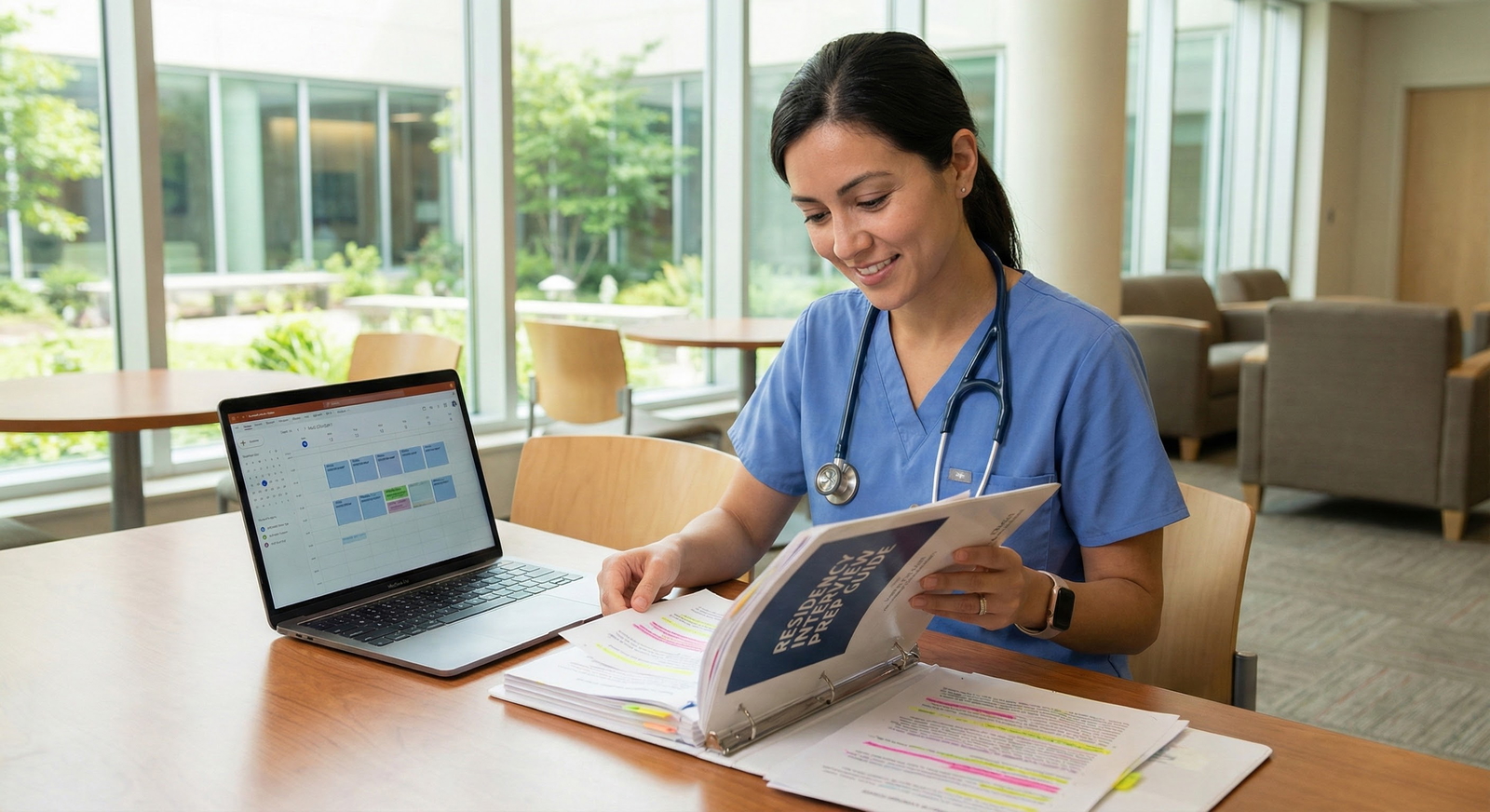
Print or digitally annotate your ERAS application and personal statement.
- Highlight any dates, experiences, or roles that may spark questions (e.g., a one-year research gap, change in specialty interest, significant extracurricular leadership).
- Note 2–3 key talking points for each major experience.
Create a “Talking Points” Document
Prepare a one-page reference for yourself (not to bring to the interview, but to mentally rehearse):- Top 3 clinical strengths as a future intern
- 2 areas for improvement and how you’re addressing them
- 3–4 patient care stories that illustrate who you are
- 1–2 leadership/teamwork stories
- 1 story about resilience or overcoming a challenge
Anticipate “Red Flag” Questions
If you have:- A Step failure or large score drop
- Course/clerkship failure or repeat year
- Major leave of absence
- Disciplinary concerns
Prepare a concise, honest, non-defensive explanation:
- What happened (briefly, without blaming others)
- What you learned
- Concrete steps you took to improve
- Evidence of sustained improvement since then
Programs aren’t looking for perfection—they’re looking for insight and growth.
Step 2: Clarify Your Transitional Year “Why”
One of the most common interview questions residency applicants to TY programs receive is:
- “Why a Transitional Year?”
- “Why not a categorical internship?”
- “How does a TY fit into your long-term goals?”
Strong answers usually include:
- Your future specialty and how you became interested in it
- The skills you want from a broad-based intern year (e.g., strong inpatient medicine base for radiology; procedural exposure for anesthesiology)
- Features of TY programs that align with your needs:
- Flexibility for away rotations or research
- Exposure to multiple specialties
- Balanced schedule to study for future boards
Example:
“I’m pursuing a Transitional Year because I’ll be starting a PGY-2 in diagnostic radiology. A broad-based TY will strengthen my clinical reasoning and comfort managing acute inpatient issues, which I see as critical when I’m interpreting images that directly impact emergent patient care. I’m particularly looking for TY programs with strong internal medicine and ICU exposure, as well as opportunities to rotate through radiology so I can start building relationships in my field.”

Program Research: Targeted Preparation for TY Interviews
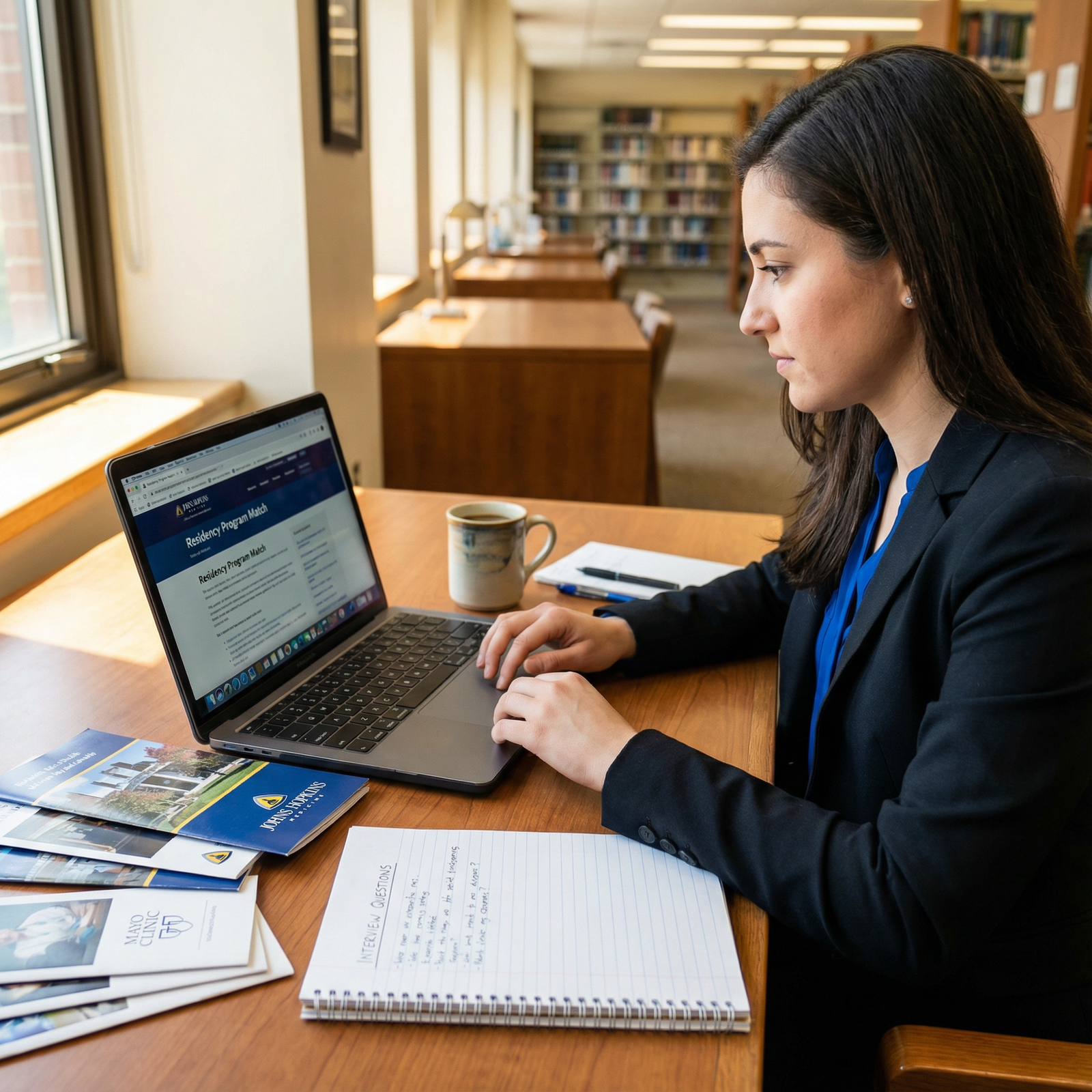
Every strong residency interview preparation strategy requires in-depth program research. For a TY program, this is even more nuanced.
What to Research for Transitional Year Programs
Go beyond the homepage and look for:
Program Structure and Rotations
- Required rotations: Inpatient medicine, ICU, ED, electives, ambulatory, night float
- Balance of inpatient vs. outpatient
- Schedule flexibility for advanced specialty-related rotations
Program Type and Culture
- University vs. community vs. hybrid
- Size of the program and number of TY spots
- Relationship with advanced specialties (e.g., linked radiology or anesthesia programs)
Educational Environment
- Didactics, noon conferences, morning report, simulation
- Mentorship/feedback structure
- Evidence of responsiveness to resident feedback (e.g., schedule changes over recent years)
Workload and Wellness
- Call schedule and night float model
- Average weekly work hours (if shared by residents)
- Moonlighting opportunities (if allowed)
- Wellness initiatives and mental health resources
Resident Outcomes
- Where do TY graduates go for PGY-2+?
- Do they match into competitive specialties?
- Fellowship placements (if relevant)
You can find much of this from:
- The program’s official website and handbook
- FREIDA / AAMC resources
- Resident-run social media accounts
- Online forums (with caution for bias)
- Reaching out to recent grads from your allopathic medical school match list who trained there
Using Research to Tailor Your Answers
Your program research should directly shape:
- Why this program? answers
- Questions you ask faculty and residents
- How you present your goals to fit the program’s strengths
Example alignment:
If the program has strong ICU and ED exposure:
Emphasize your interest in managing acutely ill patients and how that will help your advanced specialty (e.g., anesthesia, EM, critical care–oriented radiology practice).
If the program offers many electives:
Highlight your goal to explore subspecialties or dedicate time to research or focused skills before starting PGY-2.
Keep specific examples ready: “I noticed your curriculum includes two ICU blocks and a significant amount of ED time. That structure is appealing to me because…”
Mastering Core Residency Interview Questions for TY Programs
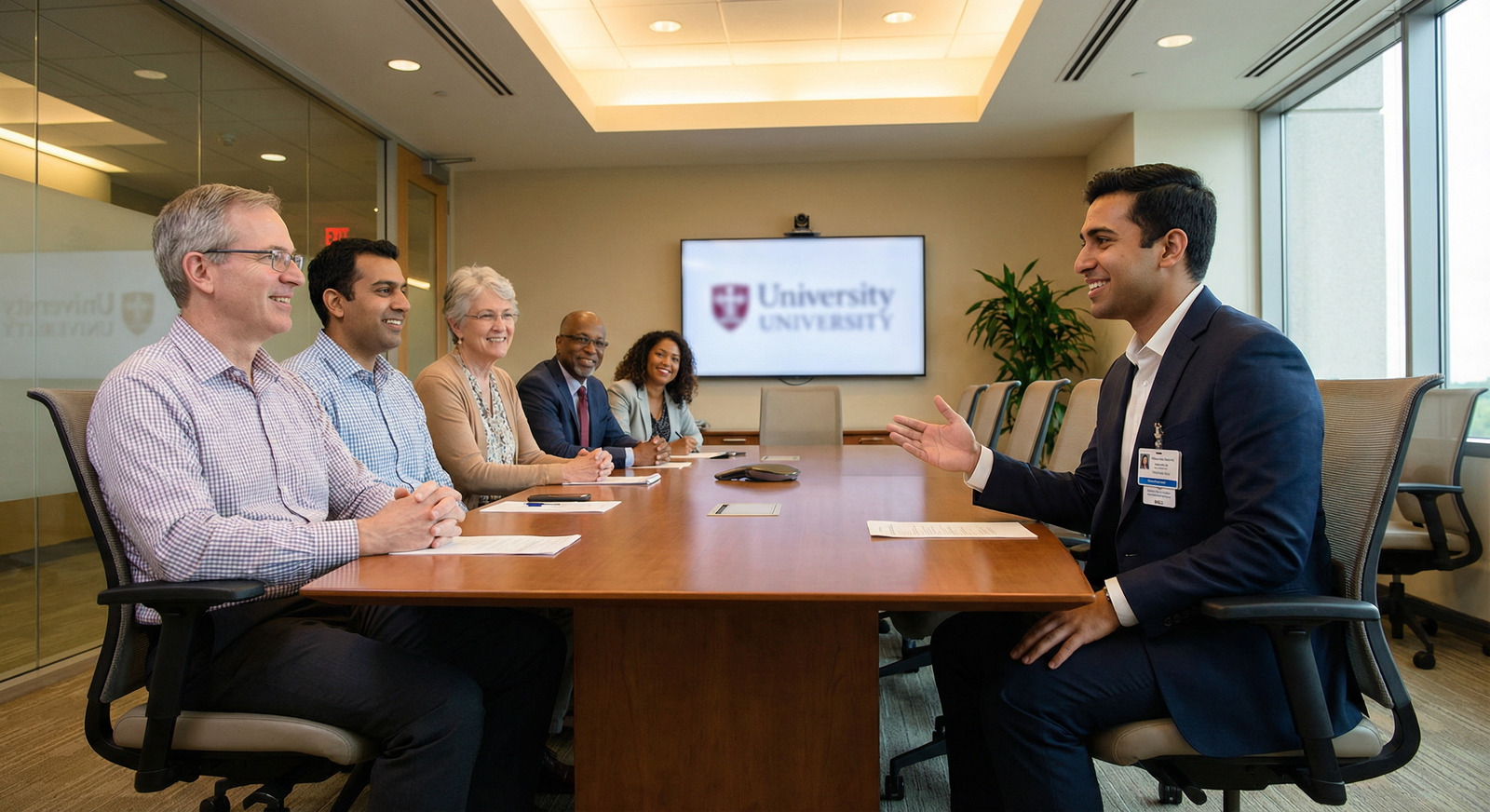
Once you understand your own story and have researched programs, the heart of how to prepare for interviews is deliberate practice with high-yield questions.
Foundational “Tell Me About Yourself” and Narrative Questions
These openers set the tone. Prepare a 60–90 second structured response:
- Current status: “I’m an MD graduate from [School]…”
- Academic and clinical highlights: Key clerkships, research, leadership
- Specialty focus: Your intended advanced specialty
- Personal angle: Brief note on your background, interests, or values
Example framework:
“I’m an MD graduate from an allopathic medical school with a strong interest in [advanced specialty]. During medical school, I found myself drawn to [describe clinical or academic themes], which led me to research in [topic] and additional electives in [relevant rotations]. I value collaborative team-based care and enjoy roles where I can bridge communication among different services—something I’m excited to do as an intern in a Transitional Year program. Outside of medicine, I [brief personal detail], which helps keep me balanced and grounded.”
Other personal narrative questions to prepare:
- “Walk me through your CV.”
- “How did you become interested in your specialty?”
- “What are your long-term career goals?”
TY-Specific Motivation Questions
Expect variants of:
- “Why a Transitional Year instead of a preliminary internal medicine or surgery year?”
- “How do you see this TY program supporting your PGY-2 training?”
- “What are you looking for in a Transitional Year program?”
Develop answers that show:
- You’ve thought deeply about structure and goals
- You value broad clinical training
- You understand the program’s strengths
Behavioral and Situational Questions
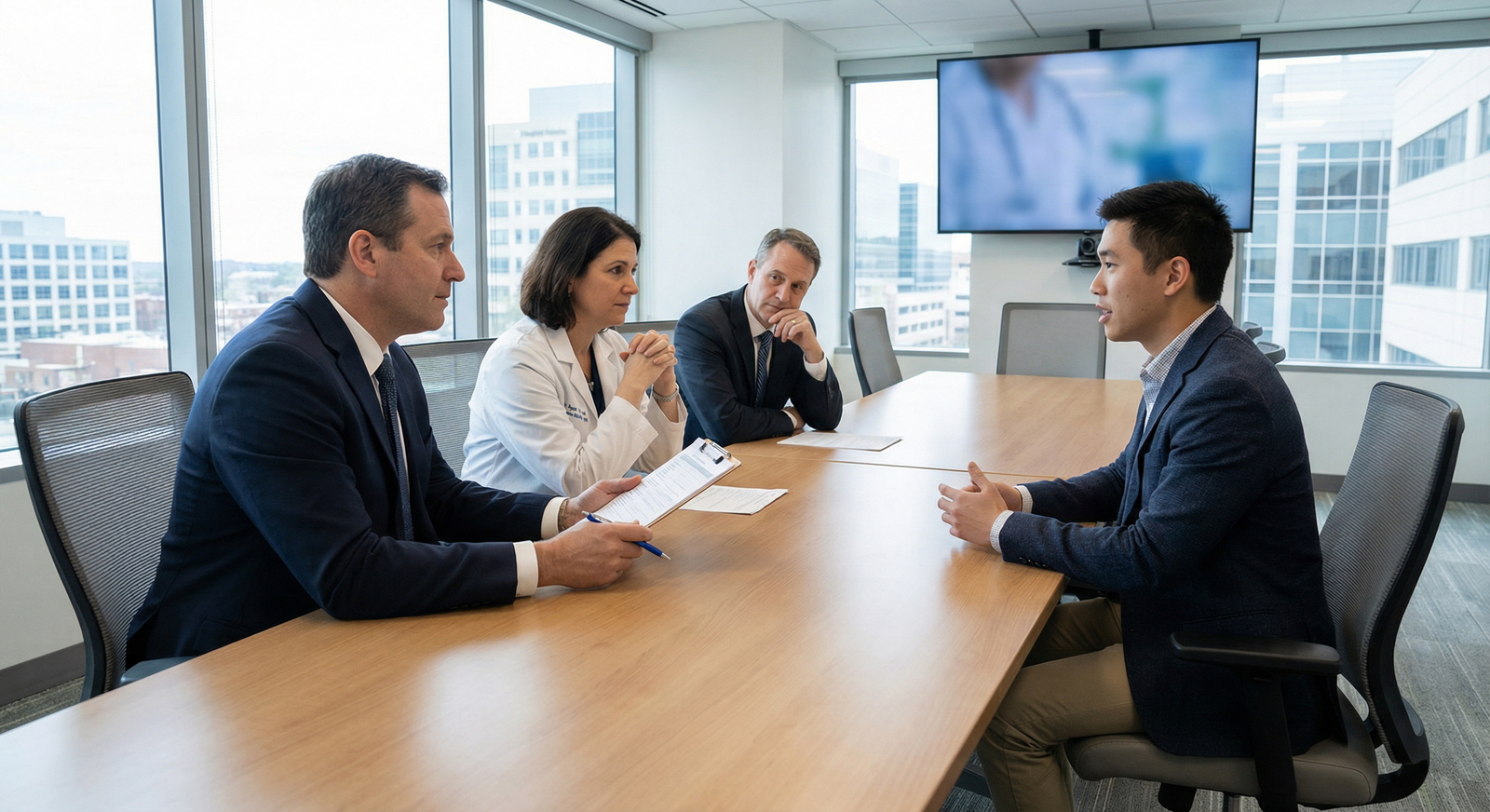
Residency interview preparation must include practicing responses to behavioral-style questions, often introduced with “Tell me about a time when…”
Common themes:
Teamwork and conflict
- “Tell me about a time you had a conflict on a team and how you resolved it.”
- “Describe a difficult interaction with a nurse or consultant.”
Professionalism and ethics
- “Tell me about a time you made a mistake.”
- “Describe a situation where you witnessed unprofessional behavior.”
Resilience and stress management
- “Tell me about a time you were overwhelmed and how you coped.”
- “How do you manage stress and prevent burnout?”
Use the STAR method (Situation, Task, Action, Result):
- Situation – Provide context in 1–2 sentences
- Task – What your role or responsibility was
- Action – Specific steps you took (focus here)
- Result – Outcome and what you learned
Your answers should demonstrate:
- Maturity and accountability
- Non-defensiveness
- Ability to work within systems and improve them
- Insight and growth
Classic Strengths and Weaknesses Questions
- “What are your strengths?”
- “What is your biggest weakness?”
For strengths as an aspiring TY resident, emphasize:
- Reliability and follow-through
- Communication skills
- Adaptability and quick learning across different services
- Team orientation and willingness to help colleagues
For weaknesses:
- Choose something genuine but not disqualifying (e.g., perfectionism, difficulty delegating, public speaking anxiety).
- Focus on what you’re actively doing to improve.
- Avoid clichéd or “humble-brag” answers (e.g., “I work too hard”).
Example:
“I’ve noticed that I can be overly self-critical when I don’t perform at the level I expect of myself. During third year, I sometimes dwelled on feedback longer than was helpful. Over the past year, I’ve worked on reframing feedback as data for growth rather than as judgment. I now create a short written plan after major feedback sessions and then revisit it with a mentor, which has helped me integrate feedback more constructively and maintain perspective.”

Practical Steps for High-Impact Pre-Interview Preparation
Beyond content, effective preparation for an MD graduate residency interview requires logistics, practice, and professionalism.
Step 1: Build a Structured Practice Plan
Mock Interviews
- Schedule mock interviews with:
- Your medical school’s career/advising office
- Faculty mentors in your intended specialty
- Recent TY or advanced residents
- Ask for targeted feedback on:
- Clarity of your answers
- Nonverbal communication
- Professionalism and enthusiasm
- How well your goals align with TY training
- Schedule mock interviews with:
Self-Recording
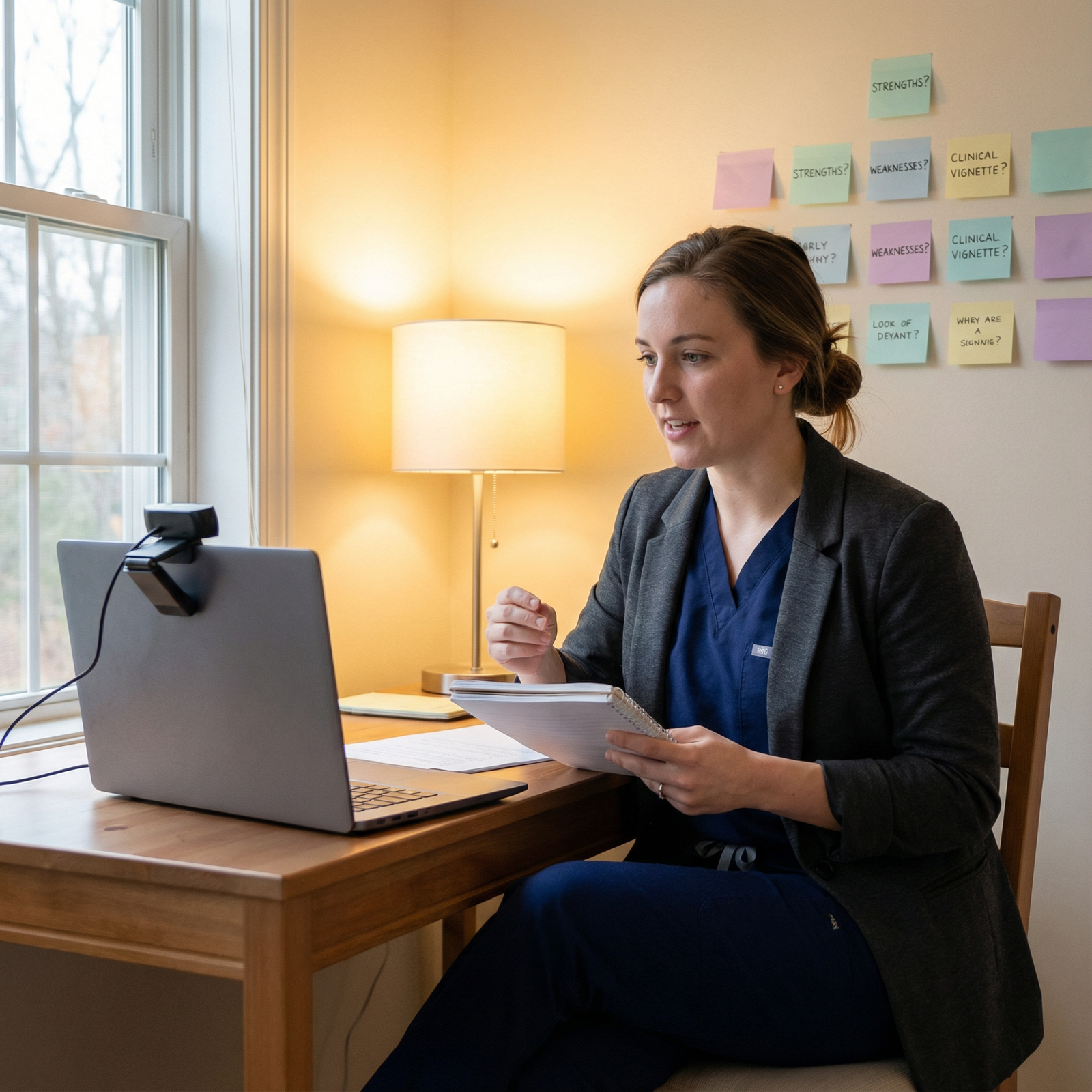
- Record yourself answering 5–7 common questions (including “Tell me about yourself” and “Why this program?”).
- Evaluate:
- Filler words (“um,” “like”)
- Eye contact with camera (for virtual)
- Rate and clarity of speech
- Length of answers (aim 60–90 seconds for most questions)
Create a Question Bank
- List out 30–40 potential interview questions residency programs might ask TY applicants.
- Draft bullet-point answers—not scripts—to keep responses natural.
Step 2: Prepare Strong Questions for Programs
Asking insightful questions shows you’re engaged and discriminating about fit. Avoid questions easily answered on the website. For TY programs, consider:
Curriculum and Clinical Experience
- “How is the balance between inpatient, ICU, and elective time structured for TY residents?”
- “How much flexibility do TY residents have in shaping their elective schedule to support their advanced specialty?”
Education and Support
- “How are TY residents integrated into didactics with categorical residents?”
- “What kind of feedback and mentorship structure exists for Transitional Year interns?”
Culture and Wellness
- “How would you describe the culture between faculty and residents on a daily basis?”
- “What does the program do to support resident wellness, especially during ICU or ED-heavy months?”
Outcomes
- “Where have recent TY graduates gone after completion, and how does the program support transitions into PGY-2 roles?”
Having 8–10 polished questions ready allows you to adapt based on who you’re speaking with (program director, faculty, resident).
Step 3: Organize Logistics Meticulously
Residency interview preparation is not just content; organization sends a signal of reliability—essential for any intern.
Interview Tracker Create a simple spreadsheet with:
- Program name and type (university/community)
- Date/time (adjusted for time zone)
- Interview format (virtual vs. in-person)
- Interviewers’ names and roles (if known)
- Key features you like about the program
- Follow-up actions (thank-you notes, additional documents)
Document Folder Prepare a digital folder with:
- Updated CV
- Personal statement
- PDF copies of your ERAS application
- Any publications/posters (in case they come up)
Professional Attire and Appearance
- Choose conservative, comfortable attire (suit or equivalent) that you can wear confidently.
- Test how it appears on camera for virtual interviews (colors, fit).
Tech Readiness for Virtual Interviews
- Stable internet connection
- Quiet, well-lit background (prefer light in front of your face, not behind)
- Test microphone, speakers/headset, and camera
- Install and test required platforms (Zoom, Teams, Webex) at least a day in advance
Mental Framing, Professionalism, and Post-Interview Strategy
How you think about the interview process will shape how you come across.
Cultivate the Right Mental Framework
You Are Interviewing the Program Too
- Transitional Year experiences vary widely; some are supportive and educational, others are more service-heavy.
- Approach each day as a two-way evaluation: “Can I thrive here for a year?”
Confidence Without Arrogance
- You have completed an allopathic medical school curriculum and are ready for residency-level work.
- Be confident in your preparation and skills, but open to feedback and growth.
Consistency Across Interviews
- Your core story, values, and goals should remain steady across programs.
- Tailor details to program features without contradicting yourself.
Professionalism Details That Matter
- Punctuality: Aim to log in 10–15 minutes early for virtual interviews and arrive 20–30 minutes early in person.
- Communication style: Be polite, concise, and avoid negative comments about other programs, institutions, or individuals.
- Respect for All Staff: Treat coordinators, residents, and administrative staff with the same respect you give the program director. Their impressions often matter.
Build a Post-Interview Reflection System
Immediately after each interview:
Take 10–15 minutes to jot down:
- Program strengths and concerns
- Culture impressions (supportive, competitive, collaborative)
- How residents seemed (tired, engaged, satisfied, neutral)
- Specific policies or opportunities that stood out
Rate each program on a few dimensions:
- Clinical training quality
- Support/wellness
- Fit with your advanced specialty goals
- Geographic/personal considerations
This structured reflection will help you create a deliberate rank list later, rather than relying on vague memories.
Thank-You Notes and Communication
Practices vary by specialty and program, but as a rule:
- Sending brief, individualized thank-you emails within 24–72 hours is professional.
- Reference a specific part of your conversation to show authenticity.
- Avoid statements that could be interpreted as a binding commitment (“I will rank you #1”); be honest and aligned with NRMP rules.
Example:
“Thank you again for taking the time to speak with me about the Transitional Year program. I especially appreciated our discussion about how TY residents are supported in tailoring their elective time to align with future specialty training. The program’s emphasis on broad clinical exposure and close mentorship resonates strongly with my goals as I prepare for [specialty].”
FAQ: Pre-Interview Preparation for MD Graduates in Transitional Year
1. How should an MD graduate residency applicant balance interviews for TY and advanced positions?
If you’re still interviewing for both a TY program and an advanced PGY-2 position, create clarity in each context. With TY programs, emphasize your openness and readiness for a broad-based intern year and articulate the type of advanced specialty you’re targeting (even if you’re still deciding between a narrow set). With advanced programs, clarify how a strong Transitional Year will prepare you clinically. Use a shared core narrative but tailor emphasis depending on which position you’re interviewing for that day.
2. What are the most common interview questions residency programs ask specifically for Transitional Year applicants?
In addition to general questions (strengths/weaknesses, teamwork, conflict, resilience), TY programs frequently ask:
- “Why a Transitional Year instead of a preliminary program?”
- “What are you looking for in a TY program?”
- “How do you see your future specialty benefiting from a broad-based intern year?”
- “How will you contribute to our program community, given that you will be with us for only one year?”
Preparing specific, thoughtful responses to these will significantly strengthen your residency interview preparation.
3. Do TY programs care as much about research and academic productivity?
Expectations vary. Some university-based programs, especially those closely linked with competitive specialties (dermatology, radiology, radiation oncology), may value research more. Community-based TY programs may place more emphasis on clinical performance, work ethic, and team skills. Still, even in clinically oriented programs, scholarly work shows initiative and follow-through. In interviews, emphasize how your research experience has made you more methodical, evidence-based, and comfortable with uncertainty—traits valuable in any intern.
4. How can I demonstrate genuine interest in a TY program during the interview?
Demonstrate interest through:
- Specific references to the program’s curriculum, rotation structure, and unique features
- Thoughtful questions that go beyond basic website information
- Clear explanations of how the program’s strengths align with your advanced specialty and career goals
- Professional, timely follow-up communication
Programs can easily tell when an applicant has done surface-level research. Depth and specificity are your best tools to show authentic interest.
By systematically understanding your own story, researching programs, practicing high-yield interview questions, and organizing both logistics and mindset, you can walk into each Transitional Year interview as a confident, prepared MD graduate residency candidate. This level of preparation will not only improve your performance on interview day, but also help you identify the TY program where you’ll grow the most in your crucial intern year.