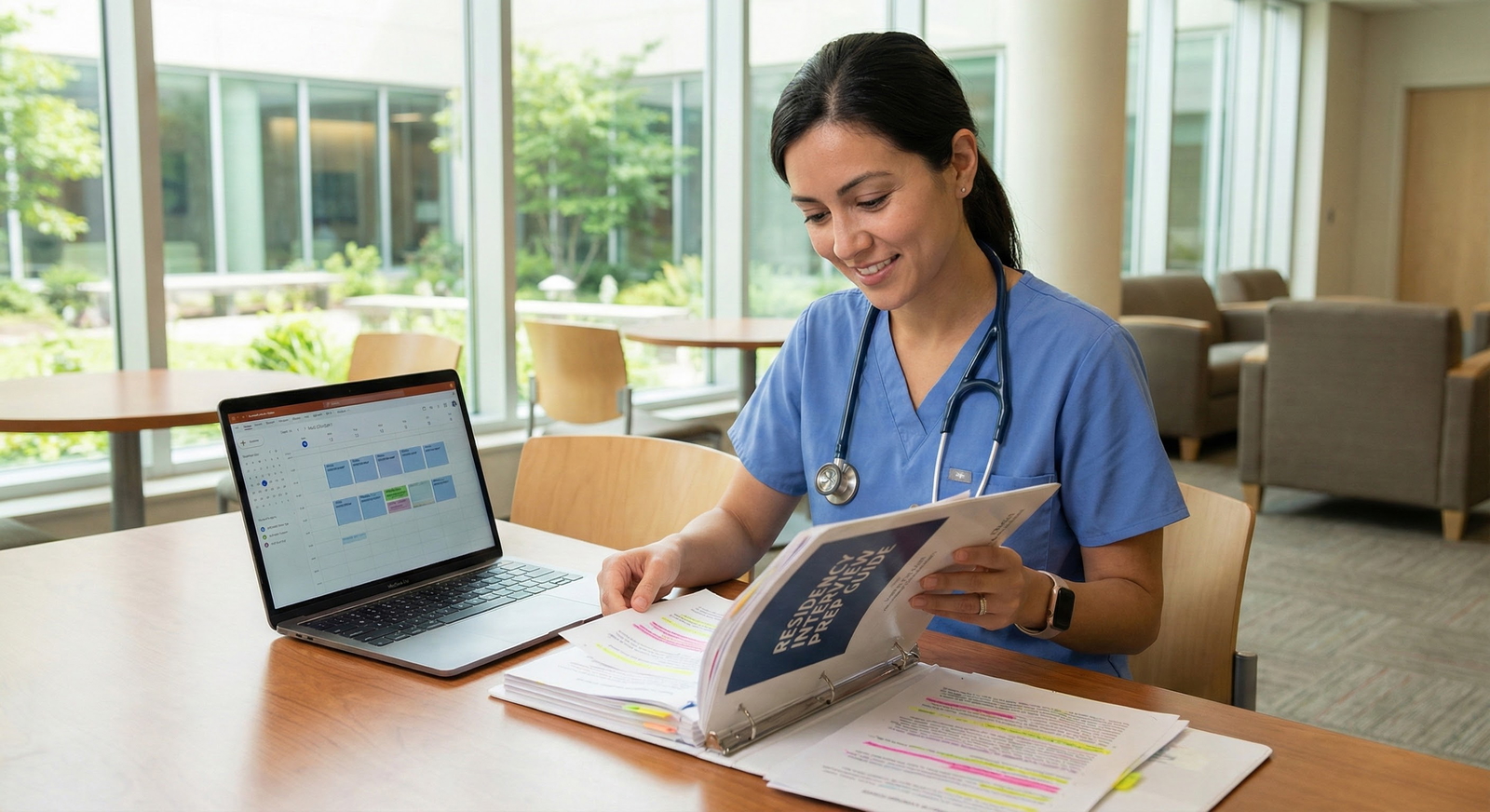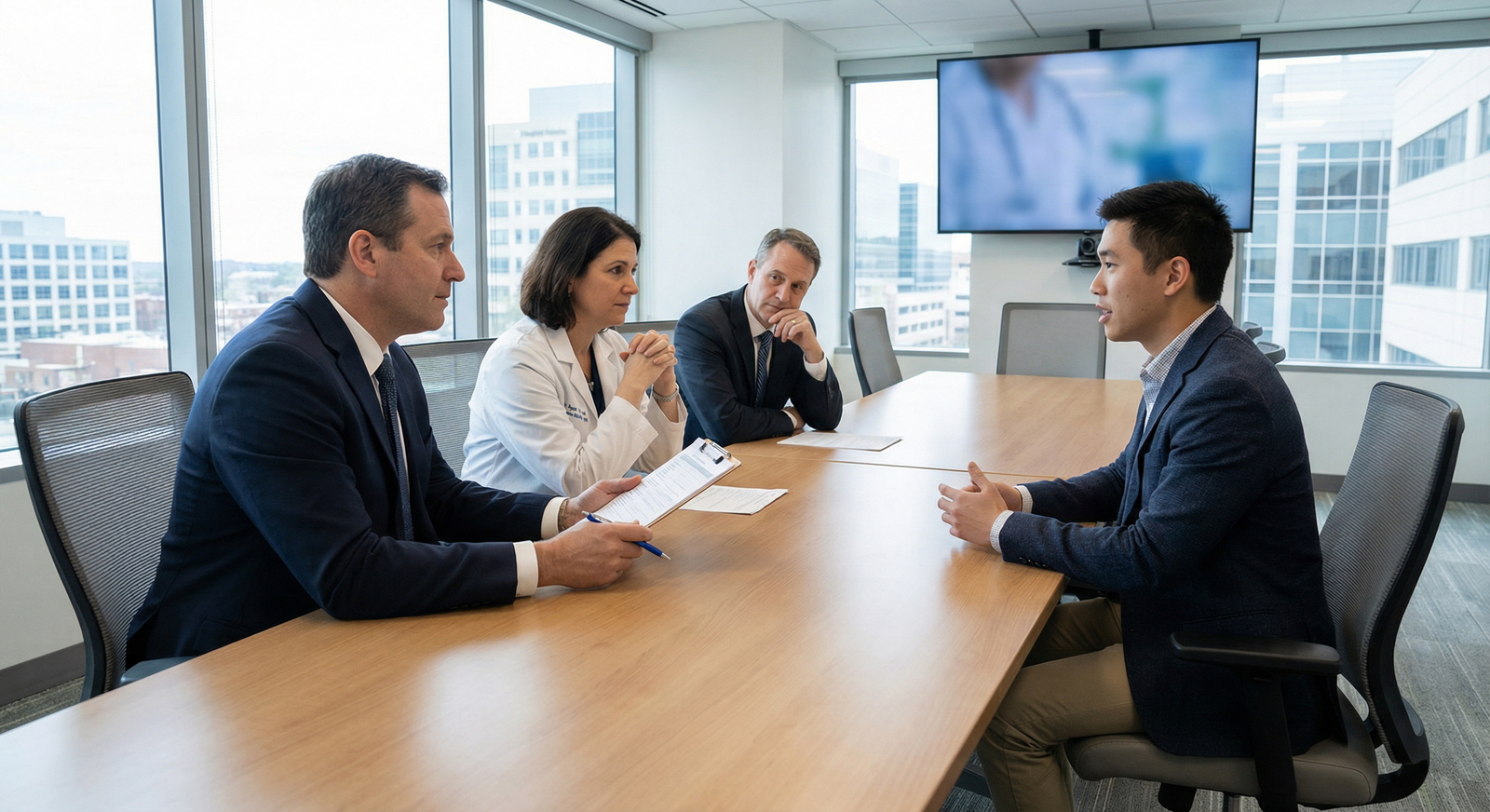
As a US citizen IMG (American studying abroad) aiming for a Transitional Year (TY) residency, what you do before interview invitations and before each interview day often matters as much as your performance on interview day itself. Pre-interview preparation can compensate for some application weaknesses, highlight your strengths, and help you stand out in a highly competitive environment.
Below is a structured, step‑by‑step guide focused specifically on pre-interview preparation for US citizen IMGs applying to Transitional Year programs.
Understanding the Transitional Year Landscape as a US Citizen IMG
Before you can prepare effectively, you need to understand the unique context in which you’re interviewing.
What Makes Transitional Year Programs Different
A Transitional Year residency (TY program) is:
- A one-year, broad-based clinical training year
- Often used as a preliminary year before specialties like radiology, anesthesiology, dermatology, neurology, PM&R, ophthalmology, or radiation oncology
- Usually more generalist in structure, with a mix of internal medicine, surgery, emergency medicine, and electives
Because TY spots are limited and many advanced specialties highly value them, TY programs tend to be:
- Competitive on paper (you’ll be compared with US MDs, DOs, and IMGs)
- Focused on clinical readiness, reliability, and professionalism
- Interested in how well you’ll represent the program when you move on to your advanced specialty
US Citizen IMG: Advantages and Challenges
As a US citizen IMG (sometimes described as an “American studying abroad”), you have a distinct profile:
Advantages:
- No visa sponsorship needed → administrative barrier is lower
- Often familiar with US culture, communication norms, and sometimes US undergrad experiences
- Potential US clinical exposure (USCE) obtained during summers or electives
Challenges:
- Still perceived by some programs as “IMG” in the traditional sense
- Might have less longitudinal US clinical experience than US MD/DO peers
- May have limited access to in-person networking compared with US students
What this means for your interviews:
- You must explicitly communicate why being an American studying abroad is a strength, not a liability.
- You need to demonstrate that:
- You understand the US healthcare system
- You can function on Day 1 of residency
- You are reliable, adaptable, and easy to work with
Step 1: Strategic Preparation Before Interview Invitations Arrive
Pre-interview preparation actually starts months before your first invite.
Clarify Your Profile and Story
You need a coherent, compelling narrative that ties together:
- Being a US citizen IMG
- Your Transitional Year goals
- Your advanced specialty interests (if applicable)
Ask yourself:
- Why did I go to medical school abroad as an American?
- Why am I choosing a Transitional Year instead of a categorical program?
- How does a TY program fit into my long-term plan?
Create a brief “core story” you’ll consistently reflect in your:
- ERAS application
- Personal statement
- Emails
- Residency interview answers
Example narrative structure:
“I grew up in [US city] and completed my undergraduate degree at [US institution]. I chose to attend medical school in [country] because [specific reasons—cost, family, cultural ties, opportunity for hands-on experience]. Training abroad taught me [three specific skills/strengths]. Now, as I pursue a Transitional Year with the goal of starting [advanced specialty], I’m looking for a program that emphasizes [continuity, clinical rigor, teaching, etc.], where I can contribute my experience in [specific setting/skill] and grow into a dependable PGY-1 who is ready for advanced training.”
Clean and Align Your Application Materials
The more aligned your materials are with your story and goals, the easier residency interview preparation becomes.
Re-read your ERAS application and personal statement.
- Note the themes you emphasized (teamwork, resilience, leadership, research, global health, etc.).
- Highlight every experience that might lead to questions: gaps, transfers, low scores, unusual electives, late USMLE attempts.
Make a “probable questions” list based on your own application:
- “Tell me about your US clinical experience.”
- “Why did you attend medical school in [country]?”
- “What happened during [gap semester / leave of absence]?”
- “I see you failed Step 1 on your first attempt. What did you learn from that experience?”
- “Describe your research in [topic].”
Prepare talking points (not scripts) for each:
- Brief context
- What you did
- What you learned
- How it made you a better candidate for a Transitional Year residency
Build a Targeted TY Program List and Research System
Even before interview offers arrive, set up a system to research and track programs.
Create a spreadsheet that includes:
- Program name & NRMP code
- Location and affiliated hospital
- Program director (PD) and coordinator contact info
- Types of rotations (medicine vs. surgery vs. electives, ED, ICU exposure)
- Typical career paths of graduates (into which advanced specialties)
- Notes on:
- Size of the program
- EMR system
- Night float vs. 24-hour call
- Reputation for supporting IMGs or US citizen IMGs
- Unique program features (global health, teaching responsibilities)
This pre-work will make program-specific interview preparation much easier later.
Step 2: Core Residency Interview Preparation for US Citizen IMGs
Once interview season is approaching, shift into more focused preparation.
Master the Most Common Interview Questions for Residency
You must have clear, practiced answers for the core interview questions residency programs use across specialties, tailored to the TY context.
Common “must-prepare” questions:
“Tell me about yourself.”
- Structure: Past → Present → Future
- Emphasize:
- Your US background
- Why you studied abroad
- What you’re doing now (clinical/research)
- Your future goals (Transitional Year → advanced specialty)
“Why Transitional Year and not a categorical position?”
- Explain:
- Your long-term specialty goal (radiology, anesthesia, derm, etc.)
- Why a broad-based PGY-1 year will make you a better [future specialist]
- How you value exposure to multiple disciplines
- Explain:
“Why our program?”
- Tie your goals to:
- Their rotation structure
- Educational philosophy
- Call schedule and learning environment
- Support for residents going into advanced specialties
- Tie your goals to:
“Why did you attend medical school abroad?”
- Avoid defensive tone.
- Provide:
- Clear, honest reasons (cost, family, opportunity, unique clinical exposure)
- Focus on growth, resilience, adaptability
- How training abroad makes you stronger for US residency
“What are your strengths and weaknesses?”
- Use examples from your international training:
- Strengths: adaptability, cultural competence, resourcefulness, work ethic
- Weakness: specific, believable, and actively being improved (not “perfectionism” only)
- Use examples from your international training:
“Tell me about a challenging clinical situation and how you handled it.”
- Use a US-based example if possible (USCE, observership, externship).
- If using an international case, clearly contextualize differences in system and resources, and highlight transferable skills.
“What are your plans after the Transitional Year?”
- Be honest and focused.
- Show clear vision without sounding uninterested in the TY itself.
- Emphasize that a strong, well-rounded PGY-1 foundation is critical for your future specialty.
Red flags questions (if applicable):
- “Can you explain your USMLE attempt(s)/gap/year off?”
- “Why did it take longer to complete medical school?”
- “Why do your scores differ between Step 1 and Step 2?”
For each, practice answering aloud until you can respond:
- Confidently
- Concisely (1–2 minutes)
- Naturally, without sounding memorized

Tailor Your Preparation to the TY Setting
Transitional Year programs want to see that you:
- Understand the generalist nature of the year
- Can thrive in multiple environments (wards, ED, ICU, clinics, electives)
- Are safe, reliable, and teachable
When practicing interview questions for residency, incorporate TY-specific lenses:
- When discussing clinical cases, highlight:
- Breadth of exposure
- Cross-disciplinary collaboration
- When discussing your goals:
- Show how you’ll make the most of the year
- Mention interest in core rotations AND electives
- When discussing strengths:
- Emphasize traits that matter for a busy, varied PGY-1 year:
- Time management
- Communication skills
- Situational awareness
- Comfort asking for help
- Emphasize traits that matter for a busy, varied PGY-1 year:
Step 3: Practical Residency Interview Preparation – Skills and Logistics
Build an Efficient Mock Interview System
To answer “how to prepare for interviews” effectively, you need repetition with feedback.
Start with solo practice:
- Record yourself on your phone or laptop.
- Use a list of common questions (including all the ones above).
- Practice 3–5 questions daily for 1–2 weeks.
Progress to mock interviews:
- Ask:
- A mentor or attending in the US
- Your school’s career advisor
- Upper-year residents (especially previous TY residents)
- Peers applying in the same cycle
- Simulate virtual interview conditions (Zoom/Teams/WebEx):
- Proper lighting
- Professional background
- Business attire
- Minimal distractions
- Ask:
Request specific feedback:
- Clarity of answers
- Filler words (“um,” “like,” “you know”)
- Eye contact and posture
- Rambling or going off-topic
- Any unintended defensive tone when discussing IMG status or red flags
Prepare for Virtual Interview Logistics
Most programs continue to use virtual interviews at least partially. As an American studying abroad, this works in your favor—but only if you’re technically prepared.
Checklist:
- Stable internet: Test bandwidth, consider backup options (hotspot).
- Good audio: Use wired or quality wireless headphones with a microphone.
- Professional backdrop:
- Neutral wall or neat bookshelf
- Avoid distracting decor or clutter
- Lighting:
- Light source in front of you, not behind
- Test at the same time of day as your interview
- Technology rehearsal:
- Install required platforms (Zoom, Teams, etc.).
- Test login links beforehand.
- Know how to mute/unmute and share screen (for rare cases).
- Time zone management:
- Double-check interview times if you’re abroad during interviews.
- Convert correctly, and block out:
- 30–45 minutes before the interview
- 15–30 minutes after (for notes)
Create a “virtual interview kit” nearby:
- Printed or digital copy of your ERAS CV and personal statement
- Short bullet list: 3 strengths, 3 key experiences, 3 things you want the program to remember about you
- List of questions you’ll ask the program
- Water, tissues, pen, notepad
Professional Appearance and Nonverbal Communication
Even virtually, your appearance and manner heavily influence impressions.
- Attire:
- Business formal: suit jacket or blazer, shirt/blouse; tie optional but recommended for a more traditional look
- Neutral or muted colors; avoid loud patterns
- Body language:
- Sit upright, slightly forward
- Avoid fidgeting or swiveling in your chair
- Look at the camera, not the screen, when speaking
- Nod and use subtle facial expressions to show engagement
- Tone and pace:
- Speak clearly and confidently
- Slow down slightly, especially if you’re excited or nervous
- Pause briefly before answering to organize thoughts
Step 4: Program-Specific Research and Customization
Generic answers are easy to spot. Deep, targeted preparation shows maturity and genuine interest.
How to Research a TY Program Effectively
For each program where you might interview (or hope to), gather the following:
Official website:
- Rotation schedule (what proportion IM, surgery, electives)
- ICU and ED requirements
- Educational conferences and teaching styles
- Call schedule, night float
- Resident wellness/mentorship structures
FREIDA, AAMC, and program PDFs:
- Number of residents
- Graduate destinations (which advanced specialties and which institutions)
- Any mention of IMG-friendly policies
Social media (X, Instagram, Facebook, LinkedIn):
- Recent changes (new PD, new tracks)
- Resident spotlights or alumni achievements
- Program culture (informal events, wellness days, community engagement)
Word of mouth:
- Ask previous TY residents you know
- Ask advanced specialty residents where they did their preliminary or TY year
- Use school alumni networks
Create 3–5 bullets for each program:
- Something specific you like about:
- The curriculum
- The teaching environment
- The culture or location
- How that connects to:
- Your background as a US citizen IMG
- Your targeted advanced specialty
- Your learning style and goals
Turning Research Into Strong “Why Our Program?” Answers
A strong answer to “Why our program?”:
- Is specific (not “good teaching” or “nice location” alone)
- Connects their strengths to your personal goals
- Feels authentic, not memorized
Example (strong, TY-specific answer):
“I’m particularly drawn to your Transitional Year because of the balance between medicine, surgery, and elective time. As someone planning to pursue diagnostic radiology, I value the opportunity to develop broad clinical skills and understand workflows across services. I also appreciate that your residents have dedicated teaching conferences three mornings a week and that the program has a track record of graduates matching into radiology and anesthesiology. Coming from an international medical school as a US citizen, I’m eager for a structured, well-supervised environment where I can solidify my clinical judgment and communication in the US system, and your program’s emphasis on mentorship from faculty aligns perfectly with what I’m looking for.”

Step 5: Pre-Interview Week and Day-Of Preparation
Once you have scheduled interviews, your preparation becomes more targeted and time-sensitive.
The Week Before Each Interview
For each program:
Re-read your ERAS application and personal statement.
- Remind yourself what they’ve seen.
- Mark experiences that align particularly well with this program’s features.
Review your program research bullets.
- Add any recent updates from social media or news.
- Highlight 2–3 items you definitely want to mention.
Prepare high-yield questions for interviewers. Aim for questions that:
- Cannot be easily answered from the website
- Show depth of thought
Examples:
- “How do you see the Transitional Year curriculum evolving over the next few years?”
- “How does the program support residents who are preparing for advanced specialty boards or exams during this year?”
- “What differentiates residents who thrive in this program from those who struggle?”
- “Could you describe the level of responsibility TY residents have on ICU and night rotations?”
Schedule at least one mock interview focusing on:
- Program-specific answers
- Polish and timing
Check logistics:
- Confirm interview date and time (and time zone).
- Confirm platform and access link.
- Review any instructions from the coordinator (background checks, second-look events, etc.).
The Day Before
- Test:
- Internet connection
- Webcam and microphone
- Backdrop and lighting
- Lay out:
- Interview attire (pressed, ready)
- Notepad, pens
- Printed or on-screen notes (brief bullet list only)
- Set:
- Multiple alarms
- Calendar reminders with links
- Light review:
- Your core story
- Common questions list
- Program-specific notes
Avoid:
- Cramming late into the night
- Starting new exhaustive research
- Rewriting your core answers at the last minute
Aim for calm familiarity, not frantic last-minute changes.
The Morning of the Interview
- Dress fully in professional attire (even if only your upper body is visible).
- Eat a light, energy-sustaining meal.
- Do:
- 5–10 minutes of deep breathing or short physical activity to reduce anxiety
- A quick tech test: join a test Zoom with a friend or use the platform’s test feature
- Log into the meeting platform 10–15 minutes early.
- Have your notes visible but out of camera view; use them sparingly.
Immediately After the Interview
While everything is fresh:
Write down key impressions:
- What you liked about the program
- Any red flags or concerns
- Names and roles of interviewers
- Specific details you discussed (cases, hobbies, research topics)
Reflect on your performance:
- Which answers felt strong?
- Which questions tripped you up?
- What will you adjust for the next interview?
Plan thank-you notes if the program welcomes them:
- Short, specific, and genuine
- Reference something concrete from your conversation
- Reinforce interest in TY and fit as a US citizen IMG
Special Considerations for US Citizen IMGs
Addressing IMG Status Confidently
You will likely be asked—directly or indirectly—about training abroad. Preparation is vital to avoid sounding apologetic or uncertain.
Your answer should:
- Be straightforward and matter-of-fact.
- Reflect intentional choice or thoughtful adaptation (even if circumstances pushed you).
- Highlight what you gained:
- Exposure to diverse pathology
- Cultural humility and sensitivity
- Flexibility and resourcefulness
- Strong clinical exam skills in resource-limited settings
Then bridge back to the US context:
“Training in [country] required me to become comfortable with limited resources and to rely heavily on physical exam and clinical judgment. When I transitioned into US clinical experiences, I found those skills very useful in busy ward environments. Now, as I look toward a Transitional Year, I’m excited to apply that foundation within a structured US teaching environment and continue refining my skills under close supervision.”
Emphasizing Your US Ties and Long-Term Commitment
Programs may feel more comfortable when they know you’re committed to staying and practicing in the US.
Highlight:
- Your US upbringing or education
- Family or support systems in the US
- Long-term plans to train and practice in the US
- Any state or regional preferences (if true)
This is especially important if you’re interviewing while still abroad; your goal is to reassure programs about:
- Your comfort with US culture
- Your communication skills
- Your long-term alignment with US healthcare
FAQs: Pre-Interview Preparation for US Citizen IMG in Transitional Year
1. As a US citizen IMG, how should I explain why I chose to study medicine abroad during residency interviews?
Be honest and strategic. Briefly explain your reasons (cost, opportunity, personal/family reasons, cultural connection, or school strengths) and then pivot to what you gained—resilience, adaptability, exposure to diverse patient populations. Emphasize how your international training complements your US ties and prepares you for a Transitional Year in the US system.
2. How many mock interviews should I do to feel prepared for TY program interviews?
Aim for at least 3–5 structured mock interviews:
- 1–2 focusing on general common questions
- 1 focusing on red flags or complex parts of your story
- 1–2 mimicking actual virtual interview conditions with strangers or mentors.
If you get feedback that you’re rambling or sounding memorized, adjust your answers and repeat targeted practice rather than endlessly increasing the number of mocks.
3. What types of interview questions are unique or especially important for Transitional Year programs?
TY interviews particularly emphasize:
- “Why Transitional Year?” and “Why not a categorical program?”
- “What are your long-term specialty plans?”
- “How will you use this year to prepare for your advanced training?”
Prepare to connect the breadth of TY training—medicine, surgery, electives, ICU, ED—to your advanced specialty, and to show that you value the educational experience, not just “checking a box” for PGY-1.
4. How can I stand out as a US citizen IMG during residency interview preparation for Transitional Year?
Stand out by combining:
- A clear, confident narrative about being an American studying abroad
- Strong evidence of clinical readiness (especially US clinical experience)
- Thoughtful, program-specific research and questions
- Polished virtual interview skills (professional environment, strong communication)
- Genuine interest in making the most of the TY year, not treating it as a placeholder
Programs remember applicants who are prepared, self-aware, and genuinely enthusiastic about both Transitional Year training and their long-term specialty goals.
With deliberate, structured preparation focused on your unique profile as a US citizen IMG and the specific nature of Transitional Year programs, you can turn interviews into opportunities to showcase your readiness, maturity, and fit—ultimately strengthening your position in the Match.