Understanding the Landscape: Family Medicine Residency for DO Graduates
Family medicine is one of the most DO-friendly specialties, and DO graduates have an excellent track record in the FM match. Yet, success is not guaranteed. Program directors increasingly expect polished residency interview preparation, strong communication skills, and a clear understanding of how osteopathic training fits into modern primary care.
Before the interview invitation even arrives, you should be thinking strategically:
- How will you communicate your identity as a DO graduate?
- How will you show that family medicine is your first choice, not a “backup” specialty?
- How will you demonstrate readiness for residency in a busy, community-oriented field?
In this guide, we will walk through how to prepare for interviews step-by-step, focusing on pre-interview preparation specifically tailored to a DO graduate seeking a family medicine residency position.
We will cover:
- Researching programs and the FM match landscape as a DO
- Clarifying your personal and professional narrative
- Anticipating and practicing common and advanced interview questions residency programs ask
- Preparing for virtual interviews and in-person visits
- Organizing logistics, mindset, and post-invitation strategy
Step 1: Understand Your Value as a DO in Family Medicine
Before you can convince a program, you must be crystal clear about your own value proposition as a DO applicant in the family medicine residency arena.
A. Why Family Medicine Needs DOs
Family medicine emphasizes:
- Whole-person care
- Continuity of care across the lifespan
- Community and population health
- Preventive medicine and behavioral health
These are naturally aligned with osteopathic principles:
- Treating the whole person
- Considering mind-body-spirit
- Focusing on function and lifestyle, not just disease
- Utilizing hands-on physical exam and, when appropriate, OMT
As a DO graduate, you likely bring:
- Additional training in musculoskeletal medicine
- Comfort with hands-on patient interaction
- A strong primary care identity from many osteopathic schools
Spend time writing out how your DO training concretely supports your future as a family physician. You will use this in responses like:
- “Why family medicine?”
- “Why did you choose osteopathic medicine?”
- “How does OMT fit into your future practice?”
B. Assessing Your Competitiveness in the Osteopathic Residency Match
While the single accreditation system has blurred some lines, DO graduates still benefit from many FM programs that are historically DO-friendly. Pre-interview preparation includes an honest self-assessment:
Consider:
- COMLEX and, if taken, USMLE scores
- Class rank and clinical evaluations
- Strength and specificity of letters of recommendation (especially from family physicians)
- Demonstrated commitment to underserved care, continuity of care, or primary care
Use this assessment to:
- Create a realistic program list
- Anticipate potential concerns programs might have (e.g., a low COMLEX score, leave of absence, or a failed exam)
- Prepare evidence-based, concise explanations for any red flags
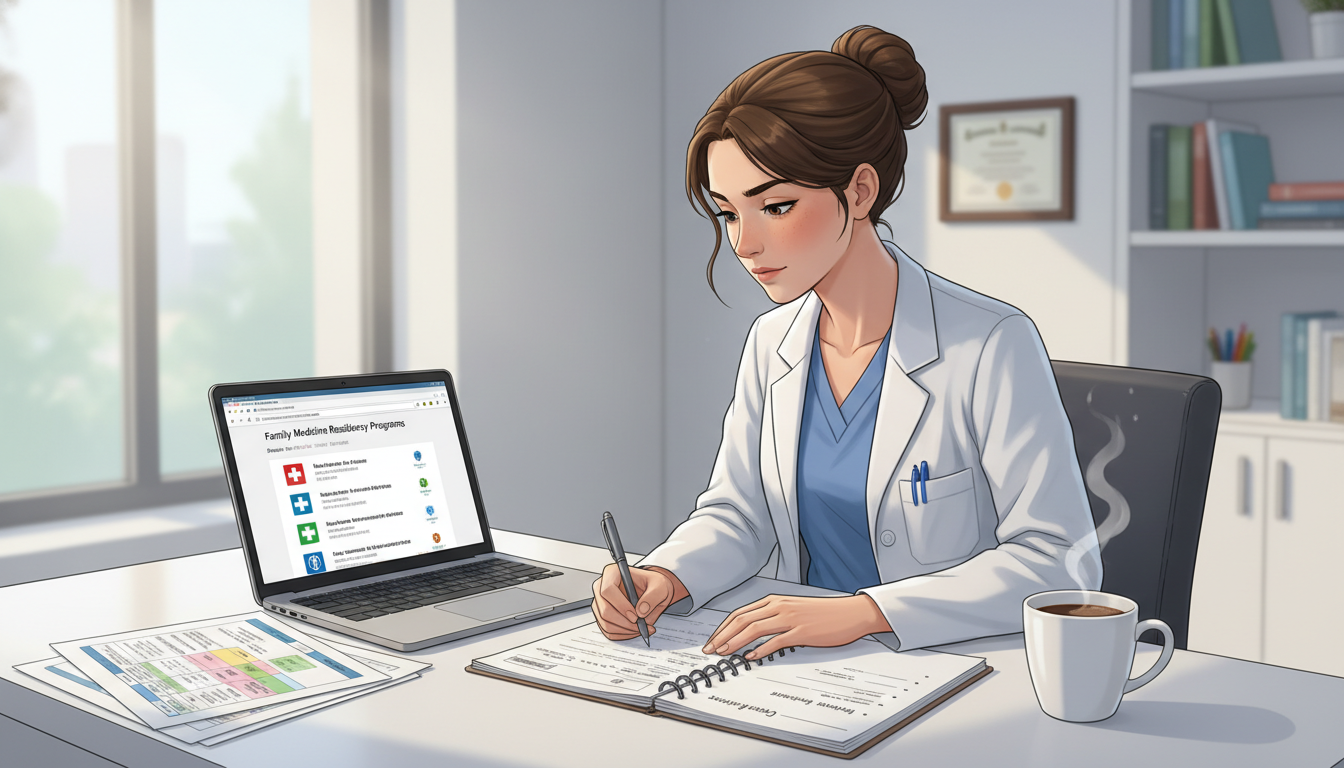
Step 2: Strategic Program Research Before the Interview
Pre-interview preparation starts long before you sit down in front of a faculty panel. For the osteopathic residency match in family medicine, targeted research is vital.
A. Build a Program Profile Sheet
Create a simple spreadsheet or document for each program with:
- Location and setting: Urban, suburban, rural; academic vs community
- Program size and structure: Number of residents, inpatient vs outpatient emphasis
- Osteopathic presence:
- DO faculty and leadership
- OMT clinics or osteopathic recognition (if applicable)
- Curricular features:
- Continuity clinic model
- Behavioral health integration
- OB exposure and procedures
- Community outreach, global health, or special tracks
- Patient population: Underserved, immigrant health, rural, urban underserved, etc.
- Mission and values: Look at the program’s website, social media, and any mission statements
- Red flags or concerns: Recent major changes, resident attrition, location challenges
This research allows you to tailor your interview responses and questions. For example:
“I noticed your program has a strong emphasis on behavioral health integration and co-located therapists in the clinic. In my third-year FM rotation, I worked closely with a behavioral health consultant, and I found that collaboration incredibly impactful. I’d love to hear more about how your residents interact with behavioral health here.”
B. Understand DO-Friendliness and Osteopathic Identity
For each family medicine residency you apply to, understand:
- How many DOs are currently in the program
- Whether any faculty or leadership are DOs
- Whether OMT is practiced, supported, or encouraged
You can often find this via:
- Program website’s resident/faculty bios
- FREIDA or other residency databases
- Social media posts highlighting residents
- Talking to current residents (especially DOs) during pre-interview or second-look events
This matters because you may receive questions like:
- “How do you plan to incorporate OMT into your future practice?”
- “What does being a DO mean to you?”
Programs that value osteopathic principles will be especially receptive to a thoughtful, concrete answer here.
C. Prepare Tailored Questions for Each Program
Interviewers expect you to have thoughtful questions that go beyond the website. Pre-write 5–8 questions per program, such as:
- “How does the program support residents who want to incorporate OMT into their primary care practice?”
- “What opportunities exist for longitudinal care of complex, underserved patients?”
- “How often do residents work with pharmacists, behavioral health providers, or care coordinators?”
- “Can you describe a graduate you’re especially proud of and where they are now?”
Avoid generic questions you could answer by a quick web search. Strong questions signal genuine interest and maturity.
Step 3: Crafting Your Personal Narrative and Core Messages
Pre-interview preparation is not just about data; it’s about the story you tell about yourself as a future family physician.
A. Develop a Clear “Why Family Medicine?” Answer
Program directors want to see that you truly understand the specialty. A strong answer:
- Connects family medicine to your values: continuity, relationships, advocacy, prevention
- Provides specific experiences: a patient, rotation, or community project that shaped you
- Emphasizes fit: how your personality and skills align with broad-scope, long-term care
Example framework:
- Core motivation: “I’m drawn to family medicine because I value long-term relationships and being the first point of contact for patients.”
- Specific example: Describe a patient or clinical experience that brought this to life.
- Future vision: Connect this to how you see yourself practicing in 5–10 years.
B. Articulate “Why This Program?” Clearly
Even before the interview, draft a tailored response for each program using your research:
- Tie your background to specific program strengths: rural track, underserved populations, OB training, or osteopathic recognition.
- Reference program values that resonate with you: community engagement, team-based care, teaching, or leadership development.
Example:
“I’m especially excited about your program’s strong community engagement and the mobile clinic that serves migrant farmworkers. I grew up in a small town with limited access to care and volunteered at a mobile clinic in osteopathic school, so working in a program that prioritizes outreach feels like a very natural fit for me.”
C. Define Your “Osteopathic Story”
As a DO graduate, you should expect some version of:
- “Why did you choose osteopathic medicine?”
- “How has OMT influenced your clinical approach?”
- “How do you see your DO training shaping your future practice in family medicine?”
Prepare a cohesive narrative that includes:
- A brief explanation of why you chose DO training
- Specific examples where osteopathic principles changed your thinking or patient care
- A realistic, non-dogmatic plan for OMT in your future practice (e.g., “I plan to use it particularly in musculoskeletal complaints, headaches, and during routine visits when appropriate”)
Avoid memorized-sounding definitions; focus on real patient stories and experiences.

Step 4: Mastering Common and Advanced Residency Interview Questions
Deep residency interview preparation requires more than scanning a list of questions. You should practice out loud, get feedback, and refine your responses.
A. Core Interview Questions: Family Medicine Focus
“Tell me about yourself.”
- Aim for a 1–2 minute, structured answer.
- Use a past–present–future format:
- Past: background, where you’re from, relevant experiences
- Present: where you are in training and key interests
- Future: why FM and what you hope to do with it
“Why family medicine?”
- Use the narrative from Section 3; keep it specific and patient-centered.
“Why our program?”
- Mention 2–3 program features that align with your goals.
- Connect to your experiences in a natural way.
“What are your strengths?”
- Choose 2–3 strengths relevant to family medicine: communication, adaptability, empathy, teamwork, procedural interest, cultural humility.
- Provide brief examples demonstrating each.
“What are your weaknesses?”
- Use a real, non-fatal weakness.
- Focus on what you’ve done to improve and how you self-monitor.
“Describe a challenging patient or clinical situation.”
- Use a structured story (Situation–Task–Action–Result).
- Emphasize professionalism, reflection, and learning.
“How do you handle stress or burnout?”
- Discuss realistic strategies: exercise, mindfulness, hobbies, support systems.
- Show awareness of limits and help-seeking behaviors.
B. DO- and OMT-Specific Questions
In the osteopathic residency match, especially in FM, you may get:
- “Tell me about a time you used OMT to help a patient.”
- “How comfortable are you with OMT currently?”
- “Do you plan to continue developing your OMT skills in residency?”
Prepare:
- 1–2 specific OMT cases with outcomes (even if small improvements)
- Honest assessment of your skills with a growth mindset: “I’m comfortable with basic techniques, but I want to continue refining my skills through workshops and supervised practice.”
- An understanding that not all programs have high OMT volume, and you should be flexible.
C. Behavioral and Situational Questions
Program directors want residents who are safe, reliable, and teachable. Common prompts:
- “Tell me about a time you made a mistake.”
- “Tell me about a conflict on a team and how you handled it.”
- “Describe a time you received critical feedback.”
Use the STAR method:
- Situation: Brief context
- Task: Your responsibility
- Action: What you did
- Result: Outcome and learning
Focus on insight and growth, not perfection.
D. Questions About the Future
Expect questions like:
- “Where do you see yourself in 5–10 years?”
- “Are you interested in OB, procedures, or fellowship?”
- “Do you see yourself in rural, suburban, or urban practice?”
You don’t need a rigid plan, but you should have:
- A general sense of setting (e.g., community-based primary care with underserved populations)
- Any definite interests (sports medicine, geriatrics, addiction medicine, academic FM)
- Openness to exploring new areas in residency
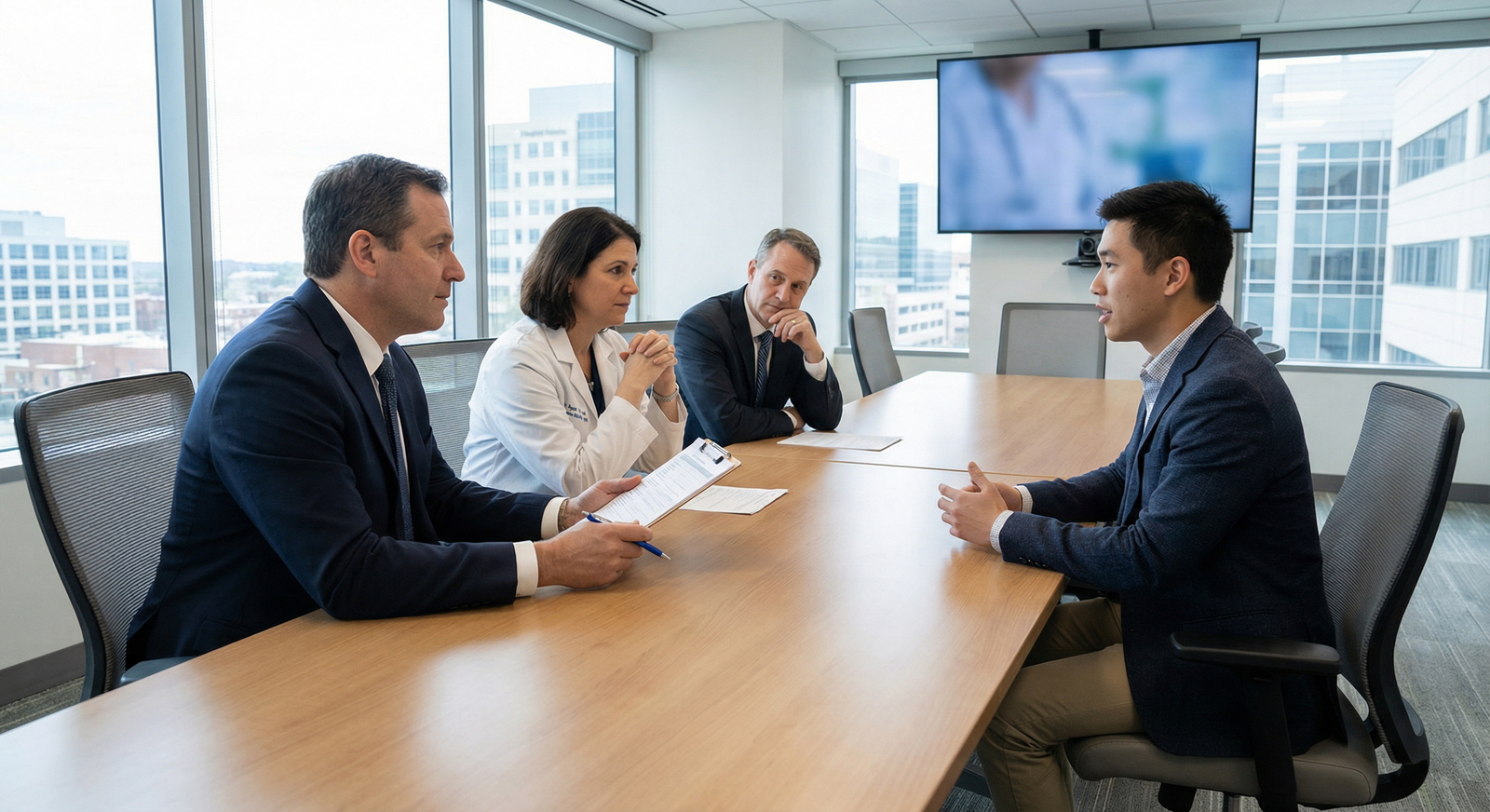
Step 5: Mock Interviews, Communication Skills, and Non-Verbal Preparation
Even strong applicants can underperform without practice. This is where how to prepare for interviews truly becomes practical.
A. Do Multiple Mock Interviews
Arrange at least 2–3 mock interviews with:
- Faculty advisors (preferably in family medicine)
- Career counselors
- Peers or mentors (including DO residents, if possible)
Ask for:
- Feedback on clarity, organization, and filler words
- Non-verbal feedback (eye contact, posture, nervous habits)
- Tone: Do you sound genuinely interested and reflective?
Record at least one mock interview and watch yourself. It’s uncomfortable, but extremely effective.
B. Work on Clear, Concise Communication
Family physicians must communicate clearly with patients and teams. During interviews:
- Avoid rambling; aim for 1–2 minute answers to most questions
- Pause for a second before answering—this often leads to clearer responses
- Use specific examples instead of vague generalities
Practice with a timer. If you regularly exceed 3 minutes, tighten your stories.
C. Non-Verbal Signals (Virtual and In-Person)
For both in-person and virtual interviews:
- Sit up straight, relaxed but engaged
- Maintain natural but steady eye contact (for virtual: look at the camera when speaking)
- Nod and use appropriate facial expressions to show engagement
- Avoid distracting movements (pen clicking, spinning in chair, etc.)
Ask mock interviewers specifically to comment on your non-verbal cues; you may not notice habits they do.
Step 6: Practical Logistics and Mindset Before Interview Day
Pre-interview preparation also includes planning for the logistics, environment, and your mental state.
A. Preparing for Virtual Interviews
Many family medicine programs still utilize virtual interviews fully or partly. Prepare by:
Technology check:
- Reliable internet; use wired connection if possible
- Test microphone, camera, and lighting in advance
- Have a backup device and hotspot ready
Professional environment:
- Neutral, uncluttered background
- Good lighting from in front of you, not behind
- Quiet space with minimal interruptions
On-screen setup:
- Close extra tabs
- Hide distracting icons and notifications
- Keep a printed copy of your CV and program notes off to the side
B. Preparing for In-Person Interviews (When Applicable)
If the program offers in-person visits:
- Plan travel well in advance; arrive the night before whenever possible
- Map out directions and parking
- Pack a professional bag: CVs, notepad, water, snacks, mints, and any necessary medications
- Dress in a well-fitting, conservative suit or equivalent professional attire
C. Materials to Review Before Each Interview
The day before:
- Skim your personal statement, application, and CV
- Review your program-specific notes
- Refresh your memory on key rotations and projects; you may be asked about anything listed
Avoid cramming new material. Focus instead on:
- Clarity of your story
- Program-specific questions
- Rest and sleep
D. Mindset and Anxiety Management
Residency interviews can be stressful. Incorporate:
- A short pre-interview routine: brief walk, deep breathing, or a few minutes of quiet reflection
- Realistic expectations: not every answer will be perfect, and that is okay
- A self-compassionate mindset: remind yourself of how far you’ve come and that interviews are a two-way evaluation
Consider writing a short note to yourself about why you are excited to become a family physician and keeping it nearby. This can center you on what truly matters.
Step 7: Pre-Planning Post-Interview Strategy
Even pre-interview preparation should include a plan for what happens after each interview, especially in the FM match where you may interview at many programs.
A. Create a Note Template for Each Interview
Before interviews begin, build a simple template to fill in right after each session:
- People you met (names, roles)
- Key program strengths that appealed to you
- Any concerns or red flags
- Specific stories or comments from faculty/residents that stood out
- Overall gut feeling
You’ll rely on these notes later when building your rank list and writing any follow-up communication.
B. Understand Communication Rules and Professionalism
Prior to interviews, review:
- NRMP or matching service communication guidelines
- Your school’s policies on post-interview communication
Prepare a professional email template you can quickly adapt to:
- Thank interviewers for their time
- Reference one or two specific things from the day
- Reiterate your interest in the program (if genuine)
Planning this template early reduces stress when interviews start piling up.
FAQs: Pre-Interview Preparation for DO Graduates in Family Medicine
1. As a DO graduate, do I need to take the USMLE for family medicine residency?
Not necessarily. Many family medicine residency programs, especially those with a history of DO trainees, are comfortable evaluating COMLEX scores alone. However, some programs (particularly more competitive academic or university-based programs) may prefer or require USMLE scores. If you have only COMLEX:
- Research program requirements early
- Be prepared to explain how your COMLEX performance reflects your readiness
- Highlight strong clinical performance and letters from FM attendings
2. How should I prepare to discuss my OMT skills in interviews?
Focus on:
- A few concrete patient cases where OMT helped, even in small ways
- Your current level of comfort (“intermediate with HVLA,” “strong with soft tissue and muscle energy,” etc.)
- Your commitment to safely and appropriately using OMT in primary care, recognizing time constraints
- Openness to learning: “I’d like to further develop my OMT skills through workshops and supervision in residency.”
Programs don’t expect perfection, but they do appreciate honest self-assessment and a growth mindset.
3. What family medicine–specific experiences should I highlight during interviews?
Emphasize:
- Longitudinal patient care experiences
- Work with underserved or vulnerable populations
- Primary care–oriented research or quality improvement projects
- Community health or population health initiatives
- Interprofessional teamwork (e.g., working with social work, behavioral health, pharmacy)
These experiences align closely with the daily work of a family physician and resonate strongly in the FM match.
4. How many mock interviews should I do before my first real residency interview?
Aim for at least 2–3 formal mock interviews:
- One with a faculty advisor (ideally in family medicine)
- One with a career counselor or dean’s office representative
- One with a peer or recent graduate who has been through the process
Continue informal practice—answering common interview questions residency programs ask—on your own or with friends. The goal is to sound polished but not scripted, confident yet flexible.
By combining strategic research, careful reflection on your DO identity, deliberate practice with common and advanced interview questions, and thorough logistical planning, you will enter each family medicine residency interview ready to show who you are: a prepared, thoughtful, future-minded osteopathic physician ready to serve patients and communities in primary care.