Understanding the Anesthesiology Interview Landscape as a US Citizen IMG
As a US citizen IMG (American studying abroad), you sit in a unique position in the anesthesia match. You have the legal and cultural advantages of being an American, but you still face the perception hurdles associated with international medical schools. Effective pre‑interview preparation can dramatically shift those perceptions in your favor.
Before interviews even begin, anesthesiology program directors have screened for:
- Academic performance (USMLE scores, clerkship grades)
- Clinical performance and letters
- Fit with anesthesiology as a career
- Ability to function in a US healthcare system
Your interview day is primarily about:
- Confirming that you are safe, professional, and reliable in the OR
- Evaluating communication skills and teamwork potential
- Assessing your maturity, judgment, and insight into anesthesiology
- Determining your “fit” with their culture and training environment
Because you trained abroad, programs will quietly be asking themselves:
- “Can this US citizen IMG adapt quickly to our hospital system?”
- “Have they had enough exposure to US-style practice?”
- “Will they be reliable and safe in high‑stakes perioperative settings?”
- “Are they choosing anesthesiology for the right reasons?”
Your preparation must deliberately answer these questions—through your stories, your demeanor, and the way you present your experience.
Strategic Foundations: Research, Positioning, and Story Crafting
1. Know the Field: What Anesthesiology Programs Value
Anesthesiology is:
- Team‑intensive (OR staff, surgeons, PACU nurses, ICU teams)
- Crisis‑heavy (airway emergencies, hemodynamic instability)
- Detail‑oriented and protocol-driven
- A blend of physiology, pharmacology, and procedures
Programs want residents who:
- Stay calm under pressure
- Communicate clearly and concisely
- Are reliable and punctual
- Work well with diverse teams
- Show intellectual curiosity and strong work ethic
As a US citizen IMG, your pre‑interview preparation must highlight:
- Concrete examples of teamwork and crisis management
- Cases showing responsibility and ownership of patient care
- Evidence that you understand the realities of anesthesia (not just “I like pharmacology”)
2. Deep Program Research: Beyond the Website
Surface‑level research (“I like your location and diversity”) is not enough. For strong anesthesiology residency interview preparation, create a Program Snapshot document for each interview:
Include:
- Program Basics
- Size (number of residents per year)
- Academic vs community vs hybrid
- Fellowship options (cardiac, pain, critical care, peds, regional)
- Clinical Exposure
- Case variety (cardiac, neuro, peds, OB, trauma)
- ICUs run by anesthesia vs other departments
- Regional anesthesia and ultrasound exposure
- Educational Structure
- Didactic schedule (protected time? frequency?)
- Simulation center availability
- Research pathways or scholarly requirements
- Culture and Values
- Mission/vision statement
- Any clear emphasis (global health, QI, regional anesthesia, perioperative medicine)
- Apparent emphasis on wellness or resident support
Sources:
- Program website (especially “Message from the Chair/PD” and rotation schedules)
- FREIDA and ERAS Supplemental Information
- Program social media (Instagram, Twitter/X)
- Virtual open houses or Q&A sessions
- Alumni paths (fellowships, jobs)
Translate this into three to five program‑specific reasons you’d genuinely be excited to train there. You will use these reasons both to answer “Why our program?” and to ask informed questions.

3. Clarify Your Personal Narrative as a US Citizen IMG
You must reconcile three stories into one coherent narrative:
- Why you chose to study medicine abroad as an American
- Why you chose anesthesiology
- Why you’re ready to train in the US system now
Reflect and outline:
- Your origin story
- Why medicine?
- Why your specific international school? (Cost, family, opportunity, guaranteed spot, late decision, etc.)
- Your anesthesiology story
- When did you first seriously consider anesthesia? (e.g., OR rotation, ICU exposure)
- What did you actually see and do that pulled you toward the field?
- What experiences confirmed: “These are my people; this is my work”?
- Your IMG story
- How your training environment shaped your adaptability, resilience, and cultural competence
- How you’ve bridged any gaps in US-based experience (US clinical experience, observerships, electives)
- How being an American studying abroad gave you a broader perspective on healthcare systems
Write out a one‑page “Personal Narrative Summary” for yourself:
- 2–3 bullet points for each of the above categories
- 3–5 strong clinical stories (cases) that you can use to illustrate your growth and interest in anesthesia
- 1–2 “challenge” situations and how you responded
This document becomes your reference blueprint as you practice interview questions.
Mastering Core Residency Interview Questions (Anesthesiology Focus)
Many interviewers will use a familiar core set of interview questions residency programs rely on across specialties. As an anesthesia applicant, tailor your answers to highlight perioperative thinking, teamwork, and crisis management.
1. “Tell Me About Yourself”
This is often your true first impression. For a US citizen IMG in anesthesiology, aim for:
Structure (60–90 seconds):
- Brief background
- Where you’re from in the US
- Where you studied abroad
- Path through medical school
- Key experiences that shaped you
- Transition to anesthesiology
- 1–2 key reasons, grounded in real exposure
- Where you are now / what you’re looking for
- The type of training environment you seek
Example (condensed):
“I grew up in Ohio and completed my medical education at X University in [country], where I learned to adapt to a new healthcare system and work with patients from very diverse backgrounds. During my core rotations, I found myself drawn to the OR and ICU—especially the way anesthesiologists integrated physiology, pharmacology, and acute decision‑making. A turning point was an elective anesthesia rotation in the US, where I helped care for complex cardiac and OB cases and saw how closely anesthesiologists coordinate with surgeons, nurses, and respiratory therapists. Those experiences confirmed that I thrive in team‑based, high‑acuity settings where staying calm and prepared really matters. Now I’m looking for an anesthesiology residency that offers strong critical care and regional training, robust teaching, and a collaborative culture where I can grow into a reliable, well‑rounded consultant anesthesiologist.”
Notice:
- The IMG aspect is matter‑of‑fact, not defensive.
- Anesthesia interest is linked to concrete experiences, not clichés.
- It sets up future questions about ICU, electives, and teamwork.
2. “Why Anesthesiology?”
Programs want to know that you understand the specialty beyond “I like procedures” or “I like pharmacology.”
For US citizen IMGs, this is also your chance to show:
- You have direct exposure to anesthesiology in the US if possible
- You appreciate the full scope: pre‑op, intra‑op, post‑op, and ICU/pain aspects
Anchor your answer with:
- 1–2 specific patient encounters or rotations
- A clear understanding of anesthesiologist roles
- A link to your strengths: communication, calm under pressure, love of physiology, or teaching
3. “Why Did You Study Abroad?” (Direct or Implied)
Many will not ask this explicitly, but they will wonder. Have a confident, concise, honest explanation prepared.
Common legitimate reasons:
- Financial considerations
- Opportunity to secure a seat in medical school
- Desire to broaden cultural and global health perspective
- Later decision to pursue medicine
Your response should:
- Avoid sounding apologetic or defensive
- Emphasize what you gained from the experience:
- Adaptability
- Resourcefulness
- Comfort working across cultures and systems
- Then bridge back to the US:
- US clinical experiences
- Exposure to US healthcare standards
- Commitment to practicing anesthesiology in the US long term
4. Behavioral Questions: Show, Don’t Tell
For anesthesiology, behavioral questions are crucial to assess your performance under stress. Examples:
- “Tell me about a time you made a mistake and how you handled it.”
- “Describe a time you had to manage a difficult team member.”
- “Tell me about a time you had to act quickly in a clinical situation.”
Use the STAR method:
- Situation – Brief context
- Task – Your role
- Action – What you did (details here)
- Result – What happened and what you learned
Aim for:
- At least one story showing calm under pressure (e.g., rapid response, hemodynamic instability, airway concern observed)
- One showing teamwork and communication
- One showing accountability and growth after feedback or error

Practical Steps: How to Prepare for Interviews Day by Day
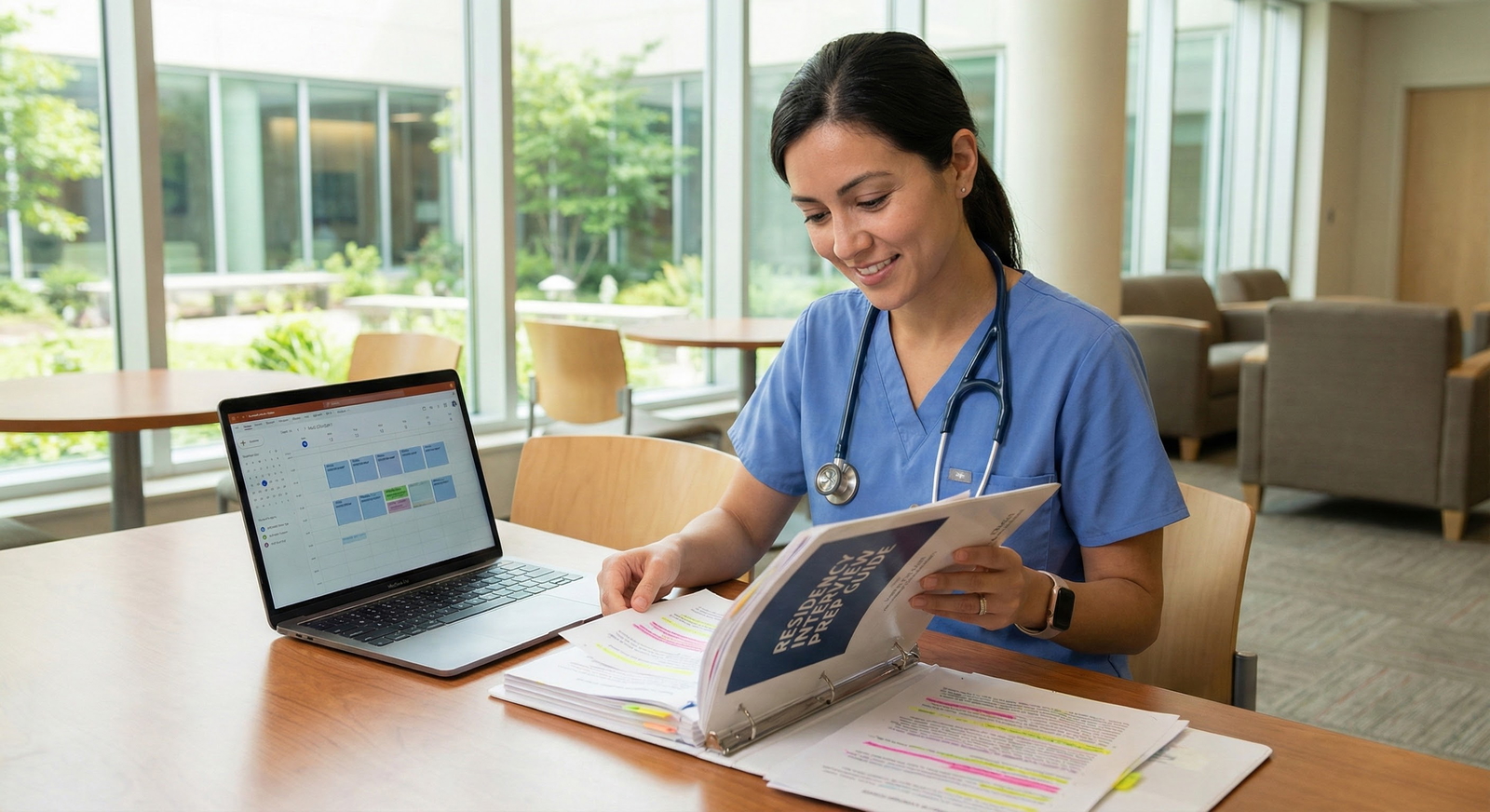
1. Build an Interview Preparation System
Your anesthesia match success depends not just on content, but on consistency.
Create:
- A Master Spreadsheet of programs with:
- Interview dates and times
- Time zones
- Interview format (MMI, panel, conversational)
- Names/roles of interviewers if provided
- Notes on program‑specific interest points
- A Question Bank Document for:
- Common “interview questions residency” programs ask
- Your bullet‑point answers (not scripts)
- Behavioral stories organized by theme (teamwork, conflict, error, leadership)
Time‑block preparation:
- 30–45 minutes/day for practicing answers aloud
- 20–30 minutes/day for program‑specific research during peak season
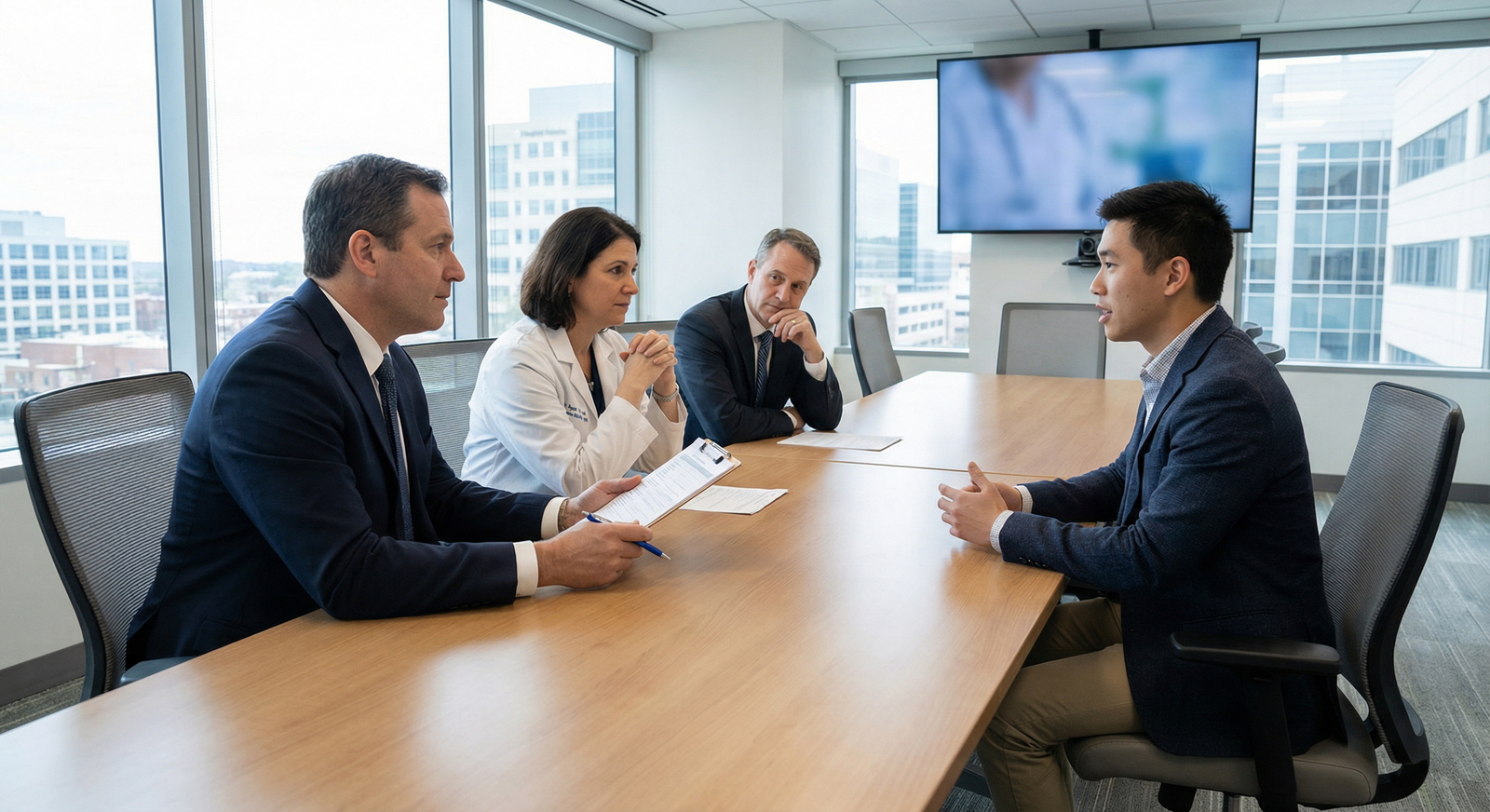
- 1–2 mock interviews per week (friend, mentor, IMG advising service)
2. Refine Your Application Story
Re‑read:
- Your ERAS application
- Personal statement
- CV
- Publication abstracts and poster titles
- Any leadership or volunteer descriptions
Then:
- Create a short “talking point” for each entry that you’re proud of.
- Anticipate questions:
- “Tell me more about this ICU experience in [country].”
- “What role did you play in this research project?”
- “I see a gap here—can you tell me what happened?”
As a US citizen IMG, you may also be asked about:
- US clinical experience (dates, settings, amount)
- Any Step failures or gaps (explain calmly, own it, and show growth)
Prepare direct, non‑defensive explanations. Focus on:
- What changed
- What you learned
- How your performance subsequently improved
3. Technical Comfort: Platform and Environment
Most anesthesiology residency interviews are now fully or partially virtual. Poor technical preparation can sabotage even the strongest applicant.
Checklist:
- Reliable high‑speed internet
- Quiet, private space (library study room, home office, or bedroom optimized for professionalism)
- Neutral background (or professional virtual background if necessary)
- Camera at eye level, good lighting (window or ring light in front of you)
- Test your platform (Zoom, Thalamus, Teams, WebEx) with the same device you’ll use
Run at least one full mock interview in your actual setup:
- Sit in complete interview attire
- Record yourself answering 3–5 questions
- Evaluate:
- Eye contact (look at the camera)
- Volume and clarity
- Distracting mannerisms
- Filler words (um, like, you know)
This is particularly important for US citizen IMGs who may be in different time zones or using less familiar platforms.
4. Content Rehearsal: Polished, Not Scripted
Your goal is natural fluency, not memorized monologues.
For each major question:
- Write bullet points, not full paragraphs
- Practice different variations of your answer
- Time yourself (60–90 seconds for most responses, up to 2 minutes for complex stories)
Useful core questions to rehearse (at minimum):
- Tell me about yourself.
- Why anesthesiology?
- Why our program?
- Why did you go to medical school abroad?
- Tell me about a challenging patient interaction.
- Tell me about a time you received critical feedback.
- What are your strengths and weaknesses?
- Tell me about a time something did not go as planned.
- Where do you see yourself in 5–10 years?
Focus on clarity and structure. As an anesthesiologist in training, interviewers expect you to communicate concisely—just like giving a pre‑op summary or urgent update in the OR.
Tailoring Your Preparation to the US Citizen IMG Experience
1. Highlighting US Clinical Experience (USCE)
Programs will be reassured by clear evidence you can function in the US system.
Prepare to talk specifically about:
- Settings: Academic center vs community, inpatient vs outpatient, ICU vs OR
- Roles: What responsibilities you had (notes, presentations, procedures observed/assisted)
- Lessons: How US practice differed from your school’s system
- Relevance to anesthesiology:
- Managing pre‑op evaluations
- Participating in post‑op rounds
- Exposure to multidisciplinary perioperative care
If your USCE includes anesthesiology:
- Be ready to discuss 1–2 specific cases:
- A patient with complex comorbidities
- A challenging airway scenario
- An interesting regional block technique
- Emphasize:
- The anesthesiologist’s thinking and planning
- How communication with surgeons and nurses was handled
- Your observations about safety culture (time outs, checklists, debriefs)
2. Addressing Perceptions About IMG Training
You do not need to over‑defend your school or devalue yourself. Instead, subtly demonstrate:
- Clinical maturity: Describe your role in patient care, your ownership of tasks, and complex patients you’ve seen.
- Adaptability: Examples of working in resource‑limited settings or navigating language barriers.
- Cultural competence: Experiences with diverse populations abroad that now inform your bedside manner.
If asked about limitations at your school (simulation access, research opportunities, Step prep), be honest but solution‑oriented:
- Acknowledge the constraint.
- Show how you compensated (extra self‑study, seeking mentorship, external courses).
- Connect this to how you’ll use available resources in residency.
3. Leaning into Your Strengths as an American Studying Abroad
Your US citizenship simplifies visa issues, which is a real plus for programs, but that alone won’t earn you a spot. What distinguishes you:
- You understand US culture and communication norms.
- You have international experience and a broader worldview.
- You’ve proven you can thrive outside your comfort zone and then reintegrate.
When appropriate, weave this into answers:
- Working with diverse patients
- Bridging communication gaps
- Navigating change and uncertainty (valuable in a rapidly changing OR/ICU environment)
Final Phase: The Week and Day Before Your Interview
1. The Week Before
For each program:
- Re‑read your Program Snapshot.
- Identify 3 things you like about the program.
- Prepare 3–4 specific questions that show insight, such as:
- “How are residents involved in preoperative clinics at your institution?”
- “What opportunities exist for anesthesia residents to rotate through critical care at your program?”
- “How is resident education protected during busy OR days?”
- “How do graduates from your program typically distribute among fellowships versus private practice?”
Review:
- Your behavioral stories (at least 6–8 adaptable ones).
- Your explanation for studying abroad.
- Your explanation for any red flags.
Do:
- One or two timed mock interviews (video on).
- One final tech check with your interview device.
2. The Day Before
- Confirm:
- Interview time and time zone
- Link and platform
- Any pre‑interview sessions or social hours
- Plan:
- Outfit (full professional attire, even if virtual)
- Backup internet plan if possible (hotspot, alternate location)
- Light review only:
- Skim your notes
- Review questions you plan to ask
- Avoid cramming; focus on calm and confidence
Evening routine:
- Iron clothes, set up workspace.
- Charge all devices.
- Go to bed at a reasonable time (especially if in a different time zone than the program).
3. The Morning Of
- Eat a light, non‑sleep‑inducing meal.
- 10–15 minutes of voice warm‑up (reading aloud, practicing answers softly).
- Log in 15–20 minutes early to prevent last‑minute issues.
- Keep:
- Printed list of program highlights and your questions
- Pen and notepad
- A small bottle of water
Mentally, remember:
- You’re not trying to be someone you’re not.
- Your job is to let them see the best, most prepared version of who you already are.
After the interview:
- Jot quick notes about:
- Program vibe
- People you met
- Standout positives and concerns
- These notes will be invaluable for your rank list later.
FAQ: Pre‑Interview Preparation for US Citizen IMG in Anesthesiology
1. As a US citizen IMG, will programs judge me differently during anesthesiology interviews?
Programs will certainly notice your IMG status, but being a US citizen removes visa concerns and is a significant advantage. They will mainly be evaluating:
- How well you communicate and function in a US-style clinical environment
- Whether you’ve had meaningful US clinical exposure
- Your maturity and insight into anesthesiology
Strong interview preparation, clear explanations for your training path, and confident discussion of your experiences can greatly reduce any negative bias.
2. How much should I talk about my international training vs. my US clinical experience?
Strike a balance. Use your international training to highlight adaptability, cultural competence, and resilience. Use your US experience to prove you can work effectively within US healthcare systems and teams. In practice, many of your detailed patient examples should be from US settings if you have them, but don’t ignore powerful cases from abroad that showcase key anesthesiology attributes (crisis management, teamwork, ethical judgment).
3. What specific anesthesiology topics should I be ready to discuss during interviews?
You usually won’t be quizzed aggressively, but you should be comfortable discussing:
- Why anesthesiologists are critical in the perioperative period
- Basic principles of airway management and hemodynamic stability (conceptually, not board‑level detail)
- How anesthesiologists contribute to ICU, pain management, and perioperative medicine
- A few memorable cases that illustrate your interest and understanding of the field
Focus on clinical reasoning and communication, not just technical details.
4. How early should I start residency interview preparation for anesthesiology as a US citizen IMG?
Ideally:
- Start general story building and reflection 1–2 months before typical interview season.
- Begin targeted mock interviews and question practice as soon as you receive your first invites.
- Increase the intensity of preparation in the 1–2 weeks before your cluster of interviews.
As an American studying abroad, you may also need extra time to manage time zone issues, technology, and scheduling across continents, so starting early gives you flexibility.
Thoughtful pre‑interview preparation transforms you from “US citizen IMG applicant” into “future anesthesiology colleague.” By owning your story, understanding the specialty deeply, and presenting yourself with clarity and calm, you significantly increase your chances of a successful anesthesia match.