Understanding the Psychiatry Residency Interview Landscape as a Caribbean IMG
For a Caribbean international medical graduate (IMG) pursuing psychiatry, pre-interview preparation is not optional—it is your competitive edge. Programs know that many strong psychiatry applicants now come from Caribbean medical schools, and they expect you to demonstrate maturity, insight, and readiness for a field that centers on communication and self-awareness.
Before you start formal residency interview preparation, you should clearly understand:
- Your context as a Caribbean IMG
- How psychiatry interviews differ from other specialties
- What program directors are really looking for
The Caribbean IMG Context
If you attended a Caribbean medical school (including SGU, AUC, Ross, Saba, etc.), you already know the common concerns programs may have:
- Limited familiarity with your school’s grading or clinical systems
- Questions about your readiness for US clinical practice
- Concerns about board score consistency and clinical evaluations
- Potential assumptions about needing more supervision or support
Your pre-interview strategy must anticipate these concerns and proactively address them through your answers, demeanor, and portfolio.
This is particularly true if you’re aiming for competitive psychiatry programs or a strong SGU residency match profile or equivalent. Strong pre-interview work tells programs that you are:
- Self-directed
- Insightful about your own training
- Capable of thriving in a demanding, emotionally complex specialty
What’s Unique About Psychiatry Residency Interviews
Psychiatry programs care deeply about:
- Communication skills – clarity, empathy, and nuance
- Reflective capacity – how you learn from mistakes and experiences
- Emotional intelligence – reading social cues, responding thoughtfully
- Professionalism and boundaries – especially around confidentiality and patient care
- Stigma awareness and cultural sensitivity – crucial for diverse patient populations
Unlike some procedure-heavy specialties, psychiatry interviews often go beyond simple “tell me about yourself” and explore:
- How you manage emotionally intense situations
- Your views on mental illness, trauma, addiction, and stigma
- How your personal background and identity shape your approach to care
- How you work with teams and handle conflict
In other words, you are the primary “tool” of the specialty—your ability to connect, reflect, and communicate is under close observation from the moment the interview invite arrives.
Clarifying Your Narrative: Who You Are as a Future Psychiatrist
Before worrying about specific interview questions residency programs might ask, clarity of your own story is essential. A clear narrative helps you answer almost any question persuasively.
Step 1: Define Your Core Psychiatry Story
You should be able to answer the following, in a way that feels honest and coherent:
- Why psychiatry?
- Why you, specifically, are a good fit for psychiatry
- Why a US residency, given your Caribbean medical school background?
- How your life and training experiences have prepared you for this field
Replace vague statements (“I like talking to patients”) with specific, grounded ones:
- “During my internal medicine rotation, I noticed I gravitated toward patients with comorbid depression and anxiety. I found myself spending extra time understanding their stories, not just their lab values. My psychiatry clerkship confirmed that I felt energized by these conversations, even when they were emotionally heavy.”
Practical Exercise
Write out short paragraphs (5–7 sentences each) answering:
- “My path to psychiatry began when…”
- “The moment I knew psychiatry was right for me was…”
- “My training in a Caribbean medical school has shaped me as a future psychiatrist by…”
Refine them over several days. These written reflections will become the backbone of your responses to common questions like:
- “Tell me about yourself”
- “Why psychiatry?”
- “Why did you choose a Caribbean medical school?”
- “How has training as a Caribbean IMG prepared you for residency?”
Step 2: Integrate Your Caribbean Medical School Experience
Programs expect you to address your Caribbean background directly, especially for a Caribbean medical school residency path. You do not need to be defensive; instead, focus on:
- What you gained: exposure to diverse patient populations, flexibility, resilience
- How you adapted: navigating multiple healthcare systems, learning new cultures
- What challenges you overcame: adjusting to US clinical rotations, USMLE preparation, limited resources
For example:
- “Choosing a Caribbean medical school meant I was constantly adapting—first to an island-based basic science curriculum, then to different clinical sites in the US. That experience strengthened my resilience and flexibility, qualities I find essential in psychiatry when patients’ lives are often unpredictable and complex.”
Avoid:
- “I had no other options” without any reflection or ownership
- Blaming your school for poor performance without acknowledging your own growth
Step 3: Craft a Coherent Psychiatry-Focused Identity
Programs want to see that you are not just using psychiatry as a backup. Before interviews:
- List 3–5 core qualities you want programs to remember about you (e.g., “resilient,” “insightful,” “team-oriented,” “patient-centered,” “culturally attuned”).
- For each quality, identify 1–2 concrete experiences that illustrate it (psychiatry rotation, volunteer work, research, leadership, personal experience with mental health, etc.).
You are building a consistent story across:
- Your ERAS application
- Your personal statement
- Your letters of recommendation
- Your interview responses
The more aligned these elements are, the stronger your psych match outcomes tend to be.

Mastering Psychiatry-Specific Interview Content
Psychiatry interviews have recurring themes. Structured residency interview preparation around these themes will dramatically improve your confidence and performance.
Common Psychiatry Interview Domains
- Motivation for Psychiatry
- Understanding of the Field
- Emotional Resilience and Self-Care
- Ethical and Boundary Issues
- Teamwork and Conflict
- Cultural and Stigma Awareness
- Future Plans and Fit with Program
Let’s break down how to prepare for interviews in each of these areas.
1. Motivation for Psychiatry
Typical questions:
- “Why psychiatry?”
- “What aspects of psychiatry do you find most appealing?”
- “What was your favorite psychiatry patient interaction and why?”
Preparation steps:
- Choose 1–2 defining clinical experiences that led you to psychiatry—ideally from your core psychiatry rotation or sub-I.
- Highlight not just what happened, but how you felt, thought, and grew.
- Link your story to enduring qualities (e.g., curiosity about human behavior, comfort with ambiguity, interest in long-term therapeutic relationships).
Avoid:
- Overly generic answers (“I like listening to patients”)
- Making psychiatry sound like an “easier” field or a last resort
2. Understanding of the Field
Programs want to see that you know what modern psychiatry actually is.
Questions might include:
- “What do you think are the biggest challenges facing psychiatry today?”
- “How do you see the role of a psychiatrist compared to a psychologist or social worker?”
- “How do you feel about the use of medications versus psychotherapy?”
Preparation strategies:
- Read up on current issues: access to care, stigma, cultural disparities, addiction, integrated care models.
- Be able to speak to biopsychosocial models, evidence-based treatments, and interprofessional collaboration.
- Reflect on your experiences with psychotherapy exposure, even if limited—CBT groups you observed, motivational interviewing, or supportive therapy techniques you saw preceptors use.
3. Emotional Resilience and Self-Care
Psychiatry interviews often explore how you handle emotionally heavy cases.
Common prompts:
- “Tell me about a time a patient encounter deeply affected you.”
- “How do you manage stress or emotional burnout?”
- “Have you ever felt overwhelmed in a clinical situation? What did you do?”
Preparation tips:
- Choose 1–2 significant emotional experiences (suicidal patient, child abuse case, severe psychosis, etc.).
- Show that you:
- Acknowledge emotional impact
- Seek supervision appropriately
- Use healthy coping and self-care
- Learn and grow from the experience
As a Caribbean IMG, you can also note how you handled transitions, isolation on the island, or being far from family as part of your resilience narrative—always connecting it back to how this helps you support patients.
4. Ethical and Boundary Situations
You may face scenario-based questions:
- “What would you do if a patient you’re seeing in clinic brings you a personal gift?”
- “How would you handle a patient who asks you out on a date?”
- “If a colleague makes a stigmatizing comment about a psychiatric patient, what would you do?”
Preparation steps:
- Review basic principles: autonomy, beneficence, nonmaleficence, justice, confidentiality, professional boundaries.
- Practice walking through scenarios by:
- Stating the ethical tension
- Explaining your priorities (patient safety, respect, professionalism)
- Describing clearly what steps you would take
- Emphasizing seeking supervision when appropriate
You’re not expected to be perfect; programs are looking for sound judgment and humility.
5. Teamwork and Conflict in Psychiatry
Psychiatry is highly team-based: psychiatrists, psychologists, social workers, nurses, case managers.
Expect questions like:
- “Tell me about a time you disagreed with a supervisor. How did you handle it?”
- “Describe a challenging team interaction and what you learned.”
Preparation:
- Prepare 2–3 examples of:
- Constructive disagreement with a senior
- Advocating for a patient
- Negotiating a treatment plan within a team
- Show:
- Respectful communication
- Willingness to listen
- Ability to compromise without sacrificing patient safety
6. Cultural Sensitivity and Stigma
As a Caribbean IMG, you bring a valuable cross-cultural perspective—but programs will expect you to be able to talk about it thoughtfully.
Likely questions:
- “How has your cultural background affected your approach to psychiatry?”
- “Tell me about an experience you had with a patient from a different cultural background.”
- “How do you address stigma around mental health in communities you serve?”
Preparation strategies:
- Reflect on mental health stigma in your home country or island community.
- Prepare examples where you had to adapt to a patient’s cultural or religious beliefs while still advocating for evidence-based care.
- Highlight language skills, multicultural exposure, and any specific training in cultural psychiatry or diversity.
7. Future Plans and Program Fit
Programs will want to know:
- “What are your career goals?”
- “Where do you see yourself in 5–10 years?”
- “What are you looking for in a psychiatry residency program?”
Preparation:
- Be honest but focused:
- Interested in inpatient vs. outpatient, community psychiatry, addiction, child and adolescent, consultation-liaison, etc.
- Open to fellowship, but not rigidly attached.
- Show you’ve researched:
- The program’s strengths (community focus, psychotherapy training, research, global mental health, etc.).
- How your background (e.g., Caribbean education, multilingual skills, interest in underserved populations) aligns with their mission.
Structured Practice: How to Prepare for Interviews Effectively
Content knowledge alone is not enough; delivery matters, especially in psychiatry.
Step 1: Build a Psychiatry-Focused Question Bank
Create a personal question bank tailored to psych match interviews, including:
- “Tell me about yourself.”
- “Why psychiatry?”
- “Why our program?”
- “Tell me about a challenging psychiatric patient you encountered.”
- “How do you manage your own mental health and stress?”
- “How has being a Caribbean IMG shaped your clinical approach?”
- “What are your strengths and weaknesses as a future psychiatrist?”
- “Describe a time you made a mistake in clinical care and what you learned.”
For each question:
- Outline 3–4 bullet points only (do not memorize scripts).
- Emphasize stories, not slogans.
Step 2: Video Practice (Especially for Virtual Interviews)
Many psychiatry interviews remain virtual. This is an advantage for Caribbean IMGs—no travel costs—but also a communication test.
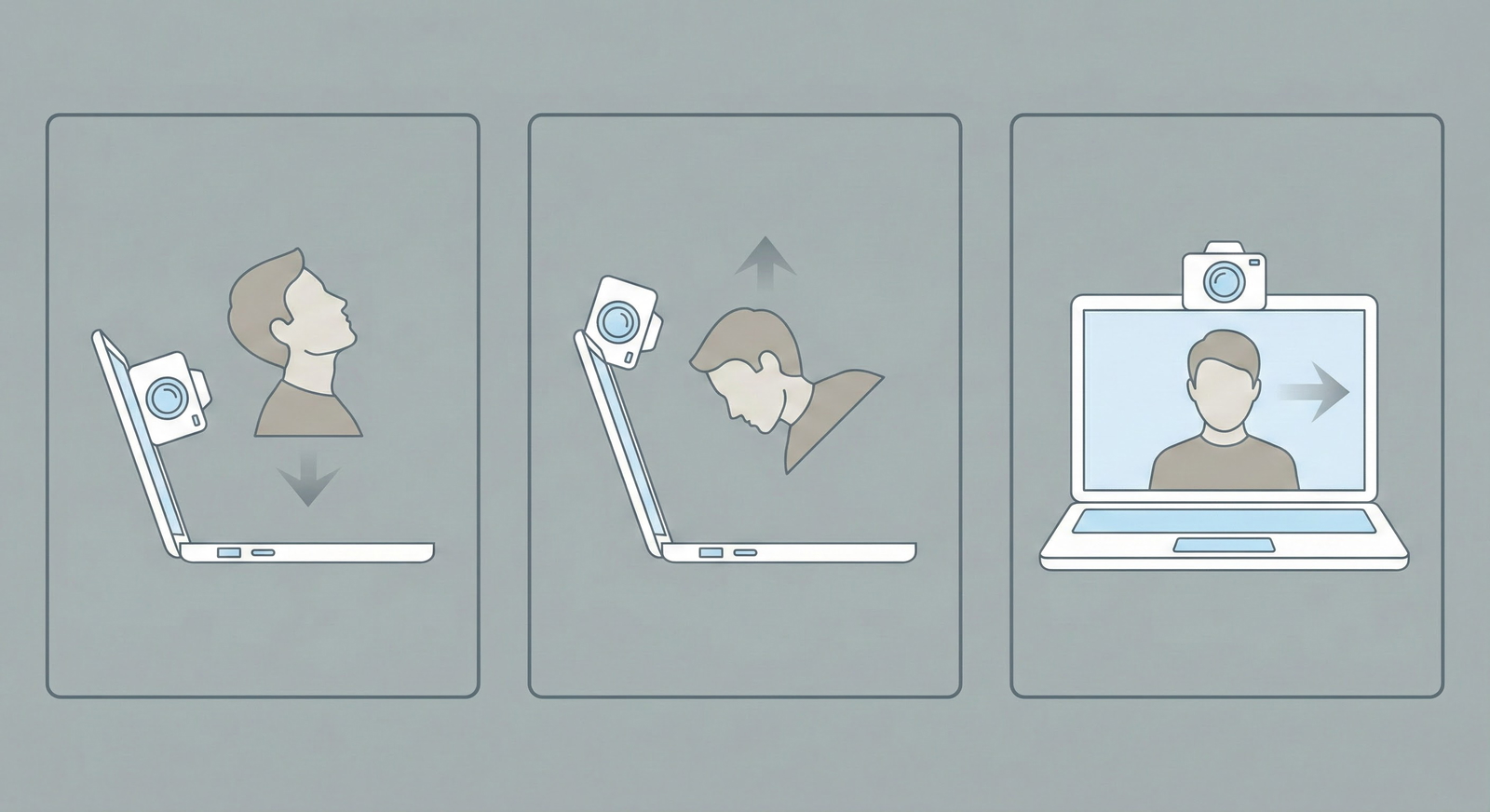
- Record yourself answering 5–7 key questions.
- Pay attention to:
- Eye contact with the camera, not the screen
- Speech pace (avoid speaking too fast)
- Filler words (“um,” “like,” “you know”)
- Facial expressions and warmth
- Adjust based on review, and repeat.
As a psychiatry applicant, your nonverbal communication is under quiet but intense scrutiny.
Step 3: Mock Interviews with Psychiatry Focus
Arrange:
- Mock interviews with:
- Faculty from your psychiatry rotations
- SGU or other Caribbean school alumni in psychiatry
- Mentors or advisors familiar with US psychiatry programs
- Ask for feedback specifically on:
- Clarity and depth of your answers
- Emotional presence and authenticity
- Professionalism and boundaries
- How convincingly you address the Caribbean IMG background
Take notes after each mock interview and refine your responses.
Step 4: Refining Your “Psychiatry Persona”
Your goal is not to act—but to present your best professional self consistently:
- Calm, grounded demeanor (psychiatry values steadiness)
- Curious, nonjudgmental attitude
- Openness about your learning process without oversharing personal mental health details
- Confidence without arrogance
You want interviewers to walk away thinking: “I would trust this person with vulnerable patients.”

Logistics and Strategy: Before You Log into the Interview
Beyond content, pre-interview preparation includes practical, often overlooked steps that can significantly influence your performance.
Researching Programs Thoroughly
For each psychiatry residency you will interview with:
- Read:
- Program website (rotations, electives, psychotherapy curriculum, call schedule)
- Mission statement and patient population focus
- Faculty interests and any psychiatry research/fellowships offered
- Identify:
- 2–3 specific, genuine reasons why this program appeals to you
- 1–2 questions you will ask about the program (not answerable by website)
Example tailored question:
- “I see your program serves a large immigrant population. As a Caribbean IMG who’s worked with multicultural communities, I’m especially interested in how residents are trained in cultural psychiatry here. Could you share more about that?”
Organizing Your Interview Schedule
For Caribbean IMGs with many virtual interviews:
- Create a spreadsheet with:
- Program name and city
- Interview date and time (with time zone conversions)
- Interview format (virtual/in-person, platform used)
- Specific interviewers, if known
- Key program strengths and notes
- Questions you plan to ask them
- Ensure you:
- Avoid back-to-back interviews when possible
- Schedule time after each interview to jot down impressions (useful for ranking later)
Technology and Environment Setup
For virtual psychiatry interviews, your environment communicates professionalism:
- Internet & Hardware
- Stable high-speed internet
- Laptop or desktop > phone
- Functional webcam and microphone (test beforehand)
- Background
- Neutral, uncluttered background
- Good lighting (face toward a window or soft lamp)
- Avoid visual distractions behind you
- Sound
- Quiet room; notify housemates of schedule
- Headphones if echo or noise is an issue
Test your setup with friends/mentors as part of your residency interview preparation.
Document & Portfolio Preparation
Have easily accessible (digitally and mentally):
- Your ERAS application and personal statement
- CV
- List of publications, presentations, and psychiatry electives
- Notable psychiatry cases (de-identified)
- Brief explanations for any:
- USMLE failures or gaps
- Extended graduation time
- Visa needs (if applicable)
For any red flags, craft a concise, accountable, forward-looking explanation, and rehearse it until it feels natural.
Example:
- “During my second year, I faced a family health crisis that impacted my Step 1 preparation, and I did not pass on the first attempt. I took responsibility, adjusted my study strategy, sought additional support, and ultimately passed with a significant improvement. The experience taught me how to adapt under pressure, which I now draw upon in demanding clinical situations.”
Frequently Asked Questions (FAQ)
1. As a Caribbean IMG, how can I stand out positively in psychiatry residency interviews?
Focus on three areas:
- Clarity of your psychiatry story: Give concrete experiences that led you to the field, not generic motivations.
- Reflective capacity: Show you can thoughtfully analyze your own experiences, growth, and mistakes.
- Cultural and experiential strengths: Emphasize how your Caribbean background, international training, and diverse patient exposure enrich your ability to care for psychiatric patients.
Combine this with strong communication skills and a calm, mature interview presence.
2. How much should I discuss my Caribbean medical school or SGU residency match track?
Address it openly but strategically:
- Briefly explain why you chose a Caribbean school, focusing on ownership and growth.
- Highlight strengths of your training: clinical exposure, diversity, adaptability.
- Use your performance in US clinical rotations, letters, and USMLE scores to reinforce your readiness.
If you are from a well-known institution (e.g., SGU), you can reference the SGU residency match track record to normalize Caribbean paths, but the emphasis should remain on your individual trajectory and qualities.
3. What are some psychiatry-specific red flags interviewers might look for?
Common concerns include:
- Overly vague or superficial reasons for choosing psychiatry
- Difficulty reflecting on emotional experiences or mistakes
- Poor boundaries when discussing personal mental health or patient stories
- Inconsistent story regarding Caribbean schooling, examination attempts, or gaps
- Inflexibility or strong stigma toward specific patient groups (e.g., substance use disorders)
Your pre-interview preparation should include honest self-reflection and feedback to identify and correct any of these issues in how you present yourself.
4. How can I best prepare for “tell me about a patient” questions in psychiatry?
Choose 3–4 de-identified cases that illustrate different aspects:
- A challenging diagnostic case
- A powerful therapeutic alliance or communication challenge
- A situation that tested your emotional resilience
- A cross-cultural or ethical dilemma
For each case, be ready to briefly cover:
- Context – who the patient was (in general terms) and setting
- Your role – what you did, appropriate to your training level
- Challenge – clinical, emotional, ethical, cultural, or system-related
- Supervision and team – how you worked with your attending/team
- Insight – what you learned and how it shapes your future practice
This structure demonstrates both clinical reasoning and reflective capacity, which are crucial for a strong psych match.
By investing substantial effort into thoughtful, psychiatry-focused pre-interview preparation—tailored to your identity as a Caribbean IMG—you transform interviews from stressful interrogations into opportunities to showcase who you are as a future psychiatrist. Each step you take now increases the likelihood that programs will see you not as “just another Caribbean applicant,” but as a uniquely prepared, insightful, and resilient future colleague in psychiatry.