Understanding Your Goals as a Non‑US Citizen IMG in Clinical Informatics
As a non‑US citizen IMG or foreign national medical graduate interested in clinical informatics, your residency and fellowship choices will strongly shape your future career in health IT. Beyond matching into any program, you need a training environment that:
- Supports visa sponsorship and long‑term immigration goals
- Offers robust health IT training (EHRs, data analytics, decision support)
- Opens a realistic pathway to a clinical informatics fellowship
- Understands the unique challenges and value of non‑US citizen IMGs
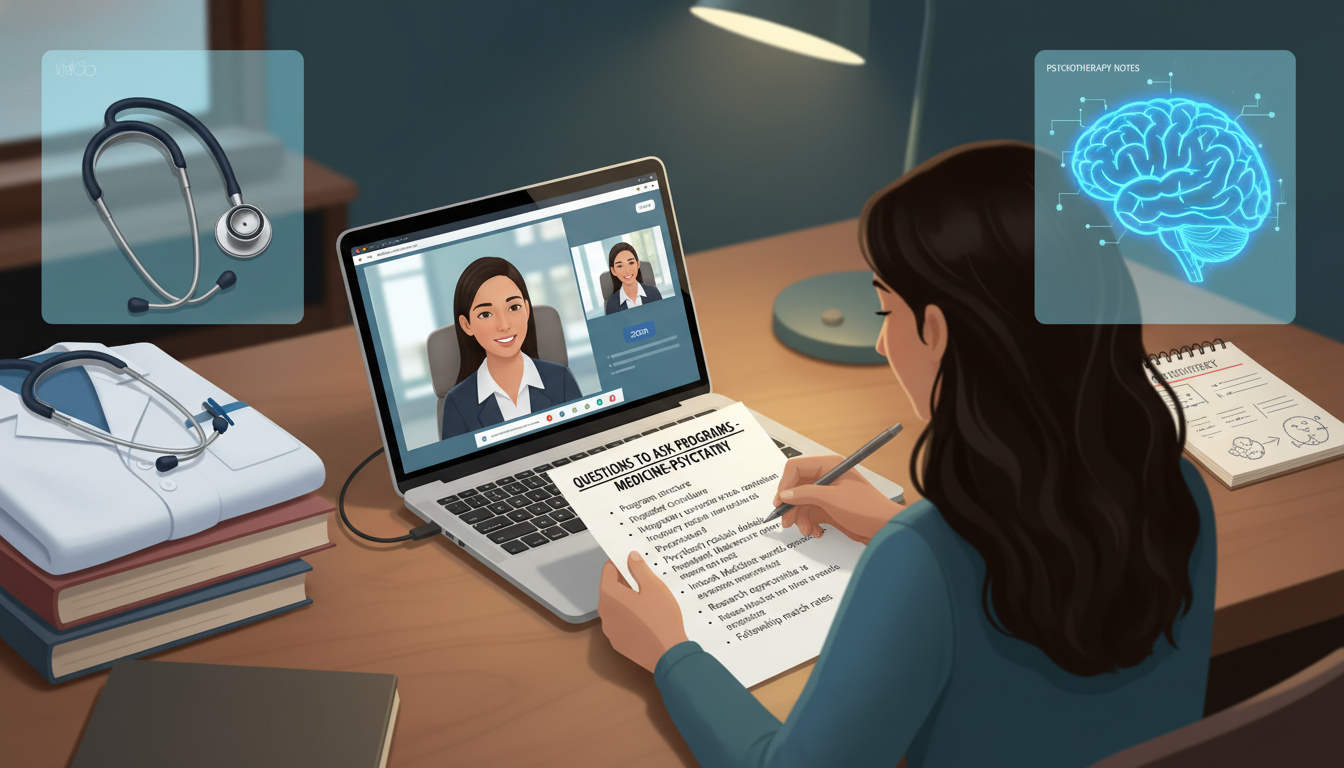
To evaluate programs well, you must ask targeted, informed questions—especially during interviews, pre‑interview socials, and post‑interview communication. This guide focuses on what to ask programs, specifically tailored to non‑US citizen IMGs aiming for clinical informatics careers.
We’ll organize questions around key themes, explain why each topic matters, and give example phrases you can adapt. Use these as a menu: you don’t need every question for every program, but you should cover each major category across your interviews.
1. Visa, Sponsorship, and Immigration: Essential Questions for Non‑US Citizen IMGs
For a non‑US citizen IMG, the most critical early filter is whether the program both can and routinely does sponsor the type of visa you need. Never assume—policies differ widely and can change year to year.
Key Questions to Ask Programs About Visas
You can direct these to the program coordinator, program director, or GME office. Many can be clarified by email after receiving an interview invite if they’re not clearly stated on the website.
A. Basic Sponsorship and Eligibility
- “What types of visas do you currently sponsor for residents (J‑1, H‑1B, others)?”
- “For the last 3–5 years, have you consistently sponsored visas for non‑US citizen IMGs?”
- “Do you have any restrictions on sponsoring H‑1B visas (for example, only for certain specialties or exam score thresholds)?”
Why this matters: Some institutions technically “allow” H‑1B but almost never use it for residents. You need to know the actual practice, not just the theoretical possibility.
B. Historical Experience With Foreign National Medical Graduates
- “Approximately what percentage of your current residents and recent graduates are non‑US citizen IMGs?”
- “Can you share examples of recent foreign national medical graduates who have successfully completed your program?”
- “How familiar is your GME office with managing visa issues, especially for residents who continue to fellowship?”
Aim to identify programs that are experienced and comfortable training international graduates, not those doing it for the first time.
C. Transition to Fellowship and Beyond
- “For graduates pursuing fellowships, especially clinical informatics fellowship, how does visa sponsorship usually work?”
- “Have any of your recent residents required visa changes (e.g., from J‑1 to H‑1B) for fellowship or attending positions, and how was that managed?”
You want programs whose leadership knows the pathway from residency → fellowship → first job for non‑US citizen IMGs, particularly in academic or health‑IT–heavy institutions.
D. Institutional or State-Level Restrictions
- “Are there any institutional or state regulations that limit your ability to recruit or retain non‑US citizen IMGs?”
- “Do you anticipate any upcoming changes in your visa policies over the next few application cycles?”
This helps you avoid surprises—e.g., states or hospitals that tighten rules or limit certain visa types.
Strategy Tip
Ask visa questions early enough to avoid wasting interview slots on programs that simply cannot support you, but tactfully so you don’t make visa your only topic of conversation. You might address the practical issues by email with the coordinator, and then use the interview for deeper questions about training and informatics.
2. Clinical Informatics Exposure and Health IT Training Within Residency
If your ultimate goal is a clinical informatics fellowship or a hybrid clinical–informatics career, you must evaluate how each residency program integrates health IT training into daily practice and formal curricula.
Questions About Informatics Culture and Infrastructure
Start by understanding how informatics‑mature the hospital and health system are:
- “Which electronic health record systems do your main training sites use (e.g., Epic, Cerner, Meditech, home‑grown)?”
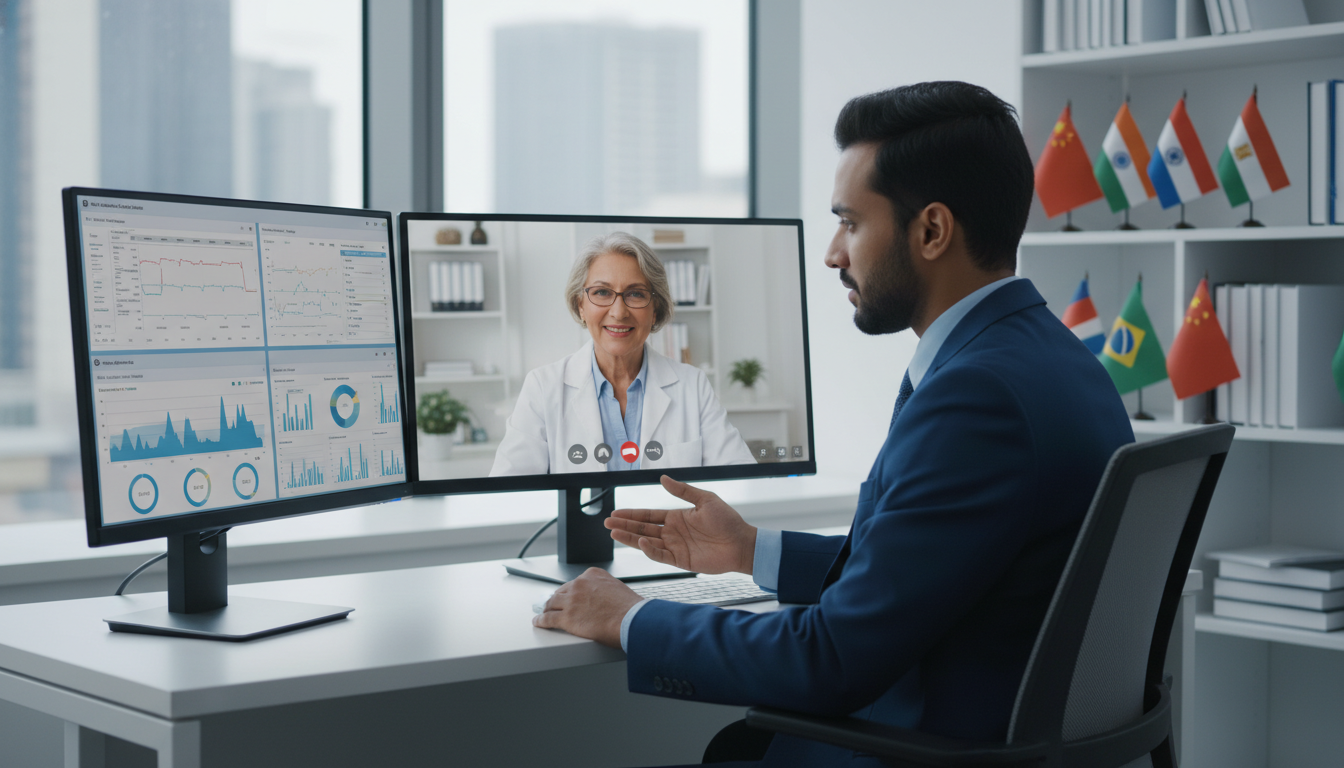
- “Are there enterprise tools for data analytics, dashboards, or population health (e.g., Tableau, Power BI, custom analytics platforms) that residents can access or learn?”
- “Is there a dedicated clinical informatics or health IT department? How integrated are they with resident education?”
Look for indicators of a digitally mature environment: stable EHR, integrated decision support, structured data initiatives, data warehouses, or quality improvement driven by informatics.
Questions About Structured Health IT Training
To assess formal training components:
- “Do you have a structured curriculum in clinical informatics, digital health, or health IT for residents?”
- “Are there regular lectures, workshops, or elective rotations related to topics like EHR optimization, clinical decision support, healthcare data analytics, or telemedicine?”
- “Do residents receive any training in SQL, R, Python, or other data tools as part of QI or research projects?”
Helpful signs include:
- A longitudinal informatics or QI curriculum
- Access to informatics faculty or data analysts
- Demonstrated outcomes like resident presentations or publications in health IT domains
Questions About Hands‑On Informatics Experience
You also need to verify there are real opportunities to do informatics work:
- “Can residents participate in projects with the clinical informatics team, such as building order sets, optimizing decision support tools, or designing digital workflows?”
- “Are there resident positions on EHR optimization committees, IT governance councils, or quality improvement committees related to informatics?”
- “How easy is it for a motivated resident to get involved with informatics projects, and what level of supervision or mentorship is available?”
For a future clinical informatics fellowship applicant, documented informatics experience (projects, initiatives, leadership roles) carries significant weight.
Follow‑Up Questions to Clarify Depth
- “Could you give an example of a recent resident project that was informatics‑focused?”
- “Are any of your core faculty dual‑trained in clinical informatics or actively involved in health IT leadership roles (CMIO, Associate CMIO, Director of Clinical Informatics)?”
- “Do residents attend or present at informatics‑related conferences (e.g., AMIA, HIMSS)? Does the program support travel for this kind of scholarly activity?”
Ask for specifics; the difference between “we have informatics” and “we truly support informatics careers” is in concrete examples.
3. Pathways to Clinical Informatics Fellowship and Career Development
Your residency program is the launchpad for your clinical informatics fellowship and your future as a clinician–informatician. You should clearly understand what the pathway looks like for previous residents and what resources support that path.
Questions About Fellowship Match Outcomes
These questions are critical to determine whether the program has a track record for informatics careers:
- “Have any of your graduates matched into ACGME‑accredited clinical informatics fellowships? If so, where?”
- “What proportion of residents over the last 5–10 years have pursued informatics‑related fellowships or roles (e.g., quality improvement, data analytics, digital health)?”
- “Do you maintain relationships with specific clinical informatics fellowship programs or institutional partners?”
A strong sign: they can name specific clinical informatics fellowship programs that graduates attend, or describe alumni now working in CMIO‑track or health IT roles.
Questions About Mentorship and Career Guidance
- “Is there a faculty member designated as an advisor or mentor for residents interested in clinical informatics?”
- “How does the program support residents in building a competitive portfolio for clinical informatics fellowship—such as research, leadership roles, and presentations?”
- “Do residents have protected time for scholarly projects, and can that be directed toward informatics?”
For a non‑US citizen IMG, mentorship is especially important because you will likely navigate:
- Visa constraints
- Fellowship competitiveness
- Networking in a new system
- Transition into US‑based informatics roles
Questions About Networking and Visibility in the Informatics Community
- “Do your residents participate in national organizations such as AMIA (American Medical Informatics Association)?”
- “Does the program support or fund attendance at informatics or health IT conferences?”
- “Are there local or regional informatics collaboratives, data science groups, or innovation centers that residents can join?”
Programs that encourage networking and external visibility significantly increase your odds of building a recognized profile before fellowship applications.
Questions About Long‑Term Career Prospects
- “How have prior residents who were interested in informatics shaped their careers after residency—are they in academic roles, health system IT, or industry?”
- “Are there opportunities to collaborate with data science, computer science, or engineering departments within your institution or affiliated universities?”
This will help you see whether the program’s alumni outcomes truly align with the career model you envision: clinical + informatics leadership, industry, analytics, or digital health entrepreneurship.
4. Program Culture, Support for IMGs, and Day‑to‑Day Training Environment
Even the most informatics‑rich environment will be difficult to thrive in if the program culture does not support international graduates or value diversity. Use your questions to ask residency interviewers to uncover how life actually feels for non‑US citizen IMGs.
Questions About Support for IMGs and Diversity
- “How does the program support non‑US citizen IMGs in adjusting to the US healthcare system and documentation standards?”
- “Can you describe the diversity of your current residents—especially in terms of training backgrounds and nationalities?”
- “Are there any formal orientation or ongoing resources specifically for IMGs (e.g., documentation workshops, communication skills, billing and coding training)?”
Ask these questions both to program leadership and current residents. Residents’ answers will often be more candid.
Questions About Mentoring and Feedback Culture
- “How are residents assigned mentors? If I have a strong interest in clinical informatics, can I choose a mentor aligned with that interest?”
- “How is feedback typically delivered—formally, informally, and how often?”
- “How does the program handle residents who are struggling—academically, clinically, or personally—and what support systems are available?”
For foreign national medical graduates, structured support and transparent feedback can make the difference between thriving and feeling overwhelmed.
Questions About Schedule, Workload, and Flexibility
- “What does a typical PGY‑1 and PGY‑2 schedule look like in terms of inpatient, outpatient, nights, and weekends?”
- “How much elective time is available, and can it be concentrated to create an informatics‑focused ‘track’ or theme?”
- “Does the program allow residents to customize some rotations or electives for informatics, research, or quality improvement projects?”
This is especially important because informatics‑oriented residents often need longitudinal time to complete complex projects, QI initiatives, or data analyses.
Questions About Wellness and Life Outside the Hospital
- “What wellness resources are available to residents (counseling, peer support, protected wellness time)?”
- “How does the program support residents who are far from family or adjusting to a new country?”
- “Are there active resident groups, cultural organizations, or networks where international graduates can find community?”
For non‑US citizen IMGs, social support and psychological safety are crucial for sustainable training and learning.
5. Tailoring “Interview Questions for Them” to Each Interviewer
You’ll meet different types of people during interview day: program directors, associate PDs, faculty, fellows, current residents, and sometimes institutional IT leaders. Your interview questions for them should be targeted to each role.
What to Ask the Program Director (PD)
When you think about what to ask program director specifically, focus on big‑picture strategy, culture, and long‑term vision.
Examples:
- “How do you see clinical informatics evolving within your program over the next 5–10 years?”
- “What kind of resident thrives in this environment, especially those interested in informatics or health IT?”
- “How has the program responded to previous residents’ interest in non‑traditional career pathways, such as informatics or digital health?”
You can also connect informatics with program‑level priorities:
- “What are the main quality improvement or patient safety initiatives currently underway, and how are they supported by health IT or informatics?”
- “Are there plans to expand collaboration between the residency and the clinical informatics or data science departments?”
What to Ask Core Faculty and Informatics‑Involved Faculty
- “From your perspective, what opportunities exist here for residents to contribute to informatics projects or digital transformation?”
- “How accessible are you and other informatics‑oriented faculty for mentorship and project supervision?”
- “What do you think sets this program apart for a resident aiming for a clinical informatics fellowship?”
These questions allow you to gauge real faculty engagement in mentoring aspiring informaticians.
What to Ask Current Residents
Residents are your best source for honest insight into daily life and hidden barriers (including for non‑US citizen IMGs).
- “As someone interested in informatics, how feasible is it to balance core clinical training with informatics projects here?”
- “Have you seen non‑US citizen IMGs in this program successfully pursue advanced fellowships or academic careers?”
- “Is the administration responsive when residents propose new initiatives, like informatics electives or QI projects?”
- “Do you feel the program is fair and supportive toward IMGs—especially in scheduling, evaluations, and opportunities for leadership?”
Listen for consistency: if multiple residents give similar answers, you’re getting a reliable picture.
What to Ask the Program Coordinator or GME Office
- “Can you walk me through how visa sponsorship has typically been handled for residents in your program?”
- “Are there institutional workshops or resources on immigration issues, tax questions for non‑residents, or long‑term planning for foreign national medical graduates?”
- “If visa regulations change during training, how does the institution help residents adapt?”
These are more administrative and process‑focused, best suited for coordinators rather than clinical faculty.
6. Strategy: How to Use These Questions Effectively
Simply having a list of questions is not enough; you must use them strategically before, during, and after interviews.
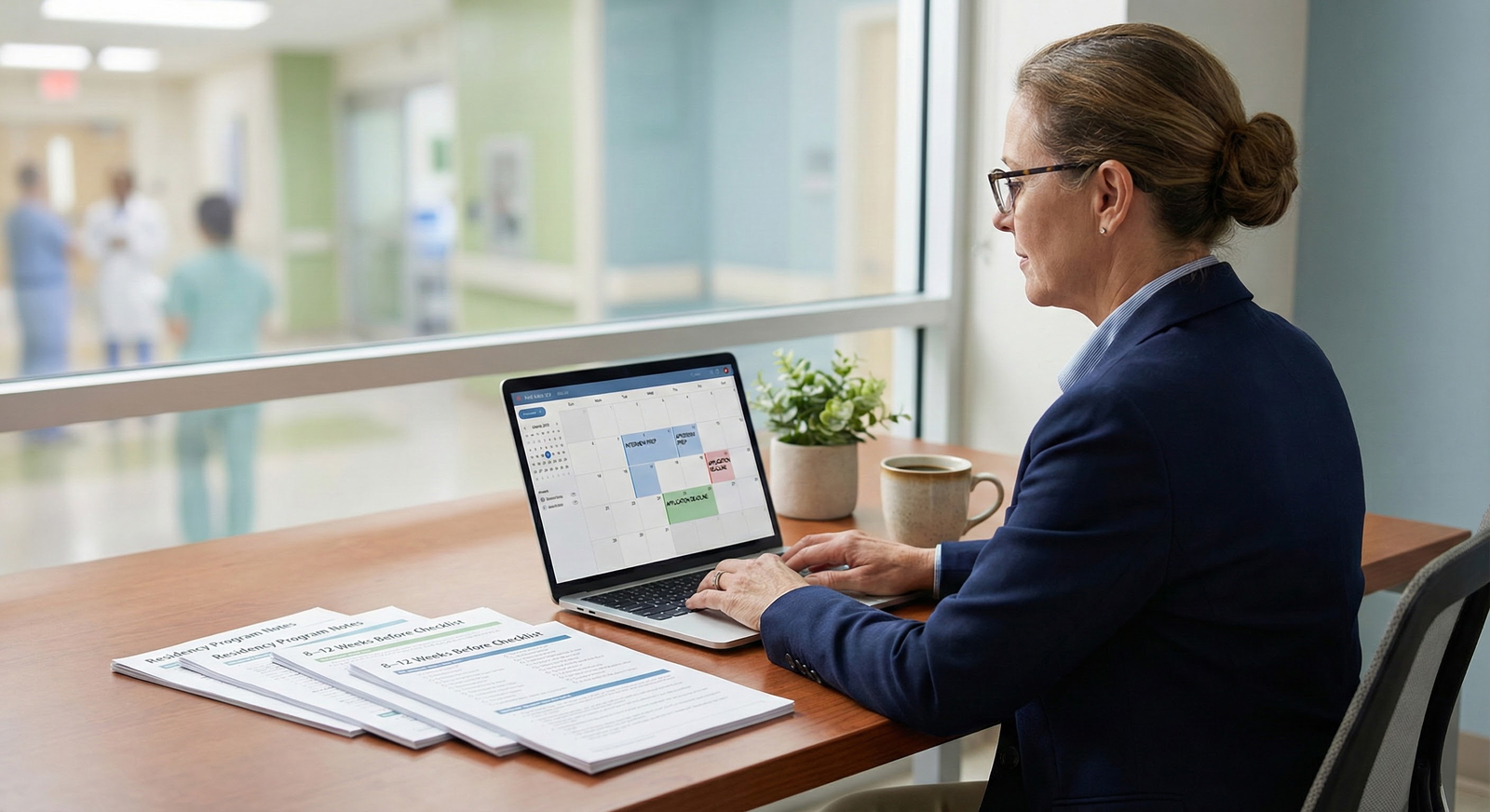
Before Interviews
- Study the website and publicly available data (FREIDA, program website, institutional pages). Avoid asking questions that are clearly answered there; instead, build on that information.
- Create a customized question set for each program, grouped by:
- Visa and IMG support
- Informatics and health IT training
- Culture and wellness
- Outcomes and fellowship pathways
- Highlight 5–7 “must‑ask” questions per program so you don’t run out of time.
During Interviews
- Integrate your questions naturally into conversation. For example, after the PD mentions a QI initiative, you can ask how informatics tools support that initiative.
- Prioritize questions that:
- Confirm deal‑breaker issues (visa, willingness to support informatics projects)
- Help you differentiate programs with similar reputations or locations
- Take brief notes after each interview block; details blur quickly across multiple interview days.
After Interviews
- Review your notes and ask:
- “Did the program demonstrate a clear, realistic pathway for a non‑US citizen IMG into clinical informatics fellowship or health IT roles?”
- “Did they answer visa questions clearly and confidently?”
- “Did current residents, especially IMGs, seem genuinely supported and satisfied?”
- If needed, send polite follow‑up emails asking for clarification on specific issues (visa processes, examples of informatics projects, alumni outcomes).
Your final rank list should reflect not only where you felt comfortable, but where your long‑term clinical informatics goals are most likely to be realized as a foreign national medical graduate.
FAQs: Questions to Ask Programs for Non‑US Citizen IMGs in Clinical Informatics
1. How many questions should I ask each program during the interview?
Aim for 4–6 thoughtful questions per interview session (PD, faculty, residents). Over the entire interview day, you might ask 10–15 questions, spread across multiple people. Quality is more important than quantity—choose questions that reveal unique information about visa support, informatics training, and program culture.
2. Is it okay to ask about visa sponsorship directly during my interview?
Yes, but be tactful. Many applicants clarify basic visa eligibility with the program coordinator before or after the interview. During the formal interview, you can ask higher‑level questions such as, “How has the program historically supported non‑US citizen IMGs through residency and into fellowship?” Reserve detailed or technical visa questions for written communication or dedicated GME staff.
3. How can I specifically assess whether a program will support my goal of matching into a clinical informatics fellowship?
Look for concrete evidence:
- Named examples of residents who matched into clinical informatics fellowship
- Presence of informatics faculty or leadership roles (CMIO, Director of Clinical Informatics)
- Opportunities for health IT training, projects, and presentations
- Faculty who can describe clear strategies for building a competitive informatics portfolio
If a program struggles to answer these questions, informatics may not be a major focus, even if they use advanced EHR systems.
4. What if a program seems strong clinically but weak in informatics opportunities?
Consider your priorities. If your primary goal is a clinical informatics career, you should favor programs that offer both strong clinical training and meaningful informatics exposure. However, you can still succeed from a clinically strong program if you:
- Proactively create informatics‑focused QI projects
- Find external mentors (e.g., at affiliated hospitals or universities)
- Participate in organizations like AMIA, even independently
Your questions during interviews will help you assess how flexible and supportive the program is toward resident‑driven informatics initiatives.
Thoughtful, well‑targeted questions are one of your most powerful tools as a non‑US citizen IMG exploring clinical informatics pathways. Use them not just to impress programs, but to protect your future—clinically, professionally, and in your immigration journey.