
Why Your Questions Matter Even More as a US Citizen IMG in Neurosurgery
As a US citizen IMG pursuing neurosurgery residency, you’re already navigating one of the most competitive specialties from a more complex starting point: training abroad, returning to the US system, and competing with US MD and DO graduates. That makes your interview day not just an evaluation of you—but a critical chance for you to evaluate them.
The questions you ask programs will:
- Show you understand neurosurgery’s demands and culture
- Signal maturity, insight, and professionalism
- Help you identify programs that actually support American studying abroad applicants
- Protect you from matching into a toxic or unsupportive environment
This guide focuses specifically on what to ask programs as a US citizen IMG targeting neurosurgery residency (brain surgery residency). You’ll find:
- High-yield categories of questions to ask
- Sample phrases and scripts
- What to ask residents vs faculty vs program director
- Special considerations for US citizen IMG and “American studying abroad” trajectories
Use this as a framework, not a script—adapt to your personality and the flow of conversation.
Strategy First: How to Approach Asking Questions
Before we dive into specific questions to ask residency programs, it helps to understand how to ask them so you sound prepared, not interrogational.
Core Principles
Be purposeful, not random
Every question should help you understand:- Training quality
- Culture and support
- How IMGs and US citizens trained abroad are integrated
- Your long-term goals (fellowship, academics, practice location)
Tailor to the person
- Residents: Ask about reality, culture, workload, support, and day-to-day life
- Program director (PD)/chair: Ask about vision, program structure, outcomes, and selection philosophy
- Faculty: Ask about mentorship, research, operative experience
- Coordinators: Ask about logistics, visas if relevant, wellness resources, scheduling
Avoid questions with answers on the website
You can reference the website, then take it a level deeper:- “I saw on your website that you rotate at X and Y hospitals. How does case complexity differ between those sites?”
Ask IMG-specific questions without sounding insecure
Directly, but professionally, explore how they support US citizen IMGs:- “For residents who trained at international schools, what has helped them transition successfully here?”
Show you are thinking like a future neurosurgeon
Your questions should reflect:- Long-term thinking (fellowships, practice setup)
- Ownership of patient care
- Engagement with neurosurgical education, outcomes, and research
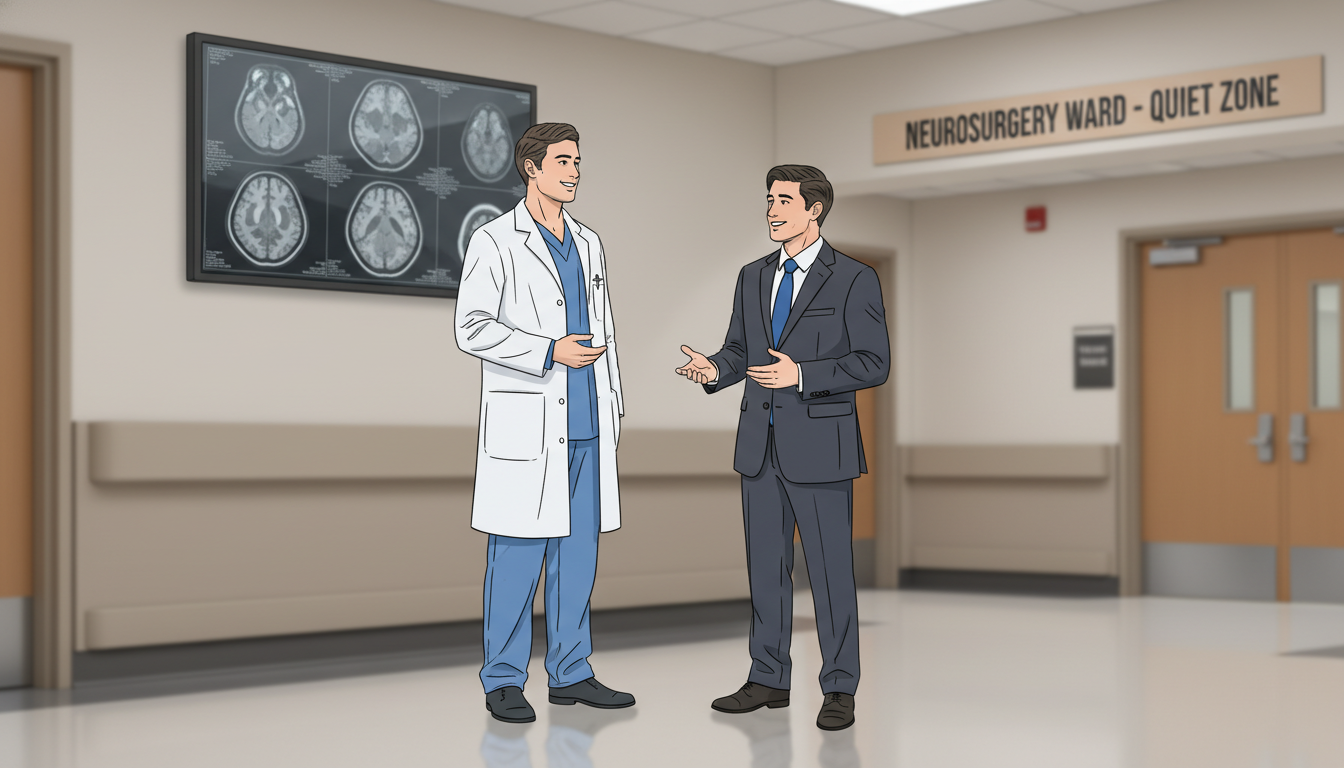
High-Yield Questions for Residents: Culture, Workload, and Reality
Residents are your best source of unfiltered reality. As a US citizen IMG who may not have deep US clinical networks, the resident perspective is invaluable.
1. Questions to Understand Program Culture
Culture is mission-critical in neurosurgery given the hours, stress, and responsibility. You want a program that is demanding but not toxic.
- “How would you describe the culture here—especially in tough situations like overnight complications or bad outcomes?”
- “When residents make mistakes, how are they typically handled—from an educational and professionalism standpoint?”
- “Do you feel comfortable calling your chiefs or attendings at night if you’re unsure?”
- “How does the program leadership respond to resident feedback? Can you share a time when residents raised a concern and what changed?”
What to listen for:
- Words like supportive, teaching-focused, approachable, team-based
- Concrete examples of changes made based on resident feedback
- Honest, not overly rehearsed, responses
2. Questions About Workload and Operative Experience
You’re entering brain surgery residency; volume and responsibility matter, but burnout is real.
- “What does a typical weekday look like for a junior resident? For a mid-level?”
- “How is call structured, and how often do you feel truly overwhelmed versus busy but manageable?”
- “Do junior residents get hands-on operative experience early, or is it mostly assisting and retracting in the beginning?”
- “By PGY-3 and PGY-4, what types of cases do you feel comfortable performing with minimal supervision?”
Red flags:
- Residents seem vague about case numbers or hide their fatigue behind jokes
- No early operative experience
- Constant reference to “just surviving” or “keeping your head down”
3. Questions About How They Treat US Citizen IMGs and Other Nontraditional Trajectories
As an American studying abroad, you must ensure you’ll be supported academically and socially, not stereotyped.
- “Have there been residents who came from international medical schools or nontraditional paths? How have they done here?”
- “Do you feel the program values residents for their performance here, regardless of where they went to medical school?”
- “Are there any particular resources or mentorship set up for residents adjusting from international schools or different healthcare systems?”
What you want to see:
- Examples of US citizen IMG or other IMGs succeeding, matching into fellowships, taking leadership roles
- A culture of merit and growth, not pedigree-based hierarchy
4. Questions About Education and Support
Neurosurgery residency is not just service; it must be structured education.
- “How protected is your didactic/education time? Is it regularly honored, or often interrupted by clinical duties?”
- “How do you prepare for board exams as a program? Are there structured reviews, question banks, or mock orals?”
- “How approachable are faculty for informal teaching—on rounds, in the OR, or after cases?”
5. Questions About Life Outside the Hospital
You must survive seven years—not just Match Day.
- “Realistically, do residents have any time for hobbies, exercise, or relationships?”
- “What do people here do to decompress when they’re off?”
- “Have many residents with families trained here? How has the program supported them?”
These questions help you gauge whether the program sees residents as whole people, not just service providers.
High-Yield Questions for the Program Director: Vision, Outcomes, and Fit for US Citizen IMGs
The program director shapes the neurosurgery residency’s mission, culture, and educational priorities. The questions you ask the PD (and sometimes the chair) should reflect that you’re thinking about the big picture.
1. Questions About Program Vision and Training Philosophy
Neurosurgery programs can vary widely in emphasis (research, clinical volume, subspecialty focus, early independence).
- “How would you describe your vision for this neurosurgery residency over the next 5–10 years?”
- “What qualities make a resident thrive in this program specifically?”
- “How do you balance service needs with education and progressive autonomy in the OR?”
These questions show you’re thinking like a future neurosurgeon, not just a candidate trying to match.
2. Questions About Outcomes: Boards, Fellowships, and Careers
You’re investing seven years; you need to know what graduates actually do.
- “Where have recent graduates gone after finishing—both in terms of fellowships and practice settings?”
- “How do your residents perform on the written and oral board exams, and what support systems are in place for those exams?”
- “For residents interested in academic careers, what kinds of mentorship or support are available? For those aiming for private practice, how are they prepared for that transition?”
When you ask these questions to the PD, you’re signaling maturity and long-term thinking.
3. IMG-Focused Questions: What to Ask Program Director as a US Citizen IMG
You need to be direct, but not apologetic, about your background. You are a US citizen IMG, not a liability.
Specific, professional questions:
- “I’m a US citizen IMG who trained at [School]. Could you share how residents from international medical schools have integrated into your program in the past?”
- “What characteristics have you seen in successful residents who came from international or nontraditional paths?”
- “Are there any additional supports or expectations you have for residents transitioning from international medical systems?”
If the program has never had an IMG or US citizen IMG, you’re assesssing:
- Are they open-minded and structured enough to support you?
- Or rigid and risk-averse?
You can also ask:
- “When you review applications from Americans studying abroad, what aspects of their application or performance here matter most to you?”
This doubles as feedback and as a signal that you understand your context.
4. Questions About Evaluation, Feedback, and Remediation
You want a program that notices when you’re struggling and helps, rather than punishes.
- “How are residents evaluated here, and how often do they receive formal feedback?”
- “If a resident is struggling in a specific area—operative skill, clinical decision-making, or communication—how is that addressed and supported?”
- “Can you share an example (without names) of a resident who had difficulty at some point and how the program helped them get back on track?”
Programs that can answer this clearly are usually more mature and supportive.
5. Questions About Program Changes and Responsiveness
Neurosurgery is evolving quickly. Good programs adapt.
- “What is one of the most significant changes you’ve made to the residency in the last few years, and what prompted it?”
- “How do you see case mix or training priorities changing here over the next several years—especially with new technologies like endovascular, radiosurgery, or robotics?”
These questions also give you material to reference in your thank-you email later.

Questions for Faculty and Subspecialty Mentors: Operative Depth and Research
Faculty interviews are a prime place to ask specialty- and career-focused questions. This is where you stand out as someone who understands what a brain surgery residency actually entails.
1. Questions About Operative Autonomy and Teaching Style
Different faculty have different teaching philosophies. You want to understand the range.
- “How do you typically involve residents in your cases at different training levels?”
- “When do you feel comfortable letting a senior resident take the lead on a case, and how do you decide that?”
- “What skills or habits do you see in residents who progress fastest in the OR?”
You can tailor this to subspecialty (vascular, spine, tumor, functional, pediatrics):
- “For vascular or skull base cases here, how is resident involvement structured as they progress through training?”
2. Questions About Research and Academic Development
As a US citizen IMG, strong research can be a major equalizer—both for matching and for future fellowships.
- “What kind of research infrastructure exists here for neurosurgery residents—biostatistics support, protected time, funding opportunities?”
- “Have residents been able to present at national meetings like CNS, AANS, or subspecialty conferences?”
- “If a resident comes in with less research experience but high motivation, how do you suggest they build a productive research trajectory here?”
If you already have meaningful research:
- “I’ve been involved in [briefly mention area]. How might I build on that here in your department?”
3. Questions About Mentorship and Long-Term Career Guidance
Neurosurgery careers are long and varied.
- “How does mentorship typically work here? Are residents assigned formal mentors, or does it form more organically?”
- “What do you see as the biggest challenges for neurosurgeons finishing training now, and how does this program try to prepare residents for those realities?”
These questions show insight into neurosurgery beyond the Match.
Practical Logistics and “Real Life” Questions: What You Might Ask the Coordinator or Senior Residents
You’ll also need practical, day-to-day information. Some of these questions are better asked in informal settings like a resident-only Zoom or dinner.
1. Schedule, Rotations, and Sites
- “How much time do residents spend at each hospital site, and how do the experiences differ between them?”
- “Are there off-service rotations, and how relevant are they to neurosurgery training?”
- “How many hours per week do residents typically work at different levels, and how closely do you adhere to duty-hour regulations?”
2. Support Systems: Wellness, Mental Health, and Administrative Help
- “What wellness or mental health resources are realistically used by residents here?”
- “How does the program handle illness, fatigue, or personal emergencies?”
- “Are there administrative supports for things like scheduling, licensing, and board registration, or is most of that handled by residents themselves?”
For a seven-year neurosurgery residency, these are not minor details.
3. Housing, Cost of Living, and Community
As a US citizen IMG, you may not have deep local ties in the city the program is in.
- “Where do most residents live, and what’s the approximate cost of living?”
- “Do residents tend to socialize together outside of work, or is everyone more independent?”
- “How accessible are the hospital and clinics in terms of commute, parking, or public transportation?”
These questions help you visualize your life there, not just your CV.
How to Phrase “Interview Questions for Them” Without Sounding Scripted
You may have a list of “interview questions for them,” but sounding like you’re reading from a script can hurt you. Here are strategies to keep it natural:
1. Anchor Your Question to Something They Said
Instead of jumping topics:
- “You mentioned earlier that residents get early operative exposure. Could you tell me more about how that looks in the first year?”
- “You said the program has changed significantly in the last few years. What have been the biggest changes for residents day-to-day?”
2. Use Your Background as a Framing Device
This is especially powerful for an American studying abroad.
- “Coming from an international school, I’ve had exposure to [type of system]. How do residents here adapt if their previous clinical training environment was very different?”
- “I did a lot of [research/clinical work] in [country]. How might that background fit with the patient population and case mix here?”
3. Have 2–3 “Signature” Questions You Ask Almost Everywhere
These can become your personal theme and make you more memorable. Examples tailored to neurosurgery:
- “If you had to describe the graduates of this program in one or two sentences—clinically and professionally—what would you say?”
- “What do you think this program does better than most neurosurgery residencies, and what is one area you’re still actively trying to improve?”
Special Considerations for US Citizen IMGs in Neurosurgery
Because the target audience here is US citizen IMG applicants to neurosurgery, there are a few additional angles to address with your questions.
1. Addressing Gaps and Transitions
If you had a gap year, research year, or nontraditional path:
- “I took time to focus on [research/clinical work/USMLE preparation]. How do you view nontraditional paths in your selection and training process?”
- “Are there specific supports or expectations for residents who might need a steeper “on-ramp” into US hospital systems?”
2. Clarifying How They View International Training
Without sounding defensive:
- “With more Americans studying abroad and returning for neurosurgery, how has your program adapted to evaluating and training those applicants?”
- “What have been the most successful strategies used by previous residents who came from outside the US system to quickly get up to speed here?”
You’re giving them a chance to show they understand and value US citizen IMGs.
3. Community and Belonging
If you’re returning to the US after years abroad, reintegrating socially and culturally matters.
Ask residents:
- “Have there been residents who came in without a strong local support system or family nearby? How did they build community here?”
- “Do you feel the department fosters inclusion for people with different backgrounds, accents, or training histories?”
You’re not just looking for tolerance—you’re looking for belonging.
Putting It All Together: A Sample Question Plan for Interview Day
To keep from feeling overwhelmed, you can structure your “questions to ask residency” around your interview schedule:
With Residents (Pre-interview dinner / Resident Zoom)
- Culture: “How does the program handle mistakes or complications?”
- IMG fit: “How have residents from international schools integrated?”
- Reality: “What surprised you the most after you started here?”
- Life: “Do you have time for anything outside work, realistically?”
With the Program Director
- Vision: “Where do you see this program in 5–10 years?”
- Outcomes: “What do graduates typically do after residency?”
- US citizen IMG context: “How have residents from international medical schools done here?”
- Education: “How do you ensure residents get progressive autonomy while maintaining patient safety?”
With Faculty
- Operative training: “How do you involve residents in your cases at different levels?”
- Subspecialty: “How is [vascular/spine/tumor/etc.] exposure structured across the years?”
- Research: “What opportunities exist for residents to lead or publish projects in your area?”
With Coordinator / Senior Resident (Informal)
- Logistics: “What does the rotation schedule look like over the seven years?”
- Support systems: “How does the program support residents during personal or family emergencies?”
- City/life: “Where do most residents live, and how is the commute?”
Having this structure allows you to be flexible but not lost.
Frequently Asked Questions (FAQ)
1. How many questions should I ask each interviewer in a neurosurgery residency interview?
Aim for about 2–4 thoughtful questions per interviewer, depending on time. It’s better to ask fewer, deeper questions than to rush through a long list. If an interviewer leaves a lot of time at the end, you can go a bit beyond that—but always watch their cues and the clock.
2. Are there any questions I should avoid asking altogether?
For neurosurgery interviews in particular, avoid:
- Questions easily answered on the website (basic rotation structure, number of residents)
- Premature “What are my chances of matching here?” type questions
- Questions focused solely on salary or vacation without any mention of training quality
- Anything that sounds like you’re shopping for the easiest program instead of the best training
You can ask about wellness, vacation, and support—but frame them professionally and in the context of long-term sustainability.
3. How can I ask about US citizen IMG friendliness without sounding insecure?
Anchor it in curiosity and professional interest:
- “For residents who came from international medical schools or nontraditional backgrounds, what helped them succeed here?”
- “How do you view the strengths that Americans studying abroad might bring to neurosurgery training?”
Avoid apologetic phrasing (e.g., “I know I’m just an IMG…”). You’re an applicant with a different path, not a lesser one.
4. Should I repeat the same questions at every program?
You can repeat your core themes, but tailor them based on what you’ve already learned. For example, your baseline PD question about “vision for the program” could be adapted:
- At a big research program: emphasize academic development
- At a smaller community-heavy program: emphasize operative autonomy and case mix
If you ask the exact same questions at every program, you may sound scripted and less engaged with their specific environment.
By approaching your neurosurgery residency interviews with intentional, well-crafted questions, you’re not only gathering critical information—you’re demonstrating the judgment, curiosity, and professionalism expected of a future neurosurgeon. As a US citizen IMG, your questions can also strategically highlight your insight, resilience, and readiness to thrive in a demanding but rewarding specialty.