Why Your Questions Matter in Emergency Medicine Residency Interviews
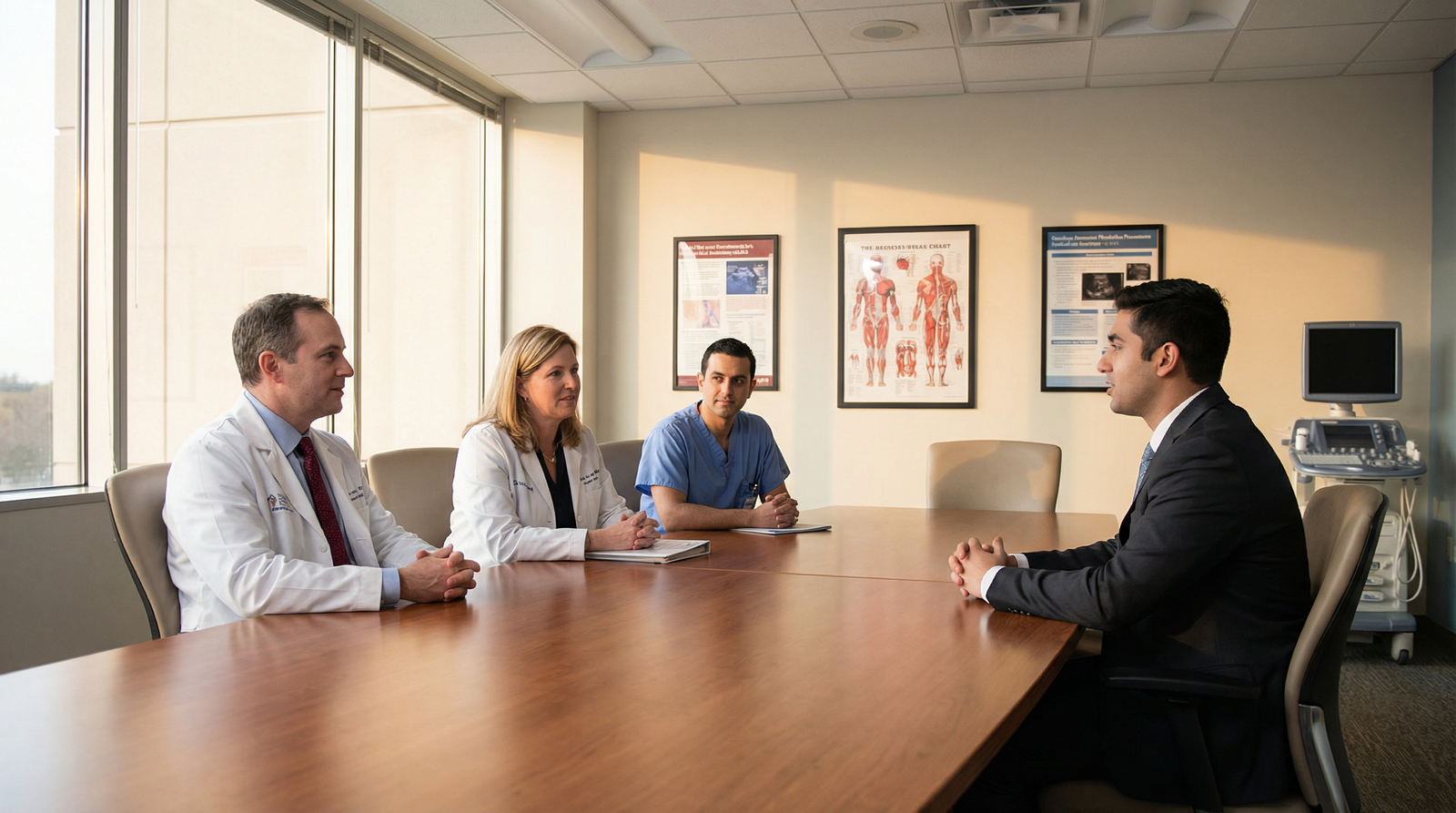
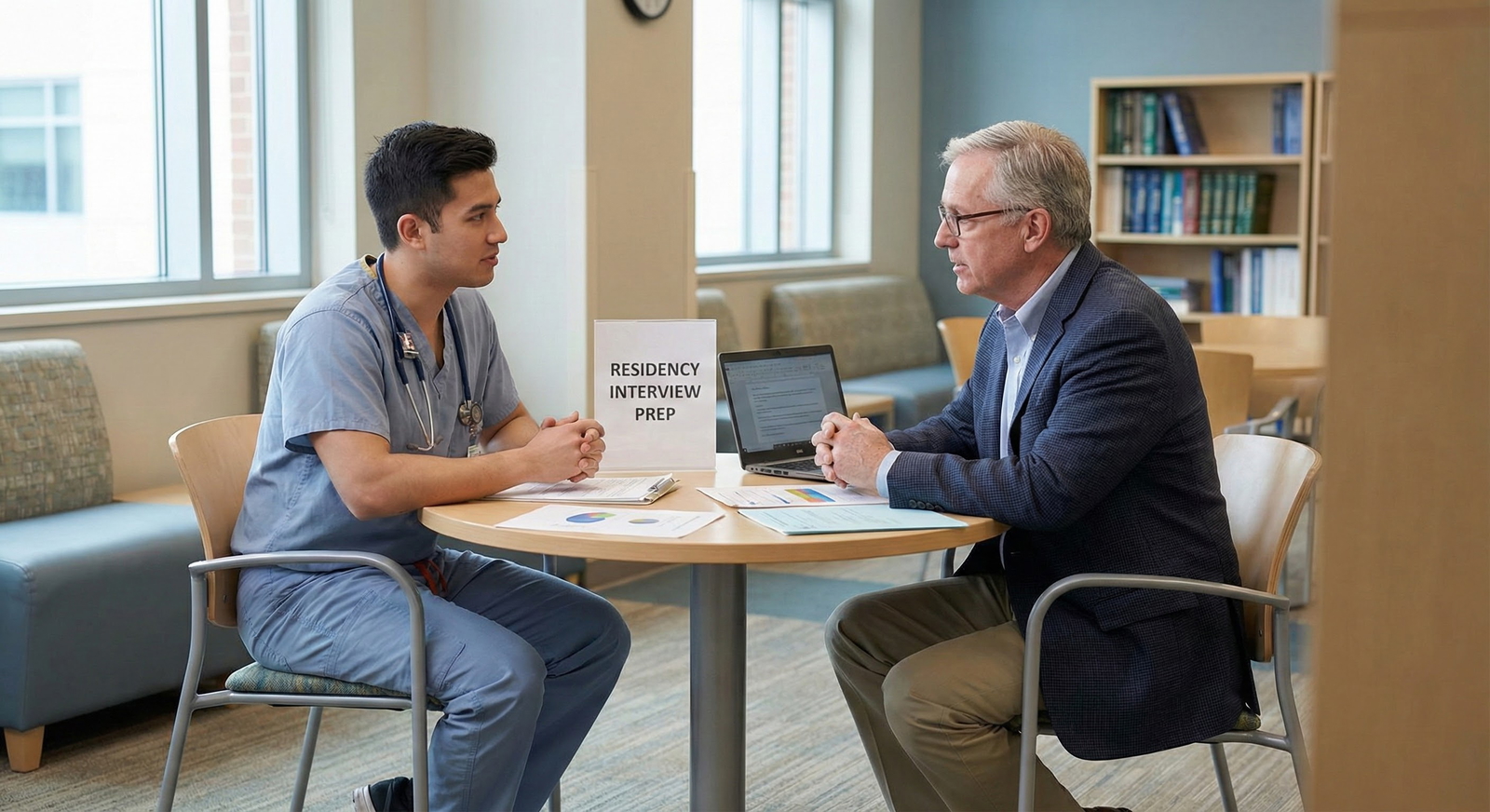
In emergency medicine (EM), interviews are not just about programs evaluating you—they’re your chance to evaluate them. The questions you ask residency programs are one of the most powerful tools you have to:
- Decide where you will thrive clinically and personally
- Gauge how honest, transparent, and resident-centered a program really is
- Stand out as a thoughtful, well-prepared applicant in the EM match
The questions to ask residency programs should go far beyond “What’s your board pass rate?” or “How’s your trauma volume?” Thoughtful, targeted questions show you understand the realities of emergency medicine training and that you are serious about finding the right fit.
This guide provides a structured, comprehensive list of interview questions for them—program directors, faculty, and residents—tailored specifically to emergency medicine residency. Use it to build your own customizable question list for each interview.
Strategy: How to Approach Asking Questions in EM Interviews
Before diving into specific questions, it helps to have a strategy. Not all questions are equal, and not everyone on the interview day is the right person to ask every question.
1. Know Your Priorities
Before interview season starts, list your top 5–7 priorities. For EM, common priorities include:
- Clinical exposure (acuity, volume, trauma, pediatrics, procedures)
- Culture (supportive vs malignant, wellness, schedule flexibility)
- Location and cost of living
- Fellowship and career support (academic vs community, ultrasound, critical care, EMS, administration, global health)
- Shift structure (hours, off-service months, holiday scheduling)
- Program stability (leadership, ACGME citations, future of the ED)
Your questions should help you determine how each program scores on these priorities.
2. Match Questions to the Right Person
You’ll likely speak with:
- Program Director (PD)
- Associate/Assistant PDs
- Core faculty
- Current residents (often PGY-1 through PGY-3/4)
- Program Coordinator
- Sometimes: Chair, ED Medical Director, fellows, alumni
Some topics are best for residents (real culture, schedule, unfiltered experiences). Others are best for PDs or faculty (curriculum, institutional changes, policy).
General rule:
- Ask “official” program questions (policies, structure, vision) to PDs/faculty.
- Ask “what is it really like?” questions to residents.
3. Avoid Questions You Should Already Know
Do not waste valuable time asking things clearly listed on the website or in the program’s EMRA/FRIEDA/VSLO listing (e.g., “Is this a 3-year or 4-year residency?”). Use that time to go deeper.
A good prep strategy:
- Read the program website, social media, and available FAQs
- Note things that are missing, vague, or particularly interesting
- Turn those into your personalized question list

High-Yield Questions for Program Directors and Faculty
When thinking about what to ask program director or core faculty, focus on program vision, structure, support, and outcomes. These questions help you understand how the training will shape you as an emergency physician.
A. Program Philosophy, Culture, and Vision
“How would you describe the culture of your emergency medicine residency in a few words, and what makes it unique compared to other EM programs?”
- Follow-up: “Can you share an example from this past year that really illustrates that culture?”
“What qualities are you intentionally trying to cultivate in your graduates?”
- This reveals whether they value autonomy, scholarly productivity, leadership, wellness, etc.
“How have you seen the program evolve over the last 5–10 years, and where do you see it going in the next 5?”
- Look for thoughtful, realistic answers and evidence of stability and growth.
“What do you think your residents would say is the biggest strength of the program—and the biggest area for improvement?”
- Transparency here can be extremely telling.
B. Clinical Training: Volume, Acuity, and Autonomy
Emergency medicine training is built on repetition, exposure, and progressive autonomy. You want to understand how patients and responsibilities are distributed across PGY levels.
“How is patient acuity and volume distributed among residents, especially between junior and senior years?”
- Follow-up: “When are residents expected to manage the sickest patients independently (with backup)?”
“Can you describe the typical responsibilities of an intern shift versus a senior resident shift in the ED?”
- Listen for meaningful progression, not “everyone does the same thing.”
“How do you balance supervision and autonomy, especially for procedures and critical patients?”
- A good answer includes graduated responsibility and faculty who know when to step in vs step back.
“Are there protected ‘resus’ or critical care pods staffed by EM residents, and how are those assignments made?”
- Helps you understand critical care exposure inside the ED.
C. Off-Service Rotations and Interdepartmental Dynamics
“What are the key off-service rotations, and how have they been tailored for emergency medicine learning needs?”
- Follow-up: “Do EM residents feel like valued team members on those services?”
“How would you describe the relationship between EM and other key departments—ICU, trauma surgery, internal medicine, pediatrics, and OB?”
- You’re looking for mutual respect, not turf wars that impede your learning.
- “Have there been recent changes to off-service rotations based on resident feedback?”
- This shows responsiveness and flexibility.
D. Structure: 3-Year vs 4-Year, Schedule, and Workload
If you’re interviewing at both 3-year and 4-year programs, tailor this section accordingly.
- “Why did your program choose the 3-year/4-year format, and how do you see that benefiting residents?”
- You want a coherent educational rationale, not “because we’ve always done it this way.”
- “What does a typical month look like for a PGY-2 in terms of ED shifts, off-service time, and days off?”
- Ask for specifics: average shifts per month, shift length, number of nights.
- “How predictable is the schedule, and how far in advance is it released?”
- Critical for planning life outside the ED.
- “How are holidays, weekends, and night shifts distributed among residents?”
- Look for fairness and transparent rules.
E. Procedures, Ultrasound, and Skills
Procedural competence is central to EM.
“How do you ensure residents meet and exceed procedural competency—especially for airway management, central lines, chest tubes, and procedural sedation?”
“What is the structure of your ultrasound training—formal curriculum, scanning requirements, faculty expertise, and opportunities for advanced training or an ultrasound track?”
“Do residents have dedicated time for simulation, and how often? What kinds of scenarios are emphasized?”
F. Wellness, Support, and Safety
Emergency medicine comes with burnout risk and emotional intensity. Programs that ignore this are red flags.
- “What specific wellness initiatives or structural changes has the program implemented in the last few years based on resident feedback?”
- You want more than pizza parties—look for schedule changes, reduced non-clinical burdens, mental health access, etc.
- “How does the program support residents after difficult cases, adverse outcomes, or significant medical errors?”
- This shows whether psychological safety exists.
- “Can you describe how you handle residents who are struggling—clinically, academically, or personally?”
- Look for a supportive remediation process, not punitive language.
- “How has the program adjusted to issues like ED boarding, crowding, and boarding-related burnout?”
- Crowding is universal; what matters is how leadership responds.
G. Outcomes: Fellowships, Jobs, and Career Support
- “Where have your recent graduates gone—academia vs community, fellowships, geographic spread?”
- Ask if you can see a recent graduate outcomes list.
“How does the program support residents pursuing fellowships—especially ultrasound, critical care, EMS, toxicology, administration, or global health?”
“What career development resources are available—mentorship, CV review, interview prep, negotiation guidance?”
“For those who go directly into community practice, how prepared do they feel, and how do you intentionally train for that?”
H. Program Stability, Feedback, and Responsiveness
“Have there been any major recent changes—leadership transitions, ED expansion, new sites—and how have those impacted residents?”
“How is resident feedback collected, and can you share an example of a meaningful change made based on that feedback?”
“Have there been any recent ACGME citations or areas of concern identified in reviews, and how are you addressing them?”
- Asking this respectfully can reveal a lot about transparency.
High-Yield Questions for Current Residents
Residents are your best window into what the program is truly like. During your EM match season, this is where many applicants distinguish between programs that “look good on paper” and ones that actually feel right.
A. Real Culture and Day-to-Day Life
“What do you like most about training here—and what do you wish you could change?”
- Ask multiple residents this; look for recurring themes.
“How would you describe your relationship with attendings—both in the ED and on off-service rotations?”
“Do you feel comfortable asking for help when you’re overwhelmed or unsure?”
“How do residents typically spend time together outside of work? Is there a real sense of community?”
B. Clinical Experience and Autonomy: The Resident Perspective
“Do you feel like you’re seeing enough high-acuity patients and getting hands-on with procedures?”
- Follow-up: “Are there any procedures or clinical experiences residents feel they have to ‘fight’ for?”
“By the time you finished your intern year, what were you comfortable managing independently in the ED?”
“How does the level of autonomy change from PGY-1 to your final year?”
“Do you ever feel overly supervised or under-supervised?”
- Nuanced answers here are more reassuring than blanket statements.
C. Schedule, Workload, and Wellness
“On a typical ED month, how many shifts do you work, and what is the usual length and intensity of those shifts?”
“How manageable is it to take care of non-work responsibilities—appointments, family, errands—with your schedule?”
“How does the program handle schedule requests, time off for major life events, or unexpected emergencies?”
“Do you feel the program genuinely cares about resident wellness, or is it mostly lip service?”
- Ask for specific examples.
“How are nights, weekends, and holidays in terms of fairness and workload?”
D. Education, Feedback, and Learning Environment
“How protected is your conference time? Are you ever pulled from conference to work clinically?”
“Are conferences interactive and high-yield, or mostly lecture-based?”
“How often do you get feedback on your performance, and is it actually useful?”
“Have you ever felt humiliated, ignored, or unsupported when asking questions or making mistakes?”
- This can reveal subtle cultural issues.
E. Off-Service Rotations and Interdepartmental Respect
“What have your off-service rotations been like—do other specialties value EM residents?”
“Are there any rotations that feel like ‘scut’ or not educationally relevant?”
“If you could redesign one off-service rotation, which would it be and why?”
F. Career Preparation and Confidence
“Do you feel confident about your readiness for independent practice or fellowship?”
“How involved are faculty in helping you think through and plan your career path?”
“Have recent graduates been successful in getting the jobs or fellowships they wanted?”
G. Hidden Curriculum: The Things Not on Paper
“What surprised you most about the program after you started?”
“If you were applying again, would you rank this program highly again? Why or why not?”
“Is there anything you wish you had known about this program before starting?”
“What do residents here complain about the most?”
- Every program has issues; you’re gauging severity and program response.

Targeted Questions for Specific Settings and Interview Formats
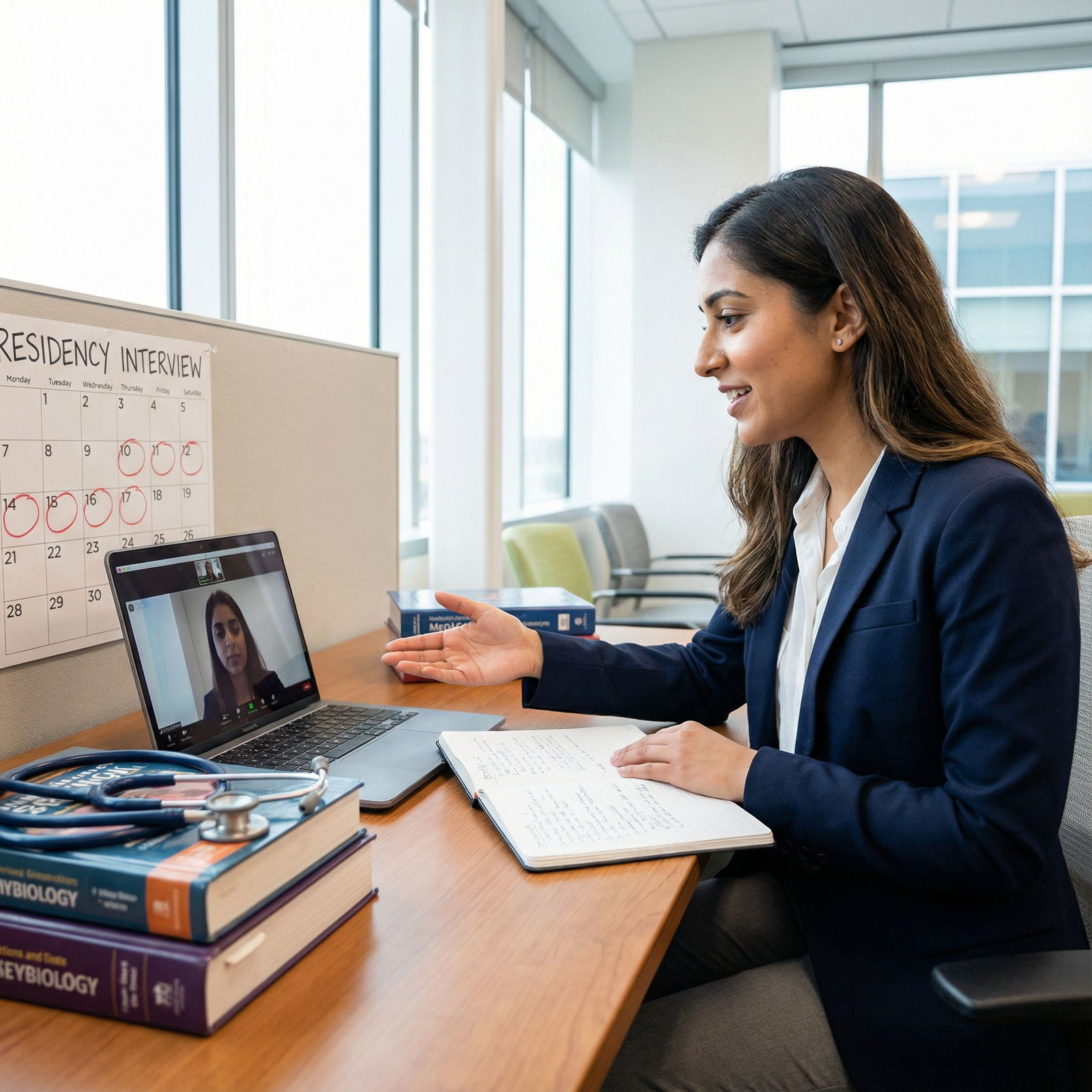
The modern EM match includes a mix of in-person, virtual, and sometimes hybrid experiences. Tailoring your interview questions for them depending on context will help you maximize each interaction.
A. Virtual Interviews: Questions to Overcome Distance
Virtual settings make it harder to feel the ED and hospital environment. Focus your questions on things you can’t see through a screen.
“What do you wish applicants could see in person about your ED and hospital that doesn’t come across virtually?”
“How do residents typically commute and where do they live relative to the main ED?”
“How safe do residents feel traveling to and from shifts, especially nights?”
“Can you describe the ED layout—are there separate adult and pediatric areas, dedicated trauma bays, resus rooms?”
B. Second Looks and In-Person Visits
If you attend a second look or unofficial visit, you can ask more granular, “on-the-ground” questions:
“During a busy shift like this, who typically runs the trauma bay—residents, fellows, or attendings?”
“How do residents interact with nursing, techs, and ancillary staff here?”
“What’s the most challenging part of working in this ED environment?”
C. Group Sessions, Q&A Panels, and Social Events
Open Q&A and social events are great for broad, comparative questions:
“What do you think applicants sometimes misunderstand about your program during interview season?”
“When residents hang out together, what do you end up talking about most—work, non-work, future plans?”
“How does your program foster inclusion and support residents from underrepresented backgrounds?”
How to Organize and Use Your Questions Strategically
You’ll have limited time during each interview day. A plan helps you avoid leaving important topics unexplored.
1. Build a Personalized Master List
From the categories above, create:
- A core list of 10–15 questions you care about most and will ask at almost every program
- A program-specific list of 3–5 questions tailored to each place (trauma center reputation, rural patient mix, strong ultrasound program, etc.)
Categorize them as:
- For PD/faculty
- For residents
- For coordinator (logistics, licensure, benefits)
2. Prioritize During the Day
If time is short:
- Ask PD/faculty about: program vision, structure, outcomes, wellness initiatives
- Ask residents about: real culture, schedule, autonomy, and “would you choose this again?”
If a topic is already extensively covered in a presentation, pivot to another area instead of repeating.
3. Listen for Red Flags and Green Flags
Red flags to note in answers:
- Evasive or defensive responses to questions about wellness, workload, or ACGME issues
- Residents giving very different answers from leadership on key topics
- “We’re working on that” without specific timelines or examples
- Culture of blame, humiliation, or competition rather than support
Green flags:
- Consistency between resident and faculty answers
- Specific examples of changes made based on resident feedback
- Honest acknowledgment of challenges plus concrete solutions
- Residents who are appropriately tired but still engaged, supported, and proud of their program
4. Take Structured Notes Right After Each Interview
Immediately after each day, write down:
- Top 3 pros and top 3 cons
- Key quotes or moments that stood out
- How the program fit your original priority list
- Your gut feeling captured in 2–3 sentences
These notes will be invaluable when building your rank list later.
Frequently Asked Questions (FAQ)
1. How many questions should I ask each program during my EM interview?
Aim for 3–5 thoughtful questions per major interaction (e.g., PD interview, resident panel, social). Across the whole day, you might ask 10–15 total questions, but spread them out and avoid repeating topics already thoroughly discussed. Quality and relevance matter more than quantity.
2. What are the most important questions to ask residency programs in emergency medicine?
If you’re short on time, prioritize:
- “How would you describe the culture here, and what makes it unique?”
- “How is clinical autonomy and responsibility structured from intern year to graduation?”
- “What changes have you made in response to resident feedback in the last few years?”
- “Would you choose this program again, and why?” (asked to residents)
These give you insight into culture, training quality, responsiveness, and overall resident satisfaction.
3. Is it okay to ask hard questions about workload, wellness, or ACGME citations?
Yes—if you ask respectfully. Programs that are confident and resident-centered will answer transparently about challenges and improvements. You might say:
- “I know ED boarding and burnout are big issues nationally. How has your program addressed those here?”
You’re not interrogating; you’re showing that you understand EM realities and care about sustainable training.
4. Should I ask the same questions at every emergency medicine residency I interview at?
Some core questions (about culture, autonomy, and outcomes) can and should be repeated so you can compare programs. However, also include program-specific questions that show you’ve done your homework and are genuinely interested in what makes that EM program unique. This balance both informs your rank list and leaves a strong impression on interviewers.
Thoughtful, well-targeted questions transform your emergency medicine residency interviews from one-sided evaluations into meaningful two-way conversations. Use this guide as a starting framework, refine it to your own priorities, and you’ll be well prepared to find the EM program where you will truly thrive.