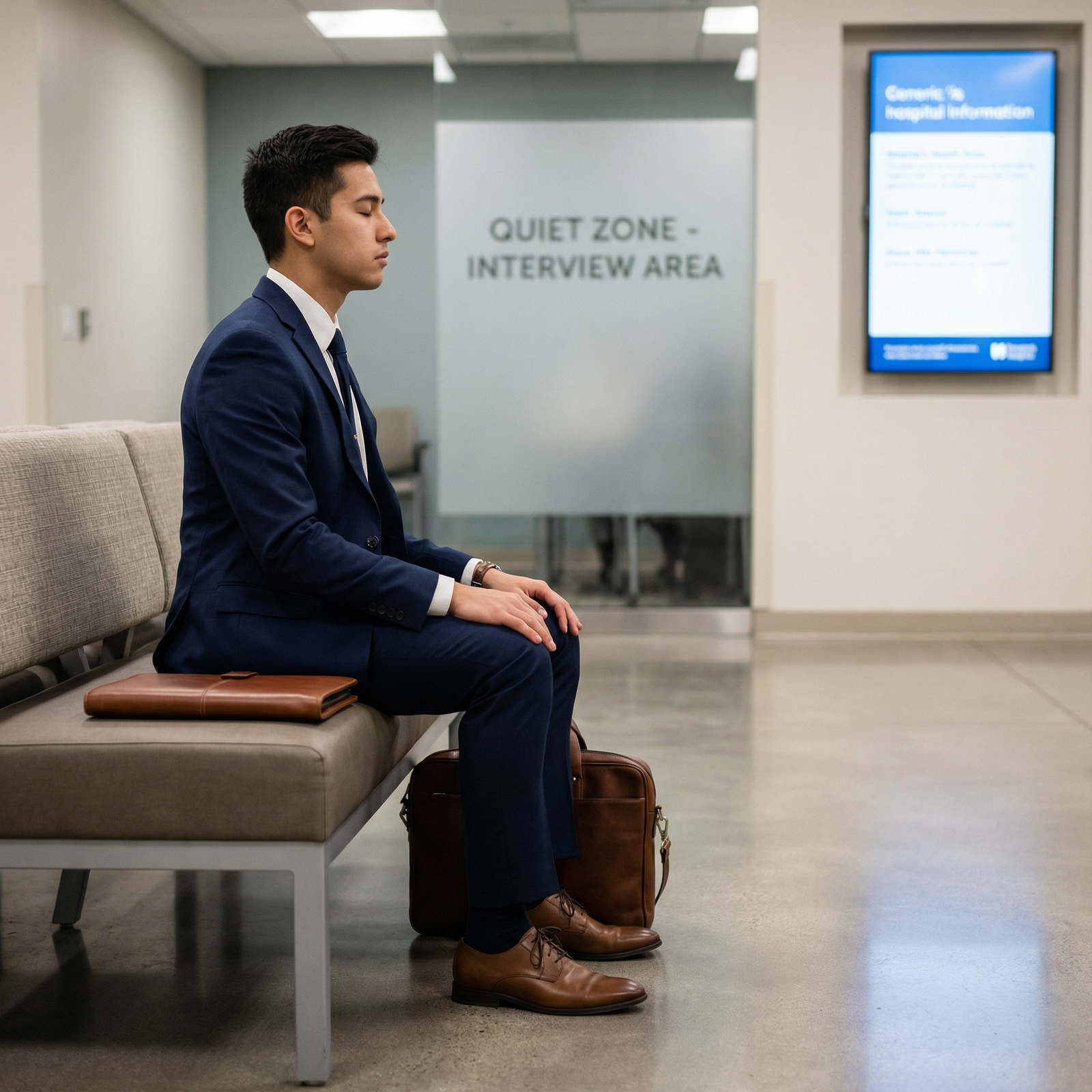
Family medicine residency interviews are a two-way street. While programs evaluate whether you are a good fit for their training environment, you are equally responsible for assessing whether each program will support your growth, well-being, and long-term career goals. Thoughtful, targeted questions to ask during interviews—of program directors, faculty, and residents—are one of your most powerful tools in the FM match process.
This guide focuses on questions to ask programs in family medicine so you can walk into each interview prepared, confident, and strategic. You’ll find question lists, context for how to use them, and practical examples tailored to family medicine residency training.
Why Your Questions Matter in the Family Medicine Residency Interview
Interviewers pay close attention not only to your answers, but also to your questions. In family medicine—where communication, curiosity, and relationship-building are core values—your questions say a lot about:
- How you think and prioritize
- How seriously you are evaluating the program
- Whether you understand the realities of family medicine training
- Your alignment with the program’s mission and patient population
Thoughtful questions help you:
Differentiate similar programs
Many family medicine residencies look similar on paper. Asking specific, probing questions reveals meaningful differences in:- Inpatient vs. outpatient balance
- Behavioral health integration
- OB volume and procedures
- Community engagement
- Work culture and leadership style
Assess training quality and fit
You’re not just trying to match—you're trying to thrive. The right interview questions for them help you evaluate:- How well you’ll be supported
- How much autonomy you’ll have
- Whether graduates end up in roles you’d like for yourself
Demonstrate genuine interest
Asking program-specific questions—based on their website, social media, or interview day presentations—signals preparation and professionalism. It also shows that your interest in family medicine residency is intentional and informed.Clarify red flags early
Strategic questions can surface issues with:- Toxic culture
- Excessive workload
- Poor communication
- Weak outpatient training before you rank the program.
Key principle: Your goal is not to ask as many questions as possible, but to ask the right questions, to the right people, at the right time.
Core Domains: What You Need to Understand About Each FM Program
Before getting into specific phrasing, it helps to understand the core domains you should explore during interviews. For family medicine residency, strong question sets typically cover:
- Curriculum & Clinical Training
- Outpatient Experience & Continuity Clinic
- Obstetrics, Procedures, and Specialized Tracks
- Culture, Wellness, and Resident Support
- Career Outcomes and Mentorship
- Program Leadership & Future Direction
- Logistics: Schedule, Call, and Support Resources
You do not need to ask about every domain at every program—your priorities should guide you. But you should walk away from each interview day with at least a basic understanding of each area, even if some information comes from presentations, not questions.
Questions to Ask the Program Director and Leadership
The program director (PD) and leadership team (APDs, chair, chief residents) can speak best to program philosophy, structure, and future direction. When considering what to ask the program director, think about big-picture issues and strategic program decisions—not just day-to-day logistics.
A. Program Philosophy, Strengths, and Identity
Goal: Understand how the program defines itself and what kind of family physician it aims to graduate.
Sample questions:
- “How would you describe the type of family physician your program is designed to produce?”
- “What do you see as the program’s greatest strengths, especially compared with other family medicine residency programs in this region?”
- “How does your program balance training in inpatient medicine, outpatient care, and procedural skills?”
- “What unique opportunities here do you feel applicants sometimes overlook or don’t fully appreciate on interview day?”
When to use: Early in the PD interview, or when given an open-ended prompt like “What questions do you have for me?”
B. Curriculum Structure and Autonomy
Goal: Understand how you’ll grow from supervised learner to independent practitioner.
Sample questions:
- “How has your curriculum evolved over the last 3–5 years, and what changes are you anticipating in the near future?”
- “How are residents given increasing responsibility and autonomy over the course of the three years?”
- “How flexible is the curriculum if a resident develops a strong interest in an area like sports medicine, addiction medicine, or geriatrics?”
- “How do you ensure residents get adequate outpatient continuity experience while also meeting inpatient requirements?”
You can tailor these to your own interests:
- If you’re OB-focused: “How is OB time structured, and how do you help residents safely gain autonomy in labor and delivery?”
- If you’re procedure-focused: “What is your approach to ensuring residents reach competency and comfort with core family medicine procedures?”
C. Program Culture and Support Systems
Goal: Assess whether the environment is psychologically safe, supportive, and consistent with family medicine values.
Sample questions:
- “How would you describe the culture of your residency, and what do you as leadership do to protect and cultivate that culture?”
- “What systems are in place to support residents during especially challenging rotations or personal crises?”
- “Can you share an example of feedback from residents that led to a meaningful program change recently?”
- “How are resident concerns typically raised and addressed? How involved are chief residents in that process?”
Red-flag watch: Evasive answers, blaming residents, or vague descriptions of “resilience” without concrete support measures.
D. Career Outcomes and Graduate Success
Goal: Determine how well the program prepares residents for your likely career path.
Sample questions:
- “Where have your recent graduates gone, and what proportion enter outpatient primary care vs. fellowships or hospitalist roles?”
- “For residents interested in fellowship—like sports medicine, geriatrics, hospice & palliative care, or addiction medicine—how does the program support them?”
- “How do you help residents explore and refine their career goals during training?”
- “Do you have any graduates practicing in rural or underserved settings, and how did training here prepare them for that?”
Pro tip: Ask for specific examples: “Could you share a recent graduate’s path who started with X interest?” This reveals how active the mentorship really is.

Questions to Ask Current Residents: The Real Story of Day-to-Day Life
Residents are your best source for unfiltered, practical insight. They can speak to call schedules, support, teaching quality, and whether the program’s promises match reality. When thinking about interview questions for them, focus on honest, experiential questions.
A. Workload, Schedule, and Realistic Expectations
Goal: Get a clear view of what your life will actually look like.
Sample questions:
- “What does a typical day look like on your busiest inpatient rotation? And on a typical clinic day?”
- “How many hours per week do you realistically work on average, and does that vary significantly by year?”
- “How manageable is the call schedule, and how often do you feel truly overwhelmed vs. appropriately challenged?”
- “Do you feel your workload allows time for studying, family, and life outside of residency?”
Follow-up to clarify vague answers:
- “Could you give me a specific example of a recent week that felt especially tough?”
- “When you’re on nights, how many patients are you covering and what kind of support do you have?”
B. Continuity Clinic and Outpatient Experience
Family medicine residency should provide strong outpatient training, and the continuity clinic is central to that.
Sample questions:
- “How many half-days per week do you typically spend in continuity clinic at each PGY level?”
- “Do you feel you’re developing meaningful continuity with your patients? Or does clinic feel more like urgent care?”
- “What is the patient population like in your continuity clinic—demographics, common conditions, social determinants of health?”
- “How much say do you have in your clinic schedule or panel—for example, in terms of complex patients, pediatrics, women’s health, or procedures?”
Look for answers that show:
- Diverse, underserved populations
- Exposure to chronic disease management, mental health, preventive care
- A sense of ownership over panels by PGY2–3
C. Support, Wellness, and Program Responsiveness
Goal: Understand how the program treats its residents as people, not just workers.
Sample questions:
- “When someone is struggling—academically, emotionally, or personally—how does the program respond in practice?”
- “Do you feel comfortable raising concerns or giving feedback to leadership? Have you seen that lead to concrete changes?”
- “How is vacation scheduled, and are your days off usually protected?”
- “How do attendings and senior residents respond when you ask for help on a busy shift?”
Red flags:
- Residents hesitant to answer
- Comments like “you just get through it” or “it’s residency, what do you expect?” without describing support systems
D. Resident Cohesion and Social Environment
Family medicine truly values teamwork, empathy, and community. You’ll feel that (or the lack of it) most strongly through the resident cohort.
Sample questions:
- “How well do residents in different classes know each other?”
- “Do you spend time together outside of work? How common is that?”
- “How are conflicts within the resident group handled?”
- “If you had to describe your co-residents in a few words, what would they be?”
Your gut feeling matters here: Do residents seem relaxed and genuinely collegial—or guarded and fragmented?
E. Honest Reflection
Some of the most valuable questions are simple and open-ended:
- “What do you like most about training here?”
- “If you could change one thing about the program, what would it be?”
- “If you had to make your rank list again, would you choose this program?”
- “What do you wish you had known about the program before you started?”
Ask these near the end of a conversation, when residents may feel more comfortable being transparent.
Questions to Ask About OB, Procedures, Tracks, and Special Interests
Not all family medicine residencies are the same. If you have specific interests—full-spectrum practice with OB, rural medicine, hospitalist work, academic medicine—you should ask targeted questions to determine whether each program can truly support those goals.
A. Obstetrics and Women’s Health
For many applicants, OB volume and comfort are key differentiators in the FM match.
Questions for PDs/faculty:
- “How many continuity deliveries do residents typically perform by graduation, on average?”
- “Are family medicine residents primary operators on L&D, or do they share responsibility with OB/GYN residents?”
- “Are there opportunities for high-risk OB exposure or advanced OB skills for those interested in full-spectrum practice?”
- “If a resident wants to be comfortable doing C-sections as an attending in a rural setting, how do you help them reach that goal?”
Questions for residents:
- “Do you feel confident managing labor and postpartum care?”
- “How does call work when you have continuity OB patients?”
- “Is it difficult to meet the minimum delivery requirement? Do most residents exceed it?”
B. Procedures and Point-of-Care Skills
Core family medicine skills can include:
- Skin procedures (biopsies, excisions)
- Joint injections and aspirations
- Women’s health procedures (IUDs, Nexplanon, endometrial biopsies)
- Office-based procedures (splinting, toenail removal)
- Ultrasound and POCUS (increasingly common)
Questions:
- “What are the most common procedures residents perform in clinic, and how is competency tracked?”
- “Is there formal training in point-of-care ultrasound? How integrated is it into everyday practice?”
- “Do residents feel they get enough hands-on experience with procedures to feel comfortable doing them independently after graduation?”
- “Are there dedicated procedure clinics or sessions?”
C. Tracks, Concentrations, and Unique Opportunities
Many family medicine residency programs offer specialized pathways:
- Rural or underserved tracks
- Global health
- Behavioral health
- Addiction medicine
- Sports medicine
- Palliative care
- Academic medicine / medical education
Questions:
- “Do you offer any formal tracks, concentrations, or longitudinal experiences (e.g., rural, global health, LGBTQ+ health, addiction medicine)?”
- “How competitive are these tracks, and when do residents typically apply for them?”
- “How does participation in a track affect call, rotations, or elective time?”
- “Could you share examples of how residents have used elective time to shape their training?”
Pro tip: Even if there’s no formal track, ask, “If I wanted to build my own unofficial focus in X, how feasible would that be within your curriculum?”

Strategy: How to Use Your Questions Effectively on Interview Day
Knowing what to ask is only half the battle. How and when you ask matters too—especially in a competitive family medicine residency interview season.
A. Do Your Homework First
Avoid asking questions easily answered on the website or in the pre-interview materials, such as:
- “How many residents do you take per year?”
- “What EMR do you use?”
Instead, build on what you’ve already learned:
- “I saw on your website that you prioritize training in underserved care. How does that show up in your day-to-day clinic experience?”
- “You mentioned during the presentation that you recently redesigned your PGY1 inpatient curriculum. What feedback have you received from interns about that change so far?”
This demonstrates both preparation and higher-level thinking.
B. Match the Question to the Right Person
Think carefully about who you ask:
Program Director / APDs
- Big-picture philosophy
- Curriculum design
- Program changes and future direction
- Remediation and support policies
- Institutional relationships (e.g., with hospital or health system)
Core Faculty
- Teaching style and supervision
- Clinic operations
- Electives and scholarly projects
- Specific clinical interests (e.g., geriatrics, sports medicine)
Residents
- Daily workload and call
- Culture and interpersonal dynamics
- Actual patient volume and case mix
- Practical logistics (parking, housing, childcare, moonlighting)
Avoid putting residents on the spot about controversial policies (disciplinary procedures, major conflicts with leadership). Ask them about experiences; ask leadership about policies.
C. Prioritize Your Must-Know Topics
You will have limited time. Before each interview day, create a short list:
- Your top 3–5 non-negotiables (e.g., OB volume, strong outpatient training, geographic needs, partner job opportunities, childcare).
- 1–2 program-specific questions based on their materials.
- A few backup questions in case some are answered during the day.
Have these in front of you during virtual interviews, but avoid sounding like you’re reading a script.
D. Ask Open-Ended, Neutral Questions
To get honest answers, ask questions that are:
Open-ended: Invite stories and depth
- Instead of “Do you support resident wellness?” ask, “How does the program support resident wellness in concrete ways?”
Non-leading: Allow for positive or negative responses
- Instead of “You don’t have any issues with attending coverage, right?” ask, “How consistent is attending availability on busy inpatient days?”
Experience-based: Focus on what actually happens
- “Could you walk me through how X is handled?” is often more revealing than “Do you handle X well?”
E. Keep the Tone Professional and Genuine
It’s appropriate—and smart—to be discerning. But keep your tone:
- Curious, not confrontational
- Professional, not adversarial
- Specific, not accusatory
For example, if concerned about burnout:
- Better: “How does the program monitor and address resident burnout over time?”
- Worse: “I’ve heard this program is really intense. How bad is the burnout here?”
Putting It All Together: Sample Question Lists by Scenario
Below are sample question bundles you can adapt depending on your priorities in the FM match.
Scenario 1: Outpatient-Primary-Care-Focused Applicant
Key questions:
- “How much time do residents spend in continuity clinic at each PGY level, and do you feel that is sufficient to prepare you for a full outpatient panel after graduation?”
- “What kind of chronic disease management and behavioral health integration do you see in your clinics?”
- “How are residents involved in quality improvement or population health initiatives within the clinic?”
- “For graduates who go straight into outpatient practice, how prepared do they feel on day one?”
Scenario 2: Full-Spectrum / Rural-Curious Applicant
Key questions:
- “What opportunities are there for residents to train in rural or community-based settings, and how early does that exposure start?”
- “How does the program prepare residents who want to practice full-spectrum family medicine, including OB and inpatient?”
- “Do you have examples of alumni practicing in rural areas, and how did they tailor their training here?”
- “Are there critical access hospitals or rural clinics you partner with, and what is the resident role there?”
Scenario 3: Academically-Oriented / Fellowship-Bound Applicant
Key questions:
- “What proportion of graduates pursue fellowships, and in what areas?”
- “How are residents supported in research or scholarly work—protected time, mentorship, conference funding?”
- “What opportunities exist for residents to teach medical students or junior residents?”
- “How does the program help residents build competitive fellowship applications?”
FAQs: Questions to Ask Residency Programs in Family Medicine
1. How many questions should I ask during each interview?
Aim for 2–4 thoughtful questions per interviewer. Quality matters more than quantity. It’s fine if some of your prepared questions get answered during the day; adjust in real time and prioritize clarity over “getting through the list.”
2. Is it okay to ask about board pass rates and performance metrics?
Yes—these are reasonable questions when framed professionally:
- “How do you support residents in preparing for boards, and how have board pass rates been over the last few years?”
- “What measures do you use to evaluate resident educational outcomes beyond board scores?”
Avoid sounding like you’re quizzing them; focus on how they support learning and improvement.
3. Can I ask directly about moonlighting and salary?
Absolutely, but usually with the program coordinator or residents, and often better by email or during a logistics session:
- “Is moonlighting available, and if so, at what PGY level and under what conditions?”
- “Are there any recent or upcoming changes to salary, benefits, or housing stipends?”
These are practical considerations, and programs expect them.
4. What if I feel like all my questions have already been answered?
You can say so honestly, and then pivot to confirming your understanding or inviting their perspective:
- “Many of my prepared questions have been answered throughout the day, which has been really helpful. Based on what you know about my interests in [X], is there anything you think I should pay particular attention to when considering if this program is a good fit?”
This shows insight and flexibility while still engaging the interviewer.
Used well, your questions transform the interview from a one-sided evaluation into a genuine conversation about training, values, and your future as a family physician. Approach each family medicine residency interview with curiosity, clarity, and confidence; the answers you get will be some of the most valuable data points you have when it’s time to finalize your rank list.