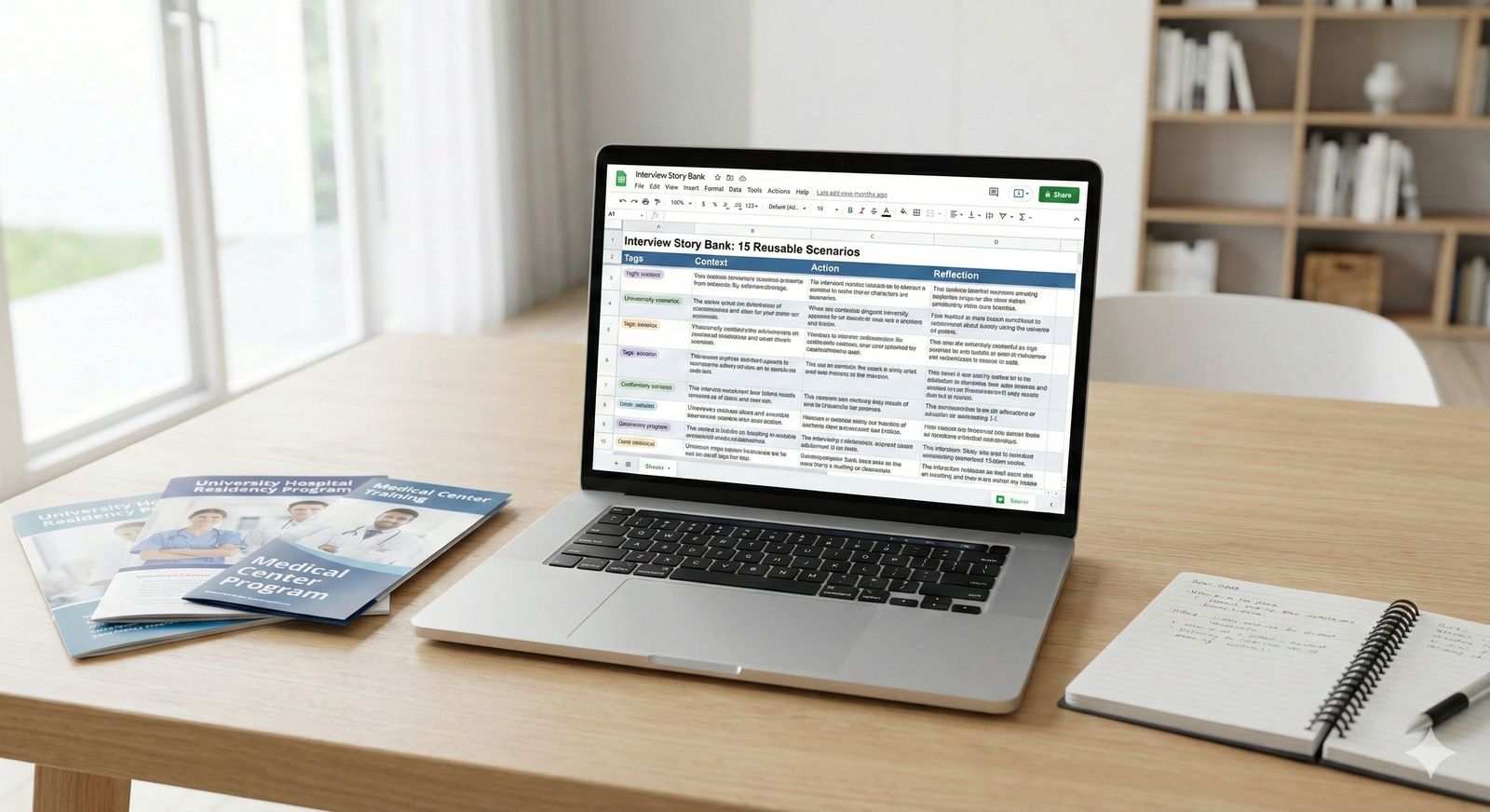
Why Your Questions Matter in Interventional Radiology Interviews
Interventional radiology (IR) residency interviews are not just about programs evaluating you—the IR match is also about you evaluating them. Thoughtful, specific questions to ask residency programs can reveal what day-to-day life will actually be like, whether the training environment fits your goals, and how well the program will prepare you for independent practice.
For a competitive specialty like interventional radiology, generic questions (“What are your strengths?”) don’t help you stand out and rarely yield useful information. Instead, you want focused, practical questions that:
- Show you understand IR as a procedure-heavy, longitudinal-care specialty
- Demonstrate that you’ve researched the program
- Help you compare programs objectively
- Clarify expectations about call, case volume, independence, and mentorship
This guide breaks down smart, high-yield interview questions for different people you’ll meet—program directors, faculty, residents, and coordinators—and explains why you’re asking each one, what good vs. concerning answers might look like, and how to tailor questions to your goals.
Core Principles: How to Ask Good Questions in IR Interviews
Before jumping into specific questions, it helps to understand what makes a question valuable in the context of interventional radiology residency.
1. Make Your Questions IR-Specific
Programs quickly notice who understands the unique nature of IR. Instead of “Tell me about your curriculum,” try:
- “How is longitudinal clinic time balanced with procedural work at your institution?”
- “How early do IR residents participate in multidisciplinary conferences and tumor boards?”
These kinds of questions signal that you see IR as more than just “doing cases.”
2. Ask Questions You Can’t Google
Don’t waste valuable time asking about information that’s clearly outlined on the website (number of residents, basic rotation schedule, etc.). Instead, focus on the why and how:
- “Your website mentions a strong PAD practice. Can you describe how residents are involved in longitudinal limb salvage care?”
- “You list a night float system—how are emergent cases triaged at night, and what level of autonomy do residents have?”
3. Tailor Questions to Each Person
You should not ask the same generic list of questions to everyone. Think about:
- Program director (PD) – vision, culture, outcomes, big-picture training
- Faculty – teaching style, case mix, clinical philosophy
- Current residents – real-life workload, autonomy, support, culture
- Coordinator – logistics, wellness resources, housing, time off
Use questions that fit each person’s role and perspective.
4. Prioritize Depth Over Quantity
Having 30 superficial questions is less useful than having 8–10 well-targeted ones you can adapt and follow up on. Think of your questions as conversation starters, not a checklist to “get through.”
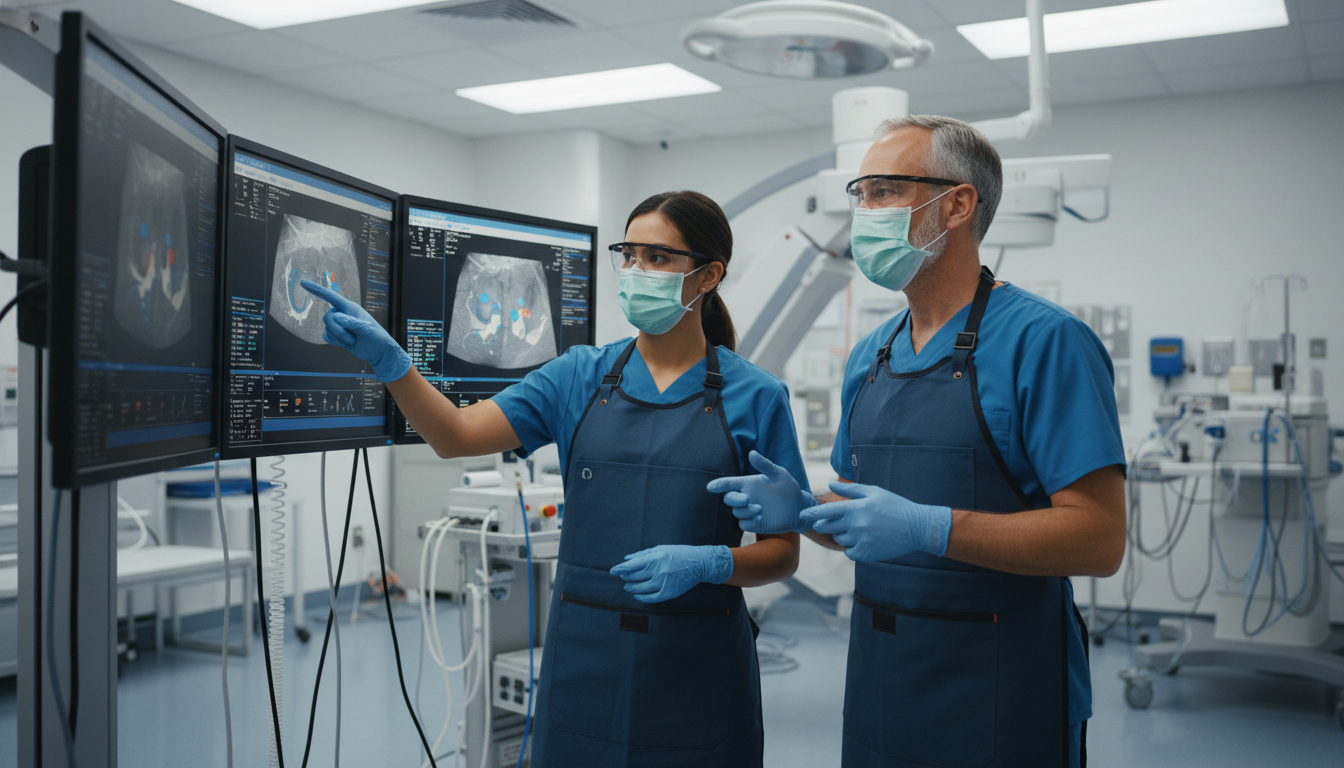
High-Yield Questions to Ask the Program Director
The program director is the key person to ask about training philosophy, outcomes in the IR match, and how the interventional radiology residency is evolving. Here are targeted “what to ask program director” examples, why they matter, and what to listen for.
1. Training Philosophy and Vision
Question:
“How would you describe your overall philosophy in training interventional radiology residents, especially in balancing procedural independence with supervision and patient safety?”
Why it matters:
You’re trying to understand whether this is a “hands-on early” program, a more cautious “slow independence” program, or something balanced. IR requires graded autonomy to build real confidence.
Good signs:
- Clear description of graduated responsibility
- Emphasis on patient ownership, clinic, and follow-up
- Examples of how feedback is used to adjust autonomy
Question:
“Where do you see this interventional radiology residency in 5–10 years, and what changes are you actively working on now?”
Why it matters:
IR, as a specialty, is rapidly evolving. A PD with a clear roadmap suggests leadership, institutional support, and responsiveness to residents’ needs.
Good signs:
- Specific upcoming changes (new IR suites, expanded PAD or oncology practices, new longitudinal clinics, hiring new faculty)
- Acknowledgment of prior resident feedback and subsequent changes
Concerning signs:
- Vague answers like “we’re always improving” without specifics
- Inability to articulate concrete plans
2. Case Volume, Complexity, and Diversity
Question:
“Can you describe the case mix here—particularly the balance between oncologic, peripheral arterial, venous, dialysis, hepatobiliary, and more niche procedures (e.g., interventional oncology, trauma, women’s health)? How does that translate to resident experience?”
Why it matters:
IR practices can skew heavily toward certain types of cases (e.g., almost all dialysis/venous or almost all oncologic). You want a broad skill set to be marketable after training.
Follow-up you might ask:
“How do you ensure residents meet or exceed case requirements in less common procedures?”
Question:
“At graduation, how confident do your residents typically feel in independently managing complex procedures like TIPS, Y-90, pulmonary embolism interventions, and limb salvage cases?”
Why it matters:
This goes beyond numbers and gets at real-world readiness.
What to listen for:
- Concrete examples: “Our last several graduates went into X, Y, Z practices and are doing A, B, C independently.”
- Anecdotes on graduates entering academic vs. private practice settings
3. IR–DR Integration and Curriculum
Most IR residents complete integrated IR/DR programs with close ties between diagnostic radiology and procedural training.
Question:
“How do you integrate diagnostic radiology and interventional radiology training to make sure we become strong imagers as well as proceduralists?”
Why it matters:
IRs must be excellent imagers. If the IR residency is treated as “only procedures,” that’s a red flag.
Good signs:
- Structured DR rotations with clear expectations
- Dedicated IR-relevant imaging (body, neuro, vascular imaging, etc.)
- Integration of imaging in case planning and conferences
Question:
“Are there any unique educational components—simulation, boot camps, resident-led conferences, or dedicated IR clinics—that you’re particularly proud of?”
Why it matters:
Shows educational innovation and support. Simulation, for example, helps you gain comfort before live cases.
4. Outcomes: IR Match, Jobs, and Fellowships
Question:
“Where have your recent graduates gone—both in terms of type of practice (academic vs. private) and geographic distribution? How involved is the program in helping with job placement?”
Why it matters:
Outcomes give you the clearest picture of what this program prepares you for.
Good signs:
- Specific recent alumni examples
- A mix of academic and private practice, unless the program is intentionally skewed one way with a clear rationale
- PD and faculty mentoring residents through contracts, negotiation, and networking
Question:
“For residents who are interested in subspecialization or additional training (e.g., complex PAD, interventional oncology, women’s health, pediatric IR), how have you supported them?”
Why it matters:
Even if you’re not sure yet, this shows you’re thinking ahead.
5. Resident Support, Culture, and Well-Being
Question:
“How do you monitor resident workload and prevent burnout, especially given the procedural intensity and call demands inherent in interventional radiology?”
Why it matters:
IR often involves emergency cases, late calls, and long procedures. You need to know how your well-being will be protected.
Look for:
- Actual strategies (not just “we care about wellness”): backup call systems, protected post-call time, schedule adjustments, wellness resources
- Examples of changes made in response to resident feedback
Question:
“Can you share an example of constructive feedback residents gave the program and how you responded to it?”
Why it matters:
You’re indirectly asking whether leadership is responsive and transparent.
Key Questions for Current IR Residents
Residents are your most valuable source of unfiltered information. This is where many of your highest-yield questions to ask residency programs should be aimed, especially around day-to-day life, call, culture, and support.
1. Day-to-Day Workflow and Autonomy
Question:
“Can you walk me through a typical day for an IR resident on a busy service here, from arrival to sign-out?”
Why it matters:
You’ll learn:
- How much time is spent on procedures vs. notes vs. consults vs. clinic
- Whether the workflow is organized or chaotic
- How late people typically stay
Question:
“At your current level, what types of procedures do you perform with direct supervision, indirect supervision, or essentially independently with backup available?”
Why it matters:
Autonomy is central to IR training. You want progressive independence, not either extreme (no autonomy or unsafe independence).
Follow-ups:
- “How has your autonomy changed from early to later years?”
- “Do attendings give you room to struggle safely, or do they tend to take over early?”
2. Call Structure and Workload
Question:
“What does call look like for you—frequency, in-house vs. home call, and typical case volume overnight or on weekends?”
Why it matters:
Call structure heavily shapes your lifestyle. For IR, this includes trauma, GI bleeds, emergent PE/DVT interventions, and more.
Clarify:
- “How many nights per month are you on call?”
- “About how many cases do you average per call shift?”
- “How often are you truly up all night?”
Question:
“When things get busy or overwhelming on call, do you feel supported by attendings and co-residents?”
Why it matters:
Workload is hard, but support makes or breaks sustainability.
Red flags:
- Residents hesitating or giving vague non-answers
- Comments like “You just push through” or “It is what it is” with no mention of support
3. Culture, Mentorship, and Psychological Safety
Question:
“How would you describe the culture here—among residents and between residents and faculty? Can you give an example of how someone was supported during a difficult situation (personally or professionally)?”
Why it matters:
IR can involve complications, high-stakes decisions, and stress. You want a psychologically safe environment where complications are debriefed, not punished.
Good signs:
- Specific example of mentorship or support
- Residents seem candid and comfortable sharing both positives and negatives
Question:
“Do you feel comfortable bringing up concerns about call schedules, case assignments, or safety issues? How are those concerns typically received?”
Why it matters:
This gives insight into program responsiveness and hierarchy.
4. Education, Feedback, and Board Preparation
Question:
“How effective are the didactics here? Do you feel they prepare you for both the diagnostic radiology and interventional boards?”
Why it matters:
The interventional radiology residency prepares you for dual roles. You don’t want your DR foundation to be neglected.
Follow-up:
- “Are conferences truly protected time, or do you frequently get pulled away for cases?”
- “Do you get feedback on your performance in a way that’s helpful and specific?”
5. Life Outside the Hospital
Question:
“Realistically, what does work–life balance look like here for IR residents? Do people have time for families, hobbies, or side interests?”
Why it matters:
You need a sustainable lifestyle over multiple intense years.
Follow-up options:
- “What do most residents do for fun on weekends?”
- “Do you feel you have enough vacation and flexibility for important life events?”

Targeted Questions for IR Faculty and Subspecialists
Attending physicians can give you insight into mentorship, academic opportunities, and how they view residents as future colleagues.
1. Teaching and Mentorship Style
Question:
“How do you typically involve residents during procedures—from pre-procedural planning to post-procedural follow-up?”
Why it matters:
Some attendings focus mostly on the technical procedure; others emphasize imaging review, indications, multidisciplinary input, and follow-up.
What you want to hear:
- Residents are included in case selection, consent, intra-procedural decisions, and post-procedural management
- Faculty actively teach clinical decision-making, not just wire skills
Question:
“Can you describe how mentorship works here—for residents interested in academics, research, or specific niches like interventional oncology or PAD?”
Why it matters:
IR is increasingly subspecialized. Strong mentorship helps you differentiate yourself.
Follow-ups:
- “Do residents typically get involved in QI projects or clinical research?”
- “How early do you encourage residents to seek out mentors?”
2. Interdisciplinary Relationships
Question:
“How is your relationship with referring services—vascular surgery, oncology, hepatology, trauma, OB/Gyn, and others? Has that changed over the last few years?”
Why it matters:
IR practice thrives or withers based on collaboration and referral patterns. Toxic turf wars can make your life miserable and limit your training.
Positive indicators:
- Joint clinics or conferences with other services
- Regular multidisciplinary tumor boards
- Shared protocols for PE, stroke, or trauma
3. Innovation, Growth, and Future Practice Models
Question:
“What aspects of IR practice do you think will grow the most over the next decade, and how is this program preparing residents for that future?”
Why it matters:
Shows how forward-thinking the program is and whether they’re preparing you for evolving practice (e.g., more outpatient-based IR, longitudinal clinics, advanced oncology interventions).
Smart Questions for the Program Coordinator and Admin Staff
Administrative staff understand the logistics and practical realities of life in the program.
1. Scheduling, Vacations, and Logistics
Question:
“How are vacations and personal days scheduled for IR residents? How far ahead do residents typically know their schedules?”
Why it matters:
Predictable schedules are key for major life events and exam prep.
Question:
“What systems are in place for schedule changes if residents have emergencies, illness, or family obligations?”
Why it matters:
Gives you insight into flexibility and humanity of the program.
2. Housing, Cost of Living, and Support
Question:
“For new residents coming from out of state, what resources are available to help with relocation, housing, and getting oriented to the city?”
Why it matters:
Moving to a new city is a major transition. Programs that help with this show they value residents as people.
Strategic Question Themes: Matching Questions to Your Priorities
Depending on your personal goals, different question categories become more important.
If You’re Interested in Academics and Research
- “How early can IR residents get involved in research projects? Are there ongoing clinical trials or large databases we can work with?”
- “What proportion of residents present at regional or national IR meetings each year?”
- “Is there protected time for research, or is it mostly done on your own time?”
If You’re Focused on High Procedural Volume and Autonomy
- “Are there rotations where residents primarily staff an IR consult service or clinic and drive the procedural decision-making?”
- “What is the typical case volume per day per resident, and how is case distribution handled among residents and fellows?”
- “How frequently do residents get to be primary operator on advanced cases (e.g., complex PAD revascularization, portal interventions)?”
If You’re Concerned About Lifestyle and Burnout
- “Have there been any changes in the last few years to address resident fatigue or burnout, especially related to call?”
- “Is there backup call available if nights or weekends become unexpectedly heavy?”
- “Do residents feel comfortable actually using their vacation time?”
If You’re Not Sure About Long-Term Practice Type (Academic vs. Private)
- “How does the program expose residents to different practice environments (community rotations, affiliated private groups, or outreach clinics)?”
- “What kind of career counseling is available to help residents decide between academic and private practice?”
How to Ask Questions Effectively During the IR Interview Day
1. Prepare a Structured List—but Be Flexible
Create a short, prioritized list of questions for:
- Program director
- Residents
- Faculty
- Coordinator
Bring it with you (physical or digital). But adapt based on what’s already been covered. Re-asking what was just presented in orientation makes you look disengaged.
2. Use Active Listening and Follow-Up
When someone answers, follow up with something like:
- “That’s really helpful—can you give an example?”
- “How did that change residents’ day-to-day?”
- “How do residents feel about that system?”
This turns a superficial answer into a meaningful conversation.
3. Avoid Negatively Loaded or Adversarial Questions
You can ask about weaknesses and challenges without sounding confrontational.
Instead of:
“Why do you have such high resident attrition?”
Try:
“I always find it helpful to understand both strengths and areas for growth. What ongoing challenges is the program working on right now, and how are residents involved in those improvements?”
4. Always Have an Answer When They Return the Question
Many of your questions will invite the classic reversal: “That’s a great point—how do you see that fitting into your own career goals?”
Be ready with:
- A brief statement of your interests in IR (e.g., IO, complex PAD, longitudinal outpatient IR practice)
- A mention of what you value in a training environment (e.g., strong mentorship, balanced autonomy, supportive culture)
Putting It All Together: Example Question Sets
Here’s how a structured, realistic set of “interview questions for them” might look across a typical IR interview day.
For the Program Director
- “How would you describe your training philosophy, particularly in balancing procedural autonomy with patient safety?”
- “Can you talk about recent or planned changes in the IR program and what drove those changes?”
- “How do you ensure residents graduate prepared for both diagnostic radiology and independent IR practice?”
- “Where have recent graduates gone, and how involved are you in helping with their job or fellowship search?”
- “Can you share how you incorporate resident feedback into program decisions?”
For Current Residents
- “What does a typical day on a busy IR rotation look like for you?”
- “How has your autonomy in procedures changed from your first to your current year?”
- “What does call realistically feel like—both in terms of frequency and intensity?”
- “Can you describe the culture among residents—are people collaborative, social, and supportive?”
- “Is there anything you wish you had known about this program before you matched here?”
For IR Faculty
- “How do you typically involve residents in clinical decision-making around which procedures to perform and how to approach them?”
- “In your niche (e.g., IO, PAD, hepatobiliary), how can a motivated resident best gain extra experience?”
- “How do you see the role of IR evolving at this institution over the next 5–10 years?”
For the Coordinator
- “How are rotations and vacations scheduled, and how flexible can the schedule be for major life events?”
- “What resources do incoming residents find most helpful when they’re relocating here?”
FAQs: Questions to Ask Programs in Interventional Radiology
1. How many questions should I ask during an interventional radiology residency interview?
Aim for 2–4 thoughtful questions per encounter (PD, resident, faculty) rather than a long laundry list. Quality and relevance matter much more than volume. Use your time to have real conversations, not speed-round interrogations.
2. Is it okay to ask about case numbers and procedural volume directly?
Yes—this is essential in an interventional radiology residency. Just frame it thoughtfully:
“Can you share how your residents’ case volumes compare with national benchmarks, and how you ensure they get sufficient exposure to less common procedures?” This is professional and expected.
3. What if a program doesn’t offer time to ask questions?
Most will, but if they’re short on time, you can say:
“I know we’re tight on time—would it be okay if I emailed a few quick questions to the coordinator to pass along?” Programs expect follow-up communication; just keep your email concise and professional.
4. Are there any questions I should avoid asking during IR interviews?
Avoid:
- Questions you could easily find on the website
- Questions focused only on perks (“Do we get free food?”) without showing you care about training
- Directly negative or confrontational questions (“Why is your call so bad?”)
Instead, reframe sensitive topics around learning, support, and improvement, such as:
“How does the program support residents during heavy call stretches, and have there been any recent changes in that area?”
Thoughtful, well-placed questions not only help you decide where to train—they also demonstrate maturity, insight, and a deep understanding of what it means to become an interventional radiologist. Use them strategically, and each interview can become a genuine two-way assessment that brings you closer to the right match.