Why Your Questions Matter as an MD Graduate in Diagnostic Radiology
As an MD graduate preparing for diagnostic radiology residency, the questions you ask programs are nearly as important as the answers you give. Programs know you’re academically qualified—what differentiates you is how thoughtfully you evaluate them.
Strategic, well‑researched questions can help you:
- Identify programs where you’ll truly thrive
- Demonstrate maturity and insight as an allopathic medical school graduate
- Show you understand the realities of the diagnostic radiology match
- Clarify day‑to‑day expectations, learning environment, and culture
- Avoid mismatches that only become obvious after you start residency
This guide breaks down high‑yield questions to ask residency programs, tailored to diagnostic radiology and to you as an MD graduate. Use it to prepare interview questions for them, as well as to structure follow‑up emails and second looks.
Core Strategy: How to Approach Asking Questions
Before diving into specific questions, you need a framework. Many applicants fall into two traps:
- Asking only generic questions they could have answered by reading the website
- Asking “gotcha” or confrontational questions that put programs on the defensive
You want to sit squarely in the middle: specific, informed, and professional questions that invite honest discussion.
Principles for Strong Questions
1. Make your questions specific to diagnostic radiology
As a future radiologist, show you’re thinking beyond “Will I match?” and toward “Will I become an excellent, confident radiologist?” For example:
- Weak: “How is the call schedule?”
- Strong: “How is overnight call structured for diagnostic radiology residents, and how does responsibility change from R1 to R4?”
2. Demonstrate you did your homework
Reference something from their website, program brochure, or recent changes:
- “I noticed your program recently expanded night float coverage. How has that impacted resident education and wellness?”
This immediately signals that you’re a serious MD graduate residency candidate who values the allopathic medical school match process and respects the program’s time.
3. Ask different people different types of questions
You’ll typically meet:
- Program Director (PD)
- Associate/Assistant PD
- Residents (often at different levels)
- Faculty (often section heads)
- Program Coordinator or admin staff
Reserve certain categories for specific groups:
- Program Director: curriculum, vision, performance, mentorship, outcomes
- Residents: culture, workload, hidden curriculum, “real life”
- Faculty: teaching, subspecialty exposure, research, case mix
- Coordinator/Staff: logistics, scheduling, benefits, administrative support
4. Avoid “checklist” mode
Program leadership can tell when you’re reading down a rigid list. Instead, prepare categories and 2–3 key questions in each. Then adapt based on the flow of the conversation.
High‑Yield Questions for Program Directors
Program directors are the best people to address big‑picture issues—training quality, outcomes, and how they view residents.
A. Training Philosophy & Program Direction
You want to know not just what the program is now, but what it’s becoming.
Key questions to ask program director:
“How would you describe the type of radiologist your program aims to graduate?”
- Why it matters: Reveals whether they prioritize independent decision‑making, subspecialty expertise, academic careers, or community readiness.
“What changes or innovations have you made in the last 3–5 years to improve resident education?”
- Watch for: Updates to curriculum, call structure, simulation, structured readouts, or wellness initiatives.
“Are there any significant changes you anticipate in the next few years that incoming residents should know about?”
- Examples: New PACS, expansion to new clinical sites, leadership changes, shift to independent call, or increased integrated IR presence.
“How do you balance service needs with education, especially on high‑volume rotations?”
- You’re assessing: Whether residents are viewed as learners first, not just “workhorses.”
“What do you see as this program’s greatest strengths and areas you’re actively working to improve?”
- Strong programs can articulate both confidently and specifically.
B. Outcomes, Fellowships, and Career Paths
As an MD graduate, you’ll likely be compared against peers from allopathic and osteopathic backgrounds. You want to know where graduates end up—and how prepared they feel.
“Can you share where your recent graduates have gone for fellowship and first jobs?”
- Ask for: Subspecialty breakdown (neuroradiology, MSK, IR, body, peds, etc.), academic vs community, geographic diversity.
“How successful are your residents in matching into competitive radiology fellowships, and how does the program support that process?”
- Look for: Formal mentorship, letter‑writing guidance, time for interviews, research exposure.
“How do you support residents who are undecided about subspecialty when they first start?”
- Early exploration is critical for radiology; robust elective time and exposure matter.
“What proportion of your residents go into academic vs private practice, and is the training tailored toward one more than the other?”
- Clarifies whether the culture aligns with your goals.

C. Evaluation, Feedback, and Support
Diagnostic radiology is cognitively demanding; high‑quality feedback is essential.
“How do residents receive feedback on their reads and clinical performance?”
- Listen for: Structured feedback, regular evaluations, direct case review, faculty engagement.
“What systems are in place to support residents who are struggling—academically, clinically, or personally?”
- You want: A non‑punitive, well‑defined process, not vague reassurances.
“How are residents prepared for and supported through the ABR Core Exam?”
- Ask follow‑ups:
- Dedicated board review sessions?
- Protected study time?
- Program’s recent pass rates?
- Ask follow‑ups:
“How do you see MD graduate residency applicants from allopathic schools fitting into your program’s culture and educational model?”
- This specifically acknowledges your background and invites them to describe how you’d fit into the mix of their trainee cohort.
Essential Questions for Current Radiology Residents
Current residents are your best source for what the program actually feels like day to day.
A. Culture, Wellness, and Day‑to‑Day Life
Ask these privately (resident‑only sessions are ideal) to get candid answers.
“If you had to re‑rank programs now, would you still choose this one, and why or why not?”
- The answer—and their body language—speaks volumes.
“What are the best and most challenging parts about being a resident here?”
- Ask every resident you meet; common themes will surface.
“How would you describe the relationship between residents and faculty?”
- Healthy programs: approachable, supportive, open to questions, treat residents as junior colleagues.
“Is there a culture of teaching during readout, or does it sometimes feel like you’re just trying to get through the list?”
- Clarifies education vs pure service mentality.
“How is the call experience—both in terms of workload and supervision?”
- Detailed follow‑ups:
- Typical census overnight?
- In‑house vs home call?
- Attendings readily available?
- How safe do interns/R1s feel on early call?
- Detailed follow‑ups:
“How do you feel the program handles wellness and burnout?”
- Look for: Protected time, responsiveness to feedback, flexibility in crises, mental health resources.
“What does a typical weekday look like for you on a busy rotation? When do you usually arrive and leave?”
- Concrete schedules give you realistic expectations.
B. Education, Teaching Quality, and Case Mix
“Do you feel you see enough volume and variety to be confident reading independently by graduation?”
- Pay attention to:
- Trauma vs community mix
- Bread‑and‑butter vs zebras
- Subspecialty exposure timing
- Pay attention to:
“Are there structured didactics, and are they protected from clinical duties?”
- Ask:
- How often are lectures?
- Are residents pulled away or allowed to stay?
- Who primarily gives lectures (faculty vs residents)?
- Ask:
“How early do residents get hands‑on exposure to procedures (e.g., biopsies, drainages, basic IR)?”
- Even in diagnostic programs, procedural comfort is important.
“Do you feel prepared on rotations outside your comfort zone, or do you feel thrown in?”
- Good programs scaffold responsibility with adequate supervision.
C. Autonomy, Supervision, and Learning Curve
“At what point did you start feeling like the ‘primary reader’ on cases, and how did the transition feel?”
- This shows how they move from observer to independent reader.
“How much autonomy do senior residents have in managing the list and prioritizing studies?”
- Important for training you to function as an attending.
“Have you ever felt uncomfortable with the level of responsibility you were given relative to your training level?”
- Crucial for understanding safety and support.
D. Fit, Community, and Life Outside the Reading Room
“What do you and your co‑residents do for fun outside of work?”
- Helps you gauge camaraderie and outside‑work balance.
“Do residents mostly live near the main hospital? What are commute and cost of living like?”
- Consider whether your salary will realistically support your lifestyle there.
“Are there any unspoken downsides you wish you had known before starting?”
- This often yields the most honest, high‑yield insights.
Detailed Questions for Faculty and Subspecialty Leaders
Faculty can give you a window into subspecialty training quality, academic culture, and future opportunities.
A. Subspecialty Training and Case Exposure
“How is subspecialty exposure structured through the four years—do residents get early exposure to all major areas?”
- You want:
- Early, repeated rotations in core areas
- Progressive complexity
- You want:
“In your section (e.g., neuroradiology, MSK, body), what role do residents play in case interpretation and conference preparation?”
- Clarifies hands‑on involvement vs observation.
“Do residents have opportunities to develop niche expertise if they’re particularly interested in your area?”
- Examples:
- Extra elective time
- Focused teaching
- Involvement in specialized conferences
- Examples:
“Are there multidisciplinary conferences that residents are encouraged or required to attend and present at?”
- Tumor boards, GI conference, neuro conference, etc.—these are critical for learning clinical impact.
B. Teaching Culture and Mentorship
“How do you approach teaching during readout—what does an ideal resident–attending interaction look like to you?”
- Look for:
- Case‑based teaching
- Encouragement of independent thought
- Constructive feedback
- Look for:
“How easy is it for residents to find longitudinal mentors—both clinical and research?”
- Good signs:
- Formal mentorship matching
- Open‑door culture
- Faculty proactive in supporting resident goals
- Good signs:
“Do you feel residents are comfortable asking for help or clarification during busy shifts?”
- Cultures that punish questions are toxic in radiology.
C. Research and Academic Development
As an MD graduate, you may be particularly interested in academic opportunities, especially if coming from an allopathic institution with research experience.
“What kinds of research projects are residents typically involved in, and how early can they start?”
- Follow‑ups:
- Are projects faculty‑driven, resident‑initiated, or both?
- Access to statisticians or imaging scientists?
- Follow‑ups:
“Is there protected time or formal support for residents presenting at conferences (e.g., RSNA, ARRS, subspecialty meetings)?”
- Ask:
- Funding for travel?
- Time away from service?
- Ask:
“How do you support residents who want to build an academic CV strong enough for competitive fellowships or academic positions?”
- You want: Structured guidance, letters, networking opportunities.

Practical Logistics: Call, Schedule, Sites, and Technology
Beyond culture and education, the structure of the program and environment significantly affect your daily life and development.
A. Call Structure and Workload
Diagnostic radiology call can make or break your training experience.
Questions you can ask both PDs and residents:
- “How is call structured across the four years (e.g., night float, home call, in‑house call)?”
- “When do residents start independent call, and what level of backup is available?”
- “What’s the typical volume overnight, and how does it vary by season or rotation?”
- “Are there dedicated reading rooms and ergonomic setups for on‑call residents?”
Look for a balance between:
- Enough volume to learn
- Not so much that you’re in constant survival mode
B. Rotations, Sites, and Commuting
“How many clinical sites do residents rotate through, and how different are those environments?”
- Academic hospital vs VA vs community sites.
“How are rotations distributed (e.g., blocks vs mixed), and how much travel is required between sites during the day?”
- Daily commuting between far sites can be exhausting and time‑wasting.
“Is there adequate support when residents rotate to outside or community hospitals (IT, PACS, admin support)?”
C. Technology, Systems, and Support Staff
Radiology is highly dependent on infrastructure.
“What PACS and reporting systems do you use, and are they standardized across sites?”
- Fragmented systems can be frustrating and slow.
“How reliable is IT support, especially during nights and weekends?”
“How is interaction with technologists, nurses, and other staff? Do residents feel they’re treated as valued members of the team?”
D. Benefits, Time Off, and Flexibility
- “How many weeks of vacation do residents receive, and how is it scheduled?”
- “What is the policy for parental leave, medical leave, or other extended absences?”
- “How flexible is the program when unexpected life events happen?”
- You’re assessing humaneness and real‑world support.
Tailoring Questions to Your Path as an MD Graduate
Because the target audience is MD graduates from allopathic medical schools, you may have specific considerations and advantages.
A. Highlighting Your Allopathic Background
Frame questions that show your awareness of the allopathic medical school match context and your own preparation:
- “Coming from an allopathic medical school with strong exposure to subspecialty imaging, how can I best integrate that experience here while still building a strong foundation?”
- “Many MD graduate residency applicants have prior research or subspecialty exposure—how does your program leverage those backgrounds while ensuring a level educational field?”
These highlight your strengths without sounding arrogant.
B. Questions If You Are Interested in Subspecialization
If you already suspect an interest in neuroradiology, MSK, IR, etc.:
- “For residents interested in [subspecialty], how early can they start tailoring electives or pursuing focused research?”
- “How do you support residents aiming for highly competitive fellowships in [subspecialty]?”
C. Questions for Those Considering Combined or IR‑Integrated Training
If you’re weighing diagnostic vs integrated IR or ESIR:
- “How is interaction between diagnostic and IR residents structured, and how does that affect training culture?”
- “For residents interested in ESIR or transitioning to more procedure‑heavy careers, what options are available within this program?”
Putting It All Together: Building Your Personalized Question List
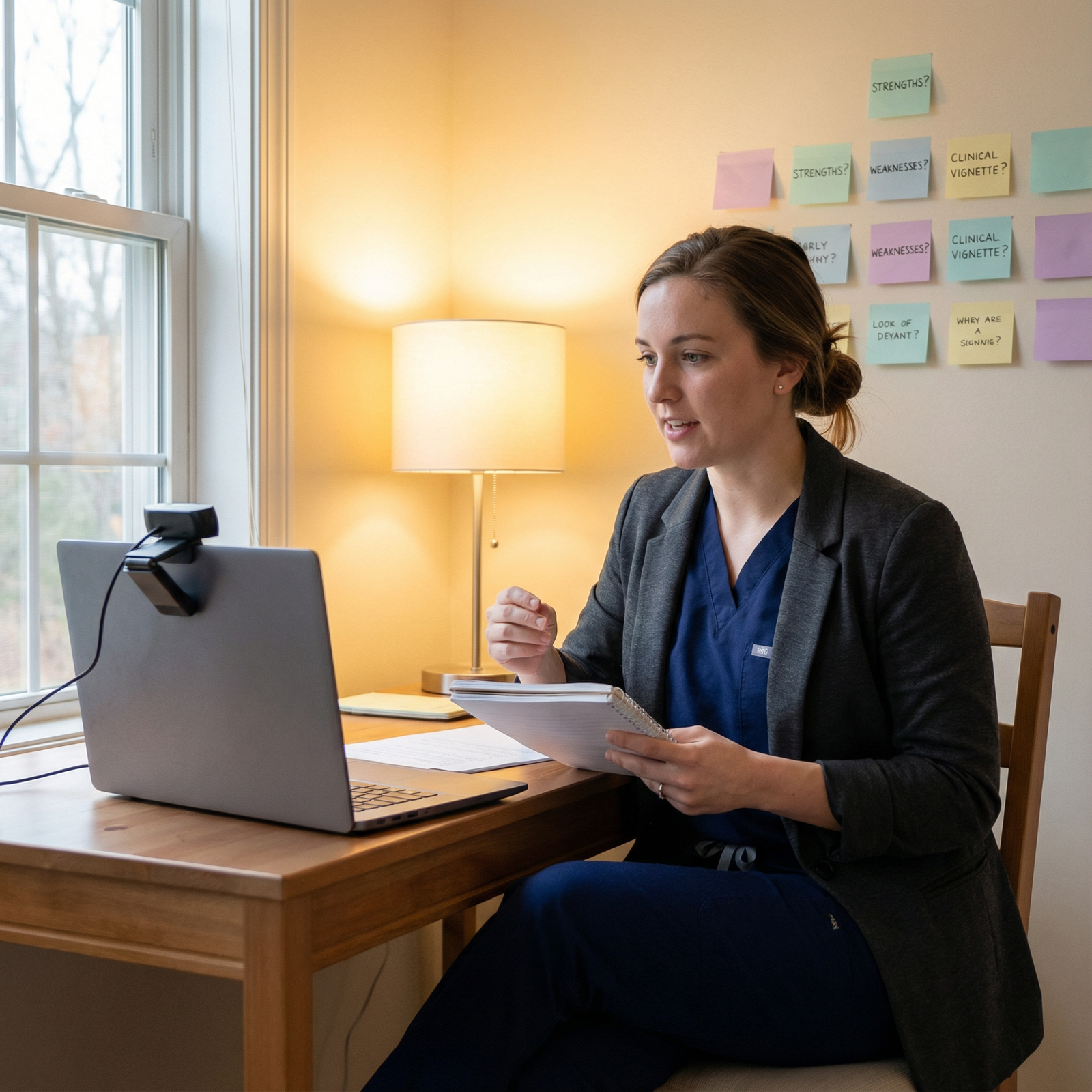
To use this guide efficiently, create a 1–2 page interview worksheet before each interview:
Top 3 things that matter most to you
- Examples: geographic location, fellowship placement, strong body imaging, supportive culture, academic track.
Program‑specific notes
- Unique features, recent changes, notable faculty, research strengths.
Core categories of questions
- PD‑focused
- Resident‑focused
- Faculty‑focused
- Logistics/Support
5–8 priority questions
- Star the 3–4 you absolutely must ask that day.
Questions for follow‑up email or second look
- More detailed or sensitive questions that may be better suited to later conversations.
Remember:
- It’s better to ask fewer, thoughtful questions than rush through a long list.
- Vary your questions between interviews; don’t sound scripted.
- Actively listen and adjust your next question based on the answer you’ve just heard.
Over repeated interview days during the radiology residency season, you’ll start to see patterns. The answers you get—and the way people respond—will help you differentiate programs that might look similar on paper.
FAQs: Questions to Ask Programs for MD Graduate in Diagnostic Radiology
1. How many questions should I ask during a typical radiology residency interview day?
Aim for 2–4 strong questions per major interaction:
- 2–3 with the Program Director
- 2–3 with each resident group (collectively)
- 1–2 with each faculty member you meet
Quality matters more than quantity. It’s fine if conversations flow naturally and you don’t “use up” every prepared question.
2. Are there questions I should avoid asking residency programs?
Yes. Avoid:
- Questions clearly answered on the website (e.g., “How many residents do you take per year?”)
- Salary/benefit‑only questions in the first PD meeting (save for coordinator or later)
- Aggressive or accusatory questions (“Why are your Core exam scores lower than other programs?”)
- Overly personal questions to residents or faculty
Instead, phrase sensitive topics neutrally:
“Can you share how the program has responded to any challenges with board pass rates or duty hours in recent years?”
3. How can I stand out as an MD graduate in the diagnostic radiology match through my questions?
Show that you:
- Understand the field’s demands (independence, pattern recognition, clinical integration)
- Think long‑term about fellowship and career
- Care about both training quality and wellness
- Have reflected on how your allopathic training has prepared you
For example:
“From your perspective, what distinguishes your most successful residents when they start independent call, and how can someone with my background best prepare for that responsibility?”
4. Should I ask the same questions at every radiology residency interview?
Have a core set you almost always ask (e.g., call structure, Core exam support, culture), but customize 30–50% of your questions based on:
- Program strengths (e.g., strong neuroradiology, robust research)
- Geographic context
- Unique features you notice on their website or during the day
This balance lets you compare programs on the same metrics while still showing genuine interest in each specific program.
By approaching your radiology interviews with thoughtful, targeted questions, you move from passive applicant to active evaluator—positioning yourself to find the diagnostic radiology residency where you’ll become the kind of radiologist you want to be.