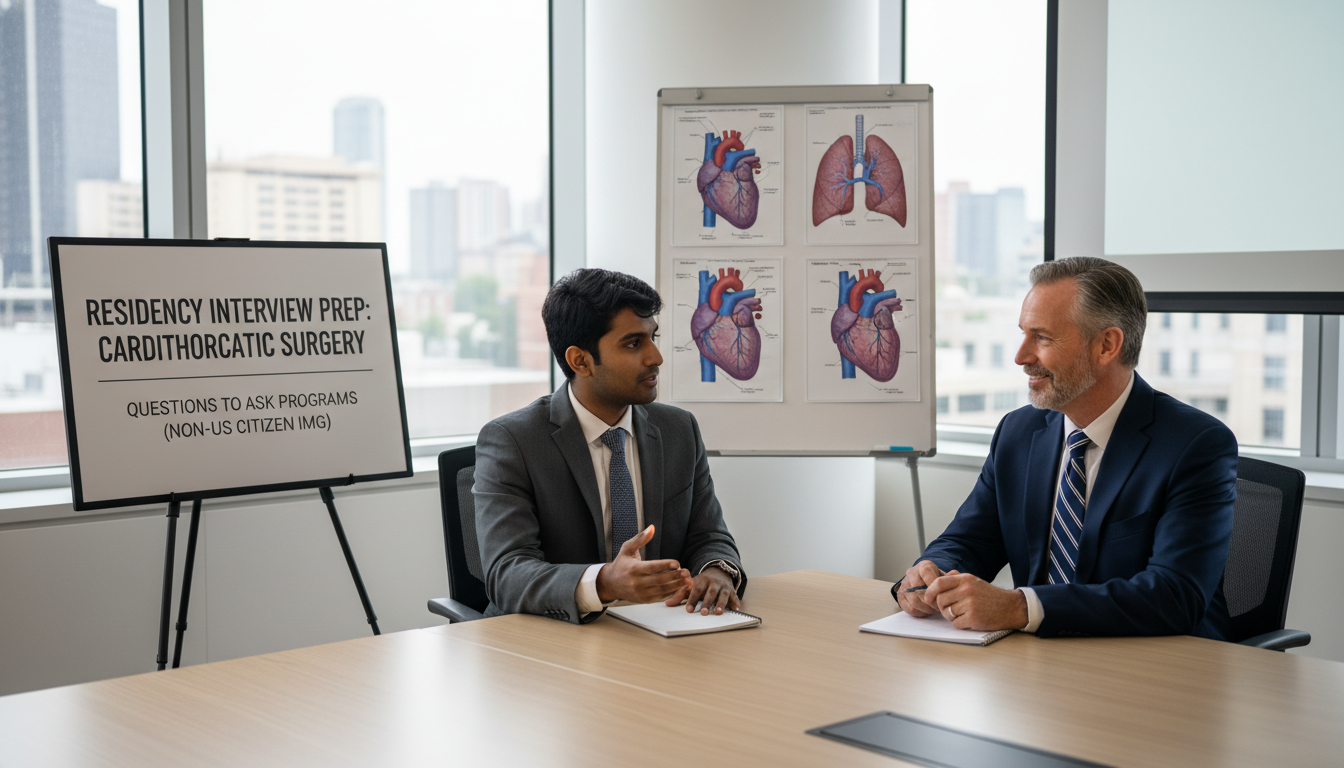
As a US citizen IMG and an American studying abroad, you bring a unique profile to the residency interview table—especially for a niche field like medicine-psychiatry combined training. One of the most powerful ways to demonstrate maturity, insight, and genuine interest is to ask thoughtful, well-structured questions to programs.
This guide focuses on what to ask programs, tailored specifically for US citizen IMG applicants to medicine-psychiatry (med psych) residency. You’ll find ready-to-use question lists, how to adapt them based on who you’re speaking with, and how to avoid common pitfalls.
Understanding Your Goals as a US Citizen IMG in Med-Psych
Before you decide which questions to ask residency programs, you need clarity on what you are actually trying to learn. As a US citizen IMG, your needs and concerns may differ from those of US MD/DO graduates.
Key priorities you’re likely balancing:
- Visa and logistics: Less of an issue for US citizens, but you may still need help with state licensure, ECFMG timelines, and transition from abroad.
- Perception of IMGs: You want a program that has real experience with and respect for IMGs, especially American studying abroad candidates.
- Board preparation & outcomes: You need strong support for both internal medicine and psychiatry boards.
- Integration of dual training: How well does the medicine psychiatry combined curriculum actually integrate, rather than feeling like two disconnected residencies?
- Supportive environment: Moving back to the US, often without a pre-existing professional network, you need mentorship and a welcoming culture.
- Career pathways: You may be interested in academic medicine, community practice, CL psychiatry, integrated care, addiction, or other niches that take advantage of dual training.
Keep these goals in mind as you choose and prioritize interview questions for them—program directors, faculty, chief residents, and current trainees.
Core Questions to Ask the Program Director (and Why They Matter)
Program directors (PDs) strongly shape the culture and trajectory of a combined medicine psychiatry program. When you think about what to ask program director specifically, focus on:
- The vision of the program
- Support for IMGs and US citizen IMGs
- How the combined structure actually works in practice
- Outcomes of their graduates
Here are targeted questions you can adapt:
1. Program Mission, Identity, and Future Direction
Questions to ask residency PDs:
- “How would you describe the unique identity of this medicine-psychiatry combined program compared to categorical tracks at your institution?”
- “What are you most proud of about this med psych residency, and what are areas you’re actively working to improve?”
- “How do you see the program evolving over the next 5 years in terms of curriculum, clinical sites, or focus areas?”
Why this matters (especially for IMGs):
You need to know whether this is a stable, well-supported track or a marginal add-on. Programs with a clear vision are more likely to provide strong training and advocacy for residents.
2. Structure and Integration of Combined Training
- “How is time divided between medicine and psychiatry in each year of training, and what does integration look like day-to-day?”
- “Are there longitudinal experiences where we function as true med-psych physicians, rather than switching hats completely between services?”
- “How do you prevent residents from feeling like ‘visitors’ in both departments instead of grounded members of one home program?”
- “Do residents have a primary continuity clinic that allows them to practice both internal medicine and psychiatry skills over time?”
Med-psych relevance:
A medicine psychiatry combined residency should not feel like two siloed programs stitched together. Listen for concrete examples of integrated rotations (e.g., med-psych units, CL psychiatry with medical follow-up, addiction medicine with strong medical management, integrated primary care mental health).

3. Outcomes, Careers, and Board Performance
- “What have recent graduates gone on to do—academics, integrated primary care, CL psychiatry, inpatient med-psych units, addiction, public psychiatry?”
- “What is your track record with ABIM and ABPN board pass rates for residents in this combined track?”
- “Do graduates typically practice as primarily psychiatrists, internists, or truly integrated med-psych physicians? What factors influence that?”
- “Are there alumni who were US citizen IMG graduates? Where are they now and would it be possible to connect with one or two by email?”
US citizen IMG angle:
You want to know if the program can help you overcome any initial disadvantages as an IMG by leading to solid positions and board success.
4. Support for IMGs and US Citizen IMGs
Even without visa issues, there are other challenges: adapting to US clinical systems, documentation, and sometimes bias.
Consider asking:
- “How many residents in your program (or department) are IMGs, and how have they historically done here?”
- “Are there any specific supports or orientations for trainees who completed medical school outside the US?”
- “How do you help American studying abroad graduates transition back into the US system—especially with documentation, EMR use, and health system nuances?”
- “Have there been any particular strengths or challenges you’ve noticed in US citizen IMG residents, and how does the program work with them to succeed?”
You’re looking for answers that are specific and respectful—not vague reassurances.
5. Program Culture, Wellness, and Feedback
For a demanding 5-year med psych residency, culture matters hugely.
Ask the PD:
- “How would you describe the culture among the med-psych residents and with the categorical medicine and psychiatry residents?”
- “What mechanisms are in place for resident feedback, and can you give a recent example of a change that came directly from resident input?”
- “How do you monitor and support wellness, especially given the length and intensity of combined training?”
Listen for evidence of actual changes made from resident feedback (schedule adjustments, call modifications, educational improvements).
High-Yield Questions for Current Residents (Your Most Honest Source)
Current residents are your best window into what life is really like. When planning interview questions for them, remember you can be more candid and detailed than with faculty.
1. Day-to-Day Life and Workload
- “Can you walk me through a typical day or week on a medicine service? On a psychiatry service? On integrated or med-psych rotations?”
- “How manageable is the workload, and how does it compare between the medicine and psychiatry sides?”
- “Do you feel there is a difference in how med-psych residents are treated compared to categorical residents on either side?”
Look for consistency among different residents’ answers. One glowing response may just reflect personal fit; multiple aligned responses show a pattern.
2. Integration, Identity, and Belonging
Combined residents can sometimes feel “between worlds.”
Ask:
- “Do you feel you have a clear home within the program? How is the med-psych identity supported?”
- “Do you feel like you belong equally on both medicine and psychiatry services, or more in one than the other?”
- “How do categorical residents view med-psych residents in this program?”
If you hear recurring themes of feeling split, unsupported, or misunderstood, that’s important data.
3. Support for US Citizen IMGs and Transition Back to the US
From an IMG perspective, this is critical:
- “Are there current or recent residents who are US citizen IMGs or American studying abroad? How have they done here?”
- “Did you feel the program provided enough orientation to the local health system, EMR, and documentation expectations early on?”
- “Have you seen any bias or differential treatment regarding IMGs? If so, how is it handled?”
You are not just evaluating whether IMGs are accepted but whether they are actively supported.
4. Education, Supervision, and Autonomy
- “How accessible are attendings on both medicine and psychiatry rotations? Do you feel supported when managing complex med-psych patients?”
- “Do you feel you get enough procedural experience on the medicine side? Enough psychotherapy and psychopharmacology training on the psychiatry side?”
- “At what point in training do you start to feel like an independent med-psych clinician?”
These questions help you judge whether the combined program is sacrificing depth in one area.
5. Program Challenges and Hidden Realities
You should always include a version of this:
- “If you could change one thing about the program, what would it be?”
- “What do you wish you had known before you started here?”
- “Have there been any residents who struggled or left the program, and do you feel they were supported appropriately?”
Look less for perfection and more for honest, thoughtful, and specific answers.
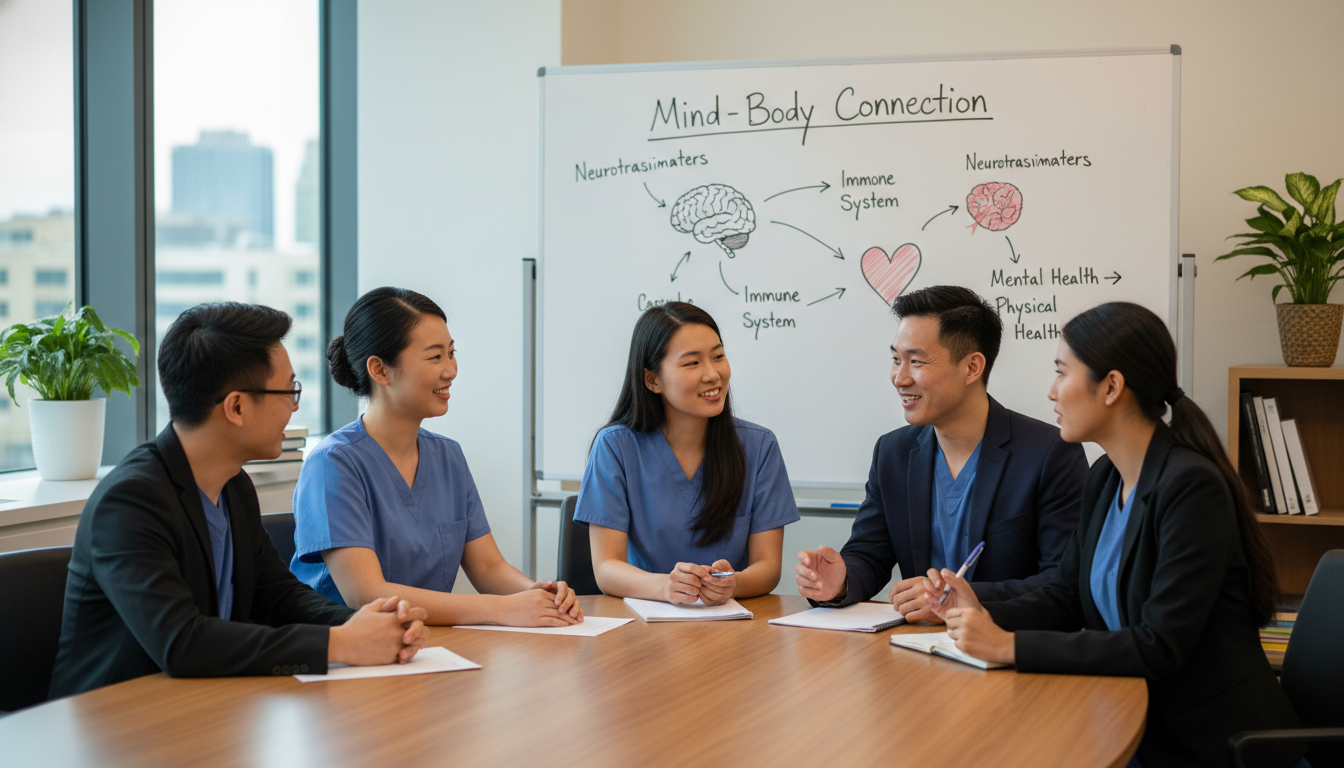
Smart Questions for Faculty and Specialty Leaders
Faculty interviews are a great time to ask deeper academic and clinical questions, especially about med psych niches you may want to pursue.
1. Clinical and Scholarly Opportunities
- “What kinds of integrated med-psych clinical experiences are available—e.g., CL psychiatry, med-psych inpatient units, primary care behavioral health, addiction services?”
- “For residents interested in research or QI, especially at the interface of medicine and psychiatry, what types of projects have previous residents done?”
- “Is there protected research or scholarly time available during residency, and how is it structured for med-psych trainees?”
As a US citizen IMG, scholarship can enhance your competitiveness for fellowships or academic jobs, so this is particularly important.
2. Mentorship and Career Development
- “How are mentors assigned or chosen for med-psych residents? Is there a formal mentorship program?”
- “Do residents typically find mentors on both the medicine and psychiatry sides?”
- “For graduates interested in academic careers, combined fellowships, or niche med-psych roles, how does the program help them build a path?”
Look for examples: named faculty, structured meetings, or track records of residents getting targeted positions.
3. Combined Identity and Faculty Support
- “How familiar are attendings with the goals and capabilities of med-psych residents? Do they adjust teaching or responsibilities accordingly?”
- “Are there faculty who themselves trained in medicine-psychiatry combined programs, and what roles do they play here?”
- “Do you see any tensions between the departments that might impact med-psych residents, and how are those managed?”
Your goal is to assess whether faculty truly understand and value the med-psych role.
Essential Questions to Ask About Logistics, Environment, and Fit
Some of the most important questions to ask residency programs are practical and sometimes overlooked—especially for US citizen IMGs transitioning back from abroad.
1. Orientation, Onboarding, and Early Support
- “What does orientation look like for incoming interns, particularly for those unfamiliar with the US healthcare system or your institution’s EMR?”
- “Is there a buddy system or near-peer mentorship for new med-psych residents?”
- “How do you support residents who may need more time adapting to documentation, billing, or system expectations?”
As someone returning from medical school abroad, you want reassurance that you won’t be left to sink or swim.
2. Call Structure, Schedules, and Time Off
- “How is call structured on medicine and psychiatry, and are there any differences for med-psych residents compared to categorical residents?”
- “Over the 5 years, how does call burden change?”
- “How does vacation scheduling work, especially given the need to fulfill requirements across both specialties?”
Combined residents can sometimes get squeezed; you want clarity and fairness.
3. Location, Community, and Lifestyle
- “Where do most residents live relative to the hospitals and clinics?”
- “How easy is it to maintain a reasonable life outside of work—family, hobbies, or community involvement?”
- “For someone new to the area and to training in the US, what support systems are available within the resident community?”
This is especially relevant if you have limited US social networks after studying abroad.
4. Policies on Leave, Remediation, and Flexibility
- “How does the program approach parental leave, medical leave, or other extended absences, especially with dual board requirements?”
- “What is the philosophy around remediation if a resident struggles on one side (medicine or psychiatry)? Is there structured support?”
- “Are there any flexible pathways—such as extended training, part-time, or research-focused options—for residents with unique circumstances?”
You want policies that recognize the complexity of combined training and support long-term success.
How to Use These Questions Strategically on Interview Day
Having good questions is only half the battle; using them well is equally important.
1. Prioritize and Personalize
You won’t have time to ask everything. Before each interview:
- Identify your top 8–10 must-know topics (e.g., IMG support, med-psych integration, outcomes, board prep).
- Match question types to the right person:
- PD: vision, outcomes, structure, IMG philosophy
- Residents: day-to-day reality, culture, workload
- Faculty: mentorship, clinical/research niches
- Tailor at least a few questions to that specific program (e.g., refer to a med-psych clinic or track mentioned on their website).
2. Avoid “Googleable” or Superficial Questions
Don’t use precious time asking things you could easily find online, like:
- “How long is your program?”
- “Do residents have continuity clinic?” (unless you’re digging deeper about structure)
Instead, build on what you already know:
- “I saw that your med-psych residents rotate on the integrated primary care mental health clinic. How much autonomy do residents have there, and how does supervision work?”
3. Frame From the Perspective of Fit, Not Fear
Especially as a US citizen IMG, you might feel pressured to “prove” yourself. Turn that anxiety into curiosity about fit:
- Instead of: “Do you take many IMGs?”
- Try: “How have IMGs, particularly US citizen IMG residents, historically contributed to and grown within this program?”
This frames you as a confident, equal candidate exploring mutual fit.
4. Take Notes and Reflect After Each Interview
Immediately after the interview day, jot down:
- Key strengths and weaknesses you noticed
- How honest and specific the answers felt
- Whether the culture seemed supportive of combined training and IMGs
- How you felt around residents and faculty—could you see yourself there for 5 years?
These reflections will be invaluable for your rank list.
Frequently Asked Questions (FAQ)
1. As a US citizen IMG, should I explicitly ask about how IMGs are treated in the program?
Yes, but do it thoughtfully. Instead of directly asking, “Are IMGs treated differently?”, try:
- “How have IMGs, particularly US citizen IMGs or American studying abroad graduates, done in your program?”
- “What supports are in place for residents who trained outside the US to help them transition into your system?”
You’re looking for honest acknowledgment of challenges plus concrete examples of support and success.
2. How many questions should I ask each interviewer?
Aim for 3–5 strong, targeted questions per interviewer, depending on the time available. Prioritize depth over volume. If you’re running out of time, end with:
- “Is there anything about my background as a US citizen IMG interested in medicine-psychiatry combined training that you’d like me to clarify or expand on?”
This invites feedback and shows openness.
3. Are there any questions I should avoid asking?
Avoid:
- Anything that sounds like you haven’t read basic program information
- Overly aggressive questions about salary or moonlighting early in the conversation
- Questions that might corner the interviewer into criticizing colleagues or leadership
Instead, frame sensitive topics broadly:
- “How transparent is communication from leadership when changes are made to schedules, rotations, or policies?”
- “Can you describe a situation where the program faced a challenge and how it was communicated to residents?”
4. What’s one key question I shouldn’t leave any interview without asking?
For a med-psych residency position as a US citizen IMG, a high-yield, closing question is:
- “Based on your knowledge of this program and seeing previous med-psych residents go through training here, what qualities or habits have distinguished those who have really thrived?”
This gives you insight into expectations, culture, and whether your own working style and background align with what the program values.
Thoughtful, well-structured questions to ask programs do much more than fill time—they demonstrate your readiness for the complexity of medicine-psychiatry combined training and help you, as a US citizen IMG, find a program where you can truly thrive. Use the question sets above as a menu, prioritize what aligns with your goals, and let your curiosity and professionalism guide the conversation.