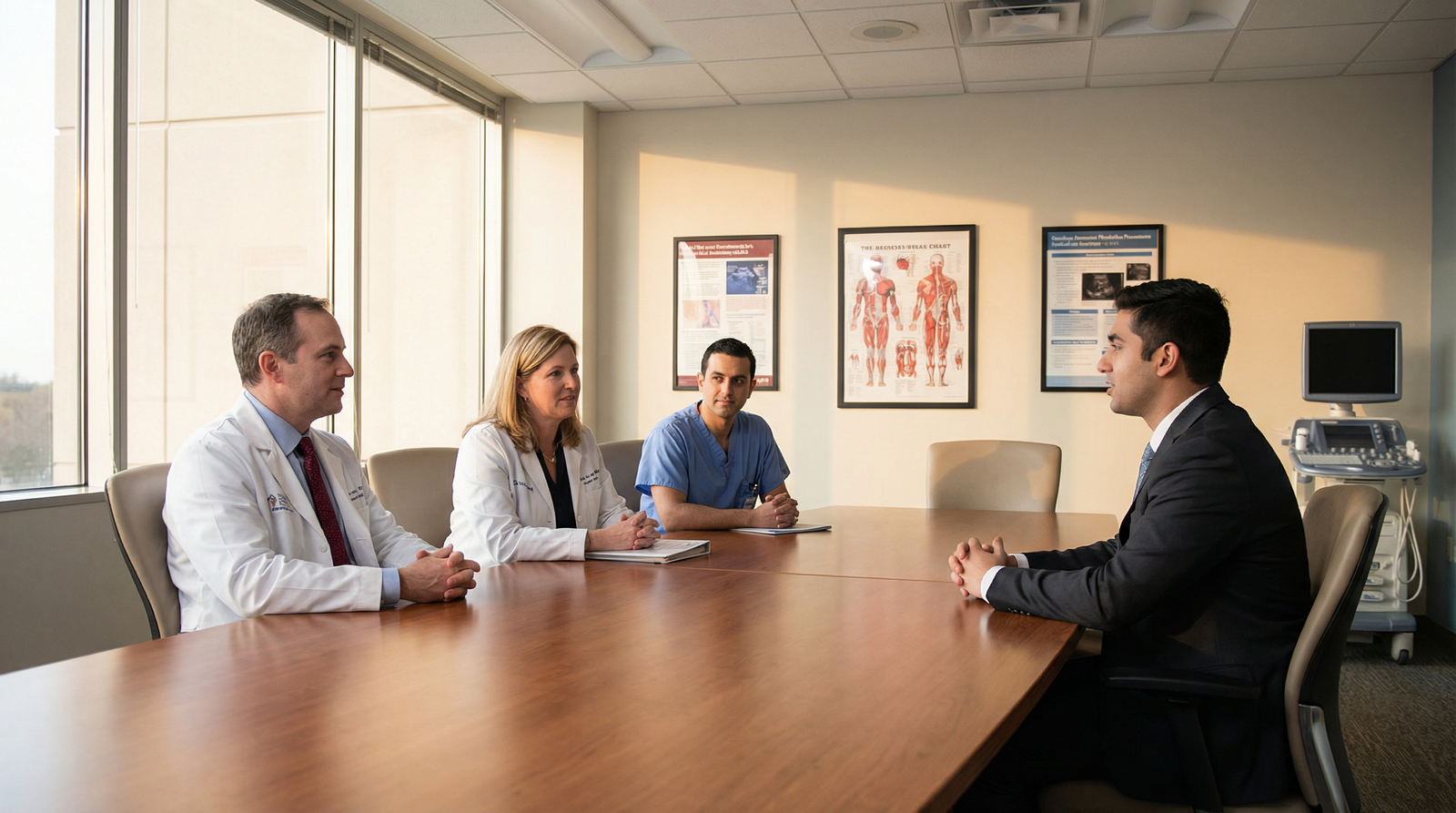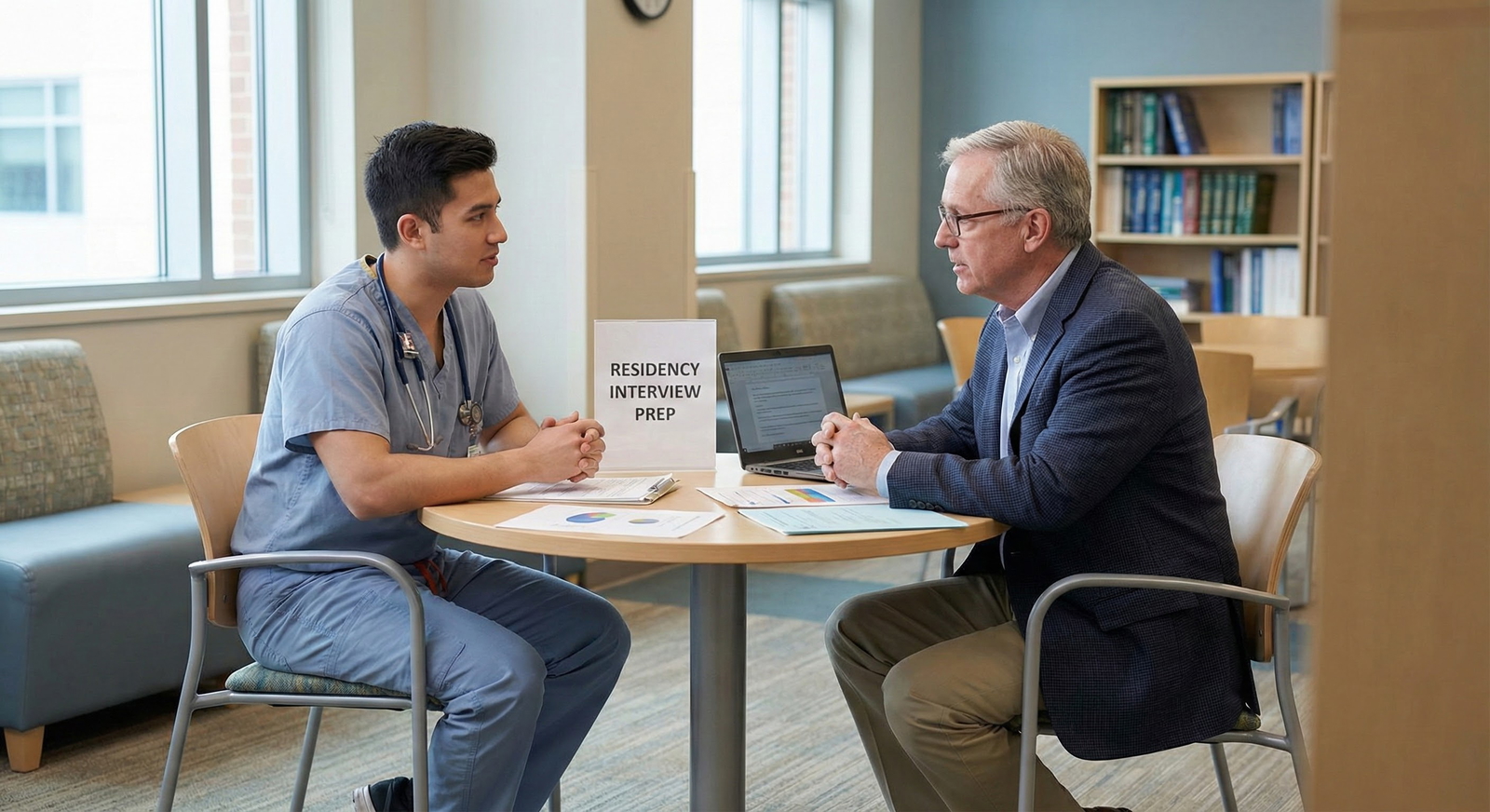
Why Your Questions Matter in a Preliminary Medicine Interview
As an MD graduate applying for a Preliminary Medicine year (prelim IM), the way you ask questions during residency interviews can significantly influence how programs perceive you—and how well you evaluate them in return.
Unlike categorical Internal Medicine applicants, you’re likely using this preliminary medicine year as:
- A required intern year for another specialty (e.g., Neurology, Anesthesiology, Radiology, Dermatology)
- A transitional year to gain strong clinical experience
- A stepping stone while reapplying or strengthening your application
This means your priorities, concerns, and timeline may be different from traditional applicants. Thoughtful, targeted questions help you:
- Signal maturity and insight as an MD graduate
- Clarify how the prelim IM structure will support your long-term goals
- Detect red flags in workload, culture, or support
- Compare programs realistically for your rank list in the allopathic medical school match
Below is a detailed framework of high‑yield questions to ask programs—including what to ask program directors, chief residents, faculty, and current housestaff—plus tips on how to adapt them to your own situation.
Core Strategy: How to Approach Questions as a Prelim MD Graduate
Before we get into specific lists, it helps to think strategically about why you’re asking questions and what you need to know as a prelim IM applicant.
Clarify Your Priorities as a Prelim Applicant
Common goals for an MD graduate residency in a preliminary medicine year include:
- Strong clinical training and autonomy to prepare you for PGY‑2 in your advanced specialty
- Reasonable workload and wellness in a single intense year
- Respectful integration with categorical residents (no “second‑class citizen” feeling)
- Predictable schedule to accommodate board exams, Step 3, and interviewing for advanced positions (if not already secured)
- Mentorship and evaluation support to ensure solid letters and smooth transition
When you craft questions to ask residency programs, keep these in mind. Every question should help you decide: Can I thrive here for one year and be ready for my next step?
General Tips for Asking Good Questions
- Be specific and contextual. Instead of “Tell me about your program,” ask “How does the structure of the prelim IM year differ from the categorical IM year here?”
- Prioritize depth over quantity. A few well‑chosen, follow‑up questions are better than rattling off a long list.
- Tailor to your audience. Save system‑level questions for the program director and practical, day‑to‑day ones for residents.
- Avoid questions easily answered on the website. Build from what you already know: “I saw on your website that interns rotate at three hospitals. Could you walk me through how prelims are distributed among those sites?”
High‑Yield Questions to Ask the Program Director
Time with the Program Director (PD) is limited and carries high impact. This is where you focus on program mission, culture, and how the MD graduate residency prelim track is structured and valued.
1. How the Program Views Its Prelim Residents
Questions to ask the PD:
“How do you see the role of preliminary medicine residents in your program?”
What it reveals: Whether prelims are integrated or treated as “service only.” Look for language about education, inclusion in conferences, and equal supervision.“In what ways do the educational expectations or experiences differ between your preliminary and categorical interns?”
What it reveals: Are you getting a true educational intern year or mostly coverage?“Are prelim residents eligible for the same conferences, simulation sessions, and educational resources as categorical residents?”
What it reveals: Commitment to teaching all interns, not just those staying three years.
2. Structure and Workload of the Preliminary Medicine Year
“Could you walk me through a typical schedule for a prelim intern across the year, including ICU, night float, and elective time?”
What it reveals: Balance of ward vs ICU vs elective; presence of continuity clinic (many prelims are excused from clinic).“Are there any rotations or responsibilities that are specific to prelim IM residents?”
What it reveals: Whether prelims are funneled into heavier or less desirable rotations.“How do you monitor intern workload and duty hours, and what changes have you made based on resident feedback?”
What it reveals: Whether the program responds to burnout and ACGME compliance issues proactively.
3. Fit With Your Long‑Term Specialty Plans
Many MD graduates doing a preliminary medicine year already know their ultimate specialty. Others are reapplying. Either way, this is central to your decision.
“Many of us are matching into or aiming for [Neurology/Anesthesia/Radiology/etc.]. How does your prelim IM year prepare residents for their advanced specialties?”
What it reveals: How intentional they are about helping you succeed beyond this year.“Do you coordinate with advanced programs (e.g., Neurology, Anesthesia) at your institution to align schedules or expectations for prelim residents?”
What it reveals: Integration with in‑house advanced programs.“For prelim residents who will be interviewing again (for advanced positions or reapplying), how flexible can the schedule be to accommodate that?”
What it reveals: Will they support you taking days for interviews, especially between October–January?
4. Evaluation, Feedback, and Letters of Recommendation
“How are preliminary interns evaluated, and are those evaluations shared with the advanced programs they’re joining?”
What it reveals: How performance here impacts your PGY‑2 start.“Do you or other faculty routinely provide letters of recommendation for prelim residents applying to advanced specialties or reapplying?”
What it reveals: Will you be able to obtain strong letters if needed.“What traits distinguish your most successful preliminary residents?”
What it reveals: Gives you a behavioral target and insight into the program’s values.
5. Program Stability and Future Direction
“How has the program changed over the last 3–5 years, especially for prelim IM positions?”
What it reveals: Response to past challenges or growth.“Are there any planned changes in curriculum, hospital coverage, or the number of prelim positions in the near future?”
What it reveals: Whether your year might be a ‘transition’ year with growing pains.
Questions to Ask Faculty Interviewers
Faculty often have a longitudinal view of the program and can speak to teaching culture, mentorship, and how prelims fit into the team. This is also where you can show sophistication as an MD graduate from an allopathic medical school.
1. Clinical Environment and Supervision
“From your perspective, how much autonomy do interns have here, and how does that evolve over the year?”
What it reveals: Whether you’ll progress from closely supervised to more independent decision‑making.“How do you balance patient safety, supervision, and opportunities for interns to make independent clinical decisions?”
What it reveals: Teaching philosophy and comfort level with autonomy.“Are prelim interns typically supervised directly by senior residents, fellows, or attendings on most rotations?”
What it reveals: Day‑to‑day structure and learning hierarchy.
2. Teaching Culture and Attending Engagement
“What does bedside teaching look like on your inpatient teams?”
What it reveals: Whether faculty take time to teach on rounds or only focus on disposition.“How do you incorporate evidence‑based medicine or recent literature into daily practice with residents?”
What it reveals: Cultivation of critical thinking and scholarly habits.“What do you enjoy most about working with residents in this program?”
What it reveals: Whether faculty seem genuinely invested and satisfied.
3. Support for Career Development Beyond Internal Medicine
Even if you’re doing a preliminary medicine year, your advanced field may be far from Internal Medicine.
“For prelims heading into different specialties, are there faculty who help guide them in tailoring their experiences—for example, electives relevant to Neurology, Anesthesia, or Radiology?”
What it reveals: Will they help you align rotations with your future.“Have you noticed any differences in how prelims versus categoricals are mentored?”
What it reveals: Potential disparities in access to mentors.
4. Honest Program Strengths and Weaknesses
“What do you think are the strongest aspects of resident training here, and what are you actively working to improve?”
What it reveals: A balanced, realistic view instead of pure marketing.“If you had a family member starting as a prelim intern here, what would you want them to know about this program?”
What it reveals: Personal endorsement and candid insight.

Questions to Ask Current Residents (Especially Prelims)
Your conversations with current housestaff are often the most revealing. These are the interview questions for them that help illuminate the reality of intern year.
1. Day‑to‑Day Life and Workload
“What does a typical day on wards look like for a prelim intern—from pre‑rounding to sign‑out?”
What it reveals: Actual timing, workload, and expectations.“On average, how many patients do you carry as an intern on ward and ICU rotations?”
What it reveals: Volume and cognitive load.“How often do you stay significantly past your scheduled end time?”
What it reveals: Culture, staffing adequacy, and charting burden.“How is cross‑coverage handled on nights and weekends? Are prelims ever functioning like the ‘extra’ person?”
What it reveals: Potential exploitation or unfair distribution of work.
2. Culture, Wellness, and Support
“How would you describe the culture among the residents—collaborative, competitive, supportive?”
What it reveals: Social dynamics and psychological safety.“When people are struggling—with workload, personal crises, or clinical challenges—how does the program respond?”
What it reveals: Wellness infrastructure and attitudes toward vulnerability.“Do you feel comfortable asking for help from seniors and attendings? Are there any unspoken expectations?”
What it reveals: Safety to admit limits and ask questions.“How approachable are the program leadership and chief residents?”
What it reveals: Access to advocacy and problem‑solving.
3. Differences Between Prelim and Categorical Experience
“As a prelim (or from what you see), do prelim interns feel integrated with the rest of the residency?”
What it reveals: Inclusion vs. marginalization.“Are prelims assigned to disproportionately heavier or less desirable rotations?”
What it reveals: Distribution of service responsibilities.“Do prelims participate fully in social events, retreats, and resident‑wide activities?”
What it reveals: Overall sense of belonging.“How do prelims feel at the end of the year—burned out, well‑trained, prepared for their advanced specialty?”
What it reveals: Outcomes and emotional trajectory.
4. Logistics: Schedule, Time Off, and Exams
“How easy is it to schedule vacation and personal time as a prelim?”
What it reveals: Flexibility and fairness in scheduling.“When do most interns here take Step 3, and is the schedule supportive of that?”
What it reveals: Whether you’ll have realistic windows for exam prep and test days.“If someone needs a day or two off for interviews (e.g., for an advanced position or fellowship), how is that handled?”
What it reveals: Practical support for your ongoing career moves.
5. Red Flags and Retrospective Insight
“What surprised you most about the program after you started?”
What it reveals: Hidden pros or cons.“If you could change one thing about the prelim year here, what would it be?”
What it reveals: Highest‑priority pain point.“Knowing what you know now, would you choose this prelim program again?”
What it reveals: Global satisfaction signal.
Specific Questions to Ask During Tours and Informal Interactions
Hallway walks, resident‑only lunches, and evening socials can be great opportunities for more candid questions to ask residency members. Often you’ll get more honest, nuanced views here than in formal sessions.
1. Environment and Resources
- “Do you feel you have enough computer workstations and space on rounds?”
- “How quickly do consults and ancillary services (PT/OT, case management) respond here?”
- “Are there protected workrooms or call rooms for interns, and are they generally clean and secure?”
These help you understand the practical environment that shapes your day‑to‑day experience.
2. Safety and Professionalism
- “How does the hospital handle patient or family aggression toward staff and trainees?”
- “Have you seen any unprofessional behavior tolerated here—bullying, intimidation, discrimination?”
- “When problems arise with a rotation or attending, do residents feel safe reporting them?”
You’re assessing whether the program protects its people and whether you’ll feel safe bringing up concerns.
3. Transition to Advanced Programs
If many prelims stay in‑house for advanced positions:
- “For those going into [Anesthesia/Neuro/Rads] here, how has the transition from prelim IM to PGY‑2 been?”
- “Do advanced program directors attend any of your teaching conferences or give feedback on the prelim curriculum?”
If most are going elsewhere:
- “Where have recent prelims gone for their advanced or next positions, and do they feel well prepared?”
- “Does the program track outcomes for prelims the same way they do for categorical residents?”
You’re clarifying whether your prelim year will be respected and helpful in the broader training landscape.
Turning Questions Into a Strategy for the Match
Simply asking questions is not enough; how you synthesize answers matters for your allopathic medical school match decisions.
1. Prepare a Short, Tailored List for Each Interview
Before each interview, review the website and materials on the prelim IM track. Then build a core set of questions you’ll ask everywhere, plus 2–3 customized to that program.
Example core list for PD:
- “How do you see the role of prelims here compared to categoricals?”
- “How is the prelim schedule structured across the year?”
- “How do you support prelims who are interviewing for advanced programs or reapplying?”
Example customized questions:
- “You have multiple clinical sites—where are prelims primarily based, and how does that differ from categoricals?”
- “I saw that you recently expanded your ICU—how did that change the intern experience?”
2. Evaluate Answers Critically
When you hear responses, pay attention to:
- Specificity vs vagueness: Vague, overly polished answers may conceal issues.
- Consistency across interviewers: If PD, faculty, and residents tell very different stories, that’s a signal to probe further.
- Non‑verbal cues and tone: Hesitation, eye contact avoidance, or tension may be as telling as the words.
3. Take Structured Notes for Rank List Decisions
Right after each interview day, jot down your impressions while they’re fresh:
- Prelim‑specific pros and cons
- Culture/wellness impression (1–10)
- Workload realism (1–10)
- Support for your future specialty (1–10)
- Any standout red flags or green flags
When it’s time to build your rank list, this systematic evaluation helps you avoid overemphasizing superficial factors and remember what truly matters for your preliminary medicine year.
Frequently Asked Questions (FAQ)
1. As a prelim applicant, should I tell programs my advanced specialty plans?
Yes, in almost all cases. Programs understand that preliminary medicine tracks exist to serve a variety of specialties. Being open about your plan—Neurology, Anesthesia, Radiology, Dermatology, PM&R, etc.—shows maturity and allows them to explain how their prelim IM year supports those pathways. It also helps you ask targeted interview questions for them about rotations or mentors relevant to your future field.
The exception is if you’re uncertain or reapplying; in that case, you can say you’re exploring options and want a strong, broad‑based clinical year while you clarify your long‑term direction.
2. What are the most important questions to ask a program director as a prelim MD graduate?
If time is short, prioritize:
- Integration and respect for prelims
- “How do you see the role of preliminary residents in your program?”
- Schedule and workload
- “Can you describe the typical prelim schedule and how it differs from categorical interns?”
- Support for next steps
- “How do you support prelims who are transitioning into advanced specialties or reapplying?”
- Culture and responsiveness
- “Can you give examples of changes you’ve made based on resident feedback in the last few years?”
These focus on whether your MD graduate residency experience will be sustainable, educational, and aligned with your goals.
3. Are there any questions I should avoid asking during interviews?
Avoid:
- Questions answered explicitly on the website or in the brochure (e.g., “Do you have a night float system?” when it’s clearly described). Instead, build on that information.
- Overly negative or confrontational questions like “Why is your program so malignant?” You can still probe concerns, but phrase them constructively: “How does the program handle high‑intensity rotations and prevent burnout?”
- Personal questions that cross professional boundaries.
You can ask about sensitive topics (burnout, mistreatment, workload) but do so with neutral, open‑ended wording.
4. How many questions should I ask at each interview?
Aim for 2–4 thoughtful questions per formal interview (PD, faculty) and more during resident‑only or informal sessions, where conversation is more free‑flowing. Depth is more valuable than volume. If time is running short, always prioritize the questions that address:
- How prelims are treated
- Workload and schedule structure
- Support for your next career step
By approaching interviews with a clear plan for questions to ask residency programs, especially tailored to your role as a preliminary medicine applicant, you’ll gain far more than surface‑level impressions. You’ll be able to judge whether each program will give you a rigorous but humane intern year, prepare you for your advanced specialty, and respect you as a full member of the team—even if you’re only there for one year.