As an MD graduate targeting a Transitional Year (TY) residency, the questions you ask programs can be just as important as the answers you give. Transitional Year spots are often used as a bridge to advanced specialties (radiology, anesthesia, PM&R, derm, neurology, etc.), so you need to be strategic, focused, and intentional about every conversation.
This guide will walk you through what to ask, why it matters, and how to tailor your questions to each program so you can identify the best fit and impress your interviewers in the process.
Understanding the Transitional Year and What You Need to Learn
Before deciding what to ask, you need clarity on what you’re trying to learn from a TY program. A Transitional Year residency is unique: broad-based, often less rigid than a categorical program, and designed to prepare you for an advanced PGY-2 position. That means your questions should focus on:
- Breadth and quality of clinical exposure
- Schedule structure and flexibility
- Support for board exams and advanced specialty preparation
- Culture, wellness, and mentorship
- How they treat TY residents compared with categorical residents
For an MD graduate from an allopathic medical school aiming for a strong allopathic medical school match outcome, the Transitional Year you choose can influence your readiness, letters of recommendation, and networking opportunities.
Three Core Goals for Your Questions
Clarify fit
Will this TY program help you become the kind of physician you want to be in your advanced specialty?Demonstrate insight and maturity
Asking thoughtful questions to a program director or faculty shows you understand the purpose of a transitional year residency and your own goals.Gather objective information
You need real data—schedule, call, electives, board pass rates, fellowship/advanced match rates—to compare programs meaningfully.
Keep these goals in mind as you craft your list of questions to ask residency programs.
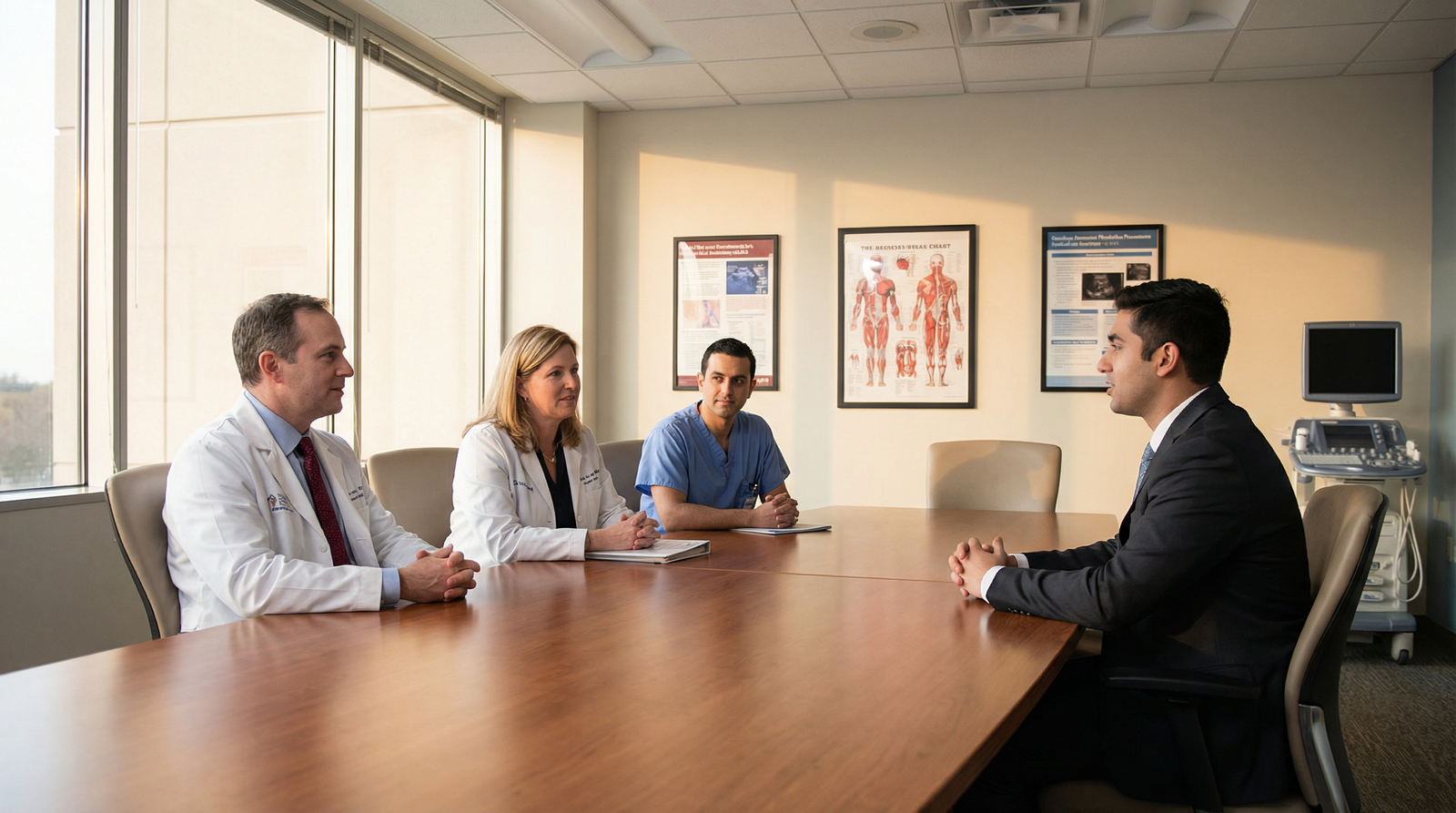
High-Impact Questions to Ask the Program Director
When MD graduates think about what to ask program director during a TY residency interview, they often default to generic, easily answerable questions. You can stand out by going deeper and more specific. Below are targeted, high-yield options.
1. Questions About Program Structure and Philosophy
These help you understand what the program truly values.
“How would you describe the primary mission of your Transitional Year program?”
Are they service-driven, education-driven, or tailored toward applicants headed into specific advanced specialties?“How does the educational experience of TY residents differ from your categorical interns?”
This reveals whether TY residents are treated as “extras” or fully integrated learners with protected time and meaningful roles.“What changes or improvements have you made to the TY program in the last 2–3 years?”
Programs that evolve based on feedback are more likely to support residents and maintain high-quality training.“How do you see the role of a Transitional Year in preparing residents for advanced specialties like radiology, anesthesia, or PM&R?”
This lets the PD explain how they view your trajectory as an MD graduate pursuing an advanced pathway.
2. Questions About Schedule, Rotations, and Flexibility
One of the most important interview questions for them in a TY program involves schedule details.
“Could you walk me through a typical PGY-1 year here for a Transitional Year resident?”
Ask about:- Months of inpatient medicine
- ICU exposure
- Emergency medicine requirements
- Required electives or subspecialty rotations
“How much elective time do TY residents typically have, and how flexible is that scheduling?”
This is crucial if you already matched into an advanced field and want time in that specialty.“Are TY residents able to tailor their electives to align with their advanced specialty (e.g., anesthesia, radiology, neurology)?”
A strong TY program will help you optimize your year for your next step.“How are night float and call structured for Transitional Year residents?”
Clarify frequency, distribution, and differences compared to categorical residents.
3. Questions About Assessment, Feedback, and Support
You want to know not just how hard you’ll work, but how you’ll grow.
“How frequently do TY residents receive formal feedback, and in what format?”
Look for scheduled evaluations, mentorship, and concrete feedback mechanisms.“What kind of support is available if a resident is struggling clinically or personally?”
A good program should describe:- Academic support or remediation
- Mental health resources
- Peer or faculty mentoring systems
“How are TY residents evaluated at the end of the year, and what type of summative letter or evaluation do advanced programs receive?”
This matters for MD graduates who may want stronger letters for fellowships or late specialty switches.
4. Questions About Outcomes and Program Success
Outcomes tell you whether the program delivers on its promises.
“Where have recent Transitional Year graduates gone after this program?”
Ask for:- Types of advanced specialties
- Institutions and locations
- Any patterns in placement
“Do you track board pass rates or in-service exam performance for your TY residents?”
While TY residents may not be required to take certain exams, programs that follow metrics tend to be more intentional in their teaching.“What would you say differentiates your Transitional Year program from others in the region?”
This invites the PD to “sell” the program and can surface unique strengths you might not find online.

Questions to Ask Residents and Chief Residents
Often, the most honest answers come from current residents. As an MD graduate evaluating a transitional year residency, your resident-level interview questions for them should probe day-to-day life, culture, and hidden issues.
1. Questions About Culture and Resident Experience
“How would you describe the culture here among residents and between residents and faculty?”
Listen for words like “supportive,” “collaborative,” “approachable,” and signs of psychological safety.“Do TY residents feel like equal members of the team, or is there a noticeable divide between categorical and transitional year residents?”
This is critical; some programs treat TY residents as transient and less invested.“How approachable are attendings when you need help or admit mistakes?”
You want a training environment where asking for help is expected, not punished.“If you could change one thing about the program, what would it be?”
This often reveals chronic pain points (e.g., problematic rotations, scheduling issues, a toxic service).
2. Questions About Workload and Schedule Reality
“What does a typical week look like for you on a busy inpatient rotation? How many hours are you actually here?”
Compare this to duty hour policies and see whether they align.“Are duty hours respected, and how does the program respond if they’re exceeded?”
Programs that actively monitor and address hours are usually more resident-centered.“How manageable is the workload on the ICUs and night shifts for TY residents?”
Pay attention to:- Number of patients
- Availability of senior backup
- Nursing and ancillary support
“Do you feel you have enough time outside of work for rest, family, and personal life?”
Transitional Year is often chosen for relative flexibility—confirm that this is reality, not myth.
3. Questions About Education and Teaching Quality
“How consistent and protected is your didactic time?”
Ask if lectures are routinely canceled due to clinical demands.“Which rotations provide the best educational experiences, and which are the most challenging?”
This helps you anticipate both learning opportunities and potential red flags.“Do you feel well-supported when you’re on a new or unfamiliar rotation?”
As a TY resident, you’ll move across many services—adequate orientation and supervision matter.
4. Questions About Support for Advanced Specialty Goals
Most MD graduates in TY programs are headed into advanced specialties. Use that to your advantage.
“How supportive is the program when you need time off for advanced interviews, exams, or moving for your PGY-2?”
This is a practical but crucial point.“Have TY residents in your program successfully matched into competitive advanced specialties? How did the program help them?”
Examples: derm, radiology, anesthesia, neurology, PM&R, radiation oncology.“Have any residents changed their mind about specialty during the TY year, and how did the program respond?”
A flexible program can be a lifesaver if your goals shift.
Targeted Questions About Electives, Flexibility, and Career Prep
Electives are the core value of many TY programs, especially for MD graduates already matched into an advanced specialty. When considering what questions to ask residency programs, dig into the practical details around control and customization.
1. Specific Elective-Related Questions
“What proportion of the year is dedicated to elective time for TY residents?”
The answer may range from 2–6 months depending on the program.“How far in advance are electives scheduled, and how often are residents able to get their top choices?”
This tells you whether the elective structure exists only on paper or is truly functional.“Are there opportunities for away rotations or electives at affiliated institutions in my advanced specialty?”
Helpful if you want networking or exposure beyond the main hospital.“Do TY residents ever create custom electives (e.g., research, quality improvement, or niche subspecialties)?”
Shows flexibility and willingness to accommodate individual goals.
2. Questions Tied to Your Specific Career Path
You can (and should) personalize your questions as an MD graduate heading into a particular field.
Examples:
For an anesthesiology-bound TY applicant:
- “Are there rotations that build skills directly helpful for anesthesia—such as procedural electives, critical care, or perioperative medicine?”
- “Do any faculty here maintain close relationships with your advanced anesthesia program or department?”
For a radiology-bound TY applicant:
- “Is there time for radiology electives or imaging-heavy rotations, and how hands-on are those experiences?”
- “Do past TY residents feel clinically prepared when starting radiology, particularly for night float or early call?”
For neurology or PM&R applicants:
- “How robust is your exposure to neurology, stroke services, or rehabilitation medicine during the TY year?”
- “Do you partner with neurology/PM&R departments for joint teaching or conferences?”
Connecting your questions to your anticipated advanced specialty signals maturity and long-term planning.
3. Questions About Research, QI, and Professional Development
Even in a single year, you can enhance your CV.
“Are there structured opportunities for TY residents to participate in research, case reports, or quality improvement projects?”
Helpful if you’re targeting academic or competitive fields.“Does the program support residents in presenting at conferences (time off, funding)?”
Some TY programs will fund one conference per year for accepted presentations.“Are there formal workshops on topics like financial literacy, contract negotiation, or wellness that help with long-term career preparation?”
Transitional Year can be an ideal time for non-clinical learning.

Strategy: How and When to Ask Your Questions
Knowing which questions to ask residency programs is only half the battle. You also need a thoughtful strategy for how you ask them during interviews and virtual sessions.
1. Prioritize and Personalize
For each Transitional Year program, prepare:
3–5 questions specifically for the Program Director
Focus on structure, philosophy, and outcomes.3–5 questions for residents and/or chief residents
Focus on culture, workload, and day-to-day reality.1–2 personalized questions based on something unique about that program
For example:- A specific elective
- Partnership with a particular advanced specialty department
- Emphasis on global health, research, or community engagement
Avoid asking questions that are easily answered on the website or in the program brochure—this can signal lack of preparation.
2. Use Questions to Show Insight, Not Just Gather Data
Good questions are also a subtle form of self-presentation. For example:
Instead of:
- “How busy is your ICU?”
Try:
- “Since I’ll be heading into an advanced position in anesthesia, I’m particularly interested in critical care experience. How does your ICU rotation for TY residents balance autonomy, supervision, and procedural opportunities?”
The second version:
- Highlights your advanced specialty
- Shows you understand what makes an ICU experience valuable
- Still gets you the practical information you want
3. Ask Follow-Up Questions
Interview questions for them shouldn’t be scripted checkboxes. If someone gives an interesting or vague answer, follow up:
- “You mentioned that culture is very supportive. Could you share an example of how the program backed up a resident in a tough situation?”
- “You said elective time is flexible but sometimes constrained—what tends to limit that flexibility?”
Follow-up questions demonstrate real engagement and critical thinking—two traits PDs look for in an MD graduate residency applicant.
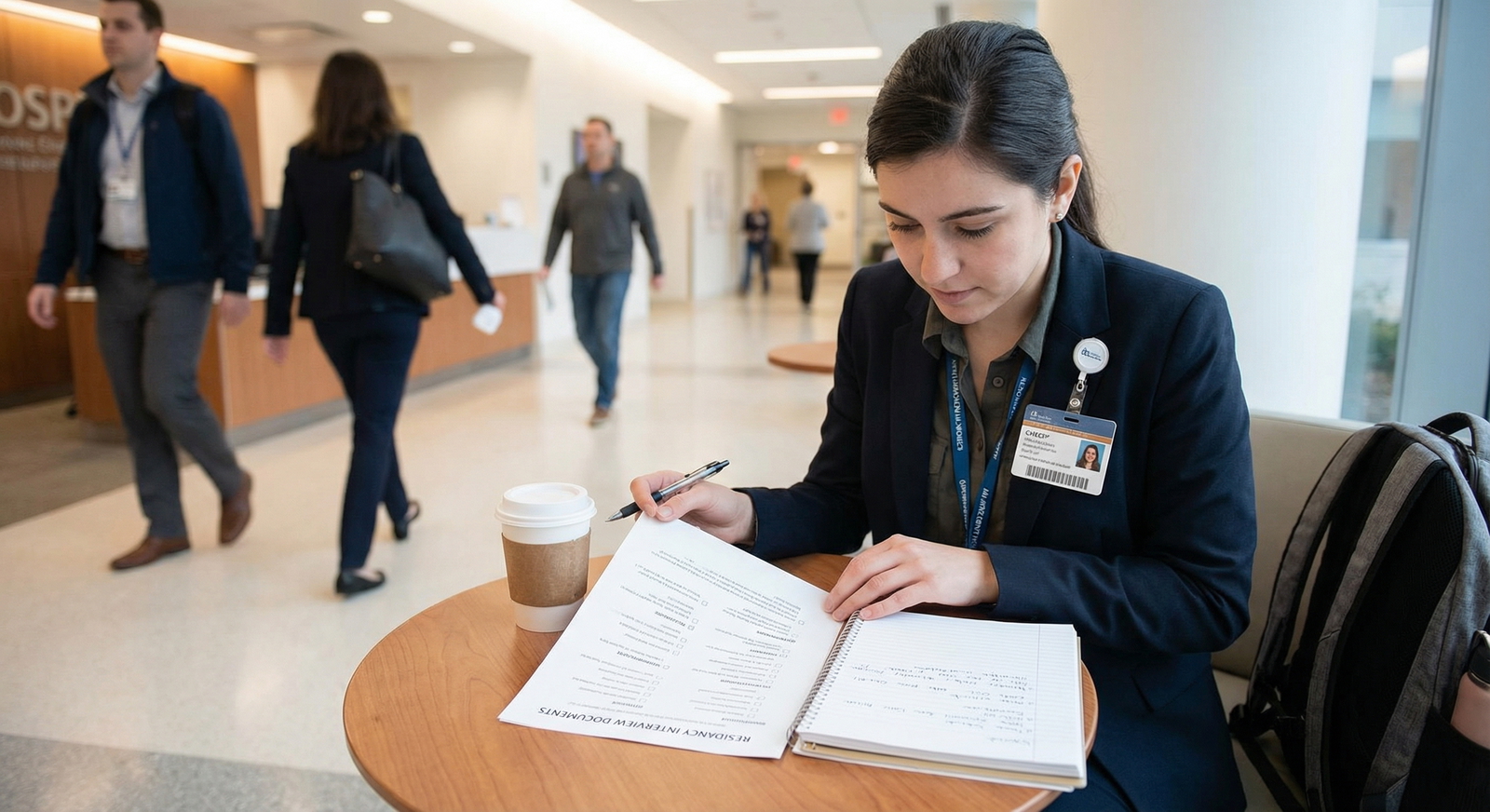
4. Keep an Organized Notes System
During interview season, details blur quickly. Create a structured note template for each program, such as:
- Program strengths mentioned by PD
- Concerns or red flags raised by resident responses
- Elective time and flexibility
- Lifestyle / schedule realities
- Overall gut feeling after Q&A
After each interview day, spend 10–15 minutes filling this out while your impressions are fresh. This will help you rank programs more confidently later.
Red Flags and Green Flags in Program Answers
The quality of the answers you receive is as important as the questions you ask. Here are patterns to listen for during your allopathic medical school match and TY program interviews.
Green Flags
- Clear, transparent details about schedules, expectations, and outcomes
- Evidence that resident feedback leads to change (e.g., “We adjusted night float after resident input.”)
- Consistent messaging
- PD and residents describe the culture similarly
- Residents don’t hesitate or look uncomfortable when answering
- Respect for Transitional Year residents
- TYs are included in didactics, leadership roles, and committees
- No language like “just TYs” or “only here for a year”
Red Flags
- Vague or evasive answers
- “It depends,” with no further clarification
- Avoiding direct discussion of duty hours or call
- Major discrepancies between PD and resident answers
- PD emphasizes wellness; residents describe frequent 80+ hour weeks
- Negative or dismissive comments about TY residents
- Jokes about TYs not working as hard or being less committed
- No track record of supporting advanced specialty preparation
- “I’m not sure where our TYs go after this”
- “We don’t really track that”
If you repeatedly encounter red flags across multiple conversations at the same program, take them seriously when building your rank list.
Frequently Asked Questions (FAQ)
1. How many questions should I ask during a Transitional Year residency interview?
Aim for 3–5 strong, targeted questions for each major interaction (program director, resident panel, faculty interview). You don’t need to ask every question you prepare. Prioritize the ones that:
- You can’t answer by reading the website
- Are most important to your personal goals
- Showcase your insight as an MD graduate
If time is limited, it’s better to ask 2–3 thoughtful questions than rapid-fire many superficial ones.
2. Should I ask the same questions to every program?
Use a core set of questions for comparison (e.g., schedule structure, elective time, culture), but always personalize at least a few for each program. For example, if a TY program is known for strong ICU training or has a close affiliation with your advanced specialty department, craft questions that highlight your genuine interest in those features.
3. Is it appropriate to ask about lifestyle and hours during interviews?
Yes—this is both appropriate and important. The key is to phrase it professionally:
- “How are duty hours monitored and enforced for TY residents?”
- “On busy rotations, what does a typical week look like in terms of hours and call?”
Avoid sounding as if you’re trying to avoid work entirely. Frame your questions around safety, sustainability, and learning.
4. When is the best time to ask about advanced specialty support or letters of recommendation?
You can bring this up during interviews with the PD, faculty in your future specialty, or during resident Q&A sessions, especially if you haven’t yet matched into an advanced position. For example:
- “For residents who are still finalizing their advanced specialty plans, how does the program support them with mentorship, advising, and letters of recommendation?”
This is a natural, professional way to raise the topic and is common among MD graduates in the residency match and applications phase.
By approaching each Transitional Year interview with a clear plan for questions to ask programs, you’ll not only gather the information you need, but also present yourself as a focused, thoughtful applicant. Use your questions to clarify fit, demonstrate insight, and advocate for your future self—the PGY-2 in your advanced specialty who will benefit from the foundation you build in your Transitional Year.