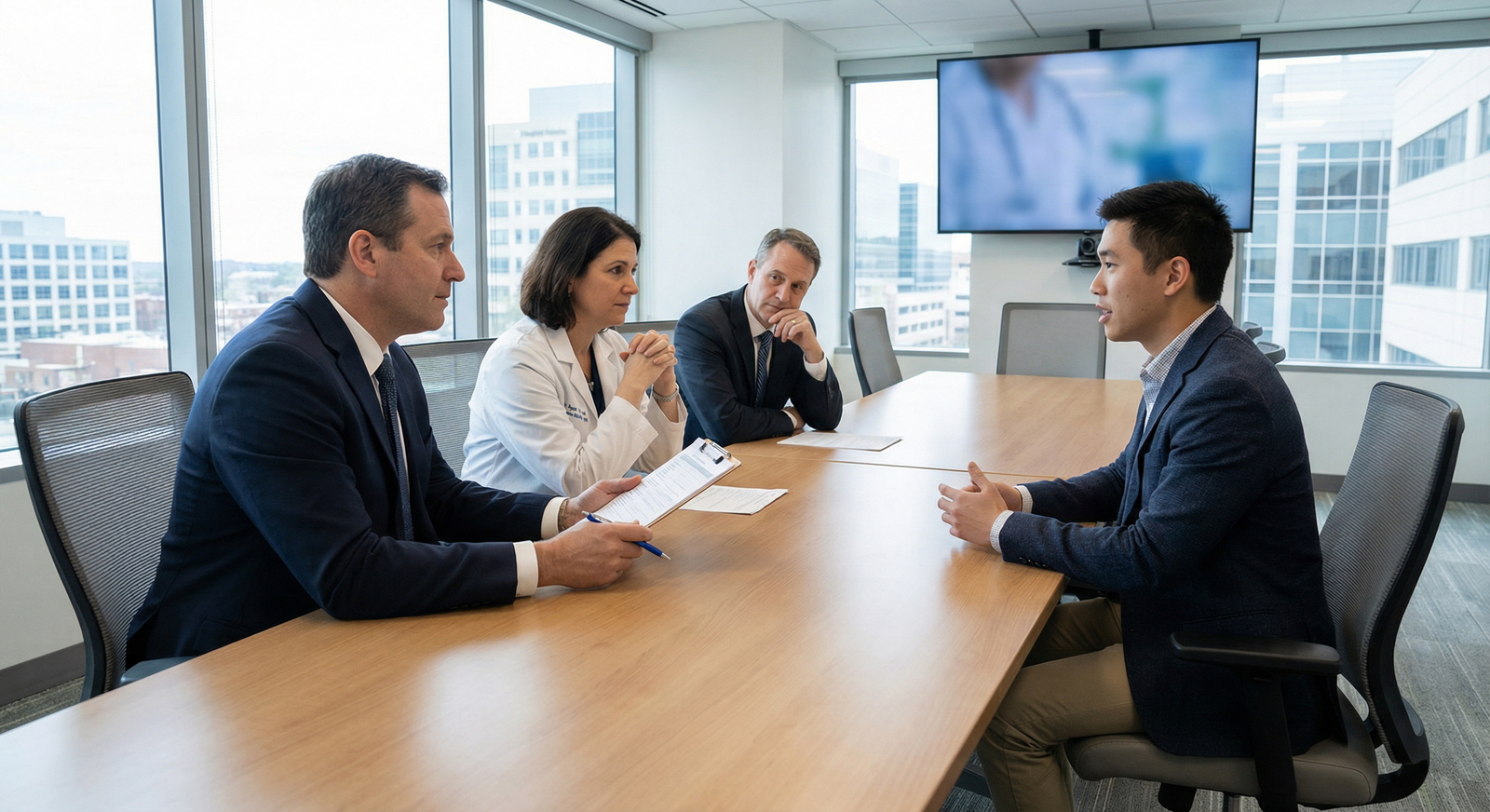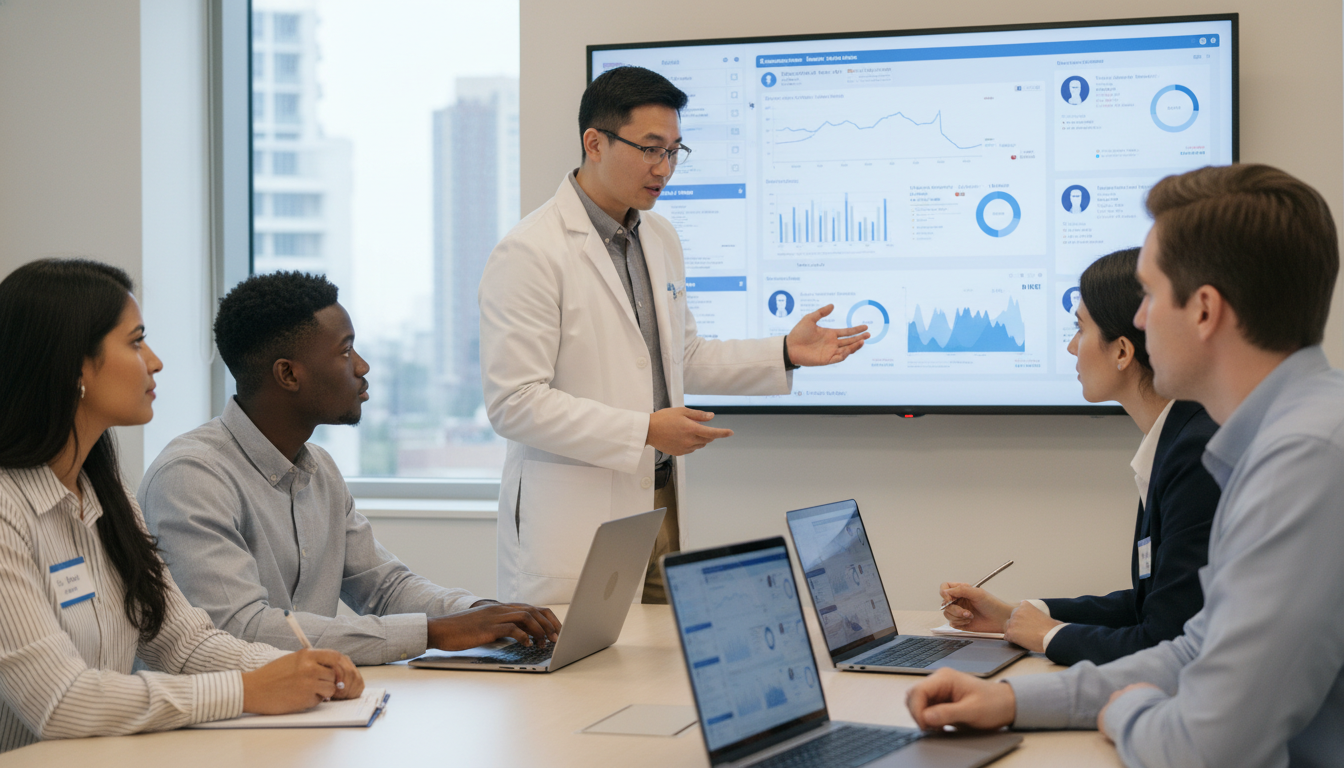
Understanding Your Unique Position as a US Citizen IMG in Clinical Informatics
As a US citizen IMG and an American studying abroad, you bring a non‑traditional but increasingly valuable profile to clinical informatics training. You’ve trained in a different health care system, likely seen varied models of electronic health record (EHR) use, and navigated complex pathways to return to the US for graduate medical education. Those experiences can be powerful assets in a data‑driven field like informatics—if you choose the right program and ask the right questions during residency and fellowship interviews.
Clinical informatics is still a relatively young specialty, and programs differ widely in structure, exposure, mentorship, and how they support IMGs. Simply asking, “Do you have any questions for us?” is an invitation to gather the information you need to decide whether a residency or clinical informatics fellowship will truly support your goals in health IT training, data science, and applied clinical research.
This guide is designed specifically for US citizen IMGs preparing for residency or clinical informatics fellowship interviews. It focuses on high‑yield, strategic questions to ask residency programs, plus what to ask the program director, faculty, fellows, and residents so you can compare opportunities with clarity and confidence.
Core Strategy: How to Approach Questions During Interviews
Before diving into specific question lists, clarify three principles to guide every interaction:
1. Be Purposeful, Not Performative
Programs can tell when your “interview questions for them” are generic. Instead of asking what you think they want to hear, focus on what you truly need to know:
- Will this program support my career in clinical informatics?
- As a US citizen IMG, will I be fairly evaluated, supported, and integrated?
- Does the day‑to‑day reality match the brochure?
A useful internal test:
If the answer to a question wouldn’t change how you rank the program, it’s probably low priority.
2. Ask Person‑Specific Questions
You’ll typically meet:
- Program Director (PD)
- Associate/Assistant PD
- Clinical informatics faculty or fellowship leadership
- Current residents and/or fellows
- Possibly the CMIO, CNIO, or health system IT leaders
You should tailor questions to each role:
- PD: big‑picture structure, culture, and support.
- Faculty / CMIO / Informatics leadership: projects, infrastructure, mentorship.
- Residents / Fellows: reality check on workload, culture, teaching.
- GME or HR: logistics, contracts, benefits.
3. Showcase Your Interest in Informatics Through Your Questions
In clinical informatics–focused discussions, your questions are part of your application. Asking well‑targeted things about EHR strategy, data governance, analytics platforms, or implementation science signals genuine interest and baseline literacy in health IT training.
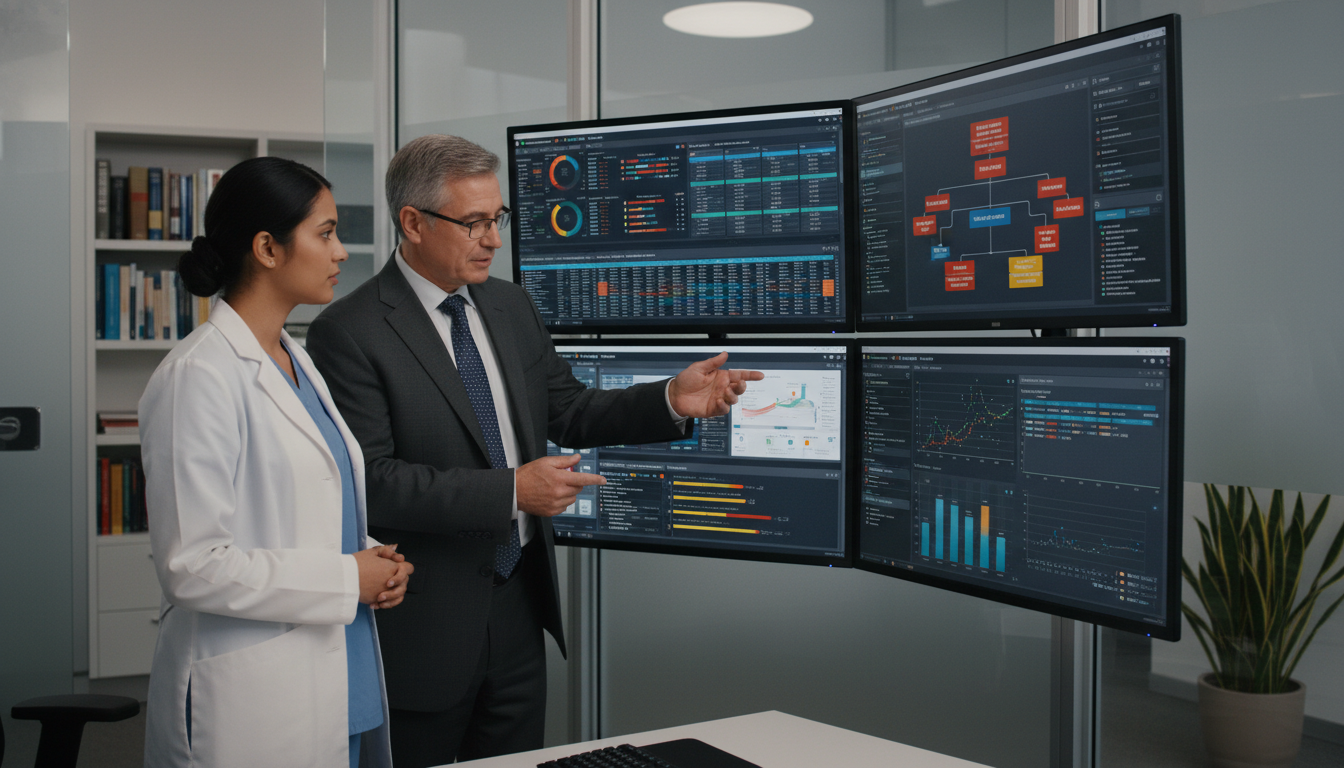
Questions to Ask About Program Structure and Informatics Exposure
Even if you’re interviewing for a primary residency (e.g., internal medicine, pediatrics, emergency medicine) with plans to do a clinical informatics fellowship later, you should assess how well the residency positions you for that path.
To the Program Director: Program Design and Informatics Pathways
1. Informatics Track and Curriculum
- “What formal opportunities exist here for residents interested in clinical informatics (tracks, pathways, electives, or scholarly concentrations)?”
- “How early in training can residents begin informatics projects or electives?”
- “Is there a structured relationship between this residency and the clinical informatics fellowship or informatics division?”
What you’re looking for:
- Dedicated informatics electives or longitudinal tracks
- Protected time for informatics work
- Mentorship from board‑certified clinical informaticians
- Clear pipeline from residency → clinical informatics fellowship
2. Clinical vs. Informatics Time Balance
- “For residents doing informatics projects, how is time protected? Is it a dedicated block, a longitudinal half‑day, or mostly personal time?”
- “Have residents ever had to scale back or abandon informatics projects because of clinical workload? How did the program respond?”
This tells you whether informatics is truly valued or simply “extra” work piled onto an already full schedule.
3. Integration with Health IT Operations
- “How do residents or fellows participate in institutional IT initiatives—EHR upgrades, order set redesign, clinical decision support committees, or digital health projects?”
- “Are trainees formally represented on any informatics or EHR governance committees?”
You want a program that engages trainees in real governance and implementation, not just gives them demo accounts or “shadow projects.”
To Informatics Faculty / Fellowship Leadership: Depth of Training
4. Breadth of Tools and Platforms
- “Which EHR platform(s) do you use, and do trainees get any exposure to back‑end configuration, build, or testing environments?”
- “What data analytics tools or platforms are available to trainees (e.g., Epic SlicerDicer, SQL‑based data warehouses, Python/R environments, Tableau, Power BI)?”
For a strong clinical informatics foundation, you should see:
- A modern EHR with active optimization projects
- Access to a clinical data warehouse or research data core
- Support for basic analytics or coding environments (Python, R, SQL)
5. Types of Projects Trainees Complete
- “Can you share recent informatics projects completed by residents or fellows, and what impact they had on clinical care or operations?”
- “What’s the typical scope of a trainee project here—more proof‑of‑concept, or full deployment and evaluation?”
Look for examples like:
- Clinical decision support tools (alerts, order sets) refined using outcomes data
- EHR workflow redesign projects
- Predictive analytics or risk scores integrated into care
- Telehealth or remote monitoring initiatives
6. Formal Clinical Informatics Fellowship Linkages
If there is a clinical informatics fellowship at the same institution:
- “What proportion of your clinical informatics fellows are internal vs. external applicants?”
- “How do residents interested in informatics here typically interact with the fellowship (joint conferences, shared mentors, early research involvement)?”
If there is no on‑site fellowship:
- “How do you support residents interested in pursuing clinical informatics fellowship elsewhere?”
- “Have recent graduates successfully matched into informatics fellowships, and if so, where?”
Questions About Culture, IMG Support, and US System Integration
As a US citizen IMG and American studying abroad, you must evaluate how well the program supports your transition back into the US clinical and cultural environment, while also aligning with your informatics goals.
Questions to Ask About IMG Experience and Support
7. Program History with US Citizen IMGs
To the PD:
- “How many current or recent residents were US citizen IMGs, and how have they done in terms of board pass rates and fellowship placement?”
- “Have any of your recent graduates who were US citizen IMGs gone into clinical informatics, health IT, or related areas such as quality improvement or data science?”
You’re looking for:
- Clear experience training US citizen IMGs
- Outcomes data (board performance, match into fellowships or jobs)
8. Clinical and Cultural Onboarding
- “What specific orientation or ramp‑up support do you offer for IMGs who may be less familiar with US health system workflows or EHR use?”
- “Are there any structured sessions on US documentation standards, billing and coding, and malpractice considerations?”
Clinical informatics relies heavily on understanding US workflows, reimbursement, and regulatory frameworks. You want robust upfront training, not “sink or swim.”
9. Bias and Inclusion
Residents or fellows are best for this question:
- “Do you feel that IMGs—especially US citizen IMG colleagues—are treated equitably here in terms of opportunities for leadership, research, and informatics projects?”
- “How does the program respond if there are concerns about bias from staff, patients, or peers?”
You’re assessing whether you’ll be seen as “less than” or as a full colleague whose diverse training is an asset.
Questions That Reveal Daily Culture
10. Psychological Safety and Feedback
- “Can you share an example of a time a trainee raised a concern about workflow, patient safety, or EHR usability, and how leadership responded?”
- “How easy is it for a resident to say, ‘This EHR tool isn’t working—can we redesign it?’ and be heard?”
Clinical informatics thrives in environments where frontline feedback is welcome.
11. Workload and Burnout
To residents/fellows:
- “What does a typical day look like on the busiest rotation? How often do you feel you’re sacrificing learning or informatics interests just to keep up?”
- “Do residents have cognitive bandwidth to pursue informatics projects, or does that tend to be limited to specific rotations or research blocks?”
If residents consistently say they’re overwhelmed, informatics work will realistically be pushed to nights and weekends.

Questions to Ask Specifically About Clinical Informatics Mentorship and Careers
To maximize your career trajectory, refine what to ask program directors and informatics faculty so you can gauge mentorship strength, networking, and post‑training opportunities.
Mentorship: Depth, Availability, and Fit
12. Identifying and Working With Mentors
- “How are mentors assigned or selected for residents interested in clinical informatics?”
- “Is it common for residents to have more than one mentor—e.g., a clinical mentor and an informatics mentor from the IT or data science side?”
You’re looking for structured mentorship, not vague “our door is always open” answers.
13. Access to Non‑Physician Experts
- “Do trainees have opportunities to learn from and collaborate with non‑physician informatics professionals—data scientists, data engineers, UX designers, project managers, or EHR analysts?”
- “Are interdisciplinary team members included in informatics teaching sessions or project teams?”
Strong programs give you exposure to the full health IT ecosystem.
Research, Projects, and Scholarly Output
14. Project Life Cycle and Ownership
- “Can residents or fellows take a project from ideation through design, implementation, and outcome evaluation, or are they typically involved in only one part of the process?”
- “What support exists for IRB submission, data extraction, analytics, and manuscript preparation?”
You’re asking whether you can learn the full project pipeline—essential for a clinical informatics career.
15. Scholarly Expectations and Support
- “What proportion of residents present informatics or data‑related work at regional or national meetings (e.g., AMIA, HIMSS)? Is there funding for conference travel?”
- “Are there internal or partner institutions where trainees commonly publish in informatics or health services research journals?”
Publication and presentation opportunities are valuable for competitiveness when applying to a clinical informatics fellowship or informatics‑heavy attending roles.
Career Outcomes and Networking
16. Graduate Career Paths in Informatics
To PD or informatics leadership:
- “Among graduates interested in informatics, what career paths have they taken—formal clinical informatics fellowship, CMIO‑track roles, quality improvement leadership, or industry positions?”
- “Do you track the informatics‑related career outcomes of your trainees?”
An honest program will be able to name specific alumni and roles, even if they are a small number.
17. Institutional and Regional Networking
- “What is the program’s relationship with the health system’s IT department and leadership (e.g., CMIO, CIO, analytics leadership)? Do trainees routinely interact with them?”
- “Are there partnerships with other institutions, startups, or technology vendors that residents or fellows can engage with during training?”
These interactions broaden your exposure beyond a single hospital and build your professional network.
Tactical Question Lists for Each Interviewer
To streamline your preparation, here are targeted interview questions for them—organized by whom you’re speaking with. You don’t need to ask every question; select ~5–7 per conversation that align with your priorities.
What to Ask the Program Director (PD)
Focus on structure, culture, and long‑term fit.
- “How does the program support residents who want to develop a career at the intersection of clinical care and informatics or health IT?”
- “What formal or informal pathways exist here for residents to connect with the clinical informatics fellowship or informatics division?”
- “How have US citizen IMGs historically done in your program, and have any moved into informatics or data‑driven leadership roles?”
- “When a resident is heavily involved in an informatics project, how do you balance their clinical responsibilities with that scholarly work?”
- “What do you see as this program’s biggest strengths and limitations in supporting someone like me—an IMG with a strong interest in informatics?”
- “If I join and later decide to pursue clinical informatics fellowship, how would you advise me to structure my rotations and scholarly activity here to be competitive?”
What to Ask Informatics Faculty / Fellowship Leadership
Drill down on content and mentorship.
- “What are the most important informatics competencies you expect a resident or fellow to gain by the end of training here?”
- “How do you expose trainees to real‑world challenges like EHR optimization, clinical decision support governance, and data quality issues?”
- “Could you describe a trainee‑led project that led to a sustained change in clinical practice or IT infrastructure?”
- “How often do trainees meet as a group for informatics‑focused teaching—case conferences, journal clubs, or project reviews?”
- “For a US citizen IMG who may be newer to the US health IT environment, what specific resources or coaching do you recommend early in training?”
- “In your view, what distinguishes graduates of this program from those at other institutions in terms of readiness for health IT leadership roles?”
What to Ask Current Residents and Fellows
You want unfiltered, day‑to‑day reality.
- “What do you wish you had known about this program before ranking it, especially regarding informatics opportunities?”
- “How easy is it in practice to get connected with informatics mentors and projects?”
- “Is there a culture of openness to workflow and EHR improvement suggestions, or do changes tend to be slow and top‑down?”
- “Do you feel the program is supportive of residents who are US citizen IMGs—in terms of evaluation, opportunities, and informal culture?”
- “If you could change one thing about the residency’s approach to informatics or technology, what would it be?”
- “Have residents from here successfully gone into clinical informatics fellowship or health IT–oriented roles, and how did the program help them?”
What to Ask GME Office or Administrative Staff
Fill in logistical gaps.
- “Are there any formal agreements or processes for residents to work on projects with the IT or analytics departments?”
- “Is there funding for informatics‑related courses, certificates (e.g., data science, project management), or conference travel?”
- “How is moonlighting managed, and can it be balanced with informatics or research commitments without causing burnout?”
Putting It Together: How to Use the Answers You Get
Compare Programs Using an Informatics‑Focused Lens
After interviews, organize what you learned in a structured way. For each program, score or note:
- Informatics infrastructure
- EHR sophistication and openness to change
- Analytics and data access
- Mentorship quality
- Number and accessibility of informatics mentors
- Track record in trainee projects and publications
- US citizen IMG support
- History and outcomes for IMGs
- Onboarding to US systems and culture
- Workload and culture
- Feasibility of informatics work during residency
- Attitudes toward innovation and feedback
- Career trajectory alignment
- Links to clinical informatics fellowship
- Alumni outcomes in health IT or leadership
Patterns will emerge. Some programs excel at informatics but struggle with IMG integration; others are IMG‑friendly but have limited health IT training. Your goal is to find the best overall fit for you.
Signal Your Interest Without Overcommitting
As you ask these questions, you are also communicating your priorities. You can say:
- “I’m strongly interested in clinical informatics, though I’m open to how that shapes my career over time.”
- “Given my background as a US citizen IMG who trained abroad, I’m particularly motivated to understand how different systems use technology to improve care.”
This articulates a coherent story without boxing you into a single future path.
FAQs: Questions to Ask Programs for US Citizen IMG in Clinical Informatics
1. As a US citizen IMG, should I explicitly say I want a clinical informatics fellowship?
Yes, but with nuance. It’s reasonable to share that you are interested in a clinical informatics fellowship and health IT training, especially if your CV supports it (projects, coursework, certificates). Frame it as:
- “I’m very interested in clinical informatics and could see myself pursuing fellowship, though I’m open to how my interests evolve during residency.”
This signals passion without suggesting you’re less committed to becoming an excellent clinician.
2. What if the program doesn’t have a clinical informatics fellowship—should I still ask informatics‑focused questions?
Absolutely. Many strong residencies offer meaningful informatics exposure without an on‑site fellowship. In that case, emphasize:
- Informatics electives or tracks
- Access to IT and analytics teams
- Support for informatics‑related research and presentations
- History of residents matching into clinical informatics fellowships elsewhere
Ask explicitly: “How have residents here built competitive applications for clinical informatics fellowships without an in‑house program?”
3. Are there any “red flag” answers to my questions?
Potential red flags include:
- “We don’t really do much with informatics; IT handles that.”
- “Residents rarely have time for projects outside clinical duties.”
- “We’ve had some IMGs, but we don’t track their outcomes.”
- “If you’re interested in informatics, you can do something on your own in your free time.”
These responses suggest informatics is peripheral, trainees are overloaded, and there is limited structured support—especially problematic for a US citizen IMG who may need more guided integration.
4. How many questions should I ask in each interview?
Plan:
- PD/Associate PD: ~5–7 focused, high‑level questions
- Informatics faculty/fellowship leadership: ~5–7 technical/mentorship questions
- Residents/Fellows: as many as the conversation naturally allows (often 6–10)
- Others (GME/HR): 2–3 logistical questions
Prioritize quality over quantity. If the conversation is flowing well in a meaningful direction, it’s fine to go deeper on fewer topics rather than rush through a long list.
By approaching your interviews with targeted, thoughtful questions tailored to your goals as a US citizen IMG interested in clinical informatics, you turn a generic Q&A into a strategic data‑gathering exercise. That information—combined with your impressions of culture, mentorship, and support—will help you rank programs confidently and choose a training environment that aligns with your future in health IT, data‑driven care, and clinical innovation.