Why Your Questions Matter as a US Citizen IMG in Orthopedic Surgery
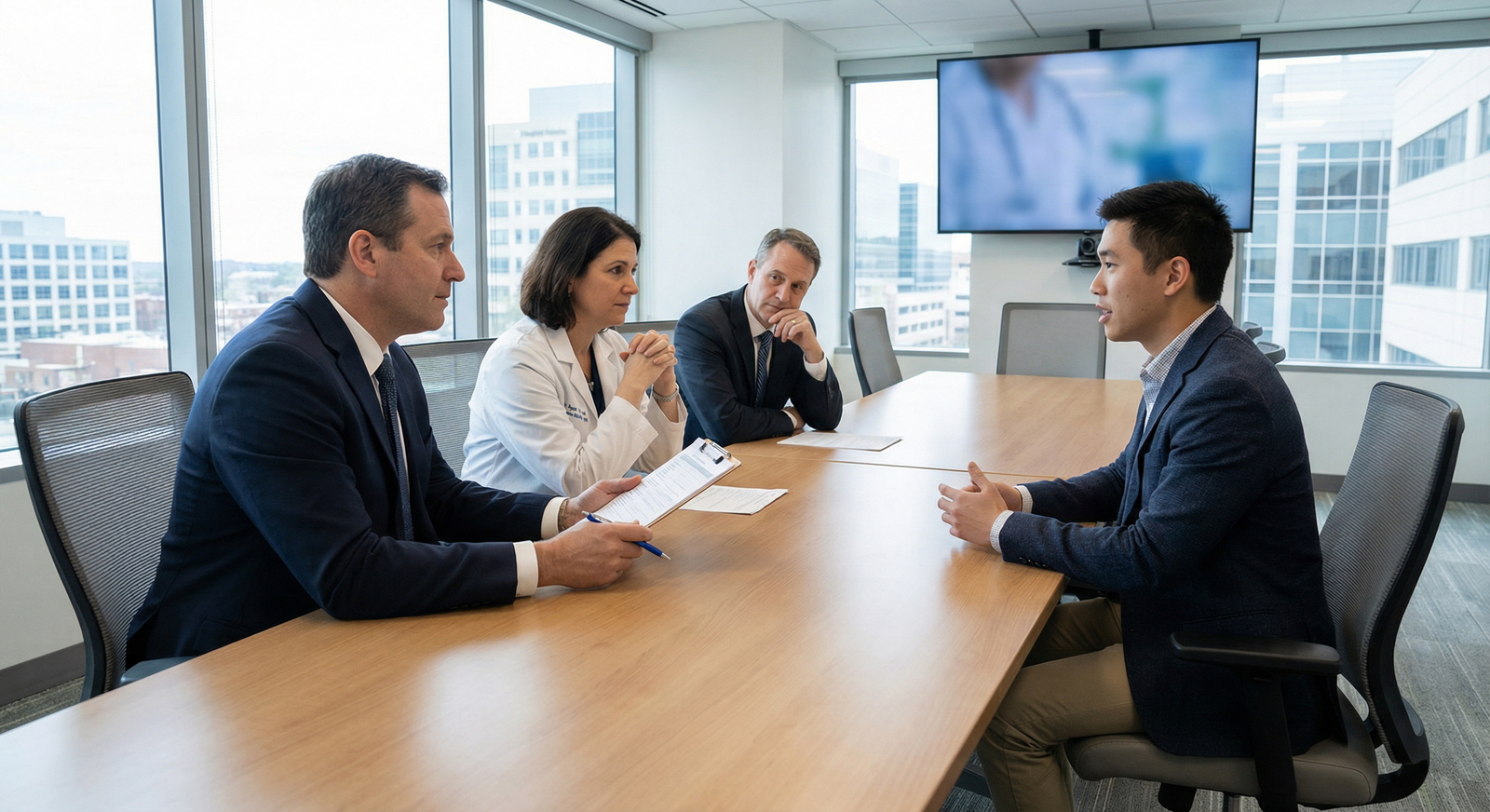
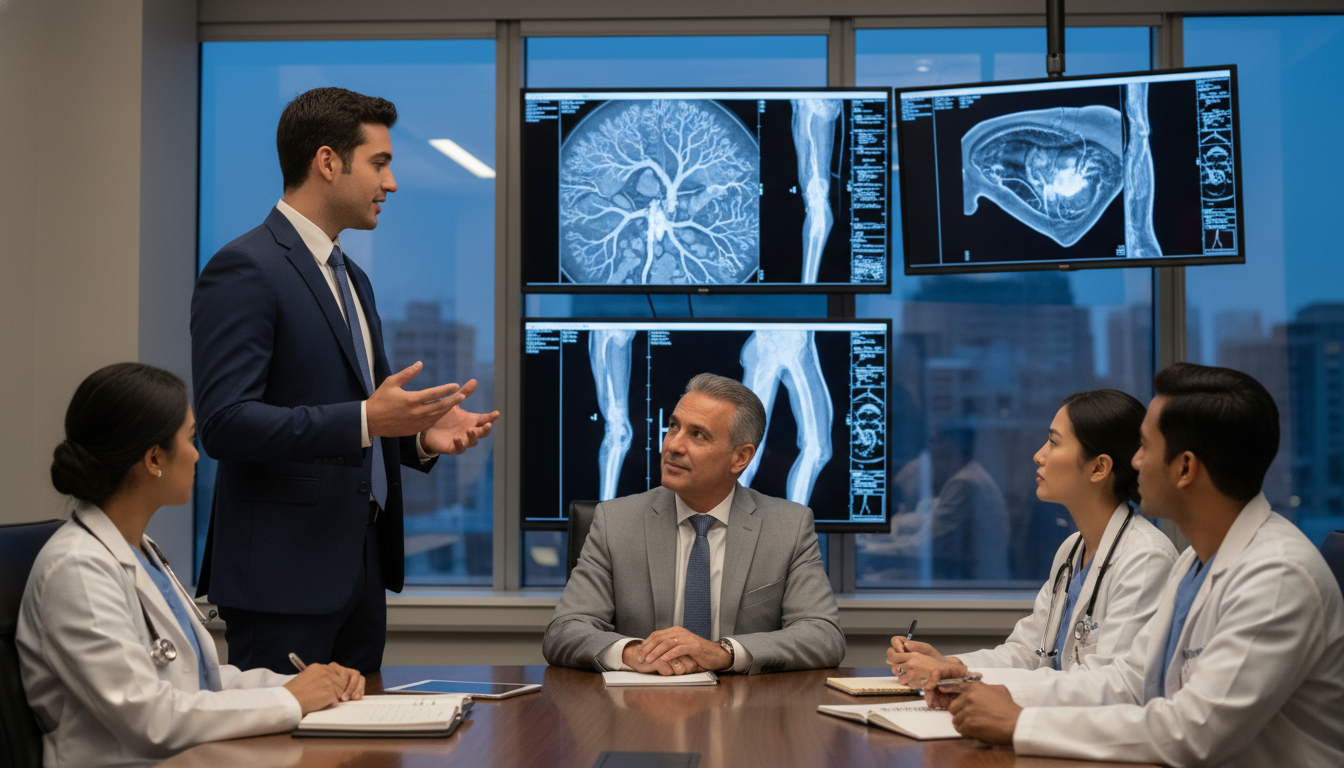
As a US citizen IMG or American studying abroad, you will often be scrutinized more closely in the orthopedic surgery residency selection process. Your performance in the interview is critical—not just how you answer questions, but also the questions you ask.
Thoughtful, targeted questions:
- Show you understand the realities of orthopedic training in the US
- Demonstrate maturity, insight, and genuine interest in that specific program
- Help you identify programs that truly support IMGs and will position you for a successful ortho match
This guide focuses entirely on questions to ask programs—faculty, residents, and program directors—tailored specifically for US citizen IMGs pursuing orthopedic surgery residency.
Strategic Framework: How to Think About Questions as a US Citizen IMG
Before memorizing lists, you need a strategy. As an American studying abroad and applying in a competitive field, your questions should aim to:
Clarify IMG-Friendliness and Support
- How many IMG residents do they have?
- How are they supported in board exams, research, and fellowships?
- Are there hidden biases in evaluation or advancement?
Assess Training Quality and Outcomes
- Volume and complexity of operative experience
- Board pass rates
- Fellowship match patterns (especially in ortho subspecialties)
Understand Culture and Fit
- Are residents collaborative or competitive?
- How are mistakes handled?
- Is there psychological safety for asking for help?
Uncover Expectations and Workload
- Call structure, night float, cross-cover
- Documentation and scut distribution
- Expectations for research and QI projects
Gauge How They View You as a US Citizen IMG
- Subtle clues from their answers to your questions
- Whether they have a track record of training IMGs well
- Whether they talk about IMGs as contributors vs. exceptions
Keep this framework in mind as you choose what to ask program directors and residents during your interviews.
Questions to Ask the Program Director (PD) and Leadership
Your time with the PD is the highest-yield moment to ask big-picture, strategic questions. You need to balance professionalism, curiosity, and insight. These are “interview questions for them” that show you’re thinking like a future orthopedic surgeon, not just an applicant.
A. Program Philosophy, Training, and Outcomes
1. “How would you describe the type of orthopedic surgeon your program aims to graduate?”
Why it’s strong: This invites them to reveal values (autonomous vs supervised, academic vs community, research-heavy vs clinically focused).
Follow-up questions:
- “How do you structure rotations to achieve that?”
- “What traits have you seen in your most successful graduates?”
2. “What changes or improvements have you made to the program in the last 3–5 years?”
Why it’s strong: Shows you care about growth and responsiveness, not just status quo.
Listen for:
- Responsiveness to resident feedback
- Adjustments to duty hours, call, simulation, or wellness
- Innovations in surgical education or curriculum
3. “Can you describe your graduates’ recent fellowship match pattern in orthopedic subspecialties?”
Especially important for ortho:
- Which subspecialties are common? (sports, trauma, spine, joints, hand, pediatrics, foot & ankle, oncology)
- Where do they match geographically and in terms of prestige?
- Are there alumni in fellowships that historically favor US grads?
You can refine this for US citizen IMG concerns:
- “Have your IMG graduates had similar fellowship opportunities as US MD grads?”
B. Questions That Reveal Program Culture and Resident Support
4. “What qualities do you see in residents who thrive here—and in those who struggle?”
Why it’s high-yield: It tells you how demanding the program is, and what’s non-negotiable for success.
Listen for:
- Are ‘hard worker’ and ‘team player’ the only traits they mention?
- Do they bring up teachability, resilience, humility, integrity?
- How do they describe people who “struggle”? Blame vs systems thinking.
5. “How does your program respond when a resident is having difficulty—academically, clinically, or personally?”
This probes:
- Psychological safety
- Formal remediation and mentorship
- Attitudes toward vulnerability and support
You can sharpen this from the IMG angle:
- “For IMGs adjusting to the US system, what structures are in place to help with the transition in the first year?”
6. “How do residents participate in program decision-making or curriculum changes?”
This reveals:
- Whether resident feedback is genuinely valued
- Existence of a resident council or education committee
- Whether leadership is transparent
C. IMG-Focused Questions to Ask Program Leadership
You do not need to hide that you’re a US citizen IMG; instead, ask smart, non-defensive questions that show situational awareness.
7. “As a US citizen IMG in orthopedic surgery, I’m particularly interested in how IMGs have done here. Could you share how previous IMG residents have performed and where they are now?”
Look for:
- Concrete examples of IMG residents and graduates
- Signs of pride in their IMG graduates vs. discomfort or vague answers
- Whether IMGs have matched into fellowships or faculty roles
8. “Are there any additional supports or orientation for residents who completed medical school outside the US to help them transition to documentation, EMR, and US hospital workflow?”
This can open:
- Early shadowing or boot camps
- PGY-1 rotations emphasizing systems, communication, and documentation
- Formal mentorship with senior residents familiar with the transition
9. “How do you approach letters of recommendation and advocacy for residents applying to competitive orthopedic fellowships, especially for those whose medical schools are less well known in the US?”
This aligns your IMGs-specific concern with a universal issue: mentorship and advocacy.
D. Questions to Clarify Expectations and Workload
10. “How do you see the role of a PGY-1 and PGY-2 in your orthopedic service? What are your expectations of junior residents?”
You’re listening for:
- Is there graduated responsibility?
- Will you be clinically active or mostly doing scut?
- How early do you get in the OR?
11. “Could you tell me about your call structure and how call responsibilities change across the five years?”
Follow-ups:
- “How often are residents on trauma call?”
- “How is backup handled when the service is particularly busy?”
For orthopedics, ask specifically:
- “How is call divided between services (trauma, joints, spine, hand)?”

Questions to Ask Current Residents: Uncovering the Real Program
Residents are often your most honest source of information. This is where your questions to ask residency must be specific, not generic. As a US citizen IMG, you want to gauge both training quality and how IMGs fare socially and professionally.
A. Daily Life, Workload, and OR Experience
12. “Can you walk me through what a typical day looks like for a PGY-1, PGY-3, and chief resident on your main orthopedic services?”
Why it’s useful:
- Reveals real workflow (pre-rounds, OR, clinic, notes, consults)
- Clarifies how responsibilities evolve
- Shows if early years are overburdened with non-educational tasks
13. “How early do residents typically start getting meaningful operative experience, and how is case allocation handled among residents?”
Listen for:
- Whether junior residents get to operate or just retract
- Whether case distribution is equitable or heavily favors certain classes/favorites
- Use of case logs and formal oversight
14. “Do you feel you are on track to meet or exceed case minimums in key orthopedic areas?”
You want to hear:
- “Yes, comfortably” with details
- Not: “We’re scrambling to get certain cases in PGY-4/5.”
B. Culture, Mentorship, and Support for IMGs
15. “How would you describe the culture among residents—more collaborative or competitive?”
Follow-ups:
- “How do residents handle tough rotations or heavy call months?”
- “How are new interns treated by senior residents?”
16. “Are there current or former US citizen IMGs in the program? How have they integrated and done here?”
If yes:
- “What helped them succeed?”
- “Have they matched into competitive fellowships similar to US MD grads?”
If no:
- “How do you think someone from a non-US med school would experience the learning curve here?”
17. “Can you share an example of a time a resident struggled—either academically or personally—and how the program responded?”
You’re looking for:
- Specific, humane support (adjusted schedule, mentorship, wellness resources)
- Not: “We expect everyone to keep up” or dismissive answers
C. Education, Research, and Academic Opportunities
18. “How protected is your educational time—does it actually remain pager-free?”
Follow-ups:
- “Are lectures, fracture conference, or M&M regularly attended by faculty?”
- “Who leads the didactics—faculty, fellows, senior residents?”
19. “What is the research culture like? Do residents regularly produce abstracts or papers? Is there support for taking projects from idea to publication?”
Clarify:
- Availability of databases, statisticians
- Time blocked for research vs nights/weekends only
- Track record of residents presenting at AAOS, subspecialty meetings
As a US citizen IMG, ask directly:
- “For residents who came in with fewer US-based research connections, what support is there to get involved in meaningful ortho research here?”
D. Lifestyle, Wellness, and Practical Realities
20. “What are the toughest aspects of training here that applicants might not appreciate from a single interview day?”
This often reveals:
- Heavy trauma volume
- Difficult attendings or services
- Limited ancillary support
- Hidden commute or housing issues
21. “How manageable is it to live here on a resident salary—housing, commute, family life?”
If you have a partner/family:
- “Do many residents have families? How do they manage childcare and call?”
For IMGs returning to the US:
- “How did you or others find the transition to living and working in this particular city?”
Questions to Ask About Orthopedic-Specific Training and Career Development
Orthopedic surgery has unique elements—trauma intensity, subspecialty choices, fellowship expectations. Your interview questions for them should show you understand that.
A. Subspecialty Exposure and Fellowship Preparation
22. “How early do residents get exposure to the major orthopedic subspecialties (trauma, joints, sports, spine, hand, pediatrics, oncology, foot & ankle)?”
You want:
- Early, broad exposure in PGY-2/3
- Not: “Most of that happens in PGY-4/5 only”
23. “How does your program support residents as they decide on and apply to orthopedic fellowships?”
Listen for:
- Formal fellowship advising
- Help with timing away rotations or visits
- How proactive attendings are in making calls and advocating
For US citizen IMGs:
- “Have IMGs from your program been competitive for the same fellowships as your US grads?”
24. “Are there specific attendings known for strong mentorship, especially for residents interested in academic ortho or a particular subspecialty?”
You’re trying to identify:
- Go-to mentors in trauma, sports, spine, etc.
- Whether mentorship is structured or purely informal
B. Case Mix, Trauma, and Clinical Setting
25. “How would you describe your program’s case mix—community vs tertiary-level referrals, trauma vs elective?”
This helps you assess:
- Whether the program fits your goals (e.g., trauma-heavy vs elective joints)
- Balance of bread-and-butter vs complex, rare cases
Follow-up:
- “Is there flexibility for residents to seek out more of a particular case type if that aligns with their fellowship interests?”
26. “What is the level of autonomy in the OR for senior residents? Do they run their own rooms or primary cases with indirect supervision?”
As a US citizen IMG, you want reassurance that:
- Senior residents get real operative independence
- Attendings trust residents, including those from non-US schools
C. Evaluation, Feedback, and Board Preparation
27. “How are residents evaluated, and how often do you receive structured feedback on your operative skills and clinical decision-making?”
Look for:
- Regular, structured evaluations
- Use of ACGME milestones
- Direct feedback from attendings
28. “What does the program do to support residents in passing the ABOS Part I boards on the first attempt?”
Ask:
- “Do you provide formal board review, question banks, or mock orals?”
- “What has been your five-year first-time board pass rate?”
As an IMG:
- “Have IMGs had any unique challenges with boards, and how has the program addressed those?”

How to Ask Smart Questions Without Sounding Scripted
Memorizing a list isn’t enough. You need to adapt your questions and deliver them naturally.
A. Prioritize and Customize for Each Program
Before each interview:
- Review their website, case volumes, fellowship match list, and any IMG mention
- Pick 6–8 priority questions that matter most to you
- Avoid asking what’s clearly stated online (e.g., “How many residents per year?”)
For example:
- If their site emphasizes trauma: “I noticed your high trauma volume. How does that influence residents’ case mix and fellowship choices?”
- If they highlight research: “I saw your department’s strong publication record. How do residents without a prior research-heavy background get integrated into those projects?”
B. Tailor Questions to the Person You’re Speaking With
- Program Director: Big-picture philosophy, outcomes, structural changes, IMG success
- Associate PD / Faculty: Curriculum, mentorship, teaching style, subspecialty details
- Residents: Daily life, culture, workload, wellness, unspoken norms
Example adaptation:
- PD: “How have you seen the program evolve in terms of supporting IMGs over time?”
- Resident: “How has it felt for IMGs in your class to be part of the team—socially and academically?”
C. Avoid Red-Flag Questions or Tones
Don’t ask:
- “How many hours do I really have to work?” (Instead ask about a “typical week on trauma vs elective rotation.”)
- “Is this a malignant program?” (Instead ask for examples of how the program responds when residents struggle.)
Don’t:
- Rapid-fire a long list without listening
- Read questions off your screen without eye contact
- Ask questions that sound like you’re trying to avoid hard work
Putting It Together: Sample Question Sets for Different Settings
To make this actionable, here are sample “question packages” you could use.
With the Program Director (20–30 minutes)
- “What type of orthopedic surgeon do you aim to graduate from this program?”
- “What significant changes or improvements have you implemented in the last few years?”
- “How have your graduates recently done in fellowship placement, particularly in [your area of interest: sports, trauma, spine, etc.]?”
- “As a US citizen IMG, I’m curious how IMGs have performed here and where they tend to end up after residency.”
- “How do you approach supporting residents who are struggling, whether clinically or personally?”
- “What are you most proud of about this program, and what are you still working to improve?”
With Senior Residents / Chiefs
- “Can you describe a typical week on your busiest rotation?”
- “How early did you start getting meaningful operative experience, and how has your autonomy evolved?”
- “How would you describe the culture among residents—especially in high-stress situations?”
- “What is one thing you wish you had known about this program before matching here?”
- “How have IMGs in the program integrated, and have they had equal fellowship opportunities?”
- “If you had to decide again, would you choose this program, and why?”
With Junior Residents / Interns
- “What surprised you the most about intern year here?”
- “How much support do you feel you have from seniors and attendings when you’re on call?”
- “How manageable is the transition from medical school to PGY-1 here, particularly for people new to the US system?”
- “Do you feel you have enough time to study, sleep, and maintain any life outside the hospital?”
FAQs: Questions US Citizen IMGs Commonly Ask About Ortho Interviews
1. As a US citizen IMG, should I explicitly mention my IMG status in my questions?
You don’t need to reintroduce your IMG status—it’s already in your file—but you can frame questions that acknowledge your background thoughtfully. For example:
- “Coming from an international school, I’m particularly interested in how you support residents in adapting to US documentation and systems.”
This shows self-awareness and seriousness without sounding defensive or apologetic.
2. What should I ask if I’m mainly worried about being at a disadvantage compared with US MDs for the ortho match and fellowships?
Ask about outcomes, not opinions:
- “How have IMGs from your program done with ABOS boards and fellowship placement compared to other residents?”
- “When advocating for residents to fellowship directors, do you feel that your program’s reputation helps level the playing field for applicants from less-known medical schools?”
You’re looking for evidence of actual support and advocacy.
3. How many questions should I ask in each interview?
Aim for:
- 3–5 questions per 20–30 minute PD or faculty interview
- 2–4 questions per resident conversation, depending on length and flow
Quality > quantity. It’s better to ask a few thoughtful questions and engage deeply with the answers than to rush through a long list.
4. Are there any questions I should avoid as a US citizen IMG in orthopedic surgery?
Avoid:
- Questions that sound like you’re trying to minimize work or call
- Anything confrontational, like “Why don’t you have more IMGs?”
- Questions easily answered by the website (e.g., “How many residents per year?”)
Instead, reframe concerns into constructive questions:
- Poor wellness reputation → “How has the program addressed resident wellness and duty hour concerns in recent years?”
- Limited IMGs in current class → “Have you trained IMGs in the past, and how did they do here?”
By preparing focused, insightful questions tailored to both orthopedic surgery and your perspective as a US citizen IMG, you show programs that you’re not just trying to match anywhere—you’re actively looking for a place where you can thrive, contribute, and ultimately become a strong orthopedic surgeon.