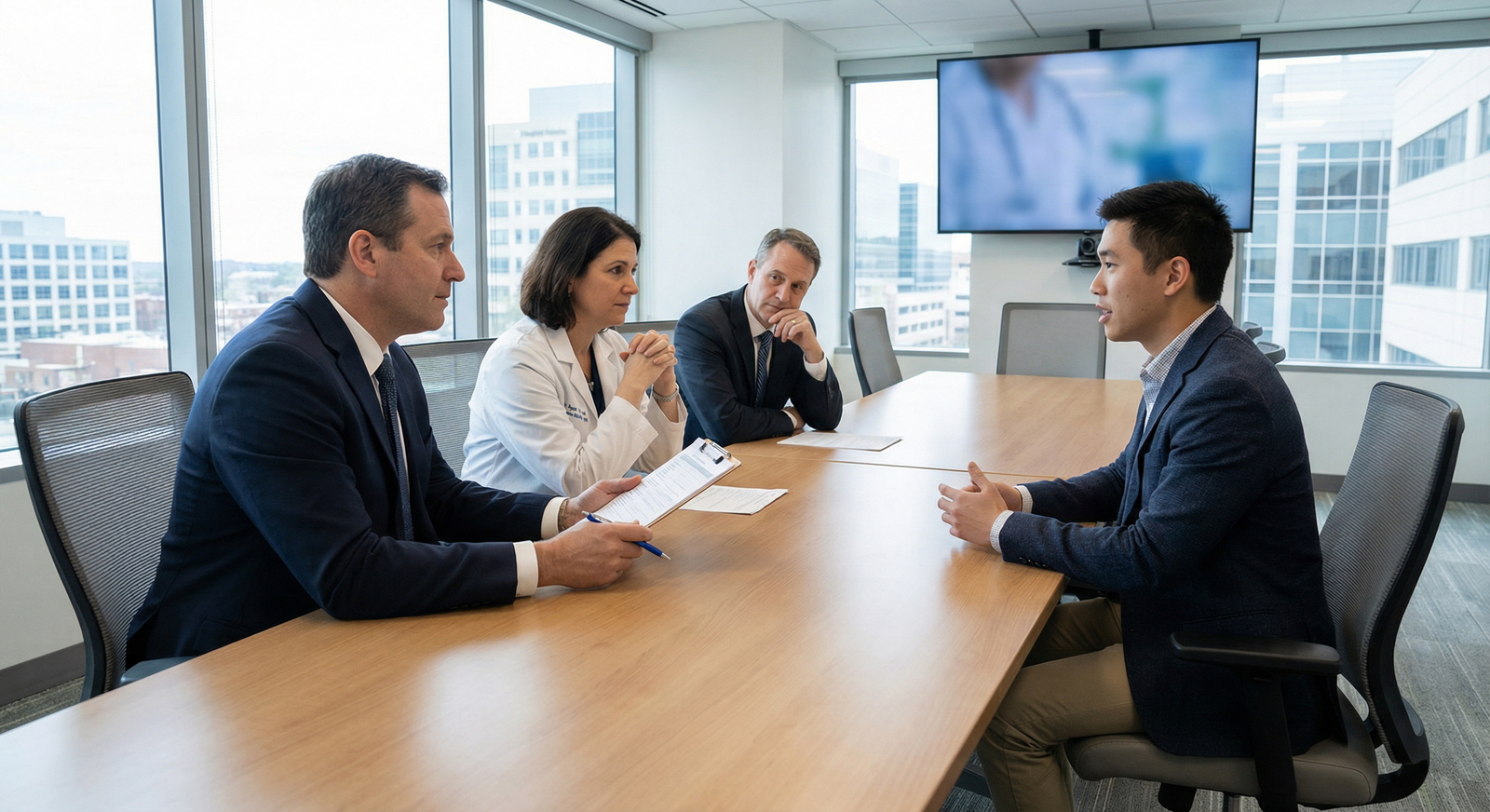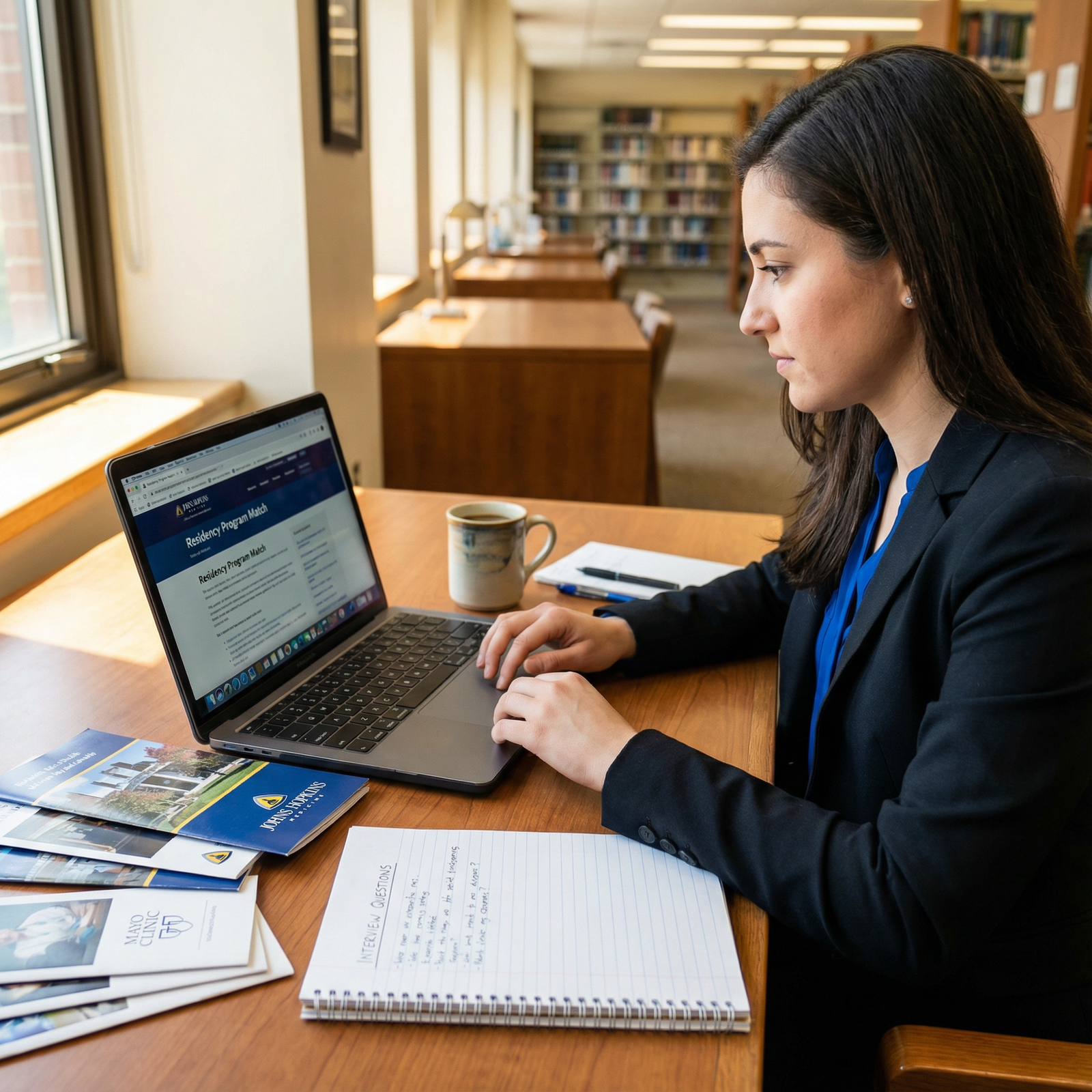
Understanding the Unique Position of a US Citizen IMG in Plastic Surgery
Integrated plastic surgery is one of the most competitive residency specialties in the United States. As a US citizen IMG (American studying abroad), you are competing not only with US MD and DO seniors, but also with a growing number of highly accomplished IMGs worldwide. That does not mean you cannot match—it means you must approach pre-interview preparation with exceptional strategy and precision.
For many US citizen IMGs, the pre-interview phase is where outcomes are largely decided. You’ve already navigated transcript verification, USMLE/COMLEX, letters of recommendation, research, and the ERAS application. Once interview invitations start arriving, your focus must shift from “How do I look on paper?” to “How do I communicate my value clearly, confidently, and consistently?”
This guide is tailored specifically to you: a US citizen IMG pursuing plastic surgery residency, preparing to excel in the integrated plastics match. It will walk you through exactly how to prepare for interviews—from understanding the plastic surgery interview landscape to building question banks, refining your story, and planning your logistics so you perform your best on interview day.
The Plastic Surgery Interview Landscape for US Citizen IMGs
Before practicing questions, you need a clear mental model of what programs are assessing and how your IMG status shapes expectations.
What Programs Are Really Evaluating
Across integrated plastic surgery programs, interviewers are trying to answer:
Can this applicant do the work?
- Clinical reasoning, surgical judgment potential, and knowledge base
- Stamina, resilience, and ability to learn quickly
- Comfort with anatomy, basic surgical principles, and perioperative care
Will this applicant fit our culture?
- Collegiality, humility, and professionalism
- Ability to work in high-stress, high-stakes environments
- Emotional intelligence and respect for the team (nurses, techs, residents, attendings)
Is this someone we want to invest six years in?
- Long-term commitment to plastic surgery
- Academic potential: research, education, leadership
- Alignment with program strengths (microsurgery, hand, craniofacial, gender affirmation surgery, etc.)
If we match this person, will we ever regret it?
- Red flags: poor professionalism, dishonesty, interpersonal difficulties
- Unrealistic expectations about lifestyle or career trajectory
- Poor insight into personal weaknesses
How Being a US Citizen IMG Affects Expectations
As an American studying abroad, you sit in a somewhat unique category:
- You understand US culture and the healthcare system better than many IMGs
- But programs may ask: “Why did you go abroad? And how did you make the most of that experience?”
Common assumptions you must proactively address in your interview preparation:
Perception of training differences
- Expect detailed questions about your clinical education, hands-on experience, and exposure to US clinical systems (electives, sub-internships, observerships).
USMLE and performance scrutiny
- Even with Step 1 now Pass/Fail, integrated plastic surgery places heavy weight on Step 2 CK and clinical performance. Be ready to discuss your scores, context for any dips, and how they reflect your current capability.
Adaptation to US residency environment
- Programs want reassurance that you have already navigated US hospitals, EMR systems, multidisciplinary teams, and patient expectations.
Your pre-interview preparation must be built around telling a cohesive, confident story about why your international education is a strength, not a liability.
Step 1: Build Your Core Story as a Plastic Surgery Applicant
Before rehearsing any specific interview questions, you need a clear “core narrative” that ties together your background, training abroad, and passion for plastic surgery.
Craft Your Personal and Professional Narrative
Work through these questions in writing:
Why plastic surgery? Why not another surgical field?
Think beyond “variety” or “creativity.” Stronger themes include:- Restoration of form and function after trauma or cancer
- The intersection of aesthetics, identity, and reconstructive needs
- Microsurgery as a tool for complex reconstruction
- Longitudinal relationships with patients (e.g., cleft lip/palate, craniofacial anomalies)
Why did you study medicine abroad?
You need a confident, non-defensive answer:- Family reasons, financial considerations, educational opportunities
- Interest in specific global health experiences
- Mature reflection on how this shaped your skills and worldview
Why come back to the US for plastic surgery residency?
Emphasize:- Desire to practice in the US healthcare system long-term
- Training quality, academic resources, case diversity
- Alignment with US board certification and fellowship opportunities
What have you done to prove your commitment to plastic surgery?
List concrete actions:- US-based plastics rotations, sub-I’s, observerships
- Research projects (posters, abstracts, publications)
- Mentorship relationships with plastic surgeons
- Skills labs, anatomy dissections, suturing/microsurgery course participation
Once you have detailed notes, condense them into 3–5 core themes. These themes should appear consistently when answering “Tell me about yourself,” “Why plastic surgery?” and “Why our program?”
Develop a 60–90 Second “Tell Me About Yourself”
This is often the first question and sets the tone for the rest of the interview. For a US citizen IMG applying to plastic surgery, a strong structure is:
- Present – Who you are now in one sentence
- Past – Where you trained and what you focused on
- Bridge to Plastics – How you discovered plastic surgery and what you’ve done to commit
- Now & Next – What you’re looking for in a plastic surgery residency
Example (adapt to your own story):
I’m a US citizen who completed medical school at [School] in [Country], where I developed an early interest in reconstructive surgery through work with burn and trauma patients. Training abroad exposed me to resource-limited settings and taught me to be resourceful, hands-on, and adaptable in managing complex wounds and soft tissue defects. To pursue plastic surgery in the US, I completed sub-internships at [Institution] and [Institution], joined a research team studying outcomes in microsurgical breast reconstruction, and presented our work at [Conference]. I’m now looking for an integrated plastic surgery residency that combines high-volume complex reconstruction with strong mentorship in academic productivity, so I can build a career as a reconstructive microsurgeon with an emphasis on outcomes research.
This short narrative should be memorized but delivered conversationally, then adapted for each program.

Step 2: Master Core Residency Interview Questions (With a Plastics Focus)
Plastic surgery interviews include many standard interview questions residency programs ask across all specialties, but they also include specialty-specific themes. Your pre-interview preparation should involve building a structured “answer bank” to avoid improvising under pressure.
High-Yield General Interview Questions (and How to Approach Them)
Tell me about yourself.
- Use your prepared 60–90 second narrative.
- Do not retell your CV line by line; highlight key transitions and themes.
Why plastic surgery?
- Be specific: mention reconstructive principles, certain patient populations, or procedures.
- Tie in one or two concrete experiences that made an impact on you (e.g., free flap reconstruction, cleft surgery, burn reconstructions).
- Avoid superficial reasons like “it’s competitive” or “it’s creative” alone—you can mention them, but anchor in patient-centered experiences.
Why did you go to medical school abroad?
- Answer directly, without apology or defensiveness.
- Briefly mention the original reason, then focus on what you gained (global perspective, cultural competence, adaptability, early procedural exposure, etc.).
Why should we take a US citizen IMG over a US MD/DO applicant? (sometimes implicit, often not asked directly)
- Emphasize unique value: global perspective, resilience, intentional choice to return and integrate into the US system, your track record in US rotations and research.
What are your strengths and weaknesses?
- Strengths: choose those that matter in surgical training (work ethic, team communication, composure under pressure, ability to take feedback).
- Weaknesses: pick a real but safe area (e.g., over-committing, being overly self-critical), and describe concrete steps you’ve taken to improve.
Tell me about a time you had a conflict on a team. What did you do?
- Use the STAR method (Situation, Task, Action, Result).
- Highlight emotional intelligence and respect; show that you avoid gossip and focus on solutions.
Describe a mistake you made in clinical care. What did you learn?
- Choose a situation where no serious harm occurred and where you showed insight, accountability, and behavior change.
Where do you see yourself in 10 years?
- Be realistic: an attending plastic surgeon, likely fellowship-trained, perhaps in microsurgery, craniofacial, or hand, with interest in research/teaching.
- Avoid statements that imply you see residency as a stepping stone to something totally different.
Plastic Surgery-Specific Interview Questions
You should prepare for specialty-oriented version of common interview questions residency programs ask:
What areas of plastic surgery interest you most?
- Name 1–2 areas (e.g., microsurgical reconstruction, craniofacial, hand, gender affirmation, oncologic reconstruction).
- Acknowledge that your exposure is still limited and that residency will shape your final choice.
Tell me about your plastic surgery research.
- Prepare concise 1–2 minute summaries for each project.
- Always know: your role, key question, methods, main findings, and clinical relevance.
- Be prepared for follow-up questions on statistics, study design, and limitations.
What do you think are the biggest challenges in plastic surgery today?
Consider:- Access to reconstructive care in underserved populations
- Insurance coverage for reconstructive vs. aesthetic procedures
- Burnout and work-life integration in high-intensity surgical fields
- Ethical issues in cosmetic surgery and social media
How do you view the balance between aesthetic and reconstructive surgery?
- Acknowledge both are important aspects of the specialty.
- Emphasize patient safety, ethical practice, and the reconstructive foundation underlying aesthetic work.
How do you handle long hours and physically demanding work?
- Provide real examples from surgery-heavy rotations or call experiences.
- Highlight strategies for maintaining performance: sleep hygiene, nutrition, exercise, stress management.
Behavioral and Scenario-Based Questions
Prepare for situational prompts:
- “A co-resident is cutting corners in the OR; what do you do?”
- “You notice an attending making a decision you disagree with; how do you handle it?”
- “A patient is unhappy with a postoperative cosmetic result; how do you communicate with them?”
For each, emphasize:
- Patient safety and honesty
- Respect for hierarchy but willingness to advocate for patients
- Clear communication, documentation, and involving appropriate supervisors
Write out 6–8 such scenarios and practice speaking them aloud. Programs are looking for maturity and professionalism more than “perfect” answers.
Step 3: Tailoring Your Preparation to Each Program
Generic answers rarely impress in a competitive field like integrated plastic surgery. Pre-interview preparation must include targeted research and customization.
Create a Program “Dossier” for Every Interview
For each program, build a 1–2 page summary that you can review the day before and the morning of the interview. Include:
Program Basics
- Location, hospital system, catchment area
- Number of residents per year, total residents
- Notable faculty (especially those you’ve worked with or cited in research)
Clinical Strengths
- High-volume areas (trauma, microsurgical breast reconstruction, craniofacial, hand, gender affirmation, pediatric plastics)
- Unique case mixes or referral patterns
Research and Academic Features
- Major labs and research themes
- NIH funding, key ongoing clinical trials
- Recent publications by faculty you might want to work with
Culture and Structure
- Call schedule, rotations, integrated vs. independent structure
- Collaborations with other departments (ENT, OMFS, neurosurgery, ortho)
Specific Reasons You Are Excited About THIS Program
- Ties to your research interests
- Geographical or personal factors
- Fit with your career goals (academic vs. private practice leaning)
Tailor Your “Why Our Program?” Answer
Avoid generic responses like “strong faculty and good case volume.” Instead, connect 2–3 program strengths directly to your goals.
Example for a US citizen IMG:
I’m particularly drawn to your program’s robust microsurgical breast reconstruction volume and the outcomes research being done in that area. During my rotations at [Institution], I found microsurgical breast reconstruction rewarding because it combined meticulous technical skill with meaningful quality-of-life improvements for patients. I’ve already been involved in a project looking at patient-reported outcomes after free flap breast reconstruction, and I see a natural fit with the work Dr. [Name] is doing here. Combined with your program’s strong record of graduates matching into microsurgery fellowships and the supportive resident culture I picked up on during the pre-interview social, I see this as an ideal environment to grow into an academic reconstructive surgeon.
Have a version like this ready for each program, referencing specifics you’ve researched.
Prepare Thoughtful Questions to Ask Interviewers
Programs expect you to ask questions. Good questions prove you’ve done your homework and are seriously evaluating fit. Avoid questions that could be answered with a quick website scan.
Examples:
- “How does the program support residents who want to develop a niche in [microsurgery/craniofacial/hand]?”
- “Can you describe how autonomy progresses over the 6 years, particularly in the OR?”
- “How are residents involved in quality improvement and patient safety initiatives?”
- “What traits have you seen in residents who thrive in this program?”
- “For a US citizen IMG like me who trained abroad, what qualities would you consider most important to succeed here?”
Write 5–7 questions per program and have them printed or easily accessible in your notes.
Step 4: Practical Logistics and Interview Day Readiness
Even the best-prepared applicant can underperform if logistics are sloppy. For an American studying abroad, you may also be managing time zones and travel from another country or between US cities.
Technical and Environmental Preparation (Especially for Virtual Interviews)
Most integrated plastic surgery interviews are now virtual or hybrid. Treat them as seriously as in-person interviews.
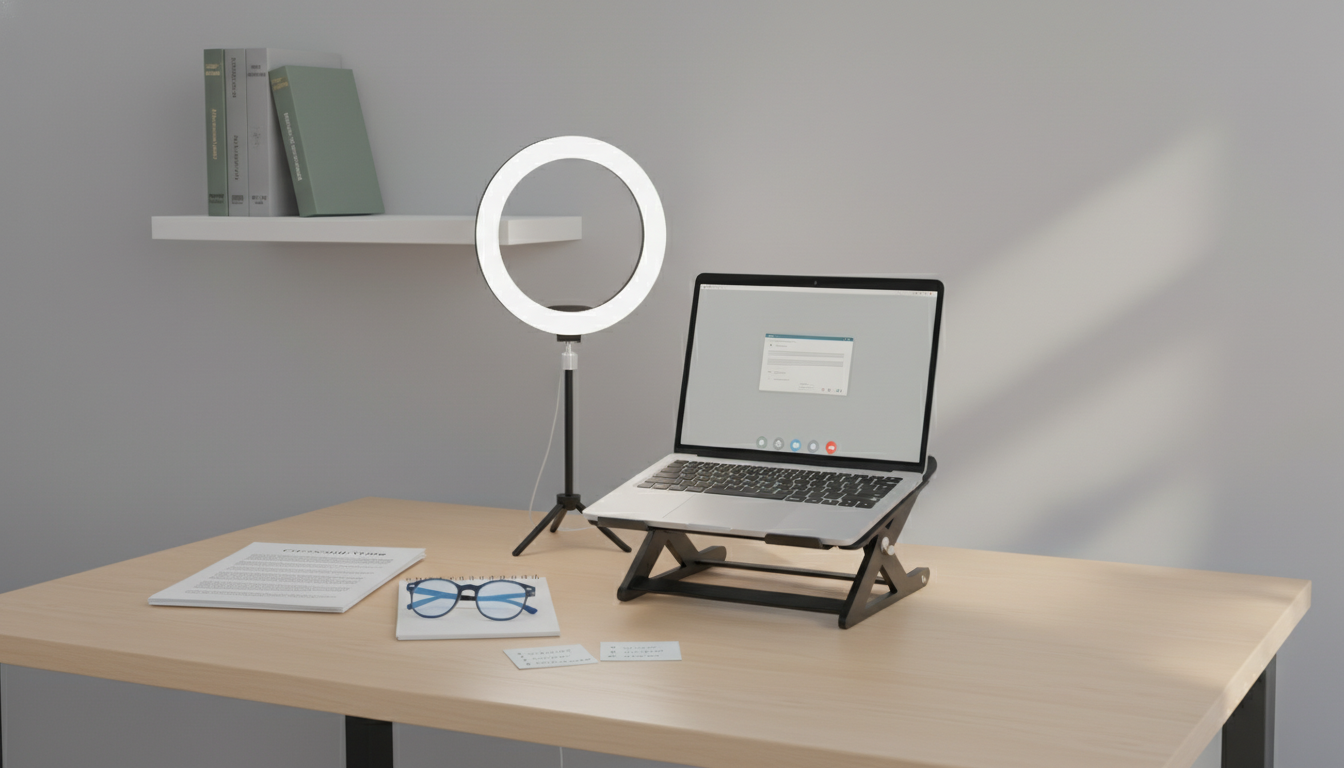
Set up your environment:
- Background: Neutral, uncluttered, quiet space. Avoid beds or messy shelves in view.
- Lighting: Face a window or use a soft ring light positioned behind your camera.
- Camera: Eye-level; avoid up-the-nose angles. Use books or a stand to elevate your laptop.
- Audio: Test your microphone and speakers/earbuds; consider wired headphones for reliability.
Run a full tech check:
- Test Zoom/Teams/WebEx links in advance.
- Confirm backup internet (hotspot, secondary Wi-Fi network) if possible.
- Update your software the day before, not the morning of.
Professional Appearance and Non-Verbal Communication
As a surgical applicant, appearance and professionalism matter:
- Attire: Dark suit (navy, charcoal, or black), conservative shirt/blouse, minimal jewelry, neat grooming.
- Posture: Sit upright, hands visible occasionally; avoid slouching or rocking in your chair.
- Eye contact: Look at the camera when speaking, not at your own video feed.
- Facial expression: Neutral-to-positive; nod occasionally to show engagement.
Record yourself in a mock interview to review your non-verbal communication. Identify distracting habits (fidgeting, looking away, saying “um” frequently) and consciously minimize them.
Organizing Your Materials
Before each interview day, prepare a simple setup:
- Printed or digital CV and ERAS application
- Program dossier for quick reference
- List of key experiences and stories you want to highlight
- 5–7 questions to ask each interviewer
- Pen and paper for quick notes (avoid noisy typing during interviews)
Managing Time Zones and Fatigue (Especially If Abroad)
If you are still outside the US:
- Adjust your sleep schedule 3–5 days before the first interview to match US time zones as much as possible.
- Schedule breaks between interviews if the day has multiple sessions—stand up, hydrate, move around.
- Avoid heavy meals or excessive caffeine right before interviews.
Pre- and Post-Interview Routines
Create a consistent routine to steady your nerves:
The night before:
- Review your core narrative and program dossier.
- Lay out attire and check your interview space.
- Go to bed earlier than usual.
Morning of:
- Light meal, hydration, brief physical activity.
- 5–10 minutes of deep breathing or mindfulness.
- Quick run-through of “Tell me about yourself,” “Why plastics?” and “Why our program?”
After the interview:
- Write down your impressions immediately: culture, residents, faculty, strengths, concerns.
- Note any unique questions you were asked and how you answered—this will strengthen your preparation for later interviews.
- Send thank-you emails within 24–48 hours, personalized with details from your conversations.
Step 5: IMG-Specific Strategies to Strengthen Your Candidacy Pre-Interview
As a US citizen IMG, you must overtly address and flip any perceived disadvantages into strengths. Use the pre-interview phase strategically.
Leverage Your US Rotations and Mentors
Programs will be more comfortable with you if they can:
- Recognize US institutions on your CV
- See strong letters from US plastic surgeons
- Confirm that you have performed well in US hospital environments
Before interviews:
- Reach out to mentors for mock interviews specifically geared towards plastic surgery.
- Ask them for honest feedback: “Are there concerns programs might have about my IMG background that I should address head-on?”
- If a mentor trained or worked at a program where you will interview, ask about program culture and any “unwritten” expectations.
Prepare to Discuss Educational Differences
You may be asked how your international curriculum compares to US training. Be ready with:
- A clear description of your clinical years: wards, OR exposure, responsibilities.
- How you proactively supplemented any gaps (US electives, online courses, anatomy labs, simulation, etc.).
- Concrete examples of functioning at the level of a US sub-I during rotations in the States.
Show Advanced Insight Into the Integrated Plastics Match
Demonstrate that you understand:
- The competitiveness of the integrated plastics match
- Typical outcomes for graduates of the program (fellowships, academic vs. private practice)
- The need for continued academic productivity during residency
Examples of talking points:
- Awareness of national plastic surgery organizations (ASPS, ASAPS, etc.)
- Participation in conferences, virtual grand rounds, or resident-led teaching sessions
- Long-term career planning that includes fellowship training and board certification
FAQs: Pre-Interview Preparation for US Citizen IMGs in Plastic Surgery
1. As a US citizen IMG, should I address my IMG status directly during interviews?
Yes. You don’t need to over-emphasize it, but you should:
- Give a concise reason for studying abroad.
- Highlight how your international background improved your adaptability, cultural competence, and resilience.
- Provide evidence that you’ve successfully transitioned into US clinical environments (US rotations, research, strong letters).
Addressing it confidently and matter-of-factly signals self-awareness and professionalism.
2. How many mock interviews should I do before my integrated plastics interviews?
Aim for at least:
- 2–3 general mock interviews with faculty or advisors (even non-plastics) to refine basic communication.
- 2–3 plastics-focused mocks with plastic surgery faculty, fellows, or residents who can probe specialty-specific content.
- 1–2 video recordings of yourself alone, focusing on non-verbal communication and timing.
Space them out over a few weeks to allow for improvement and avoid sounding overly rehearsed.
3. How technical should I expect plastic surgery interview questions to be?
Most integrated plastic surgery interviews for medical students stay at the level of:
- Basic surgical principles (wound healing, infection prevention, flap basics, anatomy highlights)
- Discussion of your own research and clinical experiences
- Judgment and reasoning questions rather than complex oral board-style cases
You are not expected to function as a senior resident. However, you should be comfortable discussing:
- Why certain reconstructive pathways were chosen in cases you’ve seen
- Basic advantages and disadvantages of different approaches
- The clinical relevance of your research
4. What is the most important pre-interview preparation step for a US citizen IMG targeting plastic surgery?
The most important step is building and internalizing a cohesive narrative that:
- Explains why you studied abroad and what you gained from it
- Demonstrates a clear, sustained commitment to plastic surgery
- Shows that you understand the demands of an integrated plastics residency
- Connects your background and aspirations specifically to each program you interview at
From there, everything else—mock interviews, logistics, research on programs—serves to reinforce and deliver that narrative effectively.
By approaching pre-interview preparation systematically—clarifying your story, mastering common and specialty-specific questions, tailoring your approach to each program, and tightening your logistics—you put yourself in the strongest possible position as a US citizen IMG seeking a plastic surgery residency. The integrated plastics match is competitive, but well-executed preparation can make you a memorable, compelling candidate in every interview room you enter.