Understanding the Unique Position of a US Citizen IMG Applying for Preliminary Surgery
As a US citizen IMG (American studying abroad), you occupy a very specific niche in the residency landscape—especially when applying for a preliminary surgery year. Effective pre-interview preparation means understanding:
- How programs view preliminary surgery residency applicants
- How being an American studying abroad helps and hurts
- How to frame your story clearly and confidently
A preliminary surgery year is often used by US citizen IMGs to:
- Strengthen their application for a categorical general surgery spot later
- Transition into another competitive specialty (e.g., radiology, anesthesia, urology)
- Gain US clinical experience and letters in a rigorous, procedural environment
Because prelim positions are often service-heavy and time-intensive, program directors want to know:
- Will you work hard and be reliable from Day 1?
- Do you understand what a prelim surgery year actually involves?
- Are you using this role thoughtfully in your long-term career plan?
- Can you fit into the culture and team of a busy surgical service?
Your pre-interview preparation should be built around answering these questions—verbally, nonverbally, and on paper—consistently.
Step 1: Clarify Your Narrative and Career Goals
Before you start formal residency interview preparation, you must be crystal clear on your story. Program directors will quickly detect vagueness or inconsistency, especially in a prelim track.
Build a Clear, Coherent Story
Write out short, direct answers to these core questions:
Who are you?
- “I’m a US citizen IMG who completed medical school at [School, Country], with particular interest in surgery and critical care. I am seeking a preliminary surgery residency to gain robust operative experience, strengthen my skills in acute care, and position myself for a long-term career in [general surgery / another specialty].”
Why surgery—and why prelim surgery specifically?
- Focus on concrete experiences: surgical clerkships, sub-internships, research projects, longitudinal relationships with surgeons.
- For a prelim surgery residency, emphasize realism and insight:
- You understand the workload, call structure, and expectations.
- You value the early responsibility and intense learning environment.
What is your long-term plan?
- If your goal is categorical general surgery:
- Explain clearly: “My long-term goal is to match into a categorical general surgery spot. A preliminary year will allow me to demonstrate my work ethic, develop strong US-based letters, and refine my technical and clinical skills.”
- If your goal is a different specialty:
- Be honest but tactful: “My long-term interest is in anesthesiology, and I believe a preliminary surgery year will give me superior understanding of perioperative management and acute care, which will make me a better anesthesiologist.”
- If your goal is categorical general surgery:
How does being a US citizen IMG fit into that story?
- Address it proactively, not defensively:
- “I chose to study abroad because [brief, honest reason: opportunities, timing, cost, family or personal circumstances], but I always intended to train and practice in the United States. Being a US citizen IMG has given me [resilience, adaptability, multicultural exposure], and now I’m eager to bring that to a US training program.”
- Address it proactively, not defensively:
Actionable Exercise: One-Page Personal Narrative
Create a one-page document (for yourself) that includes:
- 3–4 bullet points: Why surgery
- 3 bullet points: Why preliminary surgery (not just any residency)
- 3 bullet points: Why your training abroad is an asset
- 3–4 bullet points: Long-term career vision
Use these bullets to guide how you answer interview questions residency programs commonly ask, such as “Tell me about yourself,” “Why this specialty?” and “Where do you see yourself in 5–10 years?”
Step 2: Research Programs Strategically as a US Citizen IMG
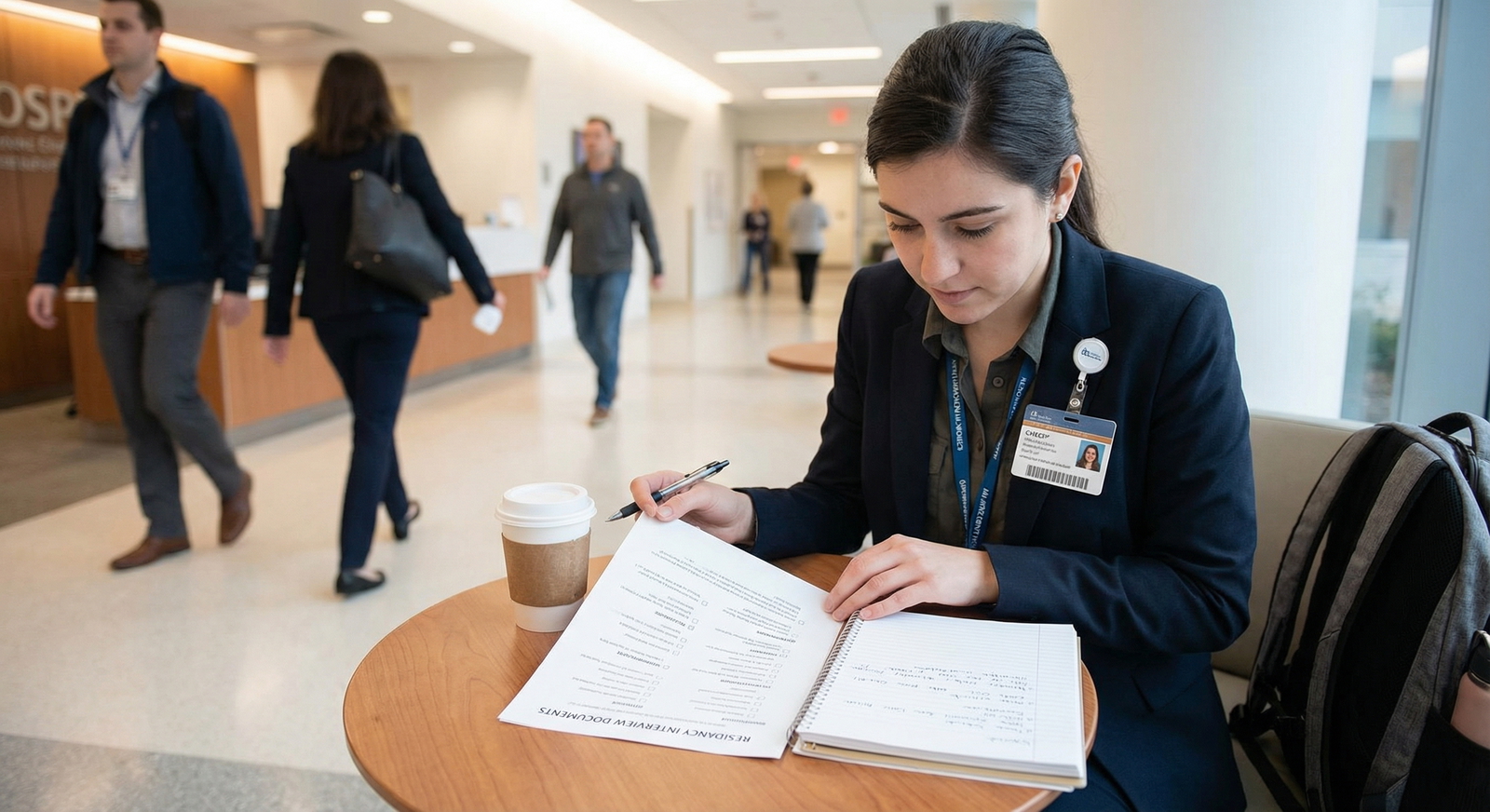
Residency interview preparation isn’t only about how you speak; it’s about what you know. For preliminary surgery slots, many candidates underestimate how much programs want to see genuine program-specific interest.
What to Research Before Each Interview
For every program, create a 2–3 page prep sheet with:
Basic Data:
- Size of the surgery department and program
- Number of prelim vs categorical residents
- Affiliated hospitals and trauma center level
- Call structure if publicly available
Key Features of the Program:
- Level 1 trauma center? Busy emergency general surgery service?
- Exposure to ICU, vascular, colorectal, transplant, etc.
- Simulation facilities, skills labs, or structured bootcamp for interns
Track Record With Prelim Residents:
- Do they regularly help prelims transition to categorical positions (either within the program or elsewhere)?
- Check past resident lists, alumni pages, and program newsletters.
Educational Reputation:
- Dedicated teaching conferences (M&M, grand rounds, trauma conference)?
- Culture: strongly academic vs community-heavy?
IMG Friendliness and US Citizen IMG History:
- Are there current or former US IMG residents, especially in surgery or other prelim tracks?
- Look at resident photos and bios; many programs list medical schools.
Location-Specific Factors:
- Cost of living, patient population specifics, language needs
- Any personal or family connections you have to the area
How to Use This Research During the Interview
You will likely be asked:
- “Why our program?”
- “Why this city/region?”
- “What are you looking for in a prelim surgery residency?”
Prepare 2–3 specific reasons per program, for example:
- “I’m particularly drawn to your program’s high-volume trauma exposure at a Level 1 center, and your structured intern skills curriculum. As a US citizen IMG, I’m looking for a place that will provide strong supervision but also early autonomy, and your trauma rotation structure seems ideal for that.”
- “I noticed your program has a good track record of prelim residents successfully transitioning into categorical positions, and the support you provide—like dedicated advising for prelims—is especially important to me.”
This level of detail distinguishes you from applicants who give generic answers.

Step 3: Mastering Core Residency Interview Questions (With a Prelim Surgery Focus)
Systematic residency interview preparation means rehearsing targeted, specialty-appropriate answers. Below are common interview questions residency programs ask, with specific guidance for US citizen IMGs applying to a prelim surgery year.
1. “Tell Me About Yourself”
Goal: A 60–90 second, structured, confident overview.
Suggested structure:
- Background – “I’m a US citizen IMG who completed medical school in [Country] at [School].”
- Clinical Focus – One or two lines on your interest in surgery.
- Key Experiences – One major clinical or research experience tied to surgery.
- Current Objective – “Right now I’m seeking a preliminary surgery residency where I can [X, Y, Z].”
Avoid:
- Long childhood stories unless truly compelling and relevant.
- Over-emphasizing “I know it’s hard as an IMG” or apologizing for your path.
2. “Why Surgery?” / “Why Preliminary Surgery?”
As a prelim applicant, you must show that:
- You respect the field and its demands
- You understand what the year entails
- You have a logical plan that involves surgical experience
Combine:
- Motivation – Patient stories or clinical rotations that influenced you.
- Insight – Acknowledgment of the work hours, intensity, and hierarchy.
- Purpose – How this specific prelim surgery year fits into your journey.
Example angle for someone aiming for categorical surgery later:
“Surgery attracted me because I like immediate problem-solving and being with patients at their most critical moments. During my surgery rotation in [Country], I realized I thrive when I’m in the OR and in the ICU, balancing hands-on procedures with complex decision-making. A preliminary surgery year will allow me to refine these skills in a structured US environment, prove myself clinically, and build the relationships and record I need to transition into a categorical general surgery position.”
3. “Why Did You Go to Medical School Abroad?” (US Citizen IMG-Specific)
This is a high-yield US citizen IMG question. Prepare a short, honest, non-defensive response:
- State your reason calmly and professionally (timing, opportunity, personal circumstances, cost, etc.).
- Emphasize what you gained—adaptability, resourcefulness, cultural competence.
- Make clear you always intended to come back to the US for training.
Example:
“I chose to attend medical school in [Country] for a combination of reasons: I received an opportunity to matriculate immediately at a well-structured English-language program, and the cost and timing worked better for my family situation. As a US citizen, my plan from the beginning was to return to the US for residency. Training abroad taught me to work with limited resources, coordinate care across languages and systems, and function effectively in unfamiliar environments—skills I believe will be very useful in a busy surgical service here.”
4. “Why Not Apply Directly to a Categorical Position?” / “What Is Your Plan After the Prelim Year?”
You need a clear, non-ambiguous answer. Avoid sounding indecisive or uncommitted.
If targeting future categorical surgery:
“My long-term goal is to train in categorical general surgery. I am applying for a preliminary surgery year because I want to demonstrate my abilities in a US clinical environment, strengthen my US clinical letters, and work closely with faculty who can mentor me through the categorical application process. I’m fully prepared to work hard and treat this prelim year as an extended, high-stakes audition both for your program and for the field as a whole.”
If targeting another specialty:
“My long-term goal is to match into [specialty]. I believe a preliminary surgery year will make me a stronger, safer physician by giving me robust experience with acutely ill patients, procedures, and perioperative management. I understand I may not transition into a categorical spot here, but I want to contribute fully to your surgical service while developing skills that will serve my patients throughout my career.”
5. “Tell Me About a Challenging Clinical Situation”
As an IMG, this is an opportunity to show:
- You’ve handled complexity
- You can communicate in English clearly about nuanced clinical scenarios
- You act ethically and seek help appropriately
Use the STAR method (Situation, Task, Action, Result):
- Choose a case highlighting judgment, communication, or resilience rather than dramatic heroics.
- Highlight how you navigated limited resources abroad, cross-cultural issues, or language barriers—framing them as strengths, not excuses.
6. “What Are Your Weaknesses?” / “Tell Me About a Failure”
Avoid clichés (“I’m a perfectionist”). Instead:
- Pick something real but non-fatal (time management, assertiveness, documentation, etc.).
- Describe a specific scenario and what you have already done to improve.
- Link to US expectations when possible (EMR use, handoff structure, etc.).
Step 4: Practicing Delivery – From Content to Performance
Knowing how to prepare for interviews is partly about content—but performance, especially for a surgical prelim spot, matters just as much. Faculty are evaluating:
- Confidence and composure
- Clarity of communication
- Professional demeanor
- Ability to interact like a future colleague
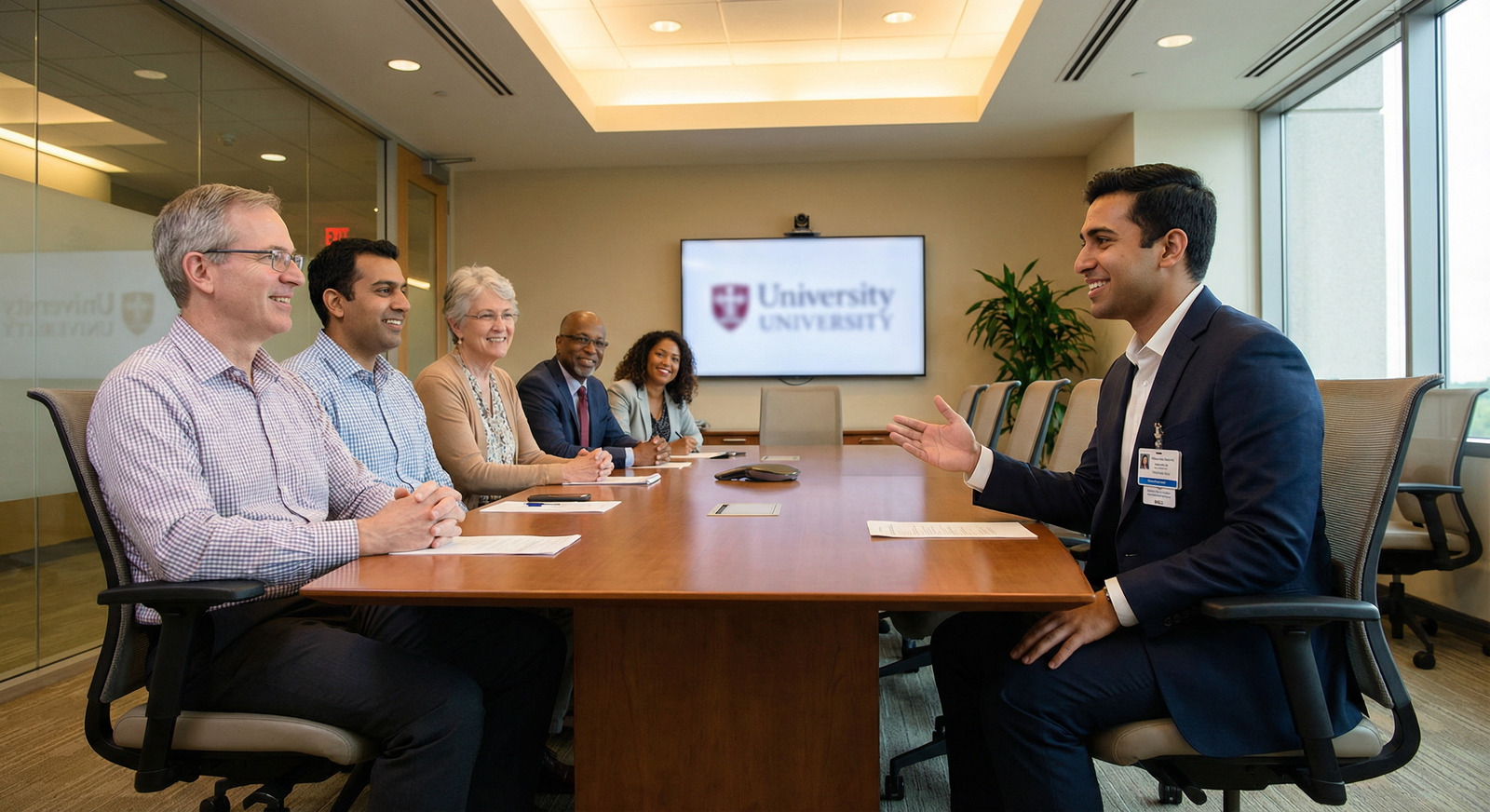
Mock Interview Strategy for a US Citizen IMG
At least 3 full-length mock interviews before your first real one:
- One with a faculty mentor or attending (ideally in surgery or a procedure-heavy specialty)
- One with a peer familiar with US-style interviewing
- One recorded session (video), so you can self-review
Focus areas during practice:
- Clear, structured responses (no rambling)
- Avoiding filler language (“like,” “you know,” “um”)
- Nonverbal cues: eye contact, posture, facial expression
US Cultural Nuances:
- Moderate energy level—engaged but not overly casual
- Brief but genuine small talk at the beginning or end
- Knowing when to stop talking after answering (silence is okay)
Recording and Reviewing Yourself
Record a 30-minute mock interview and evaluate:
- Do you speak too fast or too softly?
- Are your answers too long? (Most should be 60–90 seconds)
- Do you sound apologetic or defensive when discussing being an IMG?
- Do you smile or appear approachable when appropriate?
Identify 2–3 specific habits to change and practice those deliberately.

Step 5: Logistics and Professionalism Before Interview Day
Pre-interview preparation is incomplete without organized logistics. Many US citizen IMGs, especially those coming from abroad, underestimate how much professionalism is signaled by punctuality and preparation.
Technical Setup (For Virtual Interviews)
If your interviews are virtual:
Equipment:
- Laptop or desktop with stable camera (avoid phones if possible)
- Headphones or a quiet environment to prevent echo
- Reliable internet connection—test speed and stability ahead of time
Environment:
- Neutral, uncluttered background (plain wall or simple bookshelf)
- Good lighting: front-facing natural light or a ring light
- Avoid background noise; inform housemates/family of your schedule
Platform Familiarity:
- Test Zoom, Teams, or whatever platform the program uses
- Practice screen sharing if you may present anything (less common, but possible)
- Create a professional username and profile photo
Travel and Timing (For In-Person Interviews)
If traveling from abroad or different states:
- Arrive at least one day before the interview to adjust to time zones and prevent delays.
- Know your route from lodging to the hospital/clinic and do a dry run if possible.
- Bring:
- Printed copies of your CV and personal statement
- A small notebook and pen
- A simple, professional portfolio folder
Professional Appearance for Preliminary Surgery
- Conservative suit (navy, gray, or black) for all genders
- Clean, well-fitting, ironed clothes; polished shoes
- Minimal jewelry, subdued makeup (if any), and neat grooming
- Avoid OR-style clothing, scrubs, or white coats unless explicitly requested
The message: “I take this seriously, and I respect your profession and your time.”
Step 6: Preparing High-Impact Questions to Ask Programs
Programs will ask, “Do you have any questions for us?” This is not optional. It’s an opportunity to show you understand the prelim track and your unique position as a US citizen IMG.
Avoid asking questions easily answered on the website. Consider questions like:
About prelim to categorical transitions:
- “Historically, how have your preliminary surgery residents fared in transitioning to categorical positions here or elsewhere?”
- “What kind of mentorship or advising is available specifically for prelim residents regarding their next steps?”
About education and workload balance:
- “How do you balance service needs with operative and educational opportunities for preliminary interns?”
- “What is the typical operative case volume and ICU exposure for prelims during the year?”
About IMG and US citizen IMG support:
- “Have you had US citizen IMGs in the program before, and are there any specific challenges or supports you’ve noticed for them?”
About culture and expectations:
- “What qualities distinguish prelim residents who thrive in your program?”
- “How does feedback typically work for interns, especially those in preliminary positions?”
Write 6–8 questions and choose 2–3 depending on how much time you have.
Step 7: Mental Preparation and Mindset
Finally, how to prepare for interviews is not only technical—it’s emotional and psychological. Interview days are intense, and preliminary surgery positions can carry additional anxiety about the future.
Reframe the Prelim Year
Instead of thinking, “I only got a prelim spot,” prepare to convey—and truly believe:
- “This is an opportunity to prove myself in a demanding environment.”
- “I can use this year to shape the trajectory of my career.”
- “Many successful surgeons and specialists started with a prelim year.”
Programs will sense whether you see this as a consolation prize or a strategic step.
Manage Stress Productively
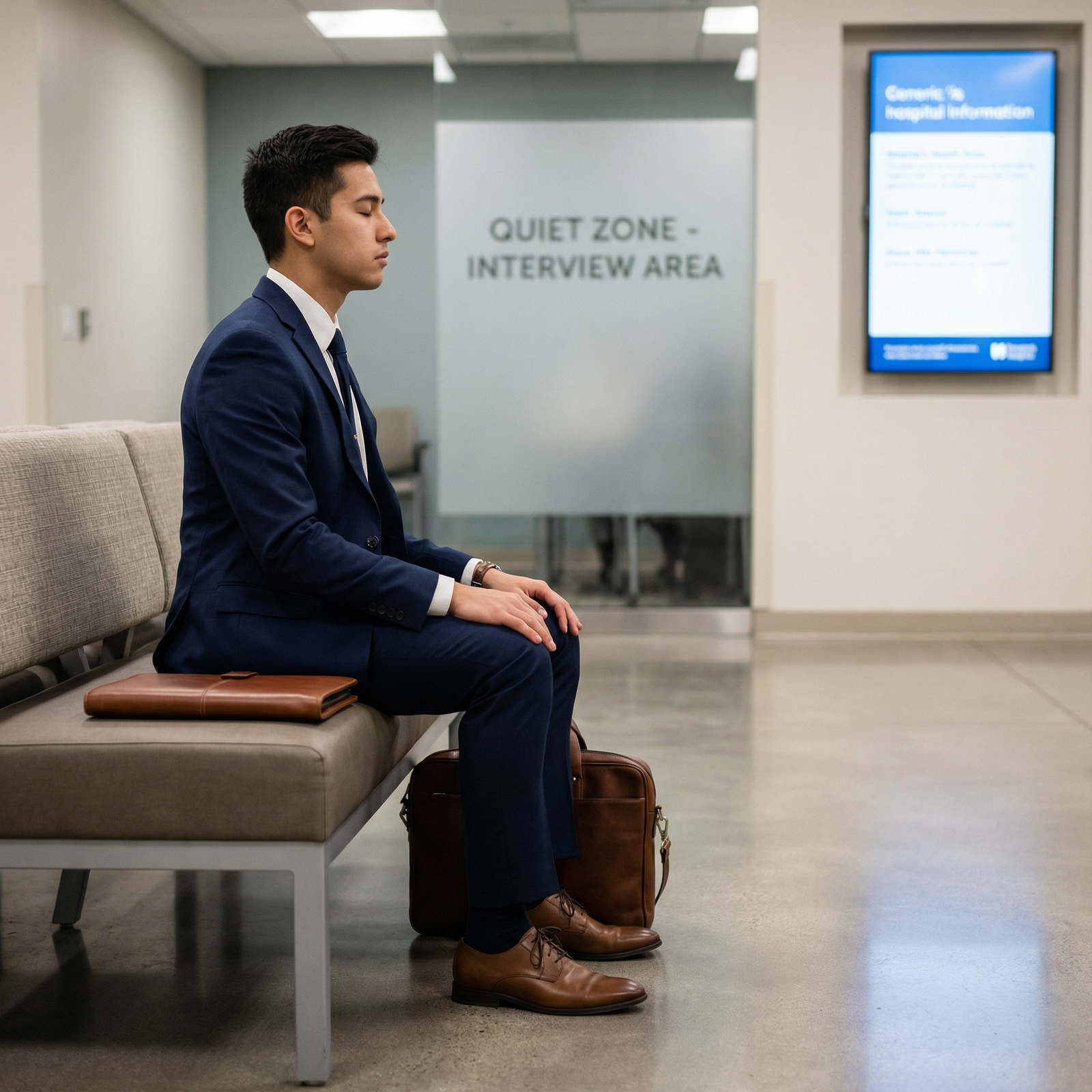
- Practice 5–10 minutes of deep breathing or mindfulness the night before and morning of your interview.
- Avoid cramming; by the day before, you should be reviewing notes, not learning new things.
- Plan small breaks during the day—interviews can be long, especially with multiple sessions.
Prepare for Common Emotional Triggers
As a US citizen IMG, you may worry about bias or negative assumptions. Remind yourself:
- You bring unique strengths: resilience, adaptability, global perspective.
- You are not an apology; your path is a valid, increasingly common route.
- Your role is to present your story clearly and professionally; what they do with it is out of your control.
Frequently Asked Questions (FAQ)
1. As a US citizen IMG, will programs view me differently from non-US IMGs or US MDs?
Yes, but not always negatively. Many programs see US citizen IMGs as:
- Logistically easier (no visa sponsorship issues)
- Culturally more familiar with US systems and communication norms
- Still somewhat uncertain in terms of clinical training environment and grading standards
Your job during residency interview preparation is to:
- Show that your clinical training abroad is rigorous and applicable
- Demonstrate familiarity with US healthcare through electives, observerships, or USMLE performance
- Emphasize your commitment to practicing long-term in the US
2. How honest should I be about wanting a categorical spot after a preliminary surgery year?
You should be honest and clear, but professional:
- Many programs expect and encourage prelims to aim for categorical transitions.
- What they don’t want is someone who appears focused only on leaving and not on contributing to their service during the prelim year.
Frame it as: “I want to give 100% to this team while also planning my longer-term career in [categorical surgery / another specialty].”
3. How can I stand out positively during residency interview preparation as an American studying abroad?
You stand out by:
- Telling a coherent, confident narrative about why you studied abroad and why you’re returning now
- Highlighting concrete skills you gained: working with limited resources, multilingual communication, adaptability
- Demonstrating deep familiarity with US practice guidelines, especially in surgery (ATLS concepts, basic perioperative management, etc.)
- Asking thoughtful questions about how the program supports prelims in achieving their next career steps
4. What should I do immediately after each interview to maximize my chances?
Right after each interview:
- Take detailed notes about who you met, what you discussed, and what impressed you.
- Reflect honestly: Did the program feel supportive of prelims and IMGs? Could you see yourself there for a demanding year?
- Within 24–48 hours, consider sending brief, professional thank-you emails to key interviewers:
- Express appreciation
- Mention one specific aspect of the program you valued
- Reiterate your interest in prelim surgery and how you believe you would contribute
These steps reinforce your interest and professionalism—small but meaningful aspects of effective pre-interview preparation.
Pre-interview preparation for a US citizen IMG targeting a preliminary surgery year is about more than just memorizing answers. It means understanding your unique position, building a clear and compelling story, researching programs deeply, and practicing the performance elements that show you’re ready for the demands of surgical training. With deliberate planning and honest self-presentation, you can walk into each interview confident that you are presenting your best, most authentic self.