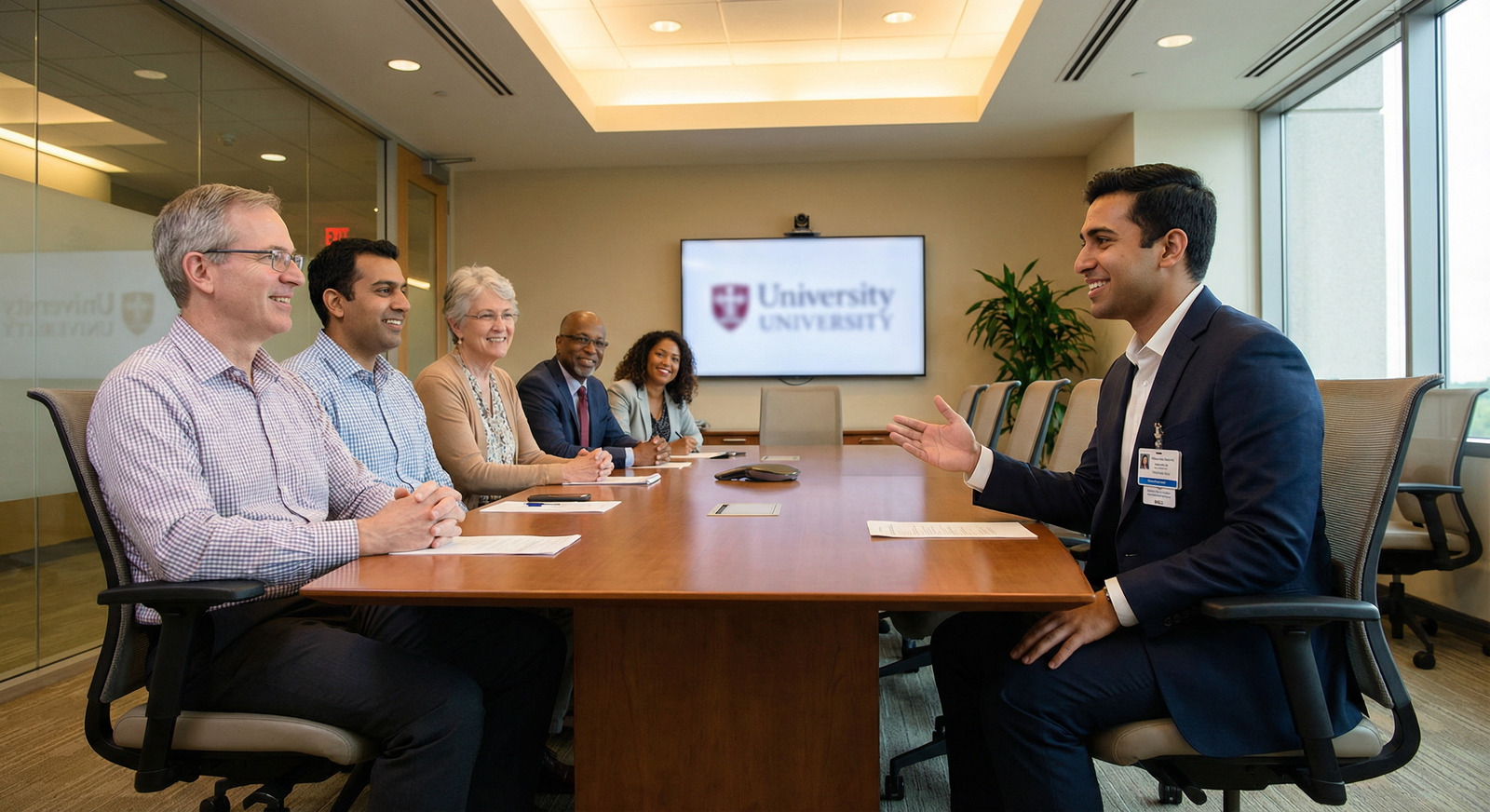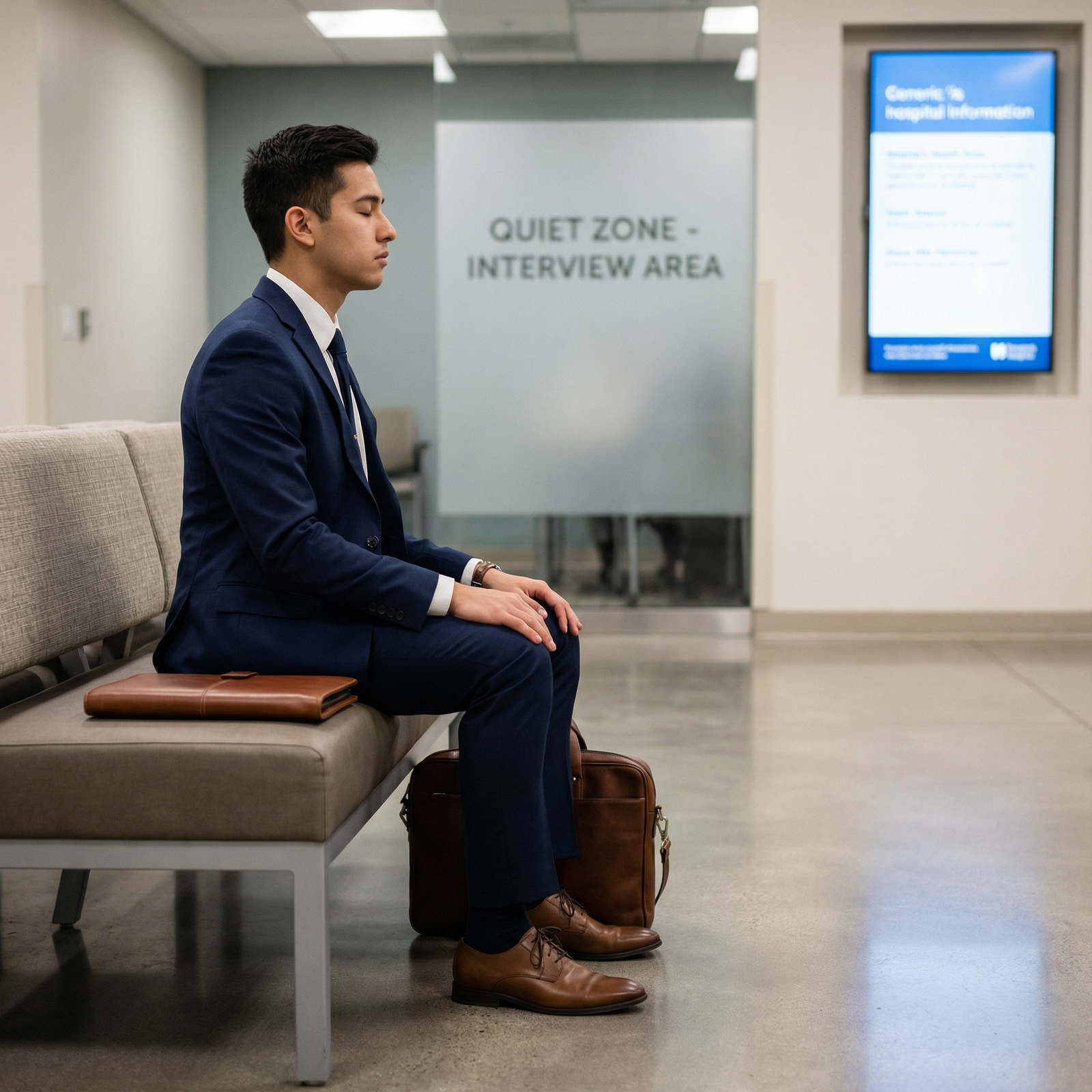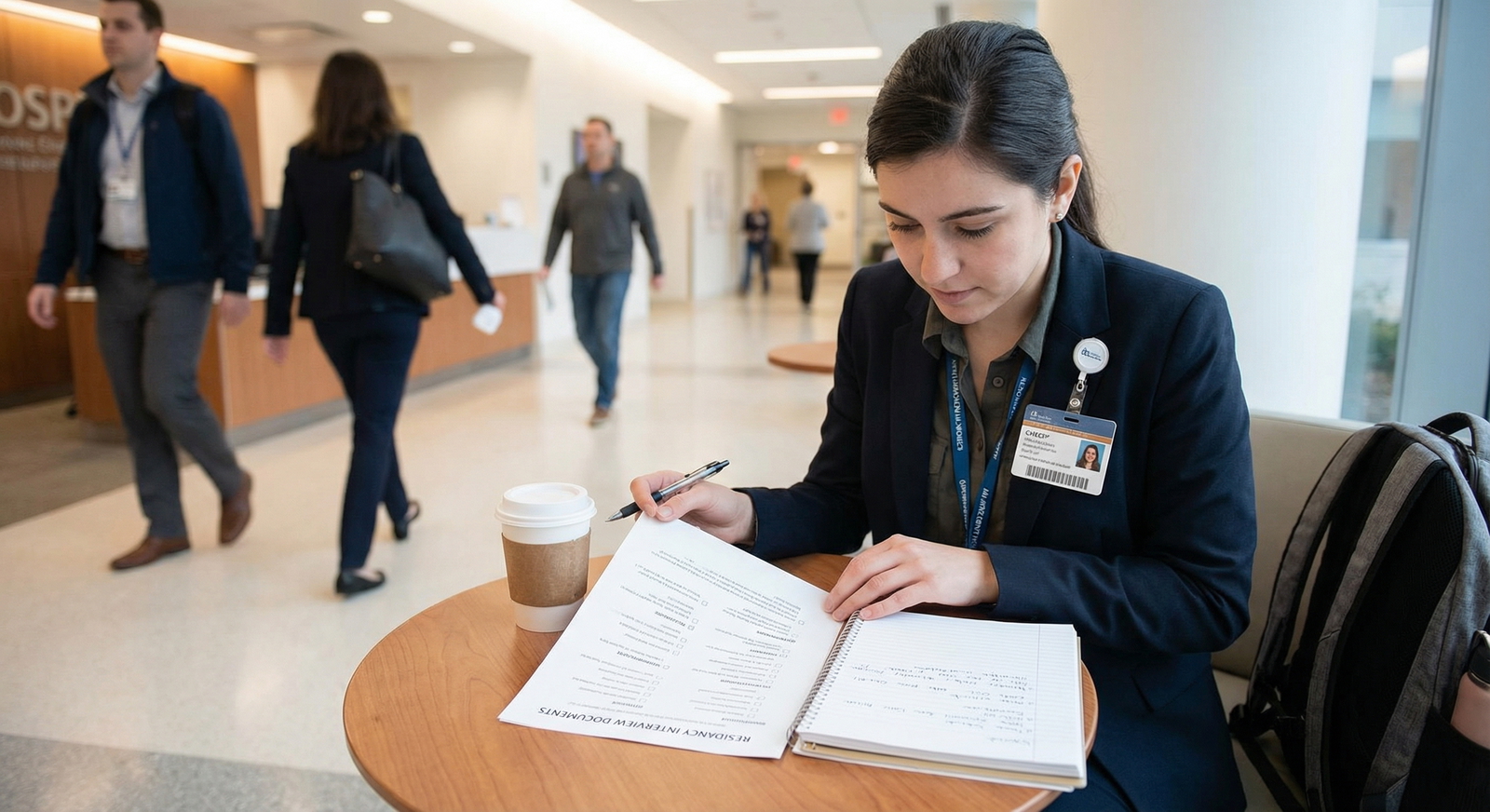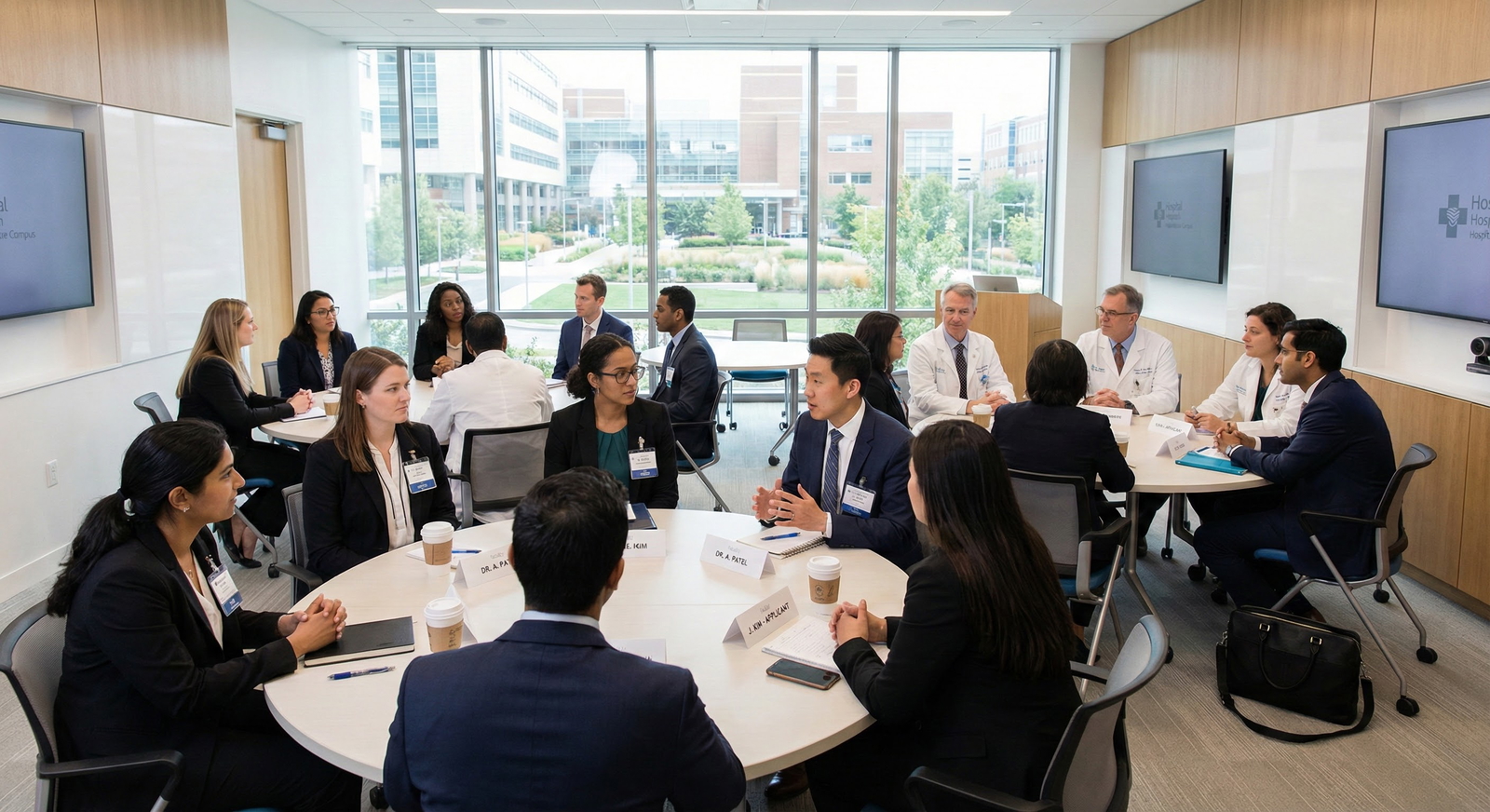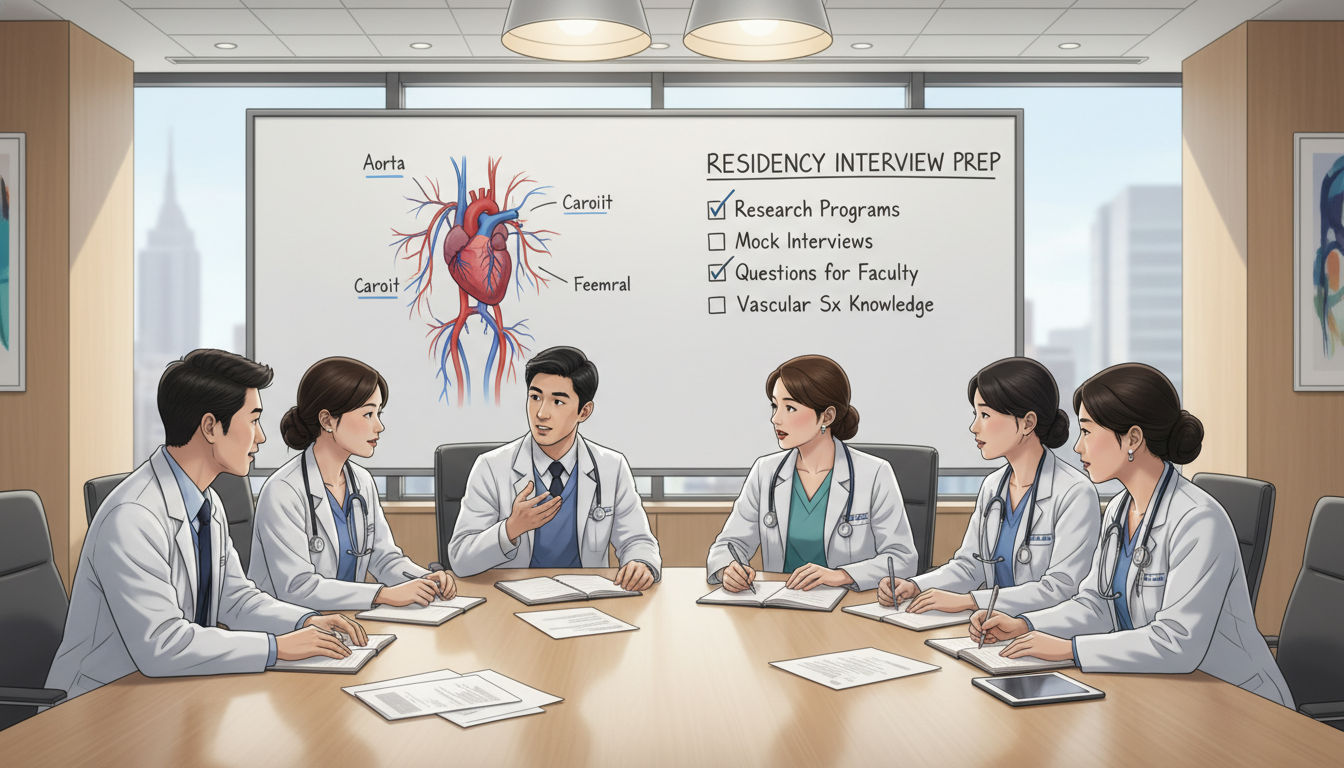
Preparing for a vascular surgery residency interview starts long before you log into Zoom or walk into a conference room. Because vascular surgery is a small, competitive field, strong pre-interview preparation can significantly influence how you’re perceived and how confidently you present yourself. This guide will walk you through a structured, step-by-step approach to pre-interview preparation tailored specifically to vascular surgery.
Understanding the Vascular Surgery Interview Landscape
Integrated vs. Independent Paths
Before planning your preparation, be clear on the pathway you’re applying to:
Integrated vascular surgery residency (0+5)
- You match directly into vascular surgery out of medical school.
- Programs assess your long-term commitment to vascular very early.
- Heavy emphasis on trajectory (e.g., early exposure, research, mentors in vascular).
Independent vascular surgery fellowship (5+2)
- You’ve already completed or are near completion of a general surgery residency.
- Focus leans more on operative capability, autonomy, case volume, and readiness to function as a near-independent surgeon.
The core goals of both interview types are similar:
Confirm you are:
- Technically capable (or show strong potential for technical growth).
- Thoughtful, safe, and reliable.
- A good team member, teacher, and future colleague.
Determine if:
- Your interests align with the program’s strengths (open vs. endovascular, research, academic vs. community).
- You will thrive in their culture and workload.
Understanding this context is the basis of smart pre-interview preparation.
Step 1: Clarify Your Vascular Surgery Story
Before you practice answers or read program websites, you must understand your own narrative. Vascular surgery is a niche field; programs want to see a coherent, authentic story about why you’re here.
A. Define Your “Why Vascular?” With Depth
Most applicants say some version of: “I like complex anatomy, procedures, and longitudinal care.” You need to go deeper and make this personal and specific.
Reflect on:
Key experiences
- A particular vascular case that changed your thinking (e.g., ruptured AAA, CLI patient who avoided amputation, complex carotid case).
- Longitudinal relationships with patients with PAD, dialysis access issues, or chronic limb-threatening ischemia.
- Early procedural exposure (e.g., assisting in endovascular cases, open bypass, thrombectomy).
What resonates with you:
- Urgency and decision-making in vascular emergencies.
- Collaborative care with cardiology, IR, nephrology, and critical care.
- Balance of open and endovascular techniques.
- Impact on limb salvage and quality of life.
Turn this into a 60–90 second, structured answer:
- Hook: One or two specific experiences that drew you in.
- Values: What aspects of vascular match your values and strengths.
- Trajectory: How your activities (rotations, research, electives) reflect sustained engagement.
Example framework:
“My interest in vascular surgery started during my third-year surgery rotation when I followed a patient with critical limb ischemia from emergency consult through postoperative rehab. Seeing the impact of limb salvage—and how vascular surgeons coordinated complex medical and surgical care—changed how I viewed surgical practice. Since then, I’ve sought out every opportunity to work with vascular teams, from a dedicated sub-I to research on outcomes in PAD. I’m drawn to the combination of high-stakes decision-making, evolving endovascular technology, and the long-term relationships we develop with patients.”
B. Know Your “Why This Pathway?”
For integrated vascular program applicants:
- Why start vascular training early instead of doing general surgery first?
- How have you confirmed this decision (mentorship, rotations, shadowing, research)?
- Are you aware of what you’ll miss from broad general surgery training, and why you’re okay with that?
For independent fellowship applicants:
- What aspects of your general surgery training prepared you for vascular?
- How have you already built a foundation in:
- ICU management
- Complex comorbid patients
- Basic vascular exposures in general surgery (e.g., trauma, emergent embolectomies, occlusive disease).
Prepare 2–3 sentences that clearly link where you’re coming from to why this track is right for you.

Step 2: Deep-Dive into Your Application and Vascular CV
Residency interview preparation in a competitive field like vascular requires meticulous command of your own application. Anything listed is fair game.
A. Master Your Personal Statement
Programs often use your personal statement to open the conversation:
- Re-read it carefully before every interview day.
- Highlight:
- Any specific patient stories.
- Any vascular technical skills or cases you mentioned.
- Claims like “I am passionate about research/teaching/innovation” and prepare concrete examples to back these up.
Ask yourself:
- Can I retell the main patient story smoothly and emotionally grounded, without sounding rehearsed?
- Could I be asked:
- “Tell me more about that patient you wrote about.”
- “How did that experience change your approach to patient care?”
Prepare 2–3 additional details that didn’t fit into the personal statement but enrich the story.
B. Know Your Vascular Research Inside Out
For vascular surgery, research can be a major differentiator. Before interviews:
List every project you’ve done related to:
- PAD, CLI, aortic disease, venous thromboembolism, carotid disease, dialysis access, limb salvage.
- Quality improvement in perioperative care, ICU management, or ERAS protocols that are relevant to vascular.
For each project, outline:
- Question: What were you trying to learn or change?
- Methods: Basic study design and your specific role.
- Findings: Main results and why they matter clinically.
- Next steps: Whether it led to further study, practice change, or new questions.
Be prepared for common interview questions residency faculty often ask:
- “If I gave you 3 more years, how would you expand this research?”
- “What surprised you in your findings?”
- “How did this project change how you think about vascular disease?”
If you have limited vascular-specific research, frame your broader research in terms of:
- Decision-making in high-risk surgery.
- Outcomes, disparities, or systems-based care in surgical patients.
- Translating your skills (stats, study design, QI leadership) to vascular topics.
C. Review Rotations, Letters, and Evaluations
Revisit vascular electives or sub-Is:
- Cases you scrubbed into.
- Memorable complications or critical decisions.
- Times you took ownership of patient care.
Anticipate questions based on letters of recommendation:
- If a letter writer mentioned a specific project or case, be ready to discuss it.
- You may be asked, “What do you think Dr. X would say is your greatest strength? Your biggest area for growth?”
Have 2–3 concrete examples that highlight:
- Teamwork under stress (e.g., ruptured AAA, acute limb ischemia).
- Handling long cases or call.
- Accepting feedback and improving performance.
Step 3: Program Research and Targeted Preparation
Generic preparation is not enough. Strong vascular applicants tailor their responses to each program.
A. Learn the Program’s Identity
For each program, gather:
Clinical identity:
- High-volume aortic center? Limb salvage program? Major focus on dialysis access or venous disease?
- More open vs. endovascular heavy?
- Patient population (urban, rural, high comorbidity, underserved).
Educational structure:
- Format of the integrated vascular program or fellowship:
- Rotations (ICU, cardiology, IR, radiology).
- Early vs. late operative exposure.
- Research time or dedicated academic year?
- Format of the integrated vascular program or fellowship:
Culture and outcomes:
- Fellow or resident autonomy.
- Board pass rates.
- Where graduates go: academics, private practice, hybrid models.
Use:
- Program websites and faculty profiles.
- Recent publications from the department.
- Vascular Surgery or SVS conference abstracts with your target institution listed.
- Alumni or residents you can respectfully reach out to (if appropriate).
B. Connect Your Story to Their Strengths
Residency interview preparation is not just about answering questions well, but about showing fit:
- If a program is known for complex aortic work, highlight:
- Your interest in complex open or endovascular aortic surgery.
- Relevant research (EVAR outcomes, TEVAR, graft infections, etc.).
- If a program emphasizes limb salvage and wound care, bring:
- Experiences with diabetic foot care, PAD clinics, or limb salvage pathways.
- If a program is strong in research, emphasize:
- Your comfort with data, prior productivity, and future academic aspirations.
Prepare 2–3 sentences for each program that clearly answer:
“Why this program, specifically?”
Example:
“I’m especially interested in your program because of its strong limb salvage volume and collaboration with podiatry and wound care. My experiences following patients with chronic limb-threatening ischemia and my research in PAD outcomes have shown me how meaningful multidisciplinary limb preservation can be. I also value that your graduates feel confident managing both open bypass and complex endovascular interventions.”

Step 4: Anticipate and Practice Vascular-Specific Interview Questions
Many queries will overlap with standard interview questions residency applicants get across specialties. However, vascular surgery adds its own layer of nuance.
A. Core General Questions (with a Vascular Twist)
Prepare clear, specific answers for:
“Tell me about yourself.”
- 60–90 seconds, structured:
- Background (brief).
- Critical experiences that led to vascular.
- Current interests (clinical/research).
- A personal dimension (teaching, hobbies, wellness).
- 60–90 seconds, structured:
“Why vascular surgery?”
- Already covered in Step 1; practice out loud, but avoid sounding memorized.
“Why an integrated vascular program?” (or “Why fellowship now?” for independent track)
- Show insight into training pathways and your own maturity and timing.
“What are your career goals in 5–10 years?”
- Academic vs. hybrid vs. community.
- Interests in leadership, research, education, or innovation (e.g., new devices, quality improvement).
- Open to evolution, but with a clear direction.
“What are your strengths and weaknesses?”
- Strengths: Choose those clearly relevant to vascular (e.g., composure under pressure, longitudinal follow-up, working across services).
- Weaknesses: Be honest, show insight, and describe specific steps you’re taking to improve (e.g., delegating, comfort with uncertainty, speaking up in large groups).
B. Vascular-Specific Clinical and Behavioral Questions
Examples you should be ready for:
Clinical reasoning and judgment:
- “Tell me about the sickest patient you’ve taken care of.”
- “Describe a time you had to think through a high-stakes clinical decision.”
- “How do you cope when a patient has a poor outcome, such as an amputation or perioperative death?”
Teamwork and communication:
- “Describe a conflict you had with a team member and how you resolved it.”
- “How do you handle disagreement with an attending or senior resident about a management plan?”
Resilience and well-being:
- “How do you manage long hours and the emotional burden of high-stakes cases?”
- “What do you do outside of medicine to take care of yourself?”
Structure your answers with brief, clear frameworks (e.g., STAR: Situation, Task, Action, Result), but focus on authenticity and insight more than formal structure.
C. Ethical and Complication-Focused Questions
Vascular surgery involves high morbidity and mortality risk. Expect questions around:
Dealing with complications, including:
- Graft failure.
- Perioperative stroke or MI.
- Amputations after attempted limb salvage.
Ethical challenges, such as:
- Deciding about surgery in very frail or terminal patients.
- Discussing risk and prognosis with families in emergent settings.
Have at least 1–2 stories ready where:
- Something did not go well.
- You show:
- Honesty about what happened.
- Respect for the patient and team.
- What you learned and how you changed your practice or approach.
Step 5: Build a Structured Mock Interview and Practice Plan
Knowing how to prepare for interviews is not just about content; delivery matters.
A. Formal Mock Interviews
Aim for at least 2–3 full-length mock interviews:
- One with a vascular or surgical faculty member (ideal).
- One with a non-surgeon (to ensure clarity and general professionalism).
- One with a peer focusing on body language, pace, and filler words.
Ask them to simulate:
- Traditional one-on-one interviews.
- Panel-style interviews.
- Brief behavioral questions.
- Time-pressured scenarios (e.g., 10–15 minute slots).
Record at least one mock, review:
- Length of your answers (most should be ~1–2 minutes).
- Frequent fillers (“um,” “like,” “you know”).
- Whether your language is confident but humble.
- Eye contact and posture if in person or on camera.
B. Focused Drills: High-Yield Questions
For residency interview preparation, identify 6–8 questions that are almost guaranteed:
- Tell me about yourself.
- Why vascular surgery?
- Why this program?
- Strengths/weaknesses.
- An example of a challenge or conflict.
- A time you made a mistake or had a bad outcome.
- Future career goals.
- A research project you are most proud of.
Practice these daily for 1–2 weeks before your first interview—out loud, standing or sitting upright, as if on camera. Aim for:
- Clear beginning, middle, and end.
- Specific details instead of generic phrases.
- No scripted-sounding memorization.
C. Prepare Questions to Ask the Program
Your questions reflect your seriousness and insight into the specialty. Avoid asking what is already easily available online.
Consider tailored questions for:
Program leadership:
- “How do you see vascular training changing over the next 5–10 years, and how is your program adapting?”
- “How do you balance open and endovascular exposure given evolving device technology?”
Faculty:
- “What differentiates trainees who thrive in this program?”
- “How do fellows or residents get involved in research or QI projects with you?”
Residents/Fellows:
- “What surprised you most after starting here?”
- “How supported do you feel when things are difficult—clinically or personally?”
- “How is vascular call structured, and how manageable is the workload?”
Write 5–7 strong questions and adapt them slightly to each program.
Step 6: Logistics, Technology, and Professional Presence
Great content can be undermined by poor logistics. Pre-interview preparation must include the practical side.
A. Interview Day Logistics
Schedule:
- Know the date, time zone, and platform (Zoom, Thalamus, Teams, in-person).
- Confirm links and backup contact info (program coordinator email/phone).
Travel (if in-person):
- Plan to arrive the day before if possible.
- Bring:
- Printed copies of your CV.
- A small notebook and pen.
- Professional bag; no bulky backpacks if you can avoid it.
Time management:
- For virtual interviews, block off extra time before and after for decompression and note-taking.
- For in-person, factor in hospital parking and security.
B. Technical Setup for Virtual Interviews
- Environment:
- Quiet, well-lit space with neutral background.
- Avoid backlighting and distracting posters or clutter.
- Equipment:
- Test camera, microphone, and internet connection several days ahead.
- Have a backup device and phone hotspot if possible.
- On-screen habits:
- Look at the camera when speaking (not just the screen).
- Close all other windows to reduce distractions and notification sounds.
C. Professional Appearance and Nonverbal Communication
- Attire:
- Conservative professional dress (suit, blazer, or equivalent).
- Minimal jewelry and strong scents; clean, neat appearance.
- Body language:
- Sit upright, relaxed but attentive.
- Nod periodically to show engagement.
- Avoid fidgeting, clicking pens, or looking at your phone.
Remember: the goal is to convey that you are already someone they could trust in the OR, clinic, and ICU.
Step 7: Mental Preparation and Post-Interview Strategy
Pre-interview preparation also includes your mindset and how you will process each interview day.
A. Set Realistic Expectations
Vascular surgery is demanding. Programs know you are not finished products. Your aim is to show:
- Curiosity and willingness to learn.
- Self-awareness about your strengths and growth areas.
- Respect for patients, colleagues, and the intensity of the specialty.
You do not need:
- The perfect answer to every question.
- A flawless research portfolio.
- To claim certainty about a narrow career niche.
B. Develop a Pre-Interview Routine
Consistency reduces anxiety and improves performance. Consider:
The night before:
- Review your application and the program’s highlights.
- Skim your “Why this program?” talking points.
- Set out clothes and test tech (for virtual).
Morning of:
- Light breakfast and hydration.
- 5–10 minutes of deep breathing or visualization.
- Quick review of 3–5 key stories you want to share (patient case, challenge, research, leadership).
C. Immediate Post-Interview Notes
Right after each interview, document:
- People you spoke with and what you discussed.
- Program strengths and concerns.
- Overall “gut feeling” about fit.
- Any follow-up questions or needed clarifications.
These will be invaluable later when creating your rank list and writing thank-you notes, if you choose to send them.
Frequently Asked Questions (FAQ)
1. How far in advance should I start residency interview preparation for vascular surgery?
Begin serious preparation 4–6 weeks before your first interview. Use this time to:
- Refine your “Why vascular surgery?” story.
- Deep-dive into your application and research.
- Conduct 2–3 mock interviews.
- Build a system to research each program and track impressions.
If you’re still finalizing ERAS or letters, light preparation can start even earlier.
2. What if I don’t have much vascular-specific research or rotations?
You can still be a competitive applicant if you:
- Clearly articulate your interest in vascular surgery.
- Highlight transferable experiences:
- Critical care.
- Cardiac or thoracic rotations.
- Trauma or emergency general surgery.
- Seek out even brief shadowing or electives in vascular before interviews.
- Emphasize how your existing research skills (study design, data analysis, QI) can translate to vascular topics.
Programs look for trajectory and authenticity, not just a list of vascular publications.
3. How can I stand out among other vascular surgery applicants?
You stand out by being:
- Specific – concrete stories and examples instead of generic statements.
- Informed – understanding vascular training pathways, procedures, and challenges.
- Self-aware – able to discuss mistakes, weaknesses, and growth.
- Aligned – showing clear, thoughtful reasons why a given integrated vascular program or fellowship fits your goals.
Strong preparation, honest reflection, and genuine curiosity go further than trying to sound “impressive.”
4. Should I practice technical or clinical knowledge for vascular interviews?
Most residency and fellowship interviews are not formal oral boards, but you should be comfortable discussing:
- Fundamental concepts:
- PAD and critical limb-threatening ischemia.
- Aortic aneurysms (basic indications for repair).
- Carotid disease (symptomatic vs. asymptomatic).
- Your clinical experiences with these conditions:
- How you approached patient care.
- What you learned from your attending’s decisions.
You’re not expected to function as a full vascular surgeon yet. Programs are assessing how you think, how you learn, and how you handle complexity—not whether you can recite guidelines perfectly.
Thoughtful, structured pre-interview preparation for vascular surgery positions you to show programs who you are, why you belong in this demanding specialty, and how you’ll contribute to their training environment. With deliberate practice and reflection, you can step into each interview day with clarity, confidence, and authenticity.