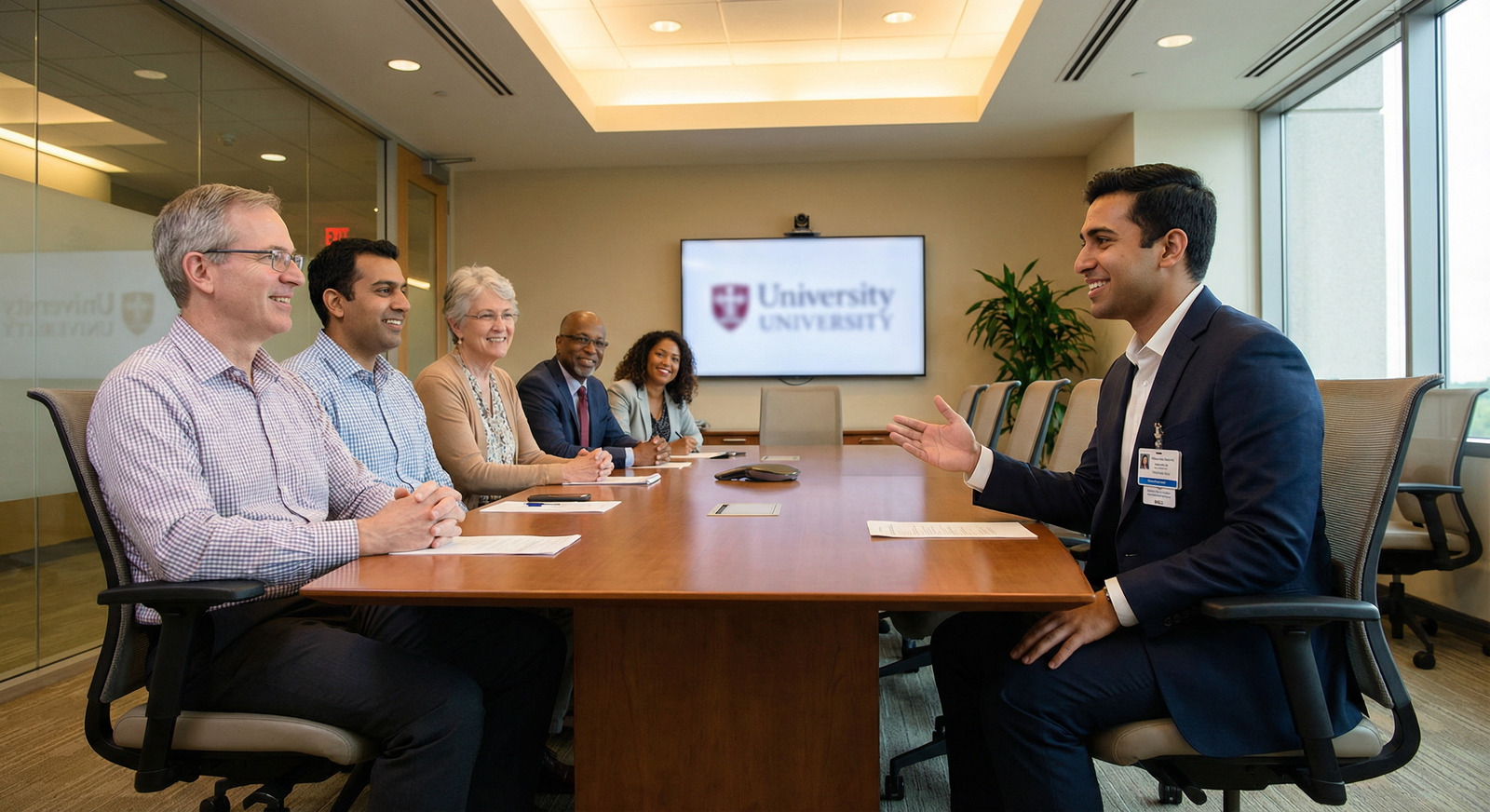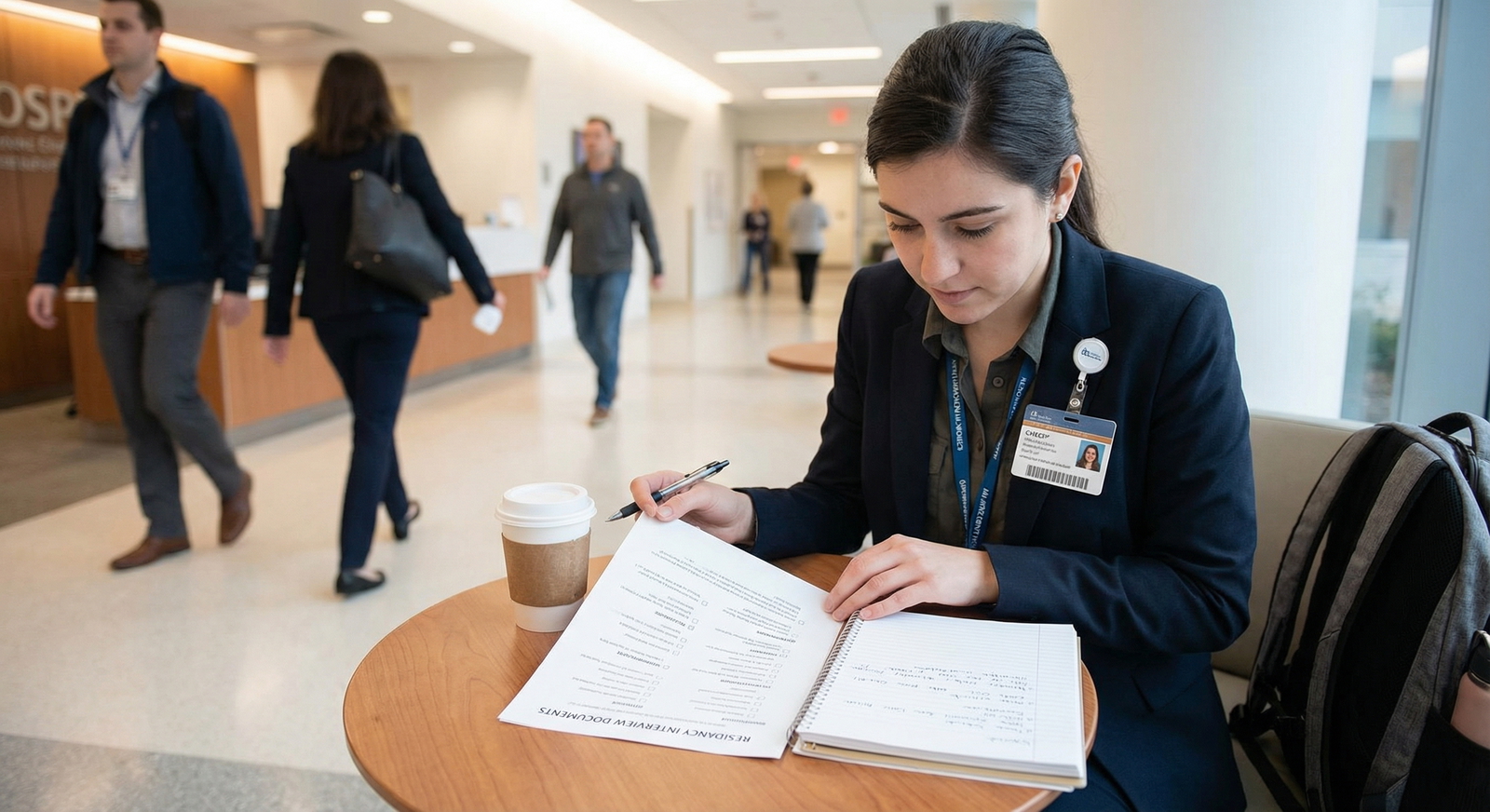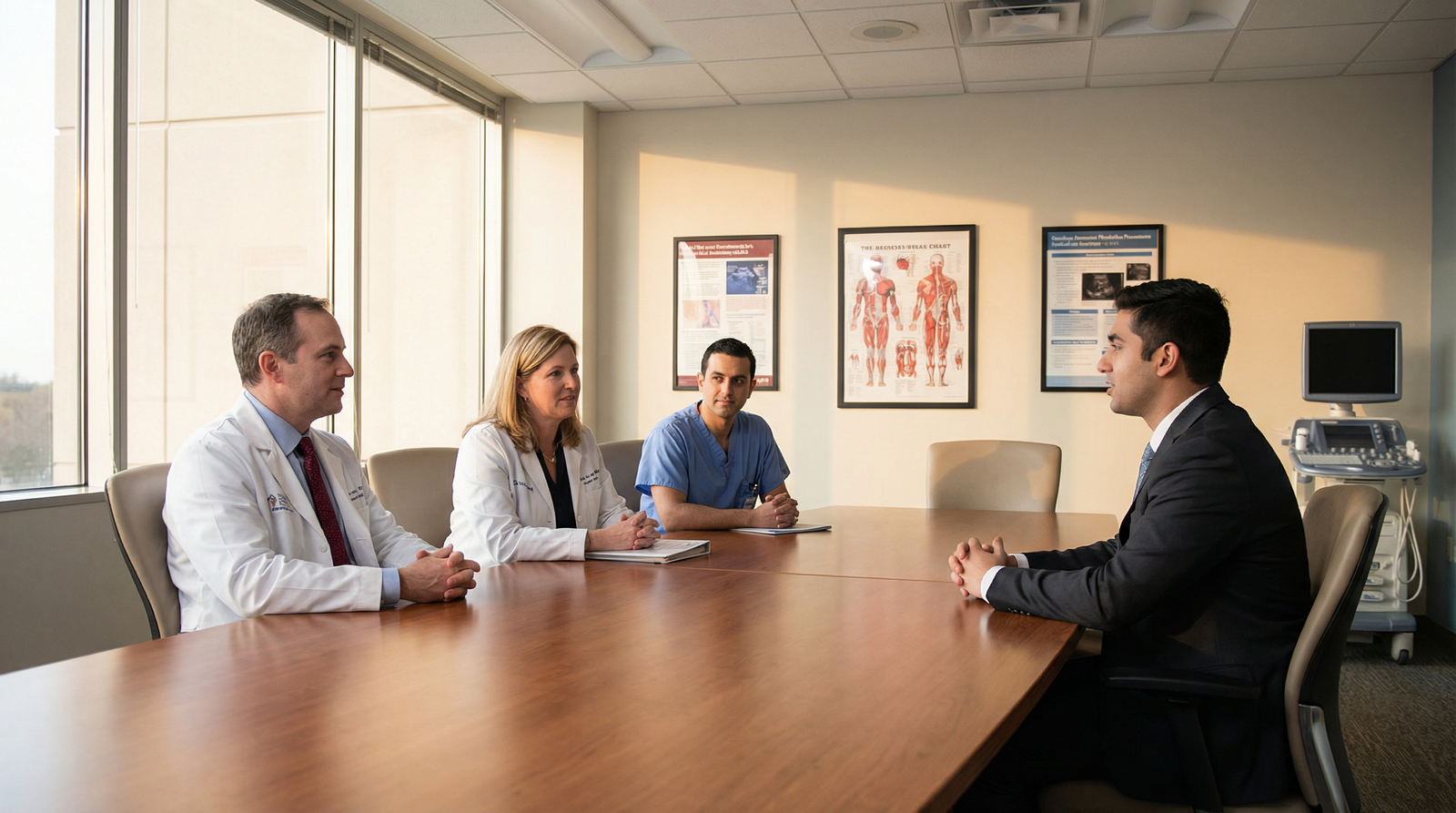
Vascular surgery is a small, high-stakes, procedure-heavy specialty, and choosing the right program will shape not only your training but your entire career. Asking strong, targeted questions during interviews and virtual/in-person visits is one of the most powerful ways to assess program fit. This guide focuses on practical, high-yield questions to ask programs in vascular surgery—with context, nuances, and examples tailored to both integrated and independent applicants.
Understanding the Vascular Surgery Training Landscape
Before deciding what to ask program directors, faculty, and residents, it helps to understand how vascular surgery training is structured and what makes this specialty unique.
Integrated vs Independent: Why Your Questions May Differ
Integrated vascular program (0+5)
- You match directly out of medical school.
- PGY1–2: significant general surgery and critical care exposure.
- PGY3–5: predominantly vascular-focused.
- You’ll want to ask questions about early exposure, general surgery integration, and longitudinal vascular training.
Independent vascular fellowship (5+2)
- You complete a general surgery residency first.
- Two intensive vascular years.
- Your questions will focus more on operative volume, complexity, autonomy, and niche exposure (e.g., complex endovascular, open aortic, limb salvage).
Regardless of pathway, vascular is:
- Call-heavy and often emergent (ruptured AAAs, acute limb ischemia).
- Tech-driven, with rapid evolution in endovascular devices and techniques.
- Dependent on long-term patient relationships for chronic disease management.
You want a program that balances:
- high-volume, high-acuity operative experience,
- strong mentorship and graduated autonomy, and
- a sustainable culture that supports your growth.
Core Questions to Ask the Program Director and Leadership
Your time with the program director (PD), chair, or division chief is precious. These are the people who shape program culture, educational priorities, and long-term vision. Plan ahead so you know what to ask the program director specifically, as opposed to residents or coordinators.
1. Questions About Program Philosophy and Training Structure
Use these to understand the “why” behind the curriculum:
“How would you describe the philosophy of your vascular surgery residency training?”
- Listen for: emphasis on autonomy, patient-centered care, innovation, and safety.
“For the integrated vascular program, how are the early (PGY1–2) years structured between general surgery and vascular rotations?”
- Clarify:
- How much time is dedicated to vascular vs non-vascular.
- Whether juniors get meaningful roles on vascular cases or are limited to floor/ICU work.
- Clarify:
“What changes have you made to the curriculum in the last 3–5 years, and why?”
- Shows how responsive they are to feedback and evolving standards.
“How do you ensure trainees get robust exposure to both open and endovascular surgery?”
- In vascular, an unbalanced case mix can shape your future practice profoundly.
2. Questions About Case Volume, Complexity, and Autonomy
These are critical for any vascular surgery residency or fellowship:
“What does an average case log look like for recent graduates—both open and endovascular?”
- Ask specifically:
- Open aortic (AAA, TAAA)
- Carotid endarterectomy vs carotid stenting
- Peripheral bypass vs endovascular interventions
- Dialysis access and venous cases
- Ask specifically:
“At what level of training do residents start performing key index cases with meaningful autonomy?”
- You want to hear about structured, graduated autonomy, not either extreme: no autonomy or reckless independence.
“Are there procedures or technologies (e.g., FEVAR/BEVAR, TCAR, advanced limb salvage, complex venous interventions) that you consider a program strength?”
- Helpful if you’re interested in specific niches or future private vs academic practice.
“Do you anticipate any major shifts in case volume—new contracts, referrals, or institutional changes?”
- You’re assessing sustainability of operative opportunities.
3. Questions About Assessment, Feedback, and Remediation
Understanding how a program evaluates you—and supports you if you struggle—is crucial:
“How are residents evaluated, and how frequently do they receive formal feedback?”
- Look for:
- Regular, structured evaluations (e.g., semiannual)
- Clear milestones or goals
- Look for:
“If a resident is struggling—clinically, technically, or personally—what does support and remediation look like here?”
- You’re not planning to struggle, but you want to know the culture around it.
“Can you describe how the Clinical Competency Committee functions and how decisions about promotion or extension are made?”
- This gives insight into transparency and fairness.
4. Questions About Board Preparation and Outcomes
Your training should prepare you thoroughly for vascular boards:
“What is your board pass rate (written and oral) over the past several years?”
- Ask about any dips and how they responded.
“How is board preparation built into the curriculum (e.g., conferences, mock orals, dedicated review)?“
“Do graduates feel prepared to practice independently in both open and endovascular surgery?”
- If possible, ask for specific examples or alumni outcomes.
5. Questions About Program Culture and Wellness
These can be some of the most telling interview questions for them:
“How would you describe the culture of your vascular division and the relationship between faculty and trainees?”
“How does the program monitor and address resident workload, burnout, and wellness—especially given the nature of vascular emergencies and call?”
“Can you share a time when feedback from residents led to a meaningful change in the program?”
- You learn if leadership actually listens.
“What characteristics do your most successful residents share?”
- This helps you see if you match the environment they naturally cultivate.
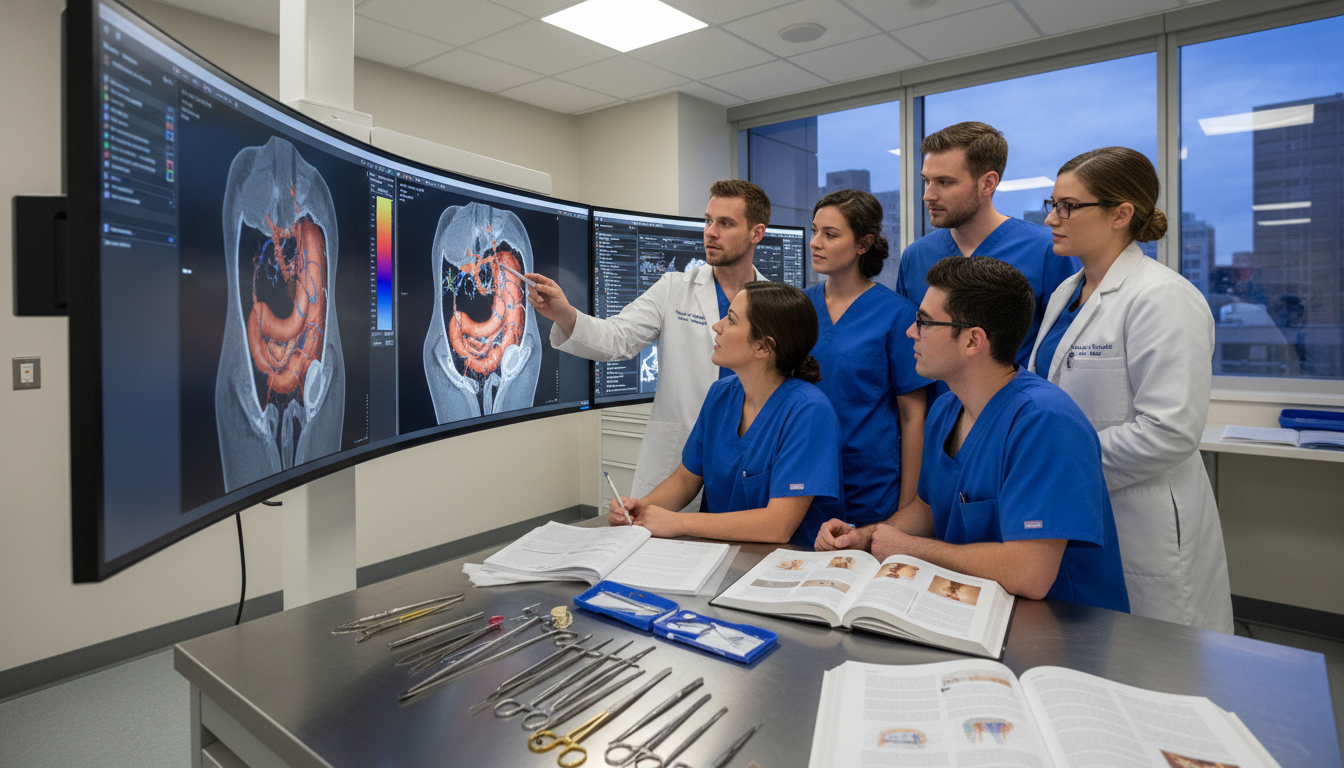
High-Yield Questions to Ask Residents and Fellows
Residents and fellows will give you the clearest picture of day-to-day life. Tailor your questions to ask residency trainees to get honest, practical information that PDs may not emphasize.
1. Questions About Day-to-Day Workflow and Call
“What does a typical day look like for a PGY2 vs a senior on the vascular service?”
- Clarify:
- Pre-rounding responsibilities
- OR vs clinic vs endovascular lab time
- Floor/ICU management
- Clarify:
“How is call structured for the integrated vascular program or fellowship (in-house vs home call, frequency, backup for difficult cases)?”
“Do you feel that call is educational or mostly service-driven?”
- Some service is inevitable, but you want learning in return.
“When there are late-night emergencies, who typically comes in—junior, senior, attending—and how is support handled?”
- You want a culture where you’re not left alone beyond your skill level.
2. Questions About Case Ownership and Autonomy
“Do you feel you are the primary surgeon on a good number of your cases by the end of training?”
“How often are you double- or triple-scrubbed vs one-on-one with an attending?”
- Helpful especially in high-volume academic centers with multiple learners.
“Are there any bottlenecks or competition for certain high-yield cases (e.g., EVAR, FEVAR/BEVAR, complex limb salvage)?”
- Ask how that is managed (e.g., case assignment by year, chief priority, fairness).
3. Questions About Education, Conferences, and Protected Time
“Are didactic sessions and conferences truly protected, or do you frequently miss them for clinical duties?”
“Which conferences are the most valuable for your learning (e.g., M&M, multidisciplinary aortic conference, endovascular conference, vascular lab teaching)?”
“Do you have access to a vascular skills lab, endovascular simulators, or cadaver labs? How often are they used?”
- Simulation is increasingly important for endovascular skills.
4. Questions About Culture, Support, and Mentorship
“How approachable are the faculty? Can you bring up concerns honestly without fear of retaliation?”
“Do residents socialize or support each other outside of work? How does the team handle tough weeks—e.g., multiple ruptures, limb losses, or poor outcomes?”
“Have you ever felt unsafe operating beyond your comfort level? How did the attending respond if so?”
- Their answers give powerful insight into safety culture.
“Have there been any significant resident or fellow departures? If so, do you feel the reasons were handled transparently?”
5. Questions About Life Outside the Hospital
“Do you feel you have time for family, relationships, hobbies, or research?”
“What’s it realistically like living in this city on a resident salary—housing, commute, safety?”
“If you could change one thing about this program, what would it be?”
- Often yields very candid, high-yield feedback.
Program-Specific Questions: Integrated vs Independent Vascular Tracks
The best questions to ask programs in vascular surgery differ slightly based on your training pathway.
For Integrated (0+5) Vascular Programs
General Surgery Integration
- “How are general surgery rotations chosen for integrated vascular residents? Do you rotate with trauma, HPB, transplant, or thoracic?”
- “Are there differences between integrated vascular residents and categorical general surgery residents in operative access or responsibilities?”
Early Vascular Exposure
- “How early do integrated residents get into the OR for vascular cases, and what is their role as interns and PGY2s?”
- “Is there a longitudinal vascular clinic or continuity clinic for integrated residents?”
Identity and Mentorship
- “Do integrated residents feel like part of the vascular team from day one, or do they identify more with general surgery early on?”
- “How many integrated vascular residents per year, and how does that affect case distribution and mentorship?”
Graduation and Career Outcomes
- “Where have recent integrated graduates gone—private practice, academic positions, additional fellowships (e.g., complex endovascular)?“
- “Do graduates feel equally comfortable managing open and endovascular pathology independently?”
For Independent (5+2) Fellows
Transition from General Surgery
- “How do you support the transition from general surgery to a high-intensity vascular fellowship—orientation, early supervision, systems navigation?”
Case Mix and Complexity
- “Roughly what proportion of your cases are open vs endovascular? How does that vary by hospital or rotation site?”
- “Do you have dedicated complex aortic rotations (e.g., FEVAR/BEVAR, TAAA) or referral centers?”
Fellow Autonomy and Role
- “How do you balance fellow and integrated resident case assignments to ensure fellows have sufficient chief-level autonomy?”
- “Do fellows function as junior faculty in some settings (e.g., VA hospital)?”
Post-Fellowship Practice Readiness
- “How do your fellows’ first jobs typically look—rural, community, large academic centers—and do they feel prepared for those roles?”

Strategic Questions that Reveal Program Fit and Red Flags
Beyond basic information gathering, you should use interview questions for them that reveal alignment with your values and goals.
1. Questions That Reveal Mentorship and Career Development
“How does the program help residents identify mentors—for clinical practice, research, and career planning?”
“Are there formal career development meetings each year, and what do those typically involve?”
“For residents interested in academia, how are they supported (e.g., grant-writing help, protected research time, national meeting presentations)?”
“For those interested in community or private practice, how do you help them build the necessary skill set and connections?”
2. Questions That Clarify Research Expectations and Opportunities
Even if you’re not research-focused, you’ll want clarity:
“Is research required to graduate? If so, what are realistic expectations (e.g., number of projects, presentations, or publications)?”
“What types of research are most active here—clinical outcomes, device trials, basic science, quality improvement?”
“Do residents have protected research blocks or dedicated time, or is research mostly done during off-hours?”
3. Questions That Test Responsiveness to Change
Programs that adapt to feedback are likely healthier:
“What are some specific changes you’ve made in response to ACGME reviews or resident feedback?”
“What current aspects of the program are you working to improve over the next few years?”
- You want to hear a thoughtful, honest answer—not “Nothing, everything is perfect.”
4. Questions to Spot Red Flags
You won’t ask, “Why is your program toxic?” but you can probe indirectly:
- “How are disagreements between residents and faculty typically handled?”
- “Have there been any recent major challenges (e.g., faculty turnover, institutional changes), and how did the program navigate them?”
- “If a resident ever feels overwhelmed or unsafe clinically, what avenues do they have to seek help?”
Listen closely not just to the answer but to the tone—defensive or evasive responses are telling.
How to Use These Questions Effectively
Knowing what to ask programs is only half the challenge. You also need to deploy your questions efficiently and professionally.
1. Prioritize by Audience
Plan your questions based on who you’re meeting:
- Program Director / Chair
- Program vision, curriculum, changes, board outcomes, major institutional issues.
- Faculty / Vascular Attendings
- Operative expectations, autonomy, research, mentorship style, case distribution.
- Residents / Fellows
- Call reality, daily workflow, culture, unfiltered strengths and weaknesses.
- Coordinator / Administrative Staff
- Logistics: rotation schedules, housing resources, licensing, visas.
2. Tailor to the Program
Before interviews, research:
- Case volume (if publicly available)
- Institutional strengths (e.g., aortic center, limb salvage program)
- Recent publications or clinical trials
- Hospital type (VA, county, referral center)
Then modify your questions:
- Instead of: “Do you do complex aortic work?”
Ask: “I saw you have a dedicated aortic center. How do trainees participate in FEVAR/BEVAR and TAAA cases across training years?”
3. Avoid Questions with Easily Searchable Answers
Avoid using valuable PD time on:
- “Do you have a vascular lab?” (if that’s clearly on their website)
- “How many residents per year?” (basic statistics)
Use that time for nuance:
- “How is the vascular lab integrated into training—do residents read studies independently or with supervision?”
4. Take Notes and Reflect
Right after each interview day, jot down:
- Memorable answers to your key questions
- Pros and cons as you perceived them
- Specific vignettes (e.g., how they handled a struggling resident, a catastrophic case, or a system issue)
These narratives will be invaluable when you’re building your rank list.
Frequently Asked Questions (FAQ)
1. How many questions should I ask during a vascular surgery interview?
Aim for 2–4 thoughtful questions per interview session, depending on time. Quality matters more than quantity. Have a larger list prepared, then choose the most relevant based on what’s already been covered in presentations and earlier conversations.
2. What are the most important questions to ask if I have limited time?
If you can only ask a few, prioritize:
- “How do you ensure robust training in both open and endovascular surgery?”
- “What does resident/fellow autonomy look like here by the end of training?”
- “How would you describe the culture of the program, especially regarding support and wellness?”
- “Where have recent graduates gone, and do they feel prepared for their careers?”
These hit training quality, culture, and outcomes.
3. Is it okay to ask about lifestyle and work hours in vascular surgery residency?
Yes—when framed professionally. For example:
- “How does the program help residents maintain sustainability given the call demands of vascular surgery?”
- “Do residents feel they have time for personal responsibilities or families?”
You’re not asking to avoid hard work; you’re assessing whether the environment is humane and sustainable.
4. Should I ask the same questions at every program?
You’ll naturally repeat some core themes (autonomy, case mix, culture), but try to individualize based on each program’s features and what you’ve already learned earlier in the day. Hearing different programs’ answers to similar questions can be helpful for comparison, but avoid sounding scripted by slightly reframing your questions.
Thoughtful, well-targeted questions demonstrate your maturity, insight into the demands of vascular surgery, and genuine interest in the program. More importantly, they help you determine where you will thrive anatomically in the OR, intellectually in conferences, and personally as a future vascular surgeon.