

You are in a hotel room. Or on your couch. Suit hanging from the closet hook, tie draped over a chair, heels or loafers parked by the door. It is 9:47 p.m. the night before a big interview day. You have the schedule, you have your Zoom link or address, you have your questions.
What you have not really done is the uncomfortable part: asking, “Should I actually be excited about this place? Or are there major red flags I am ignoring because I just want a match?”
This is the last realistic window to do a focused, ruthless red flag review without spiraling. The goal tonight is not to research every micro-detail. It is to make sure you do not walk blindly into a program that has obvious warning signs you simply never paused to look for.
Here is how to use the final 3–12 hours before your interview.
3–4 Hours Before Bed: 30‑Minute Program Red Flag Scan
At this point you should stop flipping through generic “top interview questions” lists and do a targeted check on each program you are seeing tomorrow.
Give each program 20–30 minutes. No more. You are not writing a dissertation; you are checking for landmines.
Step 1: Quick background check (10–15 minutes)
Pull up:
- Program website
- FREIDA or equivalent directory listing
- Recent Reddit/SDN threads (last 2–3 years, not 2012 drama)
- Doximity residency navigator (for resident comments, not ranking worship)
Run through this checklist and actually write down what you find, even if it is “no concerns.”
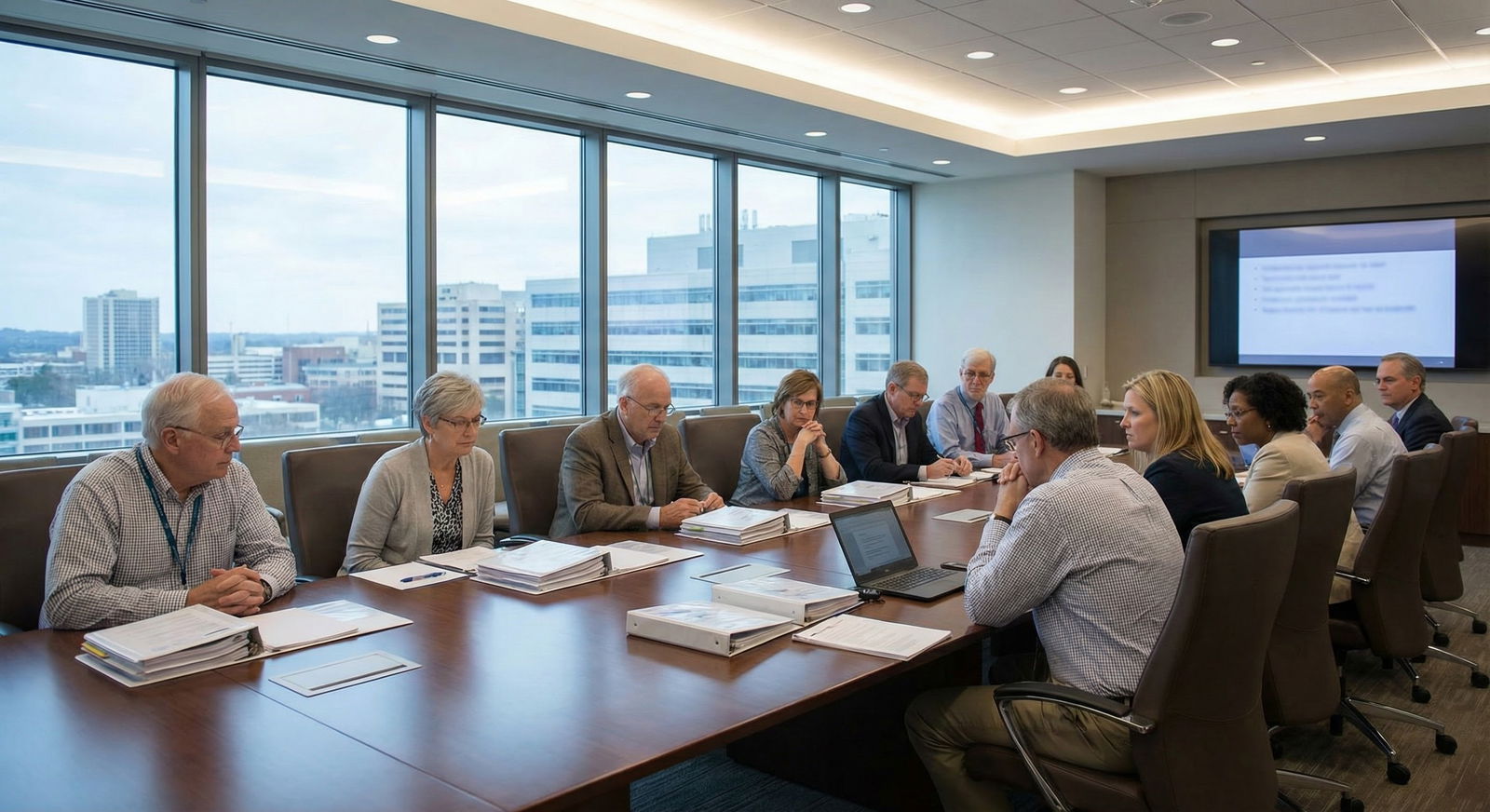
Look for:
Unexplained major leadership turnover
- PD changed more than once in 3–4 years.
- Core faculty positions vacant or “interim” for extended periods.
- ACGME citations mentioned vaguely (or not at all) with hints of “restructuring.”
- Bad sign: “We are in an exciting transition period!” with no specifics. I have seen that phrase be code for “we lost half the faculty and are scrambling.”
Chronic understaffing / workhorse reputation
- Recurrent reports of:
- 80+ hour weeks as the norm, not the exception.
- Nonstop scut: “we are the phlebotomists and transport”.
- Residents cross-covering unsafe numbers of patients.
- Watch for phrases like “you will be very independent” or “we are a busy safety-net hospital” with no mention of support structures. “Independent” often means “alone at 2 a.m. holding everything together with duct tape.”
- Recurrent reports of:
Toxic culture patterns
- Multiple anonymized comments about:
- Yelling attendings.
- Public shaming.
- “Malignant” or “fear-based” environment.
- PD or APDs being retaliatory when residents raise concerns.
- One comment can be noise. Ten comments across three platforms is a pattern.
- Multiple anonymized comments about:
-
- Is board pass rate posted? If not, why not.
- If posted and there are repeated failures above national average with no transparent remediation plan, that is a red flag.
- Any mention of residents “leaving for personal reasons” or “we had some attrition during a challenging year” without clarity.
Moonlighting and duty hours
- For some specialties, heavy moonlighting is pushed to make up for low salaries. That is not inherently bad.
- Red flag when:
- Moonlighting is expected to cover service holes.
- Residents describe working >80 hours regularly but “it all evens out” on paper.
- You read hints of duty hours being falsified.
Summarize each program in 2–3 bullets in your notebook:
- “Program A: Stable leadership, heavy workload but residents happy, good fellowship.”
- “Program B: 3 PDs in 4 years, unclear board pass rate, multiple online complaints about bullying attendings.”
You want this snapshot ready before you go to bed so your brain can quietly process it instead of forcing you into a midnight Google spiral.
2–3 Hours Before Bed: Refine Tomorrow’s “Red Flag” Questions
At this point you should convert what you found into 3–5 pointed but professional questions for each program. You are not cross-examining them. You are testing whether concerns have honest, coherent answers.
Step 2: Translate concerns into questions (20–30 minutes per program set)
Take your notes and build targeted questions. A few templates:
Leadership turnover
- “I saw the program has had some leadership changes in recent years. How has that affected resident education and support?”
- To residents: “From your perspective, how has program leadership stability been over your time here?”
Workload / workhorse concerns
- “On a typical inpatient month, about how many patients are you carrying and how manageable does that feel?”
- “Are there services where you feel resident staffing is consistently stretched too thin?”
Culture and support
- “When residents have a conflict with an attending or co-resident, what actually happens? Who steps in?”
- “Can you give an example of a time a resident struggled or failed an exam and how the program responded?”
Board pass / remediation
- “What is your recent board pass rate, and what support systems are in place if someone does not pass on the first attempt?”
You are not going to ask all of these. You just want a menu so that in each session (PD, APD, residents) you have 1–2 well-chosen questions that probe the core risk areas.
Write them down by audience:
| Audience | Number of Questions | Focus Areas |
|---|---|---|
| Program Director | 2–3 | Leadership, remediation, vision |
| Chief Residents | 2–3 | Schedule realities, culture |
| Junior Residents | 2–3 | Day-to-day workload, support |
| Alumni / Fellows | 1–2 | Preparation, reputation |
You are building a cross-check system: same topic, asked to different people, compared for consistency.
60–90 Minutes Before Bed: Know the Red Flags During the Interview
Tomorrow will move quickly. Zoom rooms, breakout sessions, tours, scripted smiles. If you do not prime your brain now, you will miss live warning signs because you are busy worrying about your answers.
At this point you should mentally rehearse the specific red flags you are looking for in conversations and behavior.
Step 3: Behavior‑level red flags to watch during interview day
Think of these as categories you will quickly rate in your head during and right after each session.
How they talk about residents who leave or struggle
- Red flags:
- Blaming language: “He just was not cut out for this,” “She could not handle our volume.”
- Vague evasion: “We prefer not to discuss that.”
- No specific example of remediation, just “we hold high standards.”
- Better sign:
- “We had someone struggle with Step 3 and we built X, Y, Z for them. They passed on the second attempt.”
- Red flags:
Response to resident wellness questions
- Red flags:
- Wellness described only as yoga classes, free pizza, and an annual retreat.
- Duty hour questions answered with, “We are busy, but we get the job done,” and nothing about buffering or backup.
- Residents laughing awkwardly when wellness is mentioned, then changing the subject.
- Green flag:
- Specific examples where someone was pulled from service, had their schedule adjusted, or got counseling after a crisis.
- Red flags:
How residents talk about leadership when leadership is not in the room
- Red flags:
- “We mostly stay out of their way.”
- “We try not to rock the boat.”
- Long pauses before answering “Do you feel heard when you give feedback?”
- Green flag:
- Immediate concrete examples of PD or chiefs acting on resident suggestions.
- Red flags:
Defensiveness when you ask about weaknesses
- Ask: “What is one thing you are actively trying to improve this year?”
- Red flags:
- “Honestly, I think we are pretty strong across the board.”
- They leap into comparing themselves to other programs (“Well, at least we are not like X.”)
- Green flag:
- A candid answer with a plan: “Our ICU nights were heavy. We added an NP and cut caps.”
Resident body language and small comments
- Watch:
- Eye rolls, side glances when leadership speaks.
- Residents saying, “We are family,” but no one can give a concrete example beyond social events.
- Jokes about “surviving intern year” that feel more like a warning than a punchline.
- Watch:
Have this short list on a sticky note or a small card by your laptop if virtual. You are training your attention on the right signals.
Morning Of: 30‑Minute “Reality Calibration” Before You Log On or Walk In
You wake up. You are nervous. That is normal. You are also at risk of ignoring every red flag because you are desperate to impress.
At this point you should anchor yourself with three things: your non-negotiables, your “yellow flags I can live with,” and your “absolutely not” list.
Step 4: Define your personal risk tolerance (20–30 minutes)
Do this before the first handshake or Zoom hello, while your brain is still yours.
Write your top 3 non‑negotiables Examples:
- “No program with a history of duty hour fraud.”
- “No place where residents openly warn about bullying attendings.”
- “I refuse to go somewhere that hides board pass rates.”
Write 3–5 “yellow flags” you will not catastrophize Some issues are common and manageable:
- High workload but strong camaraderie and support.
- Limited research but good clinical training.
- Less glamorous location but good fellowships.
Decide now which things you can tolerate so you do not panic over every minor flaw.
Write your deal‑breakers Be blunt. A few examples I have seen people regret ignoring:
- Multiple residents crying during the year or leaving.
- Administration dismissing serious safety concerns.
- PD belittling other specialties or “we like to break interns down then build them up.”
Keep this list visible. After the interview, compare your notes to it, not to your anxiety.
During the Interview Day: Live Red Flag Tracking
Now you are in it. Zoom boxes. Tours. Faculty trying to sell their research. You need a simple, fast way to track concern signals in real time.
At this point you should treat each block of the day as a short “data collection window” and jot 2–3 quick impressions afterward.
Step 5: Block‑by‑block 2‑minute debrief
After each session:
- PD / APD interview
- Resident Q&A
- Faculty interview
- Tour or noon conference
Take literally two minutes and answer three questions in your notebook:
- “Did I see any red flags in this block?”
- “Did anything directly contradict what others said?”
- “Specific quote or moment that stuck with me?”
You are not writing paragraphs. Just fragments:
- “PD: Very defensive about duty hours, kept saying 'we are like a family.’”
- “Residents: Seemed close, but 2 people mentioned ‘we are exhausted’ with nervous laughter.”
- “Chief: gave specific board pass numbers, had clear remediation plan.”
This is how you prevent the end-of-day blur where everything feels “fine” because you are tired.
To visualize how to space this out:
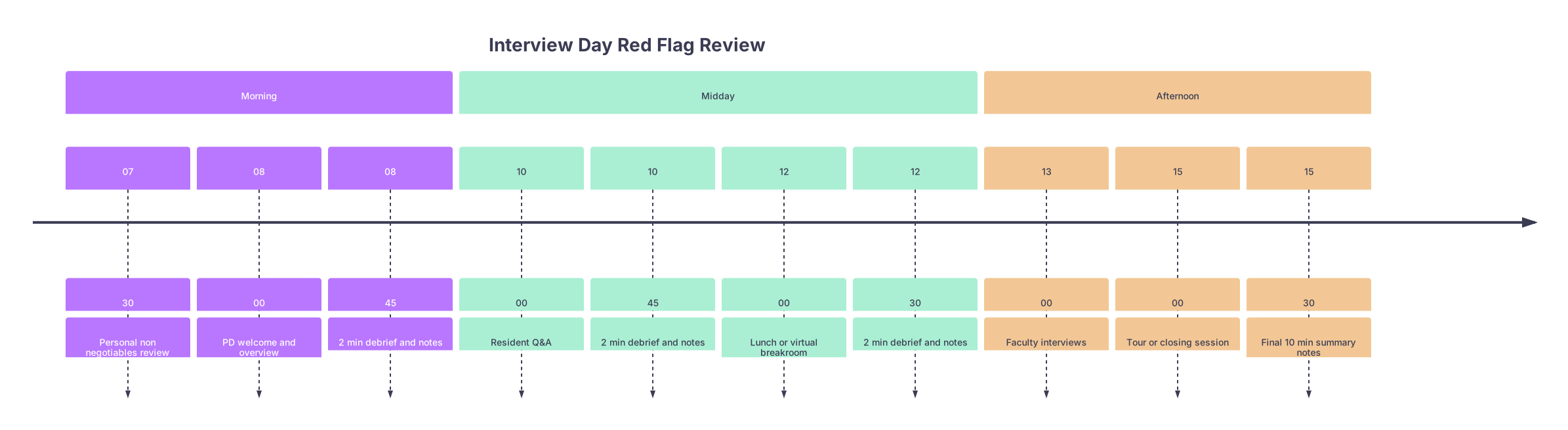
| Period | Event |
|---|---|
| Morning - 07 | 30 |
| Morning - 08 | 00 |
| Morning - 08 | 45 |
| Midday - 10 | 00 |
| Midday - 10 | 45 |
| Midday - 12 | 00 |
| Midday - 12 | 30 |
| Afternoon - 13 | 00 |
| Afternoon - 15 | 00 |
| Afternoon - 15 | 30 |
Notice the pattern: every major block is followed by a tiny checkpoint.
Immediately After the Last Session: 20‑Minute Red Flag Scorecard
Interview ends. You are tempted to collapse, text your group chat, or scroll. Do not. The next 20 minutes are the most valuable time you will spend on this program.
At this point you should build a quick, ruthless red flag scorecard while the details are fresh.
Step 6: Rate the program on 5 critical dimensions (15–20 minutes)
Use a simple 1–5 scale (1 = terrible, 5 = excellent). Do this for red flag risk, not prestige.
| Dimension | 1 (Bad) | 3 (Mixed) | 5 (Good) |
|---|---|---|---|
| Leadership Stability | Chaotic | Some turnover | Stable, transparent |
| Workload & Support | Unsafe | Heavy but survivable | Busy but well supported |
| Culture & Psychological Safety | Toxic | Mixed | Supportive, resident-driven |
| Education & Boards | Poor outcomes | Average, okay support | Strong track record, clear support |
| Honesty & Transparency | Evasive, defensive | Vague but trying | Direct, data-driven, candid |
For each:
- Pick a number.
- Write one sentence justifying it.
Example:
- Leadership Stability – 2: “Two PDs in 3 years, vague answers about why, residents hesitant to talk about it.”
- Workload & Support – 4: “Clearly busy but specific examples of backup and schedule changes when unsafe.”
Then ask yourself one blunt question:
“If I had to sign a contract today, would I be relieved, tolerant, or dreading it?”
Your gut answer matters. If you immediately think, “I would be fine but not thrilled,” that is different from, “I would be actively upset.”
To see how programs might distribute across your rank list over time:
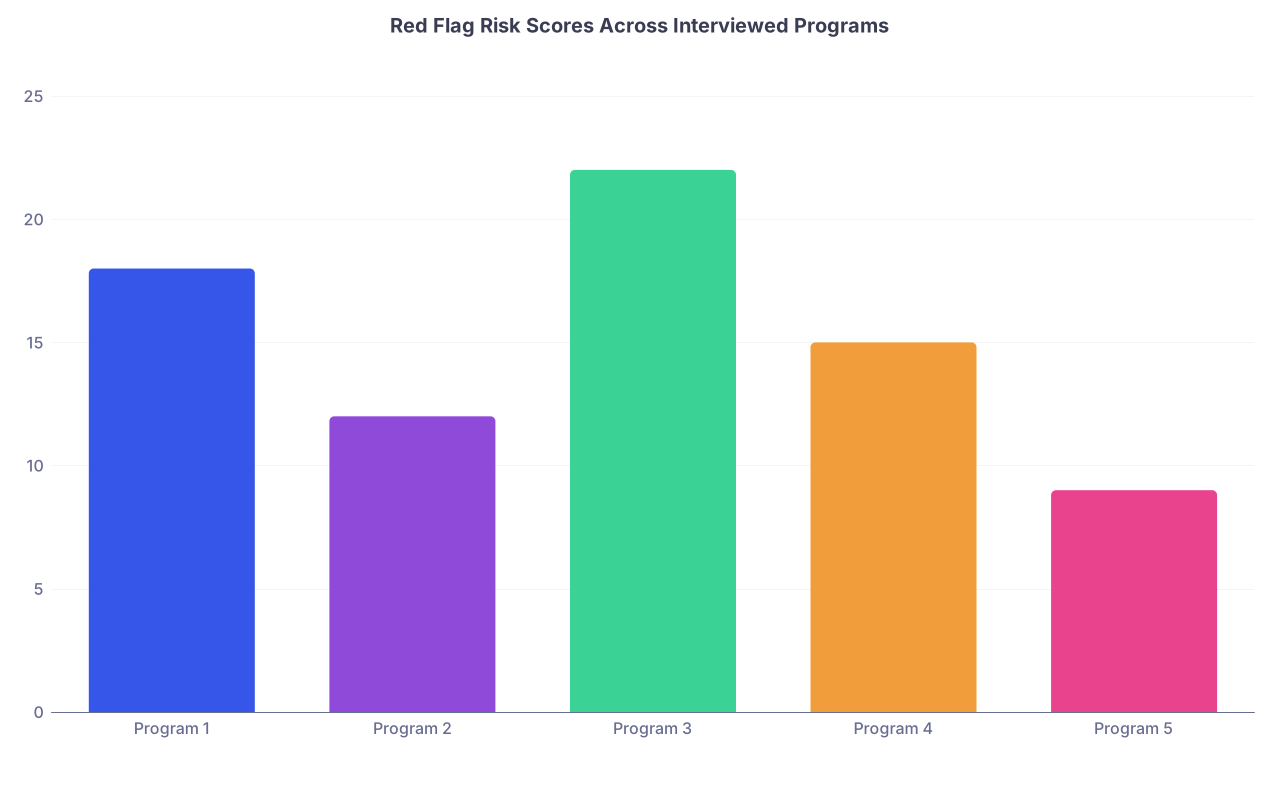
| Category | Value |
|---|---|
| Program 1 | 18 |
| Program 2 | 12 |
| Program 3 | 22 |
| Program 4 | 15 |
| Program 5 | 9 |
Higher total score = fewer red flags, better overall fit from a risk standpoint.
24–48 Hours Later: Sanity Check Before It Warps in Your Memory
You are back to normal life. Rotations, other interviews, UWorld. Your memory is already smoothing over rough edges and exaggerating shiny moments.
At this point you should do a short, disciplined review of your notes with two questions in mind:
- “Would I feel safe here as an intern on my worst day?”
- “Would I trust this leadership with bad news about myself?”
Step 7: Brief reflection and comparison (15–20 minutes per program)
Open your notes and scorecard. Without re-reading everything in detail, scan for:
- Repeated words: “defensive,” “exhausted,” “amazing chiefs,” “no specifics,” “clear plan.”
- Any direct contradictions:
- PD: “We have never had duty hour problems.”
- Residents: “We often work over, but we just do not report it.”
If you find a major contradiction like that, bump the red flag risk up a notch. This is where most people talk themselves into ignoring warning signs because they like the name or the city.
If you are building your rank list later, you can layer these red flag scores with your positive impressions. But do not let “brand name” override “this place felt unsafe.”
To think about how your overall perception might diverge from reality based on red flag data:
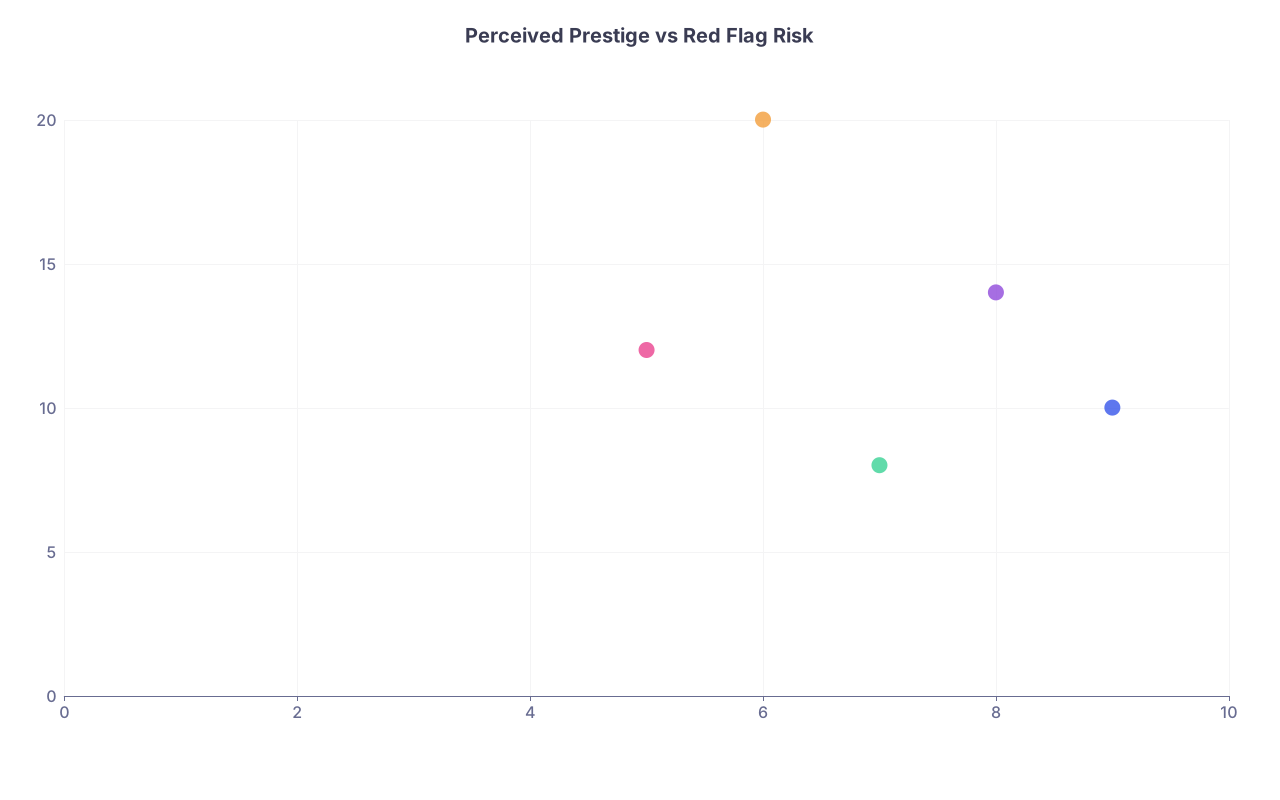
| Category | Value |
|---|---|
| Prog A | 9,10 |
| Prog B | 8,14 |
| Prog C | 7,8 |
| Prog D | 6,20 |
| Prog E | 5,12 |
Here, x-axis could be your personal prestige rating (1–10), y-axis is total red flag score (lower is worse). If something has high prestige but a terrible red flag score, that tension is exactly what you need to see clearly.
Common Last‑Minute Traps You Should Avoid Tonight
Before you go re-open Reddit and drown yourself in noise, be aware of two big mistakes people make the night before interviews.
Trap 1: Doom‑scrolling anonymous complaints
Yes, you should scan Reddit/SDN. No, you should not spend three hours internalizing the rant of one disgruntled resident from 2017.
Limit yourself:
- 10–15 minutes per program.
- Look for patterns across multiple posts and platforms.
- If something dramatic appears (e.g., whistleblower letter, probation), verify with:
- ACGME public data
- Official program statements
- Residents tomorrow (asked diplomatically)
If you cannot find confirmation from more recent sources, flag it as “uncertain,” not “fact.”
Trap 2: Talking yourself into red flags because you are scared of not matching
I have heard this sentence too many times: “It was obviously malignant, but I was just so scared, and I ranked it higher than I should have.”
Your fear of not matching is real. But matching into a chronically abusive, unsafe program is not a win. It is a multi-year grind with real personal cost.
Tonight, write this sentence at the top of your notes:
“I would rather scramble to adjust later than knowingly sign up for a place that harms me.”
That is your boundary. You are allowed to protect yourself.
Your Next Action Tonight
Do not try to overhaul your entire process. Do one concrete thing.
Right now, pick tomorrow’s program and spend 20 minutes creating a one-page “Red Flag Brief”:
- Top 3 potential concerns you found online.
- 3–5 targeted questions mapped to PD, residents, faculty.
- Your non‑negotiables, yellow flags, and deal‑breakers written in the corner.
Set a timer. Do it. Then close the laptop, hang your badge or blazer where you can see it, and go to bed knowing you are walking in tomorrow with your eyes open.


