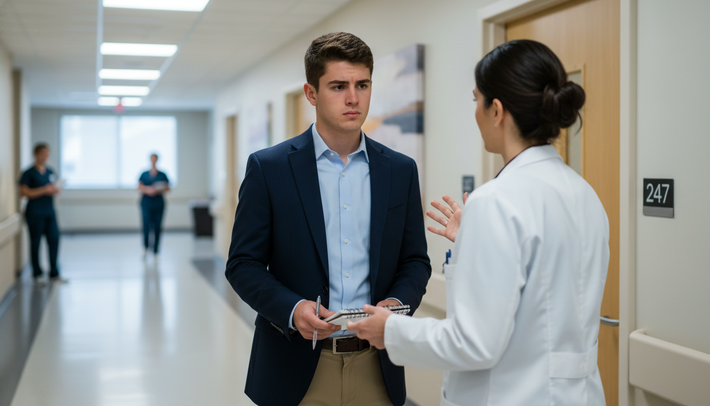
The biggest mistake future doctors make is waiting until junior year of college to start shadowing.
If you want a competitive, coherent premed story, your shadowing needs a timeline—not random hours grabbed whenever someone says yes.
You are going to see how to build that timeline from high school through senior year of college, stage by stage, with specific milestones and checklists at each point. By the end, you will know exactly what you should be doing this semester, next semester, and the one after that.
Big-Picture Shadowing Targets by Stage
Before zooming into the calendar, anchor your goals. By the time you apply to medical school, you want:
- Total shadowing hours: 60–100+ hours (some applicants have more, but 60+ solid, intentional hours is a strong baseline)
- Breadth: At least
- 1 primary care physician (family med, internal med, pediatrics)
- 1 hospital-based specialty (e.g., surgery, EM, anesthesiology, radiology)
- 1 other area that actually interests you (OB/GYN, psych, etc.)
- Depth: 1–2 physicians you’ve shadowed repeatedly and know well enough to ask for a strong letter of recommendation
- Longitudinal arc: Evidence you explored medicine over years, not just a crash course right before applications
Now let’s lay this out chronologically.
High School: Foundation and Exposure (9th–12th Grade)
At this point, you should not be chasing 100 hours. You should be building exposure, comfort in clinical settings, and relationships.
9th Grade (Freshman Year of High School)
Primary goals:
- Confirm you actually like healthcare environments
- Start building adult-like communication skills
Fall (Sep–Nov)
At this point, you should:
- Talk to your school counselor about healthcare-related clubs or programs
- HOSA, Red Cross Club, Health Careers Club, local hospital youth programs
- Start paying attention to:
- Family friends who are physicians, PAs, nurses
- Your own pediatrician or family doctor (potential future shadowing contact)
Winter–Spring (Dec–May)
At this point, you should:
- Attend any local hospital open house, career day, or health career panel
- Practice a professional email template (you’ll use this a lot later). For example:
- Brief intro (name, school, grade)
- Interest in medicine
- Why you’re reaching out to this physician or clinic
- Polite ask: “Would you be open to me observing you for a few hours one day?”
You are not necessarily shadowing yet; you’re training yourself to ask and to talk to adults in a professional way.
Summer after 9th Grade (Jun–Aug)
Target: 0–10 hours of informal exposure
At this point, you should try to secure:
- 1–2 half-days of informal observation if:
- Your own pediatrician or family doctor is open to it, or
- A family friend physician works in a suitable environment
If shadowing is not possible (many hospitals do not allow 14-year-olds), aim for:
- Volunteering at:
- Nursing homes, rehab facilities, free clinics, hospital gift shop/front desk
- Noticing:
- Whether you’re comfortable around illness, vulnerability, and stress
10th Grade (Sophomore Year of High School)
Now you’re old enough that some structured programs will consider you.
Fall (Sep–Nov)
At this point, you should:
- Research:
- Local hospital volunteer programs
- Teen summer medical programs, hospital “junior volunteer” programs
- Start a simple “clinical log” in a notebook or Google Doc:
- Date, hours, setting (clinic, ED, nursing home)
- 1–2 key observations or reflections
Winter–Spring (Dec–May)
At this point, you should:
- Apply for:
- Hospital summer volunteer programs (deadlines are often Jan–Mar)
- Teen shadowing programs if your region has them
- Ask your pediatrician or family doctor:
- “Do you ever allow high school students to observe you?”
- If they say no, follow up with: “Is there anyone you work with who might?”
Summer after 10th Grade (Jun–Aug)
Target: 10–20 hours of exposure (shadowing + volunteering)
At this point, you should:
- Aim for:
- 1–2 days of direct shadowing if allowed (even 3–4 hour shifts count)
- Regular weekly volunteering (e.g., 3 hours/week for 8–10 weeks)
- Focus on:
- Observing physician-patient communication styles
- Getting used to hospital rules: confidentiality, phones, PPE
You’re not building a med school application yet. You’re building comfort and insight.
11th Grade (Junior Year of High School)
This is your first serious “intentional shadowing” year.
Fall (Sep–Nov)
At this point, you should:
- Decide if you’re truly interested in medicine vs. other health professions
- Start tracking:
- Specific clinical encounters (anonymized) that make you curious or thoughtful
- Identify 2–3 physicians (through family, school, community) to email about:
- Shadowing 1–3 half-days during the school year or upcoming breaks
Winter Break (Dec–Jan)
Target: 5–10 hours of shadowing
At this point, you should:
- Arrange:
- 1–2 shadowing days in outpatient clinics (family medicine, pediatrics)
- After each session, write:
- 5–10 bullet points on what you saw and what surprised you
Spring (Feb–May)
At this point, you should:
- Keep your schedule light but intentional:
- Maybe one afternoon per month of shadowing if feasible
- Start noticing:
- How different physicians handle time pressure and emotional conversations
Summer after 11th Grade (Jun–Aug)
Target: 20–40 hours shadowing/clinical
At this point, you should:
- Aim for:
- A structured hospital/clinic volunteer program
- Plus small blocks of shadowing (e.g., one week M/W/F mornings with a family doctor)
- Try to include:
- At least one hospital specialty if possible (e.g., radiology or surgery observation)
You want to enter 12th grade with at least a basic sense of:
- What doctors actually do all day
- What parts of medicine feel energizing vs. draining to you
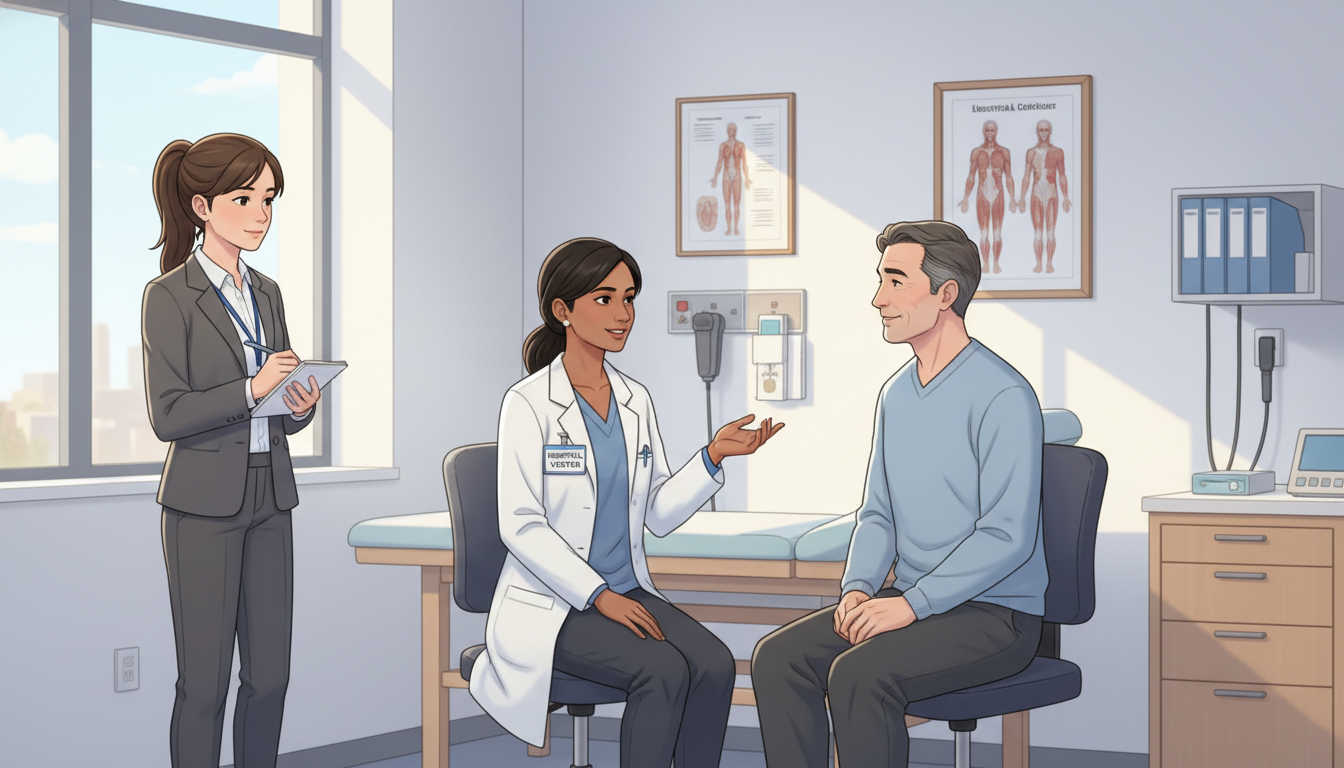
12th Grade (Senior Year of High School)
Now you’re planning your college path.
Fall (Sep–Nov)
At this point, you should:
- If you’re aiming for:
- BS/MD or early assurance programs → shadowing experiences can help you write stronger application essays
- Look back over:
- Your clinical log from 9th–11th grades
- Highlight 2–3 experiences that made you more interested in medicine (these can feed into future essays, not just BS/MD apps)
Winter–Spring (Dec–May)
At this point, you should:
- Confirm:
- Your intended major or at least that you’ll be premed-friendly (bio, chem, public health, etc.—but remember, any major is allowed)
- If possible, schedule:
- 1–2 shadowing days during breaks, ideally with a different specialty than you’ve seen before
Summer after 12th Grade (before college)
Target: 20–40 hours of solid, intentional shadowing
At this point, you should:
- Treat this as your bridge from “curious high schooler” to “serious premed”
- Aim for:
- 1–2 core physicians to shadow for multiple days each
- At least one primary care and one hospital specialty
- Focus your reflections on:
- What aspects of a physician’s day aligned with your strengths (communication, analysis, teaching, etc.)
By August, you want to feel like you’re not just guessing about what doctors do.
College Freshman Year: Orientation and Light Shadowing
Now the real premed timeline starts. You do not need heavy shadowing yet—but you do need structure.
Freshman Fall (Sep–Dec)
At this point, you should:
- Prioritize:
- Transition to college academics
- Finding premed advising and a premed club
- Do one simple shadowing-related step:
- Introduce yourself to the premed advisor and ask:
“Do you have a list of local physicians or clinics that allow student shadowing?”
or
“What’s the process here for arranging shadowing?”
- Introduce yourself to the premed advisor and ask:
You’re setting up future access. That’s the milestone.
Freshman Spring (Jan–May)
At this point, you should:
- Attend:
- At least one premed event or panel that includes physicians or med students
- Start planning your first college-level shadowing:
- Target: 5–15 hours before the end of summer
- Create a shortlist of:
- 3–5 local physicians (using: advising office list, family doctor back home, university hospital faculty)
When you email, be very concrete:
- Offer 2–3 specific dates over spring break or early summer
- Emphasize you’re a freshman exploring medicine, not begging for 200 hours
Summer after Freshman Year (Jun–Aug)
Target: 10–20 hours of focused shadowing
At this point, you should:
- Shadow:
- One primary care physician for 1–3 full days or several half-days
- Use this summer to:
- Learn clinical etiquette: HIPAA, when to speak vs. observe, where to stand in an exam room
- After each day, document:
- The types of visits you saw (e.g., chronic disease management, acute issues, preventive visits)
- What surprised you about the physician’s workload
You’re still mostly exploring, not specializing.
College Sophomore Year: Structured Exploration and Variety
Now you start building breadth and a pattern that will show up on your application.
Sophomore Fall (Sep–Dec)
At this point, you should:
- Assess:
- How many hours you’ve got so far (including high school): maybe 30–60 total
- Your goal for this academic year:
- Add 20–40 hours of shadowing/clinical exposure
- Join or stay active in:
- One clinical or service activity (e.g., clinic volunteer, EMT, hospital volunteer) that runs weekly
Use those clinical contacts to ask:
“Is there a physician in this department who occasionally allows student observers?”
Sophomore Spring (Jan–May)
At this point, you should:
- Intentionally seek variety:
- Internal medicine or family medicine clinic
- Hospital-based specialty like surgery, anesthesiology, or EM
- Structure a mini-plan:
- 1 morning/week for 4–6 weeks with one physician
- Or 2–3 full days each with two different physicians
Target for the year:
- By May of sophomore year, cumulative shadowing (high school + college) around 50–80 hours, with at least:
- 1 primary care
- 1 hospital specialty
Summer after Sophomore Year (Jun–Aug)
This summer is crucial for many premeds.
Target: 20–40 hours shadowing + other clinical/research
At this point, you should:
- Decide on a primary “home base” physician for deeper shadowing:
- Someone who knows you by name by the end of summer
- Potential future letter writer
- Aim to:
- Shadow this same physician on multiple dates over the summer
- Observe different clinic days, maybe procedures vs. office visits
You want a narrative like:
“I first shadowed Dr. X briefly my freshman summer, then returned in a more regular pattern this past year. Over time, I watched…”
College Junior Year: Depth, Letters, and Application Prep
This is your most important shadowing year if you’re applying to med school the summer after junior year.
Junior Summer Before the Year (if you’re early planners, adjust slightly)
If you’re reading this late, skip ahead. If early:
- Coming into junior year, aim to already have:
- 60–80 shadowing hours
- Clear experience with at least 3 types of settings (outpatient, inpatient, specialty)
Junior Fall (Sep–Dec)
At this point, you should:
- Solidify:
- 1–2 physicians with whom you have a longitudinal relationship
- Plan:
- 2–4 hours per month shadowing with a known physician, not a new one every time
- Around October–November:
- Quietly assess if this physician could write you a letter of recommendation
- Look for signs: they ask about your classes, know your interests, have seen you multiple times
Keep detailed reflections now. Your personal statement will need specific stories.
Junior Spring (Jan–May)
This semester is about application readiness.
At this point, you should:
- Ensure:
- Your shadowing log is up-to-date and organized by:
- Physician name
- Specialty
- Location
- Dates
- Approximate hours
- Your shadowing log is up-to-date and organized by:
- Confirm:
- You’ve seen enough primary care to articulate why it matters, even if you do not plan to enter primary care
- By March:
- Politely ask your main physician-mentor if they’d be willing to write a letter
- Provide them a short summary of your experiences and future goals
- Politely ask your main physician-mentor if they’d be willing to write a letter
Target by end of junior spring (if applying that summer):
- Total shadowing hours: 60–120+
- Breadth: Primary care, hospital-based, and at least 1–2 other areas
- Depth: Significant repeated contact with at least one physician
Summer after Junior Year (Application Summer)
If you’re applying this summer, your application opens around May–June (AMCAS and AACOMAS).
At this point, you should:
- Use early summer to fill any gaps:
- If you never saw inpatient medicine, arrange 1–2 ED or hospitalist shifts
- If you never returned to a prior physician, add 1–2 days of follow-up
- Translate experiences into:
- Personal statement anecdotes
- Activity descriptions focusing on what you learned, not just what you watched
You’re not chasing more hours just to hit a number. You’re polishing the narrative.
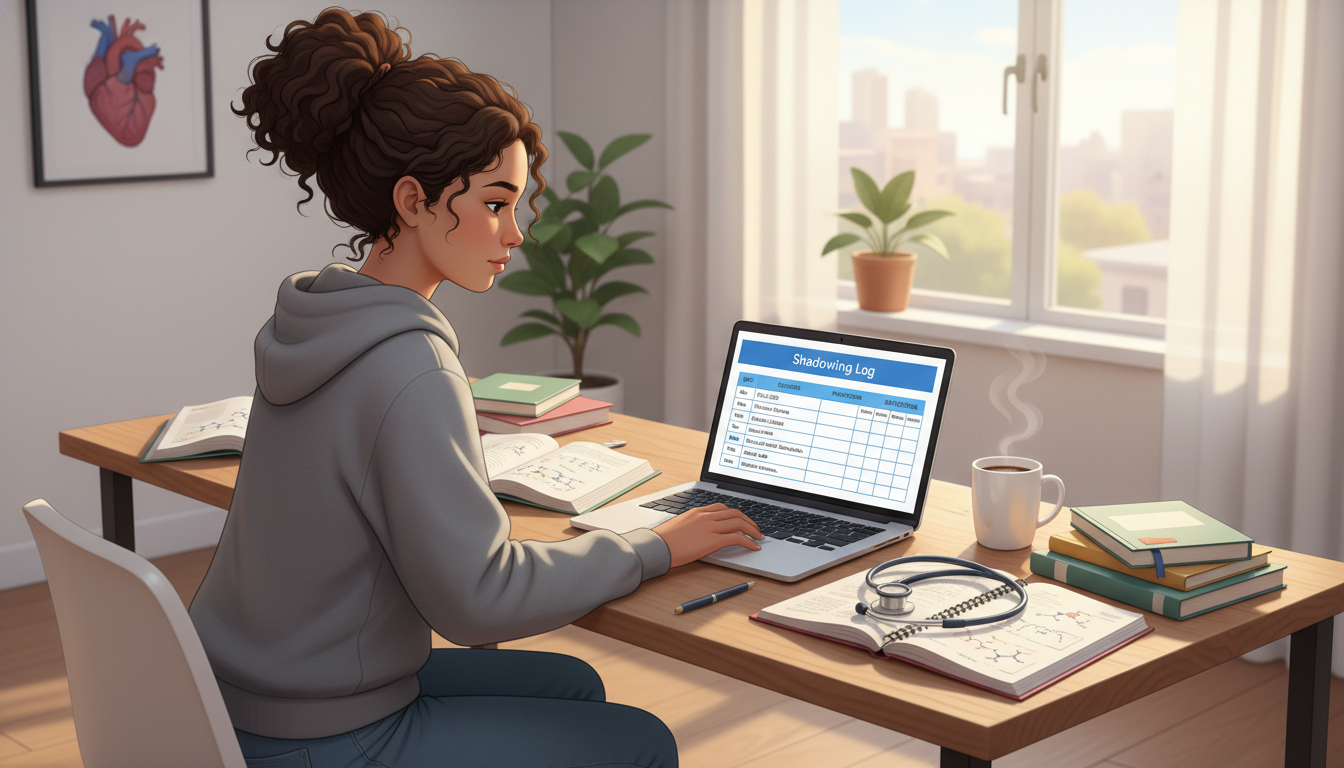
College Senior Year: Finalizing and Backfilling
If you’re a traditional applicant (applying after junior year), senior year shadowing is about continued exposure and confirming your commitment. If you’re applying later, it can still be foundational.
Senior Fall (Sep–Dec)
At this point, you should:
- If you already applied:
- Maintain 2–4 hours/month of shadowing or clinical work so you can update schools if needed
- If you’re applying this year instead:
- Treat this like a delayed “junior” year and push hard for:
- 40–60 hours of solid shadowing by next summer
- A primary care and at least one hospital-based experience
- Treat this like a delayed “junior” year and push hard for:
Senior Spring (Jan–May)
At this point, you should:
- Keep momentum:
- Continue with your main physician contact(s) if possible
- Seek out 1 different specialty you haven’t seen before, just for perspective
- Prepare to:
- Summarize your multi-year shadowing arc:
- “I first entered a clinic as a 10th grader…”
- “By sophomore year of college, I realized…”
- “Most recently, in my work with Dr. Y, I saw…”
- Summarize your multi-year shadowing arc:
You want your story to show growth, not random scattered days.
Putting It All Together: A Sample Timeline Snapshot
Here’s what a strong, realistic arc might look like:
- High school total: 30–60 hours
- Mix of volunteering and light shadowing, mostly observation and “I’m just exploring”
- College freshman–sophomore: 20–60 hours
- Intentional variety, first real responsibilities, early primary care exposure
- College junior–senior (pre- and during application): 30–80+ hours
- Depth with 1–2 physicians, hospital specialties, clear understanding of physician life
Across those years, your reflections evolve from:
- “Hospitals are overwhelming but exciting”
to - “I watched my preceptor guide a patient through a new diabetes diagnosis, and I noticed…”
Your Concrete Next Step Today
Open a blank document and create four headings:
- High School Shadowing/Clinical (by grade)
- College Shadowing/Clinical (by year)
- Physicians & Specialties Seen
- Gaps / Next 3 Contacts to Email
Spend 15–20 minutes filling in whatever you already have. Then, under “Gaps,” write down three names or clinics you’ll contact this week to move your shadowing to the next milestone for your current stage.