Why Away Rotations Matter So Much for Non‑US Citizen IMGs in OB‑GYN
For a non‑US citizen IMG, an away rotation (also called a visiting student rotation, elective, or externship) in Obstetrics & Gynecology is often the single most powerful tool to improve your obstetrics match chances.
In OB‑GYN, program directors value:
- Hands‑on clinical performance in a US setting
- Demonstrated ability to function in a fast-paced L&D environment
- Strong US letters of recommendation (LORs) from OB‑GYN faculty
- Proof that you understand US hospital culture and teamwork
An away rotation gives you all of these in one concentrated experience. It can:
- Turn your “application on paper” into a real person programs know
- Convert a rotation into an interview, and an interview into a rankable candidate
- Help overcome concerns about unfamiliar schools, different curricula, and lack of US experience
For a foreign national medical graduate, especially one needing a visa, a strategic approach is essential. Not all rotations are equal, and not all will help you the same way for OB‑GYN residency.
This article will walk you through:
- How many away rotations to do—and when
- How to choose programs that actually help your obstetrics match
- How to navigate visas, eligibility, and application systems
- How to perform on rotation so that faculty remember—and support—you
- Common pitfalls that hurt non‑US citizen IMGs and how to avoid them
Planning Your Away Rotation Timeline and Number of Rotations
When Should You Do Away Rotations?
If you are still enrolled in medical school, the ideal time for OB‑GYN visiting student rotations is:
- Final year of medical school (or penultimate year if your school allows)
- 3–12 months before ERAS application submission
Typical North American timeline (adjust for your academic calendar):
- January–March (before Match year)
- Research programs, eligibility, visa options
- Check Visiting Student Learning Opportunities (VSLO; formerly VSAS) or program websites
- March–May
- Submit visiting student applications
- Arrange housing, visa, and documents
- June–October
- Complete away rotations (most impactful if finished by end of October)
- September
- Submit ERAS application to OB‑GYN programs
- October–January
- Interview season
If you have already graduated:
- You’ll likely need observerships or “clinical externships” rather than traditional student away rotations.
- Start planning 12–18 months before your intended obstetrics match cycle to align rotations, exams, and visa timing.
How Many Away Rotations Should You Do?
Non‑US citizen IMG applicants often ask: how many away rotations are enough for OB‑GYN?
Consider these guidelines:
- Minimum target:
- 1–2 US‑based OB‑GYN clinical experiences with strong LORs
- Competitive target (if feasible):
- 2–3 OB‑GYN rotations, including at least:
- One at a mid‑tier academic or large community program likely to sponsor visas
- One at a program that traditionally accepts IMGs
- 2–3 OB‑GYN rotations, including at least:
More than 3 is rarely necessary for the obstetrics match and may not be cost‑effective, unless:
- Your prior clinical exposure is weak or outdated
- Your USMLE scores or attempts are significant concerns, and you’re trying to demonstrate robust current clinical ability
Balance is critical:
- Over‑focusing on away rotations may reduce the time you need for research, exam preparation, and personal statement development.
- High‑quality, well-chosen rotations usually matter more than sheer quantity.

Choosing the Right OB‑GYN Away Rotations as a Foreign National
Understand the Types of Rotations
For a non‑US citizen IMG, there are several types of away/visiting experiences:
Visiting Student Rotations (for enrolled students)
- Structured 4‑week clerkships through VSLO or individual schools
- You function as a final‑year student on the OB‑GYN team
- Often allow hands‑on participation, notes, orders (with supervision)
Clinical Externships (for graduates)
- You function much like a sub‑intern but are not officially a US student
- Sometimes offered by private companies or specific hospitals
- Vary widely in quality—careful vetting is essential
Observerships / Shadowing
- Observe only; typically no direct patient care or documentation
- Weaker for residency applications, but still better than no US exposure
- Best used to build understanding of US system and to obtain some LORs if no other option exists
For OB‑GYN residency, visiting student rotations and true externships (with documented clinical responsibilities) are most impactful. Prioritize these.
Target Programs That Match Your Background and Goals
When you are a non‑US citizen IMG, your away rotation strategy must be tightly linked to future visa and match possibilities.
Focus on programs that:
- Frequently interview and match IMGs in OB‑GYN
- Explicitly state willingness to sponsor visas (J‑1 at minimum; H‑1B if possible)
- Are realistic for your profile (scores, attempts, graduation year, research, etc.)
How to identify IMG‑friendly OB‑GYN programs:
- Review program websites and look at current residents’ medical schools
- Use resources like FREIDA, NRMP data reports, and independent IMG match lists
- Ask seniors or mentors from your country who successfully matched into OB‑GYN
- Attend virtual open houses or information sessions and ask directly (politely) about IMGs and visa sponsorship
Academic vs Community Programs
Each has different advantages for an away rotation:
Academic OB‑GYN Programs
- Pros:
- Strong teaching culture
- Subspecialty exposure (MFM, Gyn Onc, REI, Urogynecology)
- Often recognized names on LORs
- Cons:
- Highly competitive visiting slots
- May prefer US students through VSLO
- Sometimes less flexible about non‑US citizen documentation
Community or Affiliated Programs
- Pros:
- Often more hands‑on opportunities
- Closer, more personal interaction with residents and attendings
- May have more openness to international graduates
- Cons:
- Some are less known outside region
- Fewer research opportunities during short rotations
Strategically, many non‑US citizen IMGs benefit from at least one away rotation at a strong community or mid‑level academic program that is IMG‑friendly—these can be excellent stepping stones to interviews.
Consider Program “Fit” and Future Options
When selecting away rotations residency sites for OB‑GYN, think beyond prestige:
Visa policy:
- Does the program explicitly sponsor J‑1? H‑1B?
- History of actually matching foreign national medical graduates?
Location and cost of living:
- Can you afford housing and transportation during rotation?
- Is there public transportation if you do not drive?
Lifestyle and patient population:
- Does the hospital serve diverse or under‑served communities?
- Could your language or cultural background be an asset?
Personal goals:
- Do you want a program strong in surgery? High‑risk obstetrics? Family planning? Research?
- Does the rotation give you exposure aligned with your story and long-term career goals?
Application Logistics: VSLO, Visas, and Documentation
Using VSLO (formerly VSAS)
Many US medical schools use VSLO to manage visiting student rotations. As a non‑US citizen IMG:
Check if your home medical school is a VSLO member.
- If yes, coordinate with your dean’s office to gain VSLO access.
- If not, you may apply directly to schools that accept “international visiting students” outside VSLO.
Expect each OB‑GYN rotation to require:
- Transcript and dean’s letter / good standing certificate
- Proof of malpractice/liability insurance (often provided by your school)
- Immunization record (TB, MMR, Hep B, Varicella, sometimes COVID)
- Health insurance documentation
- Background check and/or drug screen (program-dependent)
Apply early and broadly:
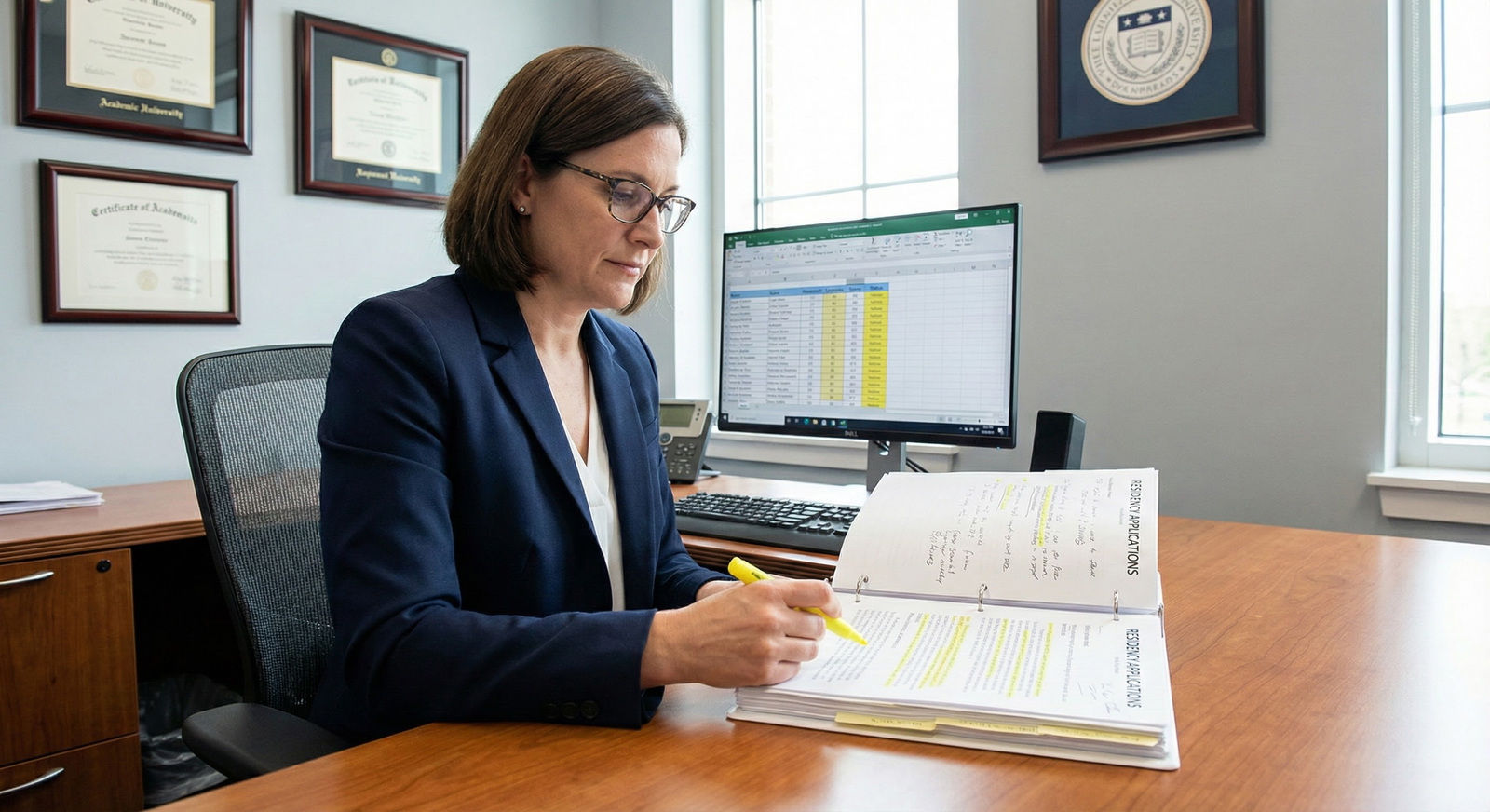
- Some institutions allocate very few slots for international visiting students, especially in competitive specialties like OB‑GYN.
- Submit complete applications as early as their system allows.
Visa Considerations for Away Rotations
Your visa status for away rotations is separate from the residency training visa but still critical.
Common scenarios:
You are already studying in another country (not the US)
- Usually you’ll use a B‑1/B‑2 (business/tourist) visa for short-term clinical electives with no salary.
- Some institutions may help with relevant documentation; others will require you to manage the visa on your own.
You are in the US on F‑1 or another status
- Coordinate carefully with your international office about eligibility for short-term rotations at other institutions.
Key points:
- Always state the true purpose of your visit when applying for a visa.
- Carry invitation/acceptance letters from the host institution to present at the embassy and US border if needed.
- Plan enough lead time: visa appointments can be delayed depending on your country.
Documentation That Strengthens Your Application
In addition to required forms, consider preparing:
A concise CV highlighting:
- Any OB‑GYN experience (home rotations, electives, research)
- Presentations, audits, or quality improvement in women’s health
- Leadership roles (especially those involving teamwork, teaching, or community service)
A focused personal statement (shorter than ERAS PS)
- Explain your motivation for an OB‑GYN career
- Emphasize your interest in that specific institution or region
- Briefly address your IMG and non‑US citizen status as a source of diversity and strength, not as a deficit
These can sometimes be uploaded to VSLO or sent directly to program coordinators if requested.
Maximizing Impact During Your OB‑GYN Away Rotation
Understand Expectations in US OB‑GYN Services
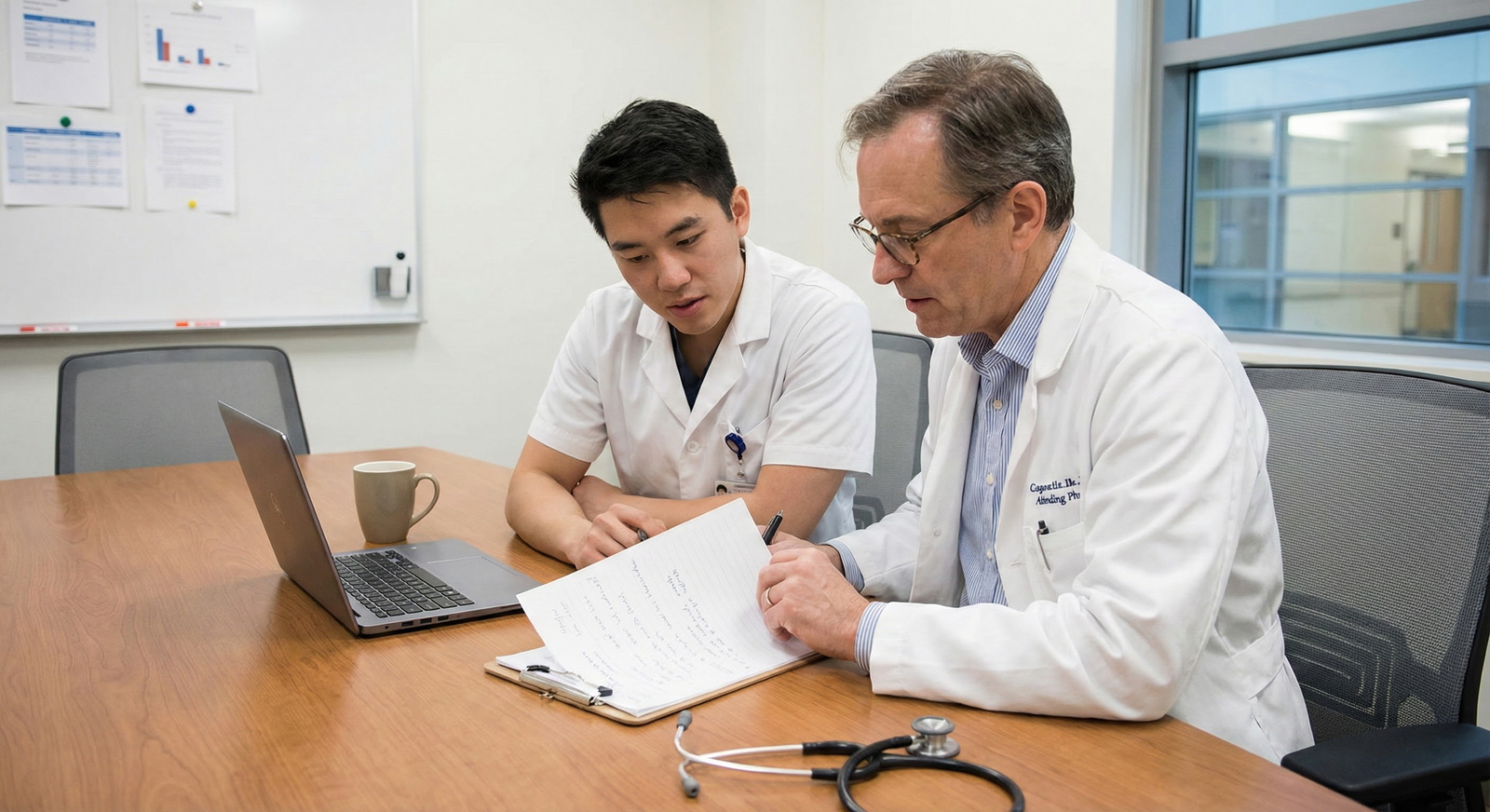
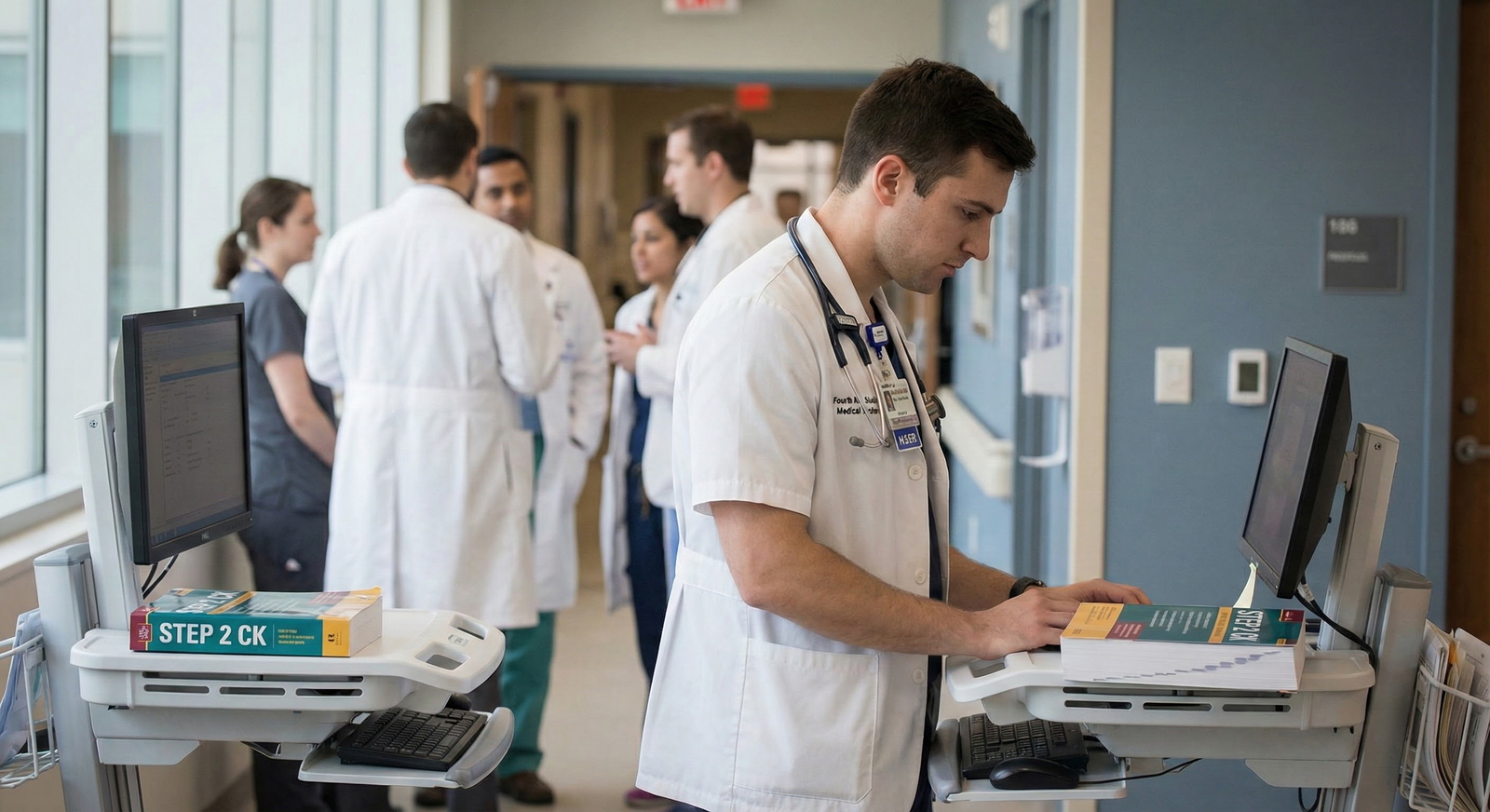
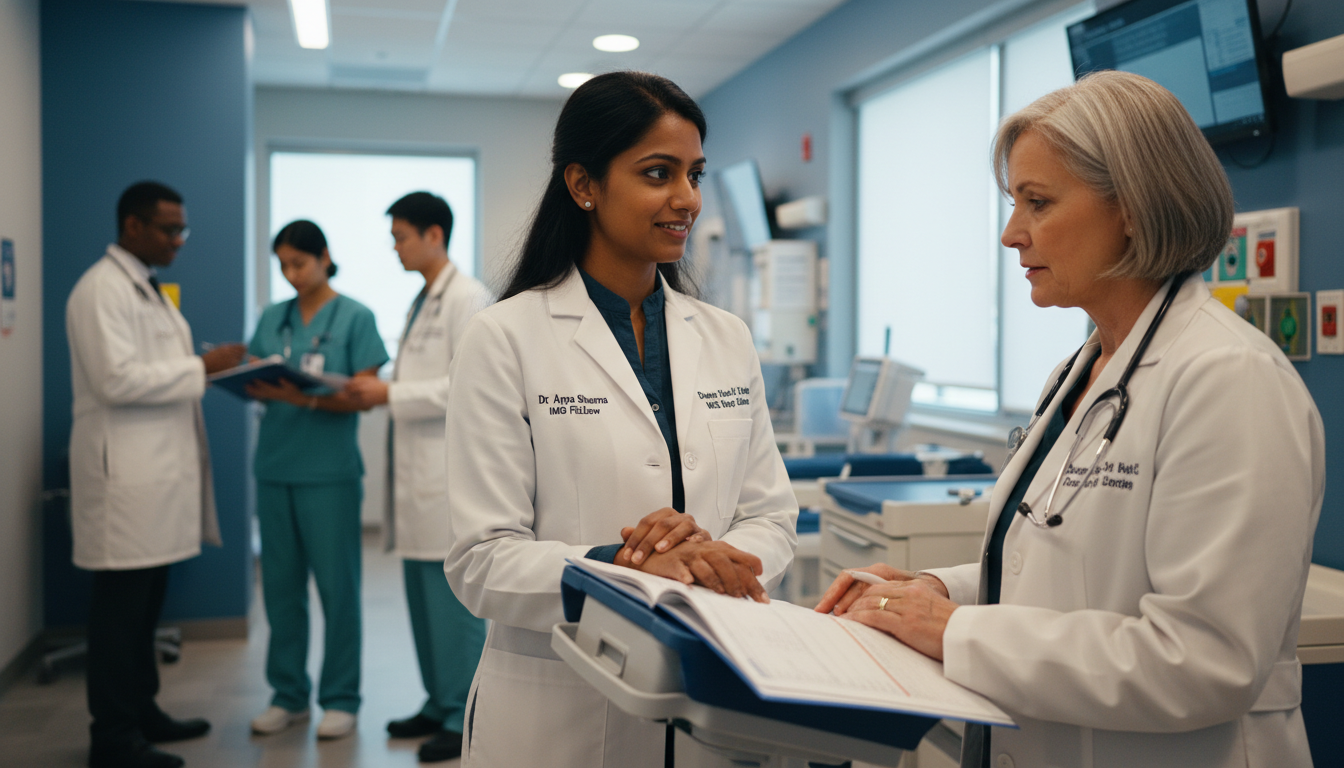
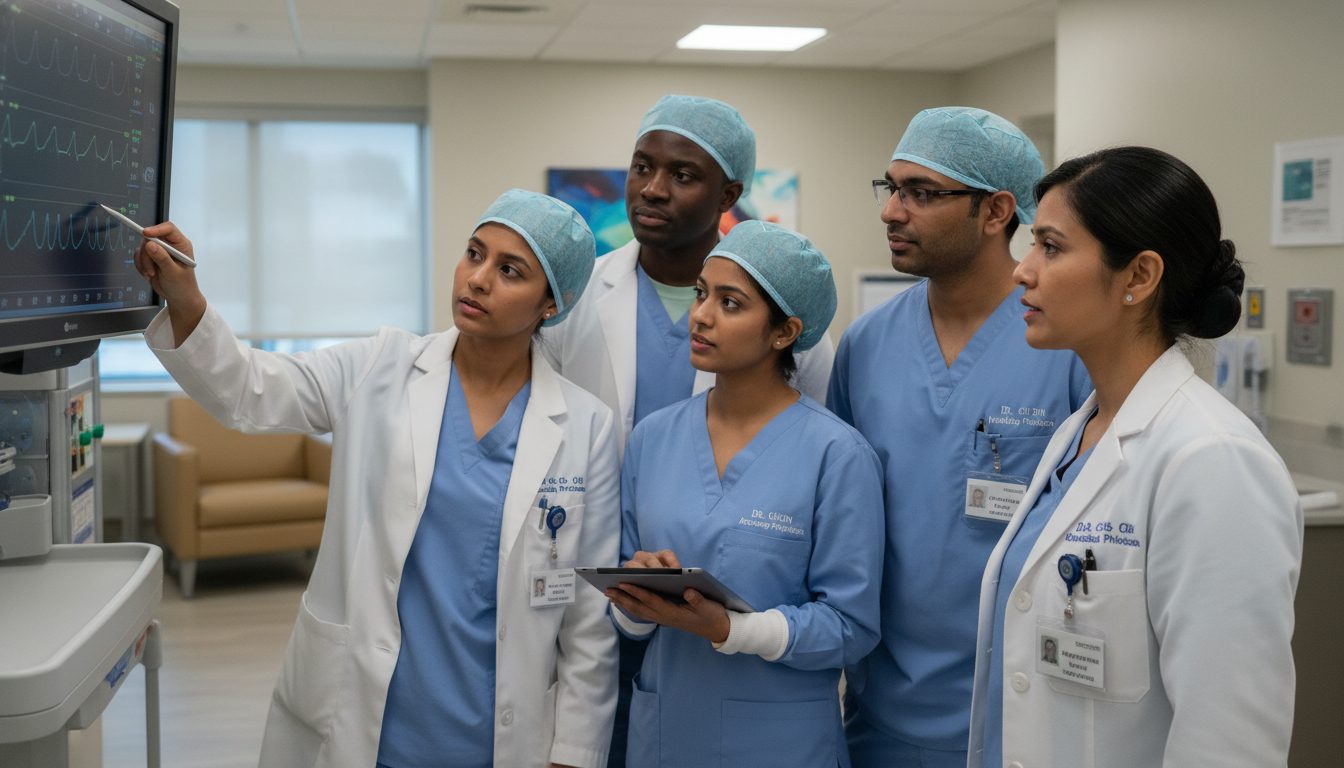
Obstetrics and gynecology rotations in the US are often intense, with early mornings, night shifts, and rapid clinical decisions. As a visiting student or extern, you will likely rotate through:
- Labor & Delivery (L&D) – triage, active labor, postpartum
- Gynecology OR – open and laparoscopic procedures
- Outpatient clinics – prenatal care, family planning, gynecology visits
Typical expectations:
- Arrive before sign-out and stay through team rounds
- Present patients concisely and clearly
- Help with notes, orders, and discharge summaries (as allowed)
- Assist in vaginal deliveries and surgeries under supervision
- Participate actively in teaching conferences and simulation sessions
Overcoming Common IMG Challenges on Rotation
Non‑US citizen IMGs often encounter similar obstacles:
Communication style
- US clinical communication tends to be direct, structured, and time-sensitive.
- Use standard frameworks: SBAR for communication, SOAP for notes, one‑liner summaries for presentations.
System unfamiliarity
- Learn common abbreviations, EMR workflows, and order entry processes early.
- Observe how residents document and mimic their structure (within institutional policies).
Cultural expectations
- Hierarchy is present but less formal than in some countries; professionalism is critical, but so is approachability.
- Address patients respectfully, confirm pronouns and preferences where relevant, and be sensitive to reproductive health values and autonomy.
Actionable Strategies to Stand Out (in a Good Way)
To convert an away rotation into interviews:
Be reliably excellent at the basics
- Arrive early, prepared with patient lists, vitals, and overnight events.
- Read about your patients’ conditions before rounds or procedures.
- Volunteer for tasks: “I can write that note,” “I’d be happy to follow up that lab,” “Can I help consent this patient?”
Show curiosity with purpose
- Ask focused questions that show you’ve done initial reading.
- Before a C‑section: “I reviewed the ACOG guidelines on repeat cesarean for prior uterine rupture—could you share how you counsel in borderline cases?”
Demonstrate technical growth
- Practice pelvic exams, speculum placement, suturing, and knot tying under supervision.
- Ask for feedback: “Could you watch my next repair and let me know one thing to improve?”
Communicate clearly about your goals
- Early in the rotation, tell the clerkship director or site coordinator:
- That you are a non‑US citizen IMG
- That you are strongly committed to OB‑GYN residency in the US
- That you hope to earn an honest, detailed letter of recommendation
- Early in the rotation, tell the clerkship director or site coordinator:
Be a positive team member
- Support interns and residents—your help can significantly reduce their workload.
- Never complain about hours or tasks; maintain professionalism even when tired.
- Share credit and avoid competition with other students.
Securing Strong Letters of Recommendation
For the obstetrics match, 2–3 OB‑GYN LORs are typical; as a foreign national medical graduate, you especially need at least 2 strong US‑based letters.
To optimize your LORs:
Identify 1–2 attendings or the clerkship director who:
- Saw you in multiple clinical settings
- Directly supervised your care and presentations
- Are familiar with residency selection
Request letters before the rotation ends:
- Ask in person if possible:
- “Would you feel comfortable writing a strong letter of recommendation for my OB‑GYN residency applications?”
- Provide your CV and a short paragraph about your career goals and any cases that you felt showed your skills.
- Ask in person if possible:
Follow up:
- Send a polite reminder 1–2 weeks later.
- Make sure the logistical details (ERAS letter portal, deadlines) are clear.
Integrating Away Rotations into a Cohesive OB‑GYN Match Strategy
Build a Coherent Narrative Across Rotations
Programs will look at your entire application—not just one rotation. Plan your experiences so that they tell one consistent story:
- Core theme: Your sustained interest in women’s health and OB‑GYN
- Supporting elements:
- Rotations in OB‑GYN in both your home country and the US
- Projects or audits in maternal health, cervical cancer screening, contraception access, etc.
- Volunteer work or advocacy involving women’s health or reproductive rights
Craft your ERAS personal statement to link:
- Your background as a non‑US citizen IMG
- Your observations about women’s health in your home country
- What you learned during US away rotations about systems, safety, equity, and high‑risk care
- Your long‑term vision as an OB‑GYN physician bridging global perspectives
Align Rotations with Your Application List
Use what you learn on away rotations to:
- Identify programs where you genuinely feel you would thrive
- Adjust your target list to include similar community vs academic environments
- Better answer “Why our program?” during interviews, with concrete examples from your rotation experiences
If you rotate at a program you love and that seems mildly interested in you:
- Make sure they know you plan to apply there
- Politely inform the program director or department coordinator once you have submitted your ERAS application
- If appropriate, consider a brief, specific update email later in the season (significant new achievements only)
Managing Costs and Burnout
Away rotations residency experiences are expensive, especially for international travelers:
- Budget for:
- Visa fees, travel, local housing, transportation, health insurance
- Additional costs like vaccination titers or TB testing
To reduce financial and emotional strain:
- Group rotations geographically when possible to minimize travel between sites.
- Look for hospital‑subsidized student housing or short‑term rentals close to public transport.
- Avoid stacking too many night‑heavy rotations back‑to‑back; OB‑GYN already carries a high workload.
Remember: your well‑being affects your performance. Taking one fewer away rotation but performing excellently in the others is often wiser than doing many at a mediocre level.
FAQs: Away Rotations for Non‑US Citizen IMGs in OB‑GYN
1. As a non‑US citizen IMG, is an OB‑GYN away rotation absolutely required to match?
Not absolutely—but it is highly beneficial and often a practical requirement for competitive candidates. Many OB‑GYN programs are cautious about applicants with purely foreign clinical experience. A US‑based OB‑GYN rotation gives you:
- At least one strong US letter of recommendation
- Evidence that you can function in a US L&D and OR environment
- A program advocate who understands your strengths beyond scores
If logistics or cost prevent an away rotation, supplement with observerships, OB‑GYN research, and other women’s health‑related experiences.
2. How many away rotations should I do specifically for OB‑GYN?
For most non‑US citizen IMG applicants:
- Aim for 2 OB‑GYN–focused US clinical experiences if possible.
- One can be at a larger academic center; the other at an IMG‑friendly community or university‑affiliated program.
- A third rotation may help if your prior experience is limited or your academic profile has weaknesses that you want to offset with strong, recent performance.
Quality of experience and letters matters more than simply increasing the number of visiting student rotations.
3. What if I can only get observerships, not hands‑on rotations? Will they still help my obstetrics match chances?
Yes, observerships are still valuable—especially if:
- You attend regularly and participate in teaching conferences and case discussions
- You build strong relationships with faculty who can write detailed, honest LORs describing your clinical reasoning and professionalism
- You use the opportunity to understand US systems, documentation, and patient‑centered communication
However, if you have a choice, prioritize any opportunity that allows hands‑on care and active participation.
4. I am a foreign national medical graduate already out of school for several years. How should I prioritize away rotations vs research?
In this situation, a balanced strategy works best:
- At least 1–2 OB‑GYN clinical experiences in the US (even if called “externships”) to obtain recent clinical LORs and show current competence.
- Research or scholarly work in OB‑GYN or related women’s health topics, especially if you can publish or present.
If your graduation date is older, program directors will look for recent, continuous engagement in clinical medicine and women’s health. One strong, recent rotation plus ongoing OB‑GYN research can be more persuasive than multiple rotations alone.
By planning your away rotation strategy intelligently—choosing the right programs, aligning rotations with your profile, and performing at a high level—you can significantly strengthen your candidacy as a non‑US citizen IMG pursuing OB‑GYN residency in the United States.