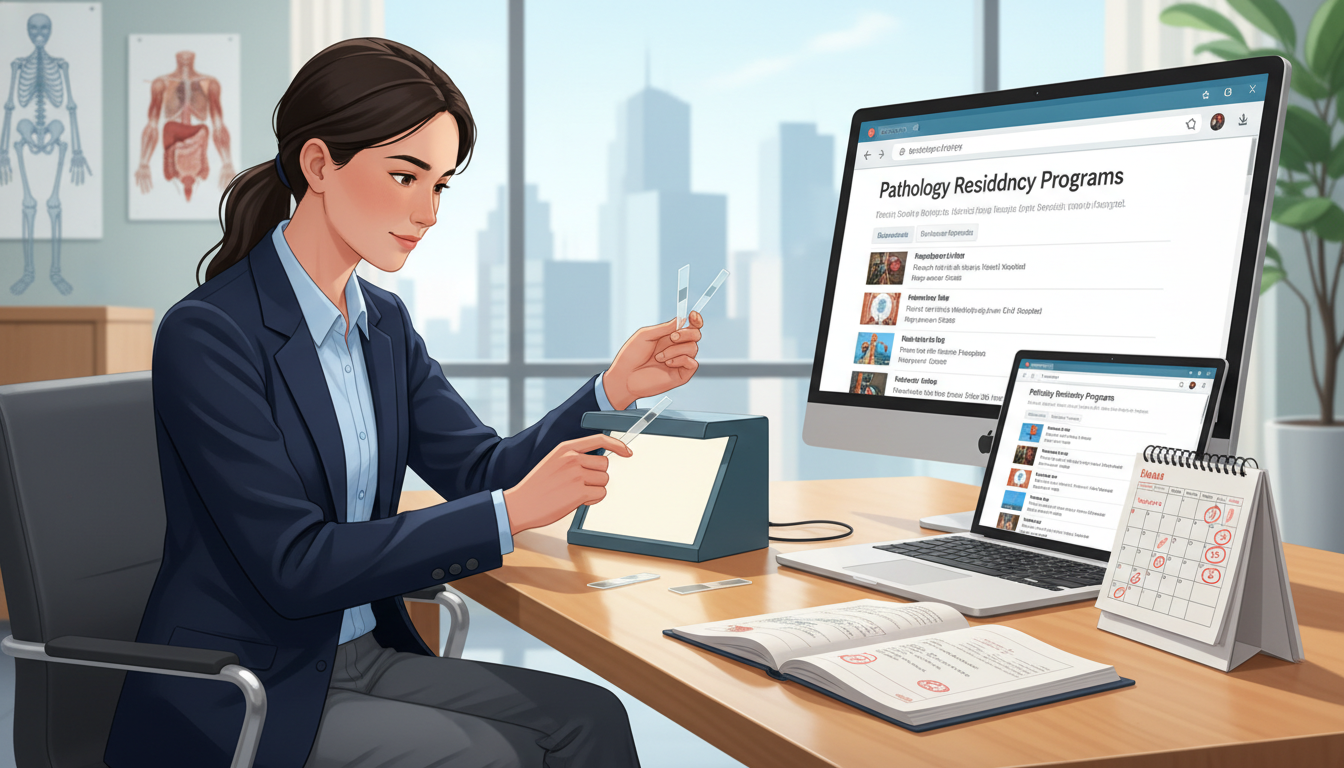
Understanding the Role of Away Rotations for DO Graduates in Pathology
Away rotations (also called visiting student rotations or “audition rotations”) are an increasingly important part of the osteopathic residency match strategy—especially in competitive or academically focused specialties like pathology.
For a DO graduate pursuing a pathology residency, away rotations can:
- Demonstrate that you can perform at the level of MD peers
- Provide exposure to academic pathology and subspecialties
- Generate strong, specialty-specific letters of recommendation
- Help programs get comfortable with a DO graduate’s training background
- Signal genuine interest in a specific program or geographic region
At the same time, away rotations come with cost, time, and opportunity trade-offs. You need a deliberate plan: where to rotate, when to rotate, and how many away rotations to pursue, all tailored to pathology and your individual profile as a DO graduate.
This article will walk you through a step‑by‑step away rotation strategy, with an emphasis on the osteopathic residency match in pathology.
Big Picture: How Away Rotations Influence the Pathology Match
Before diving into logistics, it helps to understand how program directors think about visiting student rotations in pathology.
Why Away Rotations Matter in Pathology
Pathology is a relatively small specialty; faculty and program directors often know each other across institutions. A strong performance on an away rotation can:
- Turn you from “unknown DO applicant” into a trusted candidate
- Counteract biases some programs may still hold about DO training
- Provide concrete evidence of your diagnostic reasoning, work habits, and professionalism
- Lead to personalized advocacy: “We should rank this student highly—I’ve worked with them.”
For pathology specifically, away rotations are especially helpful when:
- You come from a school without a robust pathology department or limited pathology exposure
- You are aiming for competitive academic pathology residency programs
- You’re targeting a region where DO graduates historically match less frequently
- You want early exposure to subspecialty areas (e.g., heme path, derm path, cytopathology)
When Away Rotations Matter Less
Away rotations are not mandatory for a pathology match, and there are cases where they’re less critical:
- If you already have a strong home pathology department with faculty who place graduates consistently into solid programs
- If you have robust pathology research and high‑quality letters from known faculty
- If your target programs are community‑based and historically DO‑friendly
For many DO graduates, though, doing at least one well‑chosen visiting student rotation is a smart way to strengthen your pathology match application.
Planning Your Pathology Away Rotations as a DO Graduate
The most common timing and number of away rotations questions are:
- “When should I do my pathology away rotations?”
- “How many away rotations do I actually need?”
Timing: When to Schedule Pathology Visiting Rotations
For most students, pathology away rotations happen in late 3rd year or early 4th year, but as a DO graduate looking ahead to the osteopathic residency match, your situation may differ slightly depending on when you graduated and your flexibility.
Ideal timing window (for traditional 4th-year students):
- July – October of application year are the most impactful months.
- Rotations completed by September can influence:
- Letters of recommendation for ERAS
- Program director perception at the time of interview offers
If you are already a DO graduate (post-degree) and arranging visiting rotations:
- Complete rotations before ERAS submission if possible (June–September).
- If that’s not feasible, rotations later in the fall can still help with:
- Late‑cycle interview offers
- Alignment for SOAP or a re-application year
Key considerations for timing in pathology:
- Pathology is less volume- or call-driven than many clinical specialties, so programs may be flexible about which month you come.
- Early rotations (July–August) often show a program you’re particularly enthusiastic and organized, but these months can be competitively filled on VSLO/VSAS.
- Rotations finishing in September still allow time for faculty to upload letters early in the application season.
How Many Away Rotations for Pathology?
“How many away rotations?” is one of the most common questions from DO graduates.
For pathology, a typical recommendation is:
- 1–2 away rotations for most DO applicants
- 2–3 away rotations for applicants:
- Without a strong home pathology presence
- Transitioning from another specialty
- Targeting highly competitive academic programs or specific high‑demand regions
Doing more than 3 away rotations in pathology often leads to diminishing returns and financial strain, without substantially improving your pathology match odds. It’s usually better to invest that time into:
- Dedicated Step 2/Level 2 study or score improvement
- Targeted research in pathology
- Enhancing your application with teaching, leadership, or QI projects
Choosing the Right Mix of Programs
A strategic away rotation list for a DO graduate might include:
One “reach/aspirational” academic program
- Well‑known university program with strong subspecialties
- A place where DO graduates can match, but where an in‑person rotation may be crucial for your visibility
One realistic but strong “target” program
- Either academic or hybrid academic-community
- Known to train DO graduates or have DO faculty
- Within a region you’d be genuinely happy to live in
(Optional) One geographically strategic program
- In a region where you have ties, a spouse/partner, or future plans
- Programs where an away rotation can demonstrate commitment to that area
If you have a strong home pathology rotation with supportive faculty and a track record of DO residents matching well, 1 external away rotation may be sufficient.

Selecting Programs: Strategy for DO Graduates Interested in Pathology
Not all away rotations are equally valuable, especially when you’re trying to optimize your osteopathic residency match odds in pathology.
Factors to Prioritize as a DO Graduate
DO-Friendliness and Match History
- Check program websites, FREIDA, past match lists from your school, and online forums.
- Look for programs that have current DO pathology residents or DO faculty.
- Ask upperclass DO graduates where they matched into pathology and whether they rotated there.
Strength of Pathology Training
- Robust case mix: academic medical center, cancer center, high surgical volume.
- Active subspecialties: heme, GI, derm, molecular, cytopathology, etc.
- Availability of structured teaching for visiting students.
Research and Mentorship Opportunities
- For DO graduates, especially those from institutions with limited pathology research, an away rotation at a strong academic center can provide:
- Access to ongoing pathology projects
- A potential abstract or poster for your CV
- Mentorship from subspecialty pathologists
- For DO graduates, especially those from institutions with limited pathology research, an away rotation at a strong academic center can provide:
Geographic Relevance
- Programs in regions where you want to live long-term.
- States where your DO school may be less known—an away rotation helps programs place you in context.
Program Culture and Fit
- Friendly, resident-supportive environment.
- A track record of teaching and involving students rather than sidelining them.
- Willingness to include visiting students in didactics, tumor boards, and conferences.
Red Flags When Choosing Pathology Away Rotations
Be cautious about:
- Programs with no visible DO presence and no clear history of taking DO residents, especially if they are extremely academic and competitive. One such rotation can be worth trying, but don’t build your entire away schedule around them.
- Rotations that appear completely observational, with limited interaction with faculty or slides. For letters and evaluation, you want a place where you can be meaningfully involved.
- Sites where prior visiting DOs reported little engagement or indifferent faculty support.
Using VSLO/VSAS and Off‑Cycle Arrangements
Most US programs list their visiting student rotations through VSLO/VSAS, but DO graduates and international applicants may sometimes need to inquire directly.
Action steps:
- Start early (6–9 months ahead): Many pathology away spots fill early.
- Prepare documents: Updated CV, transcript, proof of immunizations, Step/COMLEX scores, background check documents, and sometimes a statement of interest.
- Contact coordinators: If a program isn’t on VSLO or states “MD only,” politely ask if they can consider a DO graduate with completed degree and licensing exams; some are flexible.
- Have backups: Apply to more sites than you ultimately want, anticipating that some may not have capacity or DO eligibility.
Succeeding on Away Rotations: Performance, Perception, and Letters
Getting the rotation is only half the work; converting it into a high-impact experience for your pathology match is the critical step.
What Pathology Faculty Look for in Visiting DO Students
Faculty generally care less about whether you’re a DO or MD and more about:
- Intellectual curiosity and eagerness to engage
- Ability to integrate clinical information into your pathology thinking
- Reliability, punctuality, and professionalism
- Willingness to read independently and come back with questions
- Comfort handling uncertainty and asking for clarification
On a pathology away rotation, you may not be responsible for independent sign‑out, but you can still show that you think like a future pathologist.
Day‑to‑Day Strategies for Strong Performance
Arrive Early, Stay Engaged
- Show up slightly early to sign‑out sessions and conferences.
- Review cases ahead of time if possible; familiarize yourself with common entities on each service (e.g., GI, breast, gyn).
Ask Focused, Prepared Questions
- Example: “I noticed this case was called a low‑grade follicular lymphoma. Can you walk me through the key morphologic and immunohistochemical features that distinguish it from reactive follicular hyperplasia?”
- Avoid constant interruption with basic questions—read first, then ask higher‑yield ones.
Demonstrate Work Ethic and Independence
- Offer to pre-screen cases, look up prior reports, or draft preliminary findings (within supervision and institutional rules).
- Take notes and create summary tables or quick references for yourself.
Engage with Multidisciplinary Aspects
- Attend tumor boards and clinico‑pathologic conferences when allowed.
- Show that you understand how pathologic diagnoses guide treatment decisions.
Be a Good Team Member
- Treat everyone—residents, PAs, gross room staff, histotechs—with respect.
- Volunteer to help with small tasks that lighten the team’s load.
Generating Strong Letters of Recommendation from Away Rotations
A key goal of away rotations is high‑quality letters for your pathology residency application.
To maximize your chances:
- Identify potential letter writers early
- Pathology faculty who’ve worked closely with you at sign‑out
- Rotation directors who supervised your overall performance
- Ask explicitly and at an appropriate time
- Near the end of the rotation: “I’m applying in pathology and would be honored if you’d feel comfortable writing a strong letter of recommendation for my residency applications.”
- Provide supporting materials
- CV, personal statement draft, any prior pathology experience
- A short bullet list reminding them of cases, projects, or feedback you received
- Clarify DO background positively
- Without being apologetic, you can mention: “As a DO graduate I’ve valued my training in whole-person, systems-based care and I’m excited to bring that perspective into pathology.”
Remember: a targeted, specific letter from a well‑regarded pathologist who genuinely worked with you is more impactful than a generic letter from a famous name who barely knows you.
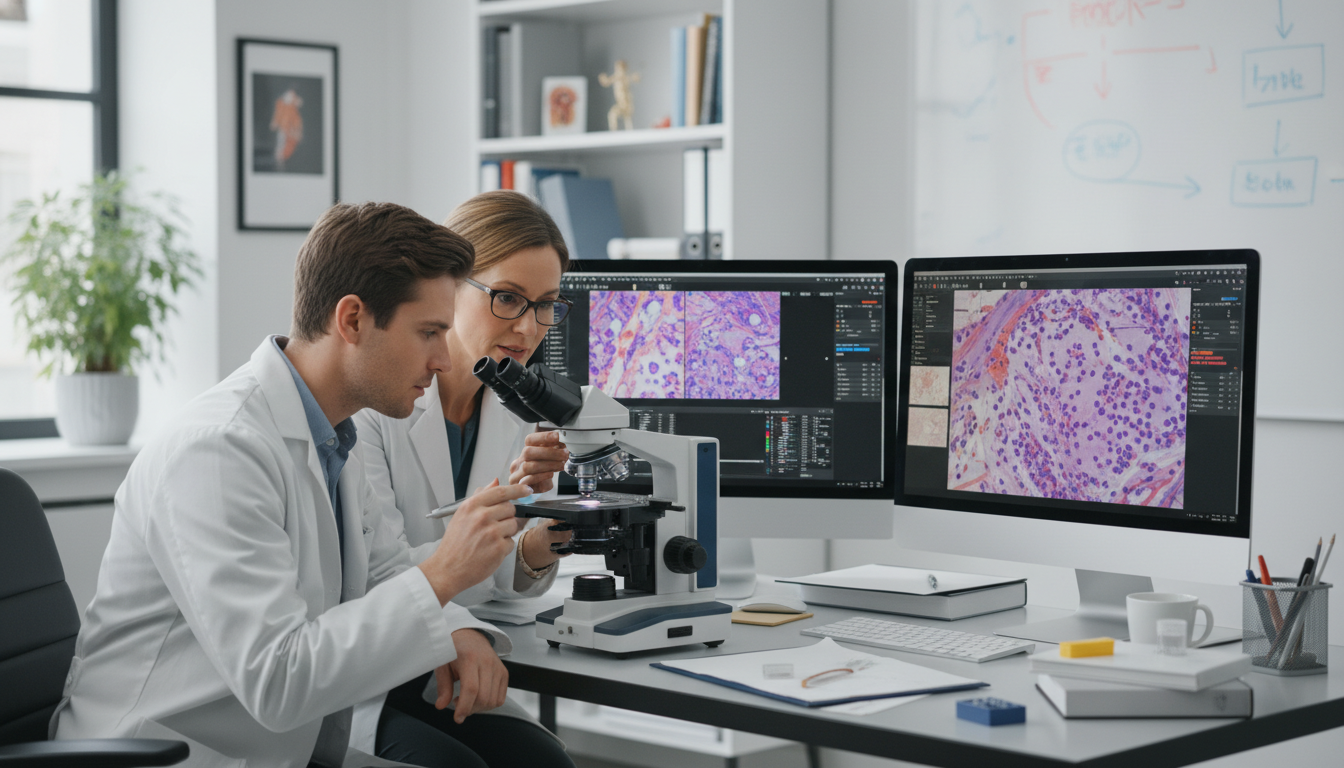
Integrating Away Rotations into a Successful Pathology Match Strategy
Away rotations are one pillar of your osteopathic residency match plan in pathology; they must align with your broader strategy.
Aligning Rotations with Your Application Narrative
Use your visiting student rotations to support a cohesive story about:
- Why pathology?
- Why this type of training environment (academic, community, or hybrid)?
- Why these regions or programs?
- How your DO background enhances your approach to pathology?
Examples:
- If you’re emphasizing oncologic pathology interest, choose away rotations at cancer centers or large academic hospitals with strong tumor boards and heme path.
- If your narrative emphasizes underserved populations, pick programs that serve safety-net hospitals or have strong community outreach elements.
Pathology vs. Other Rotations Late in Medical School
For DO graduates, especially those balancing requirements for core clerkships, electives, and board exams, consider:
- You typically don’t need as many away rotations in pathology as in ultra-competitive specialties like dermatology or ortho.
- One strong away rotation plus a robust home rotation can be enough to demonstrate commitment and competence.
- Additional time may be better spent:
- Improving board scores (particularly Step 2/Level 2)
- Completing a pathology research project and presenting a poster
- Strengthening your CV with teaching or leadership roles in pathology-related interest groups
Budgeting and Logistics as a DO Graduate
Away rotations can be expensive. Plan for:
- Application fees (VSLO, institutional processing)
- Travel and housing for 4–6 weeks per site
- Meals, transportation, and incidental costs
Action steps:
- Look for short‑term student housing near hospitals or use program‑provided options, if available.
- Ask whether the pathology department has any small stipends for visiting students (rare, but sometimes available).
- If cost is a major barrier, focus on one high‑impact away rotation rather than several lower‑yield ones.
Frequently Asked Questions: Away Rotations for DO Graduates in Pathology
1. As a DO graduate, do I need an away rotation to match into pathology?
Not strictly, but an away rotation is often very beneficial. If you have a strong home pathology department with supportive faculty and DO‑friendly connections, you may do well without one. For many DO graduates, however, at least one visiting student rotation can significantly strengthen their pathology match prospects by providing MD-environment exposure, visible performance, and strong letters.
2. How many away rotations should I do if I’m targeting academic pathology programs?
Most DO applicants aiming for academic pathology do well with 2 away rotations: one “reach” academic program and one realistic, DO‑friendly academic or hybrid program. A third may be useful if you lack a home pathology rotation or are switching from another specialty, but beyond that, the benefit usually plateaus compared to investing time in research, exam performance, or scholarly activities.
3. Will programs see me differently as a DO graduate compared to MD applicants on away rotations?
Some programs may be less familiar with DO training, but on an away rotation, your performance is what matters most. If you demonstrate strong pathology fundamentals, solid clinical reasoning, professionalism, and enthusiasm, faculty are usually more focused on your capabilities than your degree type. Away rotations are an opportunity to counteract any residual bias by showing you function at or above the level of MD peers.
4. If I can only afford one away rotation, how should I choose it?
Prioritize a program that offers the best combination of:
- DO-friendliness and a history of matching DO graduates,
- Strong pathology training and subspecialty exposure,
- Realistic chances of you ranking and matching there, and
- A geographic area you’d genuinely be happy to live in.
One impactful, well‑chosen away rotation—where you work closely with faculty, receive detailed feedback, and secure a strong letter—is far more valuable than several superficial or poorly matched rotations.
A thoughtful away rotation strategy—focused on quality over quantity, alignment with your pathology interests, and DO‑friendly environments—can significantly enhance your pathology residency application. By planning early, choosing programs wisely, and performing at a high level on rotation, you can turn visiting student experiences into powerful assets in the pathology match.