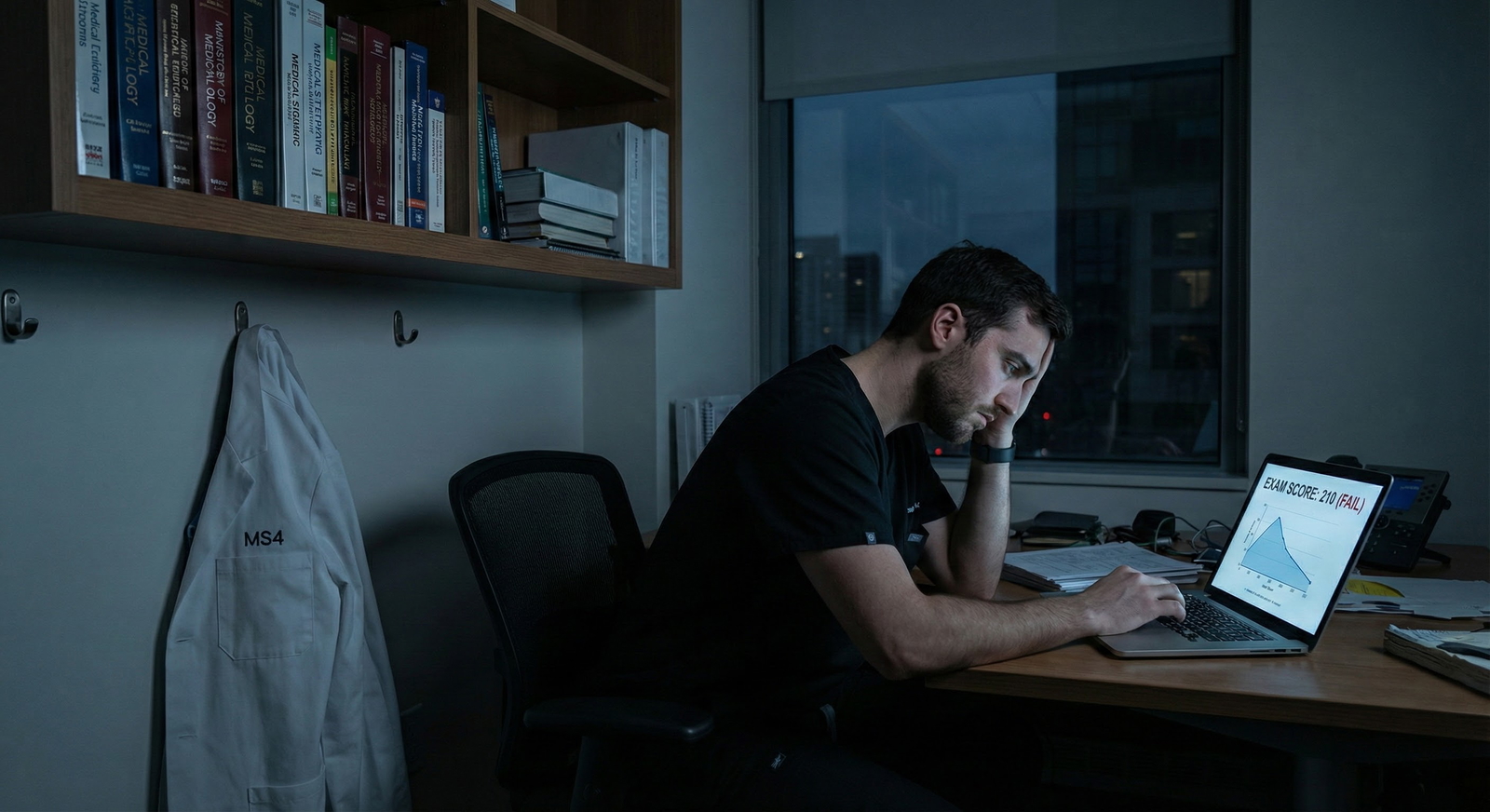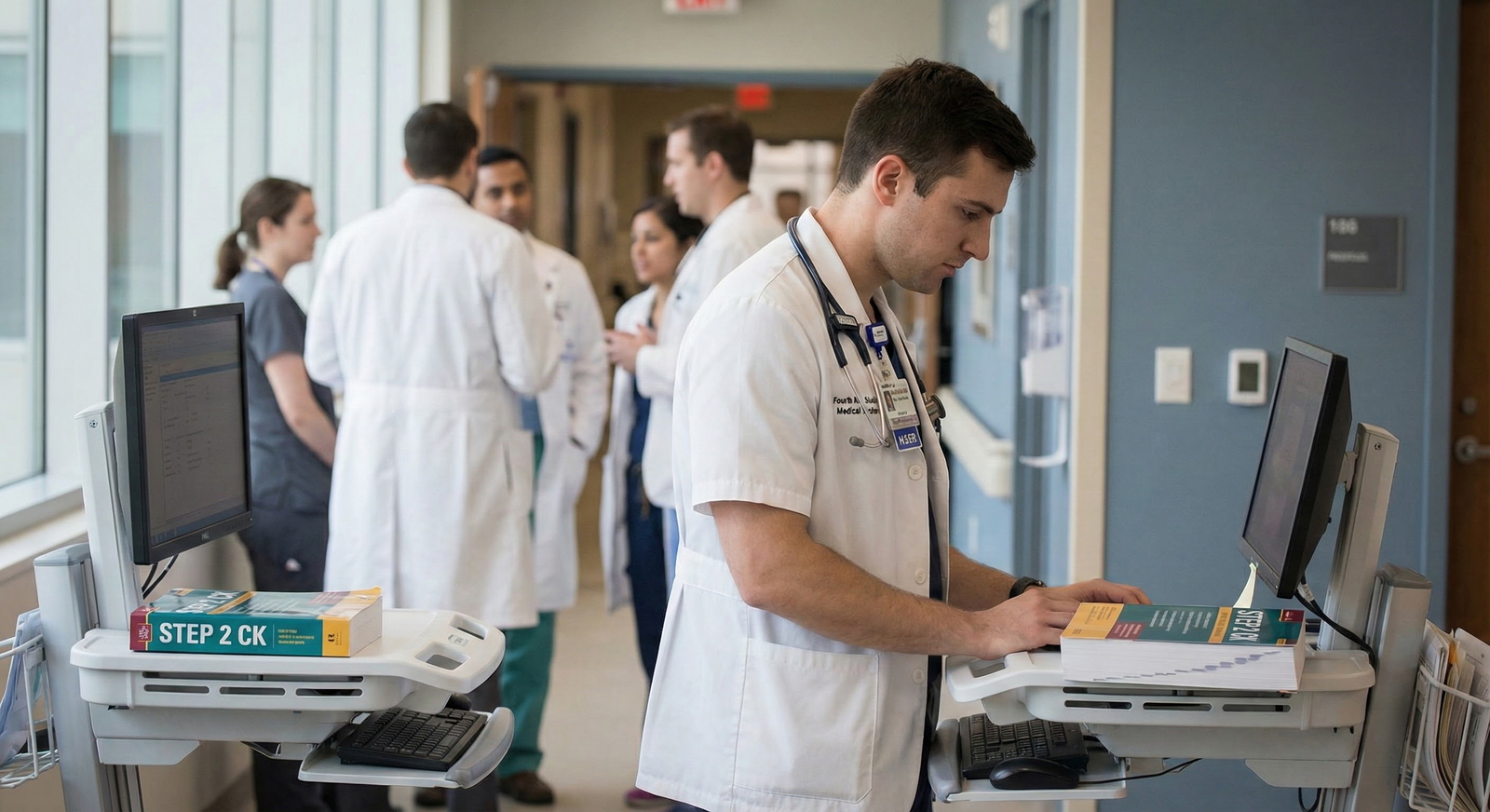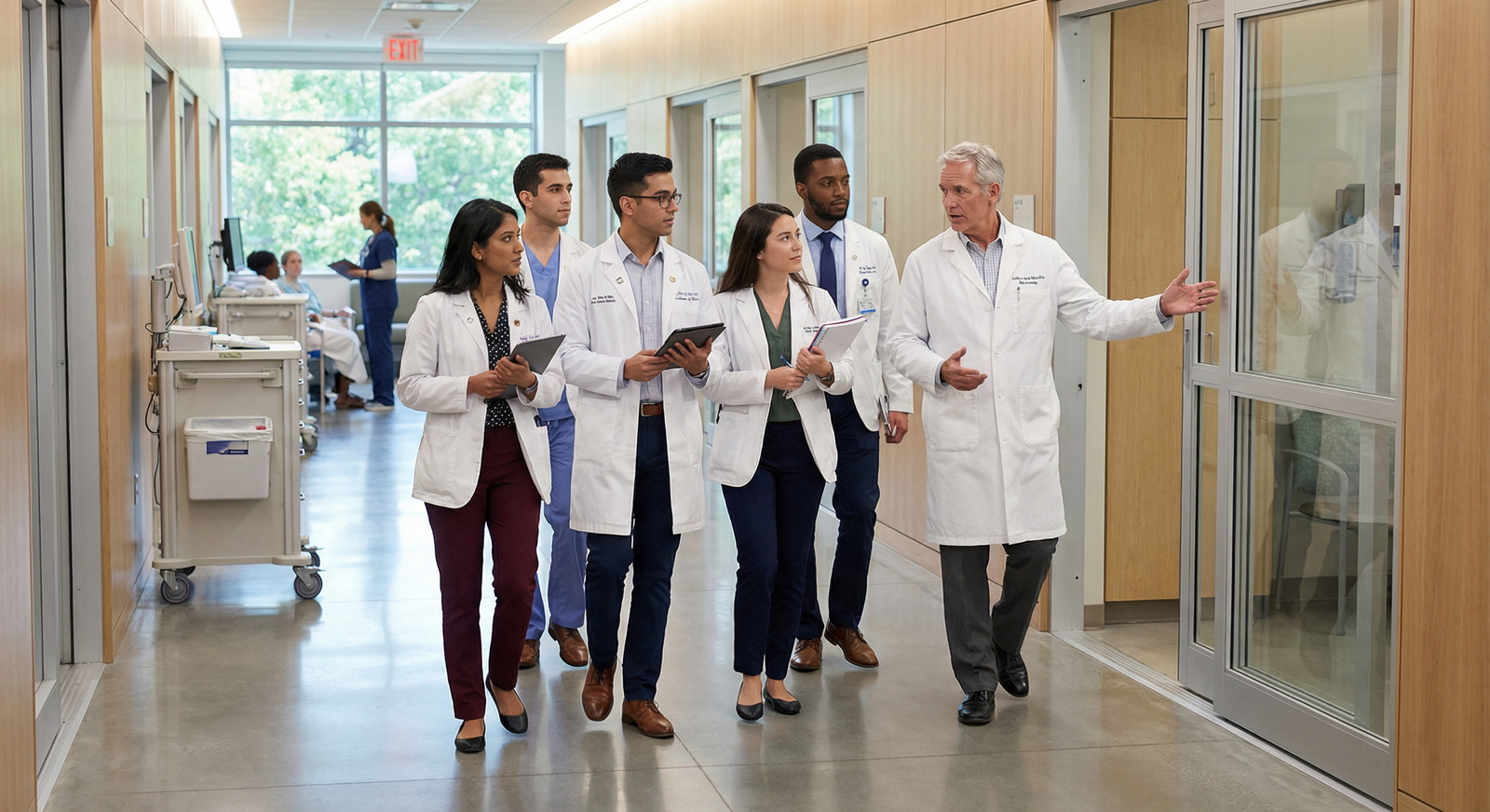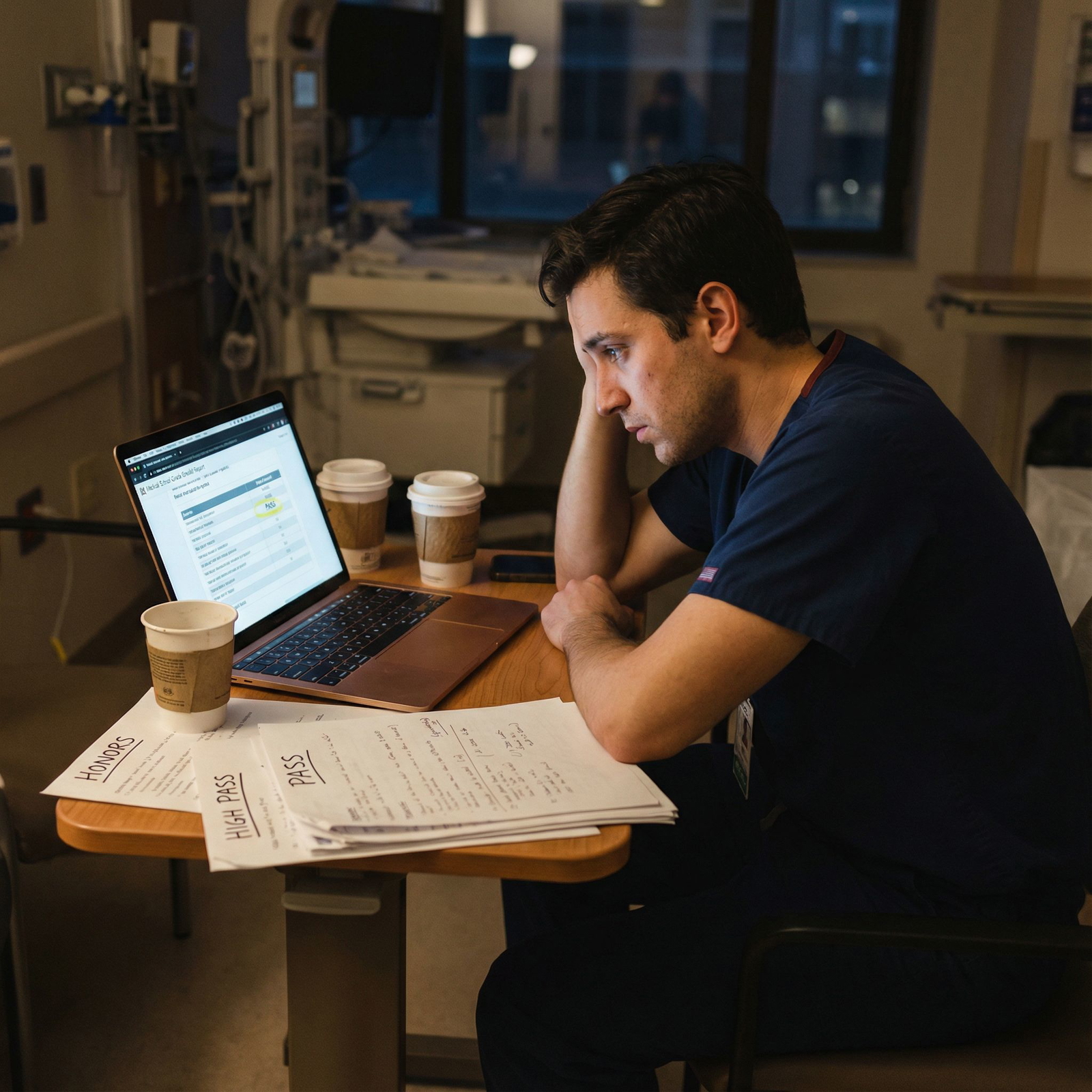
Navigating away rotations as a Caribbean IMG pursuing diagnostic radiology is both a high-yield opportunity and a significant logistical challenge. Used strategically, visiting student rotations can transform your Caribbean medical school residency prospects, strengthen your SGU residency match (or other Caribbean school) outcomes, and position you as a competitive candidate for the diagnostic radiology match in the U.S.
Below is a comprehensive, practical guide to building an away rotation strategy tailored specifically to Caribbean IMGs targeting diagnostic radiology.
Understanding the Role of Away Rotations for Caribbean IMGs
Away rotations (also called “visiting student rotations,” “audition electives,” or “sub-internships”) are short-term clinical experiences at institutions other than your home or affiliated hospitals. For Caribbean medical students, they are often at U.S. teaching hospitals where you hope to match.
Why Away Rotations Matter More for Caribbean IMGs
As a Caribbean IMG, you start with some structural disadvantages compared with U.S. MD students:
- Less name recognition of your medical school
- Fewer built-in affiliations with large academic centers
- Potential bias against IMGs in some radiology programs
Well-chosen away rotations directly counter some of these barriers by:
Providing U.S. radiology exposure at your target institutions
- Shows you can function in a U.S. academic environment.
- Familiarizes you with the workflow of a radiology department: PACS, structured reporting, multi-disciplinary conferences, etc.
Allowing you to generate strong, program-specific letters
- Diagnostic radiology match committees heavily weight letters from U.S. radiologists.
- A personalized letter from a program where you rotated can be the difference between “screened out” and “interview invite.”
Giving you a chance to demonstrate “fit”
- Programs ask: “If we rank this person highly, will they actually thrive here?”
- Good away rotations create an internal champion: a faculty member or chief resident who advocates for you during rank meetings.
Expanding your networking
- Meeting program directors (PDs), associate PDs, and faculty who may:
- Email PDs at other institutions on your behalf.
- Suggest programs more open to Caribbean IMGs and help with strategy.
- Meeting program directors (PDs), associate PDs, and faculty who may:
Providing U.S.-style evaluations
- Standardized evaluation forms and narratives that can be included in your MSPE/Dean’s letter or uploaded as supplemental documents.
For a Caribbean IMG in diagnostic radiology, away rotations are not optional “nice-to-have” experiences; they are often central pillars in a strong Caribbean medical school residency strategy.
How Many Away Rotations? Building a Rational Plan
One of the most common questions is: how many away rotations should I do if I want to maximize my diagnostic radiology match chances without burning out or depleting finances?
General Targets for Caribbean IMGs in Radiology
For diagnostic radiology, consider the following as a framework:
Total away radiology rotations:
- Aim for 2–3 radiology-focused away rotations if possible.
- Minimum of 1 strong away rotation is better than 3 mediocre or poorly planned ones.
Timing:
- Ideal window: Fourth-year (or final-year) fall and early winter, such that:
- You complete most radiology away rotations before ERAS applications and letters are due (September–October).
- If your school calendar is different (common for Caribbean schools), adjust so that key rotations finish before application deadlines.
- Ideal window: Fourth-year (or final-year) fall and early winter, such that:
Balance with other priorities:
- You still need:
- Strong internal medicine/surgery core rotations (for baseline US clinical competency perception).
- Time to study for and pass Step 2 CK with a competitive score.
- Do not sacrifice Step 2 CK performance to add another away rotation; radiology programs are score-sensitive.
- You still need:
Example Rotation Plan for a Caribbean IMG (Radiology)
Suppose you are an SGU student targeting the diagnostic radiology match:
Third year / Early clinical years
- Core clerkships: internal medicine, surgery, pediatrics, OB/GYN, psychiatry, family medicine at affiliated U.S. sites.
- If possible, 1–2 weeks shadowing in radiology at your core site to:
- Confirm interest.
- Get an early radiologist mentor.
Late third year / Early fourth year
- 1st radiology away rotation at a mid-tier academic or community-academic hybrid program friendly to Caribbean IMGs.
- Target: June–August (or equivalent in your calendar cycle).
- Goal: Earn 1 strong department letter and exposure to U.S. diagnostic radiology.
Fourth year (primary application cycle)
- 2nd radiology away rotation at a program you would strongly consider ranking in your top 5–10.
- Schedule before or around ERAS deadline if possible; if later, a letter can still help updates or signal interest.
- Optional 3rd radiology or IR rotation:
- Helpful if first two did not yield strong letters or if you’re trying to pivot to more IMG-friendly programs.
- Make sure it doesn’t interfere with interviews.

Choosing Where to Rotate: Program Selection Strategy
Not all away rotations contribute equally to your Caribbean medical school residency outcomes. Strategic targeting matters.
Factors to Prioritize When Selecting Radiology Away Rotations
IMG and Caribbean-Friendly Track Record
- Check program websites and residency rosters:
- Do they currently train IMGs, especially Caribbean grads?
- Are there SGU, AUC, Ross, or other Caribbean alumni?
- Look at FREIDA or program social media for:
- Published match lists.
- Resident bios and medical schools.
- Check program websites and residency rosters:
Program Tier vs. Realistic Competitiveness
- While it’s tempting to target “brand-name” institutions, as a Caribbean IMG:
- High-tier, IMG-averse programs are unlikely to rank you highly, even with a good away rotation.
- Upper-mid-tier or regional academic centers that routinely accept IMGs are more rational targets.
- It is often better to be a top-performing away student at an IMG-friendly program than an average away student at a prestigious but IMG-resistant institution.
- While it’s tempting to target “brand-name” institutions, as a Caribbean IMG:
Program Culture and Size
- Larger programs (8–12 residents per class) may:
- Have more room to accommodate IMG applicants.
- Be more neutral or favorable toward Caribbean medical school residency candidates.
- Programs with strong educational structures (conferences, case-based teaching, simulation) are often more receptive to motivated visiting student rotations.
- Larger programs (8–12 residents per class) may:
Geographic Strategy
- Concentrate your away rotations in regions where you could realistically live and would be happy matching.
- Radiology programs may favor applicants with ties to their region; use away rotations to create or strengthen regional ties:
- “I did my internal medicine core in New Jersey, my away rotation in Pennsylvania, and I have extended family in the Northeast.”
Diagnostic Radiology vs. Interventional Radiology (IR)
- For most Caribbean IMGs specifically targeting diagnostic radiology residency, prioritize:
- Diagnostic radiology rotations over IR-only electives.
- IR exposure is fine (and sometimes integrated), but letters and evaluations from core diagnostic radiology faculty/PDs usually carry more primary weight for the diagnostic radiology match.
- For most Caribbean IMGs specifically targeting diagnostic radiology residency, prioritize:
Sources for Identifying Programs
- Your school’s clinical placement office
- Often has lists of hospitals that have previously taken Caribbean students for visiting student rotations.
- Alumni networks
- Reach out to SGU/other Caribbean graduates in diagnostic radiology:
- Ask where they rotated.
- Which programs were receptive.
- Reach out to SGU/other Caribbean graduates in diagnostic radiology:
- Program websites and VSLO/VSAS
- Many U.S. programs list their elective opportunities through VSLO (Visiting Student Learning Opportunities).
- Some community programs that don’t use VSLO may accept students via direct email to the coordinator.
Applying for Visiting Student Rotations: Logistics and Timing
Understanding the Application Pathways
VSLO (VSAS)
- Used by many U.S. allopathic schools to manage visiting student rotations.
- Caribbean schools are increasingly part of VSLO; check with your dean’s office:
- If your school participates, you can browse and apply centrally.
Direct Institutional Applications
- Some programs, particularly community or smaller academics, do not participate in VSLO.
- They may have:
- Paper/PDF application forms.
- A dedicated visiting student coordinator’s email on the department or GME website.
Department-Specific Electives
- Some institutions require you to be accepted as a visiting student by the medical school, then apply separately to the radiology department.
- Read instructions carefully to avoid missed deadlines.
Key Documents You’ll Need
Prepare these early so you can apply rapidly once opportunities open:
- CV tailored for radiology (highlight imaging experiences, research, and board scores).
- USMLE Step 1 (and Step 2 CK if completed) score reports.
- Official transcript from your Caribbean medical school.
- Dean’s letter or good standing letter.
- Immunization records, including:
- Hep B, MMR, Varicella, Tdap, TB test, flu shot, COVID as required.
- Proof of malpractice coverage (often provided by your school).
- Background check and drug screen, if necessary.
- BLS/ACLS certifications if required.
Application Timeline
For most U.S. schools:
- Applications for academic year rotations often open 4–6 months in advance, sometimes earlier.
- For a July–September rotation:
- Aim to have your applications ready by January–March of that same year.
- As a Caribbean IMG:
- Slots can be competitive; applying early increases your chances.
- Have flexible month options (e.g., willing to rotate in August or October, not just September).

Maximizing the Educational and Match Value of Your Rotation
Simply showing up for an away rotation is not enough. As a Caribbean IMG, you must intentionally convert that time into:
- Strong letters of recommendation
- Program advocates
- Clear evidence of your ability to excel in a U.S. radiology environment
Expectations of a Radiology Visiting Student
Diagnostic radiology away rotations are often less “hands-on” than surgical or internal medicine electives, but there’s plenty you can actively contribute:
- Pre-round on imaging studies before readouts, especially if you have assigned cases or lists.
- Prepare concise, structured case presentations:
- “This is a 45-year-old male with RLQ pain. On CT, there is a dilated appendix …”
- Ask targeted, high-yield questions:
- Not: “What is this?” for every image.
- Instead: “How do you differentiate X from Y?” or “In this trauma CT, what are the most time-critical findings to rule out?”
Professionalism and Work Ethic
As a Caribbean IMG, your professionalism is scrutinized carefully. Excel in:
- Punctuality and reliability
- Arrive early, stay until the team is finished or your attending excuses you.
- Respectful communication
- Address attendings and residents professionally.
- Listen more than you speak; avoid dominating the reading room chatter.
- Adaptability
- Different attendings read differently; follow their workflow.
- If you’re assigned to IR or breast, embrace it fully, even if you prefer neuroradiology.
Asking for Letters of Recommendation
Letters from U.S. diagnostic radiology faculty are crucial for your diagnostic radiology match and SGU residency match prospects.
Best practices:
Identify 1–2 attendings who:
- Have seen your work repeatedly.
- Have given you feedback.
- Are known to be supportive of students.
Ask near the end of your rotation, in person if possible:
- “Dr. X, I’ve really appreciated working with you this month. I’m applying to diagnostic radiology residency as a Caribbean IMG and would be very grateful if you felt you could write a strong, supportive letter of recommendation on my behalf.”
Provide:
- Updated CV.
- Personal statement draft.
- ERAS letter submission instructions.
- A brief reminder of specific cases or contributions you made.
Converting the Rotation into Interview Invitations
During your away rotation:
- Express genuine interest in the program, but don’t oversell:
- “I’ve really enjoyed seeing the case mix here and could definitely see myself thriving in this kind of environment.”
- Meet the PD or APD if possible:
- Introduce yourself professionally.
- Ask 1–2 thoughtful questions about:
- Resident training structure.
- Educational philosophy.
- Follow up after the rotation:
- Short email thanking key faculty.
- When ERAS season begins, you may update them:
- “I have submitted my ERAS application and have applied to your diagnostic radiology program. I greatly valued my away rotation experience at your institution.”
These steps can help your name stand out when the program reviews its applicant pool.
Financial, Logistical, and Personal Considerations
Away rotations are expensive and logistically complex—especially if you’re traveling from a Caribbean base or between U.S. cities.
Budgeting and Cost Control
Budget items include:
- Application fees (VSLO and institution-specific)
- Housing (short-term rentals, sublets, extended-stay hotels)
- Transportation (flights, rental cars, public transit)
- Food and local living costs
- Required background checks, drug screens, or vaccines
Cost-saving strategies:
- Apply to fewer, high-yield rotations rather than many low-yield options.
- Use:
- Student housing networks.
- RotatingRoom.com or similar platforms.
- Hospital-affiliated housing if available.
- Consider rotations in locations where:
- You have family or friends.
- You already have housing from prior cores.
Visa and Legal Status (If Applicable)
If you are a non-U.S. citizen Caribbean IMG:
- Confirm:
- You are legally allowed to do clinical rotations in the U.S. with your current visa or immigration status.
- Work with:
- Your school’s international office.
- The host institution’s GME or student affairs office.
Some institutions limit visiting rotations to:
- U.S. citizens and permanent residents
- Students from certain partner schools
Check these policies early to avoid wasted applications.
Balancing Away Rotations with Step Exams and Applications
Away rotations can be demanding in time and attention. As a Caribbean IMG:
- Do not schedule an away rotation during the few weeks immediately before Step 2 CK.
- Avoid overlapping the most hectic weeks of ERAS submissions with your busiest rotation month if possible.
- If unavoidable, plan your ERAS work (personal statement, CV, program list) well in advance.
Common Pitfalls and How to Avoid Them
Overloading on Away Rotations
- Doing 4–5 away rotations may:
- Burn you out.
- Drain finances.
- Add little incremental benefit beyond the first 2–3.
- Focus on quality, not sheer number.
- Doing 4–5 away rotations may:
Choosing Only “Dream” Programs with Poor IMG History
- If a program has zero IMGs or Caribbean graduates in the last 5–10 years, it’s likely low-yield as an away rotation site.
- Use one “reach” rotation if you have a standout application, but anchor the rest in IMG-friendly places.
Treating the Rotation like Extended Shadowing
- Passive observation leads to lukewarm evaluations.
- Engage actively:
- Read cases.
- Present findings.
- Ask thoughtful questions.
- Offer to help with teaching files or small projects.
Not Clarifying Expectations
- At the start of your rotation, ask:
- “What are your expectations for visiting students?”
- “How can I best contribute?”
- Some sites want:
- Daily case presentations.
- Student talks.
- Participation in call or evening readouts.
- At the start of your rotation, ask:
Failing to Request Letters or Feedback
- Faculty may assume you already have letters lined up unless you explicitly ask.
- Don’t leave without requesting feedback and, if appropriate, a letter.
Putting It All Together: A Sample Strategic Plan
Here’s a hypothetical strategy for a Caribbean IMG (SGU student) targeting the diagnostic radiology match:
- Step 1: Score in a competitive range for radiology (for example, Step 2 CK ≥ 235–245 if possible).
- Pre-Rotation Preparation:
- Do an online radiology fundamentals course or read an intro text (e.g., Felson’s Chest, basic neuroimaging) so you can hit the ground running.
- Away Rotation 1: Mid-tier academic institution in the Midwest with multiple IMGs in its radiology program.
- Goals:
- Show strong work ethic.
- Get a radiology faculty letter.
- Goals:
- Away Rotation 2: Regional academic center or community-academic hybrid in the Southeast with known Caribbean alumni.
- Goals:
- Demonstrate regional interest.
- Connect with PD/APD.
- Goals:
- Home-Affiliated Radiology Experience: Core or elective at one of your school’s primary U.S. teaching sites.
- Goal:
- Another radiology letter, ideally from a faculty member well-known in the community or with connections elsewhere.
- Goal:
By the time you apply through ERAS, you could have:
- 2–3 U.S. radiology letters (one from each away site, one from a home-affiliated site).
- Documented U.S. radiology experience at multiple institutions.
- At least one program where you are a “known quantity” and strongly considered for interview.
This integrated approach uses away rotations as a deliberate tool to improve your Caribbean medical school residency and diagnostic radiology match prospects, rather than an ad hoc collection of electives.
FAQs: Away Rotations for Caribbean IMG in Diagnostic Radiology
1. How many away rotations do I really need for a diagnostic radiology match as a Caribbean IMG?
Most Caribbean IMG applicants aiming for a diagnostic radiology match do well with 2–3 radiology-focused away rotations. One strong away rotation is better than multiple weaker ones. More than three away rotations rarely adds significant benefit and can hurt your Step 2 prep or finances.
2. Should I prioritize “big-name” academic centers or IMG-friendly programs?
As a Caribbean IMG, it is usually more effective to prioritize IMG-friendly or Caribbean-friendly programs over purely “prestige.” A balanced approach might include:
- 1 rotation at a higher-tier institution if you have strong scores and research.
- 1–2 rotations at mid-tier or community-academic programs with known IMG acceptance.
3. Do I need a radiology letter from every away rotation?
You don’t need a letter from every site, but you should aim for 2–3 strong U.S. radiology letters total. If a faculty member from your away rotation hasn’t worked closely with you, it may be better not to request a letter from them. Focus on quality and specificity over quantity.
4. Are visiting student rotations absolutely required to match into radiology as a Caribbean IMG?
Not absolutely—but they are strongly advantageous. Some Caribbean IMGs match diagnostic radiology without away rotations, but:
- Programs may have a harder time assessing your U.S. radiology readiness.
- You lose opportunities for targeted letters and networking. If resources allow, at least one high-yield away rotation in diagnostic radiology strongly strengthens your application and should be considered part of a robust Caribbean medical school residency strategy.
A thoughtful away rotation strategy—designed around your specific strengths, limitations, and goals as a Caribbean IMG—can substantially enhance your chances in the diagnostic radiology match. Plan early, choose programs strategically, and treat each visiting student rotation as both a month-long interview and a high-yield educational experience.