Why Away Rotations Matter So Much for Caribbean IMGs in ENT
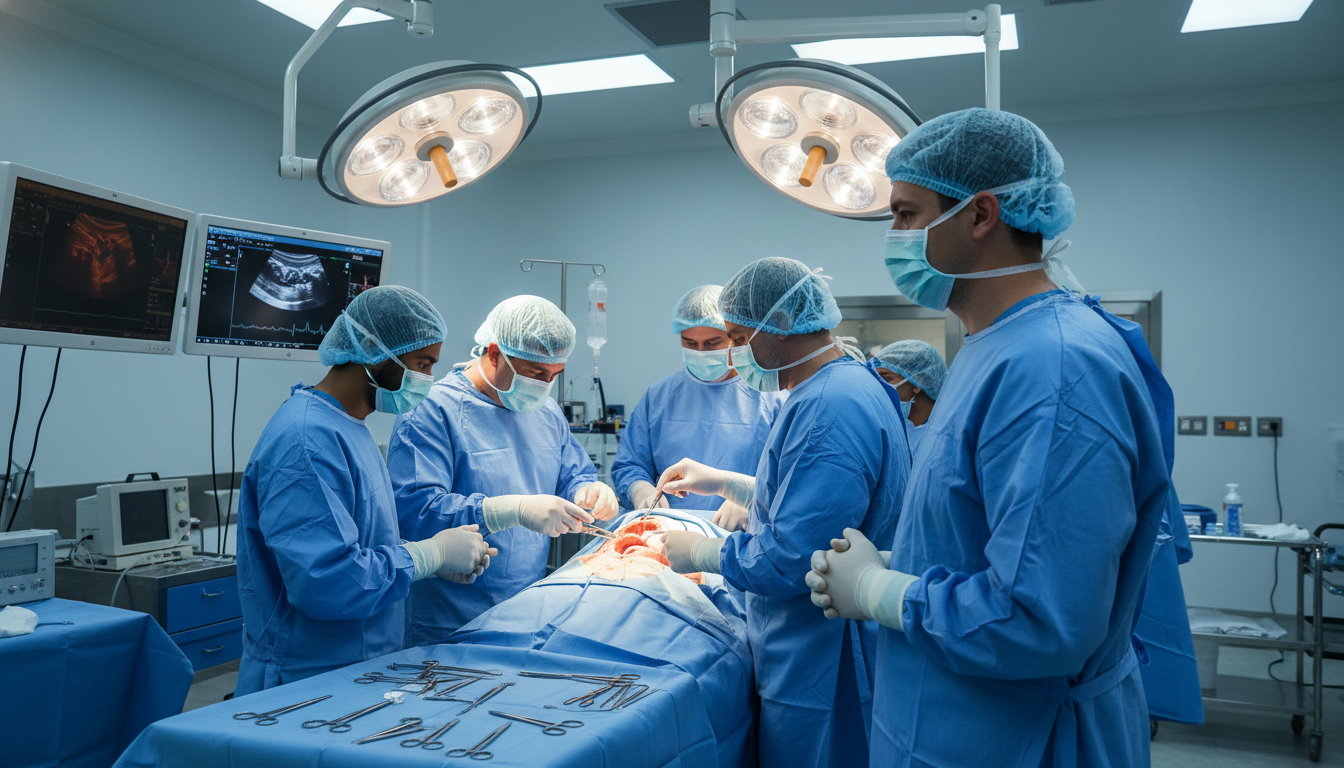
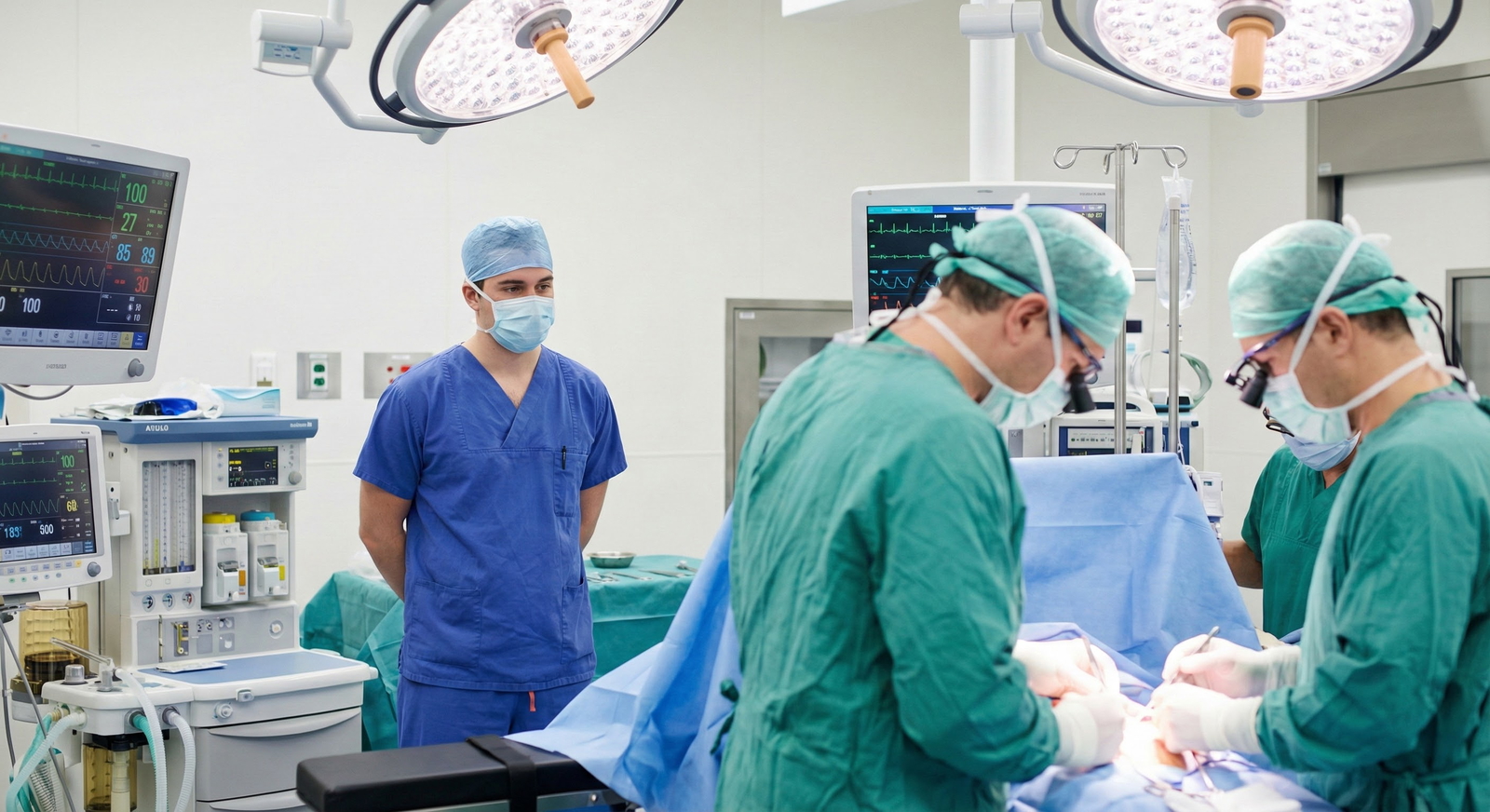
Otolaryngology (ENT) is one of the most competitive specialties in the United States. For a Caribbean IMG, away rotations (also known as visiting student rotations or audition electives) are often the single most important factor in successfully entering the otolaryngology match.
Unlike some other specialties, ENT programs place enormous weight on:
- Direct clinical performance at their institution
- Strong letters from otolaryngology faculty they know and trust
- Perceived “fit” in the team and culture
For Caribbean medical school residency applicants in ENT, away rotations can:
- Overcome school name bias: Many PDs are less familiar with Caribbean schools. Strong performance in person can override doubts.
- Provide critical ENT letters of recommendation from US academic surgeons.
- Demonstrate you can thrive in a US academic environment, especially if your core clinicals were in community settings.
- Showcase your commitment to otolaryngology, not just “applying broadly to any surgical field.”
If you are at a school like SGU (St. George’s University) or another Caribbean institution, an organized away rotation strategy is essential to be competitive for ENT and to maximize your chances in the SGU residency match or any other Caribbean medical school residency pathway.
This article breaks down a step-by-step strategy: when to apply, how many away rotations to do, how to choose programs, how to perform well, and how to convert away rotations into interview invitations and a successful otolaryngology match.
Planning Timeline: When and How Many Away Rotations?
One of the biggest questions Caribbean IMGs ask is: “How many away rotations do I need, and when should I do them?”
Ideal Timing for ENT Away Rotations
For a typical US MD/DO student, ENT visiting student rotations are usually done in late third year through early fourth year. As a Caribbean IMG, your timeline is often shifted due to:
- Off-cycle academic calendars
- Visa considerations
- Variability in when you complete core and elective clerkships
Still, you want your away rotations to finish before you submit ERAS and before interview offers go out so that programs can:
- Write and upload your letters of recommendation
- Include your performance in their interview decisions
Target window:
- Primary ENT away rotations: April–September of the application cycle (for a typical September ERAS opening).
- Latest end date: Try to finish by late September to ensure letters are ready. Some Caribbean IMGs doing off-cycle rotations might still benefit from later ENT rotations, but they’re less impactful for the current year’s match.
How Many Away Rotations for ENT?
In a competitive specialty like otolaryngology, three realities matter:
- Programs want to see you in person.
- ENT is small; word travels fast.
- Away rotations cost time and money.
The question of how many away rotations is partly strategic, partly logistical.
General guidance for Caribbean IMGs aiming for ENT:
- Absolute minimum: 2 ENT away rotations
- Ideal target: 3 ENT away rotations
- Maximum practical upper limit: 4 ENT away rotations
Why not more than 4?
- Fatigue and financial strain
- Diminishing returns once you have several strong letters
- Lack of time for non-ENT electives (e.g., ICU, anesthesia, general surgery) that still strengthen your application
If you can only secure 2 ENT away rotations, you should:
- Prioritize high-yield programs (see next section)
- Make sure your home or affiliated hospital has at least some ENT exposure so you can secure a third letter related to surgery or ENT-adjacent work (e.g., head & neck anatomy faculty, research mentors).
If you can manage 3 ENT away rotations, a solid pattern is:
- One at a mid-tier or IMG-friendly academic program
- One at a strong regional program with prior Caribbean IMG matches
- One at a program where you believe you could realistically match (geographic ties, smaller program, or prior SGU residency match or other Caribbean IMG success)

Choosing the Right Programs and Rotations
Not all away rotations are equal for Caribbean IMGs in ENT. You need to be strategic about where you rotate and what kind of rotation you secure.
Target Programs That Actually Interview IMGs
Your time and money are limited. Focus on programs that:
- Have historically interviewed or matched IMGs, especially from Caribbean schools
- Are not exclusively top 10 research-heavy programs (they may be less open to Caribbean graduates unless you have exceptional research)
- Offer structured visiting student rotations in otolaryngology
Actionable steps:
- Check program websites and residency rosters
- Look at current and past residents’ medical schools
- Note any Caribbean graduates or other IMGs (SGU, Ross, AUC, Saba, etc.).
- Review online match lists from Caribbean schools
- If an ENT program has accepted SGU or other Caribbean grads previously, they may be more open to you.
- Email current residents (especially any IMGs)
- Politely ask if the program is open to Caribbean away rotators and what they value in applications.
You don’t need to restrict yourself only to IMG-heavy programs, but you should prioritize programs where an IMG match is clearly possible.
Academic vs Community ENT Away Rotations
ENT is primarily trained in academic centers. For away rotations:
- High priority: University-based academic ENT programs with an ACGME-accredited residency.
- Moderate value: Large tertiary centers with ENT services but no residency—useful if you need letters or experience, but less powerful for matching.
- Lower value for ENT match: Purely community surgery electives with limited ENT exposure, unless they provide a very strong surgical letter.
If you can secure:
- At least 2 rotations at academic centers with ENT residencies, you significantly improve your chances of a successful otolaryngology match.
Rotation Types: General ENT, Subspecialty, or Research?
For visiting student rotations, you will typically choose among:
- General Otolaryngology services (bread-and-butter ENT, consults, on-call)
- Subspecialty services (peds ENT, head and neck oncology, otology/neurotology, rhinology, laryngology)
- ENT research electives
For Caribbean IMGs, the most impactful away rotations are:
Clinical ENT rotations where you are on the main resident team
- Preferred: broad general ENT or services that include wards, OR, and clinic.
- Purpose: allows attendings and residents to see your work ethic, clinical reasoning, and team integration.
Subspecialty ENT rotations that still integrate closely with residents
- Useful if the program is heavily subspecialized or if that’s how they structure visiting rotations.
- Try to avoid being “off to the side” with minimal exposure to program leadership.
ENT research rotations
- High value if combined with prior or ongoing ENT research, or if you have a gap year.
- Alone, a short research rotation is usually not enough compared to a direct clinical away.
A high-yield combination might be:
- Two clinical ENT away rotations at residency programs
- One research-heavy rotation or a hybrid clinical-research experience at a program with strong academic output
Application Mechanics: VSLO, Direct Applications, and Visa Considerations
As a Caribbean IMG, the logistics of getting an away rotation are often more challenging than the rotation itself.
Using VSLO (VSAS) and Alternative Routes
Many US schools use the Visiting Student Learning Opportunities (VSLO) system for visiting students. Caribbean schools sometimes have partial participation or no access.
Steps:
Check with your dean’s office
- Ask if your school participates in VSLO.
- If yes, clarify what documents your school will upload and what they expect from you.
If your school is not in VSLO:
- Go to each program’s website and look for “Visiting Students”, “Away Rotations”, or “Electives for International Students.”
- Many programs have direct application forms or a designated coordinator.
Prepare a visiting student application packet, typically including:
- CV
- Transcript
- USMLE scores (Step 1; Step 2 CK if available)
- Immunization documentation
- Background check / drug screen, if required
- Proof of malpractice coverage (may be via your school)
- Letter of good standing from your dean’s office
Timing of Applications
ENT away rotation spots fill quickly.
- Start researching programs 9–12 months before you want to rotate.
- Submit applications as soon as windows open (often January–March for rotations starting July–September).
- Have backup options ready in case your top choices don’t accept IMG visitors or fill early.
Visa and Documentation Issues
If you are a non-US citizen at a Caribbean school:
- Confirm whether you need a B-1/B-2 visa for electives or if you already have a US visa/residency.
- Some hospitals have policies limiting non-US citizens for visiting rotations. This is not personal; it’s institutional policy.
- Ask each program explicitly:
- “Do you accept visiting medical students from Caribbean medical schools?”
- “Do you accept non-US citizens on short-term electives?”
Plan for visa interviews and processing time if needed. Do not apply late and hope the visa will work out; hospitals rarely make exceptions for late arrivals.
How to Excel on ENT Away Rotations as a Caribbean IMG
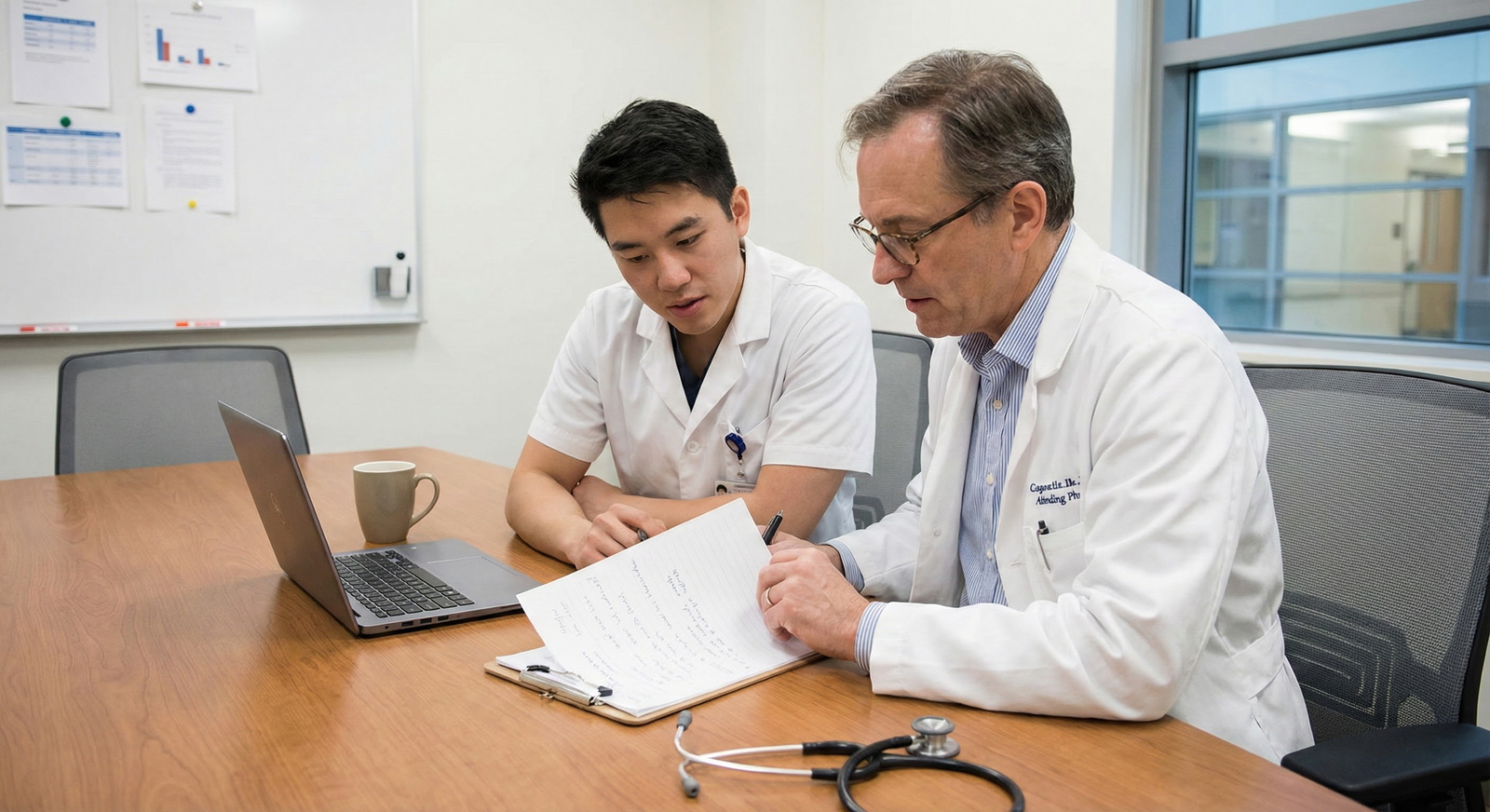
Once you secure away rotations, your performance determines whether you earn strong letters and interview invitations.
Understand the Stakes
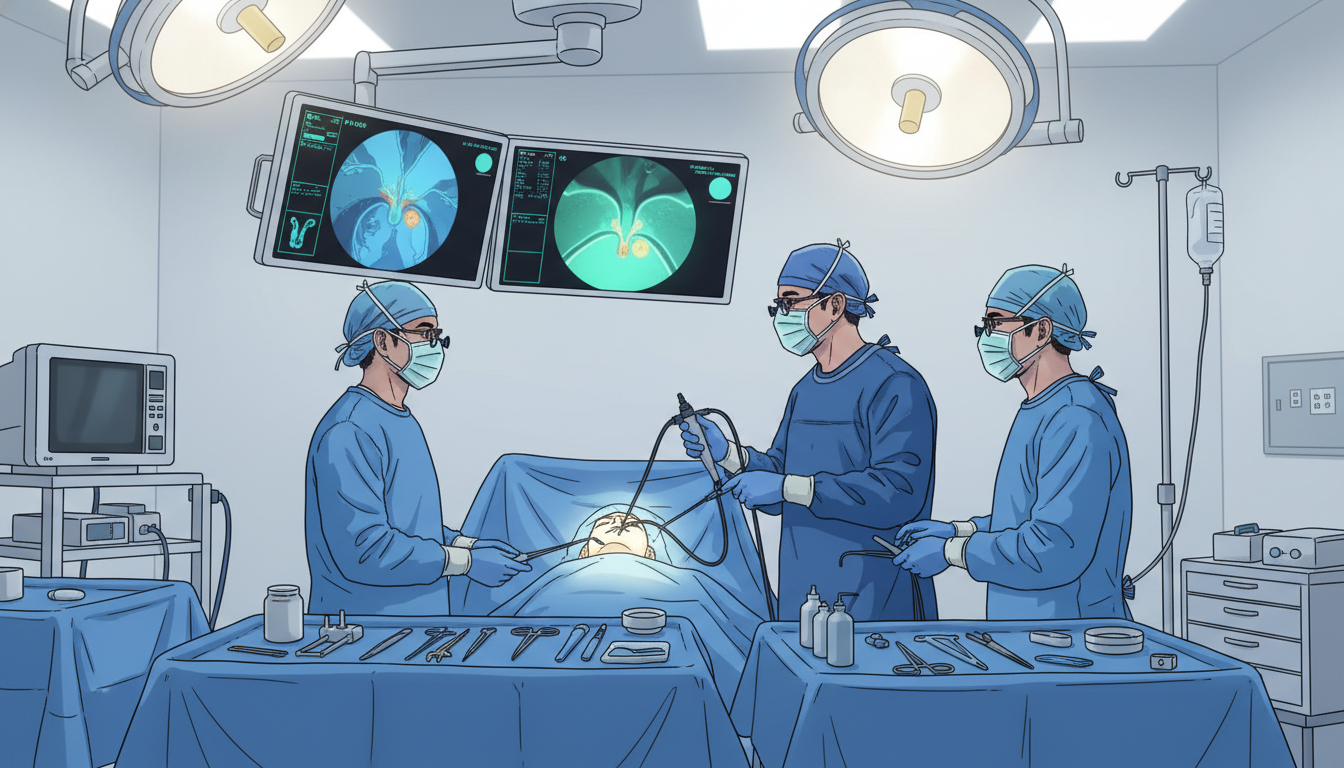
For competitive programs, your away rotation often functions as a month-long interview. Program directors and faculty ask:
- Can you function like a strong intern?
- Are you teachable, humble, and hardworking?
- Do you fit the culture of the team?
- Would residents want to take call with you for 5 years?
This is especially important for Caribbean IMGs, as some faculty may start with limited familiarity with your training environment. Your behavior and work ethic can reshape that perception positively.
Pre-Rotation Preparation
At least 2–4 weeks before your rotation starts, you should:
Review ENT fundamentals:
- Common consults: epistaxis, stridor, otitis media/externa, tonsillitis, neck masses, vertigo, facial trauma.
- Basic head and neck anatomy: cranial nerves, sinus anatomy, laryngeal structures, neck levels.
- ENT emergencies: airway obstruction, post-tonsillectomy hemorrhage, orbital cellulitis.
Know basic perioperative topics:
- Pre-op assessment, anticoagulation management basics, post-op care, fluid/electrolyte concepts.
- You don’t need anesthesiology-level knowledge, but you must be safe and thoughtful.
Practice presenting patients:
- ENT-specific H&P: chief complaint, relevant ENT ROS, focused exam, concise and structured assessment/plan.
Clarify expectations:
- Email the rotation coordinator 1–2 weeks before start: ask for start time, location, dress code, and first-day contact person.
- Arrive with printed or digital copies of your schedule and key contacts.
Clinical Performance: What Programs Look For
In the OR:
- Be early: aim to arrive before the residents, help set up the room (if allowed).
- Ask the resident: “How can I help today?”
- Know the indication and basic steps of the surgery; read the night before.
- Help with positioning, holding retractors, suction, and maintaining a clean field.
- Avoid “fighting” the resident for the field—your role is to support, not compete.
In clinic:
- Be ready to pre-chart and review old notes if allowed.
- Learn to perform focused ENT exams (otoscopy, nasal exam, oral cavity, neck palpation).
- Present succinctly and suggest reasonable next steps (e.g., imaging, antibiotics, scope exam, simple procedures).
On the wards and consult service:
- Own your patients: follow up on labs, notes, imaging.
- Anticipate next steps; don’t wait to be told everything.
- Communicate clearly with residents and nurses; document appropriately when permitted.
Professionalism and Team Integration
ENT is a small specialty; reputation spreads quickly. Protect yours by:
- Being consistently punctual (aim for early over “on time”).
- Dressing and behaving professionally; avoid gossip and negativity.
- Showing humility: if you don’t know something, say so, then look it up.
- Being pleasant under stress: busy call nights and chaotic OR days reveal your character.
As a Caribbean IMG, subtle biases may exist. You counter them by:
- Demonstrating reliability: do what you say you’ll do, every time.
- Showing strong communication skills: clear patient interaction and fluent, confident case presentations.
- Being eager but not needy: ask for feedback and learning opportunities, but don’t pressure attendings or residents.
Asking for Letters of Recommendation
Strong ENT letters are critical for an otolaryngology match, especially for Caribbean medical school residency applicants.
Best practices:
Identify potential letter writers early
- Attendings who have directly supervised you, seen you in multiple settings, and can speak to your work ethic and growth.
Ask in person, near the end of the rotation
- “Dr. X, I’ve really valued working with you this month. I’m applying to otolaryngology and would be honored if you would consider writing a strong letter of recommendation on my behalf.”
- The word “strong” gives them an honest exit if they don’t feel they can write one.
Provide a mini-packet:
- Your CV
- A brief statement of your interest in ENT (1 page)
- Your ERAS ID and submission deadline
- A short bullet list of cases or projects you worked on with them (to jog their memory)
Follow up professionally
- One polite reminder if you don’t see the letter in ERAS by 2 weeks before your deadline.
Aim for:
- 2–3 strong ENT letters (ideally from away rotations at US universities)
- 1 additional letter from surgery, internal medicine, or research if needed.
Integrating Away Rotations Into Your Overall ENT Match Strategy
Away rotations don’t exist in a vacuum; they need to align with your overall application story and your path to the otolaryngology match as a Caribbean IMG.
Balancing ENT With Other Key Rotations
In addition to ENT away rotations, consider:
- General Surgery sub-internship (shows OR stamina and surgical acumen)
- ICU rotation (demonstrates comfort with critically ill patients)
- Anesthesia or Emergency Medicine (airway management exposure)
These can support your ENT narrative: “I want to be a head and neck surgeon comfortable in the OR and the ICU, with solid airway skills.”
Geography and Realistic Targeting
Consider where you do your away rotations in relation to where you want to live and work:
- Programs are more likely to rank you highly if you show geographic interest (e.g., multiple rotations in the same region, personal ties).
- If you are flexible geographically, consider:
- Midwest and South: sometimes more open to IMGs than the most saturated coasts.
- Programs outside the absolute top research powerhouses.
Using away rotations strategically:
- Rotate at 2–3 programs where you’d be genuinely happy to match.
- Make it clear to residents and faculty that you’re serious about their program (without trash-talking others).
After the Rotation: Staying on Their Radar
Once the rotation ends:
- Send thank-you emails to key faculty and residents.
- Update letter writers when:
- ERAS opens
- You submit your application
- You receive interview invitations (especially from their program).
If you build good relationships, residents may advocate for your interview when the rank list is discussed.
When Away Rotations Don’t Lead to Interviews
Not every away rotation will convert into an interview—especially in a highly competitive ENT field. That does NOT mean the rotation was wasted:
- You still gain strong ENT letters, which help at other programs.
- You learn clinical ENT skills that make you a better applicant.
- You can still leverage the experience in your personal statement and interviews.
If you receive no interview from a rotation site, keep communication respectful. Don’t demand explanations; the ENT community is small and you want to preserve goodwill.
FAQs: Away Rotation Strategy for Caribbean IMG in Otolaryngology (ENT)
1. I’m a Caribbean IMG with average Step scores. Is ENT still realistic if I do multiple away rotations?
It’s challenging but not impossible. Away rotations can help offset school name bias, but they do not fully override exam performance. If your scores are borderline for ENT, maximize other strengths:
- Strong ENT away rotation performance and letters
- Solid research in otolaryngology or head and neck topics
- Clear commitment to ENT in your personal statement
You may also need a broader backup plan (e.g., general surgery, prelim year) in case the otolaryngology match doesn’t work out.
2. Should I prioritize programs that have previously matched Caribbean graduates (like SGU residency match sites)?
Yes, that’s a smart move. Programs that have previously accepted Caribbean graduates—whether SGU, Ross, AUC, or others—have demonstrated they are open to Caribbean medical school residency applicants. Rotate at such programs if possible, but don’t completely exclude others where your profile may also fit (e.g., mid-sized academic centers, IMG-friendly institutions).
3. If I can only do two ENT away rotations, how should I choose them?
With only two rotations, focus on maximum yield:
- Both at academic centers with ENT residencies
- At least one where the resident roster includes IMGs or Caribbean grads
- Prefer locations where you have some geographic or personal ties (family nearby, previous clinical rotations, long-term interest in the region)
Avoid using one of those two slots on a pure research month unless your application already has robust ENT research and you need clinical face time more urgently.
4. Are away rotations in other surgical fields (e.g., general surgery) useful for the otolaryngology match?
They are supportive but not equivalent to ENT away rotations. A strong general surgery sub-internship can:
- Provide an excellent letter about your OR work ethic and teamwork
- Show that you function well in surgical environments
However, ENT programs still heavily prefer: - Direct ENT letters
- Evidence that you fit ENT specifically.
So, use other surgical rotations to strengthen your overall surgical profile, but don’t substitute them for true ENT away rotations when aiming for an otolaryngology match.
By planning early, choosing programs strategically, excelling clinically, and securing strong ENT letters, Caribbean IMGs can significantly raise their chances of entering otolaryngology. Your away rotations are not just electives—they’re the backbone of your ENT application strategy.