Why Away Rotations Matter Even More for DO Graduates in IR
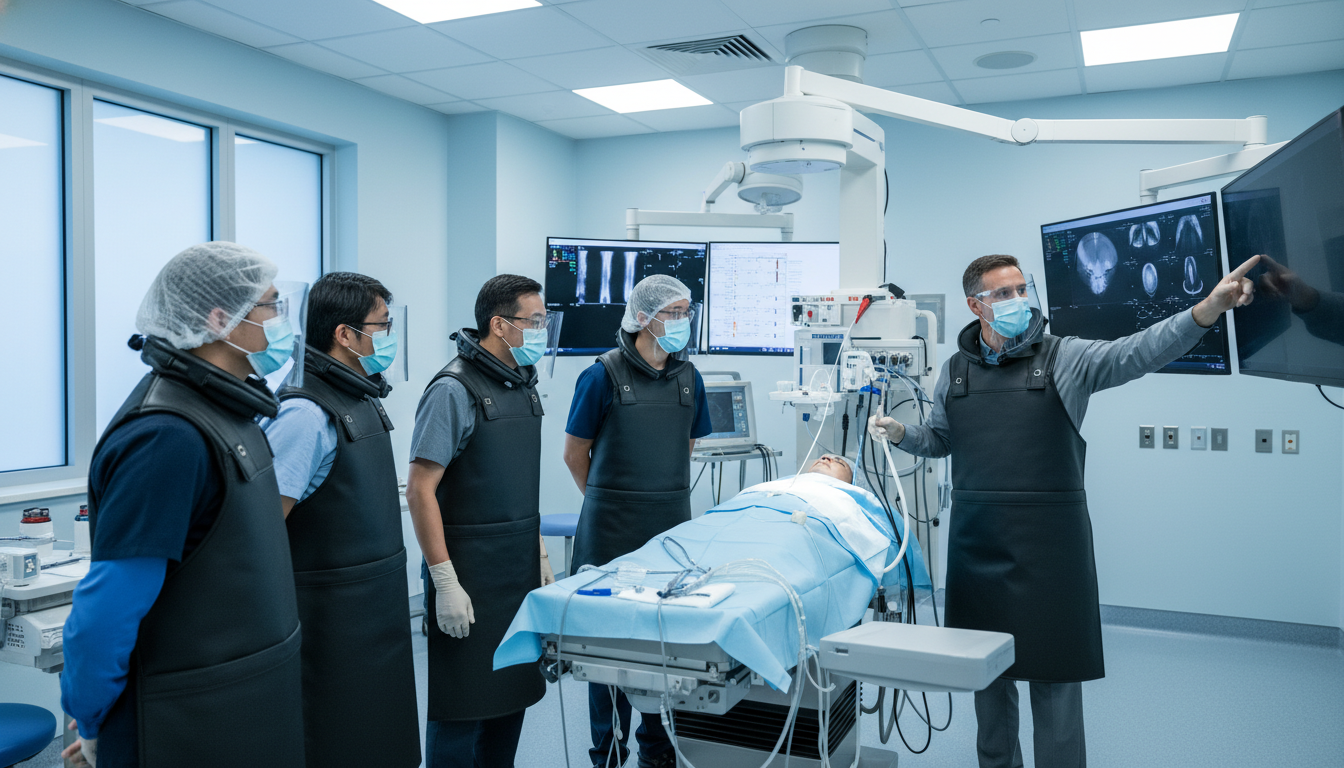
Interventional Radiology (IR) is one of the most competitive and rapidly evolving specialties—and for a DO graduate, a smart away rotation strategy can be the key difference between matching and coming up short. In the IR match, program directors rely heavily on visiting student rotations to assess technical potential, clinical judgment, and “fit” for the team. This is especially true for candidates they may not already know well—like DO graduates coming from schools without a home IR program or with less national name recognition.
For DO applicants, carefully chosen away rotations are often the strongest proof of readiness for a demanding interventional radiology residency. They offer:
- Face-to-face time with IR faculty who write high-impact letters
- A chance to demonstrate hands-on skill, work ethic, and teachability
- A way to counter lingering biases by performing at the same level as MD peers
- Direct visibility to programs that may not routinely interview DO students
If you are asking yourself, “How many away rotations?” or “Which institutions will really help my osteopathic residency match chances in IR?”, you’re already thinking strategically. The goal of this guide is to turn that concern into a concrete, step-by-step away rotation plan tailored specifically to a DO graduate targeting the IR match.
Understanding the IR Match Landscape as a DO Graduate
Before planning away rotations, it helps to understand how program directors think about DO applicants in the interventional radiology residency space.
Where DO Applicants Often Face Headwinds
Even with the single ACGME accreditation system, DO candidates may still encounter:
- Less exposure to IR early on if your school lacks a strong IR presence
- Fewer built-in connections with IR faculty who sit on national committees or run large programs
- Skepticism at some academic institutions that historically interviewed mostly MDs
- Limited local access to high-volume, complex IR cases
None of this is insurmountable—but you need to use away rotations in IR as a deliberate way to close these gaps.
What Program Directors Look for in IR Applicants
IR is a hybrid of procedural and clinical medicine. Faculty evaluating you on an away rotation are looking for:
- Technical potential – not perfection, but coordinated hands, good spatial reasoning, and comfort with devices
- Clinical maturity – can you think like an internist and surgeon, understand pathophysiology, and manage complications?
- Teamwork and humility – how you interact with nurses, technologists, residents, and attendings
- Work ethic and reliability – showing up early, staying engaged, following through on tasks
- Curiosity and teachability – asking the right questions, accepting feedback, demonstrating growth during the month
Your DO background can be an asset here: osteopathic training often emphasizes holistic care, communication, and bedside manner—strengths that IR increasingly values as a clinical specialty.
Why Away Rotations Carry Extra Weight in IR
IR program directors often say, “Away rotations are our month-long interviews.” Compared to other specialties, IR away rotations:
- Frequently produce one of your most influential letters of recommendation
- Provide a real-time test of how you function in a high-stakes procedural environment
- Allow a program to see you manage longitudinal clinical care (clinic, consults, rounds, follow-up)
- Often determine who receives interviews, especially at highly competitive sites
For a DO graduate, a strong away rotation can directly offset concerns about pedigree or prior exposure and show that you are ready to thrive in a demanding IR environment.
How Many Away Rotations? Building a Smart IR Rotation Portfolio
One of the most common questions is: “How many away rotations should I do?” There is no universal number, but there are smart ranges and strategies—especially for DO graduates targeting the IR match.
General Guidelines for IR Away Rotations
Most strong IR applicants aim for:
- 2 away rotations in IR (often the ideal target)
- 1–3 away rotations overall, depending on:
- Strength of home institution IR exposure
- Step/Level scores and academic record
- Geographic flexibility and budget
For DO graduates, a common, effective pattern is:
- Home IR rotation (if available) – cornerstone experience and letter
- One away rotation at a mid–to–high tier academic IR program
- One additional away rotation – either at a dream program, a geographically desired region, or a DO-friendly institution
More than three away rotations rarely adds proportional benefit and can cause:
- Burnout during your crucial application period
- Less time to refine your ERAS application and personal statement
- Increased financial strain (housing, travel, fees)
Example Rotation Portfolio for a DO IR Applicant
Case Example: Maria, DO, aiming for the IR match
- COMLEX scores: Solid but not standout
- USMLE: Took Step 1 (pass) and Step 2 (mid-range)
- Home program: Community hospital with a small IR service but no IR residency
Maria’s plan:
Home IR rotation (4 weeks)
- Get a detailed letter from the primary IR attending
- Build baseline procedural and clinical knowledge
Away rotation #1 – Regional academic center with an integrated IR residency
- Goal: Prove she can handle high complexity cases and resident-level expectations
- Good place to secure a “name” letter for her osteopathic residency match portfolio
Away rotation #2 – DO-friendly program in a region where she’d like to live
- Goal: Maximize chances at a program that has a strong track record of selecting DOs for IR
This combination gives Maria a balanced portfolio: local familiarity, one prestigious experience, and one high-yield DO-friendly away.
If You Don’t Have a Home IR Program
If your school doesn’t offer IR at all:
- Aim for 2–3 IR-focused away rotations if feasible
- Consider 1 diagnostic radiology (DR) rotation at an institution with a strong IR presence if you cannot secure enough IR slots
- Use early rotations in DR or vascular surgery to build your procedural vocabulary and comfort
In this situation, away rotations aren’t just an enhancement—they’re your primary IR exposure and critical proof you understand the field you’re applying into.
Choosing the Right Programs: Targeting for the IR Match as a DO
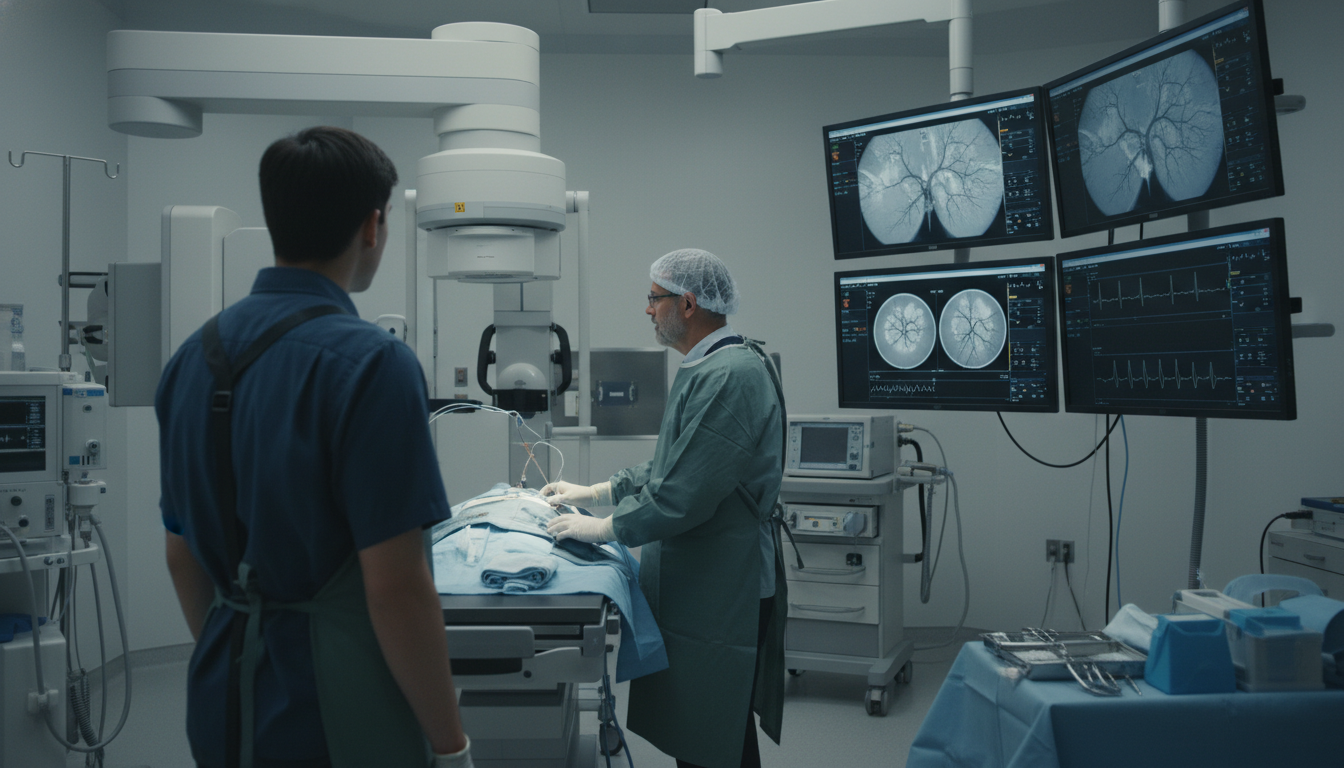
Not every away rotation has equal impact for your interventional radiology residency goals. For a DO graduate, being strategic about where you apply is just as important as how many away rotations you do.
Key Factors When Selecting IR Away Rotations
DO-Friendliness and Match History
- Review each program’s past IR and DR residents:
- Do they have DO graduates currently on the roster?
- Do they have a history of ranking DO applicants highly?
- Programs that consistently match DOs are more likely to value your application fairly.
- Review each program’s past IR and DR residents:
Presence of Integrated IR Residency
- Prioritize programs with an ACGME-accredited integrated IR residency
- These programs typically understand the IR training pipeline and evaluate students with that lens
Case Mix and Volume
- Look for programs that offer exposure to:
- Oncologic embolization and ablation
- Complex peripheral arterial disease interventions
- TIPS, BRTO, and advanced portal hypertension work
- Venous thromboembolism management, IVC filters, venous recanalization
- You want a rotation where you’ll see the full spectrum of modern IR practice, not just biopsies and ports.
- Look for programs that offer exposure to:
Clinical IR Emphasis
- High-yield programs for away rotations will emphasize:
- IR clinic
- Inpatient consults and follow-up
- Multidisciplinary conferences (tumor boards, vascular conferences)
- This allows you to demonstrate your ability to function as a clinical physician, not just a procedure observer.
- High-yield programs for away rotations will emphasize:
Geographic and Personal Fit
- If you have strong location preferences, at least one away rotation should target that region.
- Consider cost of living and travel—long, expensive stays can add up quickly.
Using VSLO and Other Pathways to Secure Rotations
Most visiting student rotations in IR are coordinated through VSLO (Visiting Student Learning Opportunities). For DO applicants:
- Confirm your school participates in VSLO; if not, you may need to apply directly to each institution.
- Watch application opening dates closely (often 4–6 months in advance). IR spots fill fast.
- Be ready with:
- CV
- Board score reports (COMLEX and/or USMLE)
- Immunization and background checks
- Letter from your dean or school
Some IR groups also offer non-traditional visiting student rotations or focused IR “externships” not tied strictly to VSLO. Check:
- Society of Interventional Radiology (SIR) student resources
- Institutional IR websites and education pages
- Word-of-mouth from residents, fellows, or faculty you meet at meetings
Balancing Aspirational vs. Realistic Rotations
A targeted mix is critical:
- 1 “reach” program – highly competitive, big-name IR center
- 1–2 realistic programs – strong IR training, DO-friendly, good culture
This balanced approach means you’re not putting all your energy into programs that historically rarely interview DOs, while still showing ambition.
How to Excel on an IR Away Rotation as a DO Graduate
Once you’ve secured your away rotations residency experiences, performance is everything. Your goal is to leave with:
- At least one glowing IR letter of recommendation
- A reputation as a highly capable, teachable future IR resident
- Strong advocates who will speak up for you when rank lists are discussed
Pre-Rotation Preparation: Show Up Ready
Before day one:
Review IR Fundamentals
- Basic vascular anatomy (aortic branches, mesenteric circulation, portal system)
- Common IR procedures and indications:
- Angiography and embolization
- TACE/Y-90 basics
- TIPS
- Biliary drainage and stenting
- Nephrostomy, abscess drainage, ports, and tunneled catheters
Refresh Clinical Medicine
- Liver disease (cirrhosis, portal hypertension)
- Oncology basics (HCC, colorectal metastases, renal tumors)
- Peripheral vascular disease and DVT/PE management
Clarify Logistics
- Know start times (plan to be early)
- Dress code (lead, scrubs, white coat, professional attire for clinic)
- EMR access and any required training modules
Showing up already conversant in IR terminology immediately counters assumptions that a DO student might be “less prepared” and sets you apart from day one.
On-Rotation Best Practices: How to Stand Out
Be Present and Engaged in the Angio Suite
- Arrive before the first case to help set up and review the list
- Ask to see imaging and read the indication before starting a procedure
- During cases, focus on:
- Understanding wire and catheter choices
- Watching how the attending navigates anatomy
- Asking concise, thoughtful questions at appropriate times
Take Ownership of Patients
- Follow your patients’ course:
- Know why they need the procedure
- See them pre-op when possible
- Check on them post-op and report any changes
- This “continuity” mindset is what differentiates IR from pure procedural specialties.
- Follow your patients’ course:
Be the Reliable Team Player
- Offer to help with:
- Dictation templates (if allowed)
- Gathering outside imaging
- Communicating simple updates to teams under supervision
- Treat nursing staff and techs with the same respect as attendings—they often give informal feedback on students.
- Offer to help with:
Showcase Your DO Strengths
- Emphasize whole-patient care:
- Understand their functional status, comorbidities, and social context
- Ask about pain control, mobility, discharge planning
- Thoughtful communication and bedside manner reflect positively in faculty evaluations.
- Emphasize whole-patient care:
Ask for Feedback Early
- Around week two, approach an attending you work with often:
- “I’m very interested in IR and want to grow. Is there anything I can do differently to be more helpful or to improve?”
- Then visibly apply that feedback over the remaining weeks.
- Around week two, approach an attending you work with often:
Securing a Strong Letter from Your IR Away Rotation
Before the end of the rotation:
Identify which attending:
- Worked with you consistently
- Saw your growth and work ethic
- Likely has national recognition or a leadership role in IR
Request a letter explicitly:
- “I’m applying to integrated interventional radiology residency this cycle and would be honored if you’d consider writing a strong letter on my behalf. I feel I’ve learned a lot from you this month.”
Provide supporting materials:
- CV
- Draft of your personal statement
- Short summary of cases you followed and contributions you made
A well-written, concrete letter from a respected IR faculty member can heavily influence how programs view a DO graduate residency application.
Timing and Integration with Your Overall IR Application Strategy
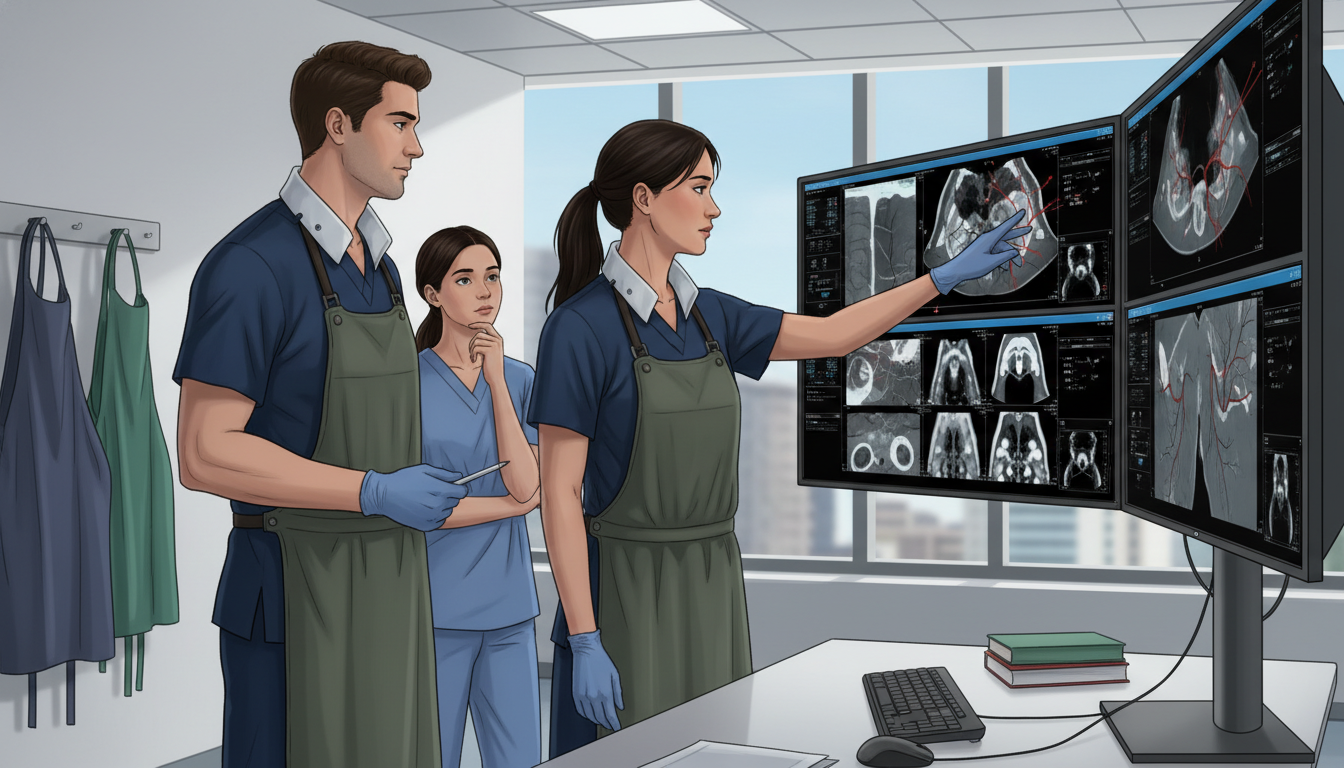
The timing of your osteopathic residency match preparation is critical. Away rotations should not come at the expense of a complete, polished application.
Ideal Timing for IR Away Rotations
Most IR-focused away rotations occur in:
- Late third year / early fourth year for MD students
- For DO students, rotations are often in the early part of the fourth year, aligned with your school’s schedule
To maximize impact on your application:
- Aim to complete at least one IR away rotation before ERAS submission (often September)
- If you do a second away later (Oct–Nov), that rotation can still influence:
- Late interview offers
- Rank-list decisions
- Backup DR programs that value IR-minded applicants
Coordinating with Board Exams and Core Clerkships
As a DO graduate:
- Try to have COMLEX Level 2-CE and (if taken) USMLE Step 2 CK completed before your IR-focused away rotations.
- Strong Step/Level scores, combined with strong away rotation performance, create a compelling package.
Do not schedule an away rotation during a period when you’re also trying to study intensely—your performance will suffer, and the letter may be lukewarm.
Using Away Rotations to Shape Your Rank List
After completing your IR away rotations:
- Reflect honestly on:
- Program culture and teaching style
- Faculty engagement with students
- Case diversity and resident autonomy
These experiences should heavily inform where you apply and ultimately how you rank programs—remember, you are also “interviewing” the program.
FAQs: Away Rotations for DO Graduates Targeting Interventional Radiology
1. I’m a DO graduate—do I need to take USMLE for the IR match, or is COMLEX enough?
While some IR programs accept COMLEX alone, many academic institutions—especially those with competitive integrated IR residencies—still prefer or require USMLE scores. If you are early enough in training and aiming for IR, taking at least USMLE Step 2 CK can broaden your options. Regardless, a strong away rotation can partially offset concerns about board exams by giving faculty firsthand evidence of your capability.
2. How many away rotations should I do if I already have a solid home IR program?
If you have a strong home IR rotation with committed mentors and exposure to diverse procedures, 2 total IR-focused rotations (1 home + 1 away, or 1–2 away) is often sufficient. You can add a third if you’re aiming for highly competitive regions or want a specific institutional name. More than three rarely adds enough benefit to justify the time and cost.
3. Should I do a diagnostic radiology away rotation, or only IR rotations?
If you can secure enough IR rotations (home + away), prioritize those. However, a DR rotation at a strong academic radiology department with an integrated IR residency can still be beneficial—especially if IR attendings are heavily involved and can write letters. If you have limited direct IR options, one high-quality DR rotation with IR exposure is better than no exposure to that institution’s procedural side.
4. What if my away rotation doesn’t go as well as I hoped? Should I still get a letter from there?
You don’t need a letter from every away rotation. If you feel you didn’t have enough direct interaction or didn’t perform at your best, it’s reasonable to rely instead on letters from your home program and another rotation where you truly excelled. A neutral or generic letter can be more damaging than having one less letter. Focus on getting 2–3 truly strong, detailed letters, rather than maximizing the number of letter writers.
By crafting a deliberate, targeted away rotation strategy—choosing DO-friendly programs, preparing thoroughly, and excelling clinically and interpersonally—you can transform potential disadvantages into clear strengths. Interventional radiology programs value work ethic, teachability, and clinical maturity above all else. As a DO graduate, your away rotations are your opportunity to prove, in person, that you bring exactly that to the IR match.