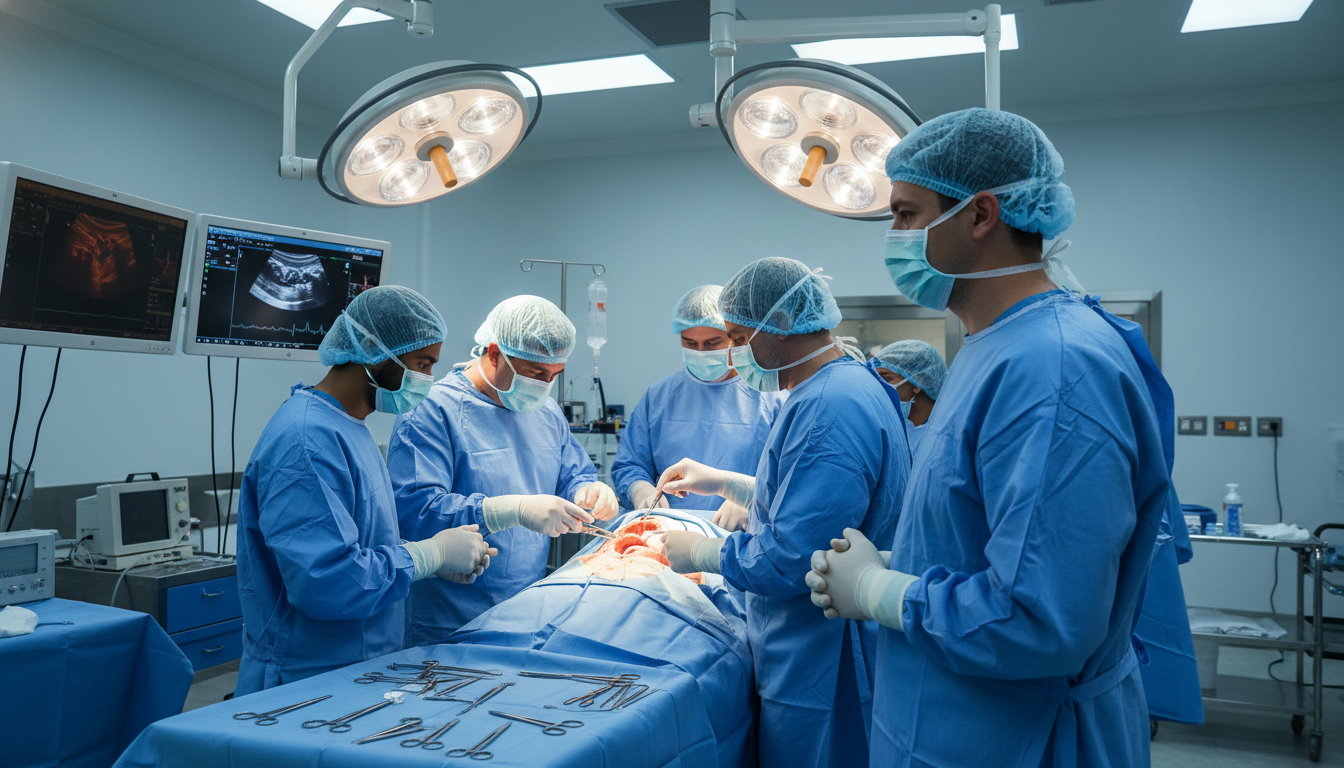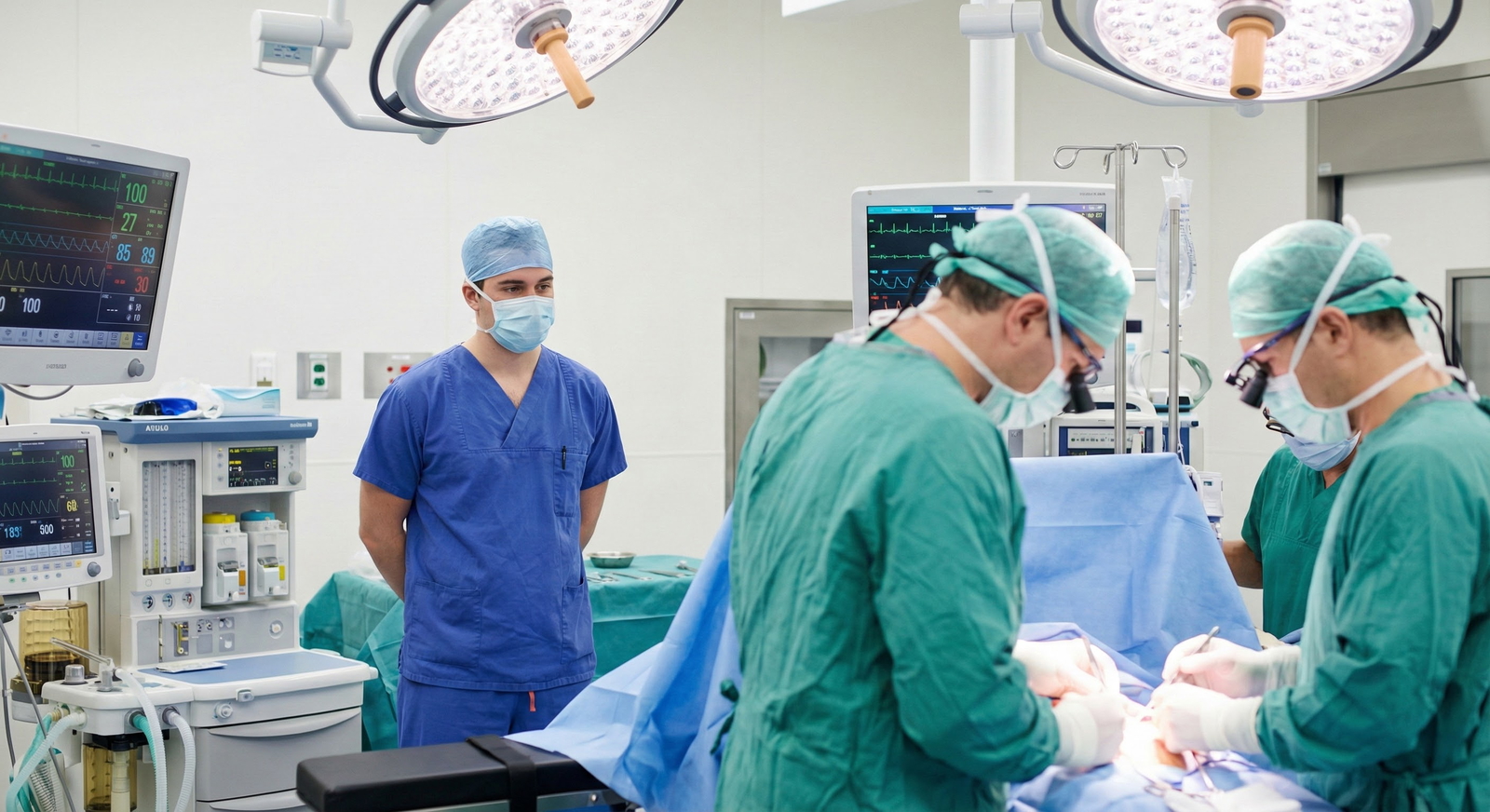
Why Away Rotations Matter So Much in Plastic Surgery
For an MD graduate targeting plastic surgery residency, away rotations are often the single most powerful tool to influence your match. Plastic surgery is small, competitive, and relationship-driven. Programs want to know not just how smart you are, but how you work on their service, in their ORs, with their residents.
Unlike some other specialties, the integrated plastics match is heavily driven by:
- Reputation and fit: Programs want people they know and trust.
- Hands-on performance: Your performance on an away can outweigh subtle differences in Step scores or class rank.
- Letters of recommendation: A strong letter from a well-known plastic surgeon can dramatically elevate your application.
- Networking: Faculty and residents who know you can advocate for you during rank meetings.
For an MD graduate from an allopathic medical school, away rotations residency planning is especially important if:
- Your home institution has no integrated plastic surgery residency.
- Your home institution has limited plastic surgery exposure or research.
- Your academic metrics are solid but not standout, and you need a strong “story” and advocates.
- You are geographically flexible and want to broaden your options in the allopathic medical school match.
Strategic, well-planned visiting student rotations can help you:
- Demonstrate your clinical ability and work ethic.
- Show you’re a good “fit” with specific programs.
- Build a track record of interest and commitment to plastic surgery.
- Secure specialty-specific letters and mentors.
- Get a realistic sense of what different programs are like (case mix, culture, expectations).
The key question isn’t simply whether to do aways, but how to build a smart away rotation strategy that maximizes your chances for an integrated plastics match.
How Many Away Rotations? Building the Right Overall Strategy
One of the first decisions you’ll face is how many away rotations to do. There’s no single right answer, but there are patterns that work well for most MD graduate residency applicants in plastic surgery.
General Benchmarks for Plastic Surgery
For integrated plastic surgery, a common and reasonable range is:
- 2 away rotations: Typical for well-positioned applicants (strong home support, good research, solid metrics).
- 3 away rotations: Common for applicants who:
- Don’t have a home integrated plastics program
- Need more face time at target institutions
- Want geographic flexibility (e.g., East Coast, Midwest, West Coast)
- 4 away rotations: Sometimes done, but can be excessive and exhausting; may limit research time and Step 2 prep. Only consider if:
- You lack a home program and need broad exposure.
- You started planning early and can manage the logistics.
- You understand this will be a very demanding schedule.
For most MD graduates, 2–3 away rotations is the sweet spot.
Key Factors That Should Shape Your Number
Presence of a Home Plastic Surgery Program
- If you have a home integrated plastics program:
- Your home institution counts as one major “audition.”
- You typically need 2 away rotations—possibly 3 if:
- You don’t plan to stay at your home program.
- Your home program is regionally limited and you want national reach.
- If you don’t have a home plastics program:
- Your aways become even more critical.
- Aim for 3 aways, making one a realistic “safety” in terms of competitiveness and geography.
- If you have a home integrated plastics program:
Academic Profile and Competitiveness
- Strong metrics (Step 2 CK, grades, solid research, strong home letters): 2–3 aways are usually enough.
- More borderline metrics or late switch to plastics: 3 aways may help you create more in-person advocates, but be honest with yourself about burnout risk.
Your Research and Application Timeline
- Multiple lengthy research projects, presentations, and publications take time.
- Overloading on aways can sacrifice research productivity, which remains important in plastic surgery.
- If you’re in a research year, your balance might lean toward fewer, high-yield aways plus focused research output.
When to Schedule Your Aways in the Application Cycle
For the integrated plastics match, timing is strategic:
- Ideal months for aways:
- Late spring/early summer to early fall of your application year
(commonly May–October, depending on your school calendar)
- Late spring/early summer to early fall of your application year
- Best timing for your “top-choice” program:
- Often early-to-mid season (e.g., July–September):
- You’re fresh, motivated, and still have energy.
- Your performance is recent when faculty meet to build interview lists.
- Often early-to-mid season (e.g., July–September):
- Avoiding the extremes:
- Very early (before you’re clinically confident) can hurt you.
- Very late (after interview invites go out) may not help for that cycle.
Your away rotation strategy should integrate:
- When you’ll take Step 2 CK
- When you’ll submit ERAS
- When letters must be ready
- Your home sub-internship schedule
A cohesive plan ties all of this together instead of treating rotations as isolated experiences.

Choosing Where to Rotate: Targeting Programs Strategically
Once you’ve decided how many away rotations to pursue, the next question is where to apply. For the integrated plastics match, the programs you choose signal your priorities and shape your network.
Core Principles for Program Selection
- Balance “Reach,” “Target,” and “Safer” Programs
- Reach programs:
- Highly prestigious, extremely competitive, often top NIH-funded.
- Rotate here if your metrics and research align, or if you have a strong mentor connection.
- Target programs:
- Solid academic centers where your stats and experiences are well-matched.
- These should form the core of your away rotation strategy.
- Safer programs:
- Programs where your profile is relatively strong compared to their typical applicant.
- Important if you lack a home program or are worried about competitiveness.
- Reach programs:
A mix might look like:
- 1 reach + 1–2 target
or - 1 reach + 1 target + 1 safer
- Geography and Personal Constraints
Consider:
- Desired long-term location (where you might want to live/practice)
- Family obligations, partner’s location, or dual-career planning
- Regions where your home institution is less well-known
If you strongly want to end up in a certain city or region, prioritize aways there. Away rotations are a direct way to show regional interest.
- Program Culture and Case Mix
Look beyond reputation. Ask:
- Do they have strong microsurgery, craniofacial, hand, or aesthetics programs that match your interests?
- What is the balance between reconstructive and cosmetic cases?
- What is the resident culture like? Collegial? Hierarchical? Supportive?
You can gather insight from:
- Program websites and Instagram accounts
- Residents’ conference presentations and webinars
- Speaking directly with current residents or alumni from your school
- Program Track Record with Visiting Students
Some programs historically:
- Take a substantial number of their interns from their rotators.
- Rarely take rotators, instead favoring home students or known applicants.
Talk with mentors and recent graduates about:
- “Which programs really value away rotators?”
- “Where do rotators often match?”
- “Which places feel more closed or insular?”
Special Considerations for MD Graduates
As an MD graduate (rather than current MS4), ensure you understand:
- Eligibility rules:
- Some programs limit away rotations to current fourth-year students only.
- Others will allow recent MD graduates, especially if you are in a research year or transitional year.
- VSLO/VSAS vs. direct institutional applications:
- Many programs use AAMC VSLO.
- Some have their own visiting student application for graduates, or may require extra steps like GME approval.
Contact program coordinators early and clearly state:
- Your MD graduate status
- Whether you’re in a research or preliminary year
- Your reasons for interest in their program
Being transparent helps avoid last-minute cancellations due to eligibility issues.
Before You Go: Preparing to Maximize Each Away Rotation
Once your away rotations residency schedule is confirmed, preparation will set you apart. You want to arrive not just as a motivated learner, but as a ready-to-contribute team member.
Clinical and Technical Preparation
- Core Knowledge Review
Focus on:
- Plastic surgery fundamentals:
- Wound healing, flap physiology, basic microsurgery concepts
- Common flaps (TRAM, DIEP, ALT, radial forearm, gracilis, etc.)
- Skin grafts, tissue expansion basics
- Bread-and-butter consults:
- Hand injuries, facial lacerations, pressure ulcers, soft tissue infections, dog bites, burns (if applicable)
- Pre- and postoperative care, including:
- VTE prophylaxis
- Antibiotic choices
- Nutrition and wound care
- Plastic surgery fundamentals:
High-yield resources:
- Green’s Operative Hand Surgery chapters (select)
- Grabb and Smith’s Plastic Surgery
- Plastic surgery review books and society guidelines
- Key review articles recommended by your mentors
- Hands-On Skills
Practice:
- Suturing (deep dermal, subcuticular, interrupted, running)
- Knot tying (two-handed, one-handed, instrument)
- Basic local flap planning and drawing
- Simple splinting and dressing techniques
Use:
- Suture kits
- Foam, pig’s feet, or synthetic practice models
- Online videos from reputable plastic surgery societies
Even for an MD graduate, demonstrating refined fundamentals (rather than trying to show off advanced skills) makes the best impression.
Professional and Logistical Preparation
- Understand the Program’s Structure
Before you arrive, know:
- Typical daily schedule (rounds time, OR start time, clinic days)
- Which hospitals are covered
- Resident call schedule
- Academic conferences (grand rounds, M&M, journal club)
Reach out to:
- The resident “away rotation liaison” (if they have one)
- Chief resident on your assigned service
Ask:
- “What’s expected of rotators on your service?”
- “Any tips for preparing before I arrive?”
- Clarify Expectations About Letters
Without being pushy, it’s useful to understand:
- Which faculty typically write letters for visiting students.
- Whether letters are commonly written after aways.
You do not need to bring this up on day one. Instead:
- Focus on doing excellent work.
- As you build rapport, you can later ask a specific faculty member if they feel comfortable writing a letter.
- Personal Logistics
- Housing (short-term rentals, hospital housing, alumni networks)
- Transportation and parking
- Hospital access, badges, EMR training
- Occupational health requirements (TB test, vaccines, titers)
Handle these early. Showing up flustered, late, or unprepared for HR/EMR processes can hurt your first impression.

On Rotation: How to Stand Out (for the Right Reasons)
Once your away begins, your mission is twofold:
- Be an excellent, reliable team member, and
- Show who you are as a future colleague.
Daily Habits That Impress Plastic Surgery Teams
- Be Early, Be Ready
- Arrive before rounds with:
- Patient lists updated
- Vitals and labs checked
- Dressing changes and drains reviewed
- Pre-chart clinic patients if that’s the expectation.
- Arrive before rounds with:
Reliability builds trust quickly.
Own Your Patients (at the Student Level)
- Once assigned patients, know:
- Their operations/procedures
- Relevant anatomy
- Post-op course and concerns
- On rounds, offer concise, well-organized presentations:
- “Mr. X is POD#2 from right breast reconstruction with DIEP flap. Overnight was stable, no fevers, flap checks hourly and all WNL…”
- Once assigned patients, know:
Be (Appropriately) Proactive
- Offer: “Would you like me to remove the dressings while you examine?”
- Volunteer for tasks:
- Consent forms (if allowed)
- Dressing changes
- Note-writing
- Discharge instructions drafts
Proactivity is good; overstepping is not. When in doubt, ask.
OR and Clinic Behavior That Makes a Difference
- In the Operating Room
- Know the case the day before:
- Indication
- Basic steps
- Relevant anatomy
- Introduce yourself to:
- Scrub tech
- Circulating nurse
- Anesthesia team
- Ask early where you should stand and what your role will be.
- Focus on:
- Gentle tissue handling
- Maintaining a clean field
- Anticipating needs (suction, retraction, cutting sutures correctly)
- Know the case the day before:
As you show competence, ask (at appropriate times), “Are there portions of the case where I could help more directly?”
- In Clinic
- Be ready to:
- Take focused histories
- Perform basic exams
- Present succinctly.
- Pay attention to:
- How attendings explain reconstructive options
- Shared decision-making and complication counseling
- Ask to:
- Help with note drafts
- Educate patients about postoperative instructions (if allowed)
- Be ready to:
Clinic is where programs see your bedside manner, which matters greatly in plastic surgery.
Professionalism, Communication, and Fit
Respect Everyone
- Treat nurses, techs, schedulers, and housekeeping with the same professionalism as attendings.
- Programs notice how you treat non-physician team members.
Read the Room
- Some teams like to teach and welcome questions in the OR.
- Others prefer quiet focus during complex microsurgery.
- If unsure, ask: “Is this a good time for questions, or would you prefer we review after the case?”
Show Genuine Interest—Without Overdoing It
- Stay engaged during long cases.
- Ask follow-up questions at appropriate times.
- Attend academic sessions even when not required.
However, avoid:
- Oversharing personal ambitions every hour.
- Trying to “sell” yourself aggressively.
You want them to remember you as the person they’d enjoy being on call with at 2 a.m. as much as the one who’s accomplished.
After the Rotation: Letters, Follow-Up, and Integrating Your Experience
Once your away rotation ends, your strategy should shift to consolidating what you’ve built—relationships, reputation, and application materials.
Securing Strong Letters of Recommendation
In integrated plastics, the quality of letters often matters more than the quantity:
- You ideally want:
- 2–3 plastic surgery–specific letters, including:
- At least one from your home or primary research mentor (if applicable).
- 1–2 from away rotations where you worked closely with attendings.
- 2–3 plastic surgery–specific letters, including:
How to ask:
- Ask in person near the end of the rotation, if possible:
- “Dr. X, I’ve really valued working with you this month. Would you feel comfortable writing a strong letter of recommendation for my plastic surgery residency application?”
- This phrasing gives them an “out” if they are unsure, which protects you from weaker letters.
If they agree:
- Confirm details by email:
- Include your CV, personal statement draft, ERAS ID, and deadlines.
- Remind them of specific cases or projects you worked on together.
Staying on the Program’s Radar
After leaving an away:
Send a Thoughtful Thank-You
- Email key faculty and residents:
- Thank them for their teaching and support.
- Mention specific experiences that were meaningful.
- Keep it brief, sincere, and professional.
- Email key faculty and residents:
Provide Application Updates
- Once you’ve submitted ERAS:
- You can politely let the program coordinator or a key faculty member know you’ve applied.
- Later, if you have major updates (new publication, national presentation, significant award), you can send a concise update letter.
- Once you’ve submitted ERAS:
Rank List Considerations
- Ask yourself:
- Did I feel supported and respected?
- Did residents seem happy and well-trained?
- Could I realistically see myself thriving here for 6+ years?
- Don’t let just prestige overshadow concerns about culture or fit.
- Ask yourself:
Your away rotation strategy isn’t only about getting into any plastic surgery residency—it’s about finding the right program for your training and long-term career.
Putting It All Together: A Sample Away Rotation Strategy
To illustrate how all these pieces fit, here’s a sample away rotation strategy for an MD graduate targeting an integrated plastics match.
Example Profile
- MD graduate from a mid-tier allopathic medical school.
- No home integrated plastic surgery residency, but has an active plastic surgery division.
- Step 2 CK: Above national average.
- Several plastic surgery case reports and one first-author research project in progress.
- Open to living in multiple regions but has family on the East Coast.
Strategy Outline
Pre-Rotation Phase (6–9 Months Before)
- Confirm VSLO/visiting student policies for MD graduates.
- Identify:
- 2 target programs (East Coast academic centers with mid-to-high competitiveness).
- 1 reach program (well-known East Coast program with strong craniofacial and microsurgery).
- 1 “safer” academic program in another region with a track record of taking visiting students.
- Apply for 3 aways:
- 1 reach
- 2 target/safer combo depending on availability
- Plan home plastic surgery sub-I around late summer.
Execution Phase (Away Rotations)
- Rotate at:
- Reach program in July.
- Target program in August.
- Safer program in September (if schedule and policies permit).
- On each rotation:
- Be reliable, prepared, and professional.
- Seek opportunities to present at conferences or M&M if appropriate.
- Establish strong working relationships with at least one attending and one senior resident.
- Rotate at:
Post-Rotation Phase
- Request letters from:
- One attending at the reach program who directly supervised cases.
- One attending at the target or safer program who saw you in both clinic and OR.
- Maintain email contact with:
- Residents who showed interest in mentoring you.
- Integrate away experiences into:
- Your personal statement (showing consistent engagement in plastics).
- Your interview talking points.
- Request letters from:
The result is a coherent, well-planned away rotation strategy that maximizes visibility, builds strong mentorship, and creates multiple realistic paths to match success.
FAQs: Away Rotation Strategy for MD Graduates in Plastic Surgery
1. As an MD graduate, will programs view me differently than a current fourth-year student?
Programs primarily care about your performance, professionalism, and trajectory. MD graduates are common in plastic surgery, especially those completing research or transitional years. What matters is:
- Clear explanation of your path (e.g., research year, prelim year).
- Continued engagement in plastic surgery (research, conferences, observerships).
- Strong letters and solid clinical performance on rotations. Be sure to confirm each program’s visiting student policy for graduates early.
2. How many away rotations should I do if I don’t have a home integrated plastics program?
Most MD graduates without a home program benefit from 3 total major experiences:
- A sub-internship at your home institution’s plastic surgery service (if available, even without an integrated residency).
- 2–3 away rotations, with a realistic mix of reach, target, and safer programs.
Aim for 2–3 true away rotations rather than stretching to 4 if it compromises research or Step 2 CK.
3. Do I need to match where I did an away rotation to “make it worth it”?
No. An away rotation is successful if it:
- Generates a strong letter of recommendation.
- Expands your mentorship network.
- Provides solid clinical experiences and insight into the specialty.
- Strengthens your application narrative.
Even if you don’t match there, faculty from that away can still advocate for you informally through phone calls or reputation.
4. How should I handle a rotation that doesn’t go as well as I hoped?
Reflect honestly on:
- What was in your control (preparation, communication, work habits).
- What wasn’t (program culture, unexpected team dynamics).
Then: - Apply what you learned to your next rotation.
- Lean on stronger experiences for your primary letters.
- Don’t feel obligated to request letters from a site where things clearly didn’t click.
One imperfect away does not define your entire integrated plastics match trajectory if the rest of your application is solid and you learn from the experience.
A thoughtful, data-informed away rotation strategy—integrating how many away rotations to do, where to rotate, and how to perform once you’re there—can transform your plastic surgery residency prospects as an MD graduate. Plan early, act intentionally, and treat each rotation as both an “audition” and a chance to confirm that a given program and culture are right for you.