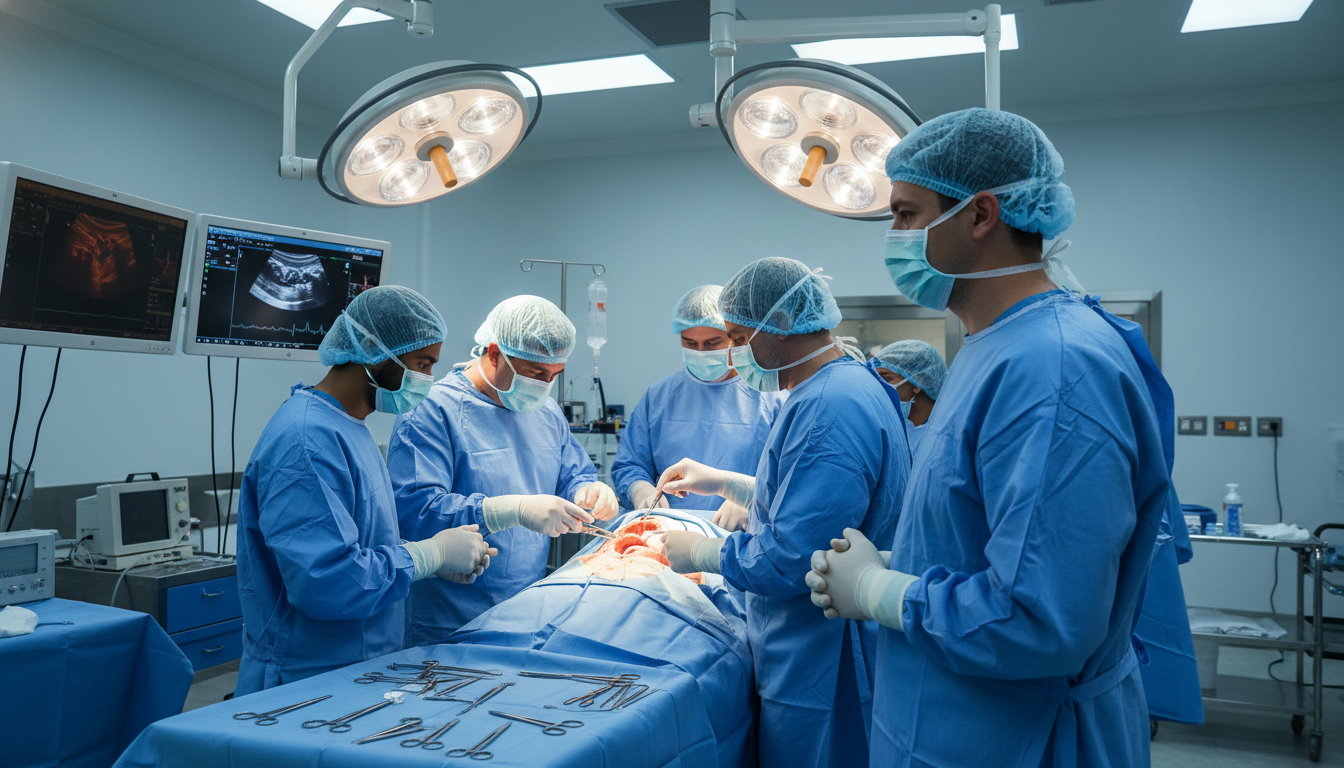
Understanding the Role of Away Rotations in Neurosurgery
For an MD graduate interested in neurosurgery, away rotations can significantly influence residency outcomes. In an ultra-competitive field where many applicants look similar on paper, programs rely heavily on direct clinical observation to determine who will thrive in their neurosurgery residency.
Away rotations—also called visiting student rotations or sub-internships (“sub-Is”)—are 4-week blocks where you function like an acting intern at an outside program. In neurosurgery, these rotations are often viewed as:
- A month‑long audition for the residency
- A way to determine if you “fit” with the team and culture
- A chance to obtain high‑impact letters of recommendation
- An opportunity to demonstrate readiness for a brain surgery residency
For MD graduates from an allopathic medical school, an effective away rotation strategy can make the difference between a strong allopathic medical school match and an underwhelming application cycle.
This article breaks down a comprehensive strategy for neurosurgery away rotations—from deciding how many away rotations to do, to selecting programs, excelling on‑site, and aligning your schedule with your residency application timeline.
How Many Away Rotations Should a Neurosurgery Applicant Do?
A central planning question is: how many away rotations are ideal for a neurosurgery residency application?
Typical Numbers in Neurosurgery
In neurosurgery, applicants commonly complete:
- 1 home neurosurgery sub‑internship (required whenever possible)
- 2 away neurosurgery sub‑internships (standard for competitive applicants)
- Occasionally 3 away rotations in select situations
For an MD graduate from an allopathic medical school, a total of 2–3 neurosurgery sub‑internships (home + away) is usually sufficient, provided they are well‑chosen and you perform strongly.
When 2 Away Rotations Are Usually Enough
Two away rotations are usually appropriate if:
- Your home institution has a neurosurgery residency
- Your home PD and faculty can write strong letters
- Your application has solid fundamentals:
- Competitive Step scores (or strong board-equivalent performance)
- Strong class rank/clinical grades
- Evidence of neurosurgery interest (research, shadowing, involvement)
- You target a balanced mix of programs (reach, realistic, and safety)
In this situation, a home sub‑I plus 2 well‑planned visiting student rotations offers enough exposure and letters without spreading yourself too thin.
When You Might Consider 3 Away Rotations
Three away rotations may be reasonable if:
- You do not have a home neurosurgery program
- Your home neurosurgery exposure is minimal or informal
- You’re coming from a less well‑known allopathic medical school
- You’re a reapplicant trying to demonstrate growth and wider visibility
- You had limited neurosurgery mentorship or research and want to build that network
Even then, be realistic. Neurosurgery sub‑Is are physically and emotionally intense. Three consecutive months of 80+ hour weeks in unfamiliar systems can lead to fatigue that actually hurts performance.
Situations When Fewer Away Rotations Can Work
There are scenarios where one away rotation may be enough:
- You are at a top-tier academic neurosurgery department
- You have robust neurosurgery research and strong home letters
- You have strong metrics and already know you want to stay at your home program regionally
- Personal, financial, or health circumstances limit your travel
In that setting, one away rotation—strategically chosen at a program you genuinely might attend—can be effective, especially if your home program is highly respected.

Choosing the Right Away Rotations: Program Selection Strategy
Neurosurgery away rotations are not interchangeable. You want each one to serve a clear purpose in your overall residency strategy.
Step 1: Start with Your Home Program (If You Have One)
If your allopathic medical school has a neurosurgery residency:
- Prioritize a home sub‑I before away rotations, ideally:
- Early summer (June/July) of your final year, or
- Immediately before your first away
- Objectives at your home rotation:
- Learn fundamental neurosurgery workflow
- Get comfortable with call, pre‑rounds, post‑op care
- Show your home faculty your work ethic and baseline skills
- Secure 1–2 strong letters of recommendation early
A strong home performance gives you confidence and helps you avoid “learning the basics” for the first time at an away program.
Step 2: Clarify Your Goals for Each Away Rotation
Every visiting student rotation should have at least one of these aims:
- Realistic place you might match
- Geography works for you and your support system
- Program volume and training style fit your career goals
- Exposure to different program types
- Large high‑volume academic center
- Medium‑sized academic or hybrid program
- A program with a unique subspecialty strength you’re interested in (vascular, pediatrics, spine, functional, etc.)
- Network building and mentorship
- Faculty with whom you share research interests
- Potential future fellowship or research collaborators
Avoid choosing away rotations solely based on prestige. A “big‑name” program that is a poor fit or doesn’t intend to rank rotators highly may not be the best use of a precious month.
Step 3: Balance Reach, Target, and Safety Programs
Think of away rotations the same way you think about your program list:
Reach programs
- Highly competitive, big‑name academic centers
- Appropriate if you have strong metrics or a particular reason they might value you (research match, regional ties)
Target programs
- Programs aligned with your profile where you are a plausible match
- Often medium to large academic centers in regions where you have some connection
Safety programs
- Less competitive or smaller programs where you would still be happy to train
- Especially important if metrics are mid-range or if you are a reapplicant
A common pattern:
- Away #1: Target/realistic program
- Away #2: Reach (or another strong target where you have ties)
- Away #3 (if needed): Safety or another geographic preference
Step 4: Consider Geography and Lifestyle
Neurosurgery is a long training pathway (7+ years), and your overall quality of life matters. When evaluating where to do away rotations, consider:
- Regions where you can actually imagine living for 7 years
- Proximity to family or support system
- Cost of living and housing options for both the rotation month and potential residency
- Transportation (will you need a car, parking costs, call room availability)
Also factor in whether a region is historically regionally loyal (heavily favoring applicants who trained or rotated locally). Away rotations can be especially valuable in these regions because they “localize” you.
Step 5: Assess Program Culture and Training Style
Before applying for visiting student rotations, research:
- Case volume and variety (cranial, spine, functional, vascular, pediatrics, oncology, trauma)
- Faculty interests and reputations
- Resident satisfaction and perceived culture (via networking, mentorship, alumni)
- Recent match lists of their graduates (fellowship placements, academic vs. private practice)
- Educational structure (didactics, simulation, call structure)
Look for programs where:
- Rotators are integrated into the team
- Residents are engaged in teaching and mentorship
- There’s a track record of ranking and matching visiting students
Timing, Applications, and Logistics for Visiting Student Rotations
For an MD graduate aiming for an allopathic medical school match in neurosurgery, timing and organization are crucial.
When to Do Neurosurgery Away Rotations
For students on a traditional schedule:
- MS3 spring/early summer: Solidify interest in neurosurgery, obtain letters from core rotations, complete Step 2 CK if needed.
- MS4 (final) year:
- June/July: Home neurosurgery sub‑I
- July–October: 1–2 neurosurgery away rotations
- October–January: Interviews
- Remaining months: research, electives, backup specialty if applicable
If you’re an MD graduate who has already completed your core rotations or taken a research year, adjust the schedule so that your neurosurgery away rotations finish before ERAS submission (typically mid‑September).
You want at least one away rotation completed by August so that letters can be uploaded early and referenced in your personal statement.
Application Platforms and Requirements
Most away rotations in the U.S. use VSLO (Visiting Student Learning Opportunities, formerly VSAS). Common application components:
- Transcript
- USMLE Step 1 / Step 2 CK scores (or equivalent)
- Immunization records and TB testing
- Background checks and drug screens (varies by site)
- Proof of malpractice insurance (often provided by home institution)
- Mask-fit testing or other hospital-specific clearances
As an MD graduate, double-check:
- Whether you’re still eligible to rotate as a visiting student versus as a graduate/observer
- If your home institution will sponsor your malpractice coverage during rotations after graduation
- Program-specific rules on graduation status and visiting learners
Backup and Contingency Planning
Away rotation spots are limited and competitive. To avoid gaps:
- Apply to more rotations than you ultimately intend to complete (within reason)
- Stagger applications to a mix of:
- Highly competitive programs
- Moderately competitive programs
- A few less competitive but acceptable programs
- Have a plan if:
- You receive no offer from your top choices
- You get conflicting dates or overlapping offers
- A rotation is canceled unexpectedly (e.g., institutional policy changes)
If rotations fall through, you can still:
- Double down on research productivity
- Do more at your home neurosurgery service
- Pursue related rotations (neurology ICU, trauma surgery, orthopedic spine) that still strengthen your neurosurgery residency profile

How to Excel on a Neurosurgery Away Rotation
An away rotation is a month-long job interview. Programs want to know: Will you function safely, work hard, integrate with the team, and grow into an excellent neurosurgery resident?
Week 0–1: First Impressions and Foundations
Goals in the first week:
- Learn the daily flow: rounds, OR, clinics, conferences, sign-out
- Demonstrate reliability and initiative without overstepping
- Build early relationships with residents and support staff
Actionable tips:
- Show up early: Be in the hospital before the first resident on your team, especially on the first days
- Learn where to:
- Pick up and drop off charts or sign-out
- Find patient lists and OR schedules
- Access imaging (PACS), notes, lab results
- Ask a senior resident or chief:
- “What are your expectations from rotators?”
- “How can I be most helpful to the team?”
- Volunteer for small but high-yield tasks:
- Pre-round on a few assigned patients
- Write concise progress notes (if allowed)
- Help with dressing changes, drains, post-op checks
Neurosurgery culture values humility paired with initiative: offer to help, then listen closely to feedback and adapt.
Week 2–3: Increasing Responsibility and Visibility
Once basics are in place, focus on:
- Owning a small panel of patients
- Anticipating needs and next steps for each patient
- Deepening your understanding of neurosurgical pathology and imaging
In the OR:
- Read about each case the night before:
- Indication for surgery
- Relevant anatomy
- Key steps and potential complications
- Be prepared with:
- Brief one-liner on the patient
- Knowledge of side, level, and key imaging findings
- During the case:
- Know your role: retraction, suction, closure assistance, or simply observing
- Watch how attendings and residents handle complications or unexpected findings
- Ask a few informed questions at natural breaks (prep, closure)—avoid distracting conversation at critical moments
On the wards/ICU:
- Master:
- Neuro exams relevant to specific pathologies (ICP, spinal cord injury, cranial neuropathies)
- Post‑op care for common procedures (tumor resection, spine decompression/fusion, aneurysm clipping, shunting)
- Common consult questions (trauma, hemorrhage, mass lesions)
This is where you can truly show you are ready for a brain surgery residency in a realistic, clinically grounded way.
Week 4: Converting Performance into Strong Letters
Your final week is about consolidation:
- Continue working hard; don’t taper your effort
- Ask for feedback from residents:
- “What can I improve in the final week?”
- “Is there anything I’m doing that isn’t helpful?”
- Identify which attendings have:
- Observed you consistently
- Seen you in the OR, on rounds, and with patients
- Given you informal positive feedback
Before the rotation ends:
- Politely ask 1–2 attendings who know you best:
- “Would you feel comfortable writing me a strong letter of recommendation for neurosurgery residency?”
- Provide:
- ERAS CV and personal statement draft
- Step scores and academic summary
- Brief reminder of cases/patients you worked on together
A strong away rotation letter typically mentions:
- Work ethic and reliability
- Clinical reasoning and teachability
- Teamwork with residents, nurses, and staff
- Ability to function at an “acting intern” level
- Whether they would want you as a resident at their program
Aligning Away Rotations with Your Overall Neurosurgery Application
Your away rotation strategy should integrate tightly with your wider neurosurgery residency plan: letters, research, geographic targeting, and interview strategy.
Letters of Recommendation
For neurosurgery, a typical letter portfolio includes:
- 1–2 letters from neurosurgery faculty at your home institution
- 1–2 letters from away rotation faculty
- Occasionally:
- A letter from a neurology, ICU, or surgery faculty if they know you exceptionally well and can speak to your clinical abilities
- A letter from a neurosurgery research mentor
Aim to have at least 3 neurosurgery-specific letters, including one from your home program whenever possible.
Integrating Research with Away Experiences
Neurosurgery is highly academic. If you have ongoing projects:
- Notify faculty at away sites about your research interests:
- “I’ve worked on brain tumor outcomes and functional imaging projects at my home institution. I’d love to learn how your group approaches similar questions.”
- If appropriate, ask:
- “Are there any clinical or outcomes projects you’d recommend for a rotating student? I’m happy to continue work remotely after the rotation.”
Even a small, focused project that advances during or after your away rotation can strengthen both your CV and your relationship with that program.
Geographic and Rank List Strategy
Use your away experiences to clarify:
- Which environments you thrive in (high-volume trauma centers vs. subspecialty-heavy tertiary centers)
- Program cultures that best align with your work style and personality
- Regions where you would be happiest in the long term
In many neurosurgery programs, a strong away performance can:
- Greatly increase your chance of an interview invitation
- Move you higher on the rank list if the team views you as a natural fit
- Occasionally work against you if the fit is poor—though this can be valuable information for both sides
Common Pitfalls in Neurosurgery Away Rotations (and How to Avoid Them)
Overextending with Too Many Rotations
Doing four or more neurosurgery away rotations often leads to:
- Burnout and declining performance
- Difficulty maintaining research momentum
- Financial strain and logistical chaos
A lean, targeted plan—home + 2 away rotations for most MD graduates—is more sustainable and often more effective.
Focusing Only on Prestige
Choosing all “name-brand” programs may:
- Limit your chances of standing out
- Reduce your exposure to places that might realistically rank you highly
- Leave you without a strong “safety” option
Balance prestige with fit, visibility, and likelihood of meaningful evaluation.
Under-Communicating with Your Home Program
Your home neurosurgery department should:
- Know your away rotation schedule
- Help you prioritize programs to target
- Offer advice on realistic and stretch goals
Keep your home mentors updated; they often know where prior graduates have rotated or matched and can advocate for you behind the scenes.
Being Passive or “Invisible”
A common misstep is trying to avoid being in the way. In neurosurgery, that can translate as:
- Standing silently in the back of the OR
- Never volunteering for tasks
- Failing to speak up or ask for feedback
You don’t need to be loud or overbearing, but you do need to be present, engaged, and clearly invested in learning and helping.
FAQs: Neurosurgery Away Rotation Strategy for MD Graduates
1. As an MD graduate from an allopathic medical school, how critical are away rotations for neurosurgery?
Very important. In neurosurgery, away rotations function as extended interviews. Programs rely heavily on direct observation to assess your work ethic, clinical judgment, and team fit. While a few applicants match without away rotations (usually from home institutions with strong departments), most successful candidates complete at least one home sub‑I plus 1–2 away neurosurgery rotations.
2. If I don’t have a home neurosurgery program, how should I structure my away rotations?
Without a home program, away rotations become even more crucial. Plan to do 2–3 neurosurgery away rotations, starting as early as your institution and the host programs will allow. Prioritize:
- At least one program where your metrics and background are a good match
- A program in a region where you’d genuinely live long-term
- At least one site known for mentoring and ranking rotators highly
Supplement with related rotations (neuro ICU, trauma surgery) and seek neurosurgery mentors through regional or national societies.
3. How should I decide what order to schedule my neurosurgery away rotations?
Ideally:
- Do your home sub‑I first to build foundational skills.
- Schedule your first away rotation at a strong but realistic program where you’re comfortable learning and making mistakes.
- Place your highest-priority or reach program as your second away, when your skills and confidence are at their peak—but still before ERAS submission so that letter can support your application.
4. Can a poor away rotation hurt my chances at other programs?
Directly, usually not—letters are confidential, and most programs will not know the specifics of your performance elsewhere. Indirectly, yes: a weak rotation can result in a neutral or absent letter from an important program, missing an opportunity to strengthen your file. More importantly, if the poor performance reflects deeper issues (professionalism, reliability), those may appear again elsewhere. Focus on preparation, honest self‑reflection, and early feedback during each rotation to prevent small problems from becoming major concerns.
By approaching visiting student rotations with a clear, realistic strategy—choosing the right programs, limiting the number to what you can do well, and excelling clinically—you can significantly improve your chances of securing a neurosurgery residency and successfully navigating the allopathic medical school match as an MD graduate.