Why Away Rotations Matter So Much for Non‑US Citizen IMGs in Pathology
For a non-US citizen IMG or foreign national medical graduate, away rotations (also called visiting student rotations or electives/observerships) are often the single most important tool to strengthen a US pathology residency application.
Pathology is a relatively small specialty. Program directors value:
- Demonstrated understanding of what pathology really is (beyond textbooks)
- Evidence that you can thrive in a US-based clinical and lab environment
- Strong, detailed letters of recommendation from US pathologists
- Concrete proof that you are serious about the specialty and the program
Away rotations residency experiences give you all of this in a compressed 2–4 week period. They can compensate for gaps such as:
- Limited US clinical experience
- Lack of home pathology department or weak home letters
- Being a non-US citizen IMG with no prior US training
- Lower name recognition of your medical school
Used strategically, 1–3 well-chosen rotations can significantly improve your pathology match prospects and help you answer key questions:
- Am I genuinely interested in pathology as a career?
- Which type of program and environment fits me best?
- How can I stand out as a non-US citizen IMG in the pathology match?
The rest of this article gives you a step-by-step strategy to plan, select, and execute away rotations that directly support your residency goals.
Understanding Visiting Pathology Rotations: Types, Timing, and Eligibility
Before creating a strategy, you need clarity on what kinds of rotations exist and what you realistically can do as a non-US citizen IMG.
1. Types of Pathology Visiting Rotations
In pathology, “away rotations” usually fall into one of these categories:
Student Electives (for current students)
- Hands-on rotations for final-year medical students (including IMGs if their schools have agreements and they meet requirements).
- You may preview anatomic pathology (AP), clinical pathology (CP), or subspecialties (e.g., hematopathology, cytopathology, dermatopathology).
Post-graduate Observerships (after graduation)
- More common for foreign national medical graduates who have already completed medical school.
- Usually no direct patient care; you shadow at sign-out, tumor boards, gross room, frozen section area, and lab meetings.
- Can still yield strong letters if you show insight, work ethic, and reliability.
Externships or Research-Based Rotations
- Some programs combine pathology observerships with research or quality improvement projects (e.g., AI in pathology, quality assurance, tissue biobanking).
- These can be attractive because they allow productivity (posters, publications) plus exposure.
When programs list “visiting student rotations,” they may only accept current students. If you are already a graduate, you will usually be looking for observerships or unofficial electives arranged with departmental approval.
2. Critical Timelines for Pathology Match
For the typical July start to residency and ERAS application in September:
- Ideal time for away rotations:
- January–August of the year you apply (e.g., Jan–Aug 2026 for a July 2027 start)
- Earlier is better so letters can be uploaded before September ERAS submission.
- Latest useful away rotation:
- August/September can still yield letters, but you must coordinate early and keep your letter writers aware of ERAS deadlines.
- Too late:
- Rotations after November of application year help future fellowships but rarely help that year’s match.
3. Typical Eligibility Requirements for Non‑US Citizen IMGs
Requirements vary but commonly include:
- Final-year medical student or completed medical degree
- At least some core rotations completed (IM/FM, surgery, OB/GYN, pediatrics, psychiatry)
- English proficiency (sometimes TOEFL)
- Vaccinations, titers, TB test, COVID-related requirements
- Background check, drug test (for some institutions)
- Proof of health insurance and malpractice coverage (sometimes covered by home institution)
- Visa status or clear statement that the institution can host foreign nationals (very important for non-US citizen IMG applicants)
For observerships, the institution may be more flexible but could also be more ad hoc and less standardized. Always clarify in writing:
- Your role (observer vs limited hands-on vs research)
- Duration
- Whether they will write letters of recommendation
- Whether they support your future residency visa type (J-1 vs H-1B)
Choosing the Right Away Rotations: Strategy for Non‑US Citizen IMGs
The most common question is: “How many away rotations should I do, and where?” For a non-US citizen IMG in pathology, the key is strategy, not quantity.
1. How Many Away Rotations Make Sense?
There is no universal number, but practical guidelines for pathology are:
- Minimum goal: 1 strong US pathology rotation
- Ideal range: 2–3 rotations if time and budget allow
- Above 3: Diminishing returns unless each is very targeted or you lack any US exposure
Instead of asking “how many away rotations,” ask:
- How many programs will realistically write personalized, strong letters for me?
- How many rotations can I fund and complete without burning out or delaying exams like USMLE Step 2/3?
- Can I show depth and continuity (e.g., research + rotation at same institution) rather than a long list of short observerships?
2. Priorities for Site Selection
For non-US citizen IMGs, choose visiting student rotations through a lens of maximizing match impact:
A. Visa-Friendly and IMG-Friendly Programs
Especially as a foreign national medical graduate, verify:
- The program sponsors J-1 visas (most do) and ideally H-1B if that matters to you.
- The department has a track record of matching IMGs, not just accepting them for observerships.
Ways to check:
- Look at current residents’ backgrounds on program websites; note how many are IMGs and non-US citizens.
- Check prior alumni lists or social media posts about match successes.
- Email the program coordinator or GME office to confirm visa support and typical pathways for IMGs.
B. Programs Where an Away Rotation Can Influence Rank List
You want rotations that can realistically influence your pathology match:
- Medium-sized or smaller academic programs with fewer rotating students are more likely to “remember” you and advocate for your application.
- University-affiliated community programs often greatly appreciate motivated visiting rotators and may have strong track records with foreign national medical graduates.
- Ultra-competitive, highly ranked academic centers may be excellent for learning and CV-building, but less likely to dramatically change your match odds if they rarely rank non-US citizen IMGs.
C. Diversity of Program Types
Consider mixing:
Academic Tertiary Center
- Strong subspecialties, research opportunities.
- Good for letters from well-known faculty and complex case exposure.
University-Affiliated Community Program
- Closer faculty-resident contact.
- Higher chance of being “known” by the full department.
Program in a Region Where You Want to Live Long-Term
- Regional familiarity can help with future fellowship/jobs.
- Away rotation demonstrates genuine geographic interest.
The goal is not to collect different city names; instead, demonstrate fit and commitment where you’d be happy to match.
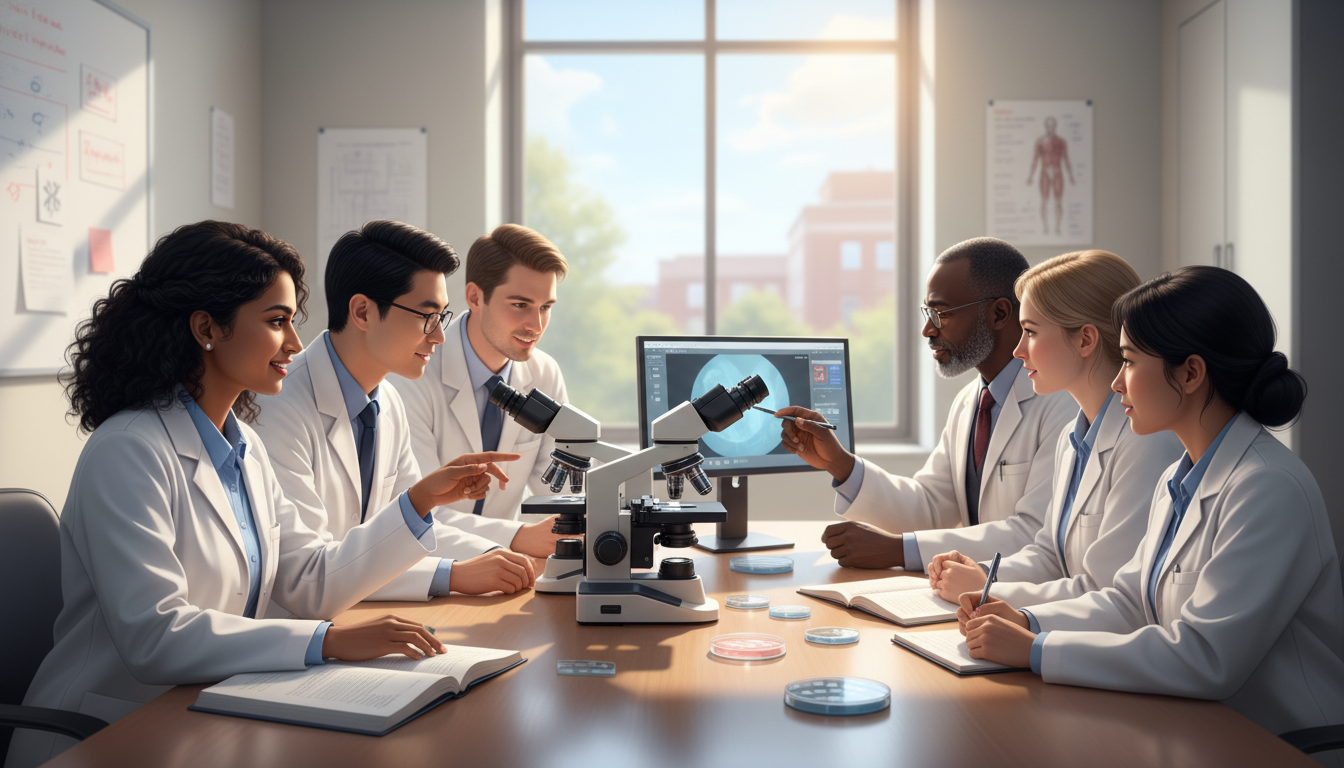
Securing Rotations: Step-by-Step Application Strategy
Once you know your targets, you need a plan to actually obtain these visiting student rotations.
1. Start 12–18 Months Before Your Intended Match Year
For a residency starting July 2027, you should:
- Begin identifying programs: early–mid 2025
- Check each program’s visiting rotation/observership policies
- Prepare documents (CV, personal statement, USMLE transcripts, health records)
- Apply 6–9 months before desired rotation date, even earlier for competitive institutions
Visa processing and institutional approvals for a non-US citizen IMG can take extra time. Early planning is crucial.
2. Use Multiple Search Channels
To find pathology away rotations residency opportunities:
VSLO/VSAS (Visiting Student Learning Opportunities)
- If your medical school participates, search pathology electives by state, institution, and time frame.
- Note: Some VSLO electives are US-student only; check eligibility.
Institutional Websites
- Search “[University name] pathology observership”
- Or “[Hospital name] international visiting medical student pathology”
- Some have formal international programs; others allow department-based arrangements.
Direct Department Contact
- Email pathology department administrators / medical education coordinators.
- Send a short, professional email stating:
- Your status (non-US citizen IMG / foreign national medical graduate)
- Desired dates
- That you are specifically interested in pathology residency and want structured exposure
- That you are willing to comply with all institutional requirements
3. Build a Strong Application Packet
Commonly requested materials:
- CV (tailored to highlight:
- Any pathology exposure at home institution
- Research, quality improvement, or lab experience
- Presentations and publications
- Personal Statement (1–2 pages)
- Focused on your motivation for pathology
- Briefly address why US training and this institution interest you
- USMLE Scores (if taken)
- Step 1/2 results; strong scores help offset IMG/non-US status concerns.
- Medical School Transcript and Dean’s Letter
- English Proficiency Evidence (if required)
- Immunization Records / Physical Exam / TB Testing
- Have these prepared proactively to avoid delays.
Emphasize that you are committed to a career in pathology—not “shopping around” for specialties. US programs want assurance that you aren’t using pathology as a backup with no genuine interest.
4. Dealing With Visa and Sponsorship Issues
As a foreign national medical graduate, your practical options depend heavily on your current location and visa type.
If you are outside the US:
- Short-term B1/B2 visa is often used for observerships/electives (non-paid, non-clinical).
- Some institutions have specific categories for international visiting scholars.
- Always clarify with both institution and consulate how your stay is classified.
If you are already in the US on another visa (F1, J2, etc.):
- Check with your international office and host institution if these allow visiting rotations.
Make sure:
- The institution is aware that you are a non-US citizen IMG, not a permanent resident.
- There is no assumption you are a US citizen or green card holder, which could cause administrative problems later.
- You understand what documentation you need to bring to the US (support letters, invitation letters, financial proof).
Maximizing Your Impact During the Rotation
Once you secure an away rotation, your goal is not just to observe. It is to leave the program thinking: “We would be lucky to have this person as a resident.”
1. Behaviors That Impress Pathology Faculty
Even in an observership, you can distinguish yourself:
Arrive early and stay reasonably late
- Be present at sign-out, gross room, frozen section room, and relevant lectures.
Be prepared and engaged
- Read about cases discussed each day.
- Ask thoughtful, specific questions:
- “How would we distinguish this from X differential considering the immunoprofile?”
- “How does this lab result influence clinical decision-making?”
Show genuine curiosity about the field
- Ask about workflow, quality assurance, interdisciplinary communication, and how pathology impacts patient care, not just morphology.
Be reliable and professional
- Follow all lab safety rules and HIPAA/privacy regulations.
- Be respectful to technologists, PAs, residents, and all staff; their feedback matters.
2. Concrete Tasks to Demonstrate Initiative
Within institutional limits and with supervision:
Pre-read slides and draft differential diagnoses
- Even if not officially required, bring your thoughts and be open to correction.
Offer help with small academic tasks
- Literature review for a case conference
- Drafting a case report or interesting case presentation
Participate in tumor boards or multidisciplinary conferences
- Take notes and later ask your attending how pathology input affected management.
Maintain a small log of interesting cases
- Note diagnosis, teaching points, and questions.
- This helps in future interviews and personal statements.
3. Building Relationships for Strong Letters of Recommendation
Your away rotation is one of your best sources of US pathology letters.
Tips to secure impactful letters:
Identify 1–2 faculty who worked closely with you
- Someone who supervised your sign-outs, discussions, or presentations.
Ask explicitly and early (last week of rotation)
- “Would you feel comfortable writing a strong letter of recommendation for my pathology residency application?”
- This phrasing allows them to decline politely if they cannot write a strong letter.
Provide supporting materials
- Updated CV
- Brief summary of your background and goals
- Your ERAS personal statement draft
- Specifics about what experiences you hope they might highlight (e.g., analytic ability, work ethic, communication).
Stay in touch
- Send a brief thank-you email after the rotation.
- Update letter writers when you submit ERAS and again after match results.
A personalized letter that states: “We had X with us for 4 weeks; they came early, participated in sign-out, contributed to case conferences, and demonstrated excellent fund of knowledge” carries significant weight—especially for a non-US citizen IMG.
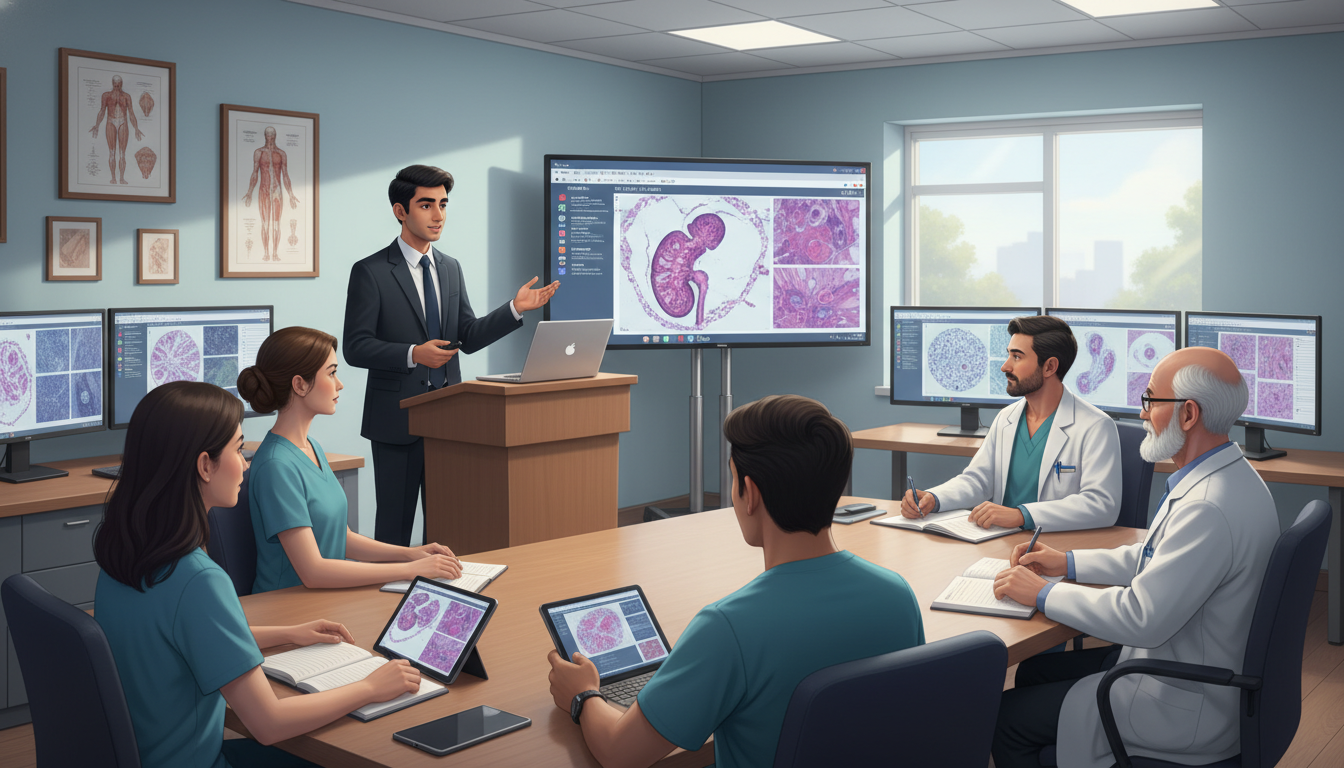
Integrating Away Rotations Into a Successful Pathology Match Plan
Away rotations are powerful, but they are one part of an integrated pathology match strategy for non-US citizen IMGs.
1. Aligning Rotations With the Rest of Your Application
Ensure that everything in your application tells a consistent story:
Personal Statement:
- Mention specific insights gained from your away rotations:
- What you learned about the day-to-day life of a pathologist
- How the experience confirmed your choice of pathology
- Anything that illustrates your understanding of AP/CP, lab medicine, or multidisciplinary care
- Mention specific insights gained from your away rotations:
CV and ERAS Experiences:
- List each rotation precisely, with brief descriptions of:
- Setting (academic vs community)
- Types of cases and activities (frozen section observation, sign-out, tumor boards)
- Any scholarly output (case report, poster, QI project)
- List each rotation precisely, with brief descriptions of:
Interview Preparation:
- Prepare to discuss what you liked and did not like about each visiting student rotation.
- Be ready to answer:
- “Why pathology?”
- “Why this program/region?”
- “How have your away rotations shaped your goals?”
2. Balancing Rotations With Exams and Research
For many non-US citizen IMGs, the timeline is tight:
- USMLE Step exams
- Maybe Step 3 if you are targeting H-1B visa programs
- Research or publications
- Away rotations
Consider:
- It is often better to have 2 strong rotations plus good USMLE scores than 4 rotations with rushed exam prep and lower scores.
- If you have limited pathology experience at home, one research-oriented rotation can combine:
- Departmental exposure
- A small project leading to a poster or abstract, which strengthens your application.
3. Managing Financial and Logistical Constraints
As a foreign national medical graduate, cost and logistics can be major barriers:
Housing and Transportation:
- Use short-term housing platforms, hospital-affiliated housing, or connect with international student offices.
- Choose rotation locations with accessible public transportation if you do not drive.
Rotation Fees:
- Many US institutions charge visiting student fees; observerships sometimes have administrative fees as well.
- Prioritize programs where the cost is justified by potential impact (IMG-friendly, letter potential, possible match location).
Time in the US:
- Plan rotations sequentially to minimize travel costs.
- Group them regionally (e.g., all in Northeast) if possible.
4. Example Rotation Pathways
Here are sample strategies for a non-US citizen IMG applying to pathology:
Scenario A: Still a final-year student with limited US experience
- 1st rotation (Spring): 4-week AP/CP elective at a mid-sized academic center known to match IMGs.
- 2nd rotation (Summer): 4-week pathology elective or observership at a university-affiliated community program in a region where you want to live.
- Optional 3rd (if feasible): 2–4 week rotation in a subspecialty you’re interested in (e.g., hematopathology) at the same or another institution.
Scenario B: Graduate with one prior US observership in another specialty
- 1st rotation: 4-week general pathology observership at a program that frequently ranks IMGs and offers J-1 visas.
- 2nd rotation: 4-week rotation at a program where you strongly want to match, even if it is more competitive—aim for visibility and a letter.
- Supplement: Try to connect with a small pathology research or QI project at one of these sites.
FAQs: Away Rotations for Non‑US Citizen IMG in Pathology
1. As a non-US citizen IMG, do I absolutely need a US pathology rotation to match?
It is not formally mandatory, but in practice, yes, it is highly advantageous. Program directors are more confident ranking a foreign national medical graduate when they have:
- At least one US pathology letter of recommendation
- Evidence that you understand real-world pathology practice
- Proof you can function well in a US lab and academic environment
If you cannot obtain a formal elective, pursue observerships or short-term experiences and pair them with strong home-country pathology mentors.
2. How many away rotations should I aim for in pathology?
For most non-US citizen IMG applicants:
- 1 rotation is a minimum baseline.
- 2–3 rotations offer the best balance between exposure, letters, and cost.
- Beyond that, the marginal benefit usually decreases unless each rotation is at a program that might realistically rank you highly.
Focus on quality and depth—strong letters, genuine engagement, and clear fit—rather than accumulating as many visiting student rotations as possible.
3. Can an observership (without hands-on work) still help my application?
Yes. Even as an observer, you can:
- Attend sign-out, case conferences, and tumor boards
- Demonstrate analytic thinking, professionalism, and communication skills
- Build relationships with faculty who can write meaningful letters
You must be more proactive in engaging, asking thoughtful questions, and contributing academically (e.g., helping with case presentations or literature reviews). A strong, detailed letter from an observership often carries more weight than a generic letter from a busy elective.
4. Should I prioritize programs that offer H-1B over J-1 visas?
This depends on your long-term goals and flexibility:
- If you are open to a J-1 visa, you will have more programs to choose from, and it is generally easier to secure.
- If you strongly prefer H-1B, you will have a smaller pool of programs; doing an away rotation at one of these programs can be especially valuable because it shows clear interest and can help them trust you as an applicant.
For many non-US citizen IMGs, a practical approach is to:
- Target primarily J-1-friendly, IMG-friendly programs for rotations
- Include a smaller number of H-1B-capable programs if that aligns with your long-term migration or career plans.
By planning early, choosing programs strategically, and maximizing each rotation experience, a non-US citizen IMG interested in pathology residency can substantially strengthen their pathology match profile. Thoughtful away rotations residency experiences provide not only skills and insight into the specialty but also the relationships and letters that often make the difference between an application that blends in and one that stands out.