Understanding Away Rotations as a US Citizen IMG in Cardiothoracic Surgery
If you are a US citizen IMG (American studying abroad) and you dream of a cardiothoracic surgery residency, away rotations (also called visiting student rotations or sub-internships) will be one of the most powerful tools in your application strategy. They are also complex, competitive, and logistically challenging—especially for students outside US schools.
This guide walks you through a step-by-step away rotation strategy specifically tailored for US citizen IMGs targeting heart surgery training. You’ll learn how to choose programs, how many away rotations to complete, how to stand out on service, and how to leverage these experiences effectively in your cardiothoracic surgery residency application.
Why Away Rotations Matter So Much in Cardiothoracic Surgery
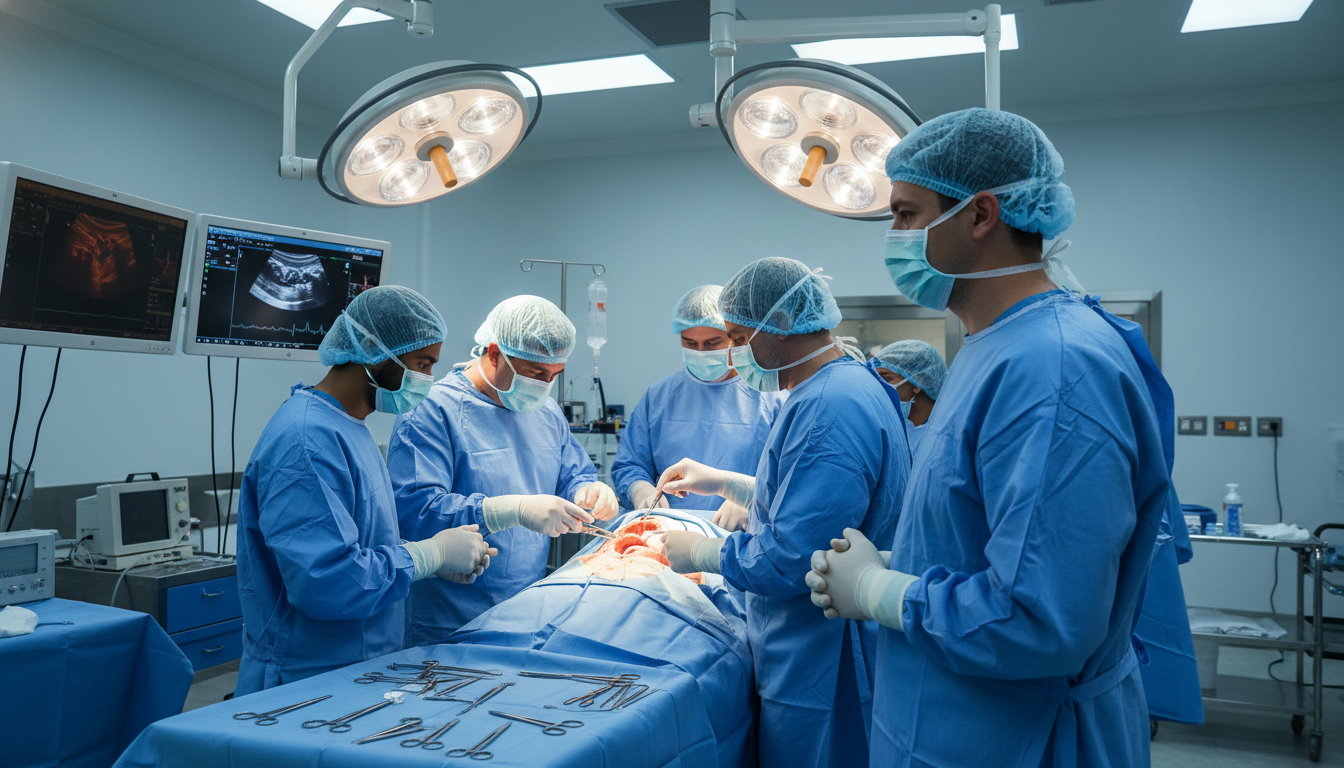
Cardiothoracic surgery is a small, high-stakes field with intense competition. Most integrated CT surgery programs only take 1–2 residents per year. For a US citizen IMG, an away rotation can:
- Put you “on the radar” at programs that might otherwise never review your application.
- Generate powerful letters of recommendation from US cardiothoracic faculty.
- Demonstrate your technical potential and work ethic in a way scores alone can’t.
- Show you understand the realities of heart surgery training, including long hours, physical demands, and team-based culture.
- Help counter IMG bias by showing that you thrive in a US academic environment.
In such a small specialty, reputation and trust matter. Faculty want to know: “Would I want this person operating on my family one day?” Away rotations are your chance to answer that question with actions, not just words.
Key Goals of an Away Rotation for a US Citizen IMG
Before you apply, get clear on what a successful cardiothoracic surgery away rotation should accomplish for you:
- Earn at least one strong, personalized letter of recommendation from a US CT surgeon.
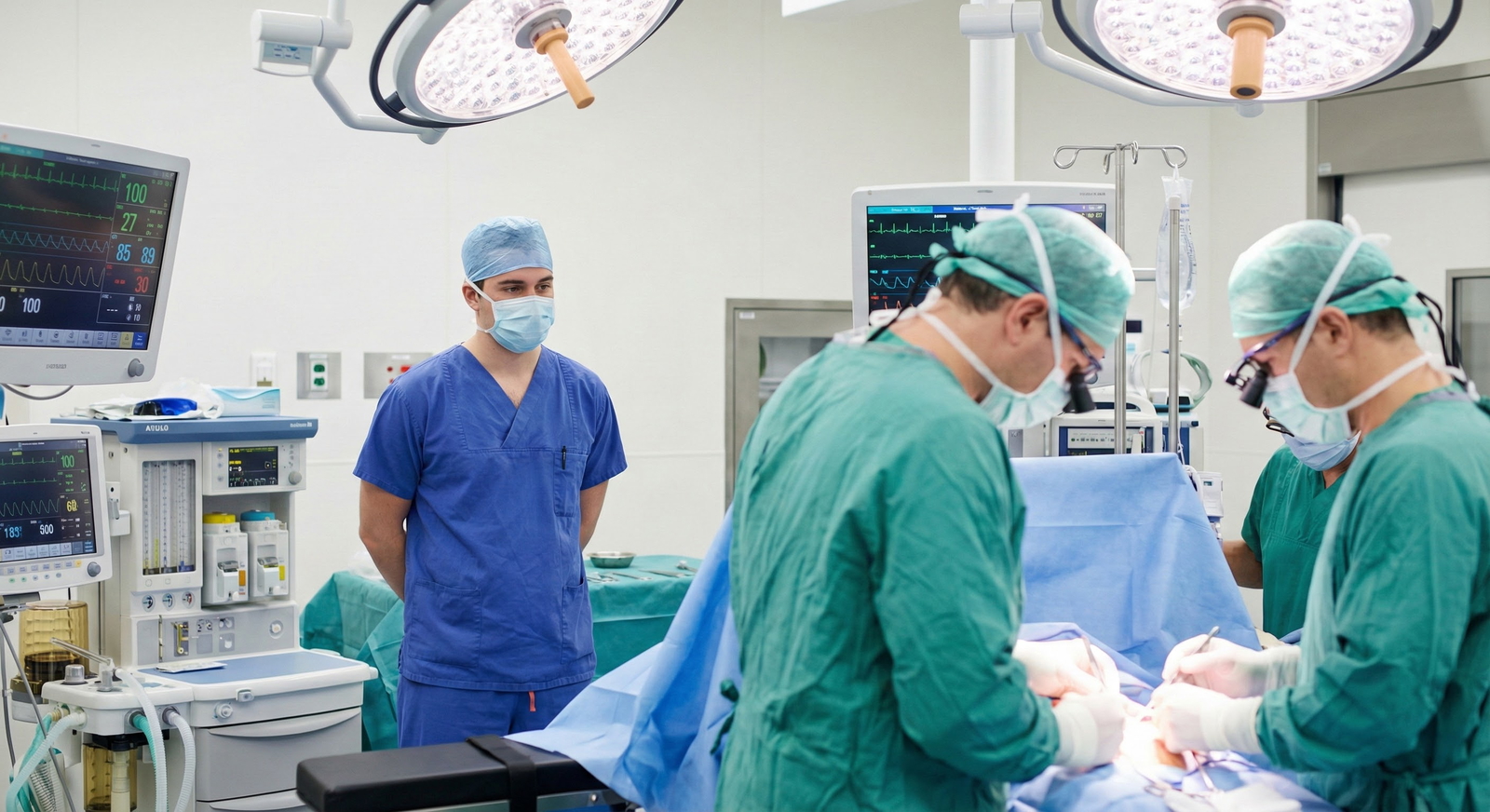
- Prove you can function like a reliable sub-intern: take ownership, pre-round, present, follow up, and anticipate team needs.
- Show cultural and professional fluency in a US hospital system, even if you trained abroad.
- Signal serious interest in CT surgery, not just as a backup to general surgery or another field.
- Gather inside information on program culture, expectations, and fit.
You are not just “doing a month at a prestigious hospital.” You are intentionally auditioning as a potential future resident.
Planning Your Rotation Strategy: Timing, Number, and Program Selection
When to Do Away Rotations for CT Surgery
Most integrated CT surgery programs want to see:
- Core clinical clerkships completed (especially surgery, internal medicine, and sometimes ICU).
- Away rotations in the late 3rd year or early 4th year (depending on your school structure and country).
For a typical US medical timeline, CT surgery–interested students aim for:
- Spring–Summer before ERAS submission (e.g., April–September in the year of application).
- At least one CT surgery–relevant rotation completed before letters are due in September.
As a US citizen IMG, your calendar may differ, but target:
- At least one CT surgery or CT-aligned away before ERAS opens, and
- If possible, a second rotation before interview season to add fresh experiences and another letter.
How Many Away Rotations Should You Do?
Applicants often ask, “how many away rotations” are ideal. For a US citizen IMG in this niche field, balance is key:
- Minimum target: 1–2 away rotations at US institutions closely tied to CT surgery.
- Ideal range: 2–3 rotations that clearly support your CT surgery narrative.
- Upper limit: 3–4 total away rotations in highly relevant areas (CT surgery, cardiac surgery, thoracic surgery, or high-level general surgery with strong CT connections).
Going far beyond 3–4 away rotations can:
- Strain your finances.
- Leave less time for research, Step prep, or home institution responsibilities.
- Look scattered if not clearly CT surgery–focused.
Think of away rotations as precision tools, not a numbers game.
What Type of Away Rotations Are Most Valuable?
For integrated cardiothoracic surgery residency, your visiting student rotations should prioritize:
Integrated CT Surgery or Dedicated Cardiothoracic Services
- Best option: a month on a cardiac surgery or cardiothoracic surgery service at a program that has an integrated CT surgery residency.
- Shows direct exposure to heart surgery training (valve repair, CABG, aortic surgery, transplant, LVAD, etc.).
High-Acuity General Surgery or Surgical ICU with CT Exposure
- If limited CT-specific options, consider:
- Surgical ICU with strong CT census.
- Advanced general surgery services with close collaboration with CT.
- If limited CT-specific options, consider:
Thoracic Surgery
- Especially if combined CT/Thoracic programs or heavy lung, esophageal, and complex thoracic oncology case mix.
Prioritize rotations at institutions that actually train CT surgeons (integrated I-6 or traditional 5+2 programs) and where residents go on to competitive fellowships and heart centers.
Choosing Programs as a US Citizen IMG
Because you’re an American studying abroad, application committees will look for evidence that you can:
- Adapt quickly to US systems.
- Communicate seamlessly in English with patients and team members.
- Handle US-style documentation, EMR, and hierarchy.
When choosing away sites, consider:
IMG-Friendliness
- Look for programs with:
- Current or recent IMGs in CT, general surgery, or other surgical fields.
- Public statements or data showing they’ve matched IMGs before.
- Check program websites, resident profiles, and NRMP reports.
- Look for programs with:
Program Size and Culture
- Smaller programs may deeply value a strong away rotator and use that to “take a chance” on a US citizen IMG who proves themselves.
- Larger programs can offer more complex pathology and name recognition but may be more competitive and have stronger home-student bias.
Research Fit
- If you have cardiovascular or thoracic research, target programs where faculty share your interests (e.g., transplant, aortic disease, minimally invasive valve surgery, structural heart collaboration).
Location and Logistics
- Budget realistically: housing, travel, visa (if relevant), meals, and lost income.
- Prioritize 1–2 programs you could see yourself ranking highly.
Think of away rotation slots as your strongest signals of program interest in this highly specialized field.
Application Logistics: How to Secure Competitive Visiting Student Rotations
Using VSLO/VSAS and Other Portals
Most US medical schools use the Visiting Student Learning Opportunities (VSLO) system (previously VSAS) to manage away rotations. As a US citizen IMG:
- Confirm if your international school is in VSLO.
- If not, contact target institutions early; many offer school-specific or paper-based visiting student applications.
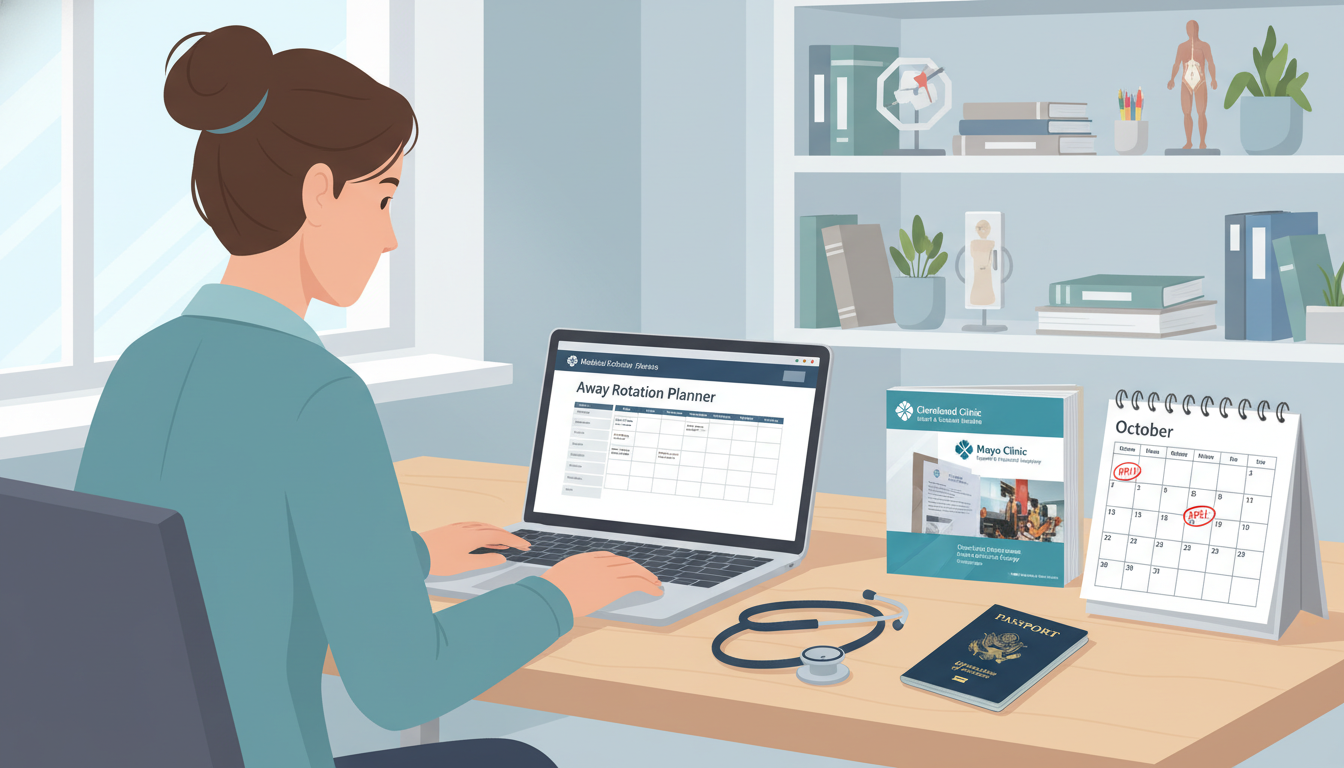
- Start emailing programs 6–9 months before your desired start date, especially for high-demand specialties like cardiothoracic surgery.
Typical application components:
- Transcript and proof of clinical standing (often final-year status).
- USMLE Step 1 (and ideally Step 2 CK) scores.
- CV and personal statement (tailored to CT surgery interest).
- Background checks, immunizations, BLS/ACLS certifications.
- Proof of malpractice and health insurance.
Timing Your Applications
Given the competitiveness of CT surgery–relevant rotations:
- Aim to submit visiting student applications as soon as they open (often in late winter/early spring for rotations starting in July–October).
- Have your documents ready: Step scores, updated CV, statement highlighting your passion for cardiothoracic surgery.
If your Step scores are pending or borderline, consider:
- Doing an earlier general surgery away at a strong institution while you strengthen your profile.
- Following with a CT-specific away once Step 2 CK is in and (ideally) strong.
Crafting Your Personal Statement for Away Rotations
Even for short-term visiting student rotations, many programs ask for a brief statement. As a US citizen IMG, use this to:
- Clearly identify yourself as a US citizen studying abroad—this often reassures programs about future credentialing and visa issues.
- Highlight specific CT experiences:
- Observations or hands-on experience in cardiac ORs.
- Research in cardiovascular disease, thoracic oncology, or cardiac imaging.
- Mentorship by CT surgeons (in your home country or remotely).
- Explain why their program:
- Name key surgeons or research programs.
- Emphasize your desire to learn from their specific case mix or educational style.
- Emphasize your goals:
- Exposure to high-acuity heart surgery training.
- Desire for rigorous, feedback-driven teaching.
- Intention to pursue a cardiothoracic surgery residency in the US.
Maximizing Your Impact on a Cardiothoracic Away Rotation
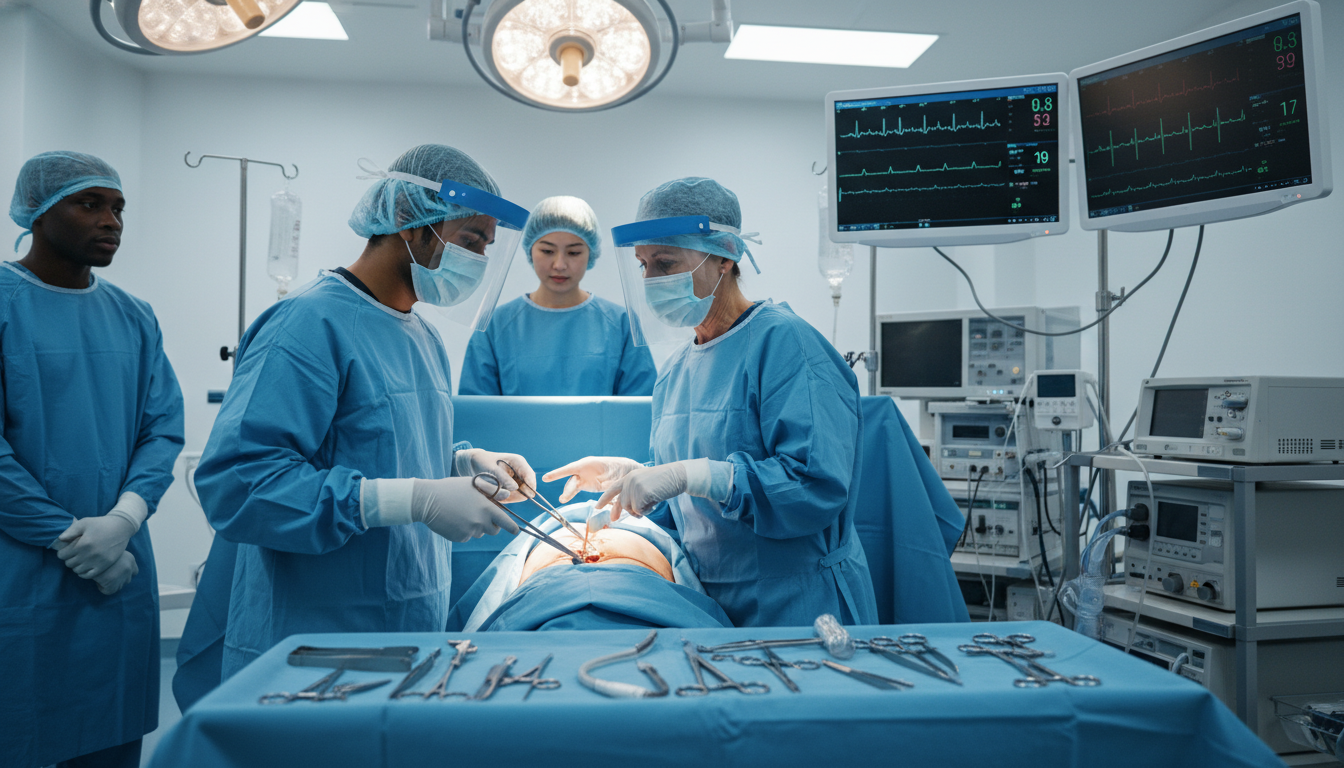
Once you secure an away rotation, the real work begins. In cardiothoracic surgery, impressions are formed fast and remembered for years.
Pre-Rotation Preparation
Before you start:
Review core cardiac and thoracic anatomy
- Coronary circulation, valves, aortic segments, pericardium.
- Bronchial tree, lung lobes, mediastinal compartments.
Learn common CT procedures
- CABG, valve replacement/repair, aortic dissection repair, LVAD placement, heart transplant.
- Lobectomy, pneumonectomy, esophagectomy, mediastinoscopy.
Know basic perioperative management
- Pre-op workup for CABG (stress testing, cath, risk stratification).
- Post-op CT-ICU issues: bleeding, low cardiac output, arrhythmias, respiratory failure.
Brush up on lines, drains, and tubes
- Chest tube management, central lines, arterial lines, pacing wires.
You don’t need to be an expert, but you should demonstrate baseline familiarity and rapid learning.
On-Service Behavior: What CT Faculty Actually Notice
Cardiothoracic surgeons tend to value:
Exceptional work ethic
- Early to pre-round, staying late if the team is still working.
- Volunteering for tasks rather than disappearing between cases.
Composure under pressure
- Operating rooms and cardiac ICUs can be intense.
- Staying calm, focused, and receptive to feedback matters more than having all the answers.
Team orientation
- Helping co-students, interns, and residents.
- Appreciating the work of nurses, perfusionists, and anesthesiologists.
Intellectual curiosity
- Asking thoughtful, targeted questions at appropriate times.
- Following up: “You mentioned X yesterday; I read about it and had a question about Y.”
As a US citizen IMG, you may be scrutinized for your ability to adapt to US-style communication and documentation. Show fluency by:
- Presenting patients concisely in standard US formats (SOAP).
- Understanding EMR basics quickly.
- Using professional, assertive but respectful language.
Practical Ways to Stand Out
Concrete strategies during your rotation:
Own a small number of patients fully
- Know their labs, imaging, operative details, and post-op course better than anyone.
- Pre-round with a plan: “Based on his drop in urine output, I think we should check X and adjust Y.”
Prepare for each OR case
- Review the indication, anatomy, and key steps.
- Before the case, say: “I read about this AV replacement. If ok, I’d like to focus on understanding the approach to the aortic root today.”
- After the case, briefly recap what you learned.
Be procedurally engaged
- Offer to help place lines, perform bedside procedures (within scope), and assist with chest tube checks.
- In the OR, master basics first: retraction, suctioning, cutting sutures correctly, maintaining sterile field.
Ask for feedback early
- After the first week: “I’m very interested in CT surgery and want to improve. Is there anything specific I can do differently on rounds or in the OR?”
Demonstrate resilience
- When corrected, respond with: “Thank you—understood,” then adjust your behavior immediately.
- Show you can handle long days without complaints or visible burnout during the rotation month.
Strategic Relationship-Building
Don’t just impress randomly—build mentorship and advocacy:
- Identify 1–2 faculty or senior residents who:
- Take time to teach.
- Show interest in your background and goals.
- Share your career aim clearly:
- “I’m a US citizen IMG planning to apply to integrated CT surgery. I’d really value your advice on strengthening my application.”
- Ask, near the end of the rotation:
- “If you feel you can speak to my performance, I’d be honored to have a letter of recommendation from you.”
Strong letters for CT surgery often include specific:
- OR examples of your growth.
- ICU/ward responsibilities you handled.
- Comments on your potential as a future cardiothoracic surgeon.
Integrating Away Rotations into a Strong CT Surgery Application
Away rotations are not isolated experiences—they must fit into your overall application story.
Building a Cohesive CT Surgery Narrative
Programs want to see longitudinal interest in heart surgery training, not a last-minute pivot. Use your away rotations to reinforce a narrative that includes:
- Early exposure: Shadowing or electives in cardiac or thoracic surgery, even abroad.
- Research: Cardiovascular, thoracic oncology, transplantation, heart failure, or structural heart disease.
- Leadership: Roles in surgery interest groups, teaching fellow students, QI projects in perioperative care.
In your ERAS application and personal statement:
- Reference your visiting student rotations by name, and describe specific cases or experiences that solidified your decision.
- Highlight how each away rotation contributed:
- One may have deepened your interest in complex aortic surgery.
- Another may have exposed you to transplant, mechanical circulatory support, or advanced thoracic oncology.
Selecting Programs for ERAS Based on Away Experiences
Use your away rotations strategically in your rank and application lists:
- Anchor programs: Where you rotated and received strong feedback and a letter.
- These should be among your top choices.
- Cluster programs: Similar type or region to your away sites (e.g., same geographic area or academic network).
- Faculty may know each other and share informal impressions.
- IMG-friendly programs: Whether or not you rotated there, include places known to interview US citizen IMGs.
Even if you don’t end up matching at your away site, a highly positive away experience can:
- Yield a letter that opens doors elsewhere.
- Lead faculty to personally email colleagues on your behalf.
Leveraging Your US Citizen Status as an IMG
Being a US citizen IMG has both challenges and advantages:
Challenges:
- Perception of training variability abroad.
- Less automatic access to US clinical rotations.
Advantages:
- No visa sponsorship concerns.
- Cultural familiarity with US healthcare and patient expectations (if you grew up or spent time in the US).
- Potential to articulate a broader, international perspective on healthcare.
On away rotations and in interviews, you can frame your background as:
- Evidence of adaptability and resilience (navigating a foreign system, then transitioning back).
- A global understanding of cardiovascular disease burdens and resource variability.
- A commitment to bringing the best of both worlds into your future US cardiothoracic practice.
Frequently Asked Questions (FAQ)
1. As a US citizen IMG, how many away rotations should I aim for in cardiothoracic surgery?
Most US citizen IMG applicants interested in integrated cardiothoracic surgery residency should aim for 2–3 high-yield away rotations:
- At least one directly on cardiothoracic surgery (cardiac or combined CT service).
- Possibly one on thoracic surgery or high-acuity general surgery/ICU at a CT-heavy center.
- A third rotation can be CT-related or at a program strongly aligned with your research interests.
Avoid overextending beyond 3–4 total away rotations; depth and performance matter more than raw number.
2. I can only secure general surgery away rotations. Will that still help my CT surgery application?
Yes—high-quality general surgery away rotations at institutions with strong CT programs can still be valuable, especially if:
- You work closely with surgeons who collaborate with CT.
- You can secure letters from faculty known in the broader surgical community.
- You explicitly seek exposure to cardiac and thoracic patients in the ICU or on complex cases.
However, if at all possible, try to add at least one directly CT-related or thoracic rotation somewhere in your training to show focused commitment to heart surgery training.
3. What if my international school is not in VSLO/VSAS? Can I still do visiting student rotations?
You can. Many US institutions accept “non-VSLO” visiting students via:
- School-specific application portals.
- Paper or PDF application packets.
- Direct coordination through the department or dean’s office.
Start early—6–9 months ahead—and:
- Email both the medical education/registrar and the CT/general surgery department’s student coordinator.
- Attach your CV, USMLE scores, transcript, and a short statement expressing interest in a rotation with a focus on cardiothoracic surgery.
4. How do I handle it if I feel I had a mediocre performance on one of my away rotations?
It happens. If a rotation doesn’t go as well as hoped:
- Do not request a letter from that site unless you are sure the faculty view you positively.
- Reflect honestly:
- Was it preparation, communication style, fatigue, or team fit?
- Use the experience to improve on your next rotation:
- Address specific feedback (e.g., presentation structure, OR etiquette, follow-through on tasks).
- In interviews (if asked), frame it as a growth experience:
- “On one of my earlier rotations I realized I needed to improve X. I deliberately worked on that, and by the time I did my CT rotation at Y, I consistently received positive feedback on that aspect.”
Residency programs appreciate applicants who learn, adapt, and improve over time—critical qualities for a future heart surgeon.
By planning your away rotations deliberately, performing at your highest level on service, and integrating each experience into a coherent cardiothoracic surgery story, you can significantly strengthen your competitiveness as a US citizen IMG. Thoughtful, targeted visiting student rotations are not just months on a schedule; they are your most powerful auditions for a future in cardiothoracic surgery.