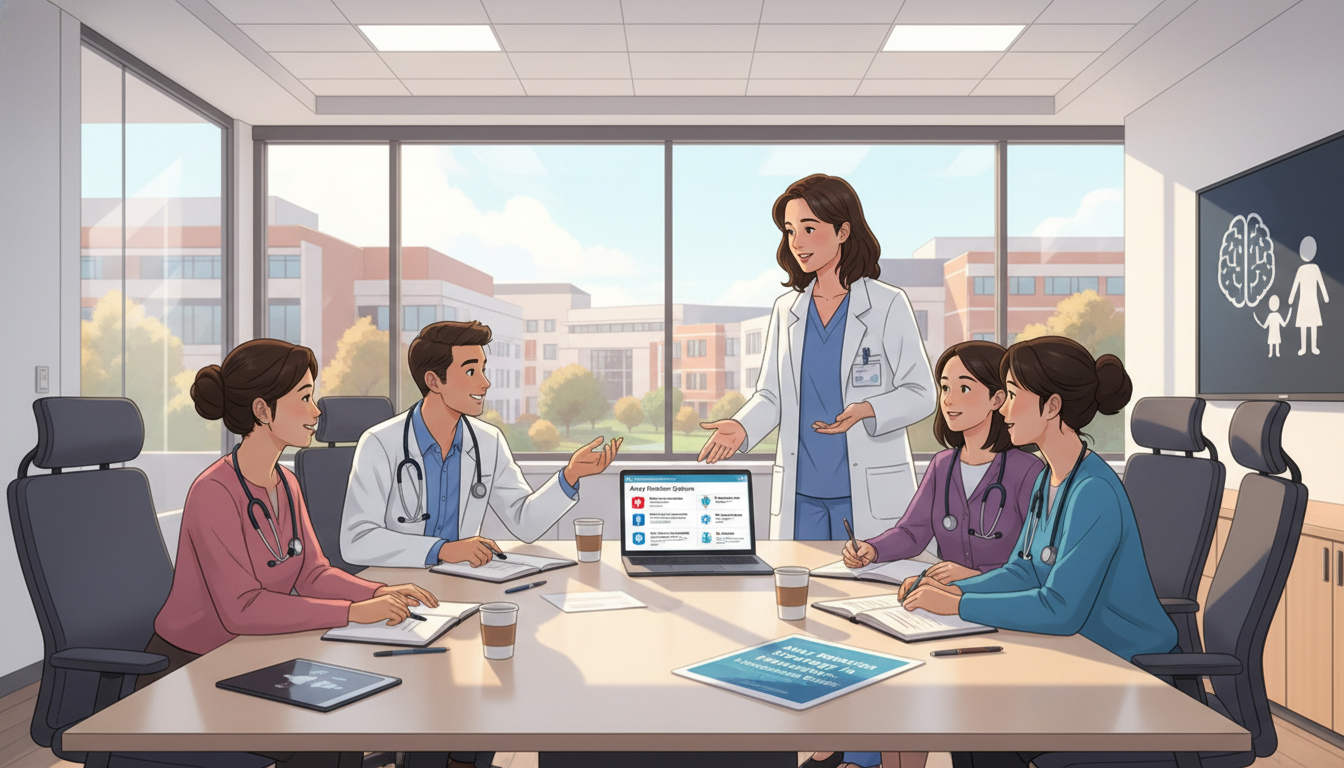
As a US citizen IMG or an American studying abroad, you’re in a unique—and often challenging—position when planning away rotations to support a future in medical genetics. Because medical genetics is a small, relationship‑driven specialty, your visiting student rotations can matter even more than in larger fields. Used strategically, they strengthen your application, expand your network, and directly improve your chances in the genetics match.
This article outlines a step‑by‑step away rotation strategy specifically for US citizen IMG applicants targeting a medical genetics residency in the United States.
Why Away Rotations Matter So Much for US Citizen IMGs in Medical Genetics
For a US citizen IMG, away rotations (also called visiting student rotations or electives) can be the single most important part of your clerkship strategy for competitive residencies. In medical genetics, they are especially powerful for three reasons:
It’s a small, close‑knit specialty.
- Program directors and faculty often know each other personally.
- A strong performance on rotation can quickly translate into calls or emails on your behalf.
Programs want to see you in their system.
- Many medical genetics programs are embedded within large academic centers (e.g., combined pediatrics–genetics or internal medicine–genetics).
- For an IMG, showing you can function smoothly in a US academic environment helps overcome concerns about unfamiliar training backgrounds.
Limited exposure at most med schools.
- Even for US MD/DO students, genetics exposure can be minimal.
- As an American studying abroad, you may have had little or no direct clinical genetics experience—away rotations can be your primary evidence that you understand the field.
Key take‑home: For a US citizen IMG aiming for medical genetics, away rotations are not optional “extras.” They are a core part of demonstrating fit, skill, and commitment to the specialty.
Understanding the Medical Genetics Residency Landscape (for US Citizen IMGs)
Before you plan where and how many away rotations, you need a realistic picture of the training pathways and how IMGs fit in.
Main training pathways
Most practicing clinical geneticists in the US have completed one of:
- Combined residency programs:
- Pediatrics–Medical Genetics (often 4–5 years)
- Internal Medicine–Medical Genetics
- Maternal–Fetal Medicine and Genetics (less common for residency pathway)
- Sequential training:
- Complete a primary residency (e.g., pediatrics, internal medicine, OB/GYN)
- Then complete a 2‑year medical genetics and genomics residency/fellowship
Many US citizen IMGs enter genetics through:
- Pediatrics → Medical Genetics
- Internal Medicine → Medical Genetics
Some do secure positions in combined programs as IMGs, but numbers are small. Understanding your likely pathway influences which clerkships and away rotations residency directors will value most.
Where IMGs fit in
For a US citizen IMG:
- You may face extra scrutiny on clinical readiness, EMR use, communication with patients/families, and knowledge of US healthcare systems.
- Programs will often rely heavily on:
- Direct observation on rotation
- US letters of recommendation, especially from genetics faculty
- Evidence you understand what a medical genetics residency actually involves (not just “I like genetics”).
How this shapes your away rotation goals
Your away rotation strategy should aim to:
Prove you can function like a US senior medical student in:
- Inpatient consults
- Outpatient clinics
- Interprofessional teams
Show a sustained interest in genetics, not a last‑minute decision:
- Electives in genetics, dysmorphology, metabolic disorders, prenatal genetics, or related fields
- Research or scholarly work in genetics or genomics, if possible
Generate powerful, specialty‑specific letters from
- Clinical geneticists
- Program leadership in pediatrics, internal medicine, or medical genetics and genomics
Strategic Planning: How Many Away Rotations and Where to Do Them
One of the most common questions is: How many away rotations should I do as an IMG targeting medical genetics?
How many away rotations?
For a US citizen IMG aiming for medical genetics, a realistic, effective target is:
- 2–3 away rotations total, if feasible.
A breakdown could be:
- 1–2 rotations directly in medical genetics (clinical genetics, metabolic genetics, or pediatric genetics clinics)
- 1 rotation in your primary specialty feeder (pediatrics or internal medicine) at a program that has a strong genetics department
If limited by finances, visas, or scheduling:
- At minimum: 1 solid genetics away rotation +
- 1 strong US core clerkship/away (peds or IM) with potential for a strong letter.
More than 3 away rotations can lead to:
- Financial strain
- Burnout
- Diminishing returns (programs question why you needed so many)
Where to prioritize your away rotations
When choosing visiting student rotations, think in three categories:
Target programs you would seriously rank highly in the genetics match
- Institutions with:
- Established Medical Genetics and Genomics residencies
- Combined pediatrics–genetics or IM–genetics tracks
- Strong metabolic/genomics programs
- These are your “auditions” – where you want to show your absolute best.
- Institutions with:
Programs with a history of IMGs or US citizen IMG success
- Look at:
- Resident bios (do you see IMGs in current or past classes?)
- Faculty backgrounds (any international training?)
- Email or ask during rotations (politely) about their experience with IMG residents.
- Look at:
Geographic or personal preference areas
- Places where you would truly be happy to live.
- Areas where you have family or support systems (which can help during training).
Example away rotation portfolio for a US citizen IMG
Example 1: US citizen IMG leaning toward pediatrics → genetics
- 4th year (or final year) rotations:
- August–September: Pediatrics sub‑I at a children’s hospital with a genetics department
- October: Clinical medical genetics rotation at a different academic center
- November: Home/affiliate pediatrics or NICU rotation
- December: Elective in metabolic genetics or dysmorphology (if available)
Example 2: US citizen IMG leaning toward internal medicine → genetics
- 4th year rotations:
- July–August: Internal medicine sub‑I at a US academic hospital
- September: Adult medical genetics or cancer genetics rotation
- October–November: Additional internal medicine elective or consult rotation where genetics is integrated (e.g., rheumatology, oncology)

Securing Visiting Student Rotations as a US Citizen IMG
Platforms and pathways
As an American studying abroad, you’ll likely use a mix of:
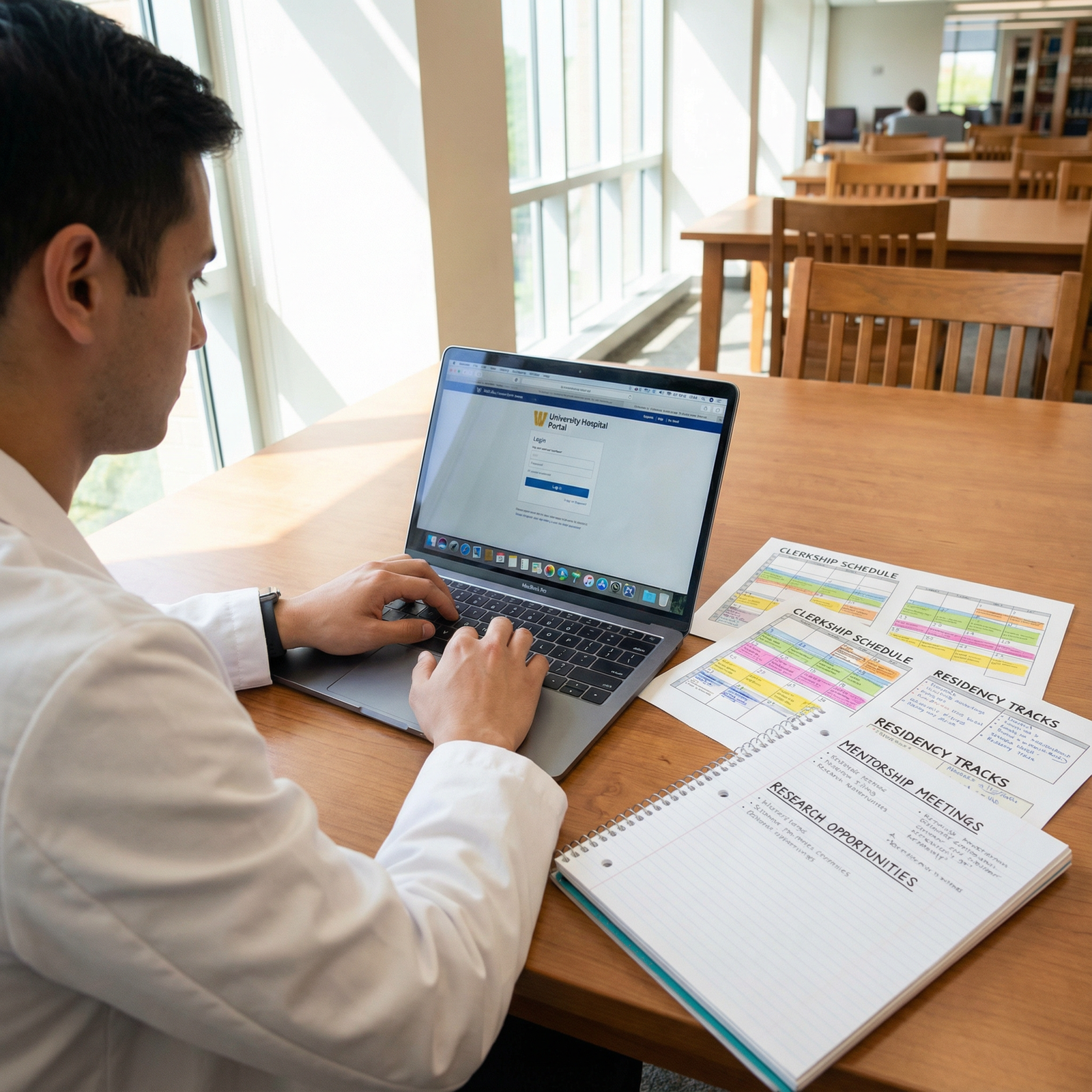
Visiting Student Learning Opportunities (VSLO/VSAS)
- Primary platform for US MD/DO students, but some institutions allow US citizen IMGs if:
- Your school is listed as a VSLO home institution
- Or the host accepts “international” students with US citizenship on a case‑by‑case basis
- Primary platform for US MD/DO students, but some institutions allow US citizen IMGs if:
Institution‑specific applications
- Many academic centers have unique portals for international or non‑VSLO applicants.
- Search “visiting medical student [Institution Name] medical genetics” or “international medical student electives [Institution].”
Direct department contact
- Some medical genetics departments are small and flexible.
- A concise, professional email to the genetics program coordinator or clerkship director can sometimes open doors.
Timing your applications
For away rotations that support the genetics match, plan:
Apply 6–9 months in advance, especially for:
- July–October slots (prime audition season)
- Highly sought academic centers
If your school calendar is offset or you graduate at a non‑US time:
- Clarify with programs that you can participate as a final‑year student and that you will not yet have graduated during the rotation.
Documents commonly required
Most programs will ask for:
- Transcript (official or dean’s letter)
- USMLE Step 1 (and sometimes Step 2 CK) scores
- Immunizations, TB test, and sometimes titers
- Proof of malpractice coverage (your school may need to provide this)
- BLS/ACLS certification (occasionally)
- Proof of English proficiency (rare for US citizen IMG but possible if school is non‑English)
Some may ask:
- Statement of interest or personal statement (brief, 1 page)
- Curriculum vitae
- Proof of US citizenship or permanent residency (advantage compared to non‑US IMGs)
Maximizing Impact: How to Excel on a Genetics Away Rotation
Once you’ve secured your visiting student rotations, your performance will determine whether they actually help in the genetics match. Because medical genetics is small, reputation travels quickly—in a good way or a bad way.
1. Prepare specifically for medical genetics
Before day one:
Refresh fundamentals:
- Basics of Mendelian inheritance, de novo vs inherited variants
- Common chromosomal disorders (e.g., trisomies, microdeletions like 22q11.2)
- Pedigree construction and interpretation
- Core metabolic pathways (urea cycle, fatty acid oxidation, amino acid disorders)
Review core resources:
- GeneReviews (open access) – diseases commonly seen in clinic
- ACMG practice guidelines (even just summaries)
- Your home med school genetics notes, if solid
This preparation shows when you:
- Present patients
- Discuss differential diagnoses
- Talk about testing and counseling options
2. Demonstrate clinical maturity
Many genetics consults involve “zebras,” but the basics still matter a lot:
- Take thorough histories, emphasizing:
- Prenatal and birth history
- Developmental milestones
- Family history with a three‑generation pedigree
- Perform careful physical exams, especially:
- Growth measurements
- Dysmorphology (facial features, limb abnormalities, skin findings)
- Neurologic exam
As a US citizen IMG, faculty will watch for:
- Clear, fluent English communication with families
- Comfort using EMR and writing notes in standard US format
- Professionalism with staff and consultants
3. Engage with the team and the science
Medical genetics teams value curiosity and scholarly mindset. You can stand out by:
Asking focused, thoughtful questions:
- “Why did we choose chromosomal microarray instead of exome sequencing here?”
- “What are the recurrence risks for this couple in future pregnancies?”
Volunteering for small projects:
- Case write‑up for a departmental conference
- Literature review on a rare syndrome you encountered
- Drafting an educational handout for families (if appropriate)
Following up on consults:
- Check results of ordered tests
- Present updates to the team
- Track how the genetic diagnosis changes management
4. Make your interest in genetics explicit—but mature
Program directors want to see that you:
- Understand what daily life in genetics is actually like.
- Have considered:
- Longitudinal relationships with families
- End‑of‑life and ethical discussions
- Uncertain or negative test results
When appropriate, share:
- How your background as an American studying abroad exposed you to unique genetic conditions or healthcare systems.
- Why you’re committed to building a career in medical genetics despite a less conventional path.
Avoid:
- Sounding like you just “love DNA” or “find genetics fascinating” without articulating the patient‑centered aspects of the field.
5. Secure strong letters of recommendation
Weeks 3–4 of your rotation are the time to intentionally seek feedback and letters:
Ask early for real‑time feedback:
- “I’m very interested in medical genetics as a career. Could you share any feedback on how I’m performing and what I could improve before the end of the rotation?”
Near the end, approach:
- The genetics attending(s) who worked with you the most
- Possibly the program director or clerkship director, if you had enough contact
Phrase your request clearly:
- “I am applying to pediatrics residency with the goal of medical genetics training afterward, and your program is one of my top choices. Do you feel you know my work well enough to write a strong letter of recommendation?”
If they hesitate, respect that and ask someone who can write a more enthusiastic letter.

Integrating Away Rotations into Your Overall Genetics Match Strategy
Away rotations are one part of a broader plan to land a medical genetics residency as a US citizen IMG. To maximize impact, integrate them with your application components.
1. Align rotations with your ERAS personal statement
Your personal statement should reflect:
Concrete experiences from your visiting student rotations:
- A patient or family encounter that shaped your view of genetics.
- How a specific rotation confirmed your commitment.
A clear training vision:
- “I plan to complete a pediatrics residency followed by a medical genetics and genomics program”
- Or “I am applying directly to combined pediatrics–genetics programs…”
Use specific details:
- “During my visiting student rotation at [Institution], I followed a child with a suspected mitochondrial disorder from initial consult through genetic test interpretation and family counseling…”
2. Coordinate with your specialty choice (pediatrics vs IM vs combined)
Because many medical genetics positions are filled by applicants already in or matching into pediatrics or internal medicine:
If you’re applying to pediatrics:
- Use your away rotation to:
- Show you handle complex pediatric patients.
- Highlight how genetics shapes management in NICU, PICU, and general peds.
- Emphasize in interviews your long‑term plan for genetics fellowship/residency.
- Use your away rotation to:
If you’re applying to internal medicine:
- Show sophistication with:
- Adult genetic conditions (cancer genetics, cardiogenetics, hereditary thrombophilia, etc.)
- Discuss your goal of pursuing medical genetics training and, possibly, dual certification.
- Show sophistication with:
If applying directly to a combined program:
- Make sure at least one away rotation is at a site with such a combined track, if possible.
- Ask on rotation:
- How combined training is structured.
- What they look for in applicants (especially US citizen IMG applicants).
3. Use rotations to build mentors and advocates
Mentorship is crucial in a small specialty:
Identify at least one genetics faculty mentor who:
- Knows your story as a US citizen IMG.
- Understands your academic strengths and gaps.
- Is willing to review your CV, personal statement, and program list.
Keep in touch:
- Send an updated CV.
- Email them when ERAS opens.
- Let them know where you are applying and ask if they know program directors at those sites.
Mentors can:
- Email colleagues to flag your application.
- Provide candid advice on realistic program choices.
- Offer guidance on research or scholarly pursuits in genetics.
4. Showcase your away rotations during interviews
When you reach the interview stage (for pediatrics, internal medicine, medical genetics, or combined programs):
Be ready to:
- Discuss clinical cases from your visiting student rotations.
- Explain what you learned about:
- Genetic counseling
- Ethical dilemmas
- Dealing with uncertain or negative test results
- Highlight how you improved during a challenging rotation—especially if you initially struggled with EMR or workflow as an IMG.
Frame your away rotations as:
- Evidence that you have already “test‑driven” the specialty and environment.
- Proof that you can adapt quickly in US systems despite training abroad.
Common Pitfalls and How to Avoid Them
Even strong US citizen IMGs can run into trouble with away rotations. Watch for these pitfalls:
1. Doing away rotations without a clear narrative
Problem:
- You scatter rotations in unrelated fields (e.g., dermatology, radiology) while claiming a strong long‑term interest in genetics.
Solution:
- Build a cohesive story:
- Genetics + pediatrics/immunology/metabolics
- Genetics + oncology/IM/OB (for prenatal/cancer genetics interest)
- Tie each rotation back to your ultimate genetics goals.
2. Over‑focusing on prestige rather than fit
Problem:
- Only applying to top‑tier “name” institutions where getting an away spot (and later match spot) is extremely competitive for IMGs.
Solution:
- Balance your list:
- 1–2 high‑reach institutions
- 2–3 mid‑tier programs with robust genetics departments
- At least 1 program known to train or hire IMGs
3. Underperforming because of system shock
Problem:
- Struggling with new EMR, cultural norms, or team structure leads to:
- Disorganized notes
- Slow pre‑rounding
- Less favorable evaluations
Solution:
- Before your first rotation:
- Review US‑style SOAP notes and assessments.
- Practice giving oral case presentations with a friend or mentor.
- Read about the hospital’s EMR tutorials, if available.
4. Not asking for feedback or letters early enough
Problem:
- Waiting until the last day to ask for a letter, leaving faculty little time to recall details.
Solution:
- Around week 2–3:
- Ask: “I’m aiming for a career in medical genetics. What could I do in the next two weeks to be someone for whom you would feel comfortable writing a strong letter?”
Frequently Asked Questions (FAQ)
1. As a US citizen IMG, do I absolutely need a medical genetics away rotation to match into genetics later?
Not absolutely, but it is highly advantageous. For future medical genetics training, programs value:
- Documented exposure to clinical genetics in the US
- At least one strong letter from a genetics or closely related subspecialty faculty member
- Evidence you understand what the field entails day‑to‑day
If you cannot secure a dedicated genetics away rotation, aim for:
- Pediatrics or internal medicine electives at institutions with strong genetics departments
- Exposure to genetic consults via NICU, oncology, or metabolic services
2. Should I prioritize away rotations in pediatrics or internal medicine if I’m not sure which pathway I’ll take into genetics?
If you’re undecided:
- Look at your strengths and comfort:
- If you enjoy children, families, development, NICU/PICU → pediatrics rotation first.
- If you prefer adults, chronic disease management, cancer, cardiology → internal medicine rotation first.
You can still pursue genetics later from either base; what matters is:
- Demonstrated excellence and potential in your chosen base specialty
- A well‑reasoned explanation of why you chose that path into genetics
3. How many away rotations is “too many” for a US citizen IMG?
For most applicants, 2–3 away rotations are plenty. Beyond that:
- Program directors may question why you needed so many.
- The marginal benefit of each additional rotation decreases.
- Financial and logistical burdens can become substantial.
Focus on:
- Quality over quantity
- Strategic choices that align with your long‑term medical genetics goals
4. What if my visiting student evaluation is mixed or I had a difficult rotation?
This happens, especially when adjusting to a new system as an IMG. To mitigate:
- Ask for feedback early and implement it visibly.
- If one rotation feels shaky, try to do a second one where you can:
- Apply lessons learned,
- Show improvement, and
- Secure a stronger letter.
In your application or interviews, you can acknowledge growth:
- “My first US rotation was a steep learning curve in EMR and workflow, but by my second visiting rotation I was reliably pre‑rounding, presenting, and writing consult notes independently.”
For a US citizen IMG or American studying abroad who aspires to a career in medical genetics, away rotations are more than checkboxes—they are your audition stage, training ground, and networking platform all at once. With careful planning, targeted site selection, and intentional performance, you can turn each visiting student rotation into a compelling chapter in your path toward the genetics match and, ultimately, a fulfilling career in medical genetics.