Why Away Rotations Matter So Much for US Citizen IMGs in Anesthesiology
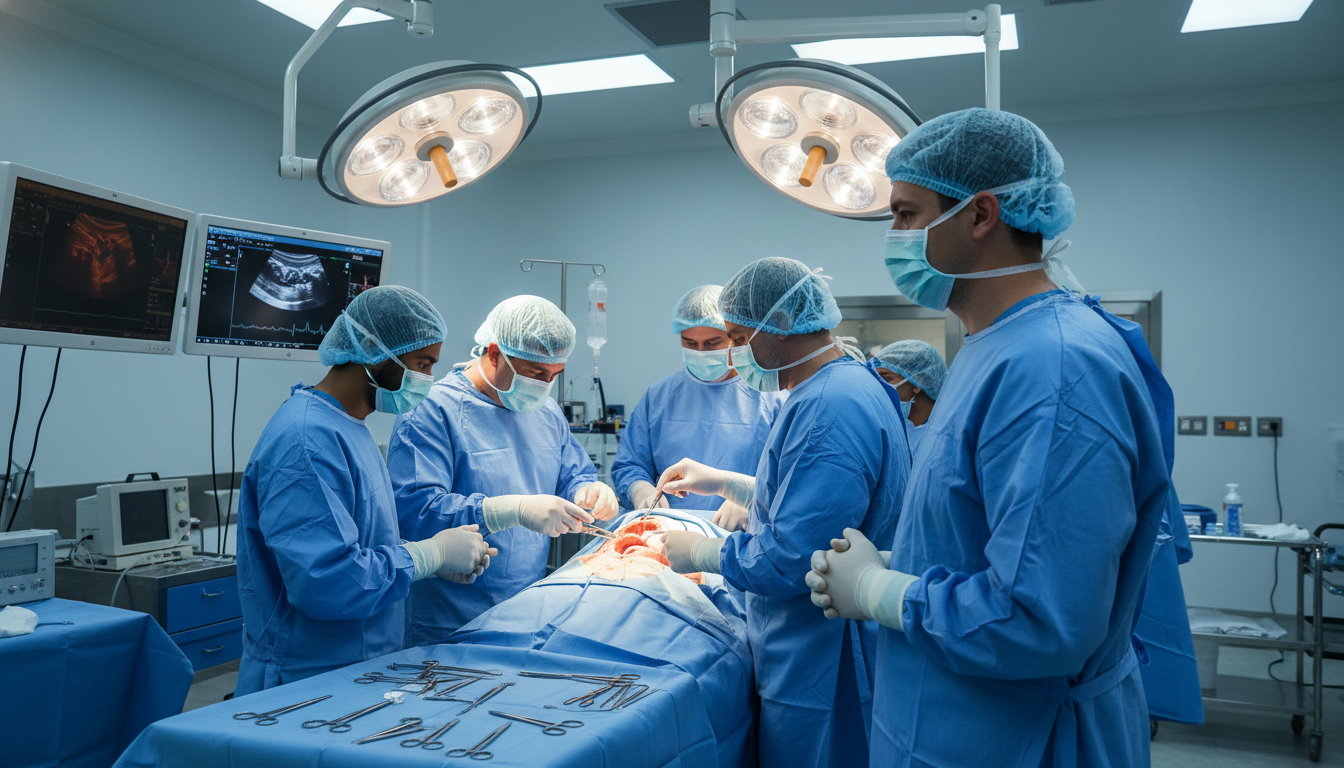
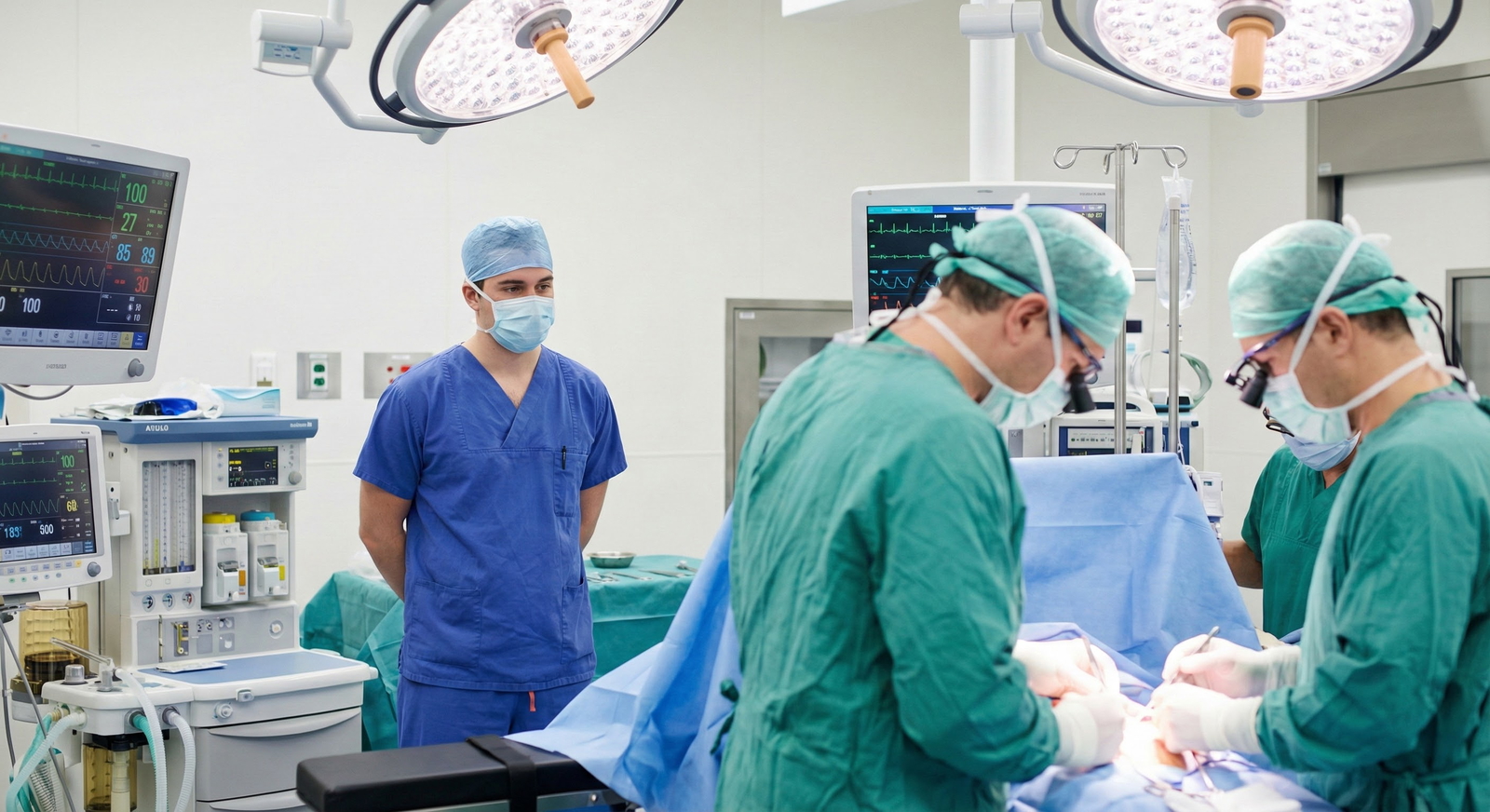
Away rotations (also called visiting student rotations or “audition rotations”) are one of the most powerful tools a US citizen IMG has to improve their chances in the anesthesia match. As an American studying abroad, you’re competing not just on scores and CV, but on familiarity and trust: programs want to know that you can function smoothly in a US hospital environment, communicate clearly with patients and staff, and fit into their culture.
For an anesthesiology residency applicant who is a US citizen IMG, away rotations can:
- Convert you from an “unknown” applicant into a known, trusted commodity
- Generate strong, US-based anesthesiology letters of recommendation
- Demonstrate that your clinical skills and work ethic match or exceed US grads
- Provide you with a US anesthesia “story” to use in your personal statement and interviews
- Allow you to strategically target programs more likely to rank US citizen IMGs
Because many home international schools do not have US-style anesthesia electives, your visiting student rotations may be your main or only chance to show programs what you can do in their own ORs and ICUs.
This article lays out a detailed, step-by-step away rotation strategy tailored specifically for US citizen IMGs interested in anesthesiology residency—from choosing hospitals to maximizing every single day on service.
Understanding the Role of Away Rotations in the Anesthesia Match
What Away Rotations Actually Do for Your Application
For US citizen IMGs, anesthesia away rotations can directly impact several critical parts of your application:
Letters of Recommendation (LoRs)
- Strong US anesthesiology LoRs often come from away rotations.
- Programs weigh LoRs heavily to assess clinical ability, reliability, teamwork, and communication.
- A glowing letter from a program director, chair, or well-known faculty member can offset some concerns about being an IMG.
Evidence of Clinical Readiness in a US System
- Shows you can function in an American hospital: use EMR, communicate in English with patients and staff, adapt to system-based practice, and understand OR workflow.
- Demonstrates comfort with the perioperative environment—pre-op clinic, intra-op, and PACU/ICU.
Signal Genuine Interest in the Specialty and Program
- Completing an away rotation at a program is a major sign you’re serious about anesthesiology and about that specific institution.
- For some programs, a strong away rotation can significantly increase your chance of an interview and of being ranked.
Networking and Advocates
- Faculty who like working with you may push for your interview and vouch for you at the rank meeting.
- Residents may advocate for you as a “great fit” for the culture.
Context for Your Scores and Background
- If your Step scores or transcript are not ideal, a strong away rotation can show that your actual performance and growth trajectory are excellent.
- Being an American studying abroad can be positively reframed: “Here is a US citizen IMG who has had diverse experiences and still functions at or above the level of our own students.”
How Many Away Rotations Should a US Citizen IMG Do for Anesthesiology?
There is no universal number, but realistic ranges for a US citizen IMG targeting anesthesiology:
- Minimum goal: 1 anesthesia away rotation in the US
- Ideal target: 2–3 anesthesia away rotations, if possible
- Upper limit: More than 3 is rarely necessary and may stretch your time and finances thin
When thinking about how many away rotations:
- Aim for quality over quantity. Two outstanding, well-chosen rotations that yield strong LoRs matter more than four average ones.
- Consider your timeline and exam schedule—don’t sacrifice Step 2 CK performance or graduation requirements.
- Build a balanced portfolio: one “reach” program, one or two realistic-to-supportive programs, and potentially one community-based program known to rank US IMGs.
Choosing Where to Rotate: Building a Smart Away Rotation List
For a US citizen IMG, picking the right institutions is as important as performing well once you’re there. You want programs that:
- Accept visiting IMGs
- Historically interview and match US citizen IMGs
- Fit your competitiveness profile (scores, experiences, graduation year)
- Offer meaningful clinical exposure, not just shadowing
Step 1: Identify Anesthesiology Programs Open to US Citizen IMGs
Start by:
- Reviewing recent match lists and forums to see where US citizen IMGs have matched in anesthesiology.
- Checking each program’s website for:
- Policy on IMGs and US citizen IMGs specifically
- Minimum score cutoffs (if any)
- Time since graduation limits
- Visa policies (less relevant for US citizens, but still a signal of IMG-friendliness)
Programs that already have US citizen IMGs or non-US IMGs in residency are more likely to take your application seriously.
Step 2: Use VSLO and Direct Applications Strategically
Most US schools use the Visiting Student Learning Opportunities (VSLO) platform, but not all accept international medical students—even US citizens studying abroad. Your strategy:
Filter by:
- Specialty: Anesthesiology
- Student type: Visiting international student / US citizen IMG (as applicable)
- Term dates that match your school’s calendar
For schools not on VSLO or not obviously accepting IMGs:
- Email the visiting student office early (6–9 months in advance).
- Introduce yourself as a US citizen enrolled in a foreign medical school; ask if you can apply as a visiting student and what documents are needed.
Some programs have separate pathways for US citizen IMG visiting student rotations, sometimes called “international visiting medical student” or “non-affiliated visiting student.” Do the extra work to find those pathways.
Step 3: Prioritize Programs: Reach, Realistic, Supportive
Divide potential away rotation sites into three categories:
Reach Programs
- Highly competitive academic centers
- May have higher Step expectations and fewer IMG positions
- Good if you are a strong applicant (high Step 2 CK, strong clinical record) and want one ambitious rotation
Realistic Programs
- Mid-tier academic or strong community sites
- Have a track record of matching US citizen IMGs
- Should be the core of your away rotation plan
Supportive / Safety Programs
- Community-based or hybrid academic-community programs
- Known to be IMG-friendly
- Often place greater value on work ethic, professionalism, and fit
Aim to secure at least one rotation in the realistic/supportive group where you could genuinely see yourself training and where a strong performance may directly translate to an interview and high rank.
Step 4: Time Your Away Rotations Strategically
Timing matters, especially around ERAS and interview season:
- Best months: June–October of your application year
- Ideal:
- First anesthesia rotation: late spring or early summer to get a letter before ERAS opens
- Second/third rotation: summer to early fall to generate additional LoRs and fresh advocates for interview season
If you’re later in your school’s calendar or doing a gap year, consider:
- Early rotations for LoRs
- Later rotations (Sept–Nov) at programs you especially like—faculty will remember you when building the rank list
Step 5: Consider Geographic Strategy as a US Citizen IMG
Programs often favor applicants who have a reason to stay local:
- If you grew up in the US, prioritize states/regions where you have ties (family, previous education, birthplace).
- Use away rotations to establish regional familiarity: “I know how the healthcare system and patient population work in the Midwest/South/Northeast because I’ve rotated here.”
Mention these ties explicitly in your personal statement, ERAS geographic preferences, and during interviews.
What to Look for in an Anesthesiology Away Rotation
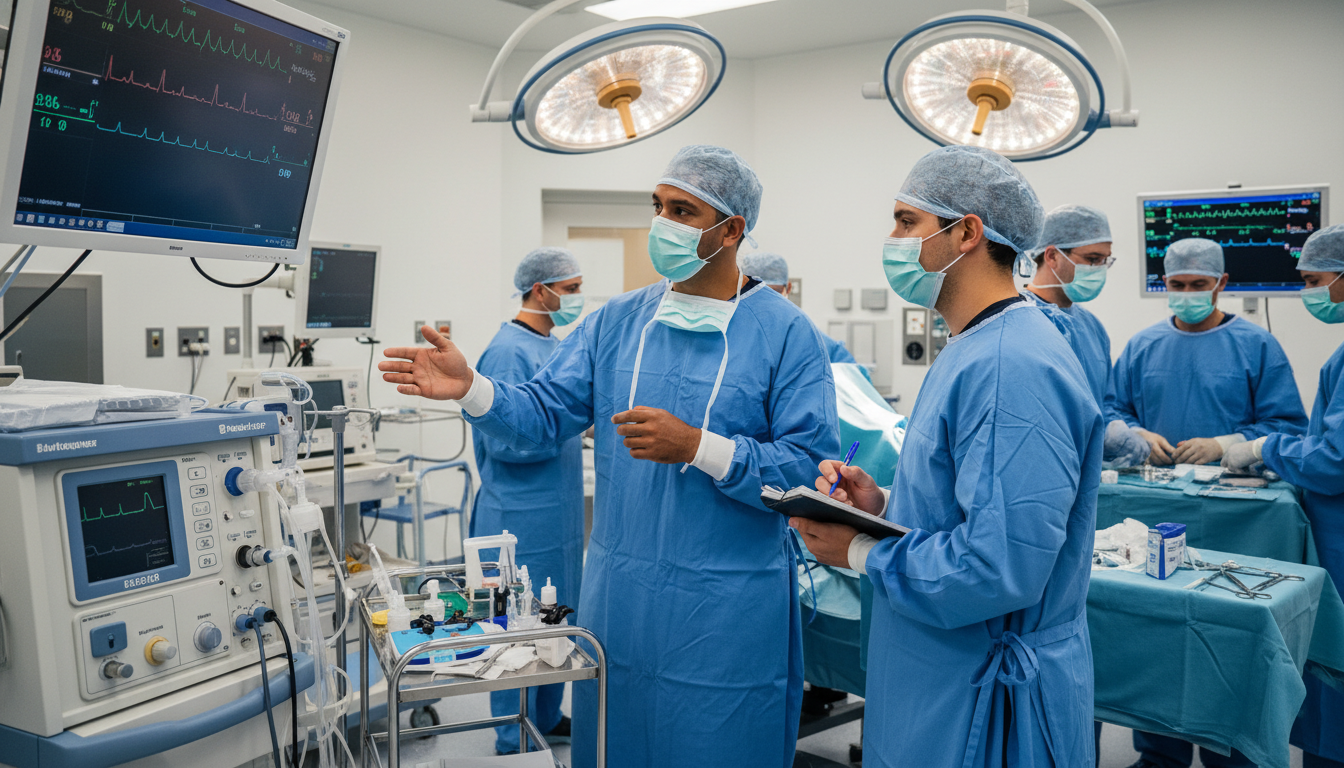
Not all rotations offer the same educational and strategic value. An ideal anesthesia away rotation for a US citizen IMG has:
Hands-On Clinical Involvement
- Opportunity to participate in pre-op assessment, airway management (under supervision), IV placement, and basic intra-op tasks
- Structured role (not just shadowing silently in the corner)
Exposure to Bread-and-Butter and Complex Cases
- General surgery, orthopedics, OB, maybe some cardiac or neuro exposure
- Experience in PACU and possibly ICU depending on local structure
Direct Interaction with Attendings and Residents
- Faculty who teach and evaluate you formally
- Residents who provide feedback and allow you to integrate into the team
Formal Evaluation and Letter Structure
- End-of-rotation evaluation that can be turned into a LoR
- Ability to ask for a letter directly from the anesthesiology faculty who truly observed your work
IMG-Friendly Culture
- Evidence the program has worked with IMGs before
- Staff and residents who are used to helping visiting students get oriented
Ask current or recent residents (via program contacts or online forums) about the real culture for visiting students before committing.

How to Excel on Away Rotations as a US Citizen IMG
Once you’re in the OR, your performance matters more than your school name. Programs pay attention to what kind of colleague you’ll be at 3 AM on a busy call night. Here’s how to stand out—in the best way.
Prepare Before Day 1
As an American studying abroad, you may have had less formal exposure to anesthesiology than US MD students. Close that gap before you arrive:
- Review basics:
- Airway anatomy and airway evaluation
- Induction and emergence sequence
- Common anesthetic agents (propofol, volatile agents, opioids, neuromuscular blockers)
- Hemodynamic monitoring basics
- ASA physical status classification
- Read about:
- Preoperative risk assessment (cardiac risk, OSA, anticoagulation)
- Common postoperative complications and PACU management
- Familiarize yourself with:
- US documentation style and typical EMR notes (pre-op note, post-anesthesia note)
- OR workflow and time-out procedures
If possible, complete at least one anesthesia-related elective or ICU rotation before your away rotation.
Day-to-Day Behaviors That Programs Notice
Show Up Early, Leave Late (Within Reason)
- Arrive before your resident/attending to review your patient, anesthesia plan, and setup.
- Stay until the case ends or until explicitly dismissed; offer help turning over rooms.
Be Proactive but Not Pushy
- Volunteer to see the pre-op patient first, then discuss your plan.
- Ask: “Would it be okay if I try placing the IV/airway under your supervision?”
- Respect boundaries and patient safety; if told “not this case,” accept gracefully.
Own Your Patients
- Know your assigned patients’ histories, meds, allergies, labs, and relevant imaging.
- Anticipate problems (e.g., difficult airway, poorly controlled HTN, CAD) and have a plan.
Communicate Clearly and Professionally
- Introduce yourself to patients: “I’m a visiting medical student working with the anesthesia team.”
- Give concise, organized presentations:
- “This is a 62-year-old male, ASA III, with history of CAD s/p stent, on aspirin and metoprolol, here for laparoscopic cholecystectomy. Key anesthesia concerns include…”
Accept Feedback and Correct Quickly
- If corrected once, don’t repeat the same mistake.
- When given advice, incorporate it and show improvement by the next case/day.
Be a Team Player
- Help move patients, transport monitors, tidy up the OR, restock if that’s the local culture.
- Be friendly and respectful to nurses, CRNAs, techs, and other staff—everyone’s impression matters.
Academic Excellence on Rotation
Demonstrate you are serious about anesthesiology:
- Read at least a little daily about your cases (e.g., anesthetic management of hip fracture, laparoscopic appendectomy, C-section under spinal).
- Offer a 5–10 minute informal presentation if suggested (e.g., management of OSA in the perioperative period).
- Ask thoughtful questions that show curiosity, not insecurity:
- “Could you walk me through your thought process on choosing this induction agent in this patient with reduced EF?”
Programs are evaluating: are you teachable, motivated, and safe?
Building Strong Relationships and Securing Letters
You should be thinking about letters of recommendation from day one, not day 20.
Identify Potential Letter Writers
- Attendings who work with you multiple days, see you in different ORs, and give feedback.
- Faculty with leadership roles (program director, associate PD, clerkship director, or senior anesthesiologists) are particularly valuable.
Ask for a Letter the Right Way
- Near the end of the rotation, request a brief meeting or catch them at a good moment.
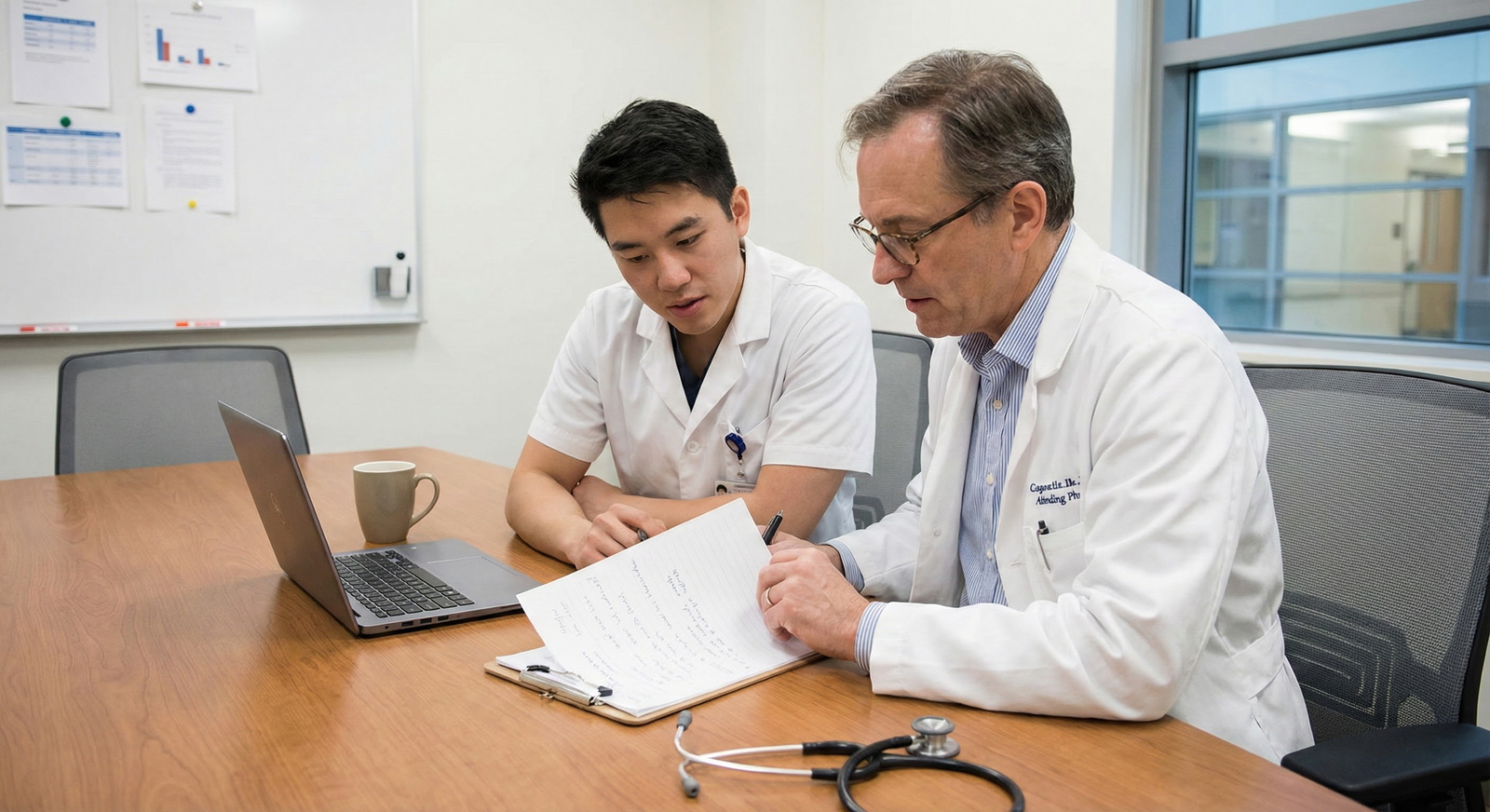
- Ask: “Dr. X, I’ve really appreciated working with you. I’m applying for anesthesiology residency as a US citizen IMG. Would you feel comfortable writing me a strong letter of recommendation based on my work here?”
- The word “strong” gives them a polite way to decline if they can’t be enthusiastic.
Provide Supporting Materials
- Updated CV, personal statement draft (if ready), and any evaluation forms.
- A short bullet-point summary of cases you worked on and responsibilities you took; this can help them write a richer letter.
Follow Up Politely
- Express gratitude and send one reminder if needed as ERAS deadlines approach.
- Keep them updated on your application and match outcome; this builds long-term mentorship.
Integrating Away Rotations Into Your Overall Anesthesiology Application Strategy
Away rotations are powerful, but they’re just one piece of your anesthesiology residency application. As a US citizen IMG, you should align them with the rest of your strategy.
Align Rotations With Your Personal Statement and CV
Use your away rotation experiences to:
- Provide concrete examples in your personal statement:
- “During my visiting student rotation at X, I cared for a high-risk obstetric patient with severe preeclampsia, which highlighted for me the anesthesiologist’s central role in both maternal safety and communication across teams…”
- Demonstrate growth:
- “Coming from an international school, I initially had limited exposure to US perioperative systems. My rotations at A and B allowed me to adapt quickly to US OR workflow and strengthen my communication with patients and staff.”
Make your narrative coherent: your rotations, research (if any), and volunteer experiences should collectively point clearly toward anesthesiology.
Use Rotations to Tailor Your Program List
After each away rotation, ask yourself:
- Could I see myself training here for 4 years?
- How supportive were the residents and faculty?
- Did the program seem open to US citizen IMGs long term, or was your acceptance an exception?
If you perform well and the program responds positively:
- Make sure to apply there early.
- Consider sending a targeted message to the program coordinator/PD referencing your rotation and continued enthusiasm.
Use away rotations to identify similar programs in the same region or network—faculty may even recommend where else to apply based on your performance and goals.
When Away Rotations Don’t Go Perfectly
Not every rotation will be stellar. If an away rotation is:
- Disorganized
- Mostly shadowing with minimal interaction
- At a place where you rarely see attendings who can write letters
- At a program where culture seems dismissive of IMGs
Then:
- Still do your best professionally; do not burn bridges.
- Try to salvage a decent evaluation and at least one usable LoR.
- Recognize that this might not be the program to rely on for a strong anchor letter or top choice for matching.
You can compensate by excelling on the next rotation and at your home/affiliated sites.
FAQ: Away Rotations for US Citizen IMG Applicants in Anesthesiology
1. As a US citizen IMG, do I absolutely need an away rotation to match into anesthesiology?
Not absolutely, but it significantly strengthens your application. Many programs want to see US clinical experience in anesthesiology specifically. For US citizen IMGs, at least one solid US anesthesia rotation is strongly recommended; two or more can be a major advantage, particularly if your school cannot offer strong anesthesia exposure or US-based letters.
2. How many away rotations should I do, and how do I balance them with Step 2 CK preparation?
Most US citizen IMG applicants targeting anesthesiology do 2–3 away rotations if they can. If your Step 2 CK is not yet taken or not strong, prioritize exam performance first—high Step 2 CK scores help offset biases against IMGs. A practical plan is: Step 2 CK → one anesthesia rotation for a letter → second rotation to build depth and visibility. Never stack so many away rotations that your exam prep, health, or performance suffer.
3. Will doing an away rotation at a program guarantee an interview or a match there?
No guarantee, but it improves your odds substantially if you perform well. Some programs try to interview nearly all strong-performing visiting students because they’ve already seen them in action. That said, limited interview slots, institutional priorities, and changing leadership can affect outcomes. Consider an away rotation as a strong audition, not a promise.
4. Do anesthesiology programs look down on US citizen IMGs if they’ve only done community-based away rotations instead of big-name academic centers?
Not inherently. Community and hybrid programs often provide excellent hands-on experience and can be more IMG-friendly. What programs care most about is how well you performed, the quality of your letters, and whether you fit their culture. Having at least one rotation with robust clinical exposure and a detailed, enthusiastic LoR is more important than a big-name logo on your CV. If possible, mix one academic and one community rotation, but a well-chosen community site can absolutely serve as your primary showcase.
By selecting your away rotations thoughtfully, preparing academically, and performing consistently at a high level, you can turn your status as a US citizen IMG into an asset rather than a liability—and position yourself competitively for a successful anesthesiology residency match.