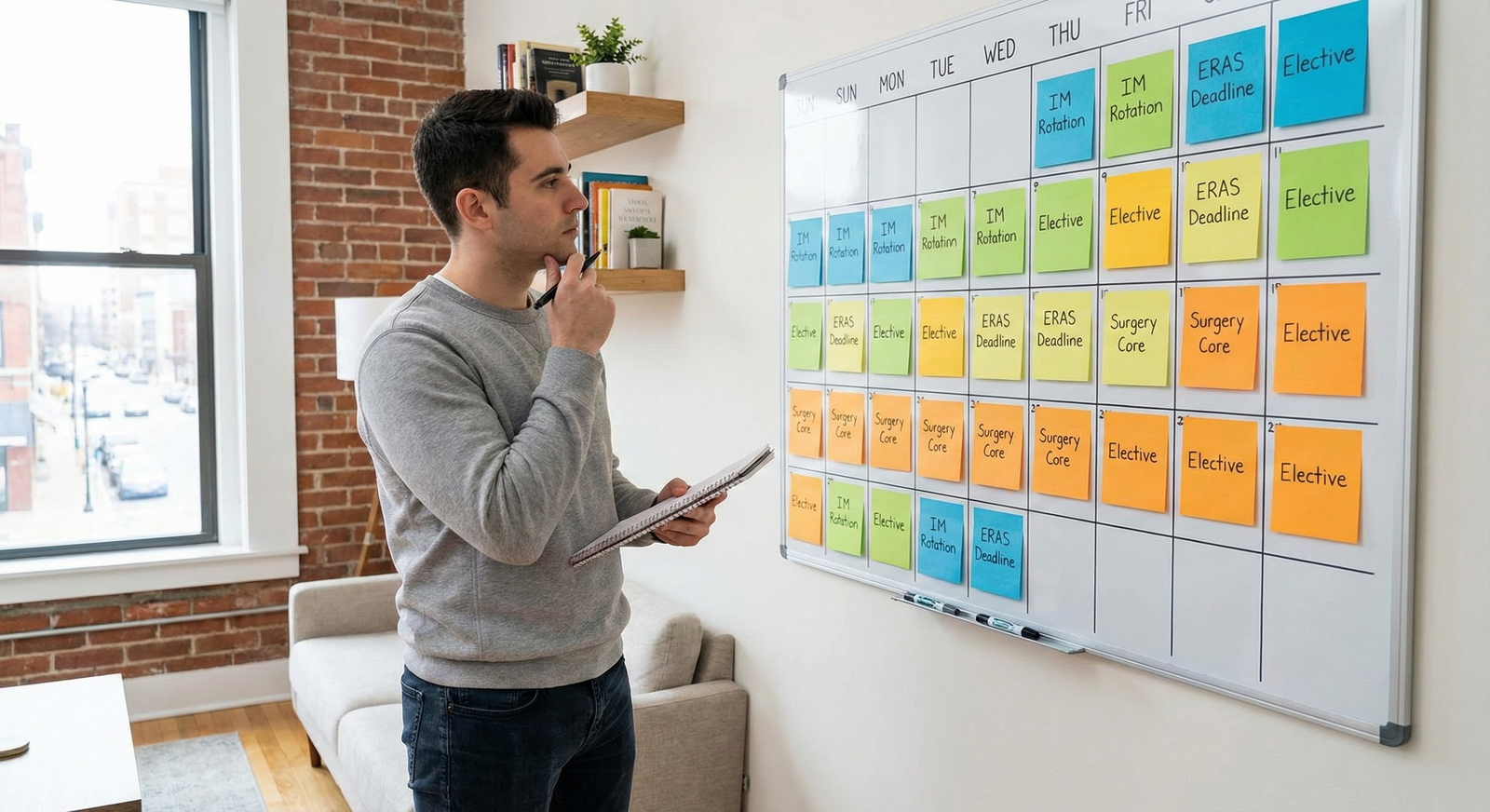
Medicine-Pediatrics (Med-Peds) is an outstanding path for DO graduates who love complexity, continuity, and caring for patients across the lifespan. One of the most powerful tools you have to position yourself well for the medicine pediatrics match is a smart, intentional away rotation strategy.
This article breaks down how to design away rotations that highlight your strengths as a DO graduate, fill gaps in your application, and maximize your chances of a successful osteopathic residency match in Med-Peds.
Understanding the Strategic Role of Away Rotations for DO Med-Peds Applicants
Away rotations (also called visiting student rotations or “audition rotations”) are 2–4 week clinical experiences at an institution other than your home medical school. For a DO graduate pursuing a Med-Peds residency, they can be especially valuable.
Why Away Rotations Matter for DO Graduates
As a DO applicant, you may face a few additional questions from programs:
- How comfortable are you in an academic environment with predominantly MD colleagues?
- Have you been exposed to complex, high-acuity medicine and pediatrics patients?
- How have you performed in settings that do not already know you or your school?
Strategic away rotations can help you:
- Demonstrate parity with MD applicants by thriving in rigorous academic environments.
- Showcase your clinical skills and professionalism directly to program leadership.
- Secure strong, program-specific letters of recommendation from Med-Peds or categorical faculty.
- Clarify geographic or institutional “fit” (e.g., academic vs community, region of the country).
- Overcome potential bias or unfamiliarity with your DO school.
Many Med-Peds program directors rate away rotations as influential for:
- Deciding whom to interview.
- Ranking applicants.
- Identifying “top choice” candidates whose performance they have personally observed.
When Away Rotations Matter Most in Med-Peds
Away rotations are particularly high-yield when:
- Your home institution does not have a Med-Peds program.
- You have limited exposure to academic pediatrics or medicine.
- You’re targeting highly competitive or geographically distant programs.
- You want to signal strong interest in a specific region (e.g., moving closer to family).
- You had average or inconsistent board scores and want to prove clinical strength.
If you are a DO graduate who is slightly later to the application process (e.g., a prior prelim year, research year, or reapplying), away rotations can also help reset impressions and demonstrate current performance.
How Many Away Rotations Should a DO Med-Peds Applicant Do?
The most common question is: how many away rotations are enough?
For a DO graduate targeting the medicine pediatrics match, a reasonable range is:
- 1–2 away rotations specifically in Med-Peds or directly relevant fields
- Occasionally 3 away rotations if:
- You have no home Med-Peds program
- You are highly geographic-specific
- You need to offset application weaknesses
More than 3 is rarely necessary and can even backfire by:
- Increasing burnout near application season.
- Limiting your ability to excel in each setting.
- Reducing time for Step 2/Level 2 prep, research, or application writing.
Prioritizing Rotation Types
For Med-Peds, consider this structure:
- 1 core Med-Peds away rotation at a program you are strongly interested in.
- 1 additional rotation that is either:
- Another Med-Peds program, or
- General inpatient medicine or general inpatient pediatrics at a strong academic center.
If you must choose just one away rotation as a DO graduate, prioritize:
A Med-Peds inpatient or combined rotation at a program where you could realistically see yourself training.
This allows you to meet Med-Peds faculty and residents, understand the culture, and potentially earn a letter that speaks directly to your fit for Med-Peds.
Choosing the Right Away Rotations: Programs, Settings, and Timing
Your choice of visiting student rotations should reflect both strategy and authentic interest.
1. Select Programs That Are DO-Friendly and Med-Peds Aware
When planning away rotations residency strategy as a DO graduate, focus on programs that:
- Have a history of matching DO graduates in either Med-Peds or categorical IM/Peds.
- Are familiar with COMLEX scores (and/or accept COMLEX alone or in combination with USMLE).
- Demonstrate commitment to holistic review and diversity in backgrounds and training.
To assess this:
- Review program resident lists and alumni pages for DO representation.
- Look at recent Med-Peds match data, if available.
- Ask current residents directly (via email or virtual meet-and-greets) about DO integration.
Programs where DOs are already thriving are usually more receptive and better equipped to evaluate your training fairly.
2. Balance Geography and Reputation
Avoid thinking only in terms of “top name” programs. Instead, consider:
- Where you actually want to live and train for 4 years.
- Regional ties (family, previous schooling, partner’s job).
- Program style:
- Academic quaternary center vs hybrid community-academic
- Urban vs suburban vs more rural settings
- Strong emphasis on underserved populations, hospitalist medicine, primary care, or subspecialty exposure
A smart osteopathic residency match strategy in Med-Peds might include:
- One away rotation at a regionally strong academic center where you’d truly like to match.
- One away rotation in a region where you have weak ties but want to signal interest.
3. Choose Rotations With High Contact With Med-Peds Faculty
For a Med-Peds–focused away rotation, ask:
- Will I be supervised by Med-Peds trained faculty?
- Are there Med-Peds residents on the team or service?
- Will I have opportunities to attend Med-Peds conferences, continuity clinic, or combined teaching sessions?
High-yield away rotation structures include:
- Inpatient Med-Peds service (if offered).
- Combined rotations where you spend:
- 2 weeks on adult wards and 2 weeks on pediatrics, or
- One block on a Med-Peds inpatient service with both adult and peds patients.
- General pediatrics inpatient on a team with Med-Peds residents.
- General medicine wards at an institution with an integrated Med-Peds program.
When applying for visiting student rotations, note in your application that you are specifically interested in Med-Peds exposure and would appreciate placement where you’ll interact with Med-Peds faculty.
4. Optimal Timing in the Fourth-Year Schedule
For most DO students, the ideal time for away rotations is:
- Late spring to early fall of the application year:
- July, August, or September are common
- Some students also rotate in June or October
Consider:
- USMLE Step 2 / COMLEX Level 2:
- Try to complete major board exams before intense away rotation months, so you can focus on performance.
- ERAS deadlines:
- Rotations done before or early in ERAS season can yield letters of recommendation in time.
- Your energy and bandwidth:
- Do not stack three demanding inpatient away rotations back-to-back if you can avoid it.
As a DO graduate, if your school’s schedule or graduation date is different from MD programs, be sure to:
- Clarify your eligibility window for visiting student rotations.
- Communicate any unique scheduling needs early with the rotation coordinator.

How to Excel on Away Rotations as a DO Med-Peds Applicant
Once you secure away rotations, performance is everything. Programs are not just evaluating knowledge; they are looking for colleagues who can function as future residents for four years.
1. Arrive Prepared Clinically and Culturally
Before the rotation:
- Review core adult medicine and pediatrics topics, especially:
- Common admissions: CHF, COPD, DKA, pneumonia, bronchiolitis, asthma, sepsis, neonatal fever.
- Basic ventilator concepts, fluid management, and antibiotic selection.
- Refresh physical exam skills for both adults and children, including growth charts and pediatric dosing.
- Understand the role of a sub-intern (AI):
- You are functioning as an “intern lite”: writing notes, presenting, proposing plans (with supervision).
As a DO graduate:
- Be ready to explain your training path clearly and confidently, without being defensive:
- “I trained at a DO school with strong clinical exposure in both community and academic settings. I’ve found the osteopathic emphasis on whole-person care very helpful in Med-Peds.”
2. Show Initiative and Reliability From Day One
Key behaviors that leave strong impressions:
- Arrive early, leave late when appropriate: visibly invested in the team.
- Pre-round thoroughly, with accurate vitals, I/Os, labs, and physical exam findings.
- Volunteer to:
- Admit new patients
- Give short presentations (5–10 minutes) at noon conference or in team room
- Help with tasks that ease intern workload (calling consults, placing orders once allowed, coordinating discharges)
Clinical excellence for away rotations residency evaluations often boils down to:
- Preparedness: know your patients in detail.
- Ownership: think ahead—anticipate discharge barriers, follow up on tests, update families.
- Teamwork: foster a positive, helpful presence.
3. Communicate Like a Future Resident
Program directors and Med-Peds faculty look closely at your communication style:
- During presentations:
- Be organized and concise.
- Lead with the one-line summary:
- “Ms. X is a 65-year-old woman with CHF and CKD admitted for volume overload, day 3, improving on IV diuresis.”
- State your assessment and plan clearly, including alternative possibilities.
- With families, especially in pediatrics:
- Use clear language, avoid jargon.
- Demonstrate empathy and patience.
- Recognize the family as key partners in care.
As a DO Med-Peds hopeful, you can also subtly highlight your osteopathic background:
- Integrate functional and psychosocial context in your assessment:
- “From a functional standpoint, she is now able to ambulate 50 feet with PT. Psychosocially, her daughter is involved and able to assist with medications at home, which makes discharge with oral diuretics more feasible.”
4. Addressing DO Identity Thoughtfully
Most programs are comfortable with DO graduates, but you may encounter questions. Handle them by:
- Being matter-of-fact, confident, and positive.
- Not over-apologizing for your background or comparing yourself negatively to MD peers.
- Emphasizing your clinical readiness, work ethic, and adaptability.
If you use osteopathic manipulative treatment (OMT):
- Check institutional policy first.
- Ask your attending if they’re comfortable with you incorporating OMT in select cases.
- Focus on educational and patient-centered integration, not as a performance trick.
5. Seek Feedback Early and Often
Halfway through the rotation:
- Ask your senior or attending:
- “I’m very interested in Med-Peds and I’d like to make the most of this away rotation. Could you share any feedback on how I’m doing and what I can improve in the second half?”
- Act visibly on the feedback:
- If told to tighten presentations, do so the very next day.
- If asked to read on a topic, bring back a brief synthesis.
End-of-rotation impressions are heavily influenced by trajectory—improvement over time often impresses more than constant but flat performance.
Letters of Recommendation, Signaling Interest, and Using Away Rotations in Your Application
Away rotations not only showcase you in real time but can directly strengthen your Med-Peds application.
1. Securing Strong Letters of Recommendation (LORs)
For a medicine pediatrics match, aim for:
- At least one letter from a Med-Peds faculty member (ideally PD, APD, or core faculty).
- One or two additional letters from:
- General medicine attendings
- General pediatrics attendings
- A sub-internship supervisor who can comment on near-resident-level performance.
During the rotation:
- Identify attendings who:
- Work closely with you for at least 1–2 weeks.
- See your growth and initiative.
- Near the end of the rotation:
- Ask in person if possible:
- “I’m applying for Med-Peds this cycle and I’ve really appreciated working with you. Would you feel comfortable writing me a strong letter of recommendation?”
- The word “strong” is important; it gives them room to decline if they can’t support you wholeheartedly.
- Ask in person if possible:
Follow up with:
- Your CV
- A brief personal statement or bullet points of your goals
- A reminder of cases you worked on together
As a DO graduate, letters that explicitly endorse you as being on par with top residents/applicants can be powerful.
2. Signaling Genuine Interest in a Program
Away rotations function as a strong signal of interest. To reinforce this:
- Tell residents and faculty explicitly:
- “This is a program I could really see myself at for Med-Peds.”
- Attend:
- Med-Peds noon conferences
- Resident social events (if invited)
- Any program info sessions
- Express what you like specifically:
- Combined training style
- Patient population
- Educational curriculum or research opportunities
Post-rotation:
- Consider a polite thank-you email to your team or PD:
- Briefly reiterate your appreciation and continued interest.
- Mention one or two specific strengths of the program that resonated with your goals.
3. Integrating Away Rotation Experiences Into Your ERAS Application
Use your away rotations to strengthen:
- Personal Statement:
- Describe meaningful Med-Peds cases that highlight your dual-interest and your DO perspective.
- Reflect on themes of continuity, transitions of care, and lifespan perspective.
- Experience Entries:
- List each away rotation clearly as a clinical experience.
- Emphasize responsibilities similar to a sub-intern and any leadership or teaching roles.
- Program-Specific Communication (if allowed):
- Tailor your language about fit using concrete experiences from your away rotation at that institution.
Programs can tell when you are genuinely enthusiastic versus broadly generic. Specific references to your time there help.

Common Pitfalls for DO Med-Peds Applicants and How to Avoid Them
Even strong candidates can stumble in planning or executing away rotations. Being aware of common pitfalls can help you avoid them.
1. Doing Too Many Rotations Without Strategic Focus
Problem patterns:
- Completing 4–5 away rotations because of anxiety about the match.
- Spreading yourself thin, leading to burnout and mediocre performance.
Instead:
- Choose 1–2 high-yield rotations where you can shine.
- Use the remaining time for:
- Solid Med-Peds–relevant electives at home.
- Research or scholarly work.
- Strengthening board scores or application materials.
2. Neglecting Program Fit
Another pitfall is basing choices solely on reputation or “brand name,” without asking:
- Does this program’s culture and schedule suit my learning style?
- Are there DO role models or alumni who have thrived here?
- Is the Med-Peds program truly integrated or functionally two separate residencies?
As a DO graduate, you should especially look for programs that:
- Integrate DOs positively into leadership, chief positions, or teaching roles.
- Explicitly value diverse perspectives in training.
3. Undercommunicating Interest and Goals
Rotations are busy, and faculty may not realize you are specifically aiming for Med-Peds unless you tell them.
Avoid:
- Assuming people know you’re a Med-Peds applicant just because you’re on a combined service.
- Leaving the rotation without anyone understanding that this is a top-choice program.
Instead:
- Early in the rotation, let your senior and attending know:
- “I’m a DO student applying for Med-Peds this year, and I’m really interested in learning what makes this program unique.”
- Toward the end:
- Communicate your appreciation and, if true, your strong interest in matching there.
4. Not Planning for Logistics and Finances
Visiting student rotations can be expensive and logistically complex:
- Application fees (VSLO/VSAS or institutional portals)
- Housing and travel
- Parking and commuting
As a DO graduate, if you’re rotating outside your school’s usual geographic footprint, start planning early:
- Investigate short-term housing options: student housing, platforms like Furnished Finder, working with other visiting students to share costs.
- Ask the host school’s student affairs office about:
- Discounted housing
- Meal stipend or parking passes
- Public transportation options
When planning how many away rotations, include realistic financial and logistical constraints. Two well-done, fully supported rotations are better than several underfunded, stressful ones.
FAQs: Away Rotations for DO Graduates in Medicine-Pediatrics
1. As a DO graduate, do I need to take the USMLE for a successful Med-Peds match, or are COMLEX scores enough?
This depends on the programs you’re targeting. Many Med-Peds and categorical IM/Peds programs now accept COMLEX alone, particularly those with a strong DO presence. Others still strongly prefer or require USMLE.
For a DO graduate:
- If you have USMLE scores, it can broaden your options and ease comparisons with MD applicants.
- If you only have COMLEX, focus your osteopathic residency match strategy on:
- Programs that explicitly list COMLEX acceptance.
- Institutions with existing DO residents.
Away rotations can help you demonstrate your abilities directly, partially offsetting some of the uncertainty programs may feel when interpreting COMLEX-only applications.
2. Should my away rotations be only at Med-Peds programs, or are categorical IM or Peds rotations useful?
Both can be valuable:
- Best choice: At least one away rotation at a true Med-Peds program where you can meet Med-Peds faculty and residents.
- Additional value: Inpatient general medicine or general pediatrics rotations at strong academic centers can still:
- Yield powerful letters.
- Demonstrate clinical readiness.
- Introduce you to Med-Peds attendings who staff categorical services.
If you can do only one away rotation, prioritize a Med-Peds–specific experience. If you can do two, consider adding a high-quality inpatient IM or Peds rotation at a program with a Med-Peds presence.
3. How do I address concerns about DO bias during my away rotations?
The best approach is performance plus professionalism:
- Let your clinical work, reliability, and teamwork speak first.
- When asked about being a DO, explain confidently:
- The strengths of your education.
- Any additional perspectives you bring (holistic care, musculoskeletal expertise, focus on function and environment).
- Avoid becoming overly defensive or apologetic.
Away rotations give you the chance to replace any preconceived notions with direct observation of you as a capable future resident. Strong letters from faculty who have worked with you as a DO on their own turf are your best antidote to bias.
4. Is it a red flag if I don’t do any away rotations for Med-Peds?
Not necessarily, especially if:
- Your home institution has a Med-Peds program where you can rotate and obtain a Med-Peds letter.
- You have strong longitudinal relationships and mentorship at your home site.
However, as a DO graduate—particularly if your school lacks a Med-Peds program or if you’re aiming for competitive academic centers—1–2 away rotations are strongly recommended. They:
- Demonstrate interest.
- Provide program-specific letters.
- Help you understand whether the program is actually a good fit.
If you cannot do away rotations (financial, family, or institutional constraints), explain your situation succinctly if asked, and double down on excellence in your home rotations, clear communication in your application, and targeted outreach to programs of interest.
A thoughtful away rotation strategy can transform your Med-Peds application from solid to standout—especially as a DO graduate. By choosing programs that value your background, timing your rotations wisely, showing up prepared, and turning each experience into strong letters and clear signals of interest, you position yourself for a successful medicine pediatrics match and a rewarding four years of combined training.