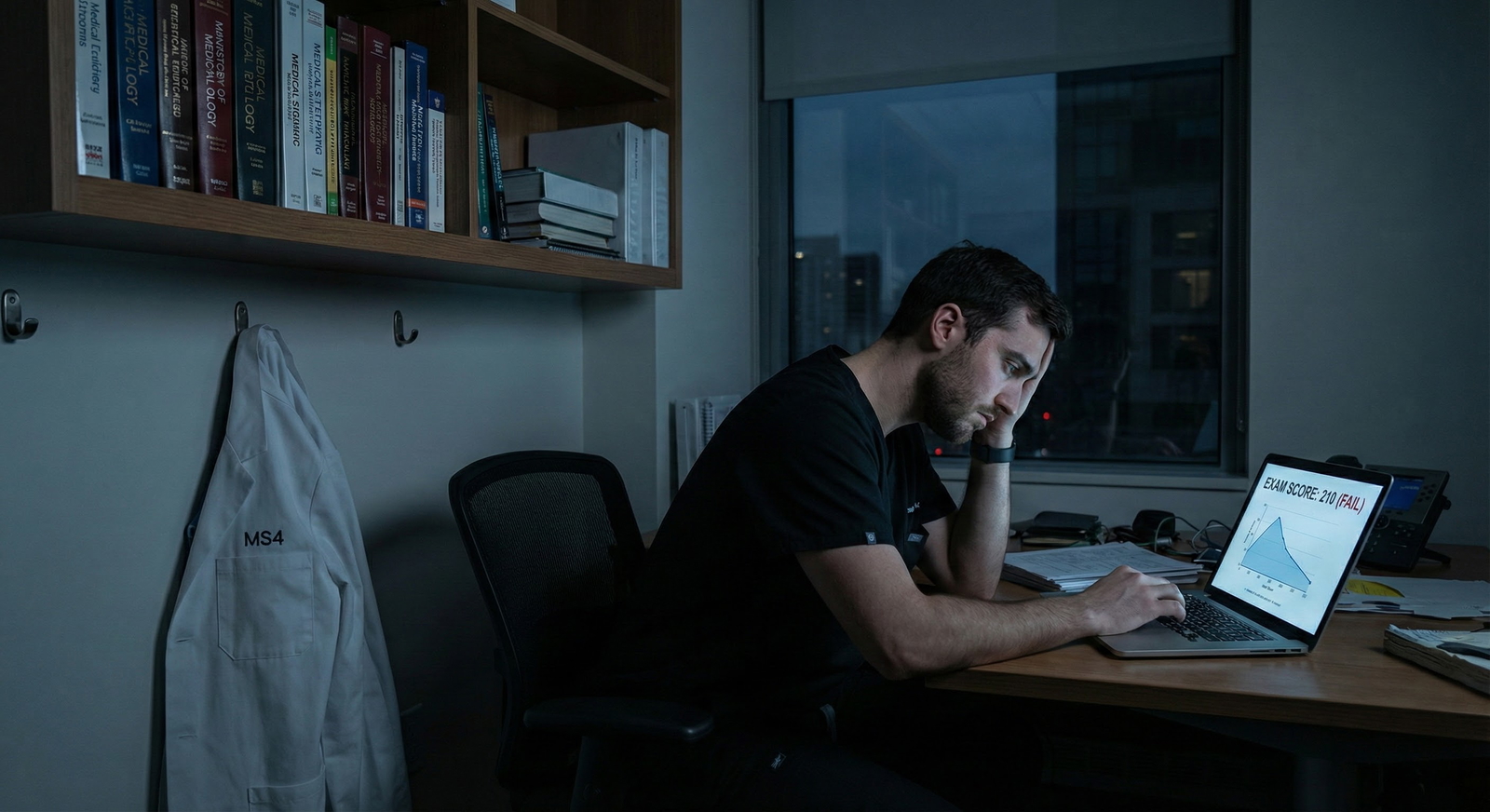
Applying for orthopedic surgery as a DO graduate means playing in one of the most competitive arenas in the Match. Away rotations (also called visiting student rotations or audition rotations) are one of your most powerful tools—and, if done poorly, one of your biggest risks.
This guide walks you through a step-by-step away rotation strategy specifically tailored for a DO applicant targeting orthopedic surgery residency. We’ll cover when to apply, how many away rotations to do, which programs to target, and how to turn each month into a strong letter and a real shot at an interview—and ultimately an ortho match.
Understanding the Role of Away Rotations for DO Orthopedic Applicants
For orthopedic surgery, away rotations are not optional “extras”; they’re a central component of your application strategy—especially as a DO graduate.
Why Away Rotations Matter More for DO Graduates
As a DO applicant, away rotations help you:
- Demonstrate parity with MD peers in a specialty that has historically favored MD applicants.
- Showcase your clinical and technical skills directly to faculty who may have limited experience with DO trainees.
- Earn strong, specialty-specific letters from ACGME orthopedic faculty, which carry significant weight in the osteopathic residency match landscape and the broader ortho match.
- Overcome biases about school name or degree type by proving yourself on the ground.
- Explore program “fit”—culture, case volume, teaching style, and resident happiness.
For DO graduates, away rotations can function as:
- A second audition beyond your home institution.
- A pathway into programs that otherwise rarely take DOs.
- An essential step if your home program has no or limited orthopedic exposure.
What Programs Use Away Rotations For
Most orthopedic surgery residency programs use away rotations to:
- Evaluate work ethic, professionalism, and teachability.
- See how you function in the OR, clinic, consults, and call.
- Assess how you interact with residents, nurses, and staff.
- Determine whether you fit the culture of the program.
- Identify potential “rank list risks”—unprofessional, arrogant, or disengaged rotators.
You should assume:
Your performance on an away rotation is often more influential than a 10-minute interview.
Planning Your Away Rotations: Timing, Number, and Program Selection
When to Do Orthopedic Away Rotations
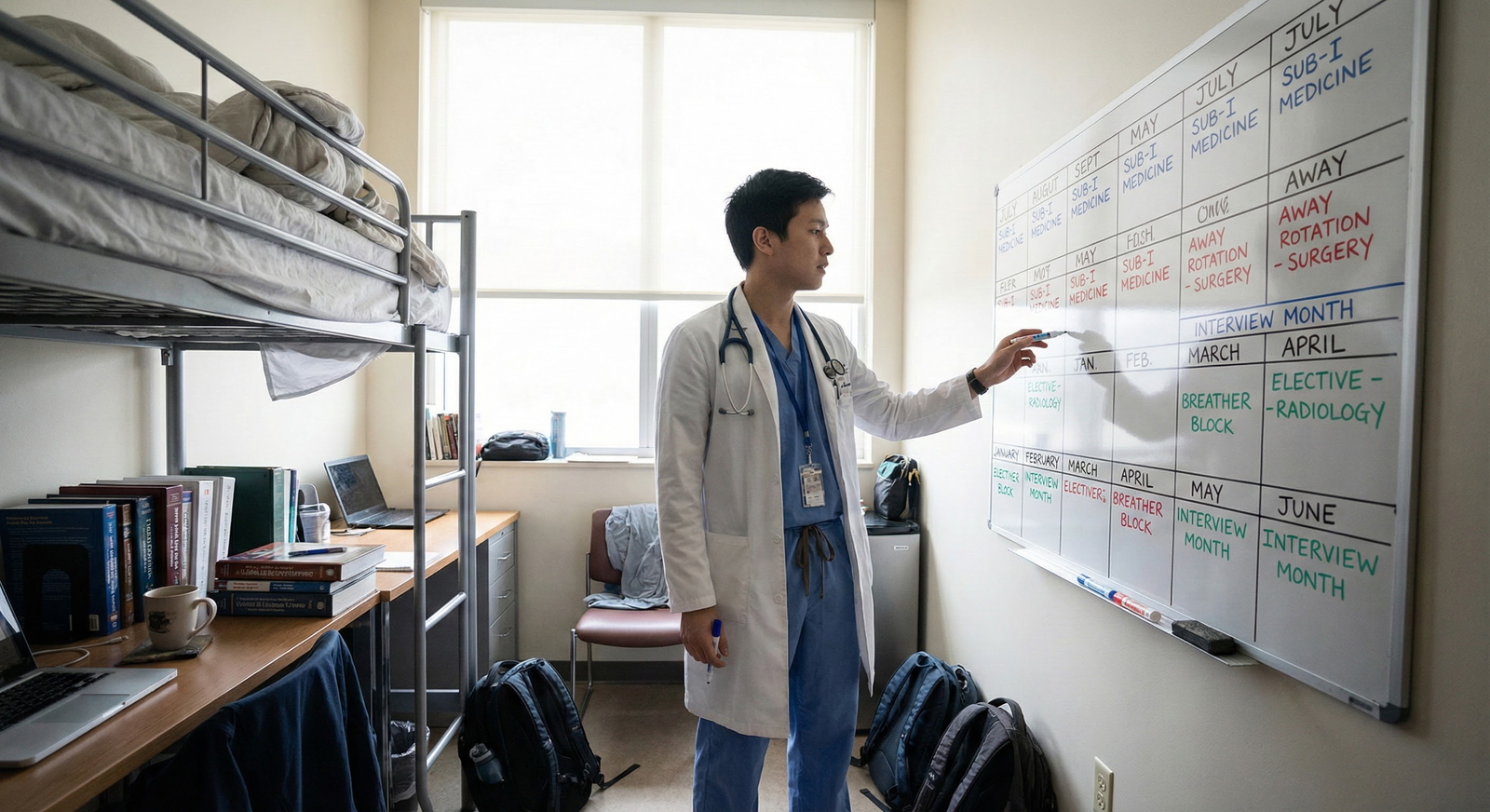
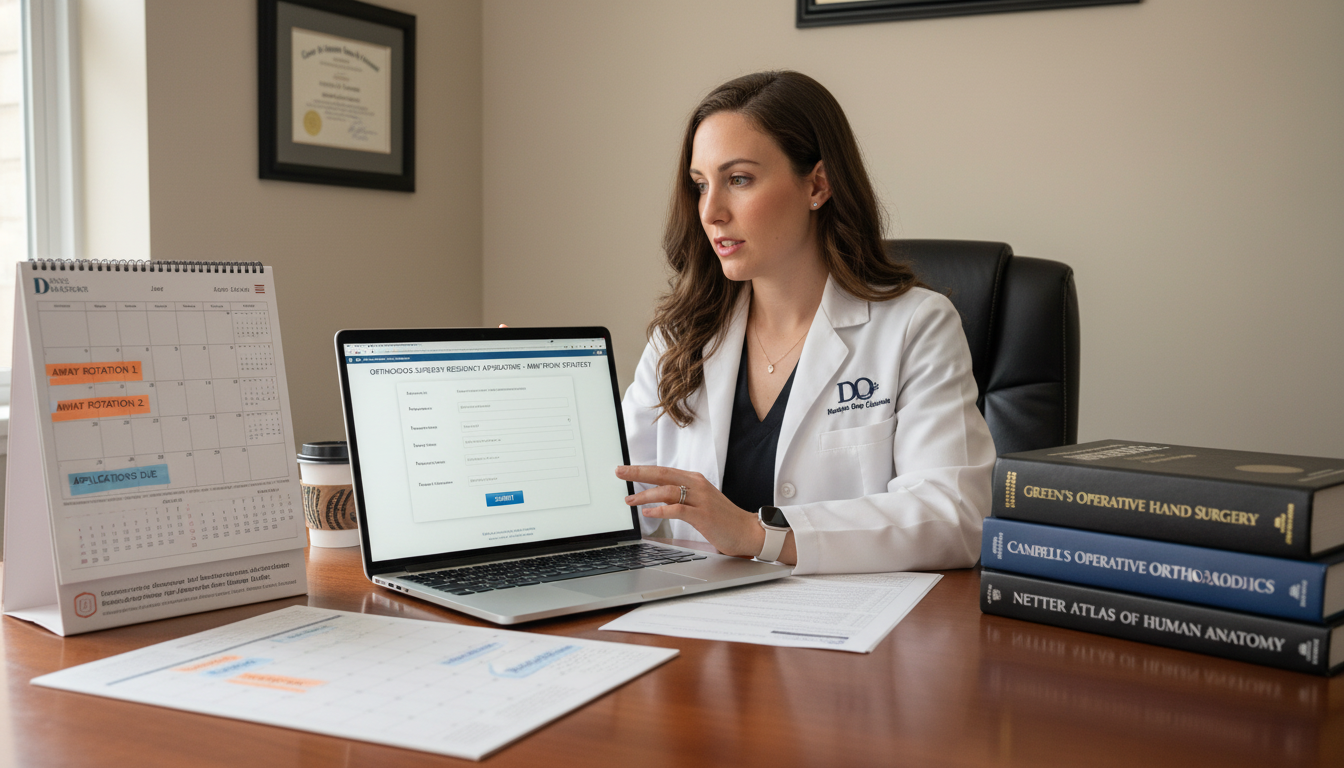
Away rotations in orthopedic surgery usually occur between June and October of your application year (typically the 4th year of medical school, or in your final year if you’re a DO graduate taking a research year).
Typical timeline:
January–March (before ERAS year)
- Research programs and their visiting student rotations policies.
- Confirm requirements: USMLE/COMLEX scores, vaccines, background checks, malpractice coverage.
- Gather documents: CV, transcript, Step/Level scores, immunization records.
February–April
- Submit applications through VSLO/VSAS or individual institutional portals.
- Many ortho programs fill EARLY; late applications often mean no spots.
June–October
- Complete away rotations—usually 4-week blocks.
- ERAS opens in September; away letters may arrive just in time or shortly after.
If you’re a DO graduate in a research or gap year, you may:
- Do aways during that year
- Or stack them close to application season to keep your skills and relationships fresh
How Many Away Rotations Should a DO Orthopedic Applicant Do?
“How many away rotations?” is one of the most important strategic questions you’ll face.
In orthopedic surgery, a common pattern for strong applicants is:
- Total rotations in ortho during M4/final year:
- 1 home orthopedic rotation (if available)
- 2–3 away rotations
For DO applicants, consider:
If you have a strong home orthopedic program that knows you well:
- 1 home rotation + 2 away rotations is usually sufficient.
If you have no home ortho program or very limited exposure:
- 3 away rotations in orthopedic surgery are often beneficial to:
- Prove commitment
- Accumulate multiple strong letters
- Get on the radar of several programs
- 3 away rotations in orthopedic surgery are often beneficial to:
More than 3 away rotations
- Often leads to fatigue, diminishing returns, and potential burnout.
- Programs may wonder why you needed so many auditions.
- Goal: depth and impact at each rotation, not sheer quantity.
Bottom line:
For a DO graduate targeting orthopedic surgery, 2–3 away rotations is the ideal range in most scenarios.
Choosing Programs Strategically as a DO Applicant
Not every away rotation has equal value for you. You should consider:
Historical DO-friendliness
- Review:
- Program websites (DOs on resident roster)
- FREIDA and residency navigator tools
- Recent match lists from your school
- Ask upperclassmen and mentors:
“Which orthopedic surgery programs have actually taken DOs in the last 3–5 years?”
- Review:
Program Tier and Competitiveness Balance your list:
Reach programs:
- Highly academic, big-name institutions
- DOs match occasionally but not routinely
Target programs:
- Solid mid-tier academic or community programs with a consistent DO presence
Safety programs (as much as that exists in ortho):
- Smaller or community-based programs that regularly support DOs and have a more accessible osteopathic residency match track record
Ideal mix across 2–3 away rotations:
- 1 reach
- 1–2 target/safety programs with clear DO support
Geographic Considerations Programs expect you to have some rationale for your choices, such as:
- Family or personal ties to the region
- Desire to practice in that state or city
- Interest in the patient population (rural / inner-city / specific demographics)
Program Type and Culture Think about:
- High-volume trauma vs. sports vs. joints emphasis
- Resident lifestyle and call schedule
- Reputation for teaching vs. service-heavy
- Size: small tight-knit program vs. large academic center
Realistic Fit Based on Your Application Consider:
- Board scores (COMLEX and, if taken, USMLE)
- Class rank, AOA/Sigma Sigma Phi, honors
- Research in ortho
A DO with mid-range scores might focus more on DO-friendly programs that appreciate holistic review, rather than only top-10 academic powerhouses.
Maximizing Each Rotation: How to Perform Like a Top Orthopedic Candidate

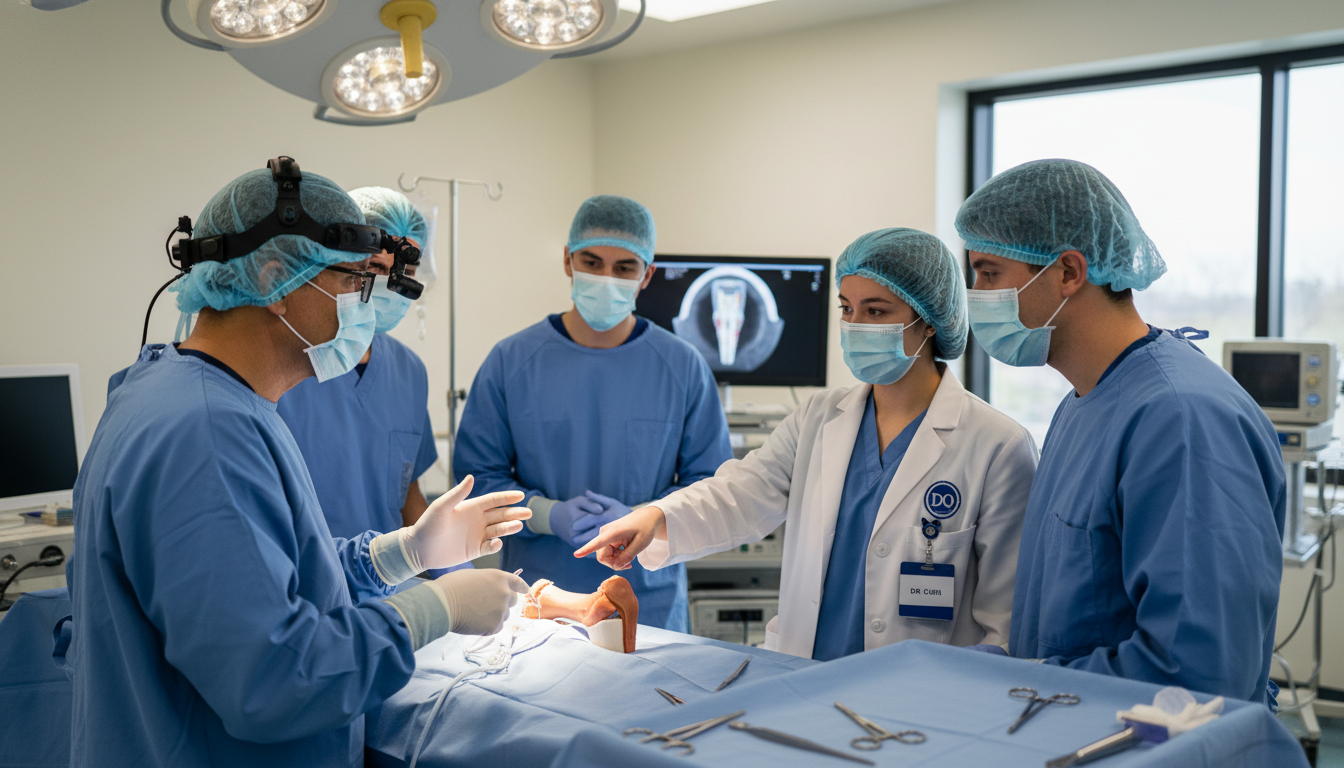
Once you’ve secured visiting student rotations, your performance can define your future ortho match chances. Think of each rotation as a 4-week, full-time interview.
Pre-Rotation Preparation
Before day one:
Review Core Ortho Knowledge
- Fracture classification basics: e.g., Salter-Harris, AO/OTA, Garden.
- Common injuries: ankle fractures, hip fractures, distal radius fractures, ACL tears, rotator cuff pathology.
- Emergency ortho: open fractures, compartment syndrome, septic joints.
Practice Basic Skills
- Knot-tying (two-handed, one-handed, instrument ties)
- Familiarity with OR etiquette and sterile technique
- Reading basic X-rays (alignment, joint spaces, hardware)
Clarify Expectations
- Email the rotation coordinator or chief resident:
- Introduce yourself as a DO graduate
- Ask about:
- Rotation schedule
- Pre-rounding expectations
- Call responsibilities
- Required orientation
- Email the rotation coordinator or chief resident:
Clinical Excellence: What Faculty Quietly Grade You On
Faculty and residents watch for:
- Work ethic: Showing up early, staying late when appropriate, volunteering for tasks.
- Preparation: Knowing your patients’ stories, imaging, and plans.
- Initiative: Asking, “How else can I help?” or “Anything I can read tonight for tomorrow’s cases?”
- Situational awareness in the OR:
- Anticipating the next step
- Managing retractors without being asked repeatedly
- Staying off your phone unless medically necessary
- Humility and teachability:
- Accepting feedback without defensiveness
- Admitting when you don’t know something, then following up with reading
The “No Jerk” Rule
Orthopedics is a team sport. Programs avoid people who:
- Talk down to nurses, scrub techs, or support staff
- Compete aggressively with co-rotators in a destructive way
- Gossip about other programs or students
- Oversell their experience or exaggerate skills
As a DO, you may feel pressure to “prove” yourself. Do it through:
- Hard work
- Reliability
- Consistent professionalism
—not through arrogance or overconfidence.
Building Relationships with Residents and Faculty
Your resident champions and faculty advocates can heavily influence your rank position.
- Be present and engaged during conferences and teaching.
- Join residents for:
- Case discussions
- Post-call breakfast
- Occasional social activities, if invited
- Ask for feedback in a low-pressure way, e.g.:
“Is there anything I can improve on this week?” - Express genuine interest in their program and what they like or would change.
Remember:
Residents are often asked behind closed doors,
“Would you want this person as your co-resident?”
Your day-to-day behavior should lead them to say “absolutely.”
Letters of Recommendation, Program Signaling, and the ERAS Connection
Away rotations feed directly into the ERAS orthopedic surgery residency application.
Securing Strong Letters from Away Rotations
You generally want 2–3 strong orthopedic surgery letters, ideally:
- 1 from your home institution (if available)
- 1–2 from away rotations
For each away rotation:
Identify Letter Writers Early
- Target:
- Rotation director
- Service chiefs
- Attendings who worked with you repeatedly and saw you in clinic, OR, and call
- Target:
Ask Near the End of the Rotation
- Approach them in person if possible:
“I’ve really enjoyed working with you this month. I’m applying to orthopedic surgery and would be honored to have a letter of recommendation from you if you feel you can write me a strong one.”
That phrase—“strong letter”—gives them a polite way out if they cannot.
- Approach them in person if possible:
Provide a Helpful Packet
- CV
- Personal statement draft
- Board scores and transcript
- Brief list of cases/encounters where you worked together
- Reminder of specific positive feedback they gave you
Clarify Logistics
- Ask if they need ERAS instructions or if the coordinator handles uploads.
- Follow up with a thank-you email and a gentle reminder closer to ERAS submission if needed.
Program Signaling and Away Rotations
If program signaling remains a feature of orthopedic surgery ERAS cycles (this varies by year):
- Prioritize signaling:
- Programs where you did away rotations
- Programs you have strong ties to or serious interest in
Your signal + an away rotation performance sends a powerful message:
“This program is one of my top choices.”
Aligning Your Application Narrative
Your ERAS application should highlight:
- Orthopedic-focused experiences:
- Rotations (home + away)
- Research (especially ortho-related)
- Ortho interest groups, conferences, shadowing
- Consistent story:
- Why orthopedic surgery?
- Why you’re a good fit for high-intensity surgical training
- How you’ve overcome challenges as a DO and what that taught you
Use your personal statement to connect the dots:
- Clinical stories from away rotations
- What you learned about ortho culture
- How specific experiences strengthened your commitment
DO-Specific Tips, Pitfalls to Avoid, and Example Strategies
As a DO graduate, you’re navigating both the traditional ortho match and the residue of the osteopathic residency match culture. Many ACGME programs are now fully integrated, but historical patterns still affect DO opportunities.
Leverage Your DO Strengths
Highlight what being a DO brings to ortho:
- Strong musculoskeletal exam background
- Holistic view of patient function and rehabilitation
- Comfort discussing non-operative and operative treatment together
- Communication skills and patient-centered care
On away rotations, demonstrate:
- Thoughtful exam techniques
- Clear explanations to patients of their injuries and options
- Good rapport with physical therapy, rehab, and primary care teams
Common Pitfalls DO Applicants Should Avoid
Overloading with Too Many Aways
- 4–5 away rotations can cause:
- Burnout
- Decreasing performance quality
- Perception of desperation
- 2–3 well-chosen, high-performance rotations are more effective.
- 4–5 away rotations can cause:
Ignoring DO-Friendly Programs
- Only applying or rotating at hyper-academic, very MD-dominant institutions can backfire.
- Ensure some target/safety programs with:
- Active DO residents
- Faculty familiar with COMLEX
- Track record of DO graduates matching and thriving
Lack of Score Strategy
- Many ortho programs prefer USMLE Step scores, even for DOs.
- If you have taken USMLE:
- Make sure it’s appropriately highlighted.
- If you have only COMLEX:
- Target programs that are clearly COMLEX-friendly.
- Ask mentors if your scores align with programs’ historical ranges.
Under-Communicating Interest
- On your away month, say clearly (without sounding needy):
“This is one of my top programs, and I would be very excited to train here.”
- Post-rotation:
- Send a thank-you email to attendings and the coordinator.
- Consider a brief, professional update near interview season reaffirming interest.
- On your away month, say clearly (without sounding needy):
Example Away Rotation Strategies (Scenarios)
Scenario 1: Strong DO Applicant with Home Ortho Program
- COMLEX and/or USMLE scores: Above national ortho applicant average
- Home DO school with an established ortho residency
Plan:
- April–May: Home ortho rotation → secure one letter.
- July: Away #1 at a DO-friendly academic program in a preferred region.
- August: Away #2 at a slightly more competitive, mid- to high-tier program.
- Apply to 60–80 ortho programs via ERAS, emphasizing DO-friendly places.
Scenario 2: DO Applicant with No Home Ortho Program
- COMLEX: Solid but not elite
- Limited prior exposure to ortho
Plan:
- June: Away #1 at a smaller community or hybrid program with known DO acceptance.
- July: Away #2 at a mid-tier academic program with DO alumni.
- September: Away #3 (if allowed by schedule) at another DO-friendly site, perhaps in your target geographic location.
- Use these rotations to:
- Build clinical credibility
- Collect 2–3 strong ortho letters
- Demonstrate consistent performance across multiple sites
Scenario 3: DO Applicant Taking a Research/Gap Year
- COMLEX/USMLE: Mixed (strong in some areas, weak in others)
- Heavy focus on ortho research to boost application
Plan:
- During research year:
- Do research at a program that also offers an ortho residency.
- If possible, arrange 1 short-clerkship or sub-I there to complement research.
- Application year:
- Away #1 at your research institution (if not already done).
- Away #2 at another DO-friendly academic program.
- Emphasize:
- Publications and presentations
- Longitudinal relationships with ortho faculty
- Strong work ethic across both research and clinical settings
FAQs: Away Rotation Strategy for DOs in Orthopedic Surgery
1. How many away rotations should I do for orthopedic surgery as a DO?
Most DO applicants should aim for 2–3 orthopedic away rotations:
- 2 away rotations if:
- You have a strong home ortho program with robust support and a good letter.
- 3 away rotations if:
- You lack a home ortho program, need more exposure, or want to broaden your DO-friendly program network.
More than 3 typically leads to fatigue and diminishing returns.
2. Do I need to take USMLE if I already have COMLEX scores?
While not absolutely mandatory everywhere, USMLE is strongly recommended for DOs targeting orthopedic surgery:
- Many programs compare applicants primarily using USMLE.
- Some programs explicitly prefer or require USMLE Step 1 and/or Step 2 CK.
- Having USMLE opens more doors and simplifies comparison with MD peers.
If you have only COMLEX:
- Focus on clearly COMLEX-friendly programs.
- Ask mentors if your scores are competitive for your target list.
3. Should I only do away rotations at programs where I’d be happy to match?
Yes. Away rotations function as serious auditions. You should:
- Only rotate at programs you’d realistically rank.
- Avoid using away rotations as mere “practice” sites; programs assume you’re genuinely interested.
- Prioritize programs that:
- Fit your geographic and lifestyle preferences
- Have a track record of supporting DO graduates
- Align with your career goals (trauma, sports, joints, etc.)
4. What if I don’t get an interview at a program where I did an away rotation?
It happens—even to strong applicants. Possible reasons:
- Heavy competition in that cycle
- Internal candidates or other rotators were slightly stronger fits
- Institutional constraints (limited interview slots, emphasis on research, etc.)
What you can do:
- Politely send a brief, professional email to the program coordinator or PD:
- Express gratitude for the rotation.
- Reaffirm interest in the program.
- Ask to be considered if interview spots open later.
- Continue to leverage the letter of recommendation and experience from that rotation for other programs.
Even if you don’t match or interview there, a strong away rotation can still significantly strengthen your overall orthopedic surgery residency application.
A thoughtful, targeted away rotation strategy can transform your odds as a DO graduate entering the orthopedic surgery match. Choose your sites carefully, prepare seriously, work relentlessly, and let every rotation become a month-long demonstration that you belong in this field.