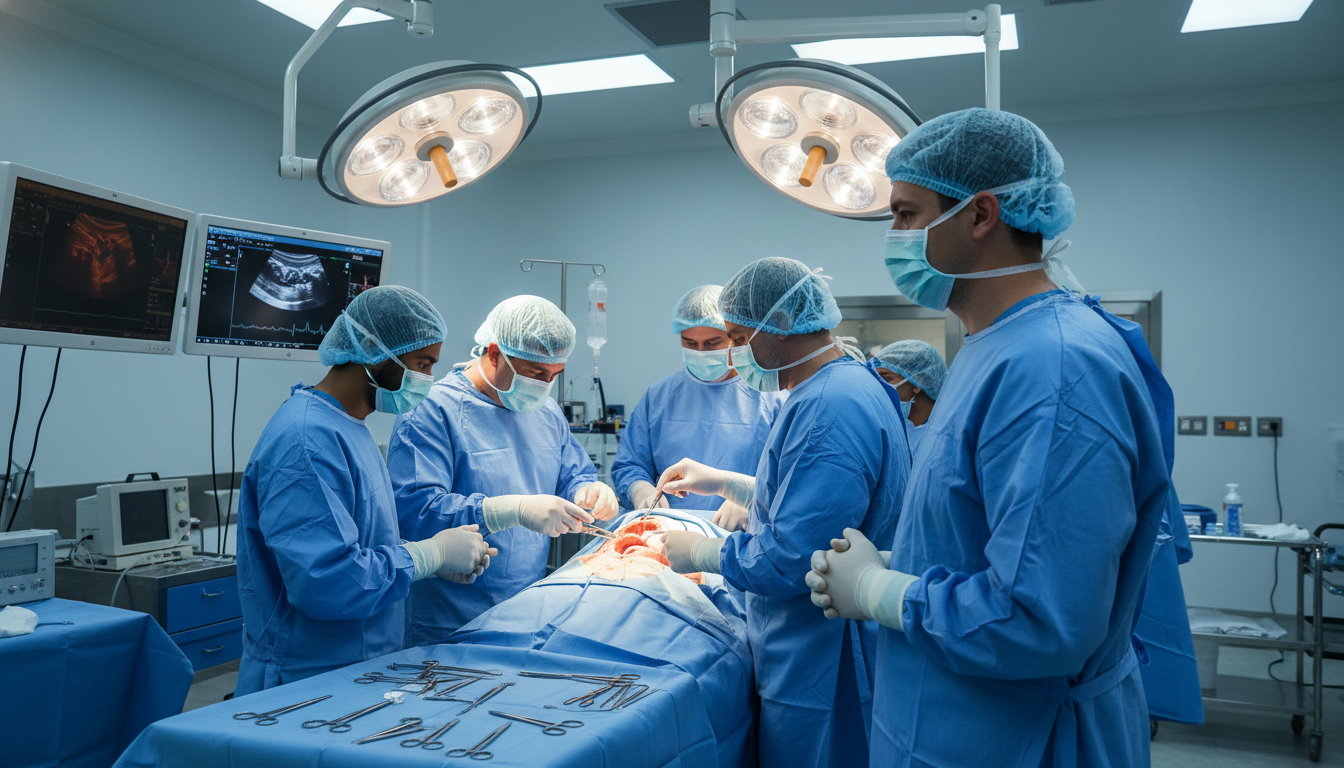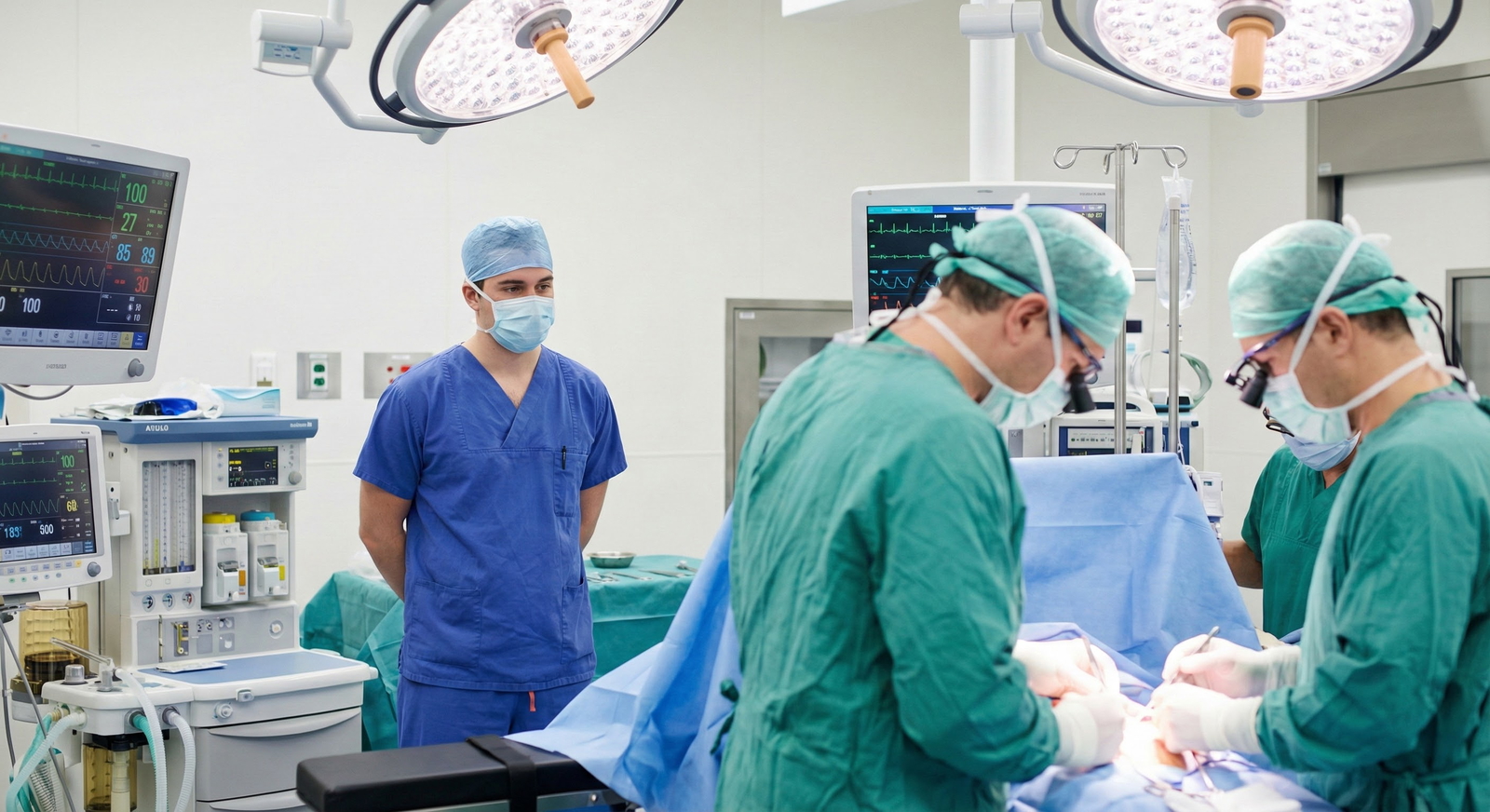
Why Away Rotations Matter So Much for the Non‑US Citizen IMG in Anesthesiology
For a non-US citizen IMG (international medical graduate), an anesthesiology residency spot in the United States is absolutely achievable—but rarely easy. Program directors must evaluate you across major gaps: different medical schools, grading systems, languages, and healthcare systems. Away (visiting student) rotations are one of the most powerful ways to bridge those gaps.
For a foreign national medical graduate, an away rotation in anesthesiology is often:
- Your strongest opportunity to earn US-based letters of recommendation (LoRs) in anesthesia
- Your chance to demonstrate clinical skills and professionalism in a US hospital
- A way to show you understand US perioperative workflows and safety culture
- An indirect way to signal visa feasibility (you were able to come to the US for a structured rotation)
This article lays out a detailed, step‑by‑step away rotation strategy specifically for non-US citizen IMGs targeting anesthesiology residency. You’ll learn how many away rotations to aim for, how to choose them, how to excel once you’re there, and how to convert these experiences into interviews and a stronger anesthesia match profile.
Step 1: Clarify Your Goals for Anesthesiology Away Rotations
Before you start applications, define what success looks like for you. For a non-US citizen IMG, away rotations are not “nice extras”; they are strategic tools.
Primary goals of away rotations for foreign national medical graduates
Strong, specialty-specific US letters of recommendation
- Ideally 2–3 letters from US anesthesiology faculty who directly supervised you
- Letters that comment on your clinical judgment, communication, reliability, and teamwork in the OR and perioperative settings
- Prefer letters from academic (university-affiliated) anesthesiology departments
Proof you can function in a US clinical environment
- Comfort with English medical communication (patient consent, handoffs, phone calls)
- Understanding of US medical documentation, EMR use, and OR safety protocols
- Evidence that you can adapt quickly to new systems
Visibility and networking in anesthesiology
- Direct exposure to program leadership, residents, and fellows
- Ability to attend department conferences, QI meetings, and journal clubs
- Opportunities to get involved in small QI or education projects that can be mentioned in your application
Clarifying your own fit
- Experience different practice environments: large academic centers vs. community‑based programs
- Confirm that anesthesiology truly aligns with your strengths and long‑term plans
- Gather insight about program cultures, call schedules, fellowship paths, and lifestyle realities
Secondary (but still important) goals
- Building evidence of professionalism and reliability
- Understanding the real expectations of an anesthesia resident (time management, OR efficiency)
- Gathering specific stories you can use in your personal statement and interviews
Step 2: How Many Away Rotations Should a Non‑US Citizen IMG Do?
You will see many different opinions on how many away rotations residency applicants should complete. For a non-US citizen IMG interested in anesthesiology, the optimal number is shaped by:
- Visa and travel logistics
- Financial constraints
- Your existing US clinical experience (USCE)
- Your Step scores and overall competitiveness
General guidance: How many away rotations?
- Target range:
- 2–3 anesthesiology away rotations is ideal if finances and timing allow
- 1 strong anesthesia away rotation is the minimum you should aim for
- Rotation length:
- Most anesthesia visiting student rotations are 4 weeks
- A 4-week block is usually long enough for faculty to know you well enough to write a detailed LoR
Scenarios and strategy
You have no prior US clinical experience (USCE)
- Aim for 3 total rotations if possible:
- 2 in anesthesiology
- 1 in a related perioperative field (ICU, internal medicine with strong perioperative exposure, or surgery)
- This combination shows you can function in US settings and are serious about perioperative care.
- Aim for 3 total rotations if possible:
You already have 2–3 months of strong USCE (medicine, ICU, or surgery), but little or no anesthesia
- Aim for 2 away rotations in anesthesiology
- You want at least 2 US-based anesthesia letters plus 1–2 non‑anesthesia letters.
You’re limited by finances or visa issues
- Prioritize quality over quantity:
- 1 high‑impact anesthesiology rotation at a program that:
- Sponsors visas for residency
- Has a history of interviewing or matching IMGs
- Offers structured student evaluation and LoRs
- 1 high‑impact anesthesiology rotation at a program that:
- Add remote electives (e.g., virtual research/education/QI projects) if available.
- Prioritize quality over quantity:
Timing within the academic year
- Ideal timing:
- April–October in the year before you apply to Match
- For example, if you plan to apply in September 2026:
- Try to rotate between April–September 2025
- Why?
- Letters will be ready before ERAS opens
- You can reference recent experiences in your personal statement and interviews

Step 3: Choosing the Right Programs for Away Rotations in Anesthesiology
Selecting where to do away rotations residency‑wise is as important as the rotations themselves. For a foreign national medical graduate, you must consider both educational value and visa/residency match strategy.
Key criteria to prioritize
Visa policy and match history
- Look for anesthesiology programs that:
- Sponsor J‑1 visas (at minimum) and preferably also H‑1B
- List this clearly on their residency program website
- Research:
- Do they currently have IMGs in training?
- Do they mention non‑US citizen IMGs or foreign national medical graduates in their FAQs?
- Use:
- NRMP and FREIDA databases
- Program websites (check “Eligibility,” “International Medical Graduates,” and “Visa” sections)
- Look for anesthesiology programs that:
Program type and structure
- Academic university hospitals
- Stronger letters (well‑known faculty) and more exposure to complex cases
- Better for networking, research, fellowships
- University-affiliated community programs
- May offer more hands‑on opportunities for students
- Sometimes more open to IMGs
For non-US citizen IMGs, a mix can be ideal, but at least one academic center rotation is strongly recommended.
- Academic university hospitals
Formal visiting student rotations programs
- Programs that use:
- VSLO/VSAS (Visiting Student Learning Opportunities) or
- A clear institutional visiting student office
- Advantages:
- Structured evaluation forms
- Well-defined learning objectives
- Established process for letters of recommendation
- Programs that use:
IMG-friendliness and support culture Look for signs of a supportive environment:
- Presence of current or recent IMGs in anesthesia residency
- Faculty or residents with international backgrounds
- Program statements about diversity and inclusion
- Positive online comments from previous IMGs (forums, social media, alumni networks)
Location and cost
- Large coastal and big‑city academic centers often have more competition, but may carry more “name value.”
- Consider the total cost:
- Application fees
- Housing (short‑term rentals, hostels, or student housing)
- Transportation and insurance
- If you’re limited financially, prioritize programs where you could realistically see yourself matching.
Building a targeted away rotation list
Aim for a balanced list of 8–15 programs when applying for visiting student rotations, anticipating denials and scheduling conflicts.
Example strategy for a competitive non-US citizen IMG:
- 3–5 large academic anesthesia departments that sponsor J‑1 visas and have IMGs
- 4–6 mid‑sized university-affiliated programs in a variety of regions
- 2–4 community-based programs with clear training and established elective structures
Step 4: Navigating Applications, Visas, and Logistics
For a foreign national medical graduate, logistics can be the biggest barrier. Start early and stay organized.
Application platforms and processes
VSLO/VSAS (AAMC Visiting Student Learning Opportunities)
- Many US medical schools use VSLO to manage visiting student applications.
- Requirements may include:
- Dean’s letter or institutional approval
- Transcript and proof of being in your final years of training
- USMLE Step 1 (and sometimes Step 2 CK) scores
- Immunization records, TB testing, COVID‑19 compliance
- Proof of malpractice/liability insurance
Institution-specific applications
- Some hospitals/universities not on VSLO use their own application portal or forms.
- Carefully follow their instructions and deadlines; they might be earlier than you expect.
Visa and legal considerations
Your visa situation affects both away rotations and future residency.
- Most common pathway for away rotations:
- B‑1/B‑2 (Visitor for Business/Tourism) or sometimes J‑1 short‑term if research is involved.
- Some institutions may classify visiting medical students under specific institutional agreements.
- You must:
- Clarify with each institution whether they accept non‑US citizens for clinical observerships or visiting rotations.
- Ask their international office:
- “What visa type do you require for international visiting medical students in clinical rotations?”
- Ensure your clinical activities are allowed under your visa type; do not misrepresent your activities on a tourist visa if direct patient care is not permitted.
Important: Visa regulations change. Always verify with the hospital’s GME office and the US embassy/consulate. Never rely solely on secondhand advice.
Financial and practical planning
- Budget estimate per 4‑week rotation (rough ranges):
- Housing: $800–$2,000 (city and length)
- Food and transport: $400–$800
- Application and admin fees: $100–$500
- Visa fees and travel: varies widely
- Strategies to reduce cost:
- Look for student housing, hostel options, or room sublets from current residents/med students.
- Ask program coordinators if there is short-term housing guidance for visiting students.
- Consider back-to-back rotations in nearby cities or within the same hospital to lower travel cost.

Step 5: How to Excel During Your Anesthesiology Away Rotation
Once you’ve secured a spot, your performance during the rotation will directly influence your letters, evaluations, and interview chances.
Understand what anesthesiology attendings look for
For a non-US citizen IMG, attendings often pay attention to:
- Work ethic and reliability
- Punctuality (arrive early, usually before residents)
- Staying engaged throughout the day, including end-of-day tasks
- Communication and language
- Clear, calm communication with patients and staff
- Willingness to clarify when you don’t understand something
- Situational awareness
- Understanding what is happening in the OR at all times
- Anticipating needs (medications, airway equipment, monitoring)
- Teachability
- Ability to accept feedback positively
- Demonstrating growth across the 4-week rotation
- Professionalism
- Respect for all team members—nurses, techs, surgeons
- Sensitivity to US patient privacy, consent, and cultural expectations
Daily behaviors that make a strong impression
Pre‑OR preparation
- Review the next day’s surgical list if available.
- Read about:
- The planned anesthesia technique (e.g., general vs. regional vs. MAC)
- Key comorbidities (e.g., CAD, COPD, OSA, anticoagulation)
- Prepare a brief plan you can discuss with your resident/attending.
In the OR
- Offer to:
- Help set up monitors, airway equipment, IV supplies
- Draw up non‑controlled medications (as allowed by hospital policy)
- Ask to observe or assist with:
- IV placement, arterial lines, airway management (mask ventilation, intubation)
- Keep a pocket notebook:
- Record interesting cases and key learning points
- Jot feedback so you can improve daily
- Offer to:
Communication examples
- Start pre‑op interviews with:
- “Hello, I’m [Name], a visiting medical student working with your anesthesia team today. I’ll ask you a few questions to help us plan your anesthesia safely.”
- During cases:
- “Would now be a good time to ask a question about this technique?”
- When unsure:
- “I’m not familiar with that protocol—could you walk me through it so I can learn the correct approach?”
- Start pre‑op interviews with:
End-of-day professionalism
- Ask your senior or attending:
- “Is there anything else I can help with before I go?”
- Offer to:
- Restock the OR
- Help with PACU transport or sign-out
- Quickly reflect and plan:
- “Tomorrow, I’d like to focus on improving my pre‑op assessment” or “I want to read more about neuromuscular blockade reversal.”
- Ask your senior or attending:
Handling challenges as a non‑US citizen IMG
Language or accent barriers
- Speak a bit slower and articulate clearly.
- Use short, structured sentences with patients.
- Ask, “Could you please repeat that once more slowly?” rather than pretending to understand.
Different clinical norms
- Avoid saying “In my country, we always do X” in a dismissive way.
- Instead: “Where I trained previously, we often did X. Could you help me understand why the protocol here prefers Y?”
Imposter syndrome
- Remember: You were offered this rotation because you earned it.
- Set small daily goals: one good pre‑op assessment, one well-formulated anesthesia plan, one new skill.
Step 6: Turning Your Rotations into Interviews and a Strong Anesthesia Match Application
Your work doesn’t end when the rotation is over. You need a deliberate strategy to convert away rotations into a competitive anesthesiology residency application.
Securing strong letters of recommendation (LoRs)
Identify potential letter writers early
- By the second or third week, note which attendings:
- Have seen you in multiple cases
- Provided feedback
- Are engaged in teaching
- Ask your resident or rotation coordinator:
- “Who is best to ask for a letter based on performance during this rotation?”
- By the second or third week, note which attendings:
Ask directly and respectfully
- Near the end of the rotation, say:
- “Dr. [Name], I am applying to anesthesiology residency and would be honored if you would consider writing a strong letter of recommendation based on my performance this month.”
- Using the word “strong” gives them an opening to decline if they can’t support you.
- Near the end of the rotation, say:
Make it easy for them
- Provide:
- Your CV
- A brief summary of your goals (e.g., “I am a non-US citizen IMG aiming for an anesthesiology residency in the US, especially at programs that value perioperative medicine and ICU exposure.”)
- A bullet list of cases or responsibilities you handled
- Your ERAS ID and submission instructions when available
- Provide:
Using away rotation experiences in your personal statement and interviews
In your personal statement, highlight:
- Specific cases that shaped your interest in anesthesiology
- Examples of working in US perioperative teams
- Growth moments: handling anxiety, learning communication, adapting to new protocols
In interviews, be ready to answer:
- “Tell me about a memorable case from your away rotations.”
- “How did your experience as a non-US citizen IMG shape your approach to patient care in the OR?”
- “How did your visiting rotations prepare you for residency in the US?”
Networking and follow‑up
- After the rotation:
- Send a thank-you email to key faculty and residents:
- Express gratitude for teaching
- Mention 1–2 specific things you learned
- Stay connected:
- When ERAS season begins, you may gently let them know you’ve applied to their program.
- Send a thank-you email to key faculty and residents:
- If invited to interview at that institution:
- Reference:
- Specific faculty, cases, or educational conferences you experienced during your rotation
- This helps interviewers recall your time there and reinforces your interest.
- Reference:
Frequently Asked Questions (FAQ)
1. I am a non‑US citizen IMG with no US experience. Can I still match into anesthesiology if I only manage one away rotation?
Yes, it is possible, but you must make that single rotation extremely strong. Focus on:
- Performing at your highest level clinically and professionally
- Obtaining at least one very strong anesthesiology letter
- Complementing that rotation with:
- Observerships (if you cannot do more hands-on electives)
- Research or QI involvement (even remote) in anesthesia or perioperative medicine
- Ensuring your USMLE scores, personal statement, and application are as strong as possible.
If finances allow, even one additional related rotation (e.g., ICU, internal medicine with perioperative exposure) can help.
2. Do visiting student rotations guarantee an interview or a residency spot at that program?
No, away rotations do not guarantee an interview or a position. However, they significantly increase your chances of:
- Being noticed and remembered by faculty and program leadership
- Receiving supportive internal feedback that may influence interview decisions
- Demonstrating that you can thrive in that specific environment
Programs differ: some interview most visiting students, while others do not. Still, for a foreign national medical graduate, an away rotation is one of the best ways to stand out.
3. How do programs view non-US citizen IMGs who need visas?
Programs are realistic about visa needs. Many anesthesiology residencies are comfortable sponsoring J‑1 visas, and some sponsor H‑1B. What matters more is:
- Your academic and clinical performance
- Your professionalism and communication
- Your perceived ability to integrate into the team
An away rotation helps programs see you, not just your passport. Just ensure you prioritize programs that clearly accept IMGs and sponsor visas.
4. I’m worried about my English accent and communication. Will this hurt my chances during rotations and the anesthesia match?
A noticeable accent is not a problem by itself. The key issues for anesthesiology are:
- Clarity: Can patients, nurses, and physicians clearly understand you?
- Safety: Can you communicate effectively during urgent situations, handoffs, and pre‑op assessments?
You can improve your communication by:
- Practicing spoken English conversations with native speakers or online tutors
- Watching and mimicking clinical communication (e.g., US medical videos, anesthesia podcasts, patient interview clips)
- Asking for specific feedback from residents and attendings during your rotation
If you show continuous improvement, most programs will view your efforts very positively.
By approaching away rotations with a deliberate strategy, a non‑US citizen IMG can transform them from short-term experiences into powerful assets for the anesthesiology residency application. Plan early, choose programs wisely, perform consistently, and leverage every rotation to build relationships, skills, and letters that support your journey toward a successful anesthesia match.