Why Away Rotations Matter So Much for US Citizen IMGs in Neurology
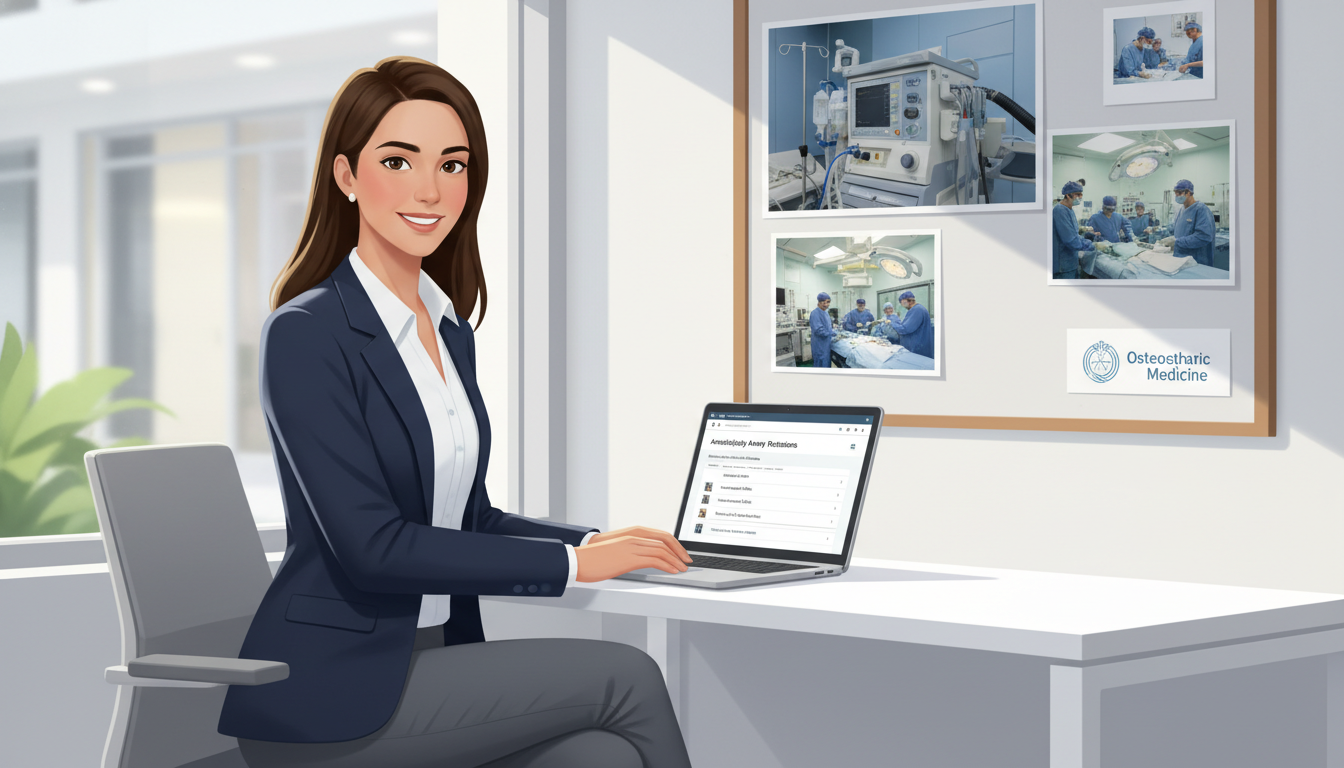
Away rotations are one of the most powerful tools a US citizen IMG can use to improve chances in the neurology residency match. For an American studying abroad, they are often the single best way to:
- Demonstrate clinical skills in the US system
- Prove you can function on a neurology team
- Earn strong US-based letters of recommendation (LORs)
- Overcome bias about international training
- Convert a “cold” application into a “known” candidate at a program
Because neurology is moderately competitive and very relationship‑driven, away rotations (also called visiting student rotations or “audition rotations”) can meaningfully change your neuro match trajectory—if you plan them strategically.
This guide walks you through a step‑by‑step away rotation strategy specifically for a US citizen IMG targeting neurology residency: when to apply, how many away rotations to do, where to apply, how to perform, and how to leverage these rotations in your application.
Understanding the Role of Away Rotations in Neurology
What Is an Away Rotation in Neurology?
An away rotation in neurology is a 2–4 week visiting student elective at a US teaching hospital outside your home medical school. For US citizen IMGs, your “home” school is abroad, so all US clinical experiences are effectively away rotations—but in the residency context, the term usually refers to:
- A neurology sub‑internship (sub‑I) or acting internship
- A general adult neurology inpatient rotation
- A neurology consult service rotation (stroke, epilepsy, neuro‑ICU, etc.)
- Occasionally, outpatient or subspecialty neurology electives
Many US programs host international visiting students through their visiting student office or the AAMC Visiting Student Learning Opportunities (VSLO) system. Others run their own processes.
Why They Matter More for US Citizen IMGs
For a US citizen IMG, away rotations can compensate for some common disadvantages:
- Unknown school name or reputation
- Less US clinical experience in neurology
- Limited access to US‑based neurology mentors
- Fewer automatic pipelines to US neurology programs
Programs use away rotations to:
- See your real‑time clinical reasoning, reliability, and communication
- Gauge how you handle uncertainty, acute neurologic events, and consults
- Evaluate your professionalism and ability to function in a US team environment
- Decide whether they can trust you with call and independent responsibilities as a PGY‑2
Neurology program directors often say that first‑hand experience with a student can outweigh step scores and school prestige—which is particularly relevant for an American studying abroad.
What Away Rotations Can and Cannot Do
Away rotations can:
- Move you from “unknown IMG” to a “known, strong candidate”
- Generate high‑quality neurology‑specific LORs from US faculty
- Secure interview invitations at that program and sometimes its affiliates
- Demonstrate genuine interest in neurology and in a particular geographic region
- Help you refine your list of target programs and understand program culture
Away rotations cannot reliably:
- Compensate for repeated exam failures without explanation or improvement
- Overcome major professionalism concerns or poor communication skills
- Guarantee you will match at that specific program—even if you perform well
Think of away rotations as high‑leverage auditions: not a magic ticket, but a critical opportunity to transform how program leadership perceives your application.
Timing, Number, and Types of Neurology Away Rotations
When Should a US Citizen IMG Do Neurology Away Rotations?
The ideal timing is influenced by:
- Your graduation date from the international school
- The neurology residency application cycle (ERAS submissions usually open in September)
- When you can realistically secure visas (if needed) and housing
- When your school allows off‑site rotations
Best window for neurology away rotations:
- Late 3rd year to early 4th year equivalent, typically:
- May–August before the application cycle for July start graduates, or
- Roughly 3–6 months before ERAS opens
For many US citizen IMGs, that translates into:
- One neurology rotation in spring/early summer of the year you apply
- Possibly another neurology rotation in late summer/early fall, if feasible
Doing at least one rotation before ERAS submission is critical so that:
- Letters from that rotation can be uploaded and available early
- You can reference the experience in your personal statement and interviews
How Many Away Rotations Should You Do?
A common question: how many away rotations are necessary or ideal?
For neurology, a strong strategy for a US citizen IMG is:
- Minimum: 1 US‑based neurology rotation (preferably at an academic center)
- Ideal range: 2–3 neurology away rotations if your schedule and finances allow
- Upper limit: >3 neurology away rotations rarely adds additional value versus cost/stress, unless you have major red flags and are trying to show consistent performance
Within those 2–3 rotations, aim for:
- One rotation at a strong academic neurology program
- One rotation at a realistic target program where you’d be happy to match
- Optionally: a third rotation at a community‑based or mid‑tier academic program to broaden your neuro match network
Quality matters more than quantity. Doing two rotations with outstanding performance and strong letters is far more valuable than four mediocre “check‑the‑box” rotations.
Types of Neurology Rotations to Target
For residency applications, the most impactful rotations are:
Adult Neurology Inpatient / Wards
- High visibility; you work closely with residents and attendings
- Great for demonstrating reliability, work ethic, and team fit
Neurology Sub‑Internship (Sub‑I) / Acting Internship
- You’re expected to function closer to intern level
- Excellent for generating powerful LORs if you perform well
Stroke / Neurohospitalist / Consultation Services
- Shows you can manage acute neurology (stroke codes, consults)
- Good for US citizen IMGs aiming at programs with strong stroke services
Neuro‑ICU, Epilepsy, or Other Subspecialty Rotations
- Best as a second or third neurology experience
- Useful if you have a specific interest (e.g., epilepsy, movement, MS)
- Usually not a substitute for a core adult neurology inpatient rotation
For away rotations specifically intended to support your neurology residency application, prioritize core adult neurology experiences over niche subspecialties.

Choosing Programs Strategically as a US Citizen IMG
Step 1: Clarify Your Profile and Goals
Before you decide where to apply for visiting student rotations, you need to be honest about your own applicant profile:
- USMLE scores (and any failures)
- Research in neurology or related fields
- Clinical grades and prior US clinical experience
- Language skills and communication strengths
- Geographic ties (home state, family, prior schooling, etc.)
Then, define your objectives:
- Do you want to prove you can thrive at a higher‑tier academic program?
- Do you need US letters from any solid neurology programs to counter limited US experience?
- Are you trying to anchor yourself geographically to a region where you want to live?
- Are you targeting a specific “dream” program and want them to know you personally?
For a typical US citizen IMG in neurology, a balanced approach is best: one ambitious rotation, one strongly realistic target.
Step 2: Build a Tiered Program List
Think in tiers—not only by prestige, but by fit and probability:
Reach Programs
- Big‑name academic centers, top‑tier neurology departments
- May be IMG‑friendly or may take very few IMGs
- Useful for networking and strong research‑oriented letters
Target Programs
- Mid‑tier academic or academic‑community hybrid programs
- Reasonable record of interviewing/matching US citizen IMGs
- Good teaching volume and strong clinical training
Safety/Foundational Programs
- Community programs with academic affiliations
- Historically more open to US citizen IMG applicants
- May give you more hands‑on responsibility and attending access
For your first neurology away rotation, many US citizen IMGs do well at a target or safety program, where the environment may be more forgiving as you learn the US system. Once you’ve adapted, you can attempt a more competitive or “reach” rotation.
Step 3: Research IMG Friendliness and Rotation Logistics
When choosing away rotation sites, specifically look for:
- Programs with current or recent IMGs among residents (especially US citizen IMG)
- Departments that explicitly welcome visiting students on their websites
- Presence on VSLO or a dedicated visiting student office
- Clear instructions for IMGs (visa, malpractice insurance, health requirements)
For neurology, also consider:
- Stroke center designation, epilepsy center credentials, neuro‑ICU presence
- Call expectations for students (good for learning, but make sure it’s manageable)
- Opportunities for you to attend conferences, morning report, or journal club
- Faculty with interests aligned to yours (e.g., neuroimmunology, neurocritical care)
Programs that already have structured visiting student rotations and have previously hosted international students are usually smoother for US citizen IMGs.
Step 4: Consider Geography and Neuro Match Strategy
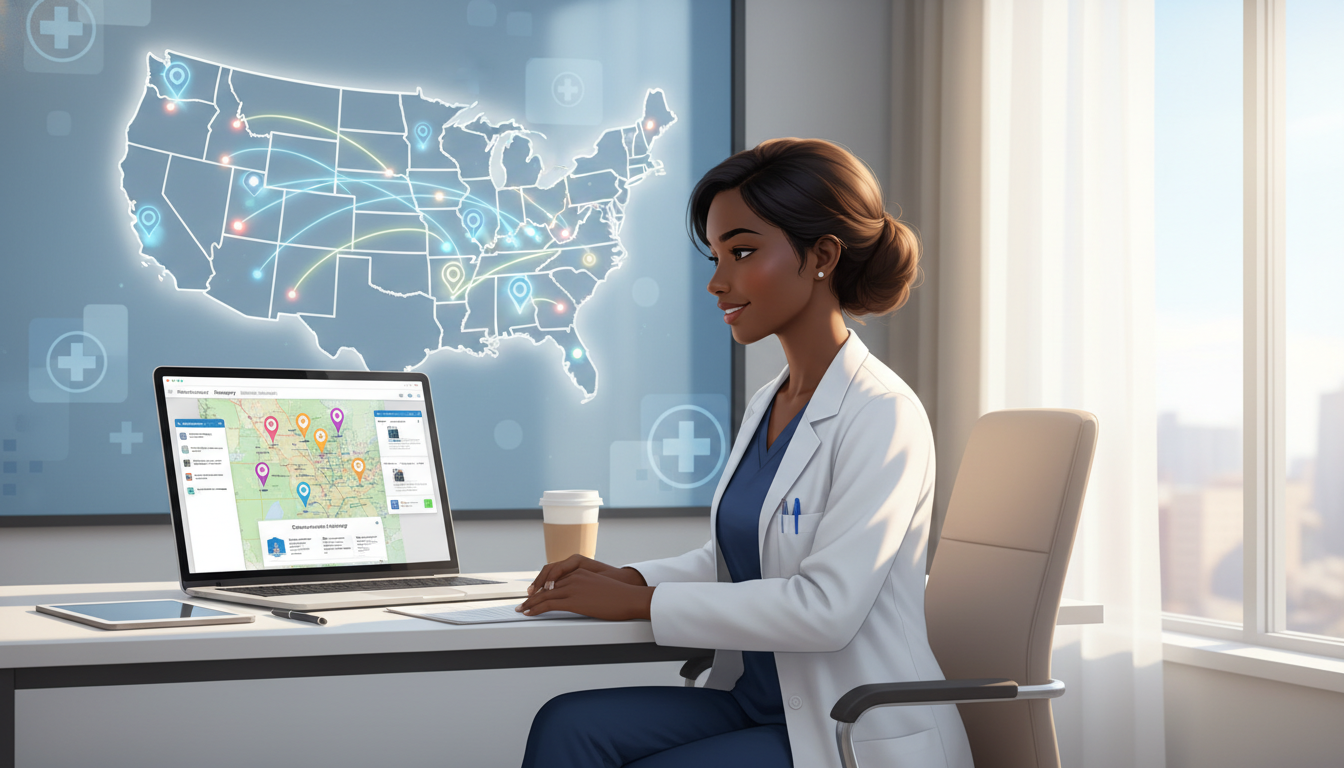
Residency programs tend to favor applicants with some connection to their region. For an American studying abroad, away rotations are a powerful way to create or reinforce geographic ties.
Good strategies:
- Rotate in the same region where you plan to apply broadly (e.g., Northeast, Midwest, South, West Coast).
- If you have family or prior schooling in a particular state, prioritize that region for away rotations.
- If you’re open geographically, pick areas with higher concentration of neurology programs (e.g., large metropolitan areas) so your letter writers’ networks are more relevant.
Step 5: Be Realistic About Acceptance Odds
Some elite neurology departments accept very few or no IMG visiting students. As a US citizen IMG, you may have a slightly easier path than a non‑US citizen IMG, but you’re still competing in a limited‑slot pool.
Apply to more programs than you think you need for away rotations—slots can fill early, and requirements may be strict. It’s common to apply to 8–10 programs to secure 2–3 rotations.
Applying for Neurology Visiting Student Rotations
Understanding Application Systems (VSLO and Direct)
Most US neurology rotations for visiting students are offered via:
AAMC Visiting Student Learning Opportunities (VSLO)
- Centralized portal used by many academic programs
- You submit documents once, then apply to multiple schools
Institution‑specific application portals or forms
- Common for some private or smaller systems
- Requirements and deadlines vary
- May still require some VSLO elements (immunizations, transcripts, etc.)
Start preparing at least 6–9 months before your ideal rotation start date so you can meet early deadlines.
Common Requirements for US Citizen IMGs
Expect to provide:
- Official medical school transcript (with English translation if needed)
- Dean’s letter / confirmation of good standing
- Proof of malpractice insurance (sometimes your school provides it, sometimes you must purchase)
- Immunization records and health forms (including TB testing, titers, vaccination proof)
- Background check or drug screening (varies by institution)
- USMLE Step 1 score report (and Step 2 CK if available)
- Proof of English proficiency if your instruction language isn’t English
- Copy of passport and proof of US citizenship (for US citizen IMG)
Some programs may still treat you as an international student administratively, even though you’re a US citizen. Clarify whether any visa or additional documentation is required.
Maximizing Your Chances of Being Accepted
To improve your odds of obtaining strong neurology away rotations:
- Apply early. Highly desired months (July–September) fill quickly.
- Be flexible with dates. Indicating multiple potential blocks increases your chances.
- Target multiple program tiers. Include a mix of reach, target, and safety programs.
- Highlight neurology interest in any required personal statements or essays.
- Show existing exposure to neurology (e.g., prior electives, shadowing, research) if possible.
If you don’t initially get the months you want, keep checking: spots sometimes open last‑minute due to cancellations.
Performing on Neurology Away Rotations and Leveraging Them for the Neuro Match
Expectations on Neurology Visiting Rotations
Programs will evaluate you as a potential future colleague. Core expectations:
- Clinical reasoning: localize lesions, build neurology‑focused differentials
- History and exam skills: especially focused neurologic examinations
- Communication: clear, concise presentations and progress notes
- Professionalism: punctuality, respect, reliability, integrity
- Teamwork: getting along with residents, nurses, and other staff
- Self‑directed learning: reading around your patients and following up on teaching points
As a US citizen IMG, faculty may also (consciously or unconsciously) assess:
- How smoothly you adapt to the US health system
- Your written and spoken English in clinical situations
- Whether any biases they may hold about IMGs are challenged by your performance
Concrete Strategies to Stand Out (In a Good Way)
Know the Fundamentals Cold
- Stroke syndromes, acute stroke workup and treatment windows
- Seizure vs. syncope, basics of epilepsy management
- Approach to weakness, numbness, headaches, altered mental status
- Localizing lesions using exam findings and neuroimaging
Take Ownership of Your Patients
- Follow lab results and imaging closely
- Volunteer to call family with updates (with supervision)
- Prepare thorough but concise daily progress notes
- Anticipate next steps in care plans
Communicate Like a Resident
- Use a structured format for presentations (HPI, neuro exam, assessment, plan by problem)
- Be honest when you don’t know something—but follow up and learn it
- Clarify expectations with residents: “How can I be most helpful to the team today?”
Be Visible, But Not Overbearing
- Attend conferences, morning report, and teaching seminars
- Ask thoughtful questions that show you did background reading
- Avoid trying to impress by overtalking or correcting others inappropriately
Show Reliability and Professionalism
- Arrive early and stay until your team is done
- Follow through on every task you’re given
- Dress professionally, maintain appropriate boundaries and respect
Asking for Letters of Recommendation (LORs)
For a US citizen IMG, US‑based neurology letters are mission‑critical. Aim for:
- At least 2 neurology letters from US faculty
- Ideally:
- 1 from a neurology attending at an academic center
- 1 from a rotation where you had significant responsibility (sub‑I or inpatient wards)
When to ask:
- Near the end of the rotation, after you’ve demonstrated consistent, strong performance
- Choose an attending (or occasionally a senior faculty member who has worked closely with you) who:
- Has seen you present and interact with patients
- Knows your work ethic and clinical strengths
- Seems supportive and invested in teaching
How to ask:
- Schedule a brief meeting or catch them at a natural time:
- “Dr. X, I’ve really appreciated working with you this month. I’m applying for neurology residency this coming cycle. Would you feel comfortable writing me a strong letter of recommendation?”
- Emphasize that you value their honest assessment and would be grateful for their support.
- Provide a CV and short summary of your goals, plus a draft personal statement if ready.
If they hesitate or sound lukewarm, it’s better to ask someone else who can be genuinely enthusiastic.
Turning Away Rotations into Interviews
A strong away rotation often leads to an interview offer—but you can help that process along:
- Let the program coordinator know you are applying to that neurology residency.
- Tell your attending and PD (if you meet them) that you are very interested in their program.
- After ERAS submission, you can send a brief, professional update email to faculty you worked with:
- Thanking them again for the rotation
- Confirming your application submission
- Expressing continued interest in their neurology residency
Away rotations are particularly powerful for “silent advocacy”: attendings who liked your work may tell the program director informally, “This US citizen IMG was excellent—definitely interview them.” That kind of internal support can significantly boost your neuro match odds.
What If a Rotation Goes Poorly?
Not every rotation will be perfect. If one goes badly (e.g., you struggled to adapt, there was a personality clash, or expectations were unclear):
- Do not request a letter from that rotation.
- Reflect honestly: what was under your control? What skills need improvement?
- Try to schedule another neurology rotation where you can correct course.
- If there were misunderstandings or cultural gaps, adjust your approach for the next site.
Residency programs generally focus more on your best letters than on any one rotation you don’t highlight.
Frequently Asked Questions (FAQ)
1. As a US citizen IMG, how many away rotations in neurology should I realistically do?
For most US citizen IMGs pursuing neurology residency, 2–3 neurology away rotations is an effective target:
- One at a solid academic center (for strong letters and exposure)
- One at a realistic target program or region where you’d be happy to match
- Optional third at a community or mid‑tier academic program to diversify experiences
Doing at least one neurology away rotation before ERAS opens is crucial so you can secure letters and mention the experience in your application. More than three neurology away rotations rarely increases your chances enough to justify the additional time, cost, and burnout risk—especially if quality starts to drop.
2. What if my school doesn’t have a home neurology department—am I at a disadvantage?
As an American studying abroad, it’s common to lack a robust home neurology department. Programs understand this; it does not automatically exclude you, but it means:
- Away rotations and visiting student rotations become even more important.
- You may rely primarily on US away rotation letters for neurology LORs.
- You should explain your path briefly in your personal statement or interviews: why neurology, and how you sought out exposure despite limited home resources.
Use your rotations to prove your commitment and build a track record in neurology that compensates for the absence of a home department.
3. Do I need a neurology research project to match neurology as a US citizen IMG?
Neurology research is helpful but not mandatory. What matters more:
- Strong clinical performance on neurology rotations
- Excellent neurology letters of recommendation from US faculty
- Solid Step scores and no major professionalism issues
If you do have research—especially in neurology, neuroscience, stroke, epilepsy, or related fields—that’s an added strength. You can mention it during away rotations and in your application, and it may particularly help at research‑heavy programs. However, many neurology programs will happily rank a clinically excellent US citizen IMG with no research over a weak clinician with publications.
4. Should I do an away rotation in another specialty (e.g., internal medicine) to help with the neurology match?
One or two internal medicine or general medicine rotations are useful to show you can manage systemic illness, but for neurology residency, neurology‑specific away rotations matter more. If you must choose between:
- A neurology away rotation at a reasonable program, or
- A non‑neurology away rotation at a more prestigious program
You will typically gain more neuro match value from the neurology rotation. Medicine rotations can help round out your clinical profile, but neurology residency selection committees give highest weight to neurology‑focused performance and letters.
By planning your away rotation strategy thoughtfully—choosing programs strategically, applying early, performing at a high level, and securing strong neurology LORs—you can significantly improve your neurology residency prospects as a US citizen IMG. The neuro match is competitive but very relational; turning yourself from a name on a page into a known, trusted future colleague is exactly what away rotations allow you to do.