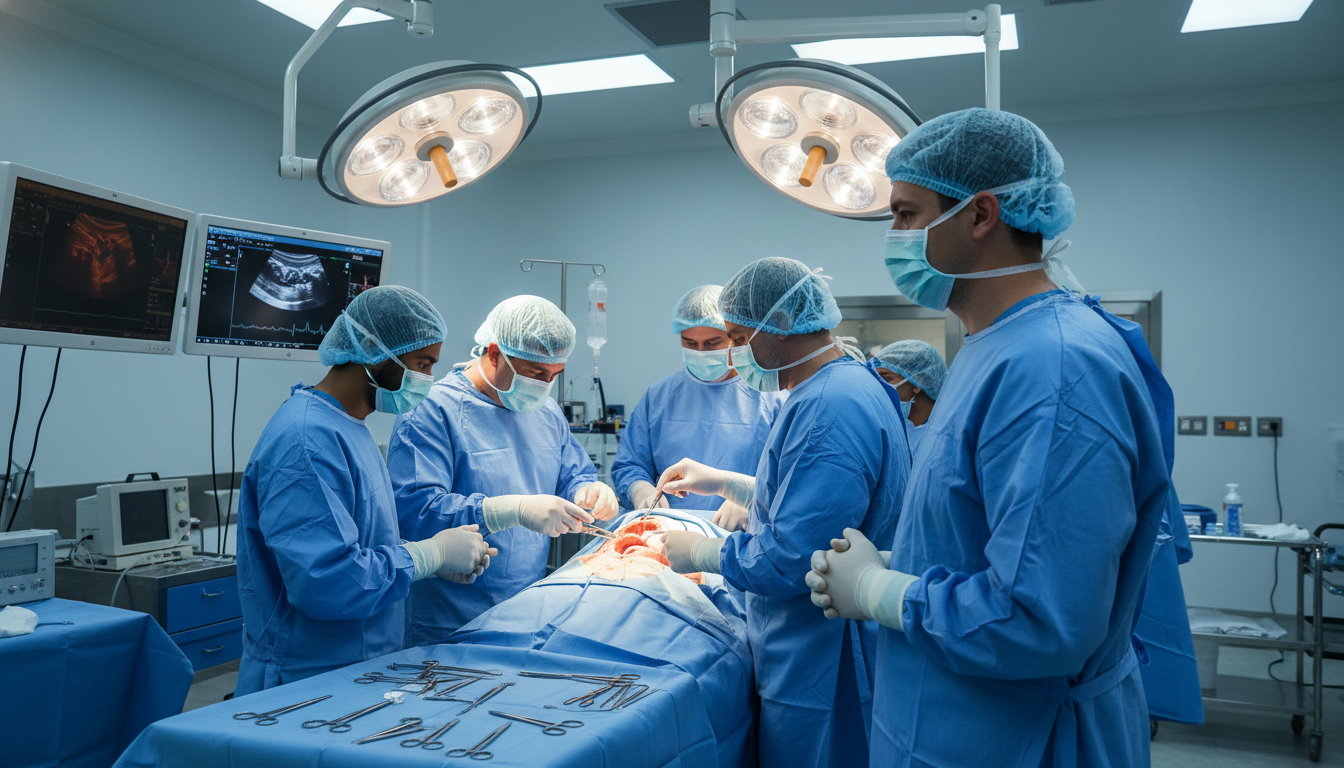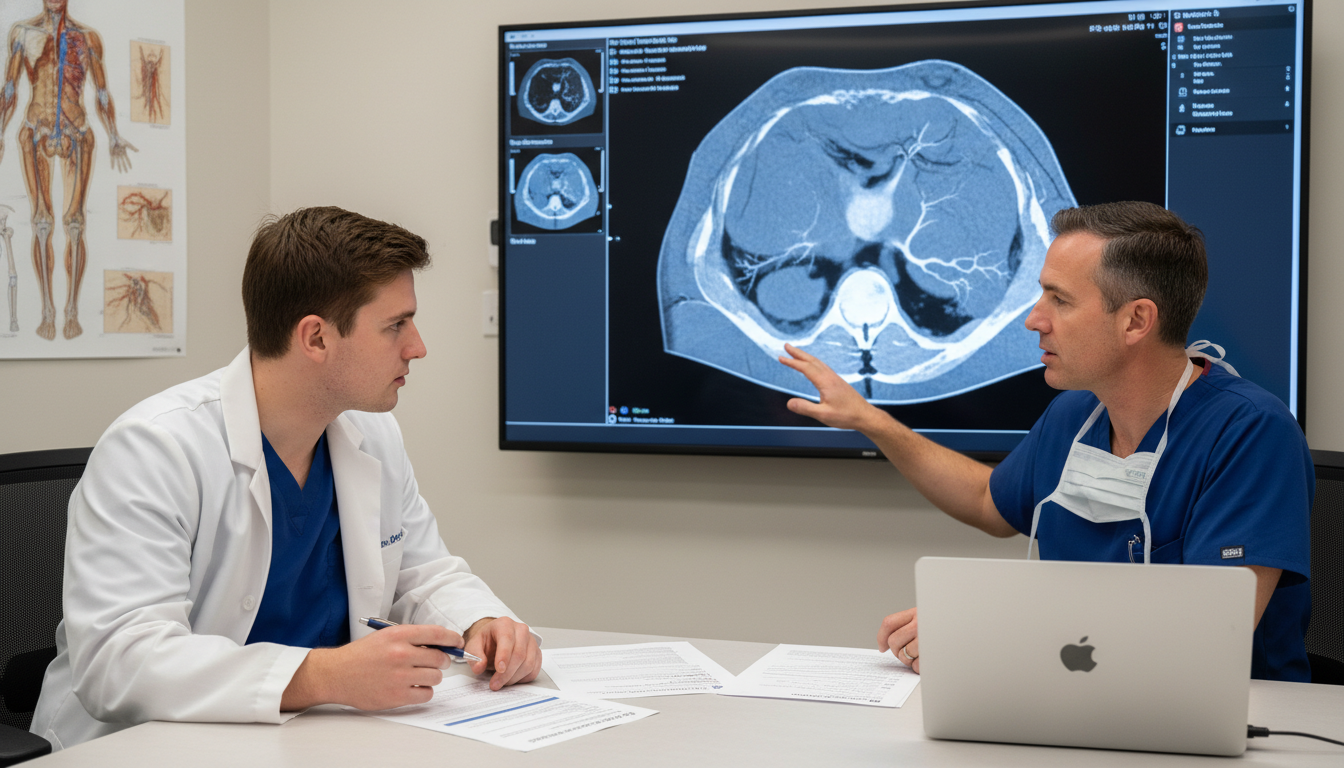
Why Away Rotations Matter So Much for DO Graduates in Vascular Surgery
For a DO graduate interested in vascular surgery, away rotations are often the single most powerful tool you have to overcome structural disadvantages and stand out in the osteopathic residency match. Vascular surgery—especially the integrated vascular program track—is small, competitive, and still heavily MD-dominated at many institutions. That doesn’t mean DOs can’t match; it means you must be intentional and strategic in how you use your clinical time.
Away (visiting student) rotations in vascular surgery let you:
- Prove you can function at the level of top MD applicants
- Earn strong letters from vascular surgeons known at the national level
- Demonstrate technical promise and work ethic on the service
- Show you can integrate into the team and culture of specific programs
- Signal serious interest in vascular surgery rather than as a “backup” to general surgery
This article walks you through a step‑by‑step away rotation strategy tailored specifically for a DO graduate aiming for vascular surgery, from planning your fourth year to maximizing every day in the OR.
Understanding the Landscape: Vascular Surgery and the DO Applicant
Before you plan away rotations, it helps to understand what you’re up against as a DO graduate in vascular surgery.
The Integrated Vascular Surgery Landscape
Vascular surgery in the US primarily has two training pathways:
Integrated Vascular Program (0+5)
- You match directly into vascular surgery out of medical school.
- Five years total, combining core surgery and vascular training.
- Highly competitive due to limited spots and strong interest.
Fellowship Pathway (5+2)
- You match into general surgery, then apply for vascular fellowship.
- Some DOs choose this route if integrated positions prove difficult to obtain.
Most of this article assumes you’re targeting the integrated vascular program track, but the same principles apply if you’re using away rotations to position yourself for a strong general surgery match with a future vascular fellowship.
Unique Challenges for DO Graduates
Common realities you must plan around:
Bias and awareness gaps
Some academic vascular surgery departments have limited exposure to DO graduates. They may not know your school’s clinical rigor or typical board performance.USMLE vs COMLEX
Many integrated vascular programs still strongly prefer or require USMLE scores, even in the evolving post-Step 1 era. Away rotations help “de-risk” you if you only have COMLEX or if your scores are borderline for this competitive field.Smaller applicant pool
There are fewer DOs applying to vascular surgery, which can be a strength if you distinguish yourself, but means you have fewer role models and mentors.
In this context, well-chosen away rotations residency experiences can serve as “auditions” that bypass paper-based filters and allow faculty to evaluate you directly.
Strategic Planning: Where and How Many Away Rotations?
A strong away rotation plan answers three questions:
- Where should I rotate?
- How many away rotations should I do?
- How do I incorporate both vascular and general surgery?
1. Building Your Away Rotation Target List
You want a balanced list of reach, solid, and safety options while also acknowledging where DO graduates are more realistically considered.
Priority categories:
Programs with a history of DO graduates or DO residents
- Start by researching vascular surgery residency websites and resident bios.
- Look at current and recent vascular residents: Are any DOs?
If yes, that’s a positive sign the program values osteopathic graduates.
Programs where your home institution has a connection
- Ask vascular faculty at your home institution where their graduates have matched.
- Identify where your vascular attendings trained or have national collaborators.
- Personal emails from your mentors can help you secure interviews and meaningful experiences at visiting student rotations.
Geographic and personal priorities
- If you have strong geographic ties (family, spouse, prior work), those away rotations signal genuine interest in that region.
- Programs are more likely to rank you highly if they believe you’ll stay.
Balance of competitiveness
- Include at least one highly competitive academic integrated vascular program (“reach”).
- Several strong academic or hybrid community-academic programs where your stats are solid (“target”).
- One or two places where your scores, experiences, and DO background are clearly very above their historical averages (“safety/solid foothold”).
2. How Many Away Rotations Should a DO Graduate Do?
The “how many away rotations” question is particularly important for DO applicants in a competitive specialty.
Typical ranges and considerations:
- Baseline for competitive surgical specialties: 2–3 away rotations
- For a DO targeting integrated vascular surgery:
3 is ideal, 2 is the minimum, and 4 may be reasonable if you coordinate well and avoid burnout.
A reasonable structure might be:
- 1 Core Vascular Surgery Away Rotation at a top/aspirational integrated program
- 1 Vascular Away at a program with prior DOs or where you have a personal connection
- 1 General Surgery Away at a strong program with a robust vascular division
(especially if you’re considering both integrated and general surgery pathways).
If your home school has no dedicated vascular surgery service or only limited exposure, additional vascular-focused time (even 4 weeks in an external general surgery rotation with a large vascular component) can help.
3. Timing Your Away Rotations
For the RESIDENCY_MATCH_AND_APPLICATIONS phase, timing can make a real difference:
- Ideal months:
- June–October of your application year
- Most strategic:
- June–August: Early away months where strong letters can be written before ERAS submission.
- September–October: Later away months can influence interview decisions and signal late-breaking interest, but letters may arrive after applications open.
Recommended pattern:
- June/July: First vascular away at a realistic target program (get used to expectations, pace).
- August: Higher-reach integrated vascular program when you’ve already hit your stride.
- September/October: Either a general surgery away at a program where you’d also be happy matching or a third vascular rotation where you feel you’d be very competitive.
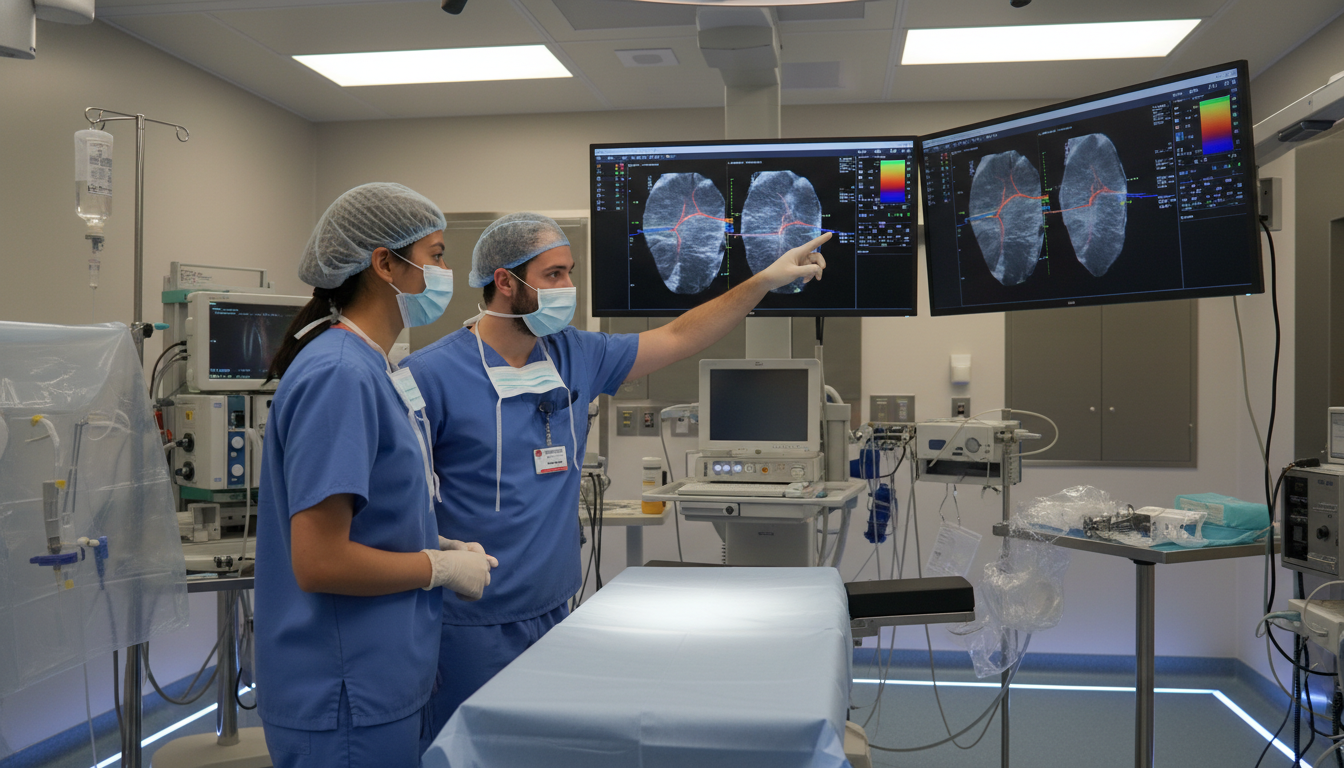
Preparing for Success: Before You Step Onto the Service
Thoughtful preparation separates an average away rotation from a game‑changing one.
Academic and Exam Readiness
Board Scores and Exams
- If possible, take USMLE Step 2 CK before starting your key away rotations, especially if Step 1 is pass/fail. Strong Step 2 scores can offset some DO bias.
- If you’re COMLEX-only, be ready to discuss what your scores mean and highlight other metrics (research, honors, class rank).
Core Vascular Knowledge
Focus on high-yield topics you’ll encounter daily:
- Peripheral arterial disease and critical limb ischemia
- Carotid artery disease and stroke prevention
- Abdominal aortic aneurysm (AAA) and thoracoabdominal aneurysms
- Acute limb ischemia
- Mesenteric ischemia
- Basic endovascular procedures (angioplasty, stenting, EVAR)
- Dialysis access (fistulas, grafts)
Resources to consider:
- Society for Vascular Surgery (SVS) clinical practice guidelines (skim major decision pathways)
- Pocket handbook like Rutherford’s Vascular and Endovascular Therapy summaries
- Institutional vascular surgery protocols if available
Technical and OR Skills Foundation
You do not need to be technically advanced to impress on a vascular rotation. You do need to:
- Suture basics: Practice one‑handed and two‑handed ties, instrument ties, and simple interrupted sutures on a model or suture board daily for at least 2–3 weeks before your first away.
- Sterile technique: Be absolutely solid; sloppiness in the OR will get noticed quickly.
- Endovascular awareness:
- Know basics of angiography, sheath sizes, wires, and catheters conceptually.
- Learn how to read simple angiograms (e.g., identify iliac vs femoral segments).
Application Logistics and Visiting Student Platforms
Most US programs use VSLO/VSAS for visiting student rotations. Key steps:
- Monitor application windows for each site—high-demand vascular rotations may fill quickly.
- Prepare:
- Up-to-date CV
- Transcript and class rank (if available)
- Board scores (Step/COMLEX)
- Immunization and health requirements
- Personal statement or short description tailored to vascular surgery
As a DO, apply early and broadly, especially to programs with a track record of accepting osteopathic students for visiting student rotations.
On the Rotation: How to Stand Out as a DO Applicant
Once you’re on service, everything you do either builds your case or weakens it. Below are concrete behaviors that help a DO graduate shine on an away rotation in vascular surgery.
1. Work Ethic and Reliability
You want residents and attendings to reach a simple conclusion:
“We could trust this person as our intern.”
How to communicate that:
- Arrive early: Be the first student there. Pre‑round thoroughly.
- Stay until the work is done: Don’t pack up before sign‑out unless explicitly told to go.
- Volunteer appropriately: Ask, “Is there anything else I can help with before I head out?”
- Own your tasks: If you say you will follow up on labs, imaging, or consults, make sure it’s done—and documented in the note or relayed to the resident.
2. Clinical Performance on a Vascular Service
Inpatient responsibilities:
- Follow 3–5 core patients closely; know:
- Indications for their operation
- Key imaging findings
- Relevant comorbidities (CAD, CKD, diabetes)
- Post-op course and complications to watch for (graft patency, limb perfusion)
- Present succinctly:
- Emphasize vascular-focused assessments: pulses, wounds, grafts, pain, neurologic status.
- Offer reasonable, well-thought-out plans (DVT prophylaxis, vascular imaging, wound care).
Outpatient clinic:
- Learn the flow: ABI readings, surveillance ultrasounds, pre-op optimization.
- When appropriate, offer to:
- Update medication lists
- Prepare basic documentation
- Look up prior imaging
Professionalism as a DO Graduate:
Because some faculty may not be familiar with your school, your behavior is the primary data point they’ll use to judge the quality of your training. Be calm, prepared, honest when you don’t know something, and consistent.
3. OR Performance and Building a Reputation
The OR is where many impressions are formed in surgical subspecialties.
Before each case:
- Read the chart and imaging: Know:
- Why the operation is being done
- Key vascular anatomy involved
- Major steps of the procedure
- Practice saying:
“Dr. X, I read up on this case—this patient has a 6.2 cm infrarenal AAA with a short neck, and we’re planning an EVAR today.”
In the OR:
- Position yourself to see well—and step aside if you’re blocking others.
- Master small tasks:
- Perfect draping technique
- Handling retractors without causing fatigue to the surgeon or nurse
- Anticipating needs (e.g., suction, sponges, vascular clamps)
- Ask earnest, well-timed questions:
- Between steps or during slower moments rather than at critical operative junctures.
- Example: “Could you explain how you’re choosing the landing zone for the stent graft in this patient?”
Asking to do more:
- After you’ve shown reliability, you can politely ask:
- “If there’s an opportunity, I’d really appreciate practicing some suturing or assisting more directly.”
- Many vascular surgeons will offer you more responsibility if you:
- Know the case
- Respect sterile technique
- Have shown basic technical competence on lower-stakes moments

Letters of Recommendation, Signaling, and Using Rotations to Match
Away rotations should not end with your last day in the hospital. You must actively convert these experiences into letters, signals, and match advantages.
1. Securing Strong Letters of Recommendation
For integrated vascular surgery, ideal letters include:
- 1–2 letters from vascular surgeons (preferably at away or home institutions)
- 1 letter from a general surgeon who can speak to your overall surgical potential
- 1 additional letter (research mentor, core clerkship director, or another surgical subspecialist if needed)
How to get a truly strong letter:
- Ask early once you’ve had enough time to work closely with the attending.
- Use confident but respectful phrasing:
“Dr. Smith, I’ve valued working with you this month and am applying to vascular surgery. Would you feel comfortable writing a strong letter of recommendation for me?” - Provide:
- Your CV
- Personal statement draft
- A short list of cases or examples where you feel you contributed meaningfully
For a DO graduate, a letter from a well-known vascular surgeon can carry significant weight and offset concerns about your school’s “brand name.”
2. Using Away Rotations as “Signals” of Interest
Even aside from ERAS signaling (if applicable in your cycle), your physical presence is a potent signal:
- Programs often view a visiting student as someone genuinely interested in their site.
- If you perform well, you may move from a borderline application to a safe interview invite—or even a top-of-the-list candidate.
For each rotation:
- Tell the program director or clerkship director explicitly that you are very interested in their integrated vascular program.
- Ask if you can schedule a brief end-of-rotation meeting to discuss your interest and get feedback.
- Follow up with an email a week or two after leaving:
- Thank them
- Reiterate your interest
- Mention specific aspects of the program you appreciated
3. Managing Risk: What if an Away Rotation Goes Poorly?
Occasionally, an away doesn’t go as planned. As a DO, you want to avoid a bad rotation becoming a major liability.
If you sense problems:
- Ask for mid-rotation feedback:
- “I’d really appreciate any feedback on how I can improve for the rest of the month.”
- Adjust quickly based on what you hear.
- If a letter seems unlikely to be strong, do not request one.
- Spread your risk by rotating at more than one vascular program—you don’t want your entire application hinging on a single subjective experience.
Integrating Vascular Away Rotations into a Broader Match Strategy
Away rotations are critical, but they are just one component of your osteopathic residency match strategy for vascular surgery.
1. Home Institution and Core Clerkships
Even if your home hospital lacks a dedicated vascular surgery service:
- Excel in general surgery, ICU, and medicine rotations.
- Seek out any exposure to:
- Vascular consults
- Wound care teams
- Interventional radiology
- Use your performance on these rotations to build a narrative of consistent surgical readiness.
2. Research and Scholarly Activity
Research productivity helps, especially as a DO:
- Aim for at least 1–2 vascular or surgery-related presentations or publications, if time permits.
- Short-term projects:
- Case reports on interesting vascular pathologies you see
- Quality improvement projects related to limb salvage, DVT prophylaxis, or clinic no-show rates
- Reach out to:
- Vascular faculty at your home institution
- Faculty from your away rotations (later, after you build rapport)
3. Building a Coherent Application Story
Your away rotations, personal statement, and interview answers should point toward a clear, consistent story:
- Why vascular surgery?
- How did your experiences as a DO student shape your goals?
- What did you learn from your away rotations that solidified your interest?
- Why are you a good fit for an integrated vascular program’s pace and demands?
Use specific examples from your visiting student rotations:
“During my away rotation at [Institution], I followed a patient with critical limb ischemia from angiography through bypass and postoperative wound care. Seeing how limb salvage restored his independence convinced me that this was the field where my work could have the most immediate impact.”
4. Parallel Planning with General Surgery
Given the competitiveness of vascular surgery and potential DO bias, many applicants wisely maintain a parallel interest in general surgery programs with strong vascular exposure.
Away rotation strategy for this:
- Do at least one general surgery rotation at a program with:
- A busy vascular division
- A history of placing graduates into vascular fellowships
- You can then:
- Apply to both integrated vascular and general surgery
- Keep your long-term vascular goals alive via the 5+2 pathway if needed
Frequently Asked Questions (FAQ)
How many away rotations should I do as a DO graduate interested in vascular surgery?
For a DO applicant in this competitive field, 2–3 away rotations is typical, with 3 being ideal if you can manage it without sacrificing performance. A solid plan might include:
- 2 vascular surgery away rotations (one reach, one target program)
- 1 general surgery rotation at a program with strong vascular training
If your home institution lacks substantial vascular exposure, a fourth rotation that is heavily vascular-focused can be considered, but only if you can maintain quality and avoid burnout.
Do I need to do an away rotation specifically in vascular surgery, or is general surgery enough?
If you are targeting an integrated vascular program, at least one dedicated vascular surgery away rotation is highly recommended. General surgery rotations alone do not demonstrate the same level of targeted interest or allow vascular faculty to assess you fully. An ideal mix for a DO graduate is:
- 1–2 vascular-specific away rotations
- 1 general surgery rotation with a robust vascular component
As a DO, can I still match into an integrated vascular surgery residency?
Yes. While the pathway is more competitive and historically MD-dominated, DO graduates do match into integrated vascular programs. To maximize your chances:
- Take USMLE Step 2 CK if at all possible and score competitively.
- Use away rotations to provide direct evidence of your abilities.
- Obtain strong vascular surgery letters from recognized faculty.
- Apply broadly, including programs with a history of DO residents and those where you’ve completed away rotations.
If you don’t match integrated, a strong general surgery residency with vascular exposure keeps the 5+2 fellowship pathway open.
What if my away rotation doesn’t go well—will it hurt my chances?
A less-than-ideal away rotation at one site does not doom your application, especially if:
- You have other rotations where you performed very well.
- You avoid requesting letters from attendings who seem lukewarm or critical.
- You address any feedback you received and demonstrate growth in subsequent rotations.
This is another reason why doing more than one away rotation is helpful—it spreads your risk and gives programs multiple data points to assess you, especially as a DO graduate trying to break into vascular surgery.
Away rotations are one of the most powerful tools a DO graduate can use when aiming for vascular surgery. With early planning, strategic selection of sites, and disciplined performance on each service, you can transform your visiting student rotations into compelling evidence that you belong in an integrated vascular program—and build a pathway to a successful match, whether directly into vascular or via general surgery with a future fellowship.