Why Away Rotations Matter for MD Graduates in Pathology
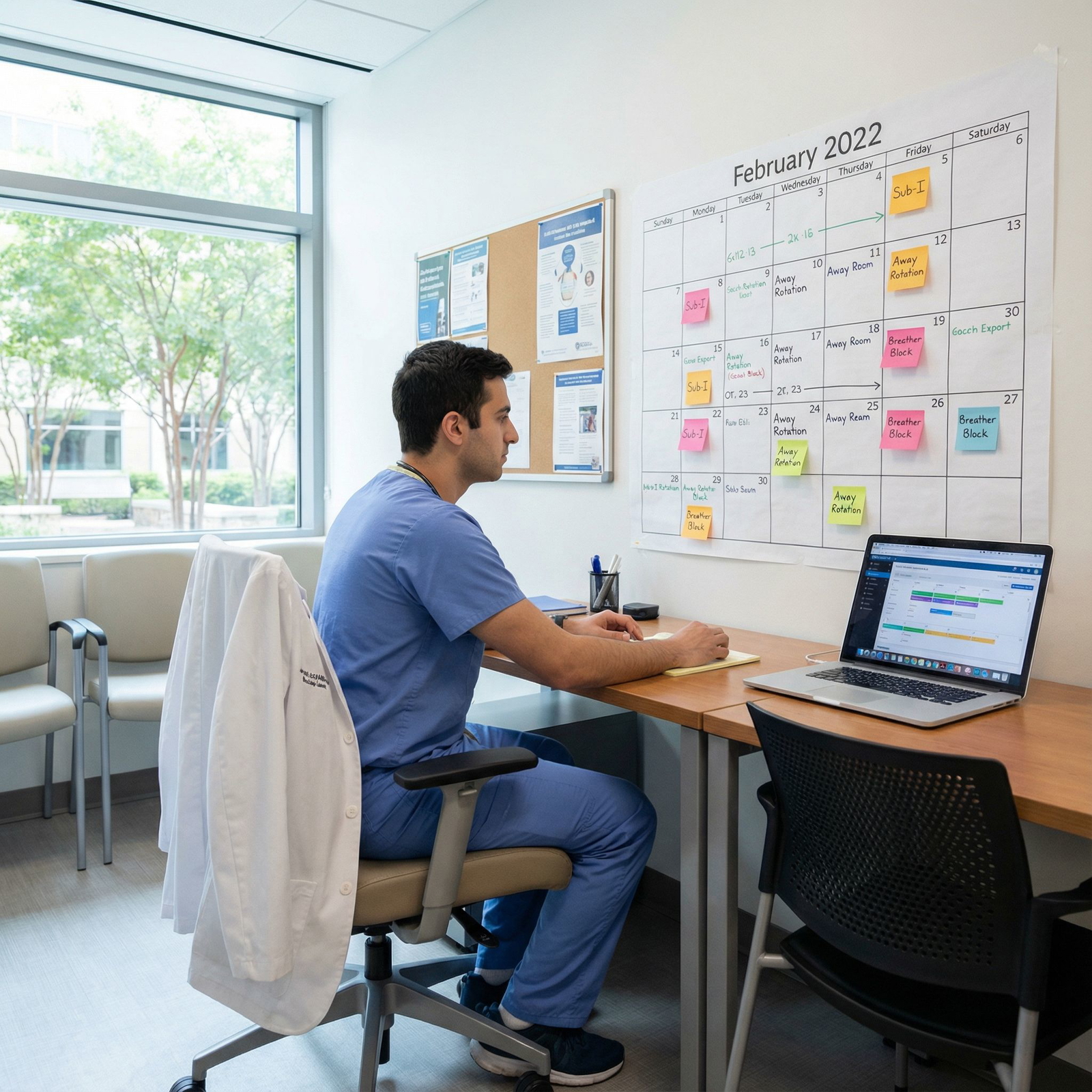
Away rotations are no longer just a “nice-to-have” in pathology—they can be a strategic tool in your overall residency application. As an MD graduate aiming for a pathology residency, you sit at a unique intersection: you already hold the MD, you may be in a gap year or transitioning from another field, and you’re competing in an increasingly sophisticated allopathic medical school match environment.
In pathology, away rotations (often called visiting student rotations or visiting clerkships) can:
- Show programs you are serious about their specialty and their institution
- Help you secure strong, specialty-specific letters of recommendation
- Allow you to demonstrate work ethic, communication skills, and “fit” in person
- Help you evaluate program culture, training quality, and location before ranking them
For some MD graduate residency applicants, particularly those with:
- Limited home pathology exposure
- Few or no pathology mentors
- Academic red flags, career changes, or international experiences
…a well-planned away rotation strategy can materially improve your pathology match prospects.
This article lays out a practical, step-by-step approach to designing an away rotation strategy tailored to MD graduates applying to pathology.
Understanding Away Rotations in Pathology
What Is an Away Rotation in Pathology?
An away rotation in pathology is a 2–4 week clinical or sub-specialty rotation at an institution other than your home medical school. For MD graduates, these often take the form of:
- Visiting student rotations through centralized systems (e.g., VSLO/VSAS in the U.S.)
- Non-credit observer- or externship-style experiences for those who have already graduated
- Institution-specific visiting programs arranged directly with departments
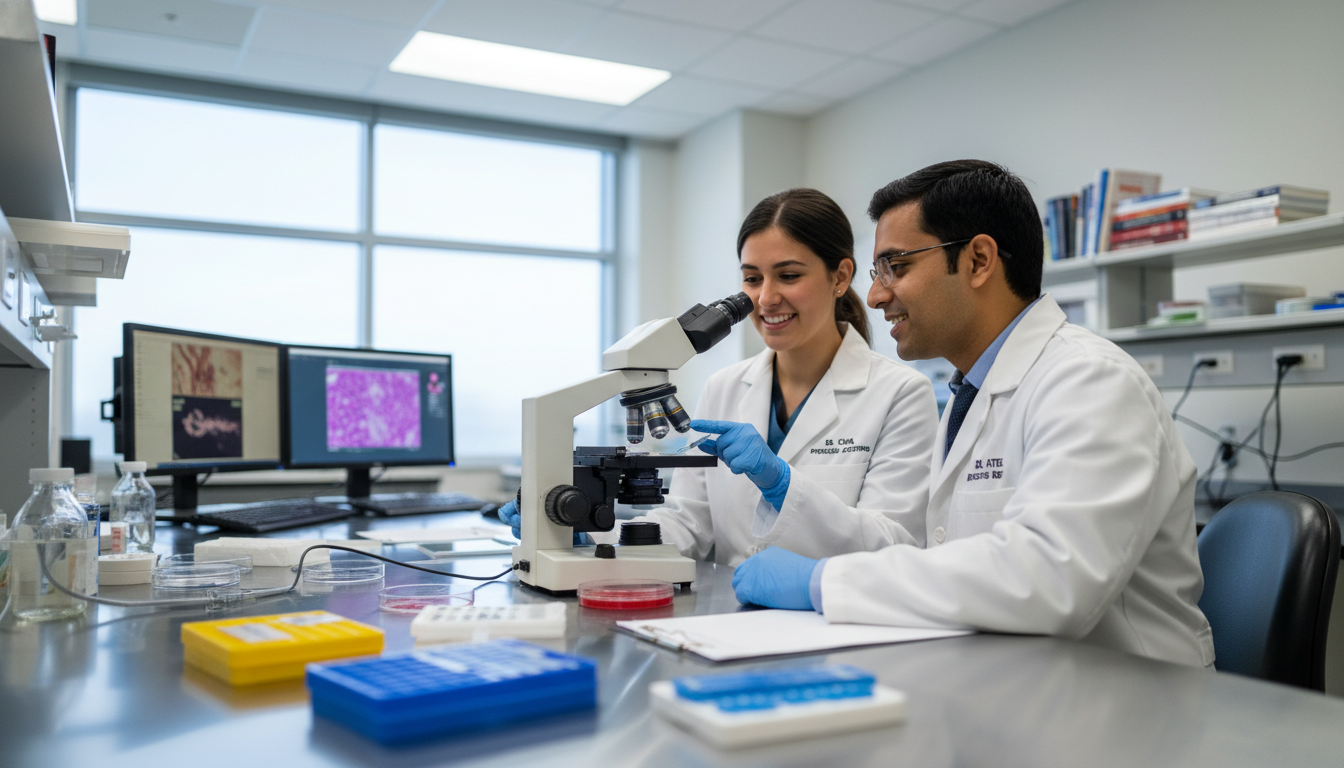
These rotations are typically pathology electives where you’ll:
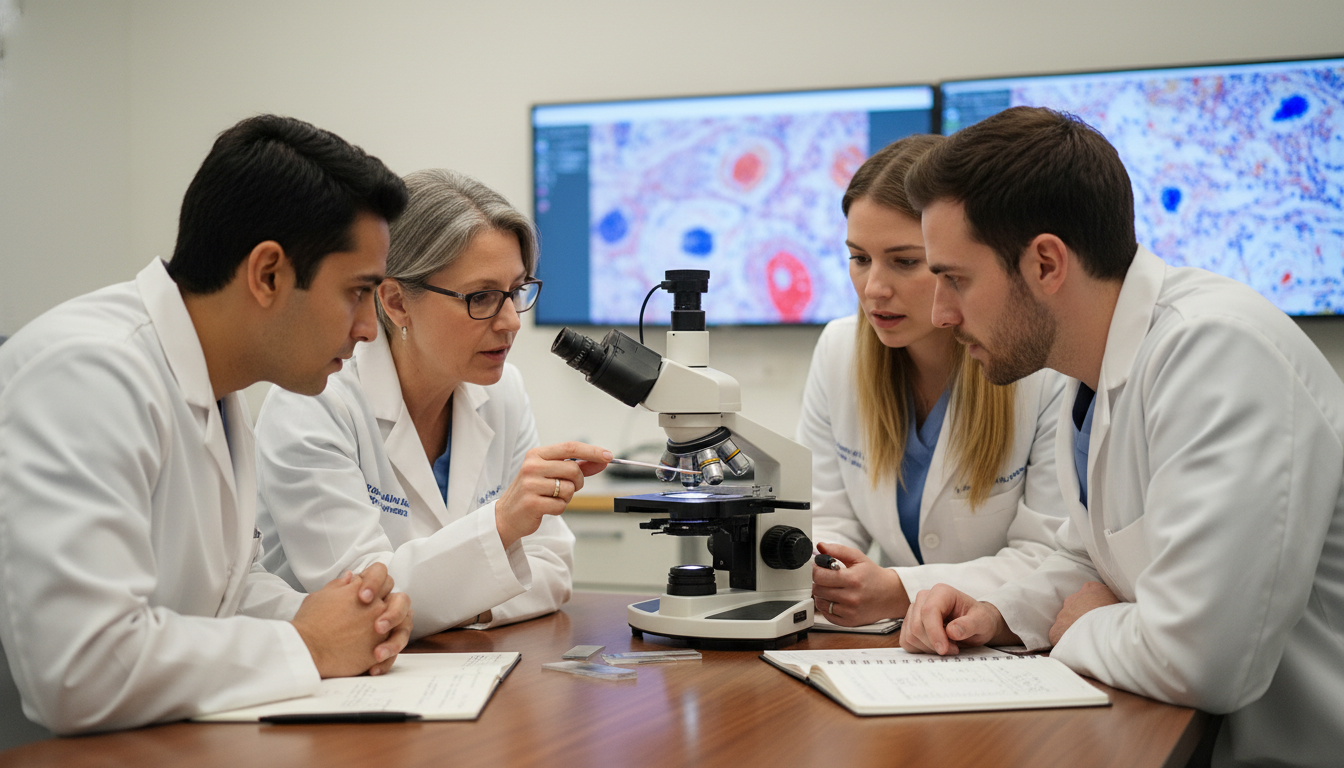
- Participate in sign-out at the microscope
- Observe or assist in grossing in surgical pathology
- Attend didactic conferences and tumor boards
- Participate in autopsy sign-out (depending on site and local policy)
- Engage with residents, fellows, and faculty as a member of the team
Why They Matter More in Pathology Than You Might Think
Pathology has a reputation as a “less competitive” specialty, but that’s an oversimplification. The pathology match is driven by:
- Strong letters from pathologists who know your work
- Documented commitment to the field
- Evidence of analytic thinking and communication skills
- Perceived fit with the program’s culture
Away rotations contribute to all four. While they may not be as universally “required” as in certain surgical fields, they are often pivotal in:
- Matching at a highly sought-after academic center
- Transitioning from another specialty or research background into pathology
- Compensating for weaker pre-clinical or clinical grades, or a delayed graduation
Deciding If You Need Away Rotations (and How Many)
A central question for many MD graduates: How many away rotations do I really need? The answer depends on your starting point.
Step 1: Assess Your Baseline Strengths and Gaps
Ask yourself:
Do I have a robust pathology presence at my home institution?
- At least one required pathology away-like elective
- Access to subspecialties (heme, derm, GI, cytology, neuropath)
- Faculty who know me and can write strong letters
Do I already have strong pathology-focused letters of recommendation?
- At least 1–2 letters from academic pathologists
- Ideally one from a residency program director, section chief, or senior faculty
Do I have any application challenges?
- Step failures or low scores
- Extended time to graduation
- Switching from another specialty post-graduation
- Limited clinical or pathology exposure
Are there geographic or institutional preferences?
- Specific cities/regions where you want to live long-term
- Dream institutions (e.g., top academic centers or programs with particular fellowships)
Your answers dictate your away rotation strategy.
Step 2: Strategic Recommendations by Applicant Type
1. Traditional MD Graduate with Strong Record and Home Pathology:
- Target: 1 away rotation (optional but advantageous)
- Purpose:
- Showcase yourself to a high-priority program or region
- Obtain an additional strong letter
- Expand networking
2. MD Graduate with Limited Home Pathology or No Home Program:
- Target: 2 away rotations
- Purpose:
- Establish your pathology identity
- Secure 2–3 strong letters
- Learn what a “typical” residency environment is like
3. Nontraditional Path to Pathology (Career Change / Red Flags / Gap Years):
- Target: 2–3 away rotations, executed strategically, not randomly
- Purpose:
- Demonstrate recent clinical engagement and reliability
- Allow pathologists to vouch for your professionalism and competency
- Build narrative consistency: “I am committed to pathology, and here’s proof”
4. IMG with an MD Equivalent Seeking an Allopathic Medical School Match in Pathology:
(If this applies to you in the U.S. system)
- Target: 2–3 rotations where you are eligible (may include observerships/external programs)
- Purpose:
- Obtain U.S. pathology experience and letters
- Demonstrate familiarity with U.S. lab workflows and communication norms
- Show that you can integrate into a U.S. academic environment
So, How Many Away Rotations?
If you’re asking explicitly “how many away rotations” you should do for a typical MD graduate residency application in pathology, a practical guideline:
- 1–2 away rotations is usually sufficient for most MD graduates
- 3 rotations may be appropriate if you have significant concerns about your application or are changing specialties
More than three often yields diminishing returns, especially if it displaces time that could be used for research, Step studying, or strengthening other aspects of your application.
Choosing the Right Programs and Rotations
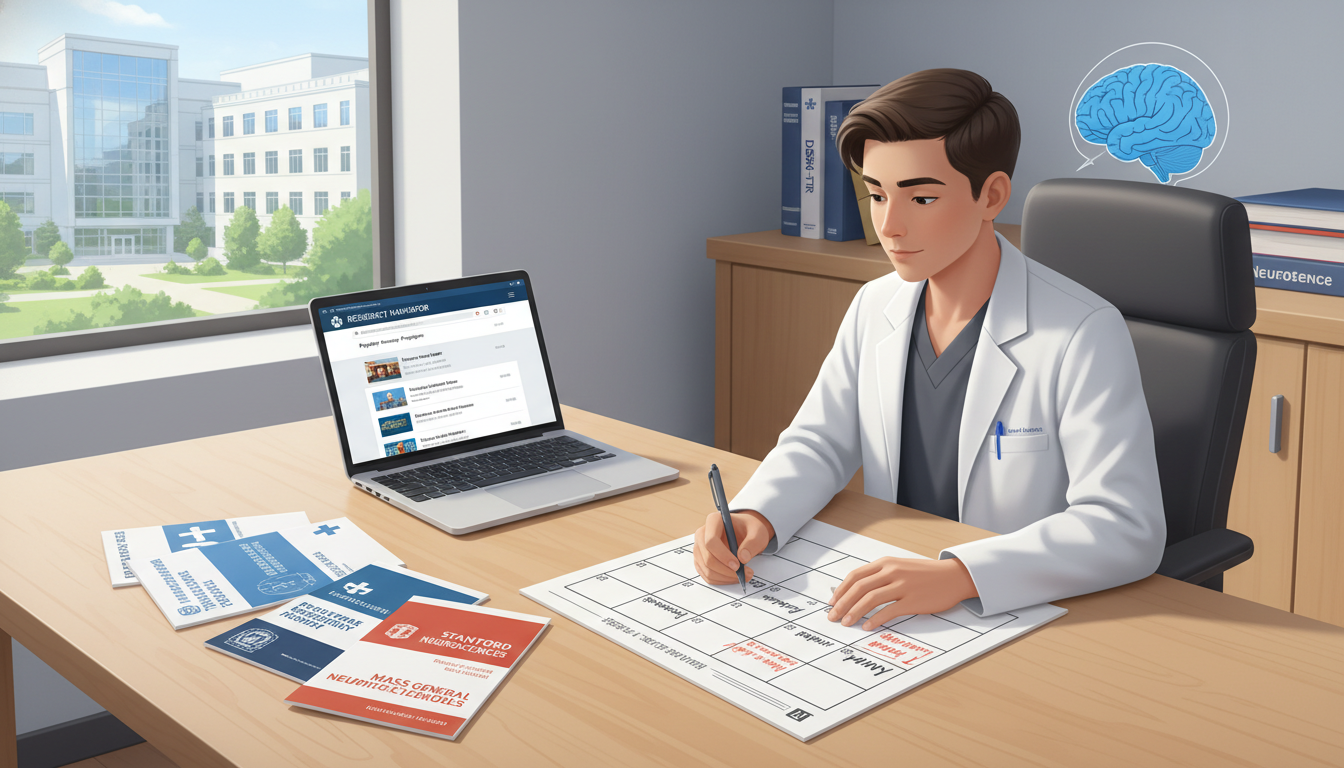
Selecting where to rotate can be as important as how well you perform there. Your away rotation strategy should be deliberate, not opportunistic.
Step 1: Clarify Your Goals
Rank your goals, for example:
- Maximize chances of matching at a specific program
- Gain exposure to high-volume, complex cases
- Earn letters from leaders in the field
- Target a geographic region where you want to live
- Explore particular subspecialty interests (e.g., hematopathology, neuropathology)
Your goals determine your ideal away rotation profile.
Step 2: Types of Pathology Away Rotations
Common options include:
General Surgical Pathology + Autopsy
- Good for foundational exposure
- Best if you lack broad basic pathology experience
Subspecialty-Focused Rotations
- Example: Hematopathology, Cytopathology, Neuropathology, GI, Dermpath
- Ideal when your home program lacks a given subspecialty
- Useful if you already know a subspecialty area that interests you
Academic vs. Community-Based Programs
- Academic centers: more complex cases, research, teaching conferences
- Large community programs: higher volume bread-and-butter pathology, often more autonomy
For most MD graduate residency applicants, at least one rotation should be at an academic center with a residency program you might realistically rank.
Step 3: Target Programs Strategically
Think about:
Competitiveness and Fit
- Don’t only aim for the top 5 “name brand” institutions
- Include programs where your profile is realistically competitive
- Look for programs with a track record of training clinically strong pathologists
Program Size and Interaction
- Smaller-to-medium programs often allow more faculty contact
- Large programs can offer breadth but may limit individualized attention
Geographic Priorities
- If you must be in a certain region (family, visa, dual-career considerations), choose at least one away rotation there
- Programs may favor applicants who have made a clear effort to be in their region
Existing Relationships and Networks
- If your mentors know faculty at certain institutions, that can amplify the impact of your rotation
- Alumni connections from your allopathic medical school can help open doors for visiting student rotations
Step 4: Understand Program Policies for MD Graduates
As an MD graduate rather than a current student, you must carefully:
- Check if the program accepts visiting graduates, not just active students
- Determine whether the experience is a formal elective vs. observership
- Clarify whether you can:
- Be listed in the EMR
- Participate in grossing or only observe
- Attend sign-out and conferences regularly
- Confirm what kind of evaluation or letter you can expect at the end
For the purposes of the pathology match, an observership with meaningful interaction and a detailed letter can still help, but a formal visiting rotation is almost always stronger.

Executing Your Away Rotations for Maximum Impact
Once you’ve secured away rotations, your focus shifts to performance, relationships, and documentation. You are essentially in a month-long extended interview.
Before the Rotation: Set Yourself Up for Success
Review Core Pathology Concepts
- Basic histology and common patterns (inflammation, neoplasia, dysplasia)
- Fundamental terminology (e.g., margins, grading, staging)
- Common malignancies and benign mimickers
Clarify Expectations
- Ask the coordinator or clerkship director what your typical day will look like
- Learn whether you’ll attend sign-out, grossing, autopsy, and conferences
- Understand the expected level of independence for an MD graduate
Prepare a Professional Narrative
- Be ready to concisely explain:
- Why pathology
- Why now (especially if you’re a graduate or career changer)
- What you hope to gain during the month
- Align this narrative with your future personal statement and interviews
- Be ready to concisely explain:
During the Rotation: Behaviors That Make a Strong Impression
Think in three domains: professionalism, curiosity, and contribution.
1. Professionalism
- Arrive early, stay appropriately engaged until the work is done
- Dress professionally (clean white coat, business-casual or scrubs per local norms)
- Communicate clearly and respectfully with technicians, residents, and attendings
- Own your responsibilities, even if they are modest (preparing slides, note-taking, case pre-review)
- Respect time: don’t monopolize the microscope if others are waiting
Faculty and residents will ask themselves, “Would I be comfortable having this person as a co-resident?” Your behavior should make the answer obvious.
2. Curiosity and Engagement
- Pre-read cases when possible, then ask focused questions at sign-out
- Example: “What features help you distinguish this reactive lymph node from lymphoma?”
- Attend conferences and take visible notes
- Ask to see correlated gross specimens when interesting cases arise
- Request feedback halfway through the rotation:
- “Is there anything I could do differently to get the most out of this rotation and be more helpful to the team?”
Curiosity should be structured, not random—demonstrate that you are thinking critically about the material.
3. Contribution and Initiative
Even as a visiting MD graduate, you can add value by:
- Helping organize case lists or conference materials
- Volunteering to present a short case or topic at a resident conference if invited
- Assisting residents with literature look-up on particularly challenging cases
- Being reliable for routine tasks (e.g., bringing cases to sign-out, maintaining sign-out lists)
You’re not expected to function as a resident, but showing that you can function like a future team member is powerful.
Building Relationships and Securing Letters
Letters of recommendation from away rotations can significantly influence your pathology residency application.
Timing:
- Aim to ask for a letter near the end of the rotation, once faculty have had sufficient exposure to you.
Whom to Ask:
- Faculty with whom you had consistent sign-out or project interaction
- Ideally a senior faculty member (section head, clerkship director, or program director)
- Residents can advocate for you behind the scenes—treat resident relationships seriously
How to Ask:
- In person if possible:
- “I’ve really valued working with you this month. I’m applying for pathology residency this cycle—would you feel comfortable writing a strong letter of recommendation on my behalf?”
- Provide:
- Updated CV
- Draft personal statement
- Summary of cases or projects you participated in
A well-written letter describing your performance in an away rotation can help a program director envision you within their own department—or at another institution where their opinion carries weight.
Integrating Away Rotations into Your Overall Pathology Match Strategy
Away rotations must fit coherently into your larger MD graduate residency plan.
Timeline Considerations
For a typical U.S. pathology residency application cycle:
- Late 3rd year / Early 4th year (or early in your gap year):
- Identify target programs and check their visiting student rotations application windows
- Spring–Summer before ERAS opens:
- Complete 1–2 away rotations so that letters are ready by application time
- Fall:
- Additional rotations can still generate supportive letters or “booster” advocacy for interview season
As an MD graduate, you may have more flexible timing but must remain mindful of when programs review applications and interview.
Telling a Cohesive Story
Your away rotations should reinforce a cohesive narrative that is clear in:
- Your personal statement
- Letters of recommendation
- ERAS experiences description
- Interview answers
For example, a strong narrative might be:
“During medical school, I developed a deep interest in pathology through my home rotation. To gain broader exposure and confirm this choice, I completed visiting student rotations in high-volume academic centers with strong surgical pathology and hematopathology services. Faculty there observed my analytical approach, commitment to patient care behind the microscope, and collegial working style, which reinforced my conviction that pathology is where I will have the most impact.”
For applicants with nontraditional or more complex paths:
“After time in clinical practice/research/another specialty, I recognized that my strengths—pattern recognition, diagnostic reasoning, and interdisciplinary collaboration—aligned best with pathology. Through deliberate away rotations at programs known for their strong diagnostic training, I sought to demonstrate my commitment, rebuild recent clinical experience, and confirm that pathology is the right long-term fit.”
In both cases, your away rotation strategy serves as evidence, not just aspiration.
Using Rotations to Refine Your Rank List
Finally, your experience on visiting student rotations can meaningfully influence your rank list:
- Consider:
- Resident morale and culture
- Quality and frequency of didactics
- Faculty accessibility and mentorship
- Volume and diversity of cases
- Support for fellowships and job placement
Programs where you rotated and felt at home often rise on your list; equally important, away rotations can prevent you from over-ranking a place that looked great on paper but felt misaligned in person.
FAQs: Away Rotation Strategy for MD Graduates in Pathology
1. Are away rotations required to match into a pathology residency?
No, away rotations are not formally required for the pathology match, especially if you have a strong home pathology department and solid letters. However, for MD graduates with limited home exposure, nontraditional paths, or specific geographic/institutional goals, 1–2 away rotations can significantly strengthen the application and open doors.
2. How many away rotations should I do if my home institution has a strong pathology program?
In that case, one strategically chosen away rotation is usually enough—often at a program or region where you are seriously interested in matching. This can give you comparative exposure, an extra letter from another institution, and visibility at a potential top-choice program.
3. What if I can only secure observational roles and not hands-on visiting student rotations as an MD graduate?
Observerships can still be valuable if:
- You have regular, meaningful interaction with faculty and residents
- You attend sign-out and conferences consistently
- You demonstrate professionalism, engagement, and curiosity
A detailed letter from an observership where faculty have truly observed your performance and character can still support your MD graduate residency application in pathology.
4. Should I prioritize away rotations at “top-name” institutions?
Prestige alone should not drive your decisions. It’s often better to rotate at programs where you realistically might match, where the department will have time and interest in evaluating you fairly. A strong, personalized letter from a mid-sized academic pathology program that knows you well can be more influential than a generic letter from a world-famous institution where you were one of many short-term visitors.
By approaching away rotations as part of a deliberate, narrative-driven strategy, you transform them from mere checkboxes into powerful components of your overall plan to secure a pathology residency through the allopathic medical school match. Thoughtful program selection, excellent on-rotation performance, and intentional relationship-building can make your visiting student rotations one of the strongest pillars of your application.